
Zurich looks effortless from the outside. The lake sparkles, trams move with quiet precision, salaries sound impressive, and the Alps sit close enough for a weekend escape. Then reality arrives with the first rent offer, health insurance quote and grocery receipt.
The cost of living in Zurich Switzerland is among the highest in Europe, but it is not impossible to manage. A single person should expect around CHF 3,500 to CHF 4,600 per month including rent, while a family of four may need CHF 8,800 to CHF 13,000 or more, especially when childcare is involved. According to Numbeo, monthly costs in Zurich are around CHF 1,529 for one person and around CHF 5,662 for a family of four before rent.
That is why planning matters. The cost of living in Zurich Switzerland 2026 is not only about food prices or tram tickets. It is about rent, health insurance, registration, customs, transport, storage and the expensive first weeks before life becomes predictable. If you are moving from the UK, Germany, France, Spain, Poland or another European country, a professional man and van service can make the relocation safer, faster and far less chaotic.
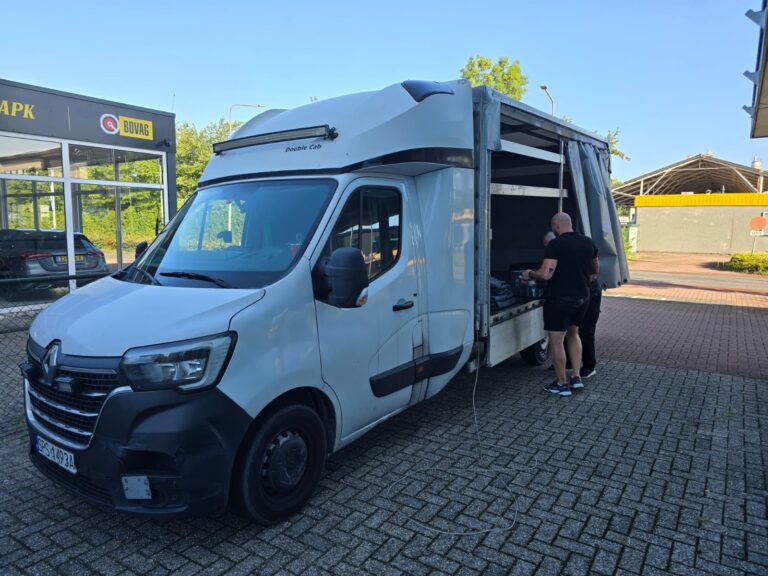
VANonsite supports moves to Switzerland with GPS tracked transport, flexible vehicle sizes, door to door delivery, packing options and storage support. For people moving to Zurich, that can mean fewer delays, fewer damaged items and a calmer start in one of Europe’s most demanding cities.
TL:DR
- The cost of living in Zurich Switzerland is high, with a single person often needing CHF 3,500 to CHF 4,600 per month including rent.
- Rent is usually the biggest expense, with a 1 bedroom apartment often costing around CHF 2,000 to CHF 2,400 per month.
- A family of four may need CHF 8,800 to CHF 13,000 or more per month, especially with childcare.
- Swiss health insurance is mandatory, and the Swiss average premium rises by 4.4% in 2026 to CHF 393.30 per month.
- Zurich is usually more expensive than Basel, Bern, Lausanne and Lugano, but salaries and infrastructure are also exceptionally strong.
- New residents in Zurich must usually register within 14 days of arrival.
- Moving with VANonsite can reduce relocation stress through GPS tracking, professional packing, storage options and dedicated man and van transport.




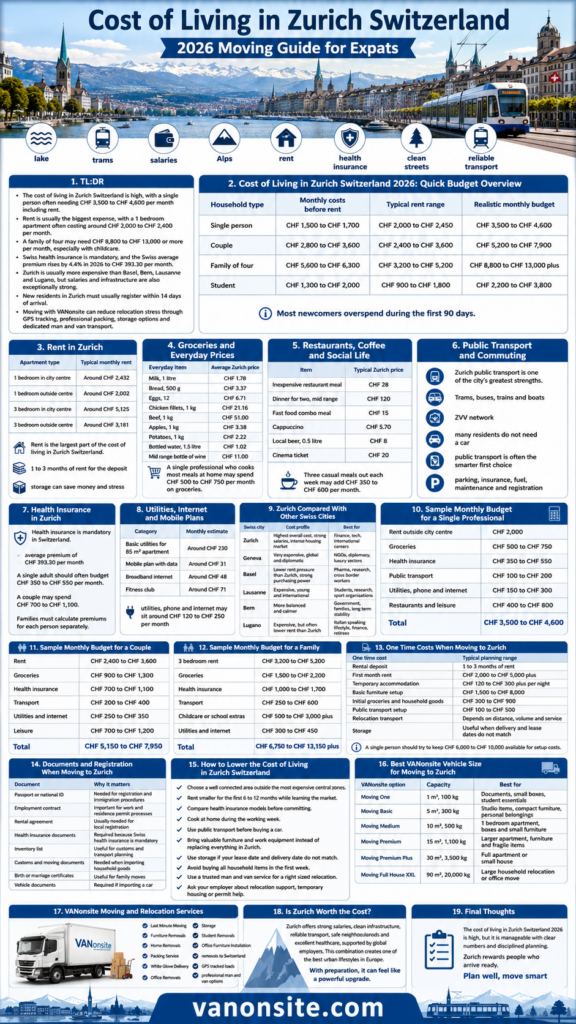
Cost of Living in Zurich Switzerland 2026: Quick Budget Overview
The living cost in Zurich Switzerland depends heavily on housing. Food, transport and insurance matter, but rent decides the shape of your monthly budget. A small apartment outside the centre can make Zurich manageable. A large flat in a premium district can double the pressure.
| Household type | Monthly costs before rent | Typical rent range | Realistic monthly budget |
|---|---|---|---|
| Single person | CHF 1,500 to CHF 1,700 | CHF 2,000 to CHF 2,450 | CHF 3,500 to CHF 4,600 |
| Couple | CHF 2,800 to CHF 3,600 | CHF 2,400 to CHF 3,600 | CHF 5,200 to CHF 7,900 |
| Family of four | CHF 5,600 to CHF 6,300 | CHF 3,200 to CHF 5,200 | CHF 8,800 to CHF 13,000 plus |
| Student | CHF 1,300 to CHF 2,000 | CHF 900 to CHF 1,800 | CHF 2,200 to CHF 3,800 |
Most newcomers overspend during the first 90 days. They pay deposits, buy household items, arrange insurance, set up phone contracts and sometimes cover temporary accommodation. This is why a Zurich budget should include a setup buffer, not only a monthly estimate.
A smart move also helps. Bringing the right furniture, work equipment and personal essentials can prevent expensive last minute shopping. With the right man and van service, you can avoid paying twice for transport, storage and replacements.
Rent in Zurich
Rent is the largest part of the cost of living in Zurich Switzerland. Numbeo lists a 1 bedroom apartment in Zurich city centre at around CHF 2,432 per month and a 1 bedroom apartment outside the centre at around CHF 2,002. A 3 bedroom apartment can cost around CHF 5,125 in the city centre and around CHF 3,181 outside the centre.
| Apartment type | Typical monthly rent |
|---|---|
| 1 bedroom in city centre | Around CHF 2,432 |
| 1 bedroom outside centre | Around CHF 2,002 |
| 3 bedroom in city centre | Around CHF 5,125 |
| 3 bedroom outside centre | Around CHF 3,181 |
Zurich housing is competitive. Good flats can disappear quickly, and landlords often expect complete documents from the start. Prepare your passport or ID, employment contract, proof of income, references if available and deposit funds. In many cases, tenants need 1 to 3 months of rent for the deposit, plus the first month upfront.
If your lease date and delivery date do not match, storage can save money and stress. Instead of rushing into expensive temporary purchases, you can move your important items safely and deliver them when the apartment is ready.
Groceries and Everyday Prices
Groceries are expensive in Zurich, but they are more controllable than rent. The cost of living in Switzerland Zurich becomes easier to manage when you cook at home, compare supermarkets and avoid daily convenience spending.
| Everyday item | Average Zurich price |
|---|---|
| Milk, 1 litre | CHF 1.78 |
| Bread, 500 g | CHF 3.37 |
| Eggs, 12 | CHF 6.71 |
| Chicken fillets, 1 kg | CHF 21.16 |
| Beef, 1 kg | CHF 51.00 |
| Apples, 1 kg | CHF 3.38 |
| Potatoes, 1 kg | CHF 2.22 |
| Bottled water, 1.5 litre | CHF 1.02 |
| Mid range bottle of wine | CHF 11.00 |
A single professional who cooks most meals at home may spend CHF 500 to CHF 750 per month on groceries. A couple may spend CHF 900 to CHF 1,300, while a family can easily reach CHF 1,500 to CHF 2,200.
The biggest shocks are usually meat, cheese, fresh convenience food and imported products. A small daily basket can look harmless, then become painful when repeated 25 times per month. Zurich rewards routine. Plan meals, bring lunch to work when possible and save restaurants for moments that feel worth it.
Restaurants, Coffee and Social Life
Eating out in Zurich is enjoyable, polished and expensive. A simple restaurant meal can cost around CHF 28, dinner for two at a mid range restaurant may reach CHF 120, a cappuccino often costs around CHF 5.70, and a cinema ticket can be around CHF 20.
| Item | Typical Zurich price |
|---|---|
| Inexpensive restaurant meal | CHF 28 |
| Dinner for two, mid range | CHF 120 |
| Fast food combo meal | CHF 15 |
| Cappuccino | CHF 5.70 |
| Local beer, 0.5 litre | CHF 8 |
| Cinema ticket | CHF 20 |
This is where the cost of living in Zurich Switzerland can quietly accelerate. Three casual meals out each week may add CHF 350 to CHF 600 per month. Coffee, drinks, brunch and weekend plans can add even more.
Zurich does not have to feel restrictive. The lake, parks, walking routes, mountain connections and public spaces create plenty of low cost ways to enjoy the city. The key is to spend intentionally. In Zurich, small automatic habits become expensive very quickly.

Public Transport and Commuting
Zurich public transport is one of the city’s greatest strengths. Trams, buses, trains and boats are integrated through the ZVV network, and many residents do not need a car for daily life. ZVV travelcards are designed for regular travel across selected zones, making commuting predictable and convenient.
For newcomers, location matters. A slightly cheaper flat in a poorly connected area may not be a real saving if it adds time, stress or extra transport costs. Living near a tram, S Bahn or reliable bus line can improve daily life immediately.
A car inside Zurich can be expensive. Parking, insurance, fuel, maintenance and registration can add a heavy layer to the budget. Unless your job, family situation or lifestyle requires it, public transport is often the smarter first choice.
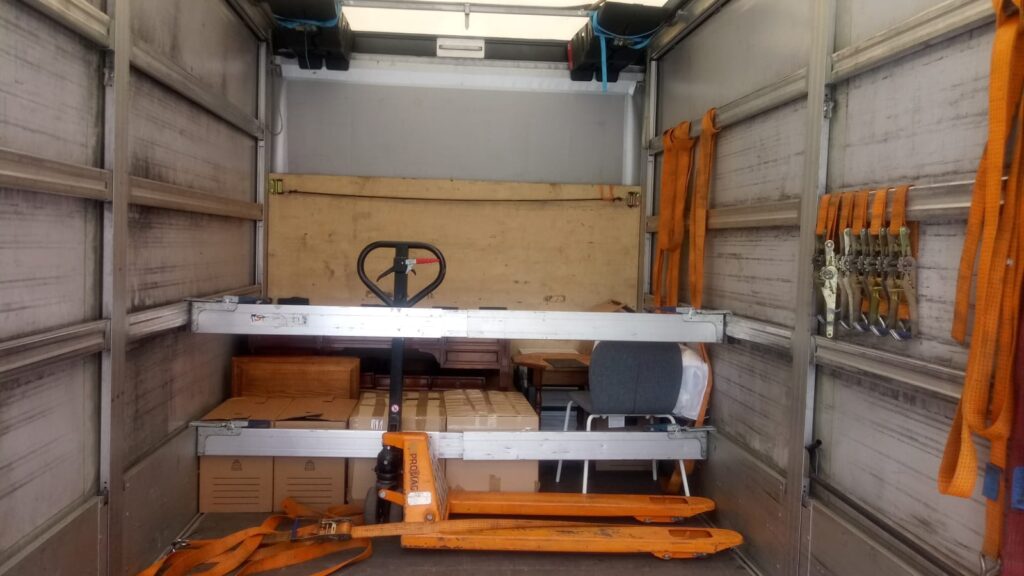
Transport access also affects moving day. Narrow streets, apartment rules and strict delivery windows can make unloading difficult. A professional man and van provider can plan arrival times, protect furniture and reduce disruption in busy residential areas.
Health Insurance in Zurich
Health insurance is mandatory in Switzerland. The Swiss Federal Office of Public Health states that average health insurance premiums rise by 4.4% in 2026, reaching an average premium of CHF 393.30 per month.
Your real premium depends on canton, insurer, age, deductible and insurance model. A single adult should often budget CHF 350 to CHF 550 per month. A couple may spend CHF 700 to CHF 1,100. Families must calculate premiums for each person separately.
This is one reason the cost of living in Zurich Switzerland feels different from many other European cities. Health insurance is not hidden inside tax in the same way many newcomers expect. It is a direct monthly bill and should be included before you sign a rental contract.
Utilities, Internet and Mobile Plans
Utilities are not the largest expense in Zurich, but they still deserve attention. Basic utilities for an 85 m² apartment can sit around CHF 230 per month. Mobile data plans may cost around CHF 31, while broadband internet can be around CHF 48.
| Category | Monthly estimate |
|---|---|
| Basic utilities for 85 m² apartment | Around CHF 230 |
| Mobile plan with data | Around CHF 31 |
| Broadband internet | Around CHF 48 |
| Fitness club | Around CHF 71 |
For a single person, utilities, phone and internet may sit around CHF 120 to CHF 250 per month, depending on what is included in the rent. A couple or family should plan closer to CHF 250 to CHF 450.
Recurring costs matter. Streaming services, gym memberships, premium phone contracts, subscriptions and small insurance extras can easily add CHF 150 to CHF 300 per month. In Zurich, tidy budgeting is not boring. It is powerful.
Zurich Compared With Other Swiss Cities
The cost of living in Zurich Switzerland is high even by Swiss standards. Zurich often ranks above Geneva, Basel, Lausanne, Lugano and Bern for overall living costs. In Numbeo’s 2026 city comparison, Zurich has a cost of living index of 118.5, while Geneva is at 116.5, Basel at 112.4, Lausanne at 111.5, Lugano at 110.1 and Bern at 110.0.
| Swiss city | Cost profile | Best for |
|---|---|---|
| Zurich | Highest overall cost, strong salaries, intense housing market | Finance, tech, international careers |
| Geneva | Very expensive, global and diplomatic | NGOs, diplomacy, luxury sectors |
| Basel | Lower rent pressure than Zurich, strong purchasing power | Pharma, research, cross border workers |
| Lausanne | Expensive, young and international | Students, research, sport organisations |
| Bern | More balanced and calmer | Government, families, long term stability |
| Lugano | Expensive, but often lower rent than Zurich | Italian speaking lifestyle, finance, retirees |
The cost of living in Zurich Switzerland is usually most painful in housing. Basel and Bern can feel more balanced because rents are often lower. Geneva is close to Zurich in many categories, but Zurich’s pressure from finance, technology and international companies keeps demand extremely high.
Still, Zurich gives strong value to people with the right income. The city offers safety, reliable public transport, clean streets, excellent healthcare, international schools, strong employers and fast access to nature.
Sample Monthly Budget for a Single Professional
A single professional moving to Zurich should budget with caution. Optimistic numbers can create pressure during the first few months.
| Expense | Monthly estimate |
|---|---|
| Rent outside city centre | CHF 2,000 |
| Groceries | CHF 500 to CHF 750 |
| Health insurance | CHF 350 to CHF 550 |
| Public transport | CHF 100 to CHF 200 |
| Utilities, phone and internet | CHF 150 to CHF 300 |
| Restaurants and leisure | CHF 400 to CHF 800 |
| Total | CHF 3,500 to CHF 4,600 |
The cost of living in Zurich Switzerland 2026 can be manageable for a single person with a strong salary and sensible housing choice. The first months are the most expensive because deposits, furniture, temporary accommodation and setup purchases often arrive together.
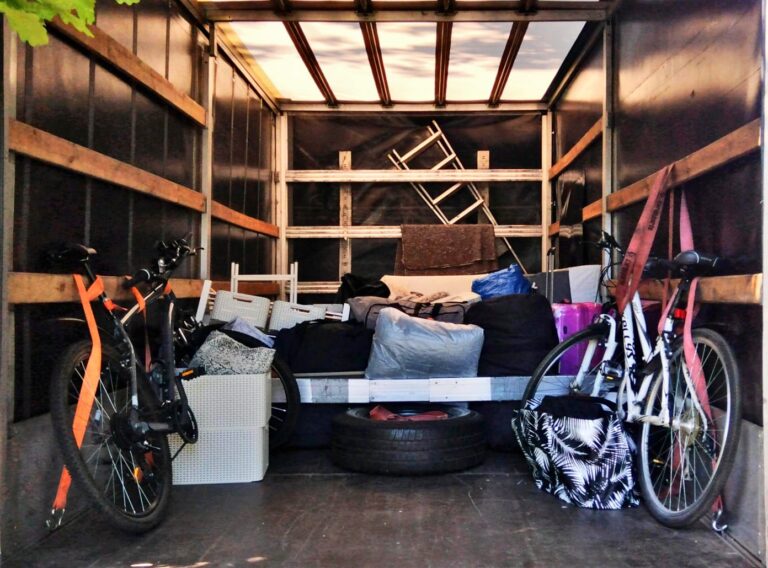
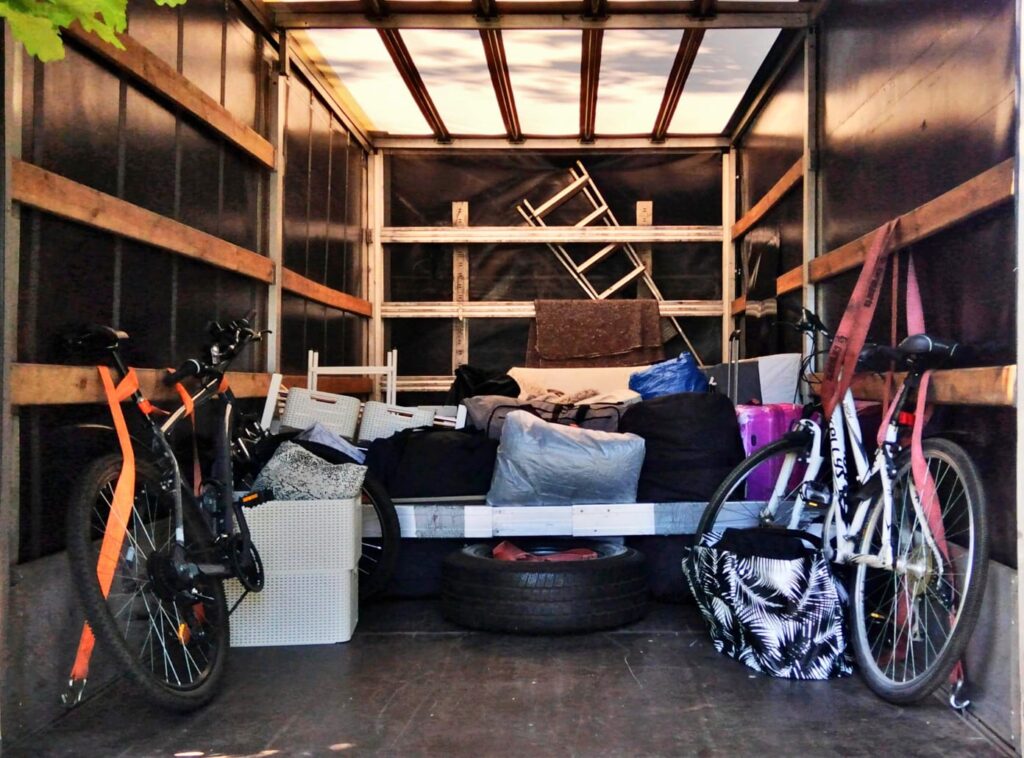
If you are moving with boxes, a desk, chair, bike, bed or personal furniture, bringing your own items may be cheaper than replacing everything in Zurich. A man and van service is often the ideal choice for compact apartment moves, student removals and professional relocations.
Sample Monthly Budget for a Couple
For a couple, Zurich becomes more efficient because rent and utilities are shared. However, the cost of living in Zurich Switzerland is still substantial.
| Expense | Monthly estimate |
|---|---|
| Rent | CHF 2,400 to CHF 3,600 |
| Groceries | CHF 900 to CHF 1,300 |
| Health insurance | CHF 700 to CHF 1,100 |
| Transport | CHF 200 to CHF 400 |
| Utilities and internet | CHF 250 to CHF 350 |
| Leisure | CHF 700 to CHF 1,200 |
| Total | CHF 5,150 to CHF 7,950 |
A couple with two strong incomes can live very well in Zurich. A couple relying on one income should be more careful, especially during the first year. Before moving, decide what is worth transporting. Quality furniture, bikes, work equipment and personal belongings may be worth bringing. Cheap bulky items may not be.
VANonsite offers flexible vehicle sizes, which helps match your move to the real volume. That matters because unused space costs money, while underestimating your load can create extra trips and unnecessary stress.
Sample Monthly Budget for a Family
For families, the cost of living in Zurich Switzerland is shaped by rent, health insurance and childcare. Private childcare can be extremely expensive, and even school related costs, activities and transport can add up.
| Expense | Monthly estimate |
|---|---|
| 3 bedroom rent | CHF 3,200 to CHF 5,200 |
| Groceries | CHF 1,500 to CHF 2,200 |
| Health insurance | CHF 1,000 to CHF 1,700 |
| Transport | CHF 250 to CHF 600 |
| Childcare or school extras | CHF 500 to CHF 3,000 plus |
| Utilities and internet | CHF 300 to CHF 450 |
| Total | CHF 6,750 to CHF 13,150 plus |
Families should compare central Zurich with areas such as Oerlikon, Altstetten, Winterthur, Baden and other commuter friendly locations. The cheapest rent is not always the best choice. School access, commute time, childcare availability and neighbourhood safety can matter more than saving a few hundred francs.
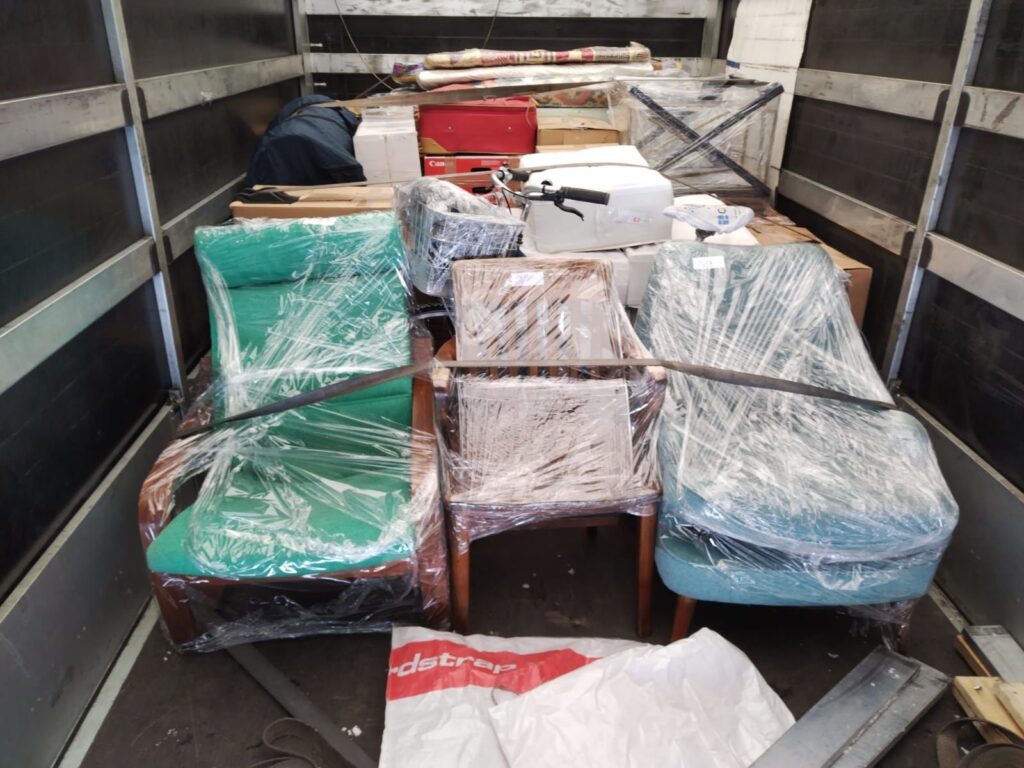
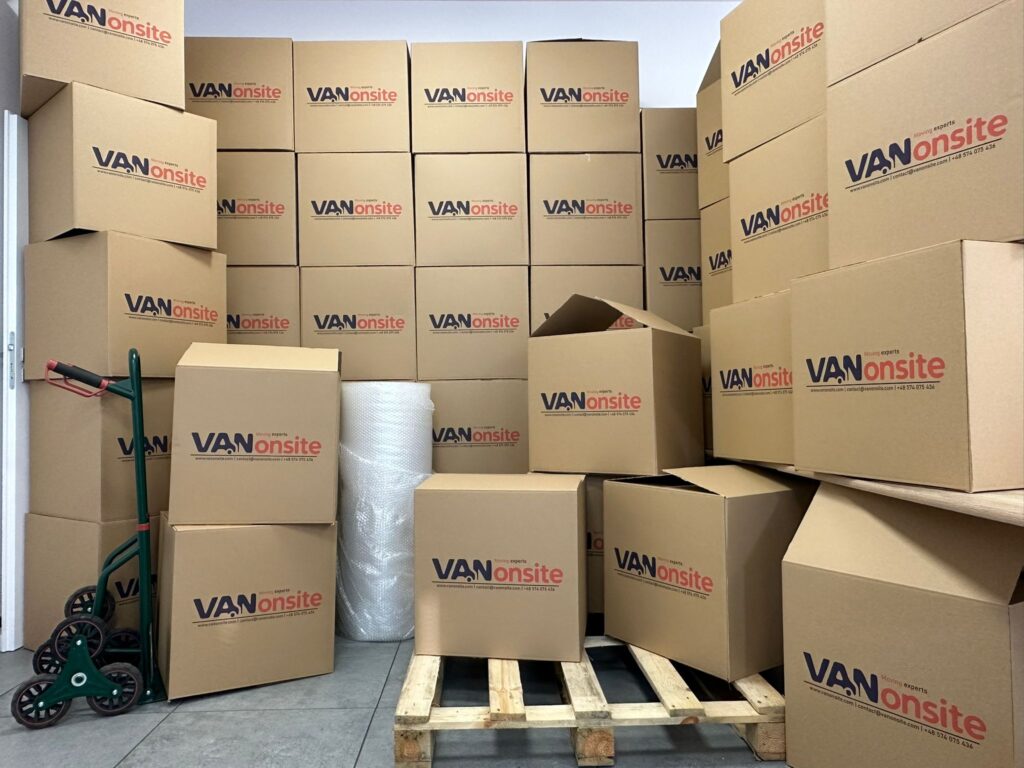
A family move also needs careful packing. Children’s furniture, kitchen equipment, wardrobes, workstations, fragile items and sentimental belongings need protection. VANonsite supports Home Removals, Furniture Removals, Packing Service, storage and White Glove Delivery for delicate or high value pieces.

One Time Costs When Moving to Zurich
The first month in Zurich is rarely normal. The cost of living in Zurich Switzerland becomes much higher at the beginning because you are setting up a life, not only paying for daily expenses.
| One time cost | Typical planning range |
|---|---|
| Rental deposit | 1 to 3 months of rent |
| First month rent | CHF 2,000 to CHF 5,000 plus |
| Temporary accommodation | CHF 120 to CHF 300 plus per night |
| Basic furniture setup | CHF 1,500 to CHF 8,000 |
| Initial groceries and household goods | CHF 300 to CHF 900 |
| Public transport setup | CHF 100 to CHF 500 |
| Relocation transport | Depends on distance, volume and service |
| Storage | Useful when delivery and lease dates do not match |
A single person should try to keep CHF 6,000 to CHF 10,000 available for setup costs. A couple may feel safer with CHF 10,000 to CHF 18,000. Families often need a larger buffer, especially when school, childcare or temporary housing is involved.
A professional move can look like an extra cost, but it often prevents hidden losses. Damaged furniture, missed delivery windows, last minute storage, replacement purchases and days off work can cost far more than careful planning.
Documents and Registration When Moving to Zurich
Switzerland rewards precision. The City of Zurich explains that newcomers must register within 14 days at City Hall. The Canton of Zurich also states that people moving to a Zurich community must register within 14 days of arrival and apply for a residence permit within that period if needed.
| Document | Why it matters |
|---|---|
| Passport or national ID | Needed for registration and immigration procedures |
| Employment contract | Important for work and residence permit processes |
| Rental agreement | Usually needed for local registration |
| Health insurance documents | Required because Swiss health insurance is mandatory |
| Inventory list | Useful for customs and transport planning |
| Customs and moving documents | Needed when importing household goods |
| Birth or marriage certificates | Useful for family moves |
| Vehicle documents | Required if importing a car |
For work, the Swiss State Secretariat for Migration explains that foreign nationals need permission to work in Switzerland, and the rules depend on whether they come from an EU or EFTA country or from a third country. For household goods, Swiss customs guidance should be checked before the move. Used personal effects may qualify as removal goods, but the import process requires correct paperwork and a clear inventory.
Do not leave this until the van is packed. Create your inventory early. Keep copies of contracts, permits and IDs accessible. Share accurate item lists with your mover. A smooth Swiss border crossing starts long before the vehicle reaches customs.
How to Lower the Cost of Living in Zurich Switzerland
You do not need to live miserably to control the cost of living in Zurich Switzerland. You need a smart system.
- Choose a well connected area outside the most expensive central zones.
- Rent smaller for the first 6 to 12 months while learning the market.
- Compare health insurance models before committing.
- Cook at home during the working week.
- Use public transport before buying a car.
- Bring valuable furniture and work equipment instead of replacing everything in Zurich.
- Use storage if your lease date and delivery date do not match.
- Avoid buying all household items in the first week.
- Use a trusted man and van service for a right sized relocation.
- Ask your employer about relocation support, temporary housing or permit help.
The biggest savings often come from avoiding panic. Zurich is expensive, but rushed decisions are even more expensive. Plan your route, volume, customs documents and delivery date carefully.
Best VANonsite Vehicle Size for Moving to Zurich
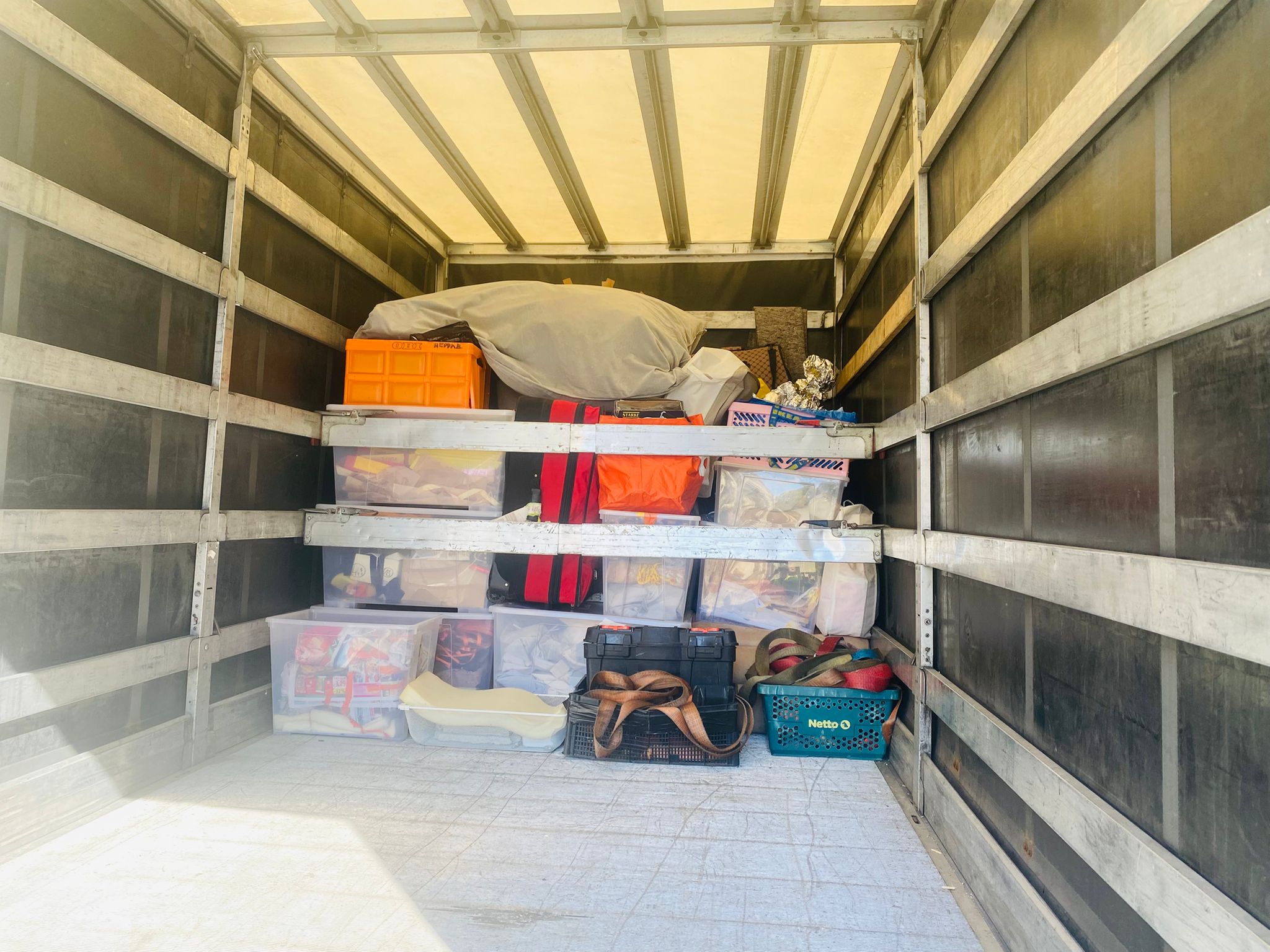
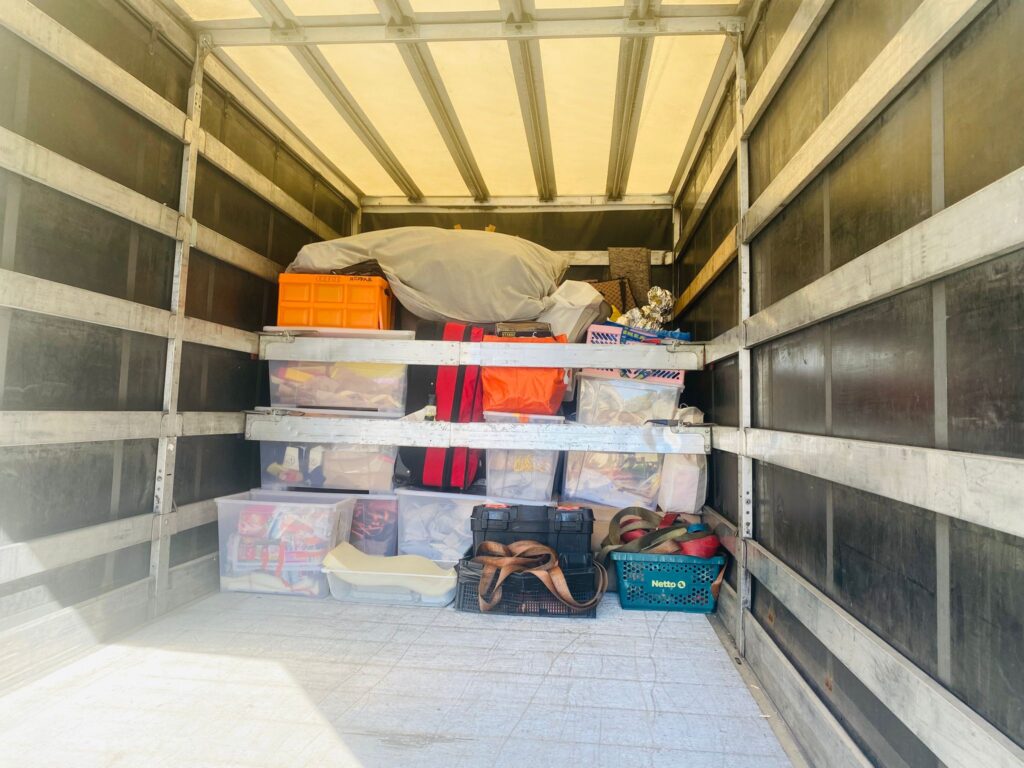
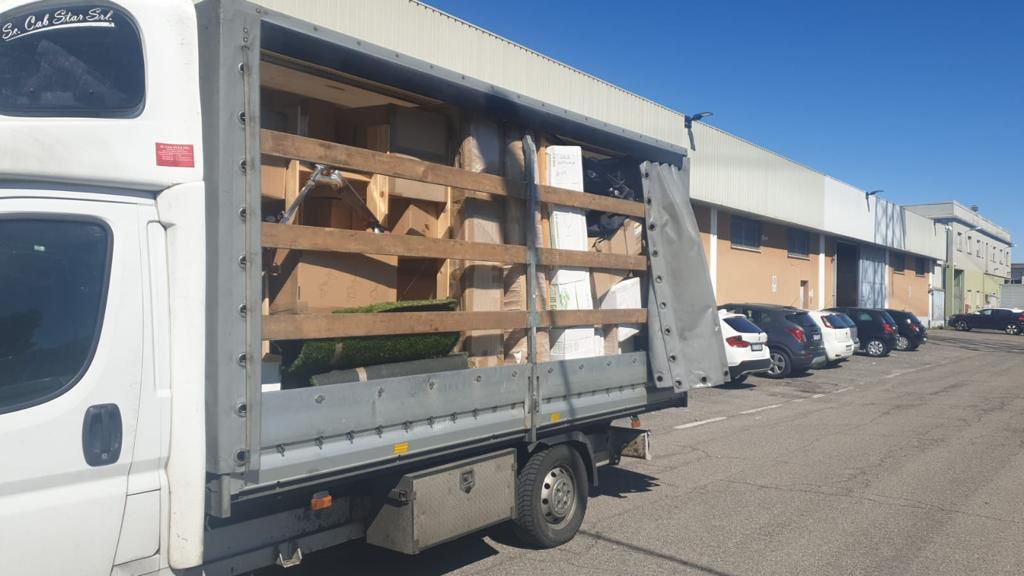
VANonsite offers flexible vehicle sizes for different relocation needs. This helps keep costs controlled because you can match the vehicle to the actual volume of your move.
| VANonsite option | Capacity | Best for |
|---|---|---|
| Moving One | 1 m³, 100 kg | Documents, small boxes, student essentials |
| Moving Basic | 5 m³, 300 kg | Studio items, compact furniture, personal belongings |
| Moving Medium | 10 m³, 500 kg | 1 bedroom apartment, boxes and small furniture |
| Moving Premium | 15 m³, 1,100 kg | Larger apartment, furniture and fragile items |
| Moving Premium Plus | 30 m³, 3,500 kg | Full apartment or small house |
| Moving Full House XXL | 90 m³, 20,000 kg | Large household relocation or office move |
The cost of living in Zurich Switzerland is already high, so your move should not be wasteful. If you only need to transport boxes and a few essentials, a smaller vehicle may be enough. If you are moving a full household, professional packing and a larger vehicle can protect valuable items and reduce the risk of multiple trips.
VANonsite also offers Last Minute Moving, Furniture Removals, Home Removals, Packing Service, White Glove Delivery, Office Removals, Storage, Student Removals and Office Furniture Installation. For a dedicated Swiss relocation service, see removals to Switzerland.
Is Zurich Worth the Cost?
Zurich is not a bargain city. It is precise, polished and demanding. But for the right person, couple or family, it can be extraordinary.
The cost of living in Zurich Switzerland buys access to strong salaries, clean infrastructure, reliable transport, safe neighbourhoods, excellent healthcare, global employers and one of the best urban lifestyles in Europe. The city also offers quiet luxury: swimming in the lake after work, mountain trips on weekends, punctual trains and calm streets even in busy districts.
The risk is arriving unprepared. Without a budget, housing plan, insurance research and moving strategy, Zurich can feel harsh. With preparation, it can feel like a powerful upgrade.
Final Thoughts
The cost of living in Zurich Switzerland 2026 is high, but it is manageable with clear numbers and disciplined planning. Expect rent to dominate your budget. Treat health insurance as a fixed cost. Build a setup buffer for the first few months. Compare neighbourhoods carefully. Move only what is worth moving, but do not underestimate the value of bringing quality furniture, work equipment and personal essentials.
A smooth move to Zurich is not only about transport. It is about timing, paperwork, protection and trust. VANonsite helps make that journey simpler with GPS tracked loads, professional man and van options, packing support, storage and flexible vehicle sizes for everything from student moves to full home removals.
Zurich rewards people who arrive ready. Plan well, move smart and the city can give back far more than it costs.