
Relocation in Switzerland can be an exciting step toward a safer, more stable and better organised life. The country offers high salaries, excellent public transport, dependable healthcare and access to some of Europe’s most spectacular landscapes. Yet the move itself demands careful planning. Residence permits, customs declarations, compulsory health insurance, competitive housing markets and canton-specific rules can quickly overwhelm anyone who arrives unprepared.
The process becomes easier when divided into clear stages. First, confirm your right to live and work in Switzerland. Next, choose the right canton, calculate your budget and secure accommodation. Then prepare your documents, customs inventory and transport plan.
Switzerland has 26 cantons and four national languages. Your choice of location affects taxes, rent, schools, administration and daily life. A move to Zurich can feel very different from a move to Geneva, Basel, Zug or Lugano.
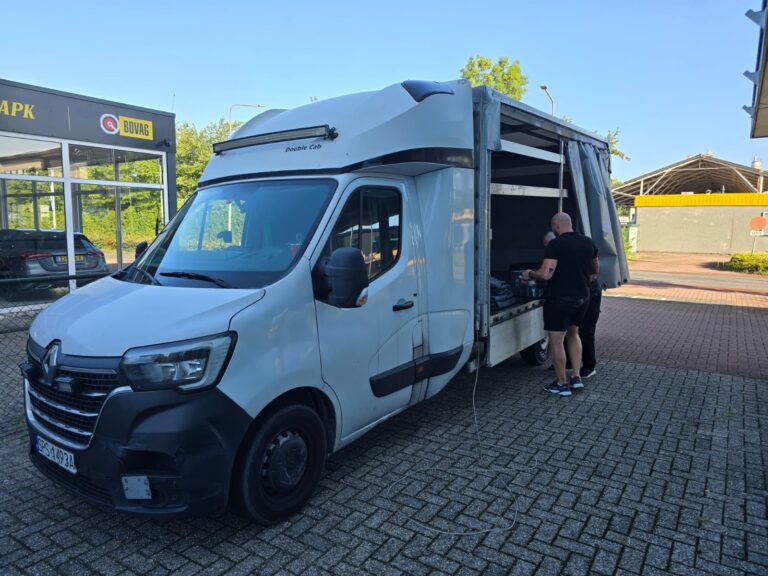
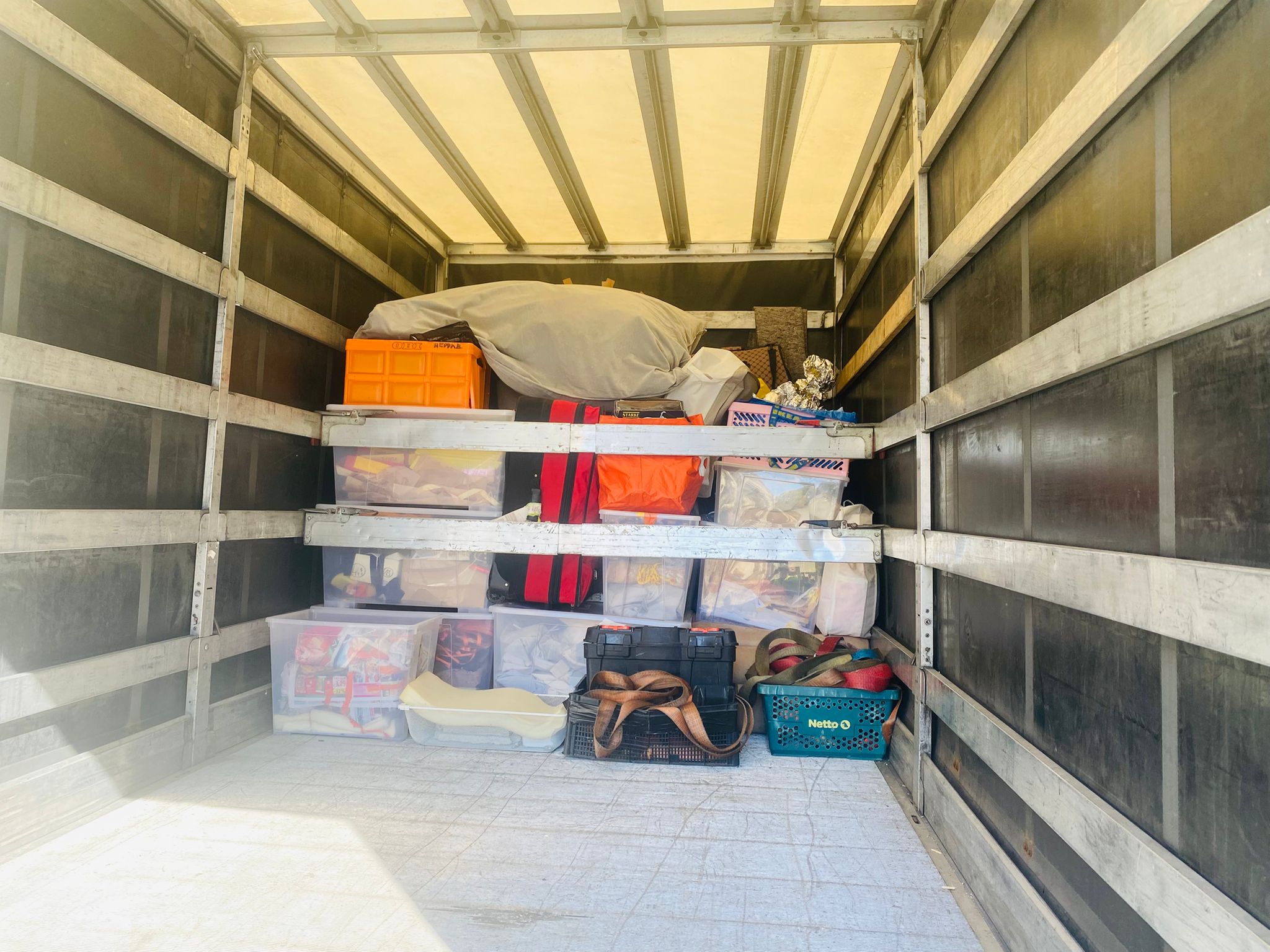
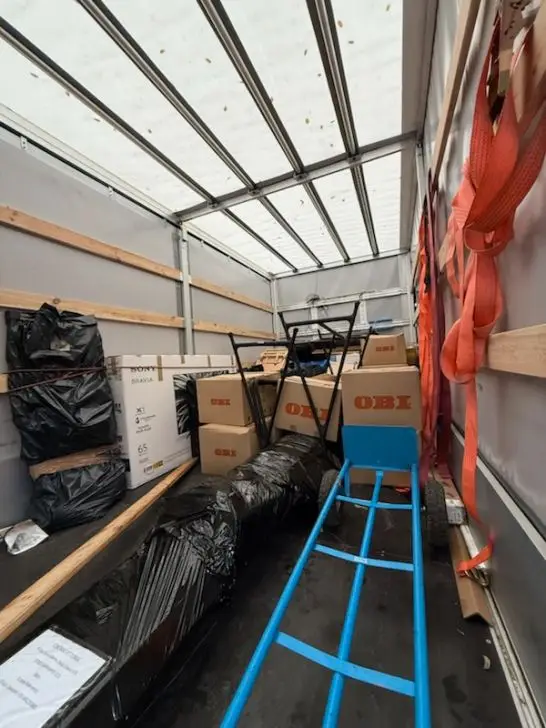
Professional transport also matters. Switzerland is outside the EU customs territory, so moving furniture and household goods requires more preparation than a standard move within the European Union. A dedicated, GPS-tracked man and van service can reduce unnecessary handling, improve communication and give you greater control over the journey.
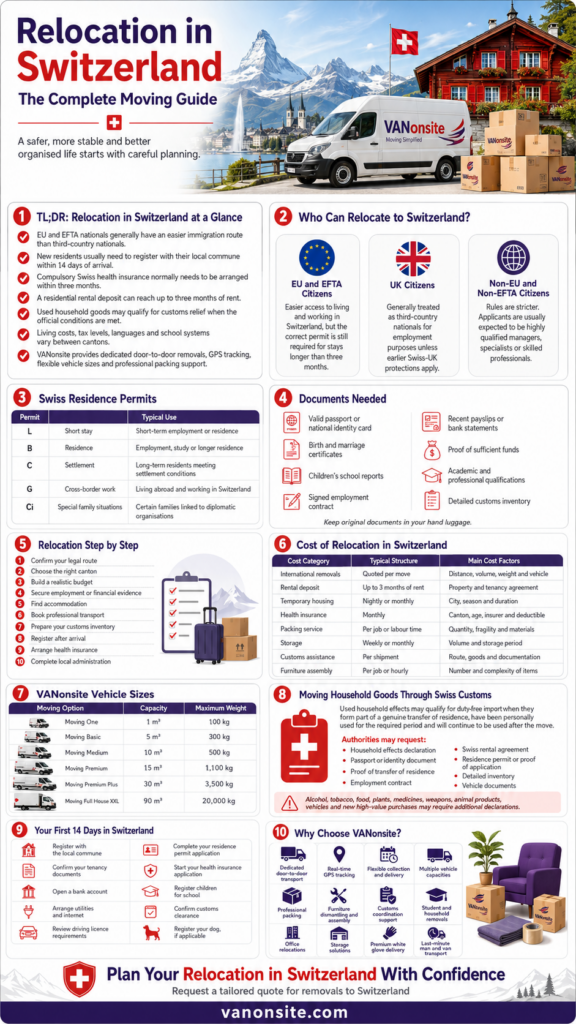
TL:DR: Relocation in Switzerland at a Glance
- EU and EFTA nationals generally have an easier immigration route than third-country nationals.
- New residents usually need to register with their local commune within 14 days of arrival.
- Compulsory Swiss health insurance normally needs to be arranged within three months.
- A residential rental deposit can reach up to three months of rent.
- Used household goods may qualify for customs relief when the official conditions are met.
- Living costs, tax levels, languages and school systems vary between cantons.
- VANonsite provides dedicated door-to-door removals, GPS tracking, flexible vehicle sizes and professional packing support.
Why Move to Switzerland?
Relocation in Switzerland attracts professionals, families, entrepreneurs, students and returning Swiss citizens. The country is known for economic stability, clean cities, strong public services and an efficient transport network.
The main advantages include:
- Competitive salaries
- High-quality healthcare
- Strong public safety
- Reliable trains, trams and buses
- Excellent international schools
- Access to lakes, mountains and outdoor activities
- Careers in finance, technology, pharmaceuticals and research
- A central location near France, Germany, Italy and Austria
However, relocation in Switzerland is not effortless. Housing and childcare can be expensive, health insurance is arranged privately and rental competition is intense in popular cities. Administrative rules also differ between cantons, and the local language may be essential when dealing with authorities.
Who Can Relocate to Switzerland?
Your nationality, purpose of stay and employment status determine which rules apply.
EU and EFTA Citizens
EU and EFTA nationals benefit from agreements that make living and working in Switzerland more accessible. However, you still need the correct permit if you plan to stay longer than three months.
Your route may depend on whether you are working, studying, starting a business, joining family, seeking work or living without employment. Official guidance is available through the Swiss government portal and the State Secretariat for Migration.
UK Citizens
British citizens beginning a new relocation in Switzerland are generally treated as third-country nationals for employment purposes. A Swiss employer may need to apply for work authorisation before employment begins. Separate protections may apply to people covered by earlier Swiss-UK arrangements.
Non-EU and Non-EFTA Citizens
Rules are stricter for third-country nationals. Employers often need to prove that no suitable worker was available from Switzerland or the EU and EFTA area. Applicants are usually expected to be highly qualified managers, specialists or skilled professionals.
A strong application may include recognised qualifications, several years of experience, specialist knowledge and a salary appropriate for the Swiss market. Because permit numbers may be limited, secure your immigration route before arranging the final move.
Swiss Residence Permits
| Permit | Typical Purpose | Common Use |
|---|---|---|
| L | Short stay | Short-term employment or residence |
| B | Residence | Employment, study or longer residence |
| C | Settlement | Long-term residents meeting settlement conditions |
| G | Cross-border work | Living abroad and working in Switzerland |
| Ci | Special family situations | Certain families linked to diplomatic organisations |
Permit conditions vary by nationality, canton and reason for residence. Confirm your case with the relevant cantonal migration authority.
Documents Needed for Relocation in Switzerland
Accurate paperwork can prevent delays in permits, customs clearance, housing and school registration.
Personal and Family Documents
Prepare:
- Valid passport or national identity card
- Birth and marriage certificates
- Divorce or custody documents
- Passport photographs
- Proof of current address
- Children’s school reports
- Vaccination records
- Criminal record certificate, when requested
Employment and Financial Documents
You may also need:
- Signed employment contract
- Employer confirmation
- Recent payslips or bank statements
- Proof of sufficient funds
- Academic and professional qualifications
- Evidence of work experience
- Business plan for self-employment
Keep original documents in your hand luggage. Never place passports, permits or certificates inside the moving vehicle.
Relocation in Switzerland Step by Step
1. Confirm Your Legal Route
Determine whether you need employer sponsorship, a residence permit, a student permit or proof of independent financial means. Do this before paying non-refundable fees.
2. Choose the Right Canton
Compare the local language, job market, tax levels, rent, schools, childcare, commuting time and lifestyle. A higher salary in one canton does not always produce a higher disposable income.
3. Build a Realistic Budget
Include:
- Rental deposit
- First rent payment
- Temporary accommodation
- Health insurance
- Permit and registration fees
- International transport
- Packing and storage
- Customs support
- Emergency savings
A reserve covering three to six months of essential expenses can provide valuable breathing space.
4. Secure Employment or Financial Evidence
A signed employment contract can support your permit process, rental application and bank account opening. Self-employed applicants may need stronger proof of income, savings or business viability.
5. Find Accommodation
Prepare application documents before viewings. Good properties in Zurich, Geneva, Lausanne and Zug can attract many candidates.
6. Book Professional Transport
Popular dates fill quickly, especially during summer and at the end of the month. For dedicated European transport, explore removals to Switzerland.
7. Prepare Your Customs Inventory
Number every box and describe its contents clearly. Use entries such as “used kitchen utensils” or “winter clothing” instead of “miscellaneous.” Add serial numbers for valuable electronics.
8. Register After Arrival
New residents usually need to register with the local commune within 14 days. Procedures may vary by municipality.
9. Arrange Health Insurance
Basic health insurance is compulsory for most residents and usually needs to be arranged within three months of arrival or starting work.
10. Complete Local Administration
You may need to open a bank account, register children for school, arrange utilities, exchange your driving licence and register a vehicle or pet.
Best Places to Live in Switzerland
Zurich
Zurich is a major centre for finance, technology, insurance and professional services. It offers strong career prospects and excellent transport, but housing is expensive and highly competitive.
Geneva
Geneva is known for diplomacy, banking, luxury goods and international organisations. French is the main local language, and rental costs are among the highest in the country.
Basel
Basel is ideal for professionals in pharmaceuticals, biotechnology, chemicals and research. Its position beside France and Germany creates a distinctive cross-border lifestyle.
Bern
Bern offers opportunities in government, healthcare and professional services. It has a calmer pace than Zurich or Geneva and a strong sense of stability.
Lausanne, Zug and Lugano
Lausanne combines universities, sport and research beside Lake Geneva. Zug attracts finance, commodities and technology companies, although housing is limited and costly. Lugano offers an Italian-speaking lifestyle and a milder climate, but its employment market is smaller.
Cost of Relocation in Switzerland
The final price depends on distance, volume, weight, access and service level.
| Cost Category | Typical Structure | Main Cost Factors |
|---|---|---|
| International removals | Quoted per move | Distance, volume, weight and vehicle |
| Rental deposit | Up to 3 months of rent | Property and tenancy agreement |
| Temporary housing | Nightly or monthly | City, season and duration |
| Health insurance | Monthly | Canton, age, insurer and deductible |
| Packing service | Per job or labour time | Quantity, fragility and materials |
| Storage | Weekly or monthly | Volume and storage period |
| Customs assistance | Per shipment | Route, goods and documentation |
| Furniture assembly | Per job or hourly | Number and complexity of items |
The cheapest quote is not always the safest. A low price may exclude stairs, customs waiting time, packing materials, storage or final placement.
VANonsite Vehicle Sizes
| Moving Option | Capacity | Maximum Weight | Best For |
|---|---|---|---|
| Moving One | 1 m³ | 100 kg | Luggage, boxes and micro-moves |
| Moving Basic | 5 m³ | 300 kg | Student rooms and studios |
| Moving Medium | 10 m³ | 500 kg | Small one-bedroom homes |
| Moving Premium | 15 m³ | 1,100 kg | Apartments and partial house moves |
| Moving Premium Plus | 30 m³ | 3,500 kg | Family homes and offices |
| Moving Full House XXL | 90 m³ | 20,000 kg | Large houses and commercial relocations |
A detailed inventory or video survey helps identify the most economical option and reduces the risk of booking insufficient capacity.
Moving Household Goods Through Swiss Customs
Switzerland is not part of the EU customs territory, so customs preparation is a vital part of relocation in Switzerland.
Used household effects may qualify for duty-free import when they form part of a genuine transfer of residence, have been personally used for the required period and will continue to be used after the move.
The authorities may request:
- Household effects declaration
- Passport or identity document
- Proof of transfer of residence
- Employment contract
- Swiss rental agreement
- Residence permit or proof of application
- Detailed inventory
- Vehicle documents
Check the latest process through the Federal Office for Customs and Border Security.
Alcohol, tobacco, food, plants, medicines, weapons, animal products, vehicles and new high-value purchases may require additional declarations.
Packing and Furniture Removals
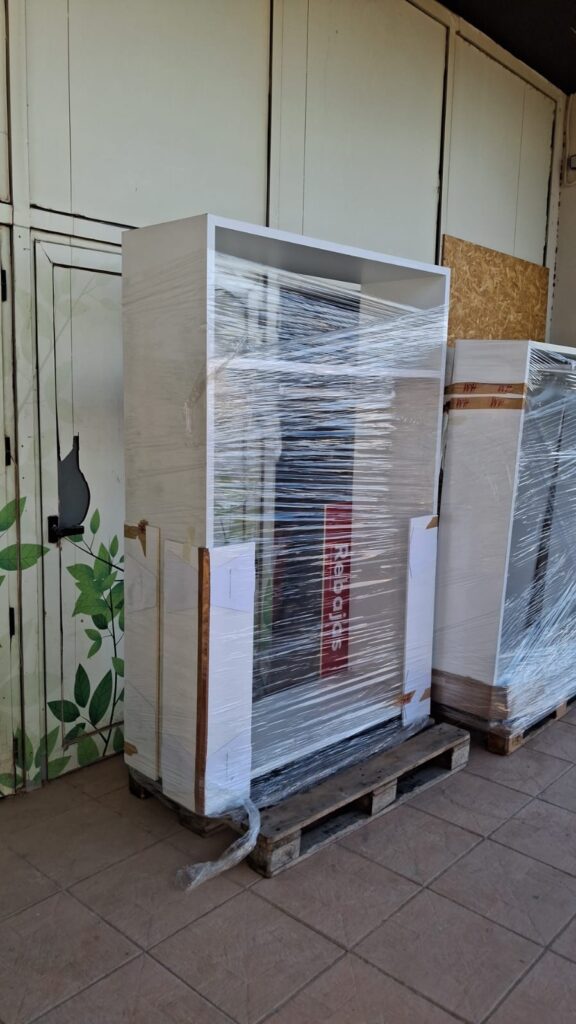
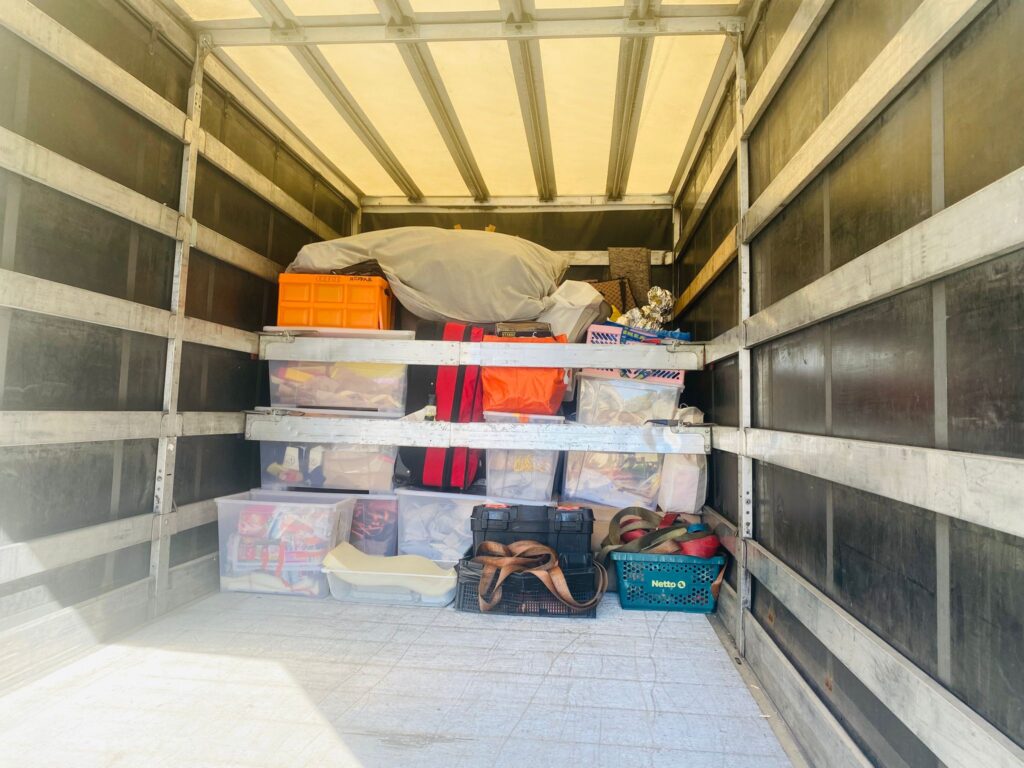
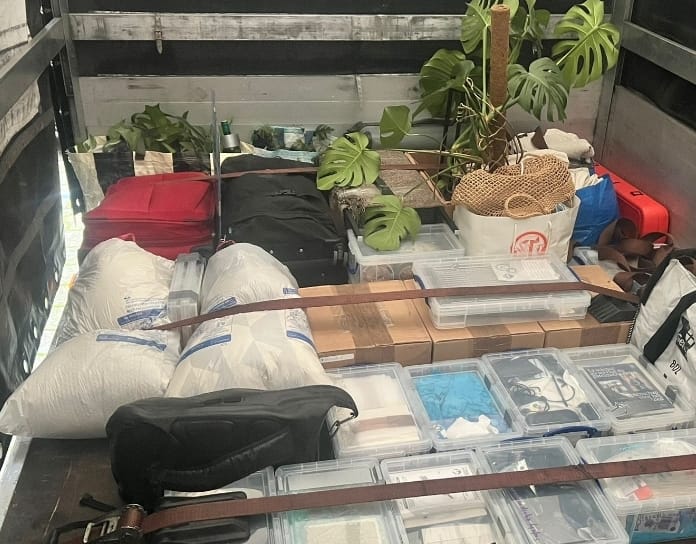
Packing is a form of risk control. Divide your possessions into four groups: move, sell, donate and store. Then create a room-by-room inventory.
Professional packing is particularly valuable for glassware, artwork, antiques, computers, musical instruments, designer furniture and sensitive office equipment.
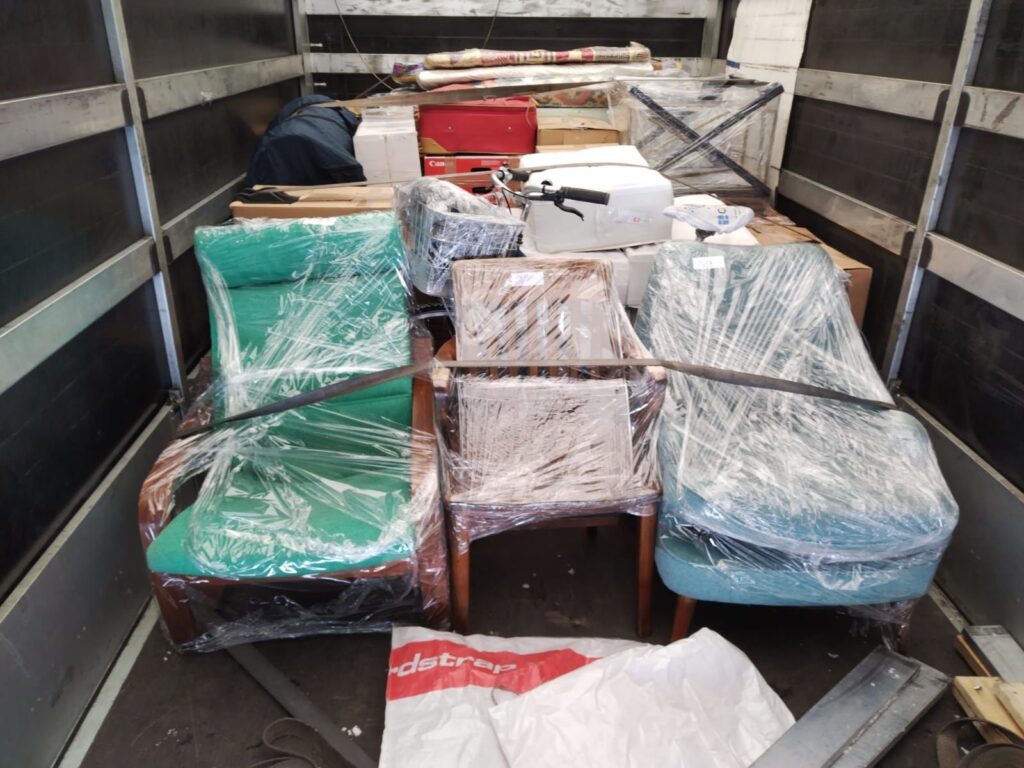
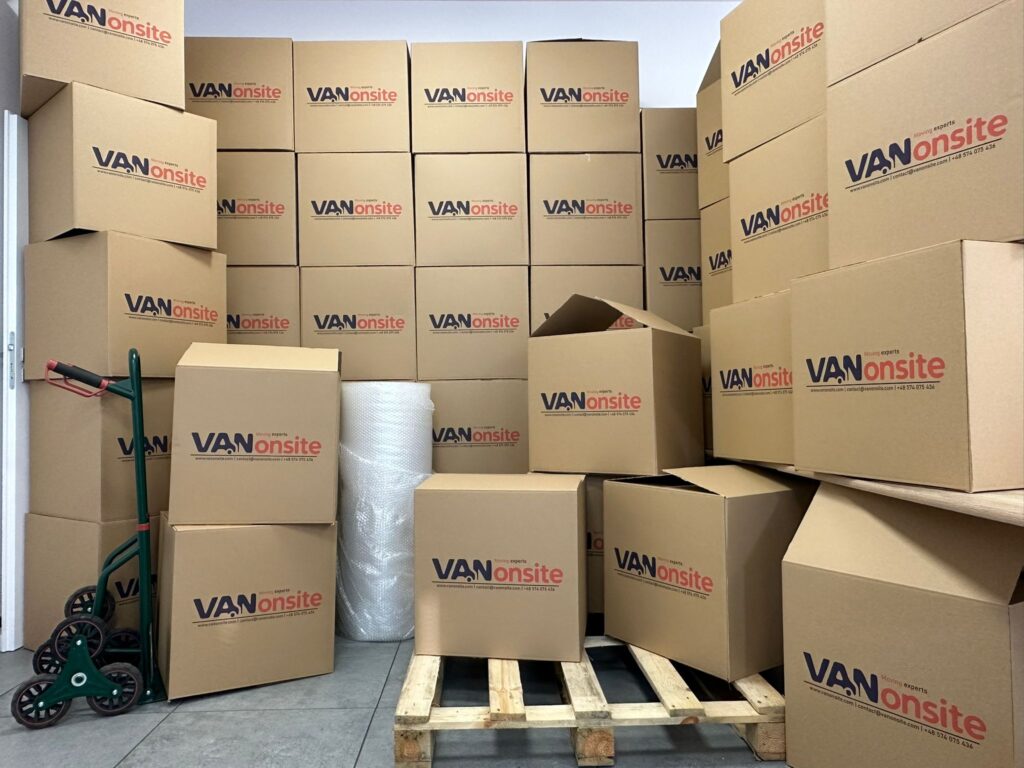
A professional packing service can save days of work and provide stronger protection. For premium items, white glove delivery can include careful placement, assembly and packaging removal.
Before moving furniture:
- Measure doors, corridors and lifts
- Confirm parking and loading access
- Check whether items need dismantling
- Protect floors and walls
- Label each component
- Place screws in sealed, marked bags
- Photograph complex furniture
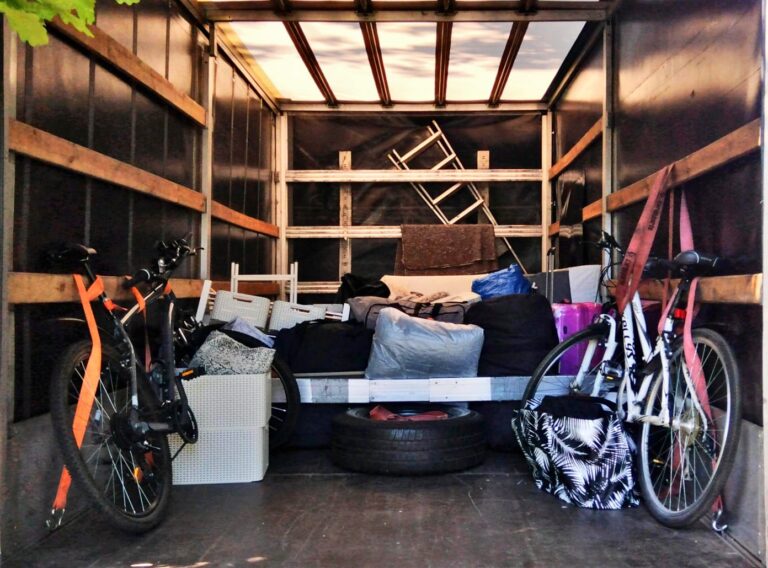
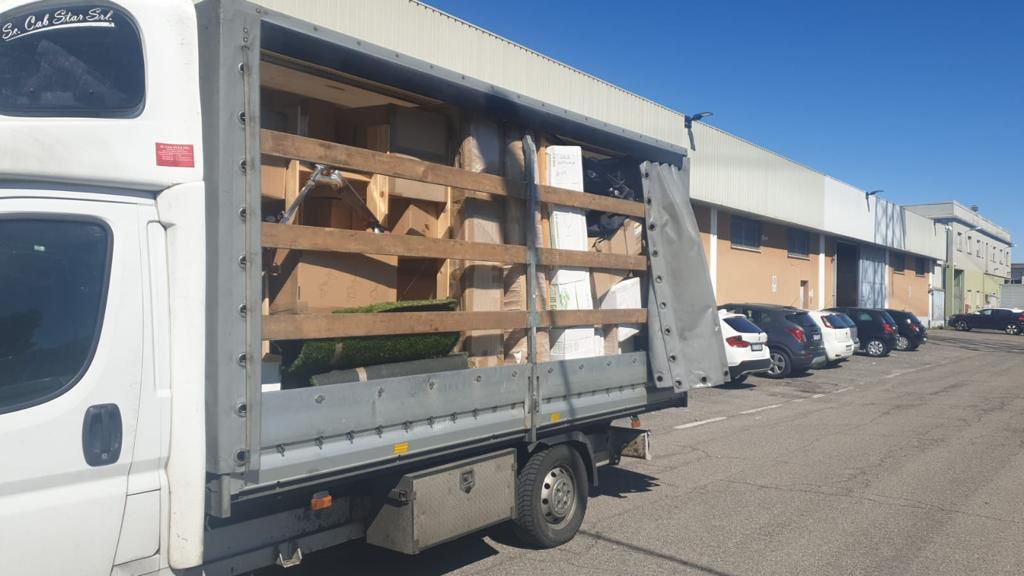
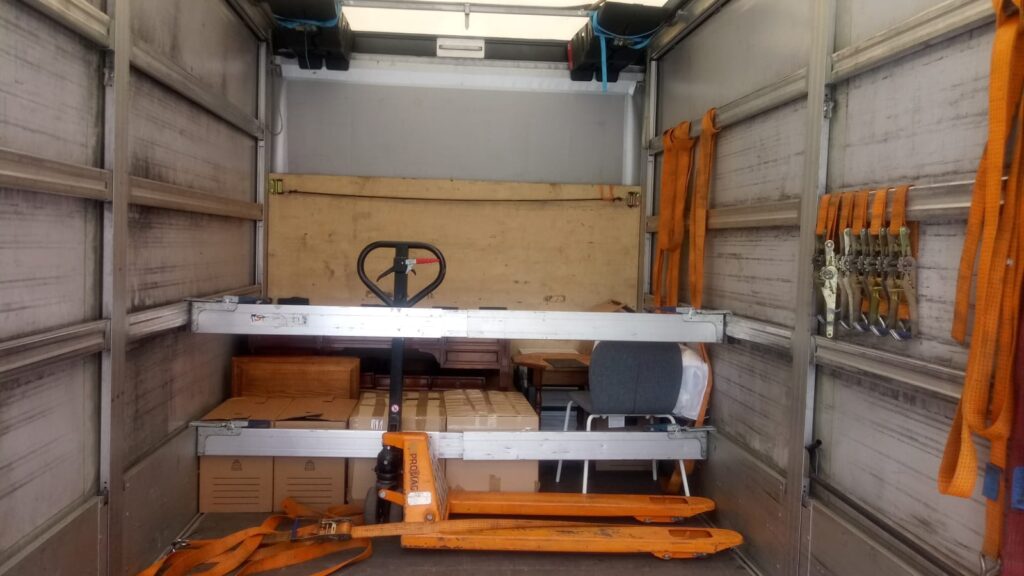
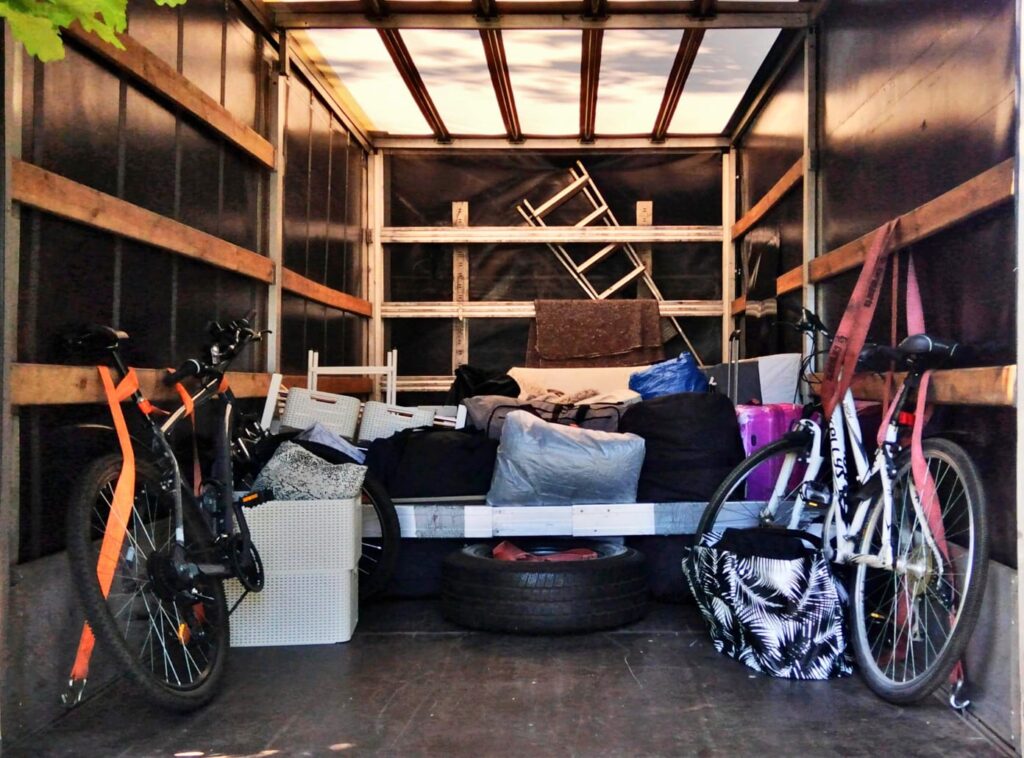
Dedicated furniture removals reduce handling. A direct man and van service allows belongings to remain in the same vehicle between collection and delivery.
For complete properties, home removals can combine packing, loading, transport and final placement.
Finding Accommodation
Landlords may request a passport, residence permit, employment contract, salary statements, references and a debt enforcement register extract.
Read the tenancy agreement carefully. Check the base rent, service charges, deposit, heating costs, parking, pet rules, notice periods and handover conditions. Photograph existing damage during the inspection and ensure it is recorded in writing.

Healthcare, Work and Taxes
Basic health insurance is compulsory and purchased from authorised private insurers. Premiums depend on the canton, age group, insurer, deductible, care model and accident coverage. Do not delay registration, as premiums may be calculated from the beginning of your insurance obligation.
Major employment sectors include banking, pharmaceuticals, technology, engineering, healthcare, hospitality, logistics and research.
Review your employment contract for salary, weekly hours, probation, holidays, notice periods, pension contributions, overtime, bonuses and accident insurance.
Switzerland has federal, cantonal and municipal taxes. Your liability may depend on your canton, income, wealth, family status and residence permit. Some employees pay tax at source, while others submit an annual return. Professional advice is useful when you have foreign property, investments or income from several countries.
Moving With Children and Pets
Education is organised by the cantons, so enrolment procedures and language support vary by location. Families should prepare birth certificates, school reports, vaccination records, custody documents and proof of address.
Public schools offer a strong route into the local language and community. International schools provide continuity, but fees can be substantial.
Pet requirements depend on the animal and country of origin. Dogs, cats and ferrets entering from many European countries usually need a microchip, valid rabies vaccination and recognised pet passport. Check current requirements through the Federal Food Safety and Veterinary Office.
Dog owners may also need to register their pet locally and pay a dog tax.
Driving and Importing a Vehicle
A foreign driving licence is generally valid for a limited period after taking up residence. It must then be exchanged for a Swiss licence.
Vehicle relocation may involve customs declaration, proof of ownership, Swiss insurance, technical inspection, number plates, cantonal tax and a motorway vignette. Confirm the rules before loading household goods into the car, as the vehicle and its contents may require separate declarations.
Your First 14 Days in Switzerland
- Register with the local commune.
- Complete your residence permit application.
- Confirm your tenancy documents.
- Start your health insurance application.
- Open a bank account.
- Register children for school.
- Arrange utilities and internet.
- Confirm customs clearance.
- Review driving licence requirements.
- Register your dog, if applicable.
Common Relocation Mistakes
The most common problems are underestimating costs, booking transport too late, preparing an incomplete inventory and ignoring property access restrictions.
Keep passports, medication, contracts and valuables with you. Share photographs of narrow roads, staircases and parking areas before collection. Finally, compare quotes by scope rather than price alone. A cheap offer may exclude customs delays, carrying distance, packing, storage or furniture assembly.
Suggested Relocation Timeline
| Time Before Moving | Priority Tasks |
|---|---|
| 3 to 6 months | Research permits, jobs, cantons and schools |
| 8 to 12 weeks | Secure accommodation and book removals |
| 4 to 8 weeks | Prepare documents and customs inventory |
| 2 to 4 weeks | Pack, confirm access and finalise transport |
| Moving week | Keep documents accessible and check loading |
| First 14 days | Register locally and begin administration |
| First 3 months | Finalise insurance, licence and banking matters |
Why Choose VANonsite?
Relocation in Switzerland becomes more predictable when one experienced team manages the transport journey.
VANonsite offers:
- Dedicated door-to-door transport
- Real-time GPS tracking
- Flexible collection and delivery
- Multiple vehicle capacities
- Professional packing
- Furniture dismantling and assembly
- Customs coordination support
- Student and household removals
- Office relocations
- Storage solutions
- Premium white glove delivery
- Last-minute man and van transport
For businesses, office removals and office furniture installation can reduce disruption. Students can use student removals for smaller loads and flexible academic schedules.
The key advantage is control. A dedicated vehicle means fewer transfers, less handling and clearer communication from pickup to delivery.
Frequently Asked Questions
Is relocation in Switzerland difficult?
It can be complex, but it is manageable with preparation. The hardest elements are usually permits, housing, customs and initial costs.
Can I move without a job?
Possibilities depend on nationality and residence category. EU and EFTA nationals may have more options, while third-country nationals usually face stricter requirements.
How much money should I save?
Budget for transport, temporary accommodation, a rental deposit, insurance and several months of living costs. The amount depends on the canton and family size.
Do I need customs clearance when moving from the EU?
Yes. Switzerland has its own customs procedures, so household goods need to be declared correctly.
Can used furniture be imported duty-free?
It may qualify when it forms part of a genuine transfer of residence and meets the official conditions for used household effects.
How much does a man and van service cost?
The price depends on distance, volume, weight, access, customs requirements and optional services. A precise inventory produces a more reliable quotation.
Can VANonsite move a full household?
Yes. Vehicle options range from Moving One at 1 m³ to Moving Full House XXL at 90 m³ and 20,000 kg.
Plan Your Relocation in Switzerland With Confidence
Relocation in Switzerland is a major project, but it does not need to become a maze of forms, boxes and border delays. Start early, confirm your legal position, build a realistic budget and prepare a detailed customs inventory.
Most importantly, choose transport that offers visibility and accountability. VANonsite combines dedicated door-to-door removals, flexible vehicle sizes, professional handling and GPS tracking. Your belongings remain traceable while you focus on work, family and the first chapter of your new life.
Request a tailored quote for removals to Switzerland and turn a complicated international move into a controlled, confident journey.