
Living in Belfast Northern Ireland offers a rare balance between capital-city energy and everyday convenience. Belfast is large enough to provide strong career opportunities, respected universities, vibrant nightlife and diverse neighbourhoods, yet compact enough to cross without losing half your day in traffic.
The city attracts professionals, students, families, entrepreneurs and people returning to Northern Ireland after living abroad. Its technology, healthcare, education and financial services sectors continue to create employment opportunities. At the same time, residents enjoy quick access to the coast, mountains and countryside.
Belfast is located on the island of Ireland, but it is the capital of Northern Ireland, which forms part of the United Kingdom. The local currency is pound sterling, UK immigration rules apply and residents use Northern Ireland’s public services.
This guide explains the real cost of living, rent, jobs, healthcare, transport, neighbourhoods and practical relocation requirements. It also answers common questions asked by people searching for the cost of living in Belfast Ireland, while clarifying the important differences between Belfast and the Republic of Ireland.
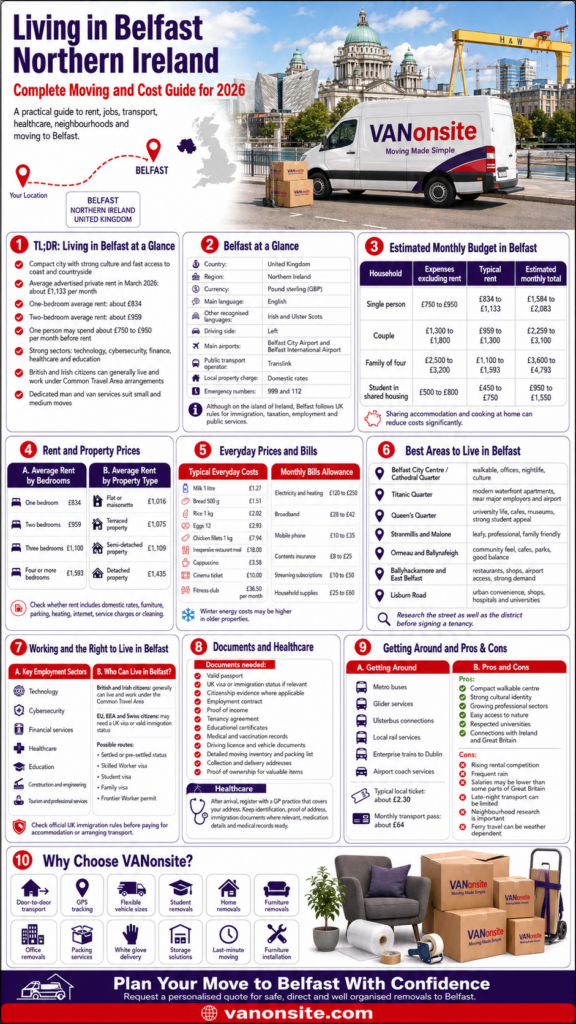
TL:DR: Living in Belfast Northern Ireland
- Belfast offers a compact city centre, strong cultural life and fast access to the coast, countryside and mountains.
- Average advertised private rent in the Belfast rental area reached approximately £1,133 per month in March 2026.
- A one-bedroom property averaged around £834 per month, while a two-bedroom home averaged approximately £959.
- One person may spend roughly £750 to £950 per month before rent, depending on lifestyle and transport choices.
- Belfast provides employment opportunities in technology, cybersecurity, finance, healthcare, education and professional services.
- British and Irish citizens can live and work in Northern Ireland under Common Travel Area arrangements.
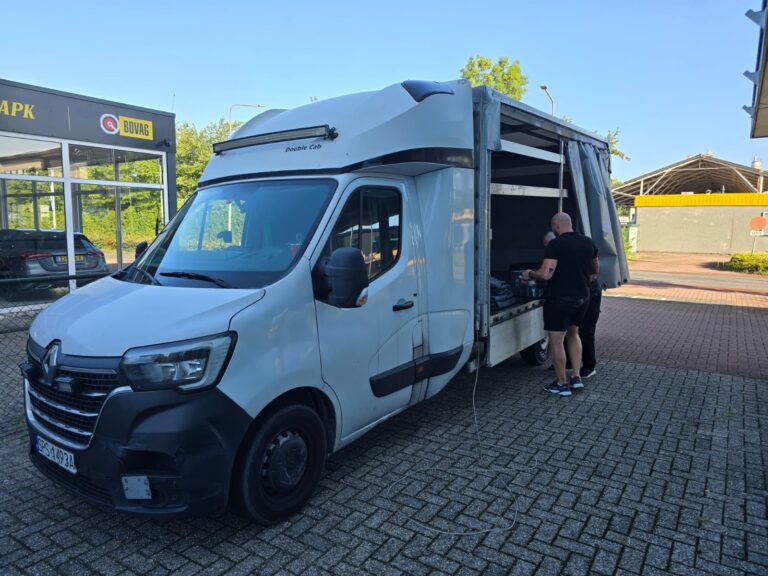
- A dedicated man and van service can provide fast, controlled door-to-door transport for small and medium moves.




Is Belfast a Good Place to Live?
For many people, Belfast is an attractive place to call home. It combines history, culture, professional opportunities and natural beauty without the overwhelming scale of a major global capital.
The centre is walkable, while districts such as Queen’s Quarter, Ormeau, Ballyhackamore and Titanic Quarter each offer a distinct atmosphere. You can live close to restaurants, parks, universities or major employers without necessarily spending hours commuting.
Living in Belfast Northern Ireland may be especially appealing if you want access to city employment without paying typical London or Dublin housing prices. Although Belfast rents have increased, the city can still offer better value than several larger UK and Irish urban areas.
Key advantages include:
- A compact and accessible city centre
- Queen’s University Belfast and Ulster University
- Expanding technology and cybersecurity industries
- A growing financial and professional services sector
- Strong music, restaurant and cultural scenes
- Two nearby airports
- Ferry connections with Great Britain
- Direct rail and road connections with Dublin
- Easy access to the Northern Irish coast and countryside
However, Belfast is not without challenges. Attractive rental properties can be taken quickly, wet weather is common and late-night public transport may be limited in some areas. Conditions can also change noticeably between neighbouring streets, so researching a location before signing a tenancy is essential.
Belfast at a Glance
Understanding the city’s legal and economic position is important when calculating the cost of living in Belfast Northern Ireland.
| Category | Belfast information |
|---|---|
| Country | United Kingdom |
| Region | Northern Ireland |
| Currency | Pound sterling, GBP |
| Main language | English |
| Other recognised languages | Irish and Ulster Scots |
| Driving side | Left |
| Main airports | Belfast City Airport and Belfast International Airport |
| Public transport operator | Translink |
| Local property charge | Domestic rates |
| Emergency numbers | 999 and 112 |
Although Belfast is geographically located on the island of Ireland, UK rules normally apply to immigration, taxation, employment and public services.
Cost of Living in Belfast Ireland: Monthly Budget
People searching for the cost of living in Belfast Ireland usually want to compare Belfast with cities such as Dublin, London, Manchester or Glasgow.
The biggest monthly expense is normally accommodation. After rent, households need to budget for heating, electricity, groceries, broadband, mobile service, transport, insurance and leisure.
Crowdsourced cost data has estimated that one person may spend approximately £828 per month before rent. A family of four may require close to £2,958 before accommodation. These figures provide a useful starting point, although actual spending varies significantly.
Estimated Monthly Budget in Belfast
| Household | Expenses excluding rent | Typical rent | Estimated monthly total |
|---|---|---|---|
| Single person | £750 to £950 | £834 to £1,133 | £1,584 to £2,083 |
| Couple | £1,300 to £1,800 | £959 to £1,300 | £2,259 to £3,100 |
| Family of four | £2,500 to £3,200 | £1,100 to £1,593 | £3,600 to £4,793 |
| Student in shared housing | £500 to £800 | £450 to £750 | £950 to £1,550 |
A person sharing accommodation and cooking at home can live for considerably less than someone renting a central apartment, driving every day and eating out several times a week.
Before moving, it is sensible to keep enough savings to cover at least two months of essential spending. This financial cushion can protect you if a job start date changes, a tenancy requires additional upfront payments or temporary accommodation becomes necessary.
Rent and Property Prices in Belfast
Housing has the greatest influence on the cost of living in Belfast Northern Ireland.
Average advertised private rent in the Belfast rental market reached approximately £1,133 per month in March 2026. This represented an increase compared with the previous year. The figures relate to newly advertised properties, so existing tenants may pay different amounts.
Average Belfast Rent by Number of Bedrooms
| Property size | Average monthly rent |
|---|---|
| One bedroom | £834 |
| Two bedrooms | £959 |
| Three bedrooms | £1,100 |
| Four or more bedrooms | £1,593 |
Property type also affects the monthly price.
| Property type | Average monthly rent |
|---|---|
| Flat or maisonette | £1,016 |
| Terraced property | £1,075 |
| Semi-detached property | £1,109 |
| Detached property | £1,435 |
A modern apartment in Titanic Quarter or the city centre may cost more than the average. Older terraces farther from the centre can be cheaper, although heating and maintenance costs may be higher.
When comparing properties, check whether the rent includes:
- Domestic rates
- Furniture
- Parking
- Heating
- Internet
- Building service charges
- Garden maintenance
- Communal cleaning
Northern Ireland uses domestic rates rather than the council tax system found in Great Britain. Responsibility for rates depends on the property and tenancy agreement. Ask the landlord or letting agent for written confirmation before signing.
You should also prepare for the security deposit, first month’s rent, moving costs and essential household purchases. Even a furnished property may not include bedding, cookware, cleaning products or small appliances.
Everyday Prices in Belfast
Daily expenses can quickly affect your monthly budget. Grocery prices vary between discount supermarkets, major chains, independent shops and premium stores.
Typical Grocery and Everyday Costs
| Product or service | Indicative price |
|---|---|
| Milk, 1 litre | £1.27 |
| White bread, 500 g | £1.51 |
| Rice, 1 kg | £2.02 |
| Eggs, 12 | £2.93 |
| Local cheese, 1 kg | £7.58 |
| Chicken fillets, 1 kg | £7.94 |
| Beef, 1 kg | £11.90 |
| Apples, 1 kg | £2.45 |
| Bananas, 1 kg | £1.65 |
| Potatoes, 1 kg | £1.65 |
| Tomatoes, 1 kg | £3.50 |
| Inexpensive restaurant meal | £18.00 |
| Three-course meal for two | £70.00 |
| Fast-food meal | £8.00 |
| Cappuccino | £3.58 |
| Cinema ticket | £10.00 |
| Fitness club membership | £36.50 per month |
A single person who cooks regularly may spend around £200 to £300 per month on groceries. A family buying branded products, snacks, convenience meals and household supplies may spend £600 or more.
For a realistic estimate, create a weekly meal plan and price the ingredients through Belfast supermarket websites. This produces a more useful figure than relying entirely on city averages.
Utilities, Internet and Household Bills
Utilities can vary considerably depending on property size, insulation, heating system and household habits.
A practical monthly allowance may look like this:
| Expense | Suggested monthly allowance |
|---|---|
| Electricity and heating | £120 to £250 |
| Broadband | £28 to £42 |
| Mobile phone | £10 to £35 |
| Contents insurance | £8 to £25 |
| Streaming subscriptions | £10 to £50 |
| Household supplies | £25 to £60 |
Winter energy costs may be higher because Belfast experiences cool, damp and windy weather. Older properties can be particularly expensive to heat if they have inefficient windows or poor insulation.
Before renting, ask for the property’s energy performance information. On moving day, photograph all meter readings and contact the energy supplier immediately. This helps prevent disputes over usage from a previous tenant.
Best Areas to Live in Belfast
The best area depends on your budget, workplace, family situation and preferred lifestyle.
Belfast City Centre and Cathedral Quarter
The centre is ideal for people who want offices, shops, restaurants and entertainment within walking distance. Cathedral Quarter is known for music, nightlife and cultural venues.
Central apartments can be expensive, and weekend noise may be significant. Parking is often limited or charged separately.
Titanic Quarter
Titanic Quarter offers modern waterfront apartments and convenient access to the city centre, major employers and Belfast City Airport.
The area feels spacious and contemporary. However, it can be quieter outside business hours than established residential districts.
Queen’s Quarter
Queen’s Quarter is centred around Queen’s University Belfast, Botanic Gardens, museums, cafes and student life.
The neighbourhood has excellent energy and transport connections, but accommodation demand increases before the academic year. Students planning an international move can use professional student removals to transport boxes, furniture and personal belongings directly to Belfast.
Stranmillis and Malone
Stranmillis and Malone attract professionals, academics and families. They offer leafy streets, parks, schools and easy access to university facilities.
These are desirable areas, so larger homes and premium properties can be expensive.
Ormeau and Ballynafeigh
Ormeau Road and Ballynafeigh are popular for independent cafes, restaurants, parks and a strong community atmosphere.
They offer a practical balance between residential comfort and access to the city centre.
Ballyhackamore and East Belfast
Ballyhackamore is known for restaurants, cafes and local shops. East Belfast also provides convenient access to Belfast City Airport and the Glider route.
Rental demand is strong, so attractive homes may be reserved quickly.
Lisburn Road
Lisburn Road offers restaurants, shops, apartments and easy access to hospitals and universities. It is popular with professionals who want urban convenience without living directly in the centre.
Working in Belfast
Belfast provides opportunities in technology, cybersecurity, financial services, healthcare, education, construction, engineering, tourism and public administration.
Salaries are often lower than in London, but housing and commuting costs can also be lower. When assessing a job offer, compare the expected net income with the full cost of living in Belfast Northern Ireland.
Include the following in your calculation:
- Rent
- Domestic rates, where applicable
- Heating and electricity
- Transport
- Groceries
- Childcare
- Insurance
- Debt repayments
- Savings
- Leisure spending
Location can be as important as salary. A slightly lower-paying role close to your home may provide a better quality of life than a higher-paying position requiring daily driving and expensive parking.
Visas and the Right to Live in Belfast
Your right to live and work in Belfast depends on your nationality and immigration status.
British and Irish Citizens
British and Irish citizens benefit from the Common Travel Area. They can generally live, work and study in either jurisdiction without applying for a visa.
Irish citizens do not normally need a UK visa to move to Belfast. Associated rights can include access to employment, education and certain public services.
Official information is available through the UK Government Common Travel Area guidance.
Non-British and non-Irish family members may be subject to separate immigration rules.
EU, EEA and Swiss Citizens
EU, EEA and Swiss citizens do not automatically have the right to settle in Northern Ireland because Belfast is located on the island of Ireland.
Depending on individual circumstances, a person may need:
- Settled or pre-settled status
- A Skilled Worker visa
- A Student visa
- A family visa
- A Frontier Worker permit
- Another qualifying UK immigration route
Check the official UK visas and immigration portal before paying for accommodation or arranging transport.
Documents Needed When Moving to Belfast
Preparing documents early reduces the risk of delays.
Personal and immigration documents may include:
- Valid passport
- UK visa or immigration status
- British or Irish citizenship evidence
- Birth certificates
- Marriage or civil partnership certificates
- Employment contract
- Proof of income
- Tenancy agreement
- Educational certificates
- Medical and vaccination records
- Driving licence
- Vehicle documents
- Insurance policies
For your belongings, prepare:
- Detailed inventory
- Packing list
- Collection and delivery addresses
- Proof of ownership for valuable items
- Transport documents
- Photographs of fragile goods
- Customs declarations when required
- Receipts for recently purchased high-value products
Official relocation information is available through the nidirect moving guidance.
Healthcare in Belfast
Northern Ireland has its own publicly funded Health and Social Care system.
After moving, contact a GP practice that covers your address and ask whether it accepts new patients. People arriving from outside the UK, or returning after an extended period, may need to provide additional documents.
Bring:
- Identification
- Proof of address
- Immigration documents where relevant
- Current medication details
- Medical records
- Vaccination records for children
- Contact details for your previous doctor
Official registration information is available through the nidirect GP guidance.
Register soon after arrival, especially if you use repeat medication. Finding a dental practice can take time, so begin the search early.
Schools, Universities and Student Life
Belfast is home to Queen’s University Belfast and Ulster University. Both attract students from Northern Ireland, Great Britain, the Republic of Ireland and other countries.
Families should research school admissions before selecting a permanent neighbourhood. Consider:
- Catchment areas
- Admission criteria
- Grammar and non-selective schools
- Integrated education
- Childcare availability
- Special educational support
- School transport
- Breakfast and after-school clubs
Students should calculate more than monthly rent. Deposits, energy, food, books, transport and social activities can add hundreds of pounds to the initial budget.
Getting Around Belfast
Belfast is compact enough for many central journeys to be completed on foot. Public transport is operated by Translink and includes:
- Metro buses
- Glider services
- Ulsterbus connections
- Local rail services
- Enterprise trains to Dublin
- Airport coach services
A standard local ticket may cost around £2.30, while a monthly public transport pass can cost approximately £64, depending on the route and ticket type.
A car can be useful if you work outside central Belfast or plan frequent countryside trips. However, include fuel, insurance, maintenance, parking and vehicle tax in your budget.
Official timetables and tickets are available through Translink.

Moving to Belfast from Ireland, Great Britain or Europe
The moving process depends on where your belongings begin their journey.
Moving from the Republic of Ireland
A road move from the Republic of Ireland can be direct, but you still need to consider currency, employment rules, vehicle administration and immigration status.
British and Irish citizens benefit from Common Travel Area rights. Other household members should check their position separately.
Professional removals to Ireland and Northern Ireland can simplify collection, transport and delivery.
Moving from Great Britain
Moves from England, Scotland or Wales usually involve a ferry crossing. Port schedules, weather and vehicle size can affect delivery time.
Prepare an accurate inventory and confirm whether any household goods documentation is required.
Moving from Continental Europe
A move from continental Europe may involve border crossings, ferry transport and UK customs procedures.
Plan for:
- Immigration checks
- Customs documentation
- Restricted goods
- Ferry reservations
- Accurate volume calculations
- Collection and delivery access
- Insurance
- Possible transport delays
A dedicated vehicle provides greater control because the shipment remains together from collection to delivery.
Man and Van or Full Removal Service?
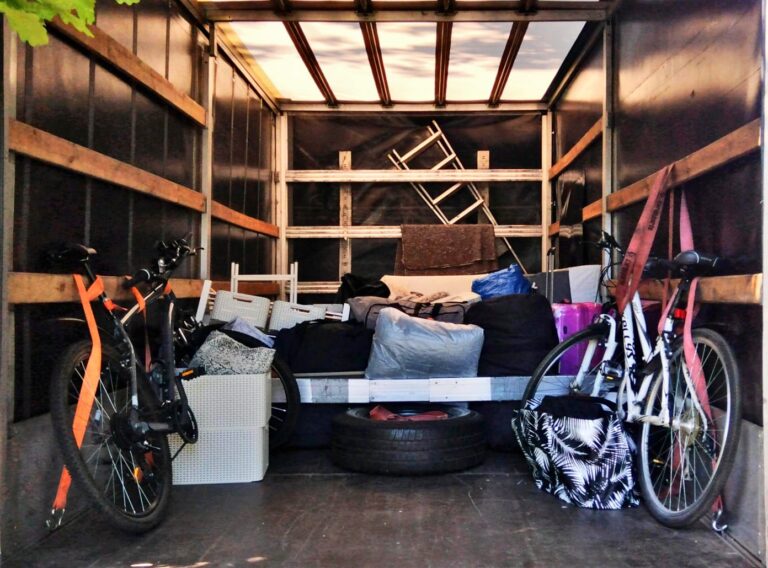
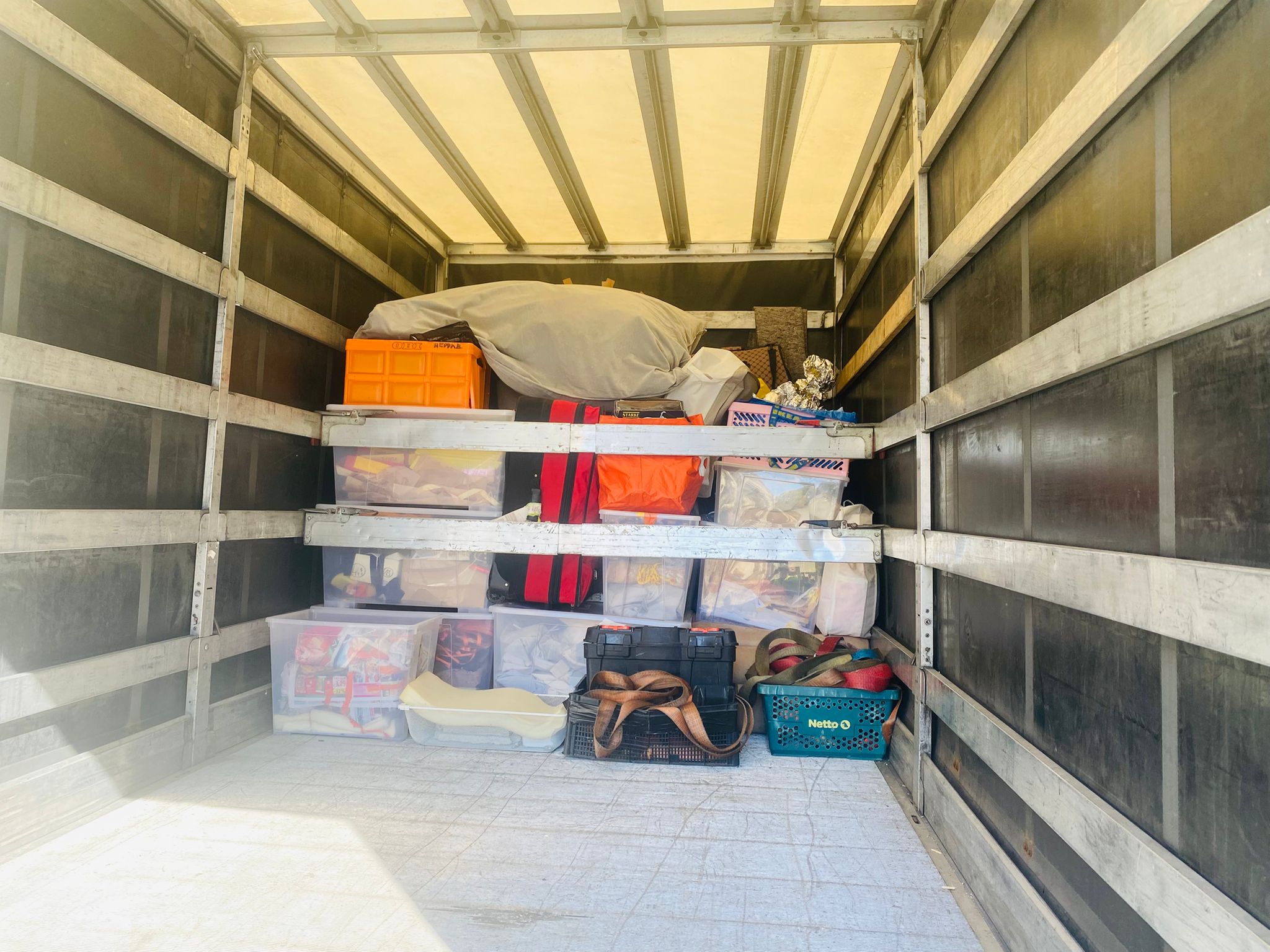
A man and van service is often ideal for students, one-bedroom apartments, partial household moves and urgent collections.
Choose a man and van option when:
- You are moving boxes and several pieces of furniture
- Your shipment is relatively small
- You want direct door-to-door transport
- Collection and delivery access are straightforward
- You do not need a large removal crew
A full removal service may be better when:
- You are moving an entire home
- Furniture needs dismantling
- Fragile items require professional protection
- Packing and unpacking are required
- The shipment exceeds 10 or 15 cubic metres
- Storage is necessary
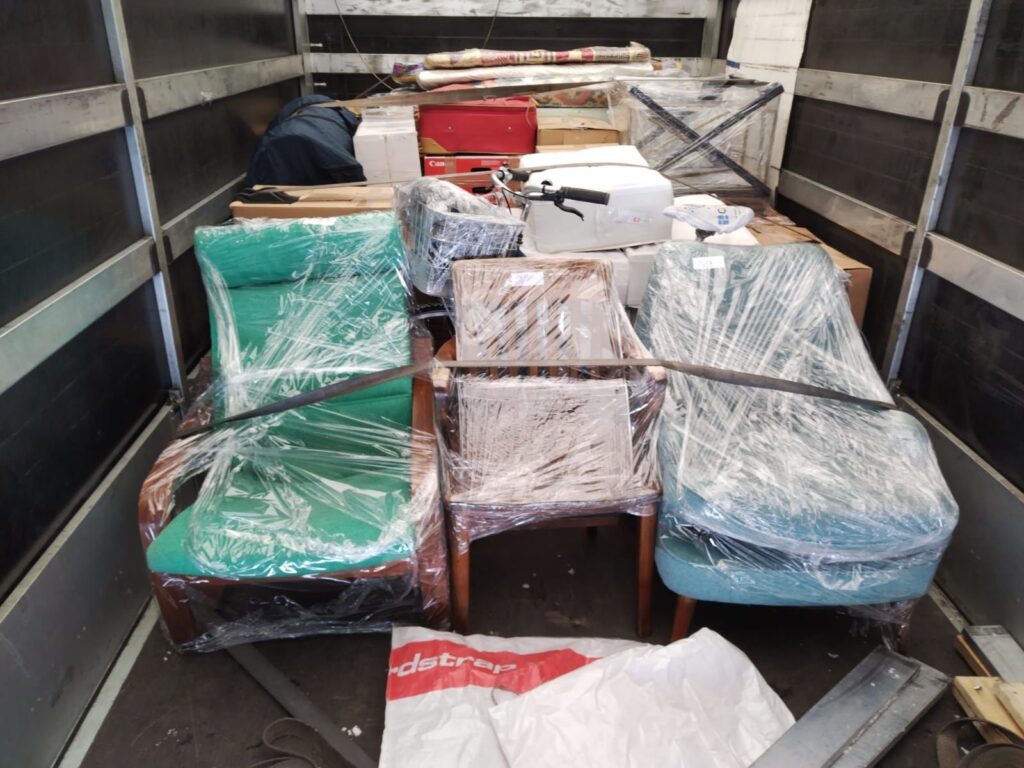
For antiques, artwork, electronics or delicate furniture, a white glove delivery service provides additional handling and protection.
How VANonsite Supports Moves to Belfast
International moving involves more than loading boxes into a van. Collection dates, ferry schedules, documents, parking, packing and delivery access must work together.
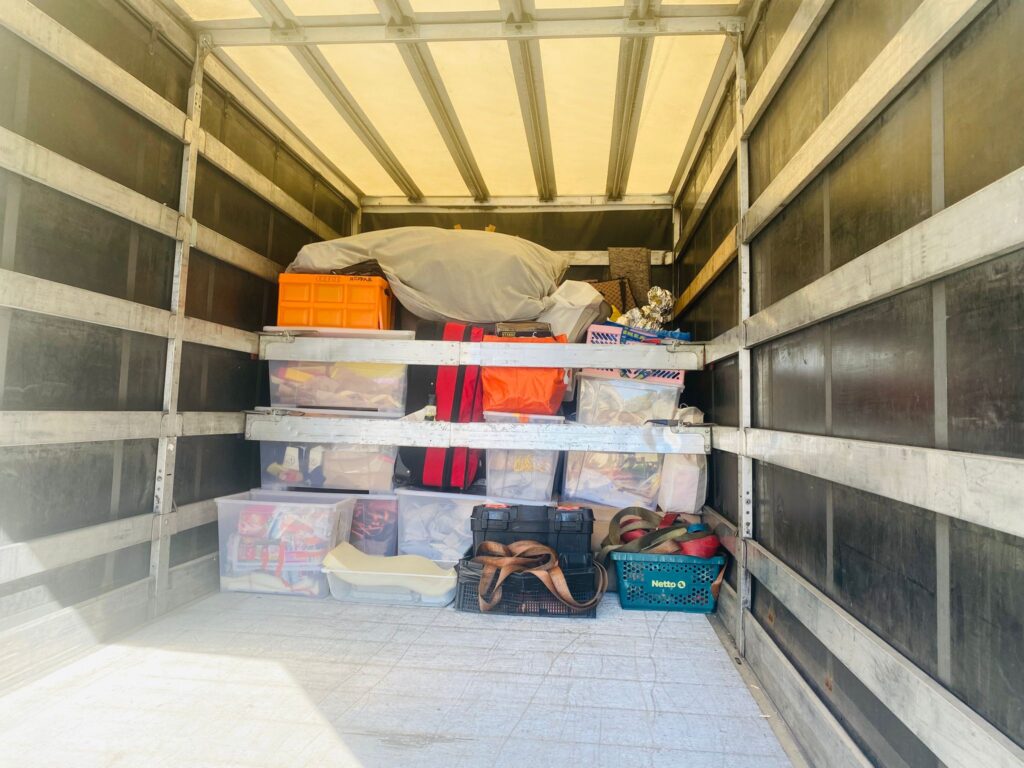
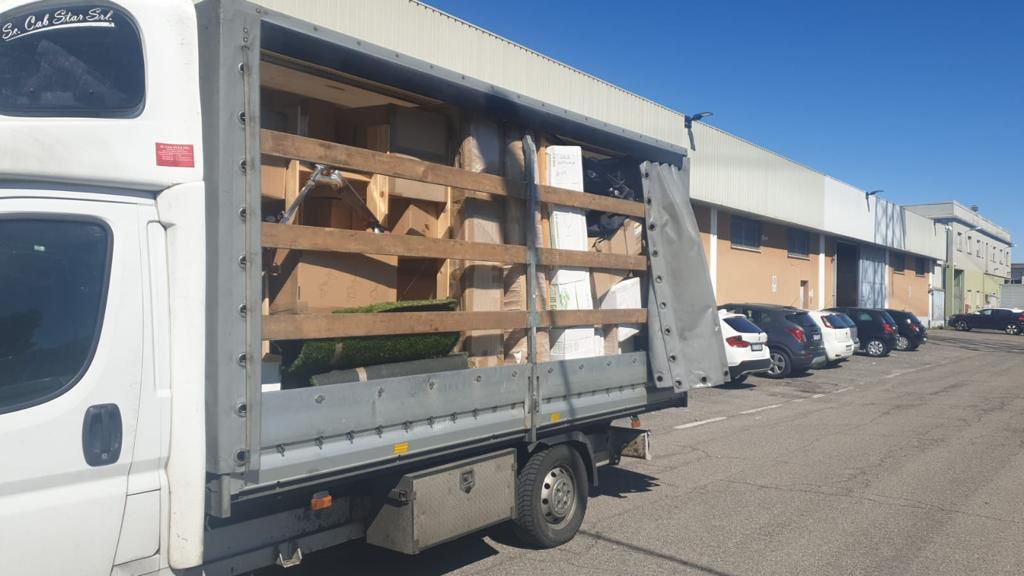
VANonsite provides door-to-door transport, GPS tracking and vehicle options for student moves, furniture deliveries, office relocations and complete household removals.
VANonsite Vehicle Options
| Moving option | Capacity | Maximum load | Suitable for |
|---|---|---|---|
| Moving One | 1 m³ | 100 kg | Boxes, luggage and micro moves |
| Moving Basic | 5 m³ | 300 kg | Student rooms and small furniture moves |
| Moving Medium | 10 m³ | 500 kg | One-bedroom apartments |
| Moving Premium | 15 m³ | 1,100 kg | Larger flats and compact homes |
| Moving Premium Plus | 30 m³ | 3,500 kg | Family homes and offices |
| Moving Full House XXL | 90 m³ | 20,000 kg | Large households and commercial moves |
Available services include:
- Furniture removals
- Home removals
- Packing services
- White glove delivery
- Office removals
- Student removals
- Office furniture installation
- Storage
- Last-minute moving
- GPS shipment tracking
Choosing the correct vehicle is important. A vehicle that is too small may cause delays, while an unnecessarily large option can increase the price.
How to Prepare for Moving Day
A smooth moving day begins with careful preparation.
- Create a room-by-room inventory.
- Measure large furniture, stairs, doors and lifts.
- Estimate the shipment’s volume and weight.
- Sell or donate unwanted items.
- Confirm parking at both addresses.
- Prepare immigration and customs documents.
- Label every box by room.
- Photograph fragile and valuable belongings.
- Pack a separate first-night bag.
- Keep passports, medication and keys with you.
Your first-night bag should contain clothes, toiletries, chargers, bedding, essential kitchen items and important documents.
How to Reduce Moving Costs
The lowest quote does not always produce the lowest final cost. Damage, delays and unexpected handling charges can quickly erase the original saving.
To control expenses:
- Provide an accurate inventory
- Remove unwanted furniture
- Measure bulky items
- Book outside peak student periods
- Confirm vehicle access
- Pack durable goods yourself
- Use professional packing for fragile items
- Avoid last-minute changes
- Choose the correct vehicle size
- Keep communication clear
Professional packing services can reduce the risk of damage to electronics, artwork, glass and furniture.
Pros and Cons of Living in Belfast Northern Ireland
| Advantages | Potential disadvantages |
|---|---|
| Compact and walkable centre | Rising rental competition |
| Strong cultural identity | Frequent rain |
| Growing professional sectors | Salaries may be lower than in parts of Great Britain |
| Easy access to nature | Late-night transport can be limited |
| Respected universities | Desirable rentals move quickly |
| Strong connections with Ireland and Great Britain | Ferry travel can be weather dependent |
| Housing may cost less than in larger capitals | Neighbourhood research is important |
Frequently Asked Questions
Is Belfast in Ireland or Northern Ireland?
Belfast is the capital of Northern Ireland, which is part of the United Kingdom. It is geographically located on the island of Ireland.
What is the average rent in Belfast?
Average advertised private rent in the Belfast rental area reached approximately £1,133 per month in March 2026. A one-bedroom property averaged around £834, while a two-bedroom home averaged approximately £959.
How much does one person need to live in Belfast?
A realistic monthly budget for one person may range from £1,584 to £2,083, including rent. Sharing accommodation can reduce this amount.
Is Belfast cheaper than Dublin?
Belfast can offer lower housing costs than Dublin. However, the comparison should also include salary, taxation, transport and household size.
Can an Irish citizen live in Belfast?
Yes. Irish citizens can generally live and work in the UK under Common Travel Area arrangements.
Do EU citizens need a visa to live in Belfast?
They may need a UK visa or another valid immigration status unless they already hold qualifying rights.
Is Belfast good for students?
Yes. Belfast offers respected universities, active student districts and a compact centre. Accommodation should be arranged early.
Can I move furniture from Ireland to Belfast?
Yes. A professional man and van or furniture removal service can collect belongings in the Republic of Ireland and deliver them directly to Belfast.
Is a man and van suitable for moving to Belfast?
A man and van service is suitable for student moves, one-bedroom apartments, partial loads and smaller international relocations.
Summary: Is Living in Belfast Northern Ireland Right for You?
Living in Belfast Northern Ireland can provide a rewarding combination of career opportunities, culture, community and access to nature. The city has the advantages of a capital while remaining compact and manageable.
Preparation is essential. Belfast’s rental market has become more competitive, so begin your property search early. Calculate your full monthly budget, confirm your immigration rights and retain enough savings to cover initial expenses.
The cost of living in Belfast Ireland is often lower than people expect when comparing Belfast with Dublin or London. However, rent, energy and transport choices can significantly affect the final total.
Whether you are moving several boxes, valuable furniture, office equipment or an entire household, VANonsite can coordinate secure door-to-door transport. With GPS tracking, flexible vehicle sizes and specialist services, your move to Belfast can begin with confidence and clear organisation.