
Ireland attracts newcomers with its strong job market, welcoming communities, dramatic landscapes and lively cities. However, before accepting a job, signing a tenancy agreement or arranging transport, it is essential to understand the cost of living in Ireland for a single person.
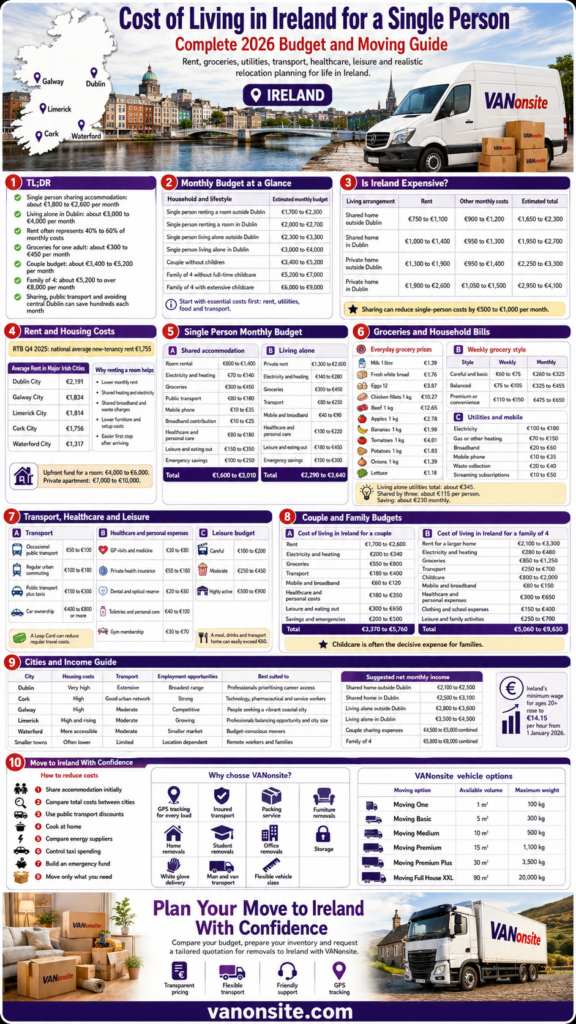
A single person renting a room in shared accommodation should usually prepare a monthly budget of approximately €1,800 to €2,600. Renting a private apartment outside Dublin can increase total spending to around €2,300 to €3,300 per month. Someone who wants to live alone in Dublin may need between €3,000 and €4,000 per month, depending on rent, location and lifestyle.
Housing is the decisive expense. Groceries, public transport and mobile plans can be controlled with careful choices, but rent is far less flexible. A private apartment in Dublin can consume more than half of one person’s monthly income before electricity, food, healthcare or entertainment are included.
This guide explains the cost of living in Ireland per month, including rent, groceries, utilities, transport, healthcare and leisure. It also presents realistic budgets for couples and families, along with the initial costs of moving to Ireland.
TL:DR
- The cost of living in Ireland for a single person is usually €1,800 to €2,600 per month when renting a room.
- Living alone in Dublin may require a monthly budget of €3,000 to €4,000.
- Rent can represent between 40% and 60% of a single person’s monthly expenses.
- A single person should normally budget €300 to €450 per month for groceries.
- The cost of living in Ireland for a couple is generally around €3,400 to €5,200 per month.
- The cost of living in Ireland for a family of 4 may range from €5,200 to more than €8,000, particularly when childcare is required.
- Sharing accommodation, using public transport and avoiding central Dublin can save hundreds of euros every month.




Cost of Living in Ireland per Month at a Glance
The cost of living in Ireland for a single person depends mainly on location, accommodation type and lifestyle. A person sharing a house in Waterford will have a very different budget from someone renting a private apartment in central Dublin.
The following figures provide a realistic starting point.
| Household and lifestyle | Estimated monthly budget |
|---|---|
| Single person renting a room outside Dublin | €1,700 to €2,300 |
| Single person renting a room in Dublin | €2,000 to €2,700 |
| Single person living alone outside Dublin | €2,300 to €3,300 |
| Single person living alone in Dublin | €3,000 to €4,000 |
| Couple without children | €3,400 to €5,200 |
| Family of 4 without full-time childcare | €5,200 to €7,000 |
| Family of 4 with extensive childcare | €6,000 to €9,000 |
These figures are planning estimates rather than fixed monthly totals. Rent, commuting distance, household size and childcare can change the final budget considerably.
The safest approach is to calculate essential spending first. Begin with rent, utilities, food and transport. Add leisure, subscriptions and other personal expenses only after the basic costs have been covered.
Is Ireland Expensive for a Single Person?
Ireland can be expensive for a single person, especially for someone who wants to live alone. The main pressure comes from housing rather than everyday food or mobile services.
A couple can divide rent, heating, broadband and waste collection. Someone living alone must cover every fixed household bill independently. This difference can add hundreds of euros to monthly spending.
| Living arrangement | Rent | Other monthly costs | Estimated total |
|---|---|---|---|
| Shared home outside Dublin | €750 to €1,100 | €900 to €1,200 | €1,650 to €2,300 |
| Shared home in Dublin | €1,000 to €1,400 | €950 to €1,300 | €1,950 to €2,700 |
| Private home outside Dublin | €1,300 to €1,900 | €950 to €1,400 | €2,250 to €3,300 |
| Private home in Dublin | €1,900 to €2,600 | €1,050 to €1,500 | €2,950 to €4,100 |
Sharing accommodation can reduce the cost of living in Ireland for a single person by €500 to €1,000 per month. It can also make the first months easier, particularly when a newcomer is still learning about neighbourhoods, transport routes and the rental market.
Cost of Living in Ireland With Rent
The cost of living in Ireland with rent varies sharply between cities. Dublin remains the most expensive major location, although housing pressure is also strong in Cork, Galway and Limerick.
According to the Residential Tenancies Board Rent Index for Q4 2025, the national standardised average rent for a new tenancy was €1,755 per month. The average reached €2,232 in Dublin, compared with €1,699 in the Greater Dublin Area outside Dublin and €1,385 outside the Greater Dublin Area.
Average Rent in Major Irish Cities
| Irish city | Average monthly rent for a new tenancy |
|---|---|
| Dublin City | €2,191 |
| Galway City | €1,834 |
| Limerick City | €1,814 |
| Cork City | €1,756 |
| Waterford City | €1,317 |
These figures include different property types, so they should be treated as broad market indicators. A one-bedroom apartment, a studio and a family house will not have the same rental price.
Although Dublin is the most expensive option, relocating to another city does not automatically guarantee cheap accommodation. Rental demand remains strong across several urban areas.
Renting a Room Versus Living Alone
For many newcomers, renting a room is the most practical first step. It lowers the financial barrier and usually reduces monthly household bills.
Shared accommodation may include:
- Lower monthly rent
- Furnished bedrooms
- Shared electricity and heating costs
- Divided broadband and waste charges
- Greater flexibility during the first months
- Lower initial spending on furniture and equipment
Living alone offers privacy and independence, but it requires a stronger income. The tenant may also need to purchase furniture, kitchen equipment, bedding, cleaning products and other household essentials.
Upfront Rental Costs
The first month in Ireland is often much more expensive than a normal month. Several large expenses may need to be paid within a short period.
Typical upfront costs include:
- A rental deposit
- The first month’s rent
- Temporary accommodation
- Travel to property viewings
- Basic furniture and household equipment
- Bedding and kitchenware
- Utility setup
- International transport
- Storage
- An emergency reserve
A single person renting a room should ideally arrive with at least €4,000 to €6,000 available. Someone planning to rent a private apartment may need €7,000 to €10,000, especially in Dublin.
Monthly Budget for a Single Person in Ireland
A detailed budget makes the cost of living in Ireland for a single person easier to calculate.
Budget for Shared Accommodation
| Expense | Estimated monthly cost |
|---|---|
| Room rental | €800 to €1,400 |
| Electricity and heating | €70 to €140 |
| Groceries | €300 to €450 |
| Public transport | €80 to €180 |
| Mobile phone | €10 to €35 |
| Broadband contribution | €10 to €25 |
| Healthcare and personal care | €80 to €180 |
| Leisure and eating out | €150 to €350 |
| Emergency savings | €100 to €250 |
| Total | €1,600 to €3,010 |
The lower end of this range is more realistic outside Dublin. A desirable room in Dublin, combined with regular restaurant visits and entertainment, can push spending closer to the upper figure.
Budget for Living Alone
| Expense | Estimated monthly cost |
|---|---|
| Private rent | €1,300 to €2,600 |
| Electricity and heating | €140 to €280 |
| Groceries | €300 to €450 |
| Transport | €80 to €250 |
| Mobile and broadband | €40 to €90 |
| Healthcare and personal care | €100 to €220 |
| Leisure and eating out | €180 to €450 |
| Emergency savings | €150 to €300 |
| Total | €2,290 to €4,640 |
Housing arrangements can therefore change the cost of living in Ireland for a single person by more than €1,000 per month.
Grocery Prices in Ireland
A single person should normally reserve between €300 and €450 per month for groceries and basic household products. Careful shoppers may spend less, while premium brands, takeaway meals and frequent convenience shopping can push the figure above €500.
Prices of Everyday Products
| Product | Approximate price |
|---|---|
| Milk, 1 litre | €1.39 |
| Fresh white bread, approximately 450 g | €1.76 |
| Eggs, 12 | €3.87 |
| Chicken fillets, 1 kg | €10.27 |
| Beef, 1 kg | €12.65 |
| Apples, 1 kg | €2.78 |
| Bananas, 1 kg | €1.98 |
| Tomatoes, 1 kg | €4.01 |
| Potatoes, 1 kg | €1.83 |
| Onions, 1 kg | €1.39 |
| Lettuce, 1 head | €1.18 |
Prices differ between supermarkets, locations, brands and seasons. Own-brand products can reduce spending, particularly for pasta, rice, cereal, canned food and cleaning supplies.
Example Weekly Grocery Budget
| Shopping style | Weekly cost | Monthly cost |
|---|---|---|
| Careful and basic | €60 to €75 | €260 to €325 |
| Balanced | €75 to €105 | €325 to €455 |
| Premium or convenience focused | €110 to €150 | €475 to €650 |
Meal planning is one of the simplest ways to reduce the cost of living in Ireland per month. Cooking larger portions, taking lunch to work and shopping with a prepared list can save more than €100 each month.
Small daily purchases can have a surprisingly large effect. A €6 lunch and a €4 coffee on each working day may cost approximately €200 per month.
Electricity, Heating, Broadband and Mobile Costs
Energy bills depend on the size of the property, heating system, insulation quality, season and number of occupants.
A person sharing accommodation may pay around €70 to €140 per month towards utilities. Someone living alone in an inefficient apartment may spend €200 to €300 during colder periods.
| Household service | Estimated monthly cost |
|---|---|
| Electricity | €100 to €180 |
| Gas or other heating | €70 to €150 |
| Broadband | €20 to €60 |
| Mobile phone | €10 to €35 |
| Waste collection | €20 to €40 |
| Streaming subscriptions | €10 to €50 |
Comparing energy tariffs is important because introductory offers may end after a fixed period. Tenants should also ask about the property’s heating system and previous energy bills before signing a tenancy agreement.
How Sharing Reduces Household Bills
| Monthly household bill | Living alone | Cost per person when shared by three |
|---|---|---|
| Electricity | €150 | €50 |
| Heating | €120 | €40 |
| Broadband | €45 | €15 |
| Waste collection | €30 | €10 |
| Total | €345 | €115 |
In this example, sharing saves approximately €230 per month. Over one year, the difference reaches €2,760.
Transport Costs in Ireland
Transport spending depends on where a person lives and works. Dublin has buses, Luas trams, DART trains and commuter rail. Cork, Galway, Limerick and Waterford also have public transport networks, although services may be less frequent outside central areas.
| Transport pattern | Estimated monthly cost |
|---|---|
| Occasional public transport | €50 to €100 |
| Regular urban commuting | €100 to €180 |
| Public transport plus taxis | €150 to €300 |
| Car ownership | €400 to €800 or more |
A TFI Leap Card can reduce public transport fares compared with cash payments. Eligible students and young adults may also qualify for larger discounts.
Is Owning a Car Worth It?
A car may be essential in a rural area, but it can become a major expense in Dublin.
Drivers need to consider:
- Fuel
- Motor insurance
- Vehicle tax
- Maintenance and repairs
- Parking
- Tolls
- Depreciation
A cheaper property outside a city may appear attractive, but the savings can disappear when fuel, parking and long commuting times are included. Before choosing accommodation, calculate the complete door-to-door cost of travelling to work.
Healthcare and Personal Expenses
Public healthcare services are available in Ireland, although not every treatment is free. Monthly expenses may include GP appointments, prescriptions, dental care, optical care and private health insurance.
| Expense | Suggested monthly allowance |
|---|---|
| GP visits and medicine | €30 to €80 |
| Private health insurance | €50 to €180 |
| Dental and optical reserve | €20 to €60 |
| Toiletries and personal care | €40 to €100 |
| Gym membership | €30 to €70 |
Not everyone purchases private health insurance. Some residents choose it for access to private hospitals, selected specialists and shorter waiting times. Final costs depend on age, medical needs, employment benefits and eligibility for public support.
Eating Out and Entertainment
Ireland has an energetic social culture, but restaurants, cafés, pubs and weekend travel can quickly increase monthly spending.
A restaurant meal, several drinks and transport home can easily cost €60 or more. Repeating this every weekend may add over €300 to the monthly budget.
| Lifestyle | Estimated monthly leisure budget |
|---|---|
| Careful | €100 to €200 |
| Moderate | €250 to €450 |
| Highly active | €500 to €900 |
A realistic budget should include some entertainment. Setting a fixed weekly allowance is more sustainable than cutting every social expense.
Cost of Living in Ireland for a Couple
The cost of living in Ireland for a couple generally ranges from €3,400 to €5,200 per month.
Couples benefit from sharing rent, broadband, heating, waste collection and household products. Two people living together will usually spend less than two single people maintaining separate homes.
| Expense | Estimated monthly cost |
|---|---|
| Rent | €1,700 to €2,600 |
| Electricity and heating | €200 to €340 |
| Groceries | €550 to €800 |
| Transport | €180 to €400 |
| Mobile and broadband | €60 to €120 |
| Healthcare and personal costs | €180 to €350 |
| Leisure and eating out | €300 to €650 |
| Savings and emergencies | €200 to €500 |
| Total | €3,370 to €5,760 |
The cost of living in Ireland for a couple may be lower when both people work remotely or live close to their workplaces. It can rise quickly when each partner needs a car.
Cost of Living in Ireland for a Family of 4
The cost of living in Ireland for a family of 4 usually ranges from approximately €5,200 to €7,500 per month. Families using extensive childcare may spend more than €8,000.
Larger households need more space, food and transport. School equipment, children’s clothing, healthcare and activities create additional expenses.
| Expense | Estimated monthly cost |
|---|---|
| Rent for a larger home | €2,100 to €3,300 |
| Electricity and heating | €280 to €480 |
| Groceries | €850 to €1,250 |
| Transport | €250 to €700 |
| Childcare | €800 to €2,000 |
| Mobile and broadband | €80 to €150 |
| Healthcare and personal expenses | €300 to €650 |
| Clothing and school expenses | €150 to €400 |
| Leisure and family activities | €250 to €700 |
| Total | €5,060 to €9,630 |
Childcare is often the decisive expense. Ireland’s National Childcare Scheme provides universal and income-assessed support for eligible families. Parents should calculate potential subsidies before accepting a childcare place.
Dublin Versus Cork, Galway, Limerick and Waterford
Location has a major influence on the cost of living in Ireland for a single person.
| City | Housing costs | Transport | Employment opportunities | Best suited to |
|---|---|---|---|---|
| Dublin | Very high | Extensive | Broadest range | Professionals prioritising career access |
| Cork | High | Good urban network | Strong | Technology, pharmaceutical and service workers |
| Galway | High | Moderate | Competitive | People seeking a vibrant coastal city |
| Limerick | High and rising | Moderate | Growing | Professionals balancing opportunity and city size |
| Waterford | More accessible | Moderate | Smaller market | Budget-conscious movers |
| Smaller towns | Often lower | Limited | Location dependent | Remote workers and families |
Dublin provides the widest choice of employers, transport connections and services. However, its powerful job market comes with formidable housing costs.
Cork and Galway offer a smaller-city atmosphere, but their rental markets remain competitive. Waterford can provide better housing value, while smaller towns may suit remote workers and families. Nevertheless, lower rent should always be compared with commuting costs and local employment opportunities.


What Salary Do You Need to Live in Ireland?
Ireland’s national minimum wage for workers aged 20 and over increased to €14.15 per hour from 1 January 2026.
Whether a salary is sufficient depends largely on housing costs and net income after tax.
| Living arrangement | Suggested net monthly income |
|---|---|
| Shared home outside Dublin | €2,100 to €2,500 |
| Shared home in Dublin | €2,500 to €3,100 |
| Living alone outside Dublin | €2,800 to €3,600 |
| Living alone in Dublin | €3,500 to €4,500 |
| Couple sharing expenses | €4,500 to €5,800 combined |
| Family of 4 | €5,800 to €8,000 combined |
These are planning figures rather than official income requirements. Some people live on less by sharing accommodation, avoiding car ownership and limiting optional spending.
The most useful calculation is the amount left after tax, rent, transport and essential bills.
Documents to Arrange After Moving to Ireland
The documents required depend on citizenship, employment and the expected length of stay.
Check Your Residence and Employment Rights
EU and EEA citizens generally have different residence rights from people arriving from outside these areas. Official information is available through the Citizens Information moving to Ireland guide.
Non-EU nationals may require a visa, employment permit or immigration permission.
Apply for a PPS Number
A Personal Public Service Number is commonly needed for employment, taxation and access to selected public services.
Applications can be made through the official PPS Number service. Applicants may need proof of identity, address and a reason for requesting the number.
Register Your Employment
New employees should ensure their employment is correctly registered with Revenue. Otherwise, Emergency Tax may be deducted from their salary.
The official Revenue guidance for starting a first job explains the necessary steps.
Register Your Immigration Permission
People from outside the European Union, the United Kingdom or Switzerland who plan to remain in Ireland for more than 90 days may need to register their immigration permission.
Current instructions are available through the official Irish Immigration Service.
One-Off Costs of Moving to Ireland
Normal monthly spending does not include the complete cost of relocation. Newcomers should also prepare for:
- International transport
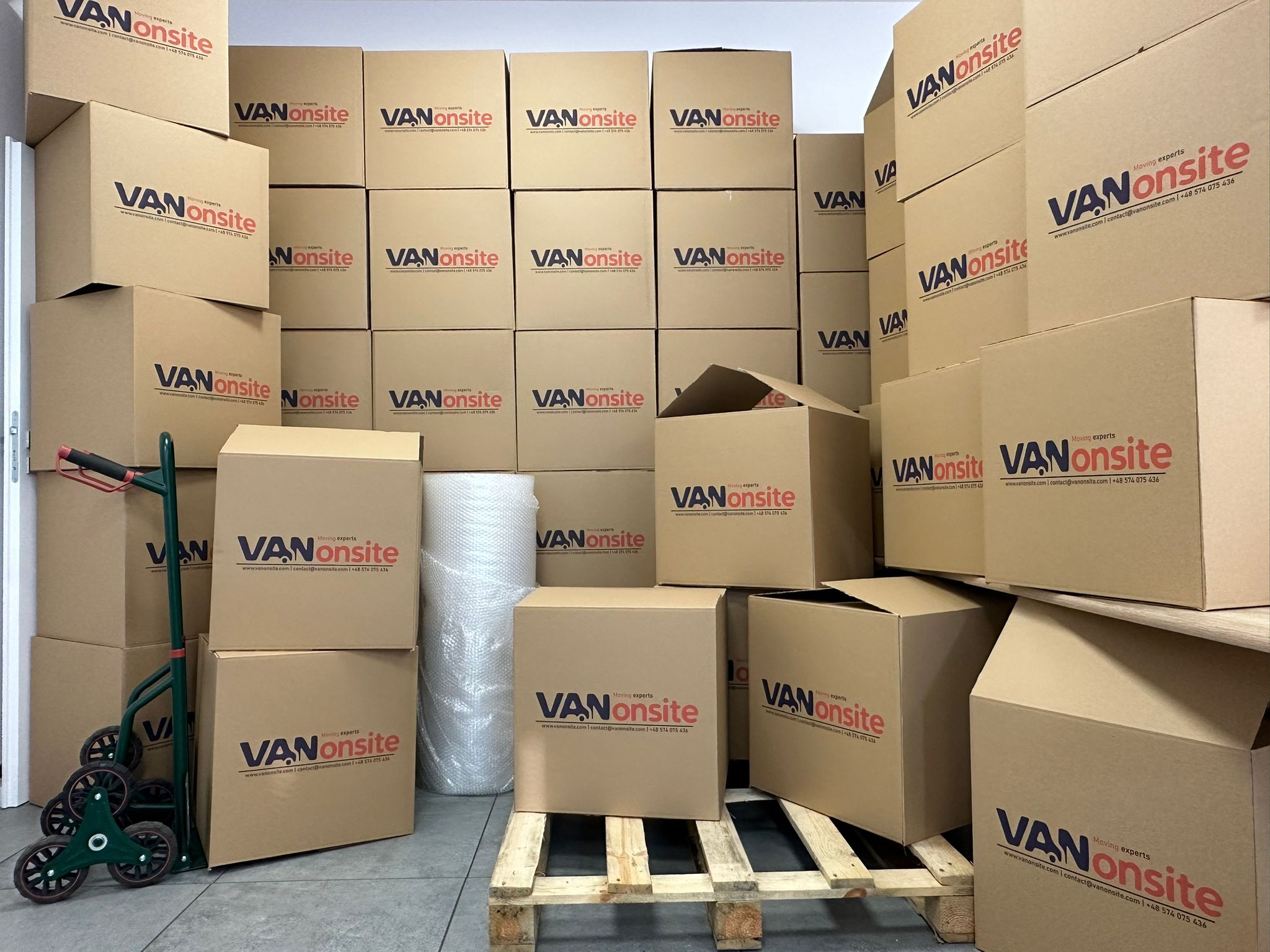
- Packing materials
- Travel tickets
- Temporary accommodation
- Deposit and first rent payment
- Storage
- Furniture and household equipment
- Utility setup
- Property viewings
- Emergency accommodation
A single person should ideally keep an emergency fund equal to at least two or three months of essential expenses. This reserve is particularly important when moving before securing permanent employment or accommodation.
Moving to Ireland With VANonsite
Professional transport planning can protect a relocation budget from costly surprises.
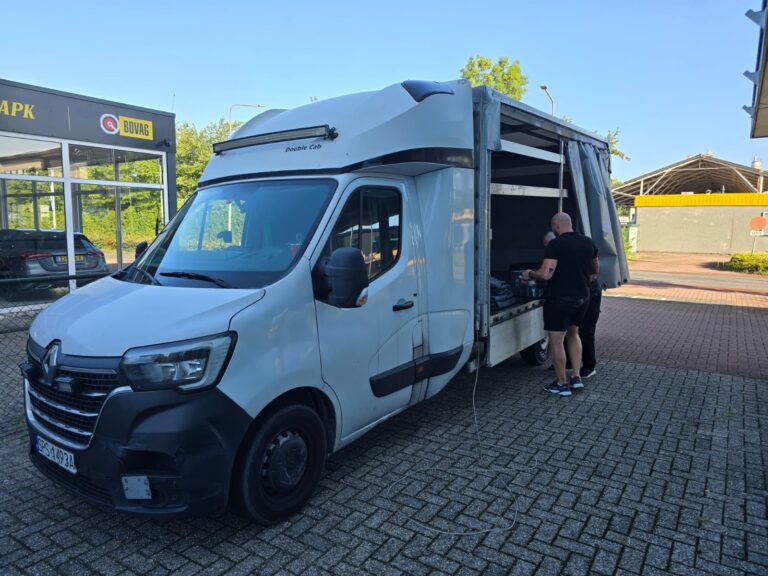
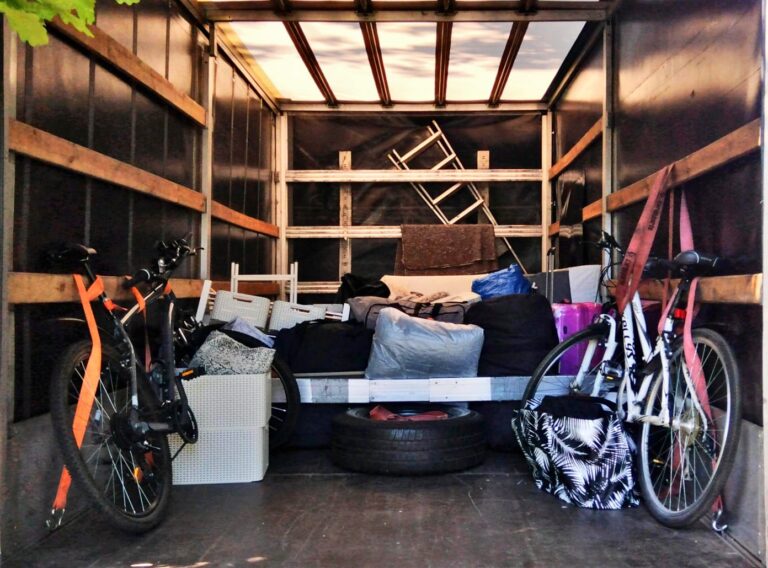
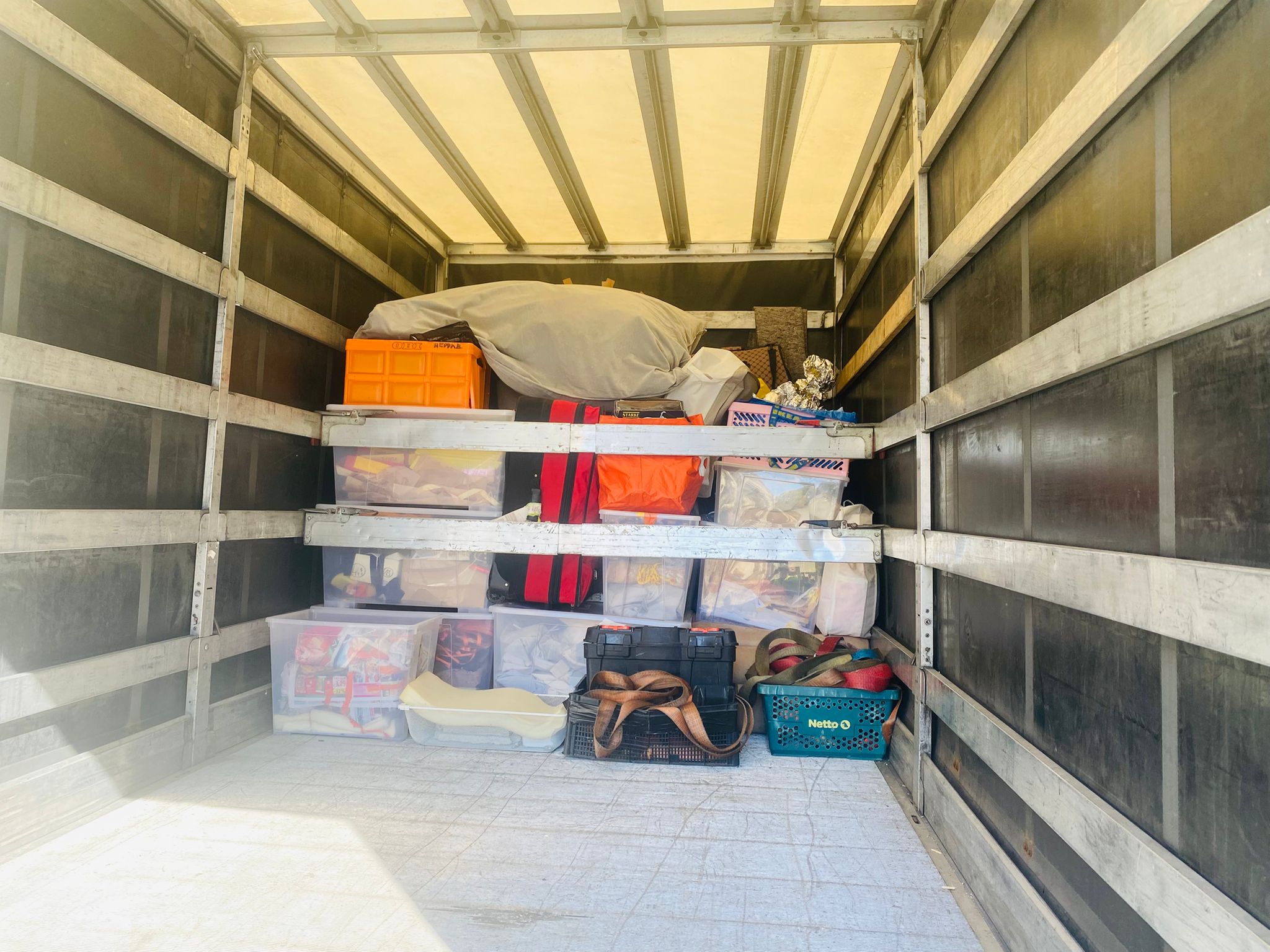
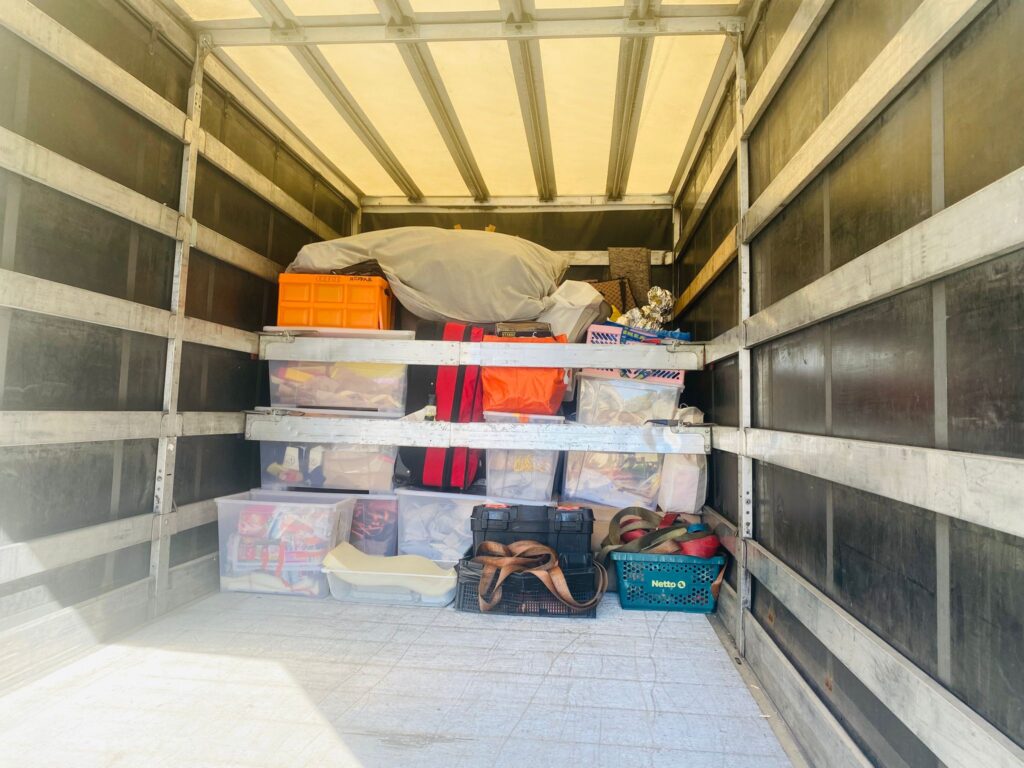
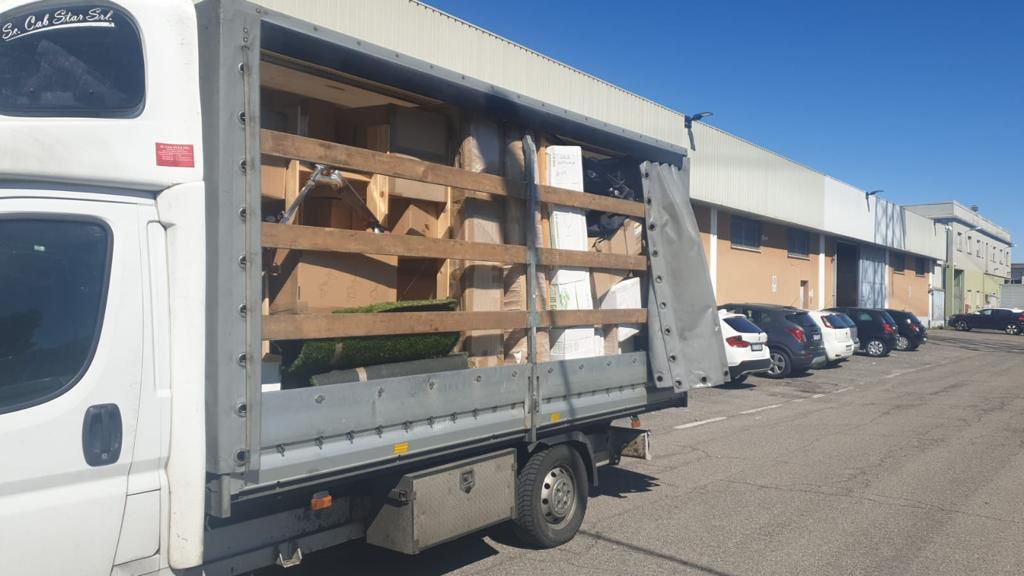
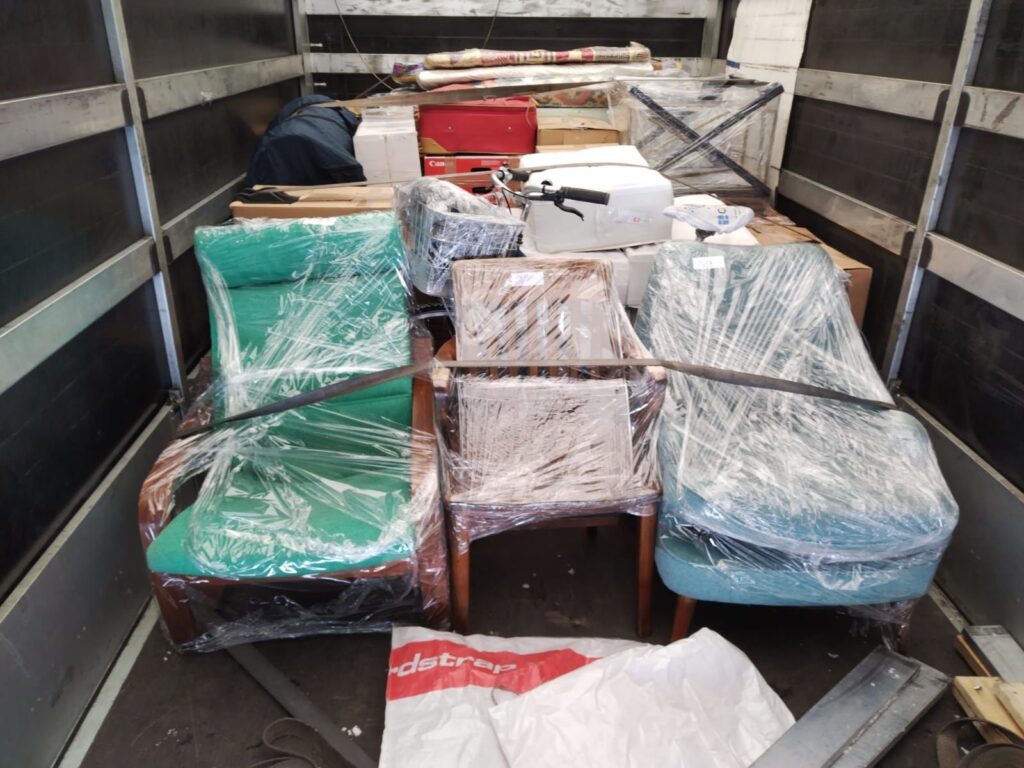
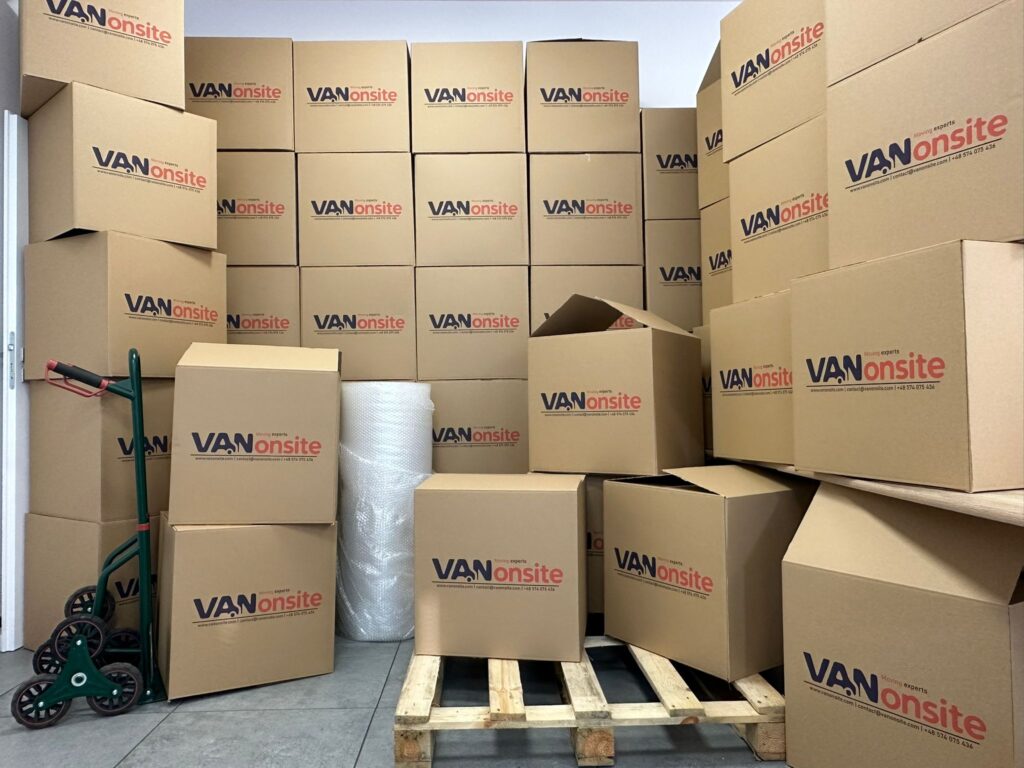
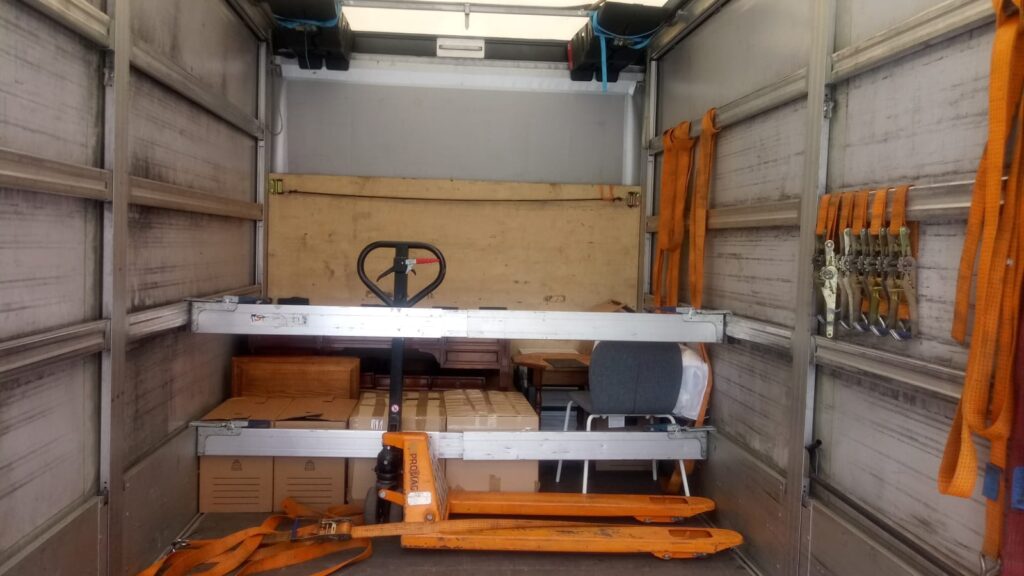
VANonsite provides secure removals to Ireland, including flexible man and van solutions, insured transport and GPS tracking for every load. Customers can follow the progress of their belongings while an experienced team manages the journey.
The service can be adapted to student relocations, small apartment moves, office transfers and complete household removals.
| Moving option | Available volume | Maximum weight |
|---|---|---|
| Moving One | 1 m³ | 100 kg |
| Moving Basic | 5 m³ | 300 kg |
| Moving Medium | 10 m³ | 500 kg |
| Moving Premium | 15 m³ | 1,100 kg |
| Moving Premium Plus | 30 m³ | 3,500 kg |
| Moving Full House XXL | 90 m³ | 20,000 kg |
Choosing the correct capacity prevents customers from paying for unnecessary space. Moving One may suit personal belongings and boxes, while Moving Medium can support a larger student or apartment relocation. Moving Premium Plus and Moving Full House XXL are designed for substantial home and business moves.
VANonsite can also provide packing, furniture removals, home removals, student removals, office removals, storage and white glove delivery. This flexible service keeps the relocation organised from the first packed box to final unloading in Ireland.
How to Reduce the Cost of Living in Ireland
1. Share Accommodation Initially
Sharing a home can reduce rent and utility bills by hundreds of euros each month. It also provides time to understand the local rental market before committing to a private apartment.
2. Compare Total Costs Between Cities
Do not compare salaries alone. Calculate net income, rent, transport and commuting time. A lower salary in Waterford may leave more disposable income than a higher salary in Dublin.
3. Use Public Transport Discounts
A Leap Card can lower the cost of regular travel. Students and eligible young adults should also check available fare reductions.
4. Cook at Home
Meal planning, packed lunches and larger home-cooked portions can reduce monthly food spending without creating an overly restrictive lifestyle.
5. Compare Energy Suppliers
Promotional energy rates may change after the initial contract period. Review tariffs regularly and compare the full annual cost.
6. Control Taxi Spending
Several unplanned taxi journeys can quietly add €100 or more to a monthly budget.
7. Build an Emergency Fund
A reserve provides protection when a tenancy is delayed, employment starts later than expected or a household bill is higher than planned.
8. Move Only What You Need
Decluttering before relocation can reduce the required transport volume and help customers select a smaller, more economical moving package.
Frequently Asked Questions
What is the cost of living in Ireland for a single person?
The cost of living in Ireland for a single person is generally €1,800 to €2,600 per month when renting a room. Living alone outside Dublin may cost €2,300 to €3,300, while a private apartment and active lifestyle in Dublin can require €3,000 to €4,000 per month.
Is €3,000 per month enough to live in Ireland?
A net income of €3,000 can support a comfortable lifestyle when sharing accommodation. It may also be sufficient outside Dublin with careful planning. Renting a private apartment in Dublin would make the same income considerably tighter.
How much does it cost to live in Ireland with rent?
The cost of living in Ireland with rent may range from approximately €1,700 for a careful single person sharing outside Dublin to more than €4,000 for someone living alone in the capital.
What is the cost of living in Ireland for a couple?
The cost of living in Ireland for a couple is usually around €3,400 to €5,200 per month. Couples can divide housing and utility costs, making their combined budget more efficient.
What is the cost of living in Ireland for a family of 4?
The cost of living in Ireland for a family of 4 is typically between €5,200 and €7,500 per month. Full-time childcare, two cars or a large Dublin property may increase the total beyond €8,000.
Is Cork cheaper than Dublin?
Cork is generally cheaper for housing than Dublin. However, rental availability can still be limited, and competition for suitable accommodation remains strong.
Which Irish city has the lowest living costs?
Waterford and smaller regional towns may offer lower housing costs than Dublin, Cork, Galway or Limerick. The best value depends on employment opportunities, transport access and whether car ownership is necessary.
How much should I save before moving to Ireland?
A single person renting a room should consider saving at least €4,000 to €6,000. Someone planning to live alone may need €7,000 to €10,000 to cover transport, temporary accommodation, a deposit, rent and emergency expenses.
Summary
The cost of living in Ireland for a single person is shaped primarily by housing. Someone sharing accommodation should usually prepare for monthly spending of €1,800 to €2,600. Living alone outside Dublin may cost €2,300 to €3,300, while a private lifestyle in Dublin can require €3,000 to €4,000.
The cost of living in Ireland for a couple is normally between €3,400 and €5,200 per month. The cost of living in Ireland for a family of 4 may reach €5,200 to €7,500, with childcare potentially pushing the budget higher.
Ireland is not a cheap destination, but careful preparation makes relocation far more manageable. Compare locations, calculate commuting expenses, build an emergency reserve and choose accommodation carefully.
When the time comes to relocate, VANonsite can provide secure removals to Ireland, flexible man and van services, multiple vehicle capacities and GPS tracking for every load. Your belongings remain protected, visible and professionally managed throughout the journey.