Moving to the Netherlands can be an exciting yet complex endeavor, involving visa applications, housing searches, and transporting belongings across borders. Expert insights from Expatica and NetherlandsWorldwide highlight essential steps such as securing the proper visa, finding accommodation, and managing administrative tasks before and after arrival. Once the groundwork is laid, choosing a reliable removal company becomes critical; VANonsite offers tailored packages, from 5 m³ moves for students to 90 m³ full-house relocations, and a suite of services—including professional packing, office removals, and short-term storage—designed to simplify every aspect of your move to the Netherlands. By combining in-depth relocation guidance with VANonsite’s expertise, this article aims to guide you through a seamless relocation, culminating in a strong call-to-action for a free quote on your next move.
Why Relocation to the Netherlands?
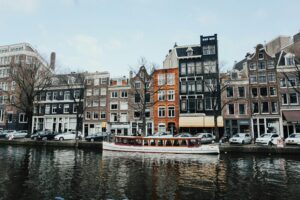
The Netherlands consistently ranks high for quality of life, offering a stable economy, world-class healthcare, and an open, multicultural society. Expats enjoy a robust public transport network, extensive cycling infrastructure, and vibrant urban centers such as Amsterdam, Rotterdam, and Utrecht, each boasting rich cultural scenes and international communities. Additionally, English is widely spoken, and many employers offer English-language positions, making integration smoother for newcomers. However, moving internationally requires careful planning; understanding visas, local regulations, and logistics can make the difference between a stressful transition and an enjoyable fresh start.
Key Steps in Relocating to the Netherlands
1. Visa and Immigration Requirements
- EU/EFTA Citizens: If you hold EU/EFTA citizenship, you can enter and reside in the Netherlands without a visa; however, you must register with the municipality (gemeente) if staying longer than four months.
- Non-EU/EFTA Citizens: Non-EU/EFTA nationals typically require an MVV (Machtiging Tot Voorlopig Verblijf) long-stay visa, followed by a residence permit; applicants should coordinate with their prospective Dutch employer if moving for work, as the employer often sponsors the work permit.
- Student Visas: International students accepted to Dutch universities must apply for a student residence permit; this process involves submitting proof of acceptance, sufficient funds, and health insurance arrangements.
2. Finding Accommodation
Securing housing in major Dutch cities can be competitive and costly:
- Renting vs. Buying: For assignments under three years, renting is often preferable; monthly rents for a one-bedroom apartment in Amsterdam’s city center range from €1,500 to €2,000, while other cities may be €1,000 to €1,500.
- Necessary Steps:
- Research Neighborhoods: Consider proximity to work or university, public transport access, and local amenities.
- Prepare Documents: Landlords typically request proof of income, a valid ID, and sometimes a bank statement or employer letter.
- Use Reputable Platforms: Websites like Funda, Pararius, and local Facebook rental groups can help locate listings; be wary of scams by verifying official rental contracts.
3. Managing Finances and Administrative Tasks
- Bank Account: Opening a Dutch bank account is crucial; many providers allow account setup online before arrival, but some mandate an in-person visit with proof of address and passport.
- Health Insurance: Dutch law requires expats to obtain basic health insurance (basisverzekering) within four months of arrival; failure to do so can result in fines.
- Municipal Registration: Register with your local gemeente to receive a BSN (Burgerservicenummer), needed for almost all official processes including opening a bank account and employment contracts.
- Taxes and Social Security: Research 30% ruling or other tax benefits for highly skilled migrants; investigate pension portability if applicable
4. Transporting Your Belongings
Whether shipping a few boxes or moving an entire household, selecting the right moving partner is essential:
- DIY Shipping vs. Professional Movers: DIY can be cheaper but often more time-consuming and risky; professional relocators like VANonsite handle customs, packing, and secure transport, making international moves far less stressful.
- Customs and Documentation: Depending on your origin country, customs regulations vary; VANonsite’s Custom Info team offers tailored guidance on Swiss and all of European countries import rules and similarly complex requirements to ensure smooth border crossings.
- Timing and Scheduling: Most relocations take 2–4 weeks door-to-door, but urgent or last-minute services exist for those in a hurry; planning at least 2–3 months ahead is recommended for peak seasons (summer) to secure favorable rates and dates
Why Choose VANonsite for Your Relocation to the Netherlands?
When it comes to relocation to the Netherlands, VANonsite stands out for its tailored approach, transparent pricing, and comprehensive service portfolio designed to cover every aspect of your move.




1. Expertise in International Removals
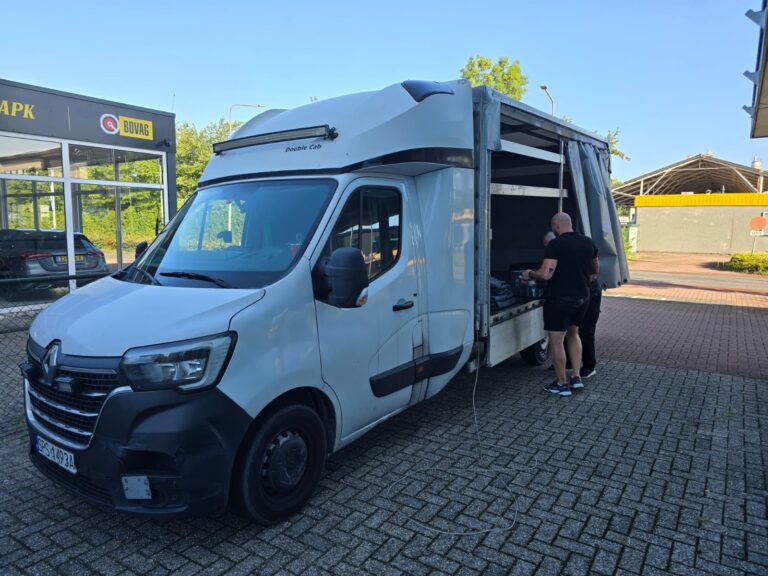
With extensive experience in cross-border relocations, VANonsite’s logistics team understands the nuances of European customs procedures and local regulations, ensuring your belongings arrive safely and on time. Their modern fleet ranges from small vans for student moves to large trucks for full-house relocations, optimizing routes to lower costs and environmental impact.
2. Tailored Moving Solutions
Volume-Based Packages
VANonsite’s Moving Packages cater to diverse needs:
- Moving Basic (5 m³) – up to 300 kg; fits essentials like backpacks, small furniture, and boxes—ideal for students or minimalists.
- Moving Medium (10 m³) – up to 600 kg; accommodates a small apartment’s essentials—suitable for individuals or couples.
- Moving Premium (20 m³) – up to 1,100 kg; comparable to a small room, fitting larger furniture and appliances.
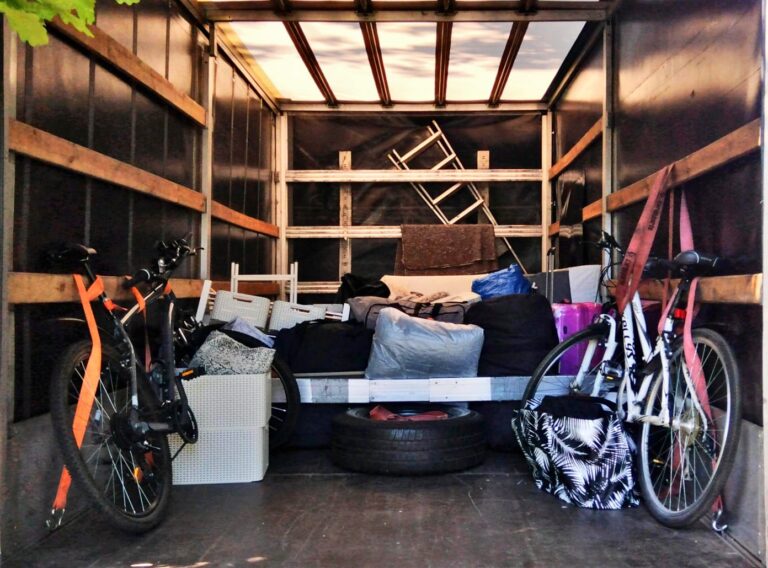
- Moving Premium Plus (30 m³) – up to 3,500 kg; ideal for a full household’s furniture, bikes, and boxes.
- Moving Full House XXL (90 m³) – up to 20,000 kg; designed for entire household relocations or office moves, handling multiple bedrooms and office equipment in one trip.
Service Types
- Household Removals: End-to-end support with professional packing, secure transportation, and flexible scheduling to fit any timeline.
- Student Removals: Budget-friendly, door-to-door service for students, with small-volume options and flexible pick-ups around academic schedules.
- Office Removals: Dedicated move managers coordinate corporate relocations to minimize downtime, handle IT equipment, and streamline logistics.
- Last-Minute Moving: Urgent move options with fast response times; perfect for those needing immediate relocations under tight schedules.
- Packing & Unpacking Services: Professional packers use high-quality materials to protect fragile items and bulky furniture; unpacking service ensures your new home is move-in ready.
- Storage Solutions: Short- and long-term storage available in secure facilities across the Netherlands, ideal during renovations or interim housing transitions.

3. Transparent Pricing and Competitive Rates
VANonsite provides an online quote form on this site, for instant cost estimates based on volume and distance; domestic 20 m³ moves within the Netherlands range from €230 to €650, while international routes (e.g., Germany–Netherlands) start at €590 to €1,150 for 20 m³. These transparent, volume-based rates allow you to control your budget without hidden fees.
4. Dedicated Customer Support
From your initial inquiry to the final delivery, VANonsite’s customer support team remains available to answer questions, provide real-time tracking, and address any concerns vanonsite-commercial.pl/. Clients consistently praise the responsiveness and professionalism of both administrative staff and drivers, highlighting clear communication, punctuality, and care for belongings.
5. Eco-Friendly Practices
VANonsite takes an eco-conscious approach by optimizing routes and maintaining modern, fuel-efficient vehicles, reducing carbon emissions in comparison to older fleets vanonsite-commercial.pl/. This commitment to sustainability appeals to environmentally conscious customers who want their move to be as green as possible.
Tips for a Smooth Relocation
Below is a concise checklist and some best practices to ensure your relocation to the Netherlands is as seamless as possible:
- Begin Early
- Start visa applications and housing searches at least 3–4 months before your intended move date.
- Secure a reliable removal company like VANonsite at least 2 months in advance, especially during summer peak seasons.
- Organize Documents
- Gather certified copies of passports, birth certificates, marriage certificates, education credentials, and insurance papers.
- Translate any necessary documents into Dutch or English (for official use), and have extra copies available.
- Declutter Before Packing
- Sort belongings into categories: keep, donate, sell, discard; reducing volume lowers transportation costs.
- Schedule a garage sale or use online platforms to offload unwanted furniture and electronics.
- Label Boxes Clearly
- Use color-coded labels for fragile, heavy, or essential items; create an inventory list to track contents per box.
- Indicate the destination room (e.g., “Kitchen,” “Bedroom”) to simplify unpacking at your new home.
- Notify Key Parties
- Inform your bank, health insurance provider, former landlord, and local mairie (if applicable) about your move; arrange final bills for utilities and mobile services.
- Prepare for Arrival
- Open a Dutch bank account (online or in person) and arrange basic health insurance within four months.
- Research public transport passes and consider obtaining a Dutch SIM card to stay connected upon arrival.
- On Moving Day
- Ensure someone is present at both pick-up and delivery locations; confirm addresses, parking arrangements, and elevator access to avoid last-minute hiccups.
- Keep passports, essential documents, and valuables in a personal bag separate from the moving truck.
Ready to make your relocation to the Netherlands worry-free? Visit VANonsite’s homepage to explore all our services, or jump straight to our tailored Removals to Netherlands page for a free quote. Let VANonsite’s experienced team handle every detail—from packing and customs clearance to safe delivery—so you can focus on settling into your new Dutch life.
Conclusion
Relocating to the Netherlands offers tremendous opportunities but requires meticulous planning: obtaining the correct visa, finding suitable housing, and organizing finances. By partnering with VANonsite, you gain access to a full suite of relocation services—professional packing, secure transport, and customizable packages—that make your move efficient, cost-effective, and stress-free. With transparent pricing, dedicated customer support, and eco-friendly logistics, VANonsite stands ready to exceed expectations and guide you through every step of your “relocation to Netherlands” journey. Get your free quote today and start your Dutch adventure with confidence.
FAQ
1. What are the visa requirements for relocating to the Netherlands?
If you hold an EU/EEA or Swiss passport, you can enter and reside in the Netherlands without a visa, but you must register with the local municipality (gemeente) if you plan to stay longer than four months. For non-EU/EEA citizens, an MVV (Machtiging Tot Voorlopig Verblijf) long-stay visa is required before arrival; you must apply for this at the Dutch embassy or consulate in your home country. Once in the Netherlands, non-EU/EEA nationals need to obtain a residence permit (verblijfsvergunning) from the Immigration and Naturalisation Service (IND) within five days of registering. Student visas require proof of university acceptance, sufficient funds, and health insurance coverage.
2. How do I find housing in the Netherlands?
Renting is the most common option for newcomers. Popular platforms include Funda, Pararius, and local Facebook rental groups, but be cautious of scams by verifying official rental contracts. In major cities like Amsterdam and Utrecht, average monthly rents for a one-bedroom apartment range from €1,500 to €2,000 in the city center, while other cities such as The Hague or Eindhoven may be slightly lower (€1,000–€1,500). Landlords typically request proof of income, a valid ID, and sometimes an employer letter or bank statement. To register for housing, schedule viewings at least two to three months before your move, especially during the peak season (June to August).
3. Do I need to register with the municipality?
Yes. If you intend to stay for more than four months, you must register with the gemeente within five days of arrival. During registration, you will receive a Burgerservicenummer (BSN), which is required for opening bank accounts, signing employment contracts, and accessing healthcare. If your stay is shorter than four months, you can register as a non-resident in the Personal Records Database (BRP), but you won’t be eligible for full municipal services.
4. How long does it take to ship my belongings, and what customs procedures apply?
Door-to-door shipping typically takes 2–4 weeks, depending on the origin country and chosen service level. If you move from within the EU, your household goods move duty-free; you only need to provide an inventory list at customs. For non-EU moves, you must declare all belongings at customs; however, if relocating for work, you can apply for an exemption to import personal effects tax-free by submitting a certificate of employment and proof of previous residence. VANonsite’s Customs Info team offers tailored guidance to ensure smooth border crossings and compliance with Dutch import regulations.
5. How do I open a bank account in the Netherlands?
To open a Dutch bank account, you typically need a BSN, proof of address (rental agreement or utility bill), and a valid passport or EU ID. Some banks, such as ING and ABN AMRO, allow you to initiate the account opening process online from abroad, but you must visit a local branch for identity verification within a few weeks of arrival. If language barriers are a concern, VANonsite can connect you with relocation consultants who speak both English and Dutch to assist with banking formalities.
6. What health insurance is required?
Under Dutch law, all residents are required to obtain basic health insurance (basisverzekering) within four months of registration. Premiums vary by provider but generally range from €120 to €150 per month; additional coverage for dental or vision is optional. If you hold an EU health insurance card, it may cover provisional emergency care until you secure a Dutch policy, but you still need to register and purchase a local plan for continuous coverage.
7. Can I bring my pet to the Netherlands?
Pets from EU countries can enter duty-free if they meet EU pet passport requirements, including microchipping and up-to-date rabies vaccinations. For pets from non-EU countries, you must secure an import permit, have a valid health certificate, and sometimes undergo a quarantine period upon arrival. VANonsite can coordinate with specialized pet relocation services to handle veterinary checks, travel crates, and door-to-door delivery of your pet, ensuring compliance with Dutch regulations.
8. How do I handle my driving license and car?
If you hold an EU/EEA driving license, it remains valid in the Netherlands; no exchange is needed. Non-EU/EEA licenses are valid for up to six months after registration, after which you must exchange them for a Dutch license; this process often involves passing a theory and practical exam unless your country has a license exchange agreement with the Netherlands (e.g., Canada, Japan). To import your car from outside the EU, you must declare it at customs, pay import duties and VAT (unless exempt), and register it with the RDW (Dutch vehicle authority) including passing a vehicle inspection (APK). VANonsite’s relocation consultants can provide detailed checklists for vehicle importation to simplify this process.
9. What costs should I expect during my relocation?
Key costs include:
- Visa and Permit Fees: MVV application (approximately €192) and residence permit (around €174).
- Housing Deposits: Typically one to two months’ rent (e.g., €3,000–€4,000 for a €1,500/month apartment).
- Shipping and Customs: A 20 m³ international move can range from €800 to €1,500, depending on distance and service level.
- Health Insurance Premiums: Approximately €120–€150 per month.
- Bank Account and Registration Fees: Bank account setup is usually free, but municipality registration costs about €62.
VANonsite’s transparent volume-based pricing for moves (e.g., €590–€1,150 for 20 m³ from Germany to the Netherlands) helps you budget accurately without hidden fees.
10. How does VANonsite simplify the relocation process to the Netherlands?
VANonsite offers end-to-end relocation support, including:
- Customs Guidance: Expert advice on Dutch import regulations and exemptions for personal effects.
- Tailored Moving Packages: From 5 m³ student moves to 90 m³ full-house relocations, with professional packing, secure transport, and tracking.
- Local Expertise: Knowledgeable consultants help with scheduling municipality appointments, opening bank accounts, and securing health insurance on arrival.
- Flexible Services: Options for last-minute moves, office relocations, and short- or long-term storage in secure facilities across the Netherlands.
- Transparent Pricing: Online quote form on VANonsite Removals to Netherlands with no hidden fees, allowing precise budget control.
With VANonsite’s comprehensive services and dedicated support team, your relocation to the Netherlands becomes a streamlined, stress-free experience. Get a free quote today and let VANonsite handle every detail of your move