
A route plan built around the real addresses
Removals from Spain to the Netherlands
VANonsite plans household removals from Spain to the Netherlands using the inventory, access at both properties and the dates that actually matter. Collection may start in Madrid, Barcelona, Valencia, Alicante, Málaga or another Spanish location, while delivery is planned for the exact Dutch address rather than a city name alone.
Send the collection and delivery postcodes, an item list, access photographs and your preferred window. We can then assess shared-capacity or dedicated transport and prepare a tailored quotation instead of relying on a generic price per kilometre.

Start with the load, not with the distance
Spain and the Netherlands are connected by an established European road corridor, but that does not make every removal interchangeable. A lightly furnished apartment in Valencia, a family home outside Madrid and a collection from a pedestrian street in central Barcelona can all share the same destination country while requiring different vehicles, labour and timings.
The first useful decision is whether the consignment needs a dedicated vehicle or can travel as a part load. VANonsite does not decide this from the number of rooms alone. We look at the measured inventory, pieces that cannot be stacked, access restrictions, packing requirements and how much flexibility exists around collection and delivery.
| Transport option | Usually suits | Main trade-off |
|---|---|---|
| Dedicated vehicle | Time-sensitive moves, larger inventories, fragile or awkward items | Greater control of the route and handling, but the vehicle is allocated to one move |
| Shared capacity | Smaller loads with genuine date flexibility | Capacity is shared, so collection and delivery windows must match the consolidated route |
A part load is not simply a cheap dedicated move. It works when the inventory is accurate and the customer can accept a realistic route window. A dedicated service can be the better value when strict handover dates, difficult access or repeated handling risk would otherwise create extra labour and uncertainty.
What determines a Spain-to-Netherlands removal quote?
A responsible quotation needs more than two city names. The driving corridor matters, but the work performed at each property often changes the final plan more than a small difference in mileage. VANonsite assesses the following information before confirming the service:
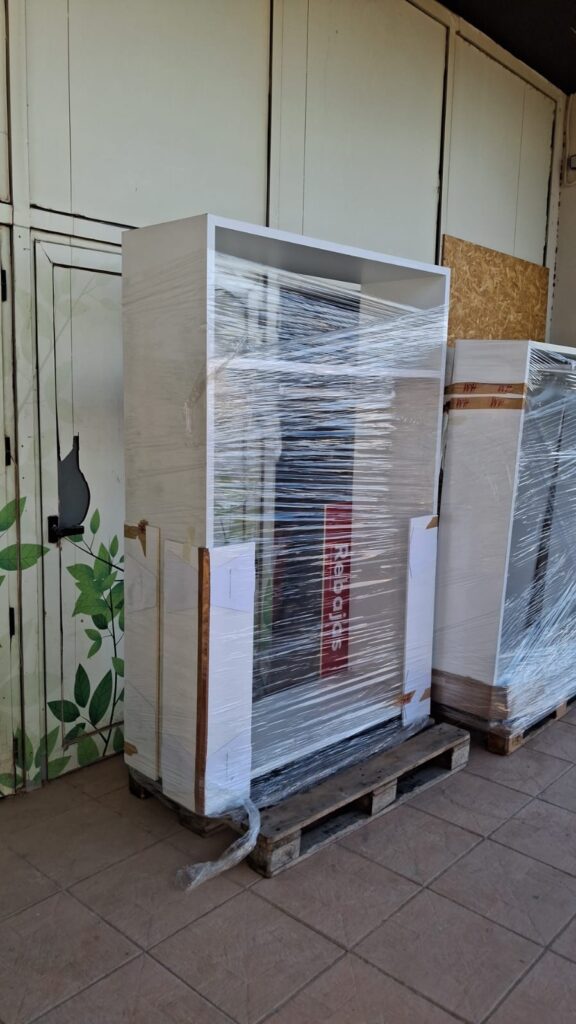
- Inventory and volume: a room-by-room list, box count, dimensions of large pieces and photographs of items that are fragile or difficult to stack.
- Collection address: floor, lift dimensions, stairs, doorway widths, carrying distance, parking restrictions and the route from the building to the vehicle.
- Dutch delivery address: the same access information, plus any canal-side, pedestrian-zone, bollard or timed-entry restriction.
- Handling scope: customer-packed boxes, professional packing, agreed dismantling, protective wrapping and any reassembly confirmed in writing.
- Date flexibility: preferred dates, keys or tenancy deadlines and whether a shared route is genuinely possible.
- Load type: ordinary used household belongings or any vehicle, commercial stock, alcohol, plants, food, medicine or other category requiring separate checks.
Photographs are especially valuable when a wardrobe, stone table, artwork or appliance looks straightforward on a written list but cannot use the lift or must pass a tight turn. They allow the crew, protection and loading order to be planned before arrival. That is more useful than a low headline estimate that changes when the vehicle is already at the property.
For the country-level service and other Dutch routes, see international removals to the Netherlands. Customers still comparing their departure options can also use the Spain removals hub.
Collection access in Spain: the details that prevent delay
The Spanish side of the move can range from an apartment with straightforward underground access to an older building where the van cannot stop near the entrance. Central districts, coastal developments and gated communities may each impose different arrival rules. Before the collection date, confirm who controls the loading area and whether the vehicle needs a booking, local permission or a particular approach.
For an apartment collection, measure the lift rather than recording only that a lift exists. Note the door opening, cabin depth and weight limit. If furniture must use the stairs, photograph landings and tight turns. For a villa or rural address, show the driveway surface, gate width, overhead clearance and a safe place for the vehicle to turn. These checks decide whether the planned vehicle can reach the door and how much carrying time is required.
Keys, building access and the inventory should be ready before the agreed slot. Shared-capacity transport is particularly sensitive to unrecorded extra items because another customer’s measured load may already be allocated to the same route. If the inventory changes, send the update before collection so capacity and price can be reassessed rather than improvised on the day.
Delivery in the Netherlands is an address-level job
“Amsterdam delivery” is not an access plan. A modern building outside the centre, a canal-side apartment and a house in a low-traffic neighbourhood create very different unloading conditions. The same is true in Rotterdam, Utrecht, The Hague, Eindhoven and smaller Dutch towns. Parking availability, timed access, stairs and the distance from the stopping point to the entrance must be checked for the exact property.
Ask the landlord, building manager or municipality what applies before the vehicle leaves Spain. VANonsite needs to know if access is controlled by retractable bollards, whether a loading bay must be reserved and whether residents are allowed to use the lift for a move. Do not assume that a furniture hoist or external lift is automatically included; if one is genuinely required, it must be identified and agreed as part of the plan.
City-specific information can be useful after the route is chosen. See our pages for a removal company in Amsterdam and a moving company in Rotterdam, while keeping this page as the owner of the commercial Spain-to-Netherlands route.
Packing must match the route and the handling plan
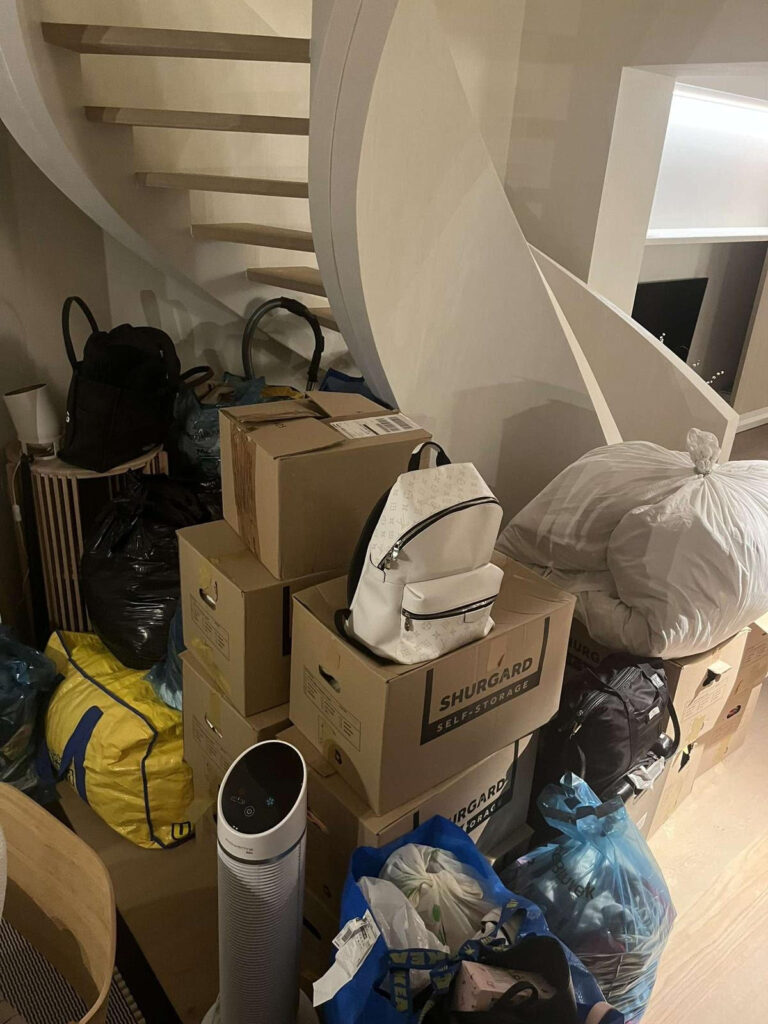
Boxes should be closed, strong enough for their contents and labelled by destination room. Avoid overloading large cartons with books or tools; smaller dense boxes are safer to carry and position. Empty spaces inside cartons should be filled so that contents do not shift during a long road journey.
Furniture protection depends on the surface and construction. Glass, stone, high-gloss panels, loose shelves and protruding legs should be identified individually. Dismantling is not automatically the right answer: some flat-pack furniture may not tolerate another assembly cycle, while a large rigid frame may have no safe route through the doorway. Photographs and dimensions allow the handling decision to be made before the crew arrives.
Keep passports, keys, medicines, irreplaceable documents, chargers needed on arrival and a first-night bag with you. Items that must not enter the removal load should be separated physically, not only mentioned in a message. If VANonsite provides packing or agreed dismantling, the exact scope should appear in the written quotation.
Customs and relocation administration are not the same thing
Spain and the Netherlands are both in the EU customs union. Ordinary Union goods can circulate between member states without the import customs process that applies when a move enters from a non-EU country. The Council of the European Union overview of the customs union explains the common external border and the absence of internal customs duties.
That does not make every item unrestricted. Vehicles, commercial stock, alcohol, tobacco, weapons, certain plants, food, medicines and goods that do not have Union status can create separate tax, safety or documentary requirements. Tell us about these categories before collection and verify the current rule with the relevant authority. A household inventory is still operationally necessary even when a standard border customs declaration is not.
Residency registration is a separate personal obligation. The Dutch government states that someone intending to live in the Netherlands for more than four months must register with the municipality within five days of arrival; shorter stays use a different non-resident route. Check the current requirements and documents on the official Netherlands government moving guidance. Transport should be coordinated with a real address and key handover, but VANonsite does not replace immigration, municipal or tax advice.
How VANonsite plans removals from Spain to the Netherlands
- Route and inventory review. We check both postcodes, the item list, photographs, estimated volume and the dates that constrain the move.
- Access verification. Floors, lifts, stairs, carrying distance and vehicle stopping points are confirmed for collection and delivery.
- Service selection. Dedicated or shared capacity is matched to the load, timing and handling requirements.
- Written scope. The quotation records the agreed labour, packing, dismantling, transport and handover rather than relying on assumptions.
- Collection and loading. The crew checks the load against the agreed inventory, protects items and secures them in a planned order.
- Dutch delivery. The team follows the confirmed access plan and places items according to the written scope.
Can this route be completed in 1–3 days?
A 1–3 day transit after collection can sometimes be assessed through the separate Last-Minute Moving service. It requires a suitable dedicated vehicle, available crew, a viable road route, confirmed access and a load that is ready at the agreed time. It is not the standard timetable for every Spain-to-Netherlands removal and should never be assumed for a part load.
For shared transport, allow for a collection and delivery window that works with the consolidated route. For a dedicated move, timing can be controlled more closely, but the final commitment still depends on the collection location, Dutch destination, driving regulations and confirmed handover conditions. The written quotation is the place where the actual plan must be recorded.
Questions customers ask before booking
Should I search for Holland or the Netherlands?
The Netherlands is the official country name. Holland refers specifically to North Holland and South Holland, although it is often used informally for the whole country. Use the precise Dutch destination address when requesting a quote; the terminology does not change the transport plan.
Do used household goods need customs clearance?
A standard movement of Union household goods from Spain to the Netherlands does not normally use the import customs process required at the EU’s external border. Special categories and non-Union goods can be different, so disclose them before collection and check the official rule.
Can I add items after accepting the quote?
Tell VANonsite as soon as the inventory changes. Extra items can alter capacity, loading time and the chosen vehicle. They are especially important on a shared route because the remaining space may already be allocated.
Can the crew dismantle and reassemble furniture?
It can be included when it is agreed in advance and the furniture is suitable. Send photographs and dimensions so the scope, tools, access and handling risk can be assessed before the move.
Request a route-specific quotation
Send the Spanish collection postcode, complete Dutch delivery address, inventory, access photographs and preferred dates. VANonsite will assess the suitable capacity, handling and route before confirming the written scope.