
What are the Dutch known for? The Netherlands is best known for bicycles, canals, windmills, tulips and cheese, but daily Dutch culture is equally shaped by direct communication, careful planning, water engineering, compact cities and an international outlook. Those details matter more than the postcard symbols when you are deciding where to live or preparing a household move.
This guide explains 21 typical Dutch things without treating every person or place as identical. It also shows what newcomers should check before moving furniture, bicycles and personal belongings to a Dutch address.
What are the Dutch known for? Quick answer
- Iconic symbols of Dutch culture, including tulips, windmills, and bicycles
- Dutch innovations and global impact in sustainability and design
- Traditional Dutch cuisine and culinary delights
- Social values, liberal policies, and cultural norms
- Insights into Dutch sports, education, and family life
Why these typical Dutch things matter in daily life
The familiar Dutch symbols are connected to practical systems. Canals and dikes reflect water management; bicycles depend on street design and parking; windmills began as working infrastructure; and direct communication often favours a clear answer over ceremony. A newcomer experiences those systems through housing, commuting, appointments and access to the new home.




Iconic Symbols of Dutch Culture
Tulips and Windmills
The Netherlands is renowned for its colorful tulip fields, especially during spring. The Keukenhof Gardens showcase millions of blooming tulips, attracting visitors worldwide. Windmills, once essential for land drainage and milling, stand as historical monuments, with Kinderdijk being a UNESCO World Heritage site.
Wooden Shoes (Clogs)
Traditional Dutch clogs, or “klompen,” symbolize the country’s rural heritage. While not commonly worn today, they remain a popular souvenir and are celebrated in festivals and museums.
Bicycles
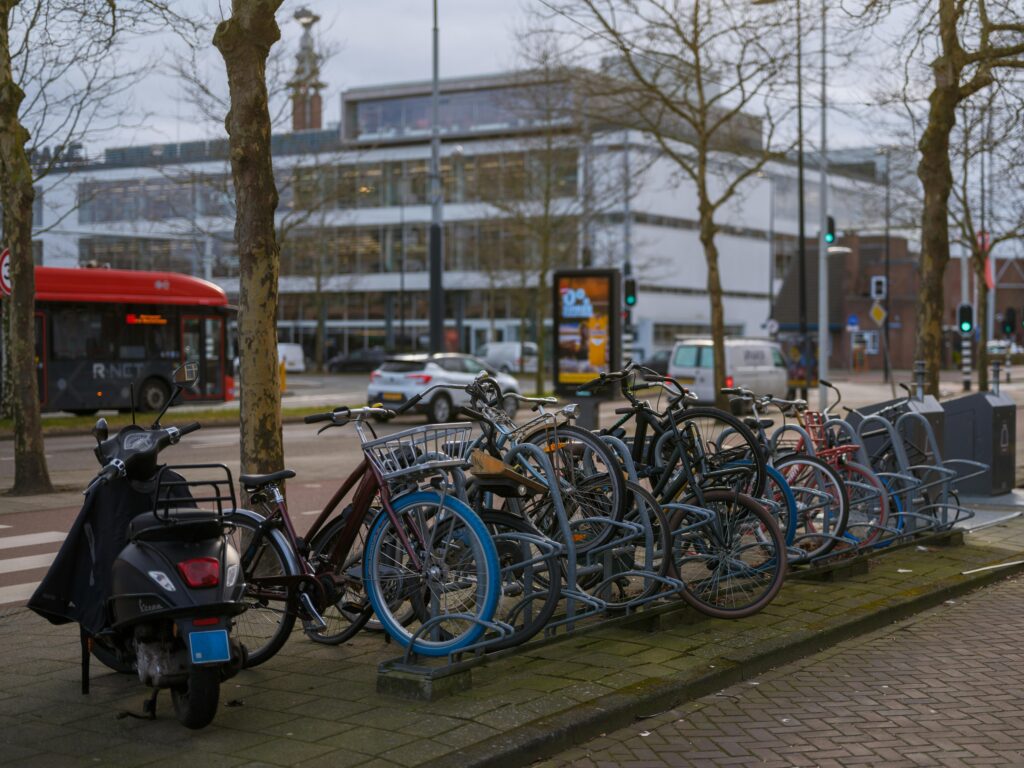
With more bicycles than people, the Netherlands boasts an extensive cycling infrastructure. Cities like Amsterdam and Utrecht prioritize bike-friendly policies, making cycling a primary mode of transportation.
Innovations and Global Impact
Sustainable Technology
The Dutch lead in sustainable innovations, from water management systems to renewable energy solutions. Projects like the Delta Works protect the country from flooding, showcasing engineering prowess.holland.com
Design and Architecture
Dutch design emphasizes minimalism and functionality. Events like Dutch Design Week in Eindhoven highlight the nation’s creative talents, influencing global design trends.
Dutch Food & Cuisine
Cheese and Stroopwafels
The Netherlands produces world-famous cheeses like Gouda and Edam. Stroopwafels, thin waffle cookies with caramel syrup, are a beloved treat enjoyed by locals and tourists alike.
Haring and Bitterballen
Raw herring, often eaten with onions and pickles, is a traditional Dutch delicacy. Bitterballen, deep-fried meatballs, are popular snacks served in pubs and cafes.
Social Values and Liberal Culture
Tolerance and Equality
Dutch society values tolerance, equality, and individual freedom. The Netherlands was the first country to legalize same-sex marriage and maintains progressive policies on issues like euthanasia and drug decriminalization.
Direct Communication
Known for their directness, the Dutch communicate openly and honestly, valuing transparency in both personal and professional interactions.
Sports and Famous Events
Football and Speed Skating
Football is the most popular sport, with clubs like Ajax and PSV Eindhoven having rich histories. The Dutch also excel in speed skating, often dominating international competitions.
King’s Day
Celebrated on April 27th, King’s Day honors the monarch’s birthday with nationwide festivities, including street markets, concerts, and a sea of orange attire.
Dutch Design & Creativity
Dutch design is often recognised by functional layouts, clear visual systems and confident experimentation. Furniture, architecture and public information are useful examples because they show how design responds to limited space and everyday use.
Events like Dutch Design Week in Eindhoven showcase the future of design, drawing global attention to sustainable materials, circular production, and inclusive solutions. Institutions such as the Design Academy Eindhoven and Gerrit Rietveld Academie produce world-class talent that shapes global design narratives.
Notable figures like Rem Koolhaas in architecture and Marcel Wanders in interior design exemplify the nation’s influence. Whether it’s public space planning or eco-conscious product design, the Dutch don’t just follow trends—they create them.
Education and Bilingualism
English is widely used in larger cities, universities and international workplaces, which can make the first weeks easier. It should not be treated as a substitute for Dutch in every setting: local administration, schools and long-term neighbourhood life may require more language preparation.
Sustainability & Cycling Culture
Cycling is visible because it is supported by connected routes, junction design and extensive parking. In Amsterdam, Utrecht and other cities, this affects commuting and also removal access: a vehicle cannot assume that every kerb or cycle lane is available for loading.
Dutch sustainability work also includes flood protection, renewable energy and circular-use projects. These subjects are better understood through specific local policies and infrastructure than through broad country rankings.
Liberal Laws
Dutch law is often discussed in relation to personal autonomy and regulated tolerance. The details are specific, conditional and subject to national rules; they should not be reduced to a general claim that everything is simply “liberal”.
Key examples include:
- Legalization of Same-Sex Marriage: The Netherlands was the first country in the world to legalize gay marriage in 2001.
- Euthanasia Laws: Strictly regulated, yet legal—giving individuals autonomy over end-of-life decisions.
- Cannabis Policy: Though technically not legalized, soft drugs are decriminalized for personal use and can be bought openly in licensed coffee shops.
- Sex Work Regulation: Prostitution is legal and regulated, with an emphasis on safety and workers’ rights.
For newcomers, the practical lesson is to check the current rule and responsible authority for the exact situation rather than relying on a cultural shorthand.
Moving to the Netherlands: turn research into a workable plan
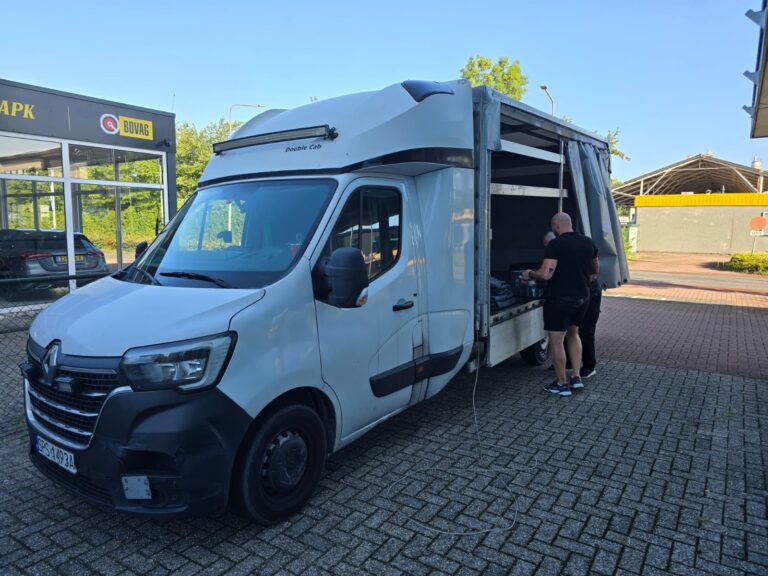
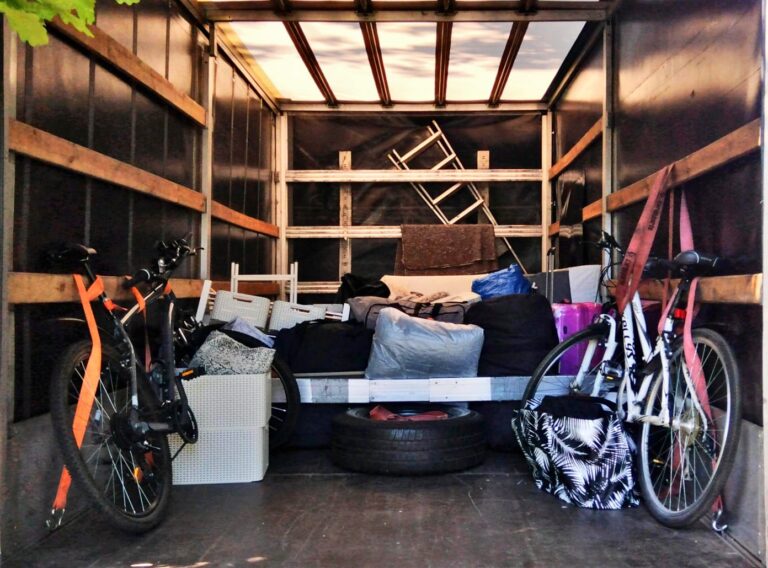
Learning about Dutch culture helps you picture daily life; planning the removal needs different evidence. VANonsite checks the real inventory, collection and delivery access, preferred dates and any fragile or unusually large items. That determines protection, vehicle space, crew and handling—not a generic estimate based only on the destination country.
Historic streets, cycle lanes, controlled kerb space and steep staircases can change a delivery plan. Before collection, send photographs of both entrances and confirm floor numbers, lift dimensions, parking distance and whether large furniture can be dismantled. For a full household move, see our removals to the Netherlands service. For urgent dates, Last-Minute Moving can sometimes arrange transport in 1–3 days, subject to route, capacity, access and customs requirements.

VanOnSite: Relocate to the Dutch Way of Life
VANonsite plans Netherlands removals around the verified inventory and both addresses. The team can coordinate packing, protection, vehicle space and delivery access while the customer uses the automatic quote to provide the route and job details.
Interesting Dutch Quirks
- Three Kisses Greeting: A common Dutch greeting involves three alternating cheek kisses.
- Birthday Circles: Celebrations often involve sitting in a circle, chatting, and enjoying cake.
- Open Curtains: Many Dutch homes have open curtains, reflecting a cultural emphasis on transparency.
Frequently Asked Questions (FAQ)
Q: Why are the Dutch known for cycling?
A: The Netherlands’ flat terrain, extensive bike lanes, and pro-cycling policies make cycling a convenient and sustainable transportation choice.
Q: What is a traditional Dutch dish?
A: Stamppot, a hearty mash of potatoes and vegetables, often served with sausage, is a traditional Dutch comfort food.
Q: Are Dutch people fluent in English?
A: Yes, the Netherlands has one of the highest English proficiency rates among non-native countries, making communication easy for visitors and expatriates.
Q: What is King’s Day?
A: King’s Day, celebrated on April 27th, is a national holiday honoring the king’s birthday, marked by festivities and a nationwide flea market.aboutnl.com
Q: How can I move to the Netherlands?
A: Companies like VanOnSite specialize in international relocations, offering comprehensive services to facilitate your move.