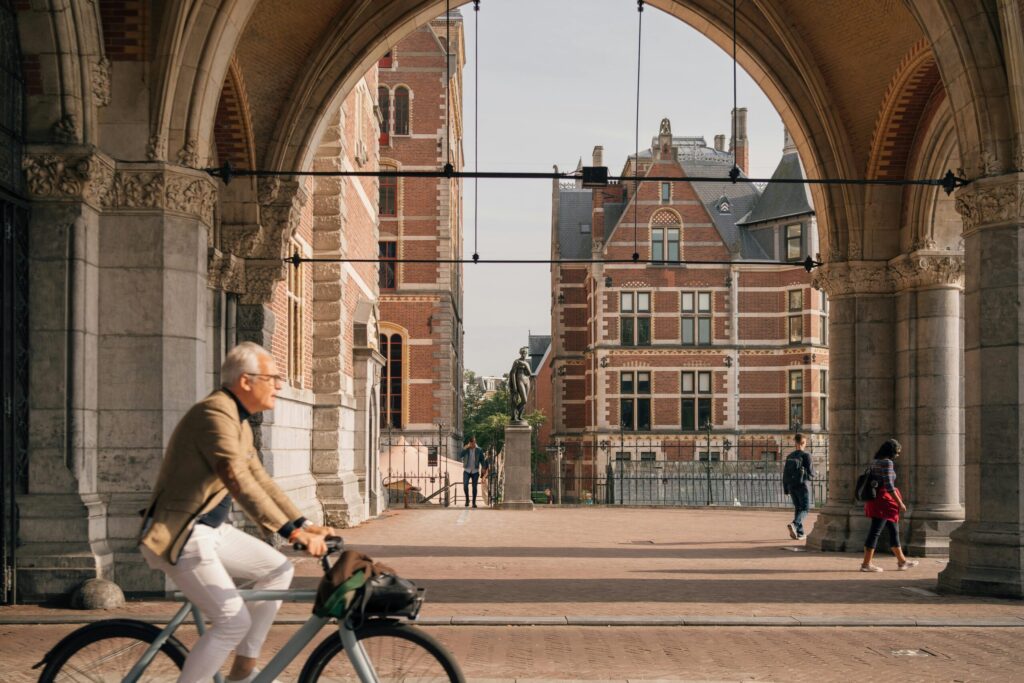
Looking for the cheapest place to live in the Netherlands? There is no permanent national winner. The answer changes with the type of home, current supply and whether you rent or buy. A lower advertised price can also disappear once commuting, energy use and a second car are included. Heerlen, Emmen and Enschede are strong starting points for a search, but the best-value city is the one where you can secure a suitable home and still reach work or study reliably.
This guide keeps the popular ten-city shortlist, but replaces false precision with a practical method. Use current listings, official regional housing data and a door-to-door commute test. Then price the relocation with the same inventory and date window. That produces a decision you can use, rather than an attractive monthly average that may not describe any available property.

Cheapest places to live in the Netherlands: quick shortlist
| City | Why it belongs on the shortlist | Main trade-off to check |
|---|---|---|
| Heerlen | Limburg location and alternatives to the most expensive western markets | Job location and journey to Maastricht, Eindhoven or across the German border |
| Emmen | More space and a quieter regional housing market | Long distance from the Randstad and fewer rail options |
| Enschede | University, technology and German-border economy | Student demand and the exact neighbourhood-to-work connection |
| Leeuwarden | Regional-capital services without Randstad pricing pressure | Travel time to jobs elsewhere in the country |
| Assen | Smaller-city routine with rail access towards Groningen | Availability of the right home rather than the city average |
| Venlo | Logistics employment and cross-border location | Shift-time transport and whether a car is required |
| Lelystad | Rail connection towards Amsterdam and a planned urban layout | Commute cost and pressure from Randstad demand |
| Tilburg | University, services and Brabant employment access | It is not automatically cheap; compare live listings carefully |
| Zwolle | Strong rail position and a complete regional-city offer | Popularity can reduce the apparent saving |
| Groningen | Large student and regional economy in the north | Student competition and limited supply can make renting difficult |
Fast answer: start with Heerlen, Emmen, Enschede, Leeuwarden and Assen when housing cost is the first filter. Add Venlo for logistics or cross-border work. Consider Lelystad, Tilburg, Zwolle and Groningen only after comparing current availability and the commute, because their popularity can remove the expected saving.
How to identify the cheapest Dutch city honestly
A credible comparison separates buying from renting. Statistics Netherlands and Kadaster publish average purchase prices by region and municipality. Their own explanation warns that an average purchase price is not a house-price index: the mix of homes sold changes from period to period. For renters, a national table can age before a tenancy begins, so current listings and eligibility conditions matter more than a number copied from an old article.
Official 2025 purchase data shows a broad regional pattern: Groningen, Friesland, Zeeland and Limburg were below the national average, while Utrecht and North Holland were higher. That supports looking north, east and south, but it does not prove that every home in a named city is affordable. Property type, condition and neighbourhood still decide the result.
- CBS and Kadaster average purchase prices by region and municipality
- Statistics Netherlands housing availability and affordability monitor
For each city, shortlist three homes that match the same requirements. Compare rent or mortgage, service charges, energy performance, deposit, parking and furnishing. Add the full door-to-door commute at the hours you will travel. A home that is cheaper by a modest amount can be the more expensive choice if it requires daily peak rail travel or a car.

1. Heerlen: a serious Limburg starting point
Heerlen often appears in affordability searches because South Limburg sits outside the most expensive Randstad markets. It can suit people working locally, in the wider Limburg region or across the nearby German border. The city has shops, healthcare and rail connections, while surrounding municipalities add more housing options.
The trade-off is location. A job in Amsterdam or Utrecht turns a lower housing cost into an exhausting commute. Check the exact journey to Maastricht, Eindhoven, Aachen or the workplace you will use. For a purchase, compare the building condition and energy work as well as the sale price. For a rental, verify that registration is permitted at the address.
2. Emmen: space with a northern-distance trade-off
Emmen can offer a calmer environment and more space than the dense western cities. It may work well for a household with a local job, remote-work agreement or a routine centred on Drenthe and the north-east. Families should compare schools, childcare and the second adult’s journey before treating extra space as a saving.
The distance to the Randstad is the constraint. A hybrid role that sounds remote may still require regular office days. Confirm the written attendance expectation and test the complete journey, including the last connection home. A car may widen employment options but adds fuel, insurance, maintenance and parking.
3. Enschede: university and technology near Germany
Enschede combines the University of Twente, technology activity and a German-border location. It can be a good-value choice for a student, researcher or employee whose work is in Twente. Local cycling and rail can support a car-light routine when the home and campus or workplace line up.
Do not assume that every student room is cheap or available. Academic calendars create competition, and a low advertised rent may apply to a small room with specific eligibility conditions. Verify the contract, landlord, registration and total service charges before transferring money.
4. Leeuwarden: regional-capital services
Leeuwarden offers the practical services of a provincial capital, higher-education institutions and access to the wider Friesland region. It can suit people whose work or study is in the north and who want a complete city without Amsterdam’s scale. Neighbouring towns may broaden the search, but the last part of the commute must remain workable.
The main question is geographic fit. Frequent work in the western Netherlands can outweigh the housing advantage. Compare rail times, the first and last services and the cost of occasional overnight stays if late work is part of the role.
5. Assen: smaller city with access to Groningen
Assen can appeal to households that want a smaller-city routine while retaining rail access towards Groningen and Zwolle. It deserves comparison when the job is in Drenthe or the northern region. The city’s scale can make some daily journeys simple, but neighbourhood and station access still matter.
Supply is more important than an average. A small market can mean that the right property appears less often. Search early, compare several neighbourhoods and keep temporary accommodation in the budget if the employment start date comes before the tenancy.
6. Venlo: logistics and cross-border access
Venlo is relevant for logistics, distribution and cross-border employment. It can be a better-value base than a western city when the job is in North Limburg or nearby Germany. For shift workers, the deciding factor is not the daytime timetable but the route before an early start or after a late finish.
Check whether the workplace is near public transport or on an industrial estate that effectively requires a car. Cross-border employment can also create tax and social-security questions, so get advice for the actual contract and residence arrangement.
7. Lelystad: possible access to the Randstad
Lelystad attracts people who want a planned city and a rail route towards Amsterdam while looking outside the capital. It can work when hybrid attendance is limited and the home is well connected to the station. The surrounding space and newer housing stock may suit families with bulky belongings.
Proximity to the Randstad also creates demand, so Lelystad is not automatically one of the cheapest options. Add the season ticket, station journey and peak travel time to the housing comparison. Use the official NS journey planner for the exact address and working hours.
8. Tilburg: value depends on the neighbourhood
Tilburg has a university, services and access to the wider Brabant employment market. It can be a practical alternative to more expensive or supply-constrained cities when the role is in Tilburg, Breda or the surrounding region. Students and families compete for different property types, so use listings that match your household.
It should no longer be described as simply cheap. Popularity and housing shortage can narrow the gap. Compare current homes, energy labels and commute costs with Enschede, Venlo and smaller Brabant locations before deciding.
9. Zwolle: connectivity can justify the price
Zwolle has a strong rail position and a well-developed regional economy. It can offer better overall value than a cheaper but poorly connected town when work requires travel in several directions. The useful comparison is therefore total monthly cost per workable commute, not rent alone.
Demand for a liveable, connected city can raise prices. Check nearby towns on the same transport corridor, but test the last bus or bicycle leg. A longer carrying distance or restricted city-centre access should also be shown to the mover before quotation.
10. Groningen: attractive, but not automatically cheap
Groningen is a major northern city with universities, healthcare and regional employment. It belongs in the comparison because it can provide opportunities unavailable in smaller towns. It is not a reliable answer to “the cheapest city”, especially for students facing intense competition for rooms.
Compare Groningen with Assen, Leeuwarden and surrounding municipalities. Confirm the timetable, tenancy registration and total travel cost. A slightly higher rent near work or university can be better value than a lower figure plus daily intercity travel.
Renting versus buying in the Netherlands
Renters should compare the base rent, service charges, utilities, deposit, minimum income requirements, contract duration and registration. Furnished and unfurnished can mean very different things, so confirm exactly what remains in the property. Never rely on photographs alone or send money before checking the property and counterparty.
Buyers should use municipality data as a starting point, then assess the specific home, neighbourhood, maintenance and energy performance. The CBS/Kadaster average reflects homes sold in a period and is not proof that an individual property is under- or overpriced. Obtain appropriate legal, survey and mortgage advice.
Registration, healthcare and the address
If you plan to stay in the Netherlands for more than four months, official guidance says to register with the municipality within five days of arrival. The municipality records you in the Personal Records Database and provides a BSN. People staying for a shorter period can use a non-resident route. This is why the ability to register at a proposed rental address matters.
People who live or work in the Netherlands generally need Dutch health insurance, with rules and exceptions depending on their position. Review the official checklist before signing a tenancy or setting the moving date: what to arrange when moving to the Netherlands.
Add the move to the affordability calculation
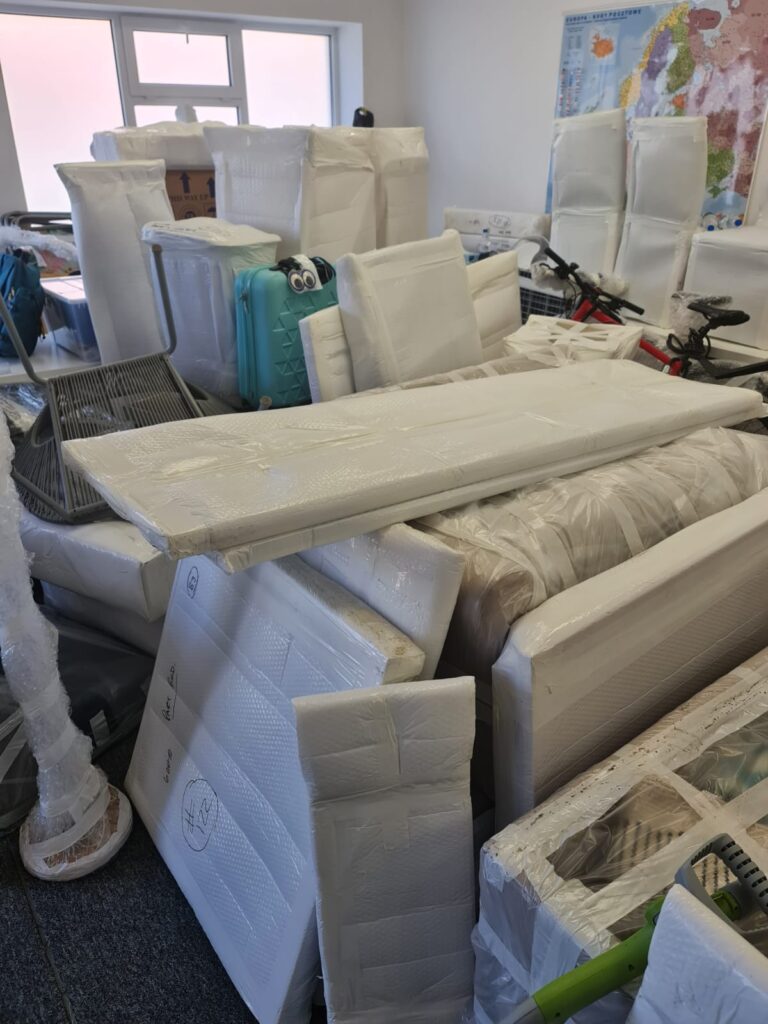
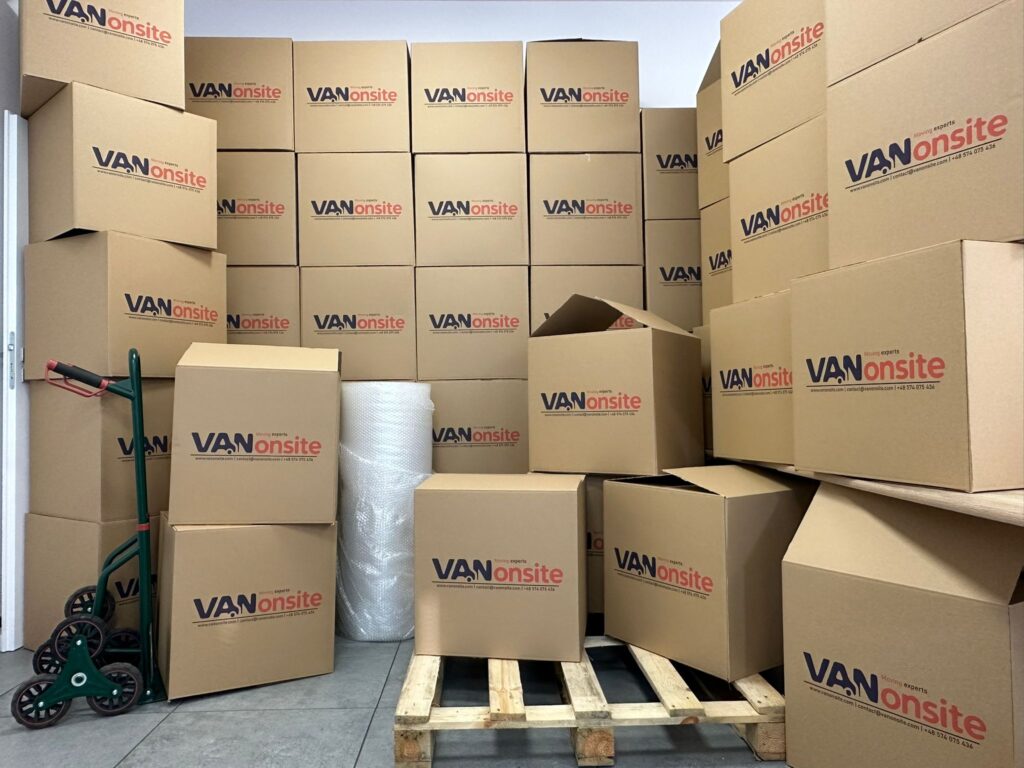
The cheapest home can be reached by an expensive move if the route is long, access is difficult or the inventory is unclear. VANonsite prices the actual job: collection and delivery postcodes, usable load volume, vehicle access, service type, timing, packing and any storage. A studio move with boxes and a bicycle is different from a family home with wardrobes, appliances and fragile items.
Start with removals to the Netherlands. Students can also review student removals; households with bulky pieces can use furniture removals and packing services. If the tenancy starts after collection, storage can be included in the route plan.
Information needed before booking
- both postcodes and preferred date windows;
- a room-by-room inventory and dimensions of bulky pieces;
- photos of stairs, lifts, entrances and parking;
- items requiring dismantling, special protection or disposal;
- any gap between collection and the Dutch tenancy.
Where availability, route, access, documentation and the agreed collection slot permit it, the Last-Minute Moving service may support a 1-3 day transit option. This is conditional on the confirmed route and schedule, not a universal delivery promise.
Affordable-city decision checklist
- Choose a realistic job or study location.
- Compare three current homes in each shortlisted city.
- Add service charges, energy, insurance and transport.
- Test the commute at normal working hours.
- Confirm that registration is possible at the address.
- Check schools, childcare and both adults’ journeys.
- Price the move using an itemised inventory.
- Keep temporary accommodation in the budget until the tenancy is secure.
Frequently asked questions
What is the cheapest city in the Netherlands?
There is no permanent winner. Heerlen, Emmen and Enschede are useful starting points, but current rental supply or the type of home being purchased can change the result. Compare live properties and the full commute rather than relying on one average.
Where is the cheapest place to buy a house in the Netherlands?
CBS/Kadaster data shows broad regional differences and allows municipality comparison. Northern, eastern and southern markets can be below the most expensive western regions, but the average purchase price is not a valuation or price index. Check the exact municipality and property.
Is living outside Amsterdam always cheaper?
Housing may cost less, but the total can rise after peak travel, station parking or a car. Compare the same property type and add the complete home-to-work journey before deciding.
Can VANonsite handle a small move to a Dutch city?
Yes. A few boxes, a bicycle and a desk can be assessed differently from a furnished household. The appropriate option depends on the verified volume, route, access and timing entered in the quote form.