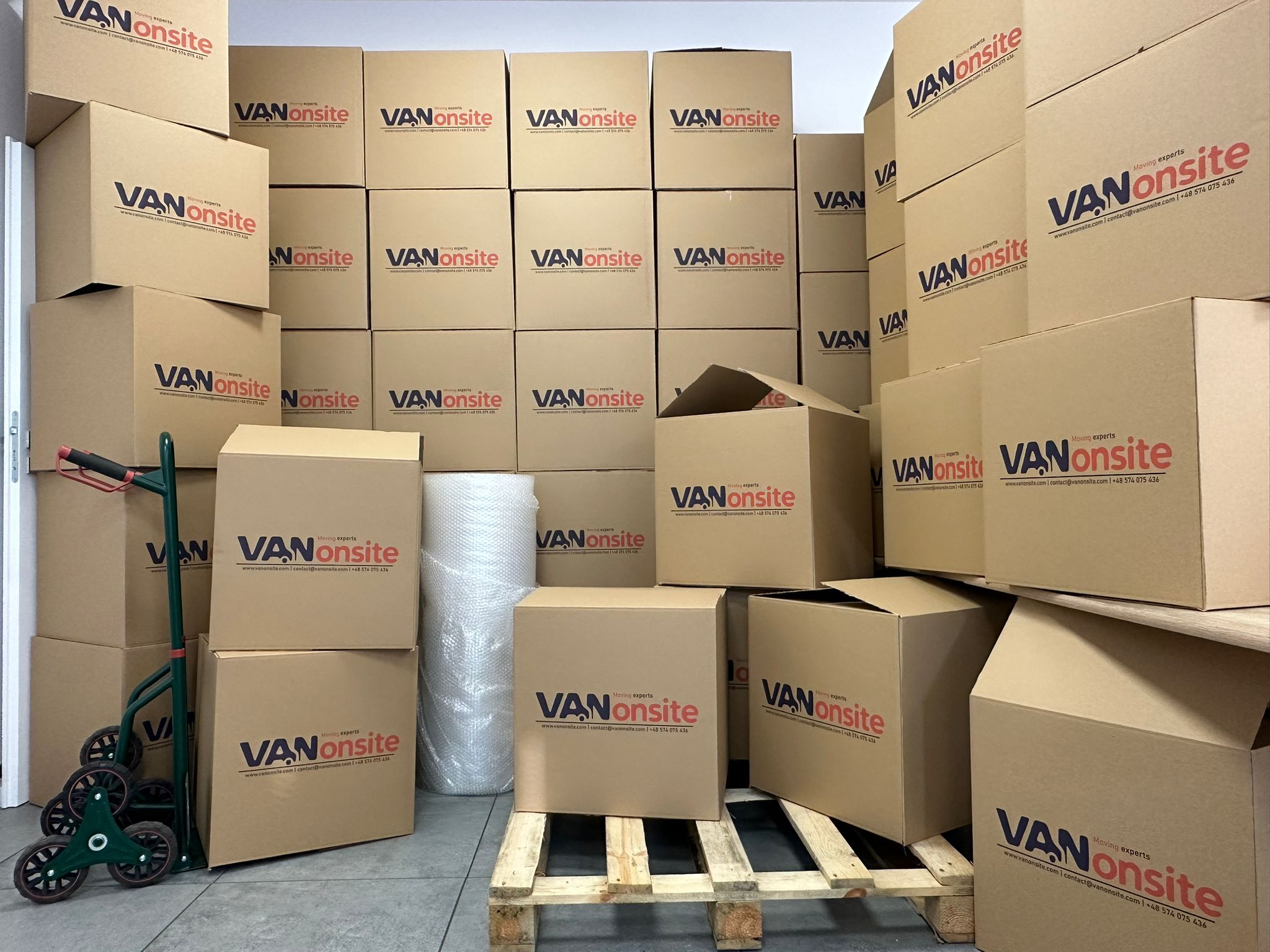

Moving to Slovenia means coordinating two different jobs: arranging your right to live there and getting your belongings into a home that is ready to receive them. A confirmed tenancy does not tell a driver where to park, and a transport booking does not replace residence paperwork. Start with your citizenship and reason for moving, then build the shipment plan around the handover date, inventory and access at both addresses. This guide explains what to prepare before requesting transport, which decisions affect the estimate and where to check official residence requirements. For the vehicle and handling options, use the linked Slovenia removals service page rather than treating this planning guide as a booking confirmation.
Quick Facts About Slovenia:
- EU and Schengen member: Check entry and residence rules for your citizenship; Schengen membership does not give every traveller the same right to stay or work.
- Capital: Ljubljana – a vibrant, eco-friendly city with a charming old town.
- Choosing a location: Compare your intended neighbourhood, commute and delivery access rather than choosing a home from a national average.
- Languages: Slovenian is the official language. Check whether appointments and documents require Slovenian or a translation rather than relying on everyday English.
- Currency: Euro (€) for convenient transactions and trade.
Why Move to Slovenia?
- Natural Beauty: Home to the majestic Julian Alps, crystal-clear lakes like Bled and Bohinj, rolling wine regions, and a picturesque Adriatic coastline, Slovenia offers a variety of landscapes for outdoor lovers, from hiking and skiing to sailing and vineyard tours.
- Everyday services: Before committing to an address, check the schools, healthcare arrangements, public transport and internet options that your household will actually use. A country-wide reputation is not a substitute for checking a specific neighbourhood.
- Cultural Richness: A vibrant mix of traditions and influences reflected in its festivals, historic architecture, thriving arts scene, and diverse cuisine blending Mediterranean, Alpine, and Central European flavours.
- Work and business: Confirm your employment or business arrangements before setting the moving date. The paperwork for living and working in Slovenia depends on your status and planned activity, not simply on where your furniture is collected.
- Household budget: Compare current rental listings and include the deposit, utilities, commuting and any overlap between two homes. Do not assume every Slovenian location will be cheaper than your current one.
Preparing for Your Move
Checklist Before Relocation:
- Check entry, residence and work requirements for each household member with the relevant authority. Build application appointments and document preparation into the timeline before committing to travel.
- Plan your budget and cost of living by researching housing, transportation, utilities, groceries, and leisure costs in different Slovenian regions.
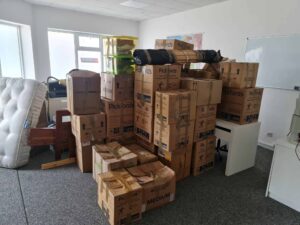
- Make a room-by-room inventory, with dimensions for the sofa, wardrobes and other bulky items. Compare the cost of moving them with replacing them locally, and mark anything that needs dismantling or special protection.
- Check which health insurance or healthcare arrangements apply to your residence route, and whether your current cover continues after relocation. Keep copies of the documents you may need for the application.
- Learn basic Slovenian phrases for greetings, shopping, and everyday interactions to help integrate faster.
Work backwards from when you can collect the keys and receive a delivery. Record notice periods, school arrangements, utility cancellations and any gap between leaving the old home and entering the new one. Keep passports, essential paperwork, medication and a first-night bag with you, not inside the load.
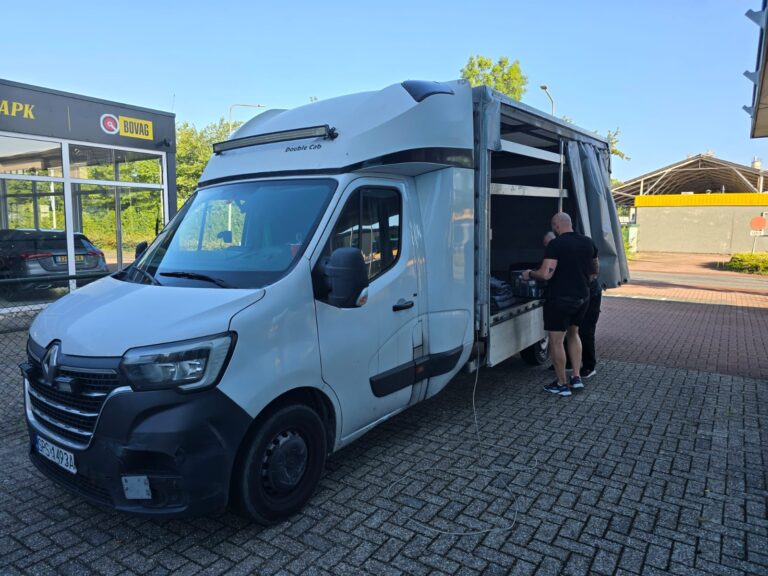
Pro Tip: Photograph the approach, parking space, stairs and lift at both properties before requesting an estimate. A vehicle that can reach the street may still be unable to stop near the entrance; a longer carrying distance can change the handling plan.
Choosing the Right Removals Service
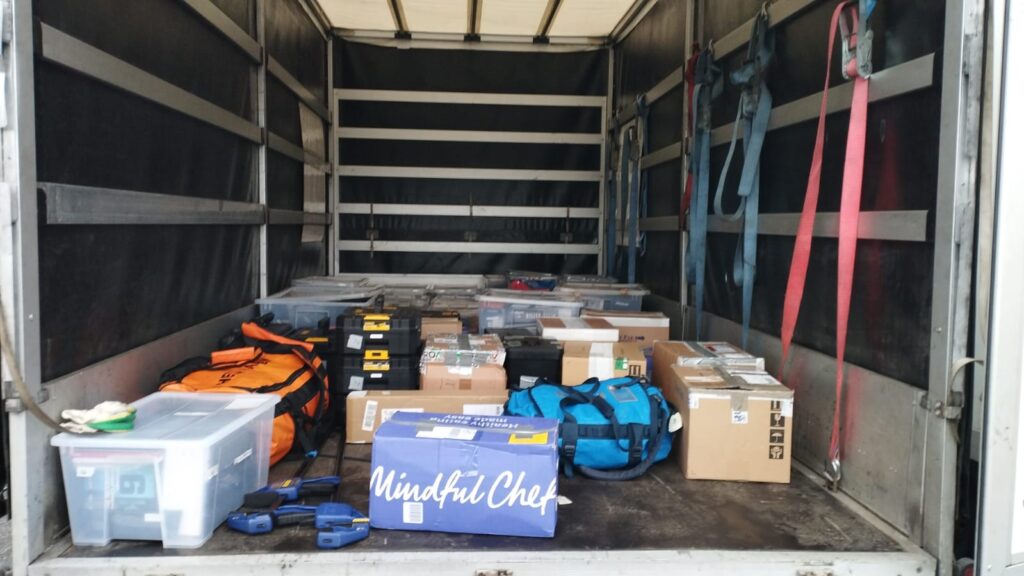
Choose a removals service by checking how it will handle your actual inventory and access, not just by comparing an advertised starting price. A few boxes with flexible dates need a different plan from a household arriving on a fixed key-handover day. VANonsite helps plan European removals around the shipment size, collection and delivery conditions, with options to discuss including:
- GPS-tracked transport: Ask which tracking information is available for the booked vehicle and how updates will be shared. Tracking helps with communication; it does not make an estimated arrival time a guarantee.
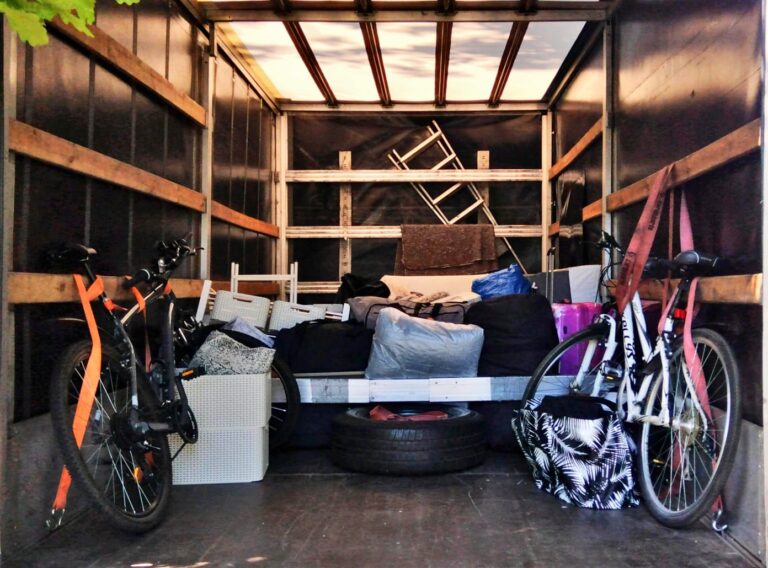
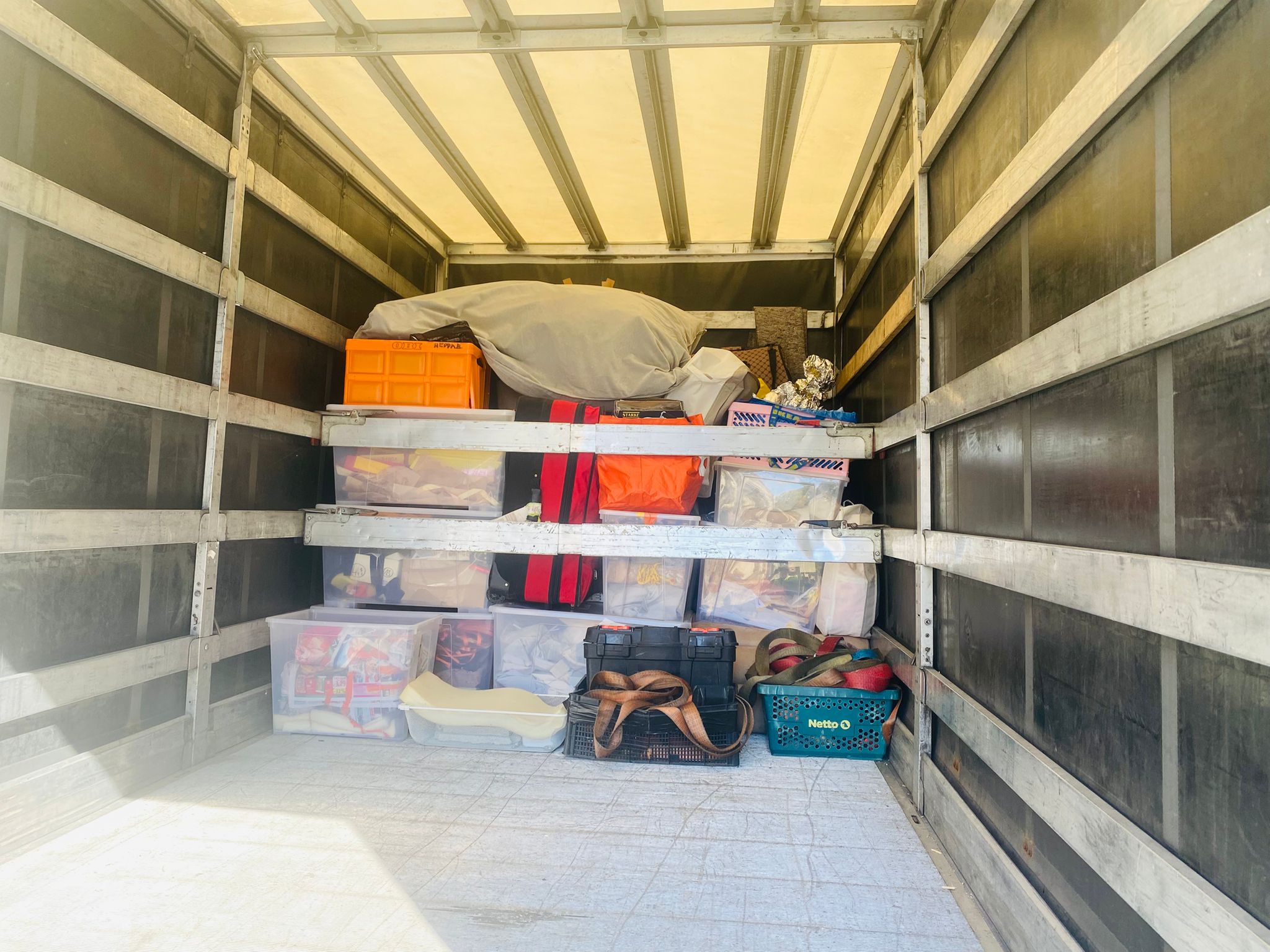
- Packing and protection: Identify fragile items, vulnerable corners and furniture that needs dismantling. Confirm whether you are packing yourself or booking packing assistance, and what materials and tasks are included.
- Customs documentation assistance: Flag the shipment origin and any items needing separate checks before collection. Agree the support included and which documents you must supply; do not assume every shipment has the same requirements.
- Full load and part load options: Compare a dedicated vehicle with shared transport where suitable for your inventory and date flexibility. Ask for the proposed collection and delivery windows before deciding.
- Written scope and pricing: Check the estimate against the inventory and both addresses. Confirm packing, carrying, stairs, storage or assembly separately so that you know which work has been included.
Send the same inventory and access details when comparing offers. If the delivery address, load or dates change, ask for the plan to be reviewed before booking. This gives VANonsite useful information to work with and helps avoid choosing a service that does not match the move.


Learn more:
- Removals to Slovenia
- Furniture Removals to Slovenia
- Removals to Slovenia from UK
- Part Load Services
- House Removals UK to Slovenia
- International Removals to Slovenia
Step-by-Step Moving Process
| Step | Action |
|---|---|
| 1 | Initial enquiry & shipment plan: Supply the collection and delivery addresses, preferred dates, inventory and access details. Identify fixed deadlines and the parts of the move where you have flexibility. |
| 2 | Packing & labelling: Confirm who packs each item and what protection is included. Label boxes by destination room and keep an inventory so that the load can be checked at delivery. |
| 3 | Loading & vehicle access: Confirm parking, carrying distance, stairs and lift dimensions at collection. Tell the team about heavy or awkward items before the vehicle arrives. |
| 4 | Documentation checks: Confirm the requirements for the shipment origin and contents before collection. Agree the customs support included, where applicable, and provide the requested documents in time for review. |
| 5 | Transit & arrival planning: Confirm how transport updates will be shared and who receives them. Keep the receiving contact available and allow for the agreed delivery window rather than an unconfirmed arrival hour. |
| 6 | Delivery & agreed handling: Ensure keys and access are ready, check the inventory with the crew and record any concerns promptly. Confirm room placement, unpacking or assembly in advance if you need those services. |
Required Documents for Moving and Working in Slovenia
Residence paperwork depends on citizenship, existing status and purpose of stay, not just the country of collection. Check the current GOV.SI entry and residence guidance before making travel commitments:
- EU/EEA citizens: Entry is possible with a valid identity card or passport. For a stay longer than three months, obtain a residence registration certificate through the local administrative unit before the initial three-month period ends. Supporting documents depend on the basis of your stay, such as employment, study or family.
- Other citizenship or existing status: Check the visa or residence route for your circumstances before travelling. British citizens planning a new move should use GOV.UK Living in Slovenia; people legally resident since before 1 January 2021 may have Withdrawal Agreement rights. Different rules may apply to family members and other existing statuses.
Address registration is separate from permission to reside. Confirm its deadline, your right to work and the documents needed with the administrative unit or relevant authority. VANonsite can discuss shipment documentation and transport planning; a removals booking does not grant immigration, employment or tax status.
Cost Factors for Moving to Slovenia
- Distance and chosen transport mode: Longer distances or premium delivery options can increase costs, so choosing the right route and service level matters.
- Volume and weight of belongings: The more items you move, the more space and resources are required, which can directly impact pricing.
- Packing and handling scope: Compare whether the estimate includes materials, packing labour, dismantling and reassembly. Stairs, limited lift space and the distance from the vehicle to the door can also affect the plan.
- Documentation and customs costs: If customs procedures apply to your shipment, ask which clearance costs are included and whether additional charges could arise. Confirm the treatment of the actual goods rather than assuming personal belongings are automatically exempt.
- Storage requirements before/after transit: Temporary storage solutions add convenience but also an extra cost to consider.
Other variables, such as moving during peak seasons, requiring special handling for fragile or oversized items, or choosing express delivery, can also influence the total price.
Tip: Use the Slovenia service page to request an estimate and receive it by e-mail. Include the inventory and access information needed to review the move; the estimate is a starting point for confirming the service, dates and final booking arrangements.

Settling in After Your Move
- Confirm the applicable residence and address-registration steps with your local administrative unit. Keep your paperwork accessible after arrival rather than packed in a box awaiting unpacking.
- Arrange electricity, water and internet with the landlord or providers before arrival where possible. Check activation dates instead of assuming that every service will be ready on delivery day.
- Open a local bank account to simplify everyday transactions, bill payments, and receive local income if applicable.
- Explore healthcare options, register with a doctor, and familiarise yourself with local clinics and hospitals.
- Integrate into the community by attending local events, joining clubs or interest groups, and participating in neighbourhood activities to build connections and feel at home faster.
Conclusion & Call to Action
A useful moving plan connects your residence arrangements with a shipment that can actually be collected and delivered. Keep the paperwork, tenancy dates and receiving access on the same timeline. Before sending an enquiry, check the largest items against the doors, stairs and lift at the new home: finding a mismatch before loading gives you time to discuss dismantling or a different handling arrangement.
VANonsite can help you compare transport and handling options for a few boxes, furniture or a household move. Explain what matters most: a fixed collection day, flexibility to share transport, packing assistance or a difficult entrance. Ask for those requirements to be reflected in the written scope rather than relying on a general promise of a stress-free move.
Go to the Slovenia removals page and use its existing form to request an estimate by e-mail. Have both addresses, preferred dates and an item list ready. Review the proposed service and arrange the booking confirmation before treating the move as scheduled.
Get started here: