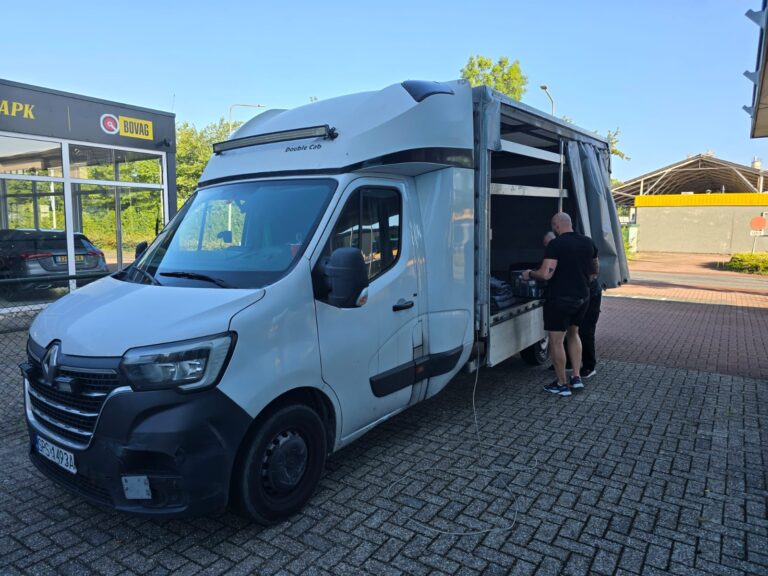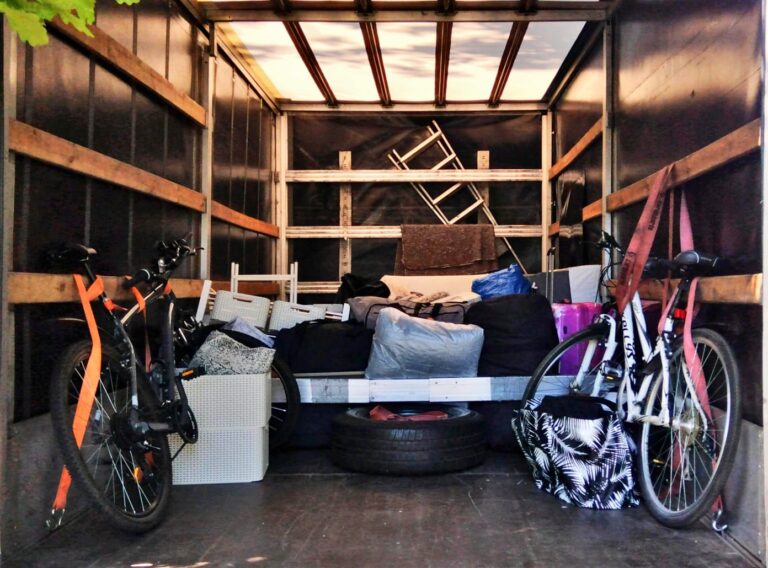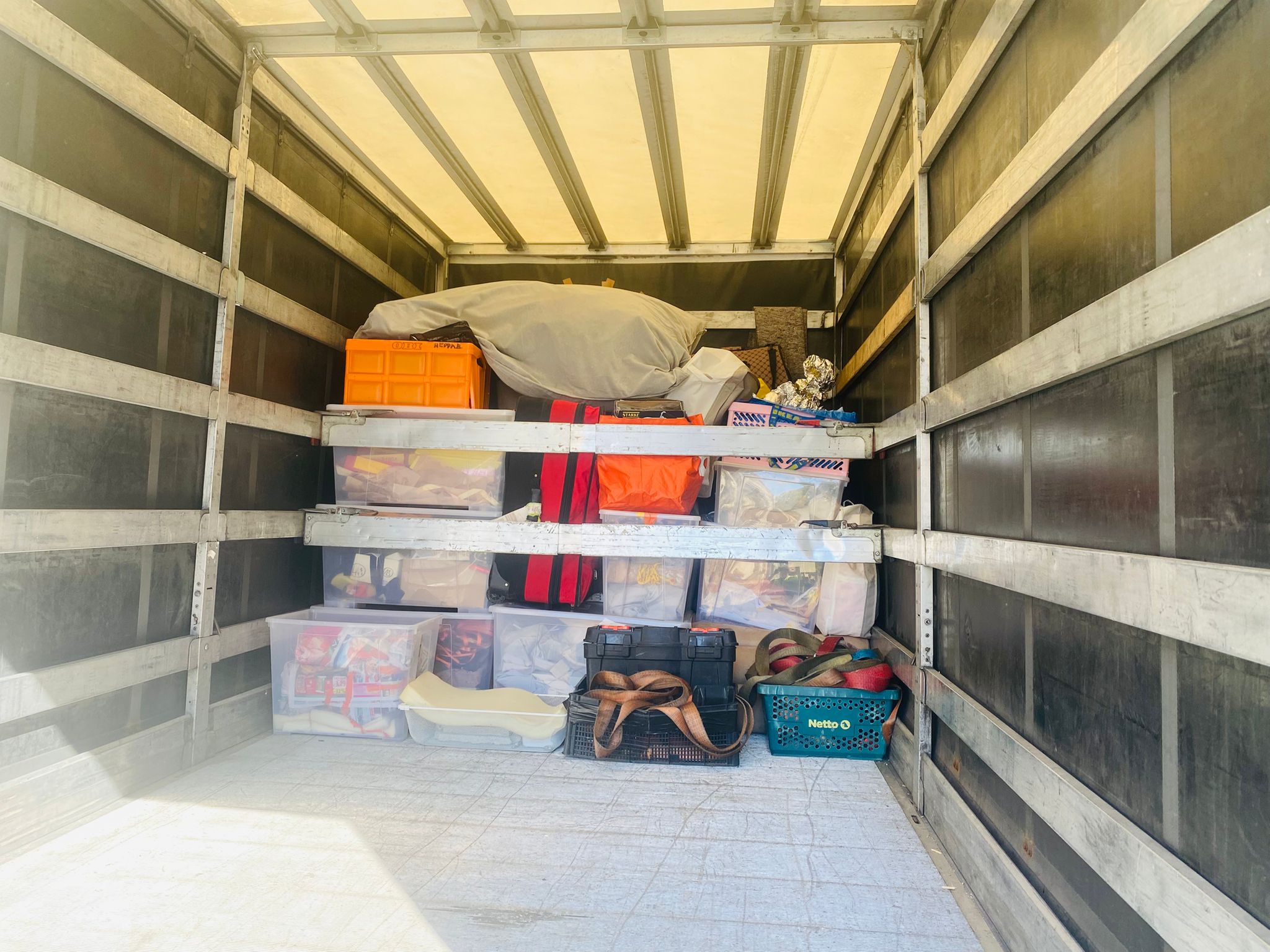

A part-load removal to Finland is designed for a consignment that does not need a vehicle to itself. Your boxes, furniture or personal belongings use measured space on a shared route, while each consignment remains listed and prepared for its own collection and delivery. It can be a practical option for a studio move, a few rooms, student belongings, selected furniture or items sent ahead of a larger relocation.
The important question is not simply whether the load looks small. A useful plan also considers volume, weight, item shape, collection access, delivery access, packing requirements and how flexible the dates can be. VANonsite reviews those details before recommending part-load or dedicated transport.
If you are planning a complete household relocation and need broader information about routes, packing, customs preparation and move sequencing, use our full UK to Finland moving guide. For the main commercial service and a tailored estimate, visit removals to Finland.


When does a part-load removal to Finland make sense?
Part-load works best when your consignment can share vehicle space and you can accept a collection or delivery window agreed during planning. Instead of pricing an entire vehicle, the quote is based on the space and handling your shipment requires, together with access, packing and route constraints.
It is often worth considering when you are moving:
- boxes, suitcases and personal belongings;
- the contents of a room, studio or small flat;
- a sofa, table, bed, wardrobe or several pieces covered by our furniture removals service;
- student belongings between the UK and Finland;
- items for a second home or temporary assignment;
- belongings sent before or after the main household move.
A dedicated vehicle may be a better fit if the consignment fills most of the available space, collection and delivery must happen at tightly fixed times, several addresses are involved or the load needs a handling plan that cannot be combined with other consignments. The right choice comes from the real inventory and access conditions, not a generic label.
How VANonsite assesses a small removal
A useful quote begins with a clear inventory. Item names alone are not always enough because two wardrobes or sofas can require very different space and handling. Dimensions, photographs and notes about dismantling help the planner assess how the load can be protected and positioned.
1. Inventory and volume
List the number of boxes and each larger item. Add approximate length, width and height for furniture, appliances, artwork or unusually shaped pieces. If an item can be safely dismantled, say whether this will be done before collection or should be included in the service.
2. Weight and handling
Flag dense or heavy items separately. A compact safe, stone table or large appliance may occupy limited floor space but still affect the crew, equipment and loading sequence. Also identify glass, mirrors, electronics, musical instruments and items with delicate finishes.
3. Access at both addresses
Include the floor, lift dimensions, stair layout, walking distance from the vehicle and any loading or parking restrictions. Photographs of entrances, stairs and the likely loading point are useful when access is not straightforward. This reduces the risk of planning a vehicle or handling method that does not suit the site.
4. Date flexibility
Part-load planning depends on compatible consignments and route capacity. Give the earliest collection date, the latest acceptable collection date and any dates when access is impossible. Do the same for delivery. If you need a single fixed collection and delivery slot, ask for a dedicated option as well.
Part-load versus dedicated transport
Neither option is automatically better. They solve different planning problems.
| Planning point | Part-load | Dedicated vehicle |
|---|---|---|
| Vehicle space | Shared with compatible consignments | Reserved for one move |
| Best suited to | Small or medium consignments with some flexibility | Larger loads, fixed dates or complex access |
| Scheduling | Agreed collection and delivery windows | Planned around the individual move |
| Quote inputs | Measured space, handling, packing and route fit | Vehicle, crew, route, time and handling requirements |
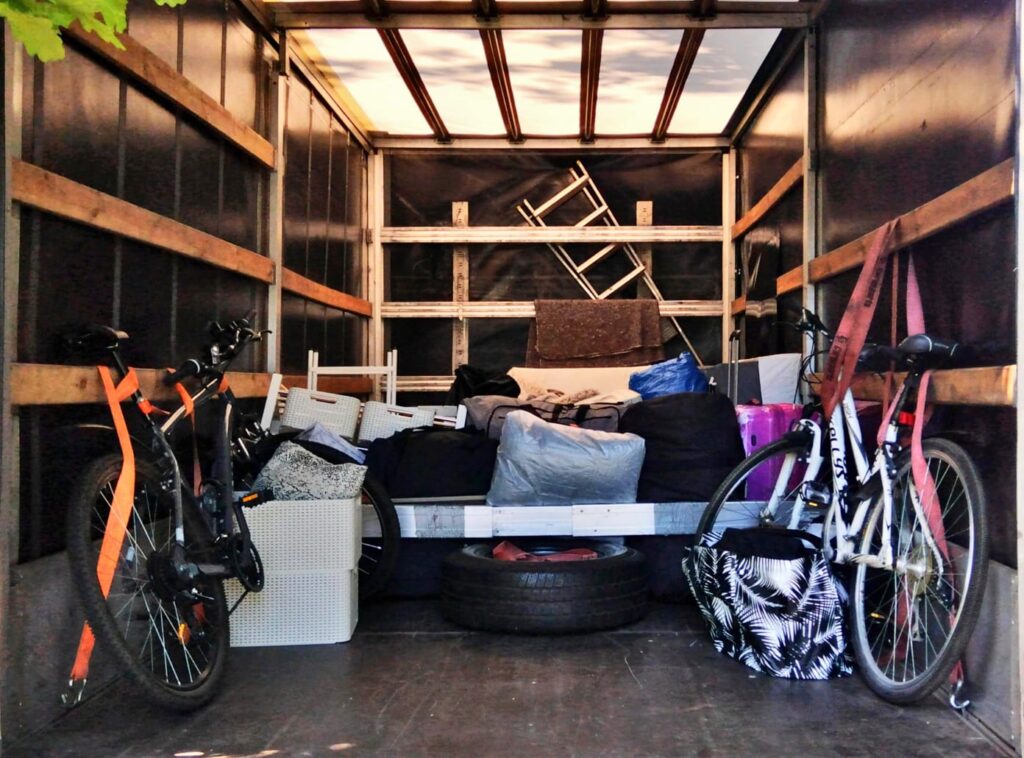


Ask for both options if your load is close to the boundary between them. A planner can then explain which assumptions change the recommendation. That comparison is more useful than choosing from vehicle names without checking the inventory.
What affects the quote?
The price of a small removal from the UK to Finland is not determined by distance alone. The main variables are the measured load, handling time, packing scope, collection and delivery access, date flexibility and any special item requirements.
A more accurate request should include:
- collection and delivery postcodes or full addresses;
- an itemised inventory with dimensions for larger pieces;
- photographs of the load and any difficult access;
- floor and lift information at both properties;
- parking, loading or time restrictions;
- the preferred date window;
- items that need dismantling, packing or extra protection;
- any onward placement or unpacking requested at delivery.
If the inventory changes before collection, update it as early as possible. Adding several boxes or a bulky item can change the required space, protection and loading plan.
Packing a shared load for the UK to Finland route
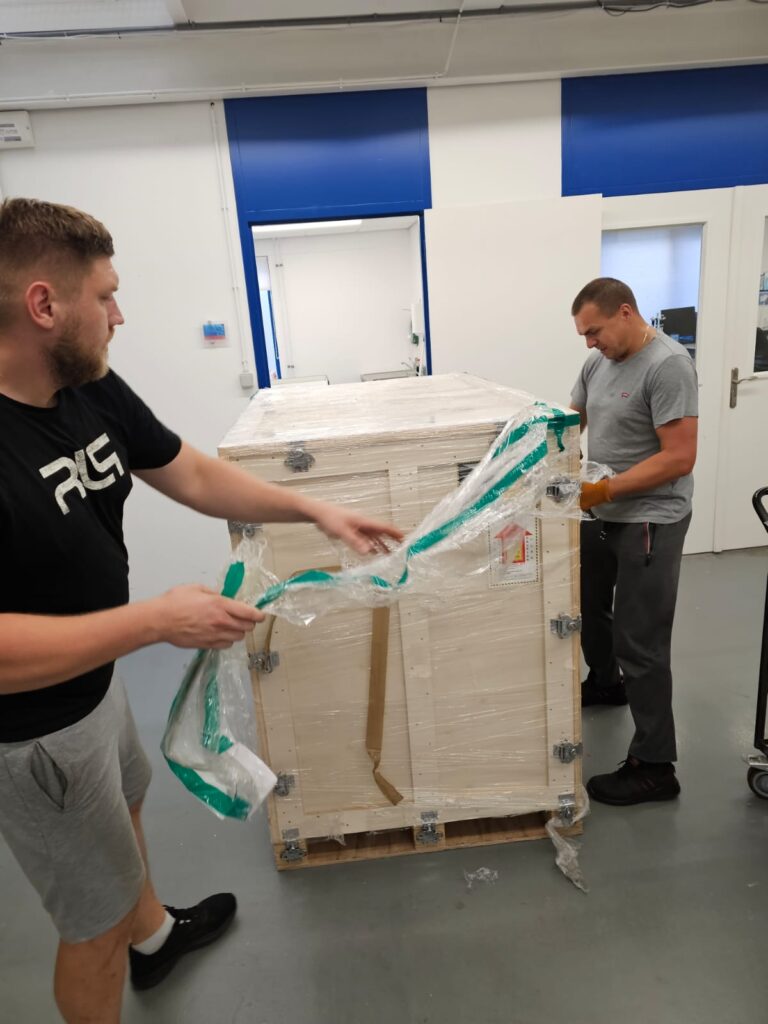
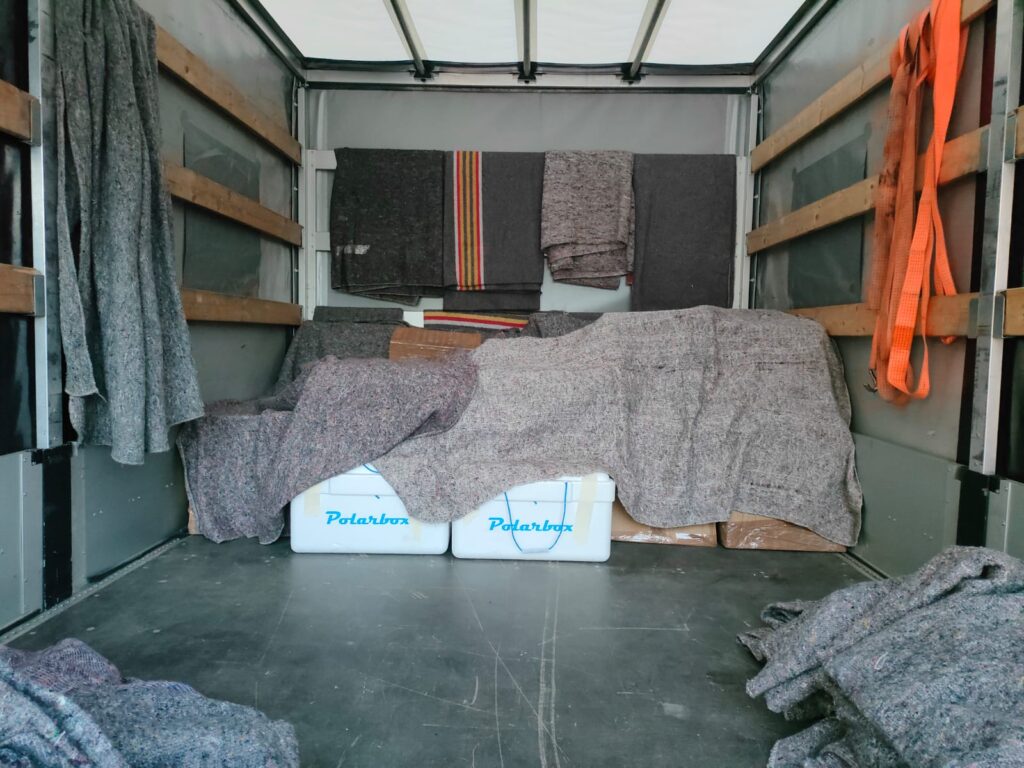
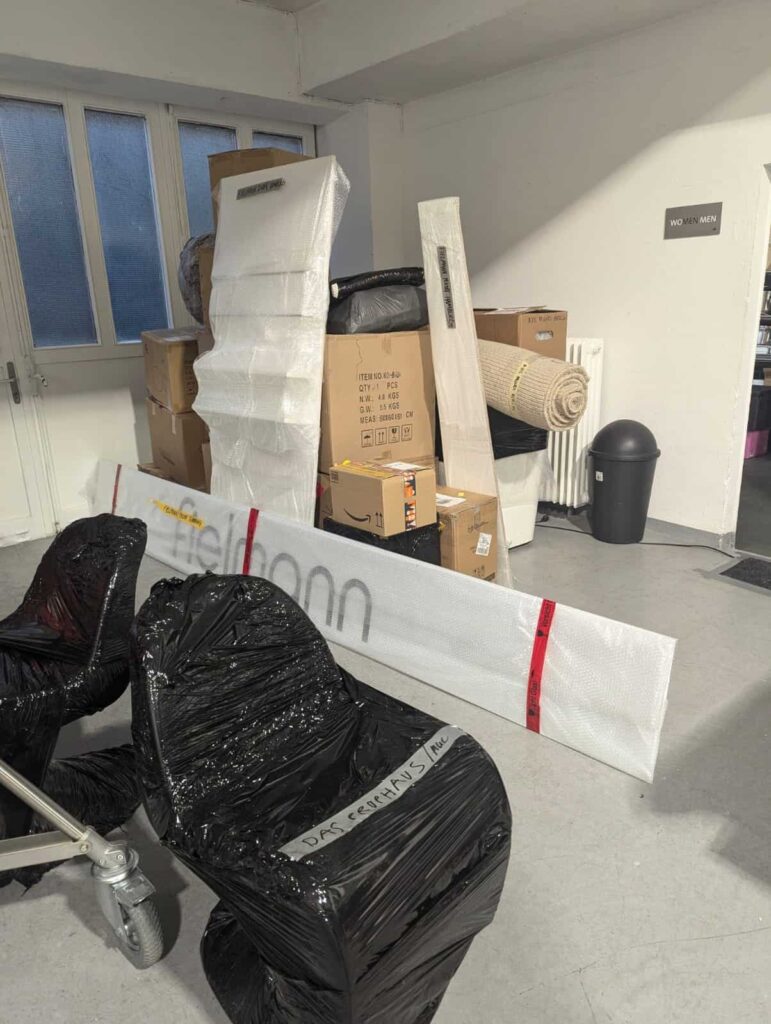
Part-load consignments need clear identification and stable packing because they are planned alongside other loads. Each box should close securely, carry a useful description and be marked with the destination details agreed for the move. Avoid open bags and loosely grouped small items.
Furniture should be assessed for removable legs, shelves, doors or fragile panels. Protect finished surfaces from contact and keep fittings in labelled bags linked to the correct item. Mirrors, glass and artwork need rigid protection appropriate to their construction, not only a blanket around the surface.
If you prefer professional preparation, review the available packing services. For items that need careful placement, assembly or removal of packaging at destination, discuss the exact scope and whether white glove delivery is appropriate rather than assuming those tasks are included in transport.

Access planning in the UK and Finland
Access can affect a small move as much as the load itself. A short inventory collected from a high floor without a suitable lift can require more handling time than a larger load beside a clear loading bay.
For the UK address, check parking rules, controlled zones, narrow streets, building booking requirements and the distance from the entrance to the vehicle. For the Finnish address, confirm the entrance, floor, lift size, door widths and any timed access or loading restrictions. In winter, tell the planner about external steps, steep approaches or surfaces that may need extra care.
If an item may not pass through a door, stair turn or lift, provide its dimensions together with access measurements. The planner can then consider dismantling or another handling method before the vehicle arrives.
Inventory and border preparation
A UK to Finland removal crosses a customs border. Requirements depend on the customer, the goods and the circumstances of the move, so this page is practical logistics guidance rather than legal or customs advice.
Prepare a clear inventory with sensible descriptions, quantities and values where required. Keep personal travel documents and any originals you may need with you rather than inside the removal load. Tell VANonsite about alcohol, food, plants, medicines, batteries, tools, collections or other goods that may need additional checks before accepting them for transport. The customs clearance service overview explains what information the transport team may request, but official requirements still depend on the individual shipment.
Do not use vague labels such as “miscellaneous” for every box. Descriptions such as “used books”, “kitchenware” or “personal clothing” make the inventory easier to review. If you are unsure what documentation applies, ask which information the transport planner needs and verify official requirements for your own circumstances.
How the collection and delivery plan is agreed
Once the inventory and access details are reviewed, the plan should state what VANonsite is collecting, which packing or dismantling tasks are included, the agreed address details and the collection and delivery windows. Any assumptions about customer-packed items or help required at the property should be clear before booking.
Before collection, keep the route to the items clear and separate anything that must not be loaded. At delivery, make sure the named contact can provide access and identify where larger items should go. If the destination is not ready, discuss the available alternatives before the vehicle is scheduled.
Questions to answer before requesting a quote
- What is moving, and how many boxes are included?
- What are the dimensions of the largest or most delicate items?
- Can any furniture be dismantled safely?
- What are the floors, lifts and walking distances at both addresses?
- Are parking or loading restrictions known?
- How flexible are the collection and delivery dates?
- Which items need packing, dismantling, assembly or room placement?
- Are there goods that may require a separate transport check?
Providing these details helps VANonsite compare the real part-load and dedicated options. It also makes the estimate easier to understand because the scope is based on the actual consignment rather than a generic small-move assumption.
Frequently asked questions
Is part-load suitable for one piece of furniture?
It can be, depending on the item’s dimensions, weight, protection, access and route capacity. Send photographs and measurements so the handling requirements can be reviewed.
Can boxes and furniture travel together?
Yes, if everything is inventoried and packed so it can be loaded safely. Fragile and irregular items may need additional protection or a specific position in the load.
Do I need exact cubic metres before asking for a quote?
No. An itemised list, dimensions for larger items and clear photographs are a useful starting point. VANonsite can identify missing details before confirming the scope.
Is part-load always cheaper than a dedicated van?
No. It often uses vehicle space efficiently, but the result depends on volume, access, packing, handling and timing. A dedicated option can be more suitable when the move has fixed dates or complex requirements.
Can collection or delivery be guaranteed on one exact day?
Part-load is normally planned around agreed windows. If one exact date is essential, say so at the start so a dedicated option or another workable plan can be considered.
What should stay with me rather than in the removal load?
Keep passports, travel documents, keys, essential medication, payment cards and any originals you may need during the journey with you. Ask before including restricted, hazardous or temperature-sensitive goods.
Plan your small removal to Finland
Send VANonsite the collection and delivery details, date window, inventory, larger-item dimensions and access photographs. The team can then assess whether part-load or a dedicated vehicle fits the consignment and explain the scope included in the estimate.