
International removals to Greece should be planned around measured volume, collection and delivery access, required dates and the handling risk of the items. A smaller shipment with flexible timing may fit a scheduled shared route. A full household, fixed handover date or difficult island access can justify dedicated capacity. VANonsite reviews the inventory and both properties before recommending the service, so the quotation reflects the actual move rather than a generic country tariff.
For a collection in Britain, see removals to Greece from the UK. If timing is flexible, compare how consolidation works on the part-load removals to Greece page. The main Greece removals service page provides the automatic estimate, while furniture removals to Greece covers item-specific packing and access planning.
This guide explains how route choice, ferry connections, volume, packing and access affect international removals to Greece. It also shows which details VANonsite needs before collection, how cost is built and when a shared or dedicated vehicle is the more practical option.
International removals to Greece: quick planning points
- Start with measured volume: an item list, photos or a video survey helps match the vehicle and avoids paying for unsuitable capacity.
- Choose the service around dates: flexible delivery can suit a shared route, while a fixed handover may need a dedicated vehicle.
- Show access before booking: street width, parking distance, stairs, lifts and island lanes can change the crew and last-mile plan.
- Plan ferry legs carefully: island delivery depends on sailing schedules, vehicle restrictions, weather and local access.
- Protect fragile items appropriately: packing scope should reflect the item, route and number of handling stages.
- Compare the full scope: confirm what is included for packing, carrying distance, stairs, waiting time, ferry costs and placement.
- Use route-specific advice: mainland Greece, Athens and island destinations can require different delivery plans.
Why plan an international move to Greece with VANonsite
VANonsite builds the move around the inventory, access and dates supplied by the customer. The aim is to make the scope clear before collection and to select a route that works for the destination, rather than forcing every move into the same package.
- Route-based quotation: the proposal can account for road distance, ferry legs, access, packing and required delivery timing.
- Choice of capacity: shared and dedicated options can be compared when both are operationally suitable.
- Packing matched to risk: standard household goods, fragile furniture, glass, artwork and instruments need different protection.
- Access checked in advance: photos and measurements help plan parking, stairs, lifts, long carries and smaller last-mile vehicles where required.
- Clear service scope: inclusions, exclusions and optional services should be recorded in the quotation before booking.
- Connected services: home removals, furniture removals, packing services, white glove delivery, office moves and storage can be discussed when relevant.


Routes to Greece: choosing between road and ferry
There is no single best route for every move. The practical choice depends on the origin, the Greek destination, ferry availability, vehicle restrictions, collection and delivery dates, and whether the shipment is travelling alone or as part of a consolidated load.
| Route pattern | Often considered for | Planning points |
|---|---|---|
| Overland through Central Europe and the Balkans | Mainland destinations and routes where road continuity matters | Border traffic, tolls, driver hours and seasonal road conditions |
| Road to Italy with a ferry to Greece | Western origins, Peloponnese, Athens connections and some island plans | Sailing schedule, port check-in, vehicle space and onward access |
| Mainland delivery with a separate island connection | Crete, Rhodes, Paros and other islands | Weather buffer, quay access, local vehicle limits and final-mile handling |
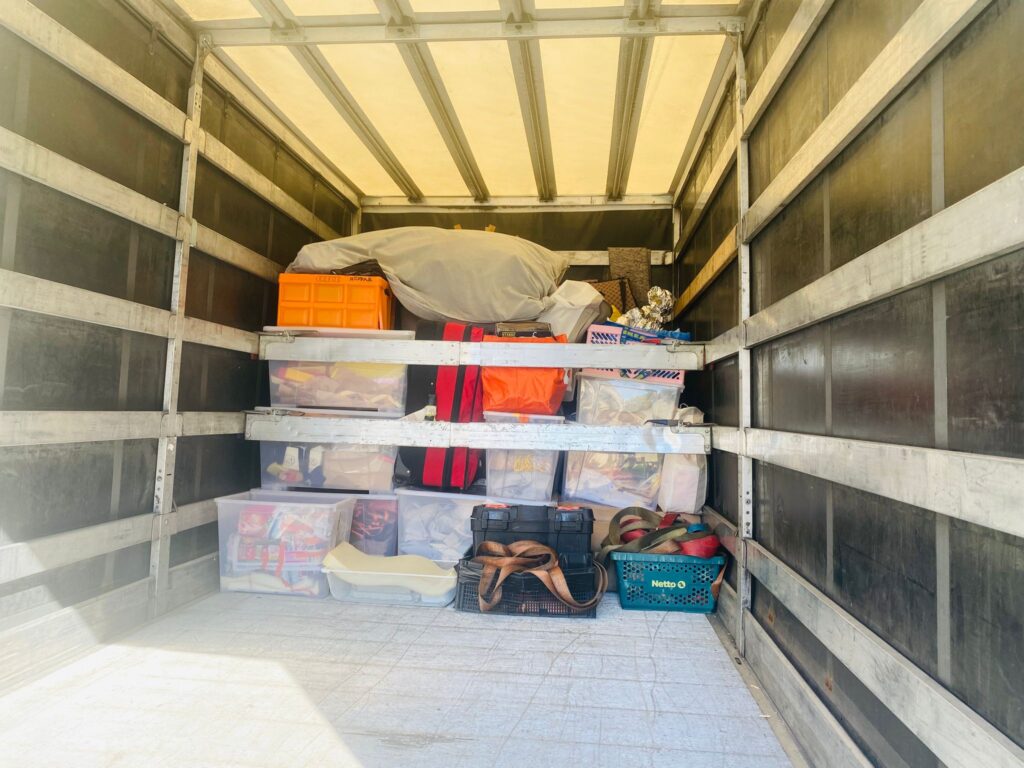
A dedicated vehicle usually gives tighter control over collection, routing and delivery. A part load can reduce transport cost when volume is smaller and dates are flexible. For the shared option, review how part-load removals to Greece are scheduled.
Information needed before route planning
- Collection and delivery postcodes, including the exact island where applicable
- Measured inventory or estimated volume in cubic metres
- Preferred collection date and acceptable delivery window
- Parking distance, street width, stairs, lift dimensions and restricted access
- Fragile, oversized or high-value items that need a separate handling plan
Costs explained: what drives the quote
Price drivers
- Distance and route (road + ferry legs)
- Volume and weight (m³ / kg)
- Access at both ends (parking, lifts, stair turns)
- Packing scope and materials
- Seasonality and ferry availability
- Storage or split deliveries
Choosing vehicle capacity and service type
Vehicle selection should follow the measured inventory rather than a bedroom-count estimate alone. Volume, payload, access and packing all matter. VANonsite can compare a shared route with dedicated capacity when both options fit the required dates and destination.
| Move profile | Likely option to compare | What to verify |
|---|---|---|
| Boxes and a few furniture items | Part load or smaller dedicated vehicle | Exact volume, flexibility and collection access |
| Apartment or partial household | Part load or dedicated capacity | Delivery window, handling stages and bulky items |
| Full household or fixed handover | Dedicated capacity | Surveyed volume, crew, parking and required dates |
| Island or restricted last mile | Main vehicle plus planned local access solution | Ferry, quay, street width and carrying distance |
Ways to control the removal cost
- Remove items that are not worth transporting before the volume is confirmed.
- Provide accurate access photos so the quotation includes the right vehicle and crew plan.
- Compare self-packing, fragile-only packing and full packing based on actual risk.
- Offer a wider delivery window if a part load is suitable for the move.
- Confirm ferry charges, waiting time, stairs, long carries, storage and final placement in writing.
Get an automatic estimate for removals to Greece, then provide the inventory and access details for a route-specific quotation.
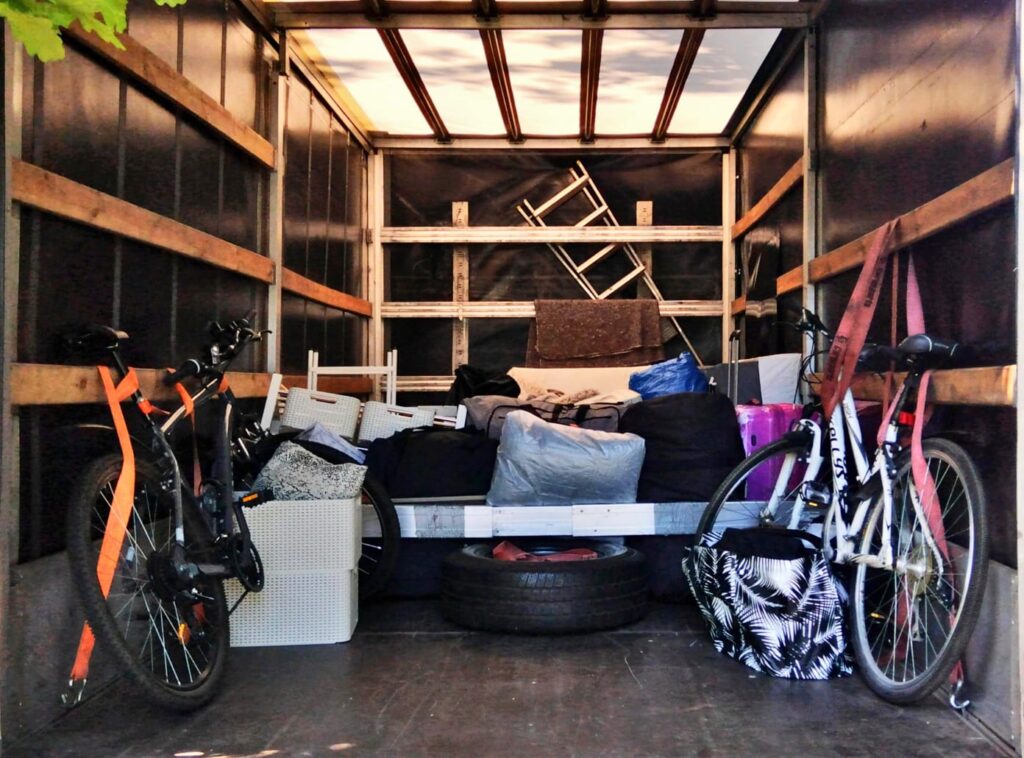
Step‑by‑step plan: from 30 days out to delivery
30+ days
- Video survey; share access videos from street to door
- Pick packing level: DIY, fragile‑only, or full pack
- Pencil target week; plan staging if keys are fluid
- Start decluttering; list high‑value items for photo records
21 days
- Confirm vehicle size and route
- Reserve ferry window or mainland staging
- Pack room by room with PRI1/PRI2/FRAG labels
- Apply for permits; notify building managers
10 days
- Dismantle large items; bag hardware to frames
- Back up devices; photograph cable setups
- Defrost fridge/freezer; prepare essentials kit
3 days
- Final inventory and box count
- Confirm quiet hours, lifts, parking
- Share emergency contacts and travel itinerary
Move day
- Floor protection; quick walkthrough
- Collection status and agreed contact channel confirmed; essentials loaded last
- Sign collection inventory; photo meter readings
Delivery in Greece
- Pre‑arrival call; bay reserved
- Placement by labels; assembly and debris removal
- Fridges powered after 4 hours; manifest sign‑off


Paperwork and compliance (official links only)
Keep it official, keep it simple. Always verify rules shortly before you travel.
- Passports & Schengen rules: UK guidance + Schengen entry rules.
Official UK: https://www.gov.uk/visit-europe-1-january-2021 - Driving in Greece: Licence recognition, IDP and insurance checks.
Official UK: https://www.gov.uk/guidance/driving-in-the-eu - Residence in Greece (>90 days): Long‑stay visa and residence steps; confirm locally.
Official EU: https://europa.eu/youreurope/citizens/residence/documents-formalities/registering-residence/index_en.htm - Greek tax number (AFM): Often needed for rentals and utilities.
Official Greece (AADE): https://www.gov.gr/en/upourgeia/oloi-foreis/anexartete-arkhe-demosion-esodon-aade/apodose-arithmou-phorologikou-metroou-aphm-kai-kleidarithmou-se-phusiko-prosopo - Social security (AMKA): For public healthcare access.
Official Greece: https://ypergasias.gov.gr/en/social-security/insured-persons/social-security-registration-number-amka/
Moving to Greece health insurance
- EHIC/GHIC for visitors and short stays: Valid for medically necessary state healthcare during temporary stays.
Official NHS: https://www.nhs.uk/nhs-services/healthcare-abroad/uk-ghic-ehic-healthcare/ - Private health insurance for residents: Required or strongly recommended when registering residence or until you join the Greek system. Compare policies that cover Greek islands, evacuation, and pre‑existing conditions.
- Enrolling in Greek system (AMKA + EOPYY): Once resident and eligible, register to access public services.
EOPYY info hub (English portal varies; start via Ministry link above).
Document checklist table
| Document | Who needs it | Where to get it | When |
|---|---|---|---|
| Passport | Everyone | Issuing authority | 30+ days before travel |
| GHIC/EHIC | Short stays/visitors | NHS | 2–3 weeks pre‑departure |
| Private health insurance | Long stays/residents | Insurer | Before residence steps |
| AFM (tax number) | Renters/workers | AADE | Early after arrival |
| AMKA (social security) | Workers/healthcare users | KEP/Ministry | Early after arrival |
| IDP (if required) | Some UK licence holders | UK Gov | Before driving in Greece |
| Residence registration | >90 day stays | Local authority | Within 90 days of arrival |
Packing that survives ferries and motorways
Salt air, vibration and extra handling at ports change the rules. Pack for sea legs and long highways, not just for a local van run.
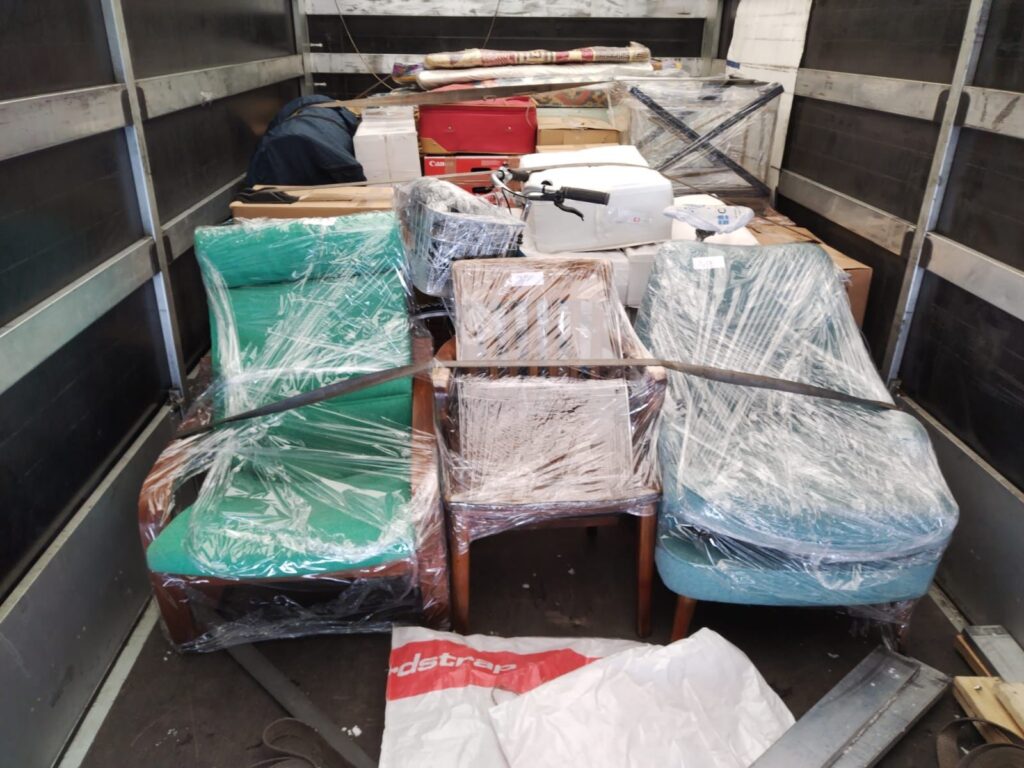
- If we pack: custom crates for art and glass, photo‑logged inventory, tamper‑evident seals on high‑value cartons, shock and tilt indicators on request.
- If you pack: heavy items in small boxes, plates on edge, double‑box TVs, breathable mattress covers, H‑tape all seams, label two sides and the top.
- Eco choices: reusable crates, paper padding, and recycling on delivery.
Label and numbering system
- Room codes: KIT, LIV, BED1, BED2, BATH, OFFICE
- Priority codes: PRI1 open first, PRI2 next, STO storage
- Box ID example: KIT‑01, BED2‑12, OFFICE‑03‑FRAG
- Add arrows and THIS SIDE UP on fragile items
Ferry‑proof methods table
| Item | Materials | Method | Why it works |
|---|---|---|---|
| TVs/Monitors | Double‑wall box, foam corners | Screen protector, cables bagged & taped | Stops flex, no lost leads |
| Glass/Ceramic | Paper, bubble, divider kits | Wrap each, plates on edge, fill voids | Absorbs shock, prevents crush |
| Mattresses | Breathable cover, corner pads | Cover fully, avoid tight plastic in heat | Prevents mildew and scuffs |
| Art/Mirrors | Glassine, corner guards, crate | Float mount inside crate | Stops pressure points |
| Appliances | Transit bolts, foam blocks, straps | Fit bolts for washers, tape doors and hoses | Saves drums and seals |
| Books/Vinyl | Small cartons, paper fill | Fill tight, keep weights safe to lift | Avoids crushing and back strain |
| Instruments | Hard case, soft wrap, desiccant | Case first; crate high‑value pieces | Controls humidity and impact |
Humidity and temperature care
- Add desiccant packs to art, instruments and leather goods.
- Never shrink‑wrap mattresses or fabrics airtight in summer heat.
- Stand fridges and freezers upright for 4 hours before power on.
- Keep wine upright in original boxes; avoid prolonged heat exposure.
Special items
- Pianos: keyboard clamp, board and skid, stair crew and micro‑shuttle if lanes are tight.
- Stone or marble tops: edge guards, foam, crate and never stack.
- Motorbikes or e‑bikes: disconnect batteries, protect levers and pedals; lithium batteries must follow carrier rules.
Do not pack
- Gas cylinders, fuels, open paint or solvents
- Leaking liquids or anything damp that can mildew
- Loose lithium cells above ferry limits
- Perishables that need refrigeration
- Valuables and documents that should travel with you
Packing checklist
- Number every box and keep a simple inventory
- H‑tape all seams; strap heavier cartons
- Corner protection on tables, frames and TVs
- Bag hardware and tape to dismantled items
- Photograph valuable setups before packing
- Keep passports, meds and electronics in hand carry
- Share a short room video before collection so we can spot risks early
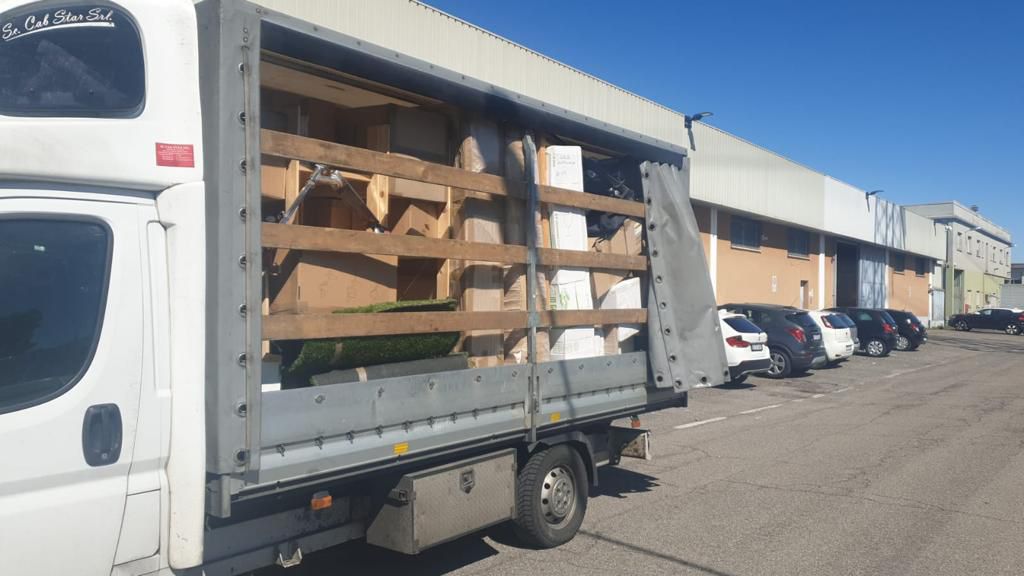
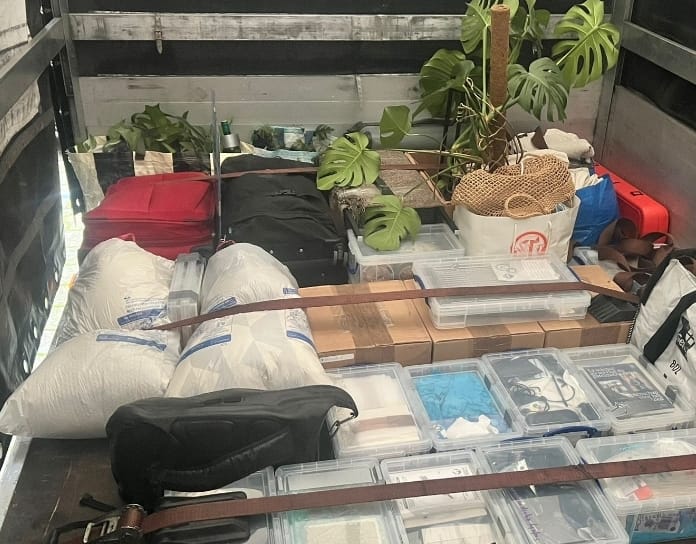
Access in Greek cities and islands
Charming lanes, stone steps and busy quays call for smart last‑mile plans. With the right permits and shuttle plan, even tight villages become easy.
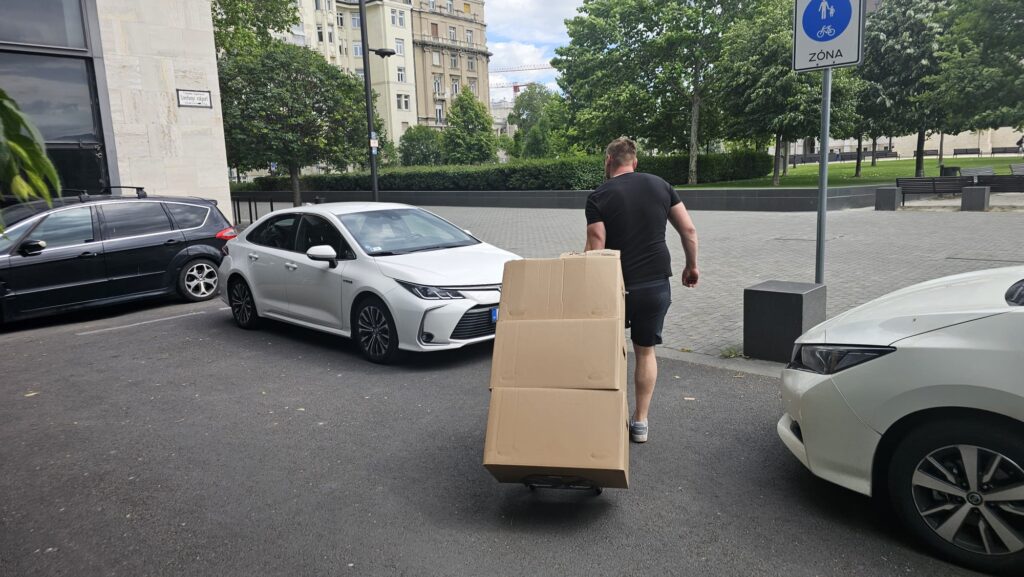
- Quiet hours and permits: We check local rules, apply for dispensations and can switch to low‑noise handling when needed.
- Micro‑van shuttles: For historic centres and island lanes where large vehicles cannot pass.
- Quay coordination: Spotters at the port and at your home keep the flow fast and safe with trolleys and glide sheets.
Hurdles and fixes
| Hurdle | Fix | What we do |
|---|---|---|
| No lift to higher floors | Split loads, smaller boxes | Add crew, protectors and stair gear |
| Tight stair turns | Dismantle bulky items | Bring tools and corner guards |
| Quay not accessible | Compact shuttle from port | Trolleys, glide sheets, piano skids |
| Wind holds on ferries | Buffer day + live updates | Rebook and stage safely |
| Low archways/balconies | Micro‑van shuttle | Switch vehicles at nearest access |
| Weight limits on lanes | Short‑carry relay | Extra crew and trolleys to speed up |
| Heritage floors/tiles | Surface protection | Ram board, felt pads, shoe covers |
| Controlled parking zones | Reserve bay/dispensation | Apply in advance, share permit refs |
Shuttle menu
- Compact van for historic centres with tight arches
- Hand‑carry relay with trolleys for pedestrian lanes
- Short quay shuttle to keep port time minimal
- Two‑stage drop when the main street is time restricted
Access photos we need
- Street width, arch heights and any bollards
- Stairs, turns and landings inside the building
- Distance from parking or quay to the door
- Lift dimensions and weight limit if available
Coordination timeline
- 48–24 hours out: confirm ETA and quiet hours, share tracking link
- 12 hours out: assign quay spotter and home spotter, verify parking plan
- Docking: split crew between quay and home, stage by room code
- Arrival at home: floor protection, quick walkthrough, placement plan
Delivery day checklist
- Pre‑arrival call and bay setup with clear markers
- Walkthrough and placement plan for each room
- Floor and corner protection in high traffic areas
- Assembly of beds and tables; hardware bags checked
- Box placement by labels and priority numbers
- Appliance positioning and safe power‑up where applicable
- Packaging removal and eco recycling
- Final sweep and sign off against the manifest
FAQs
1) What is the safest cheapest way to move to Greece?
Pick savings that do not risk damage. Declutter early to cut volume. Share short access videos so we plan parking, lifts and shuttles. Be flexible on dates to avoid peak ferry surcharges. Choose fragile‑only or full Packing Services for delicate pieces and use proper materials. Avoid false savings like flimsy boxes, underinsurance, or last‑minute bookings.
Useful: Removals to Greece, Packing Services
2) How long does UK → Greece delivery take door to door?
Transit time depends on the origin, service type, route, ferry schedule, access and required delivery window. Island moves may need an additional weather and connection buffer. The quotation should state the planned window and update method.
3) Do I need private health insurance to live in Greece?
Short stays up to 90 days in any 180‑day period: travel with a valid GHIC/EHIC for medically necessary state care. Longer stays usually require private health insurance until you join the Greek system, plus residence steps.
Official: UK guidance on EU travel gov.uk, GHIC NHS, EU residence rules europa.eu
4) How is the required vehicle capacity calculated?
The most reliable method is an itemised inventory or video survey. Box counts alone can mislead because furniture shape, packing materials, payload and access also affect the vehicle choice. Provide photos and measurements for bulky items so the quotation is based on the actual move.
5) Can you deliver to islands like Crete, Rhodes or Paros?
Yes. We coordinate ferries, manage quay access, and use compact shuttles for narrow lanes. Common staging is via Athens/Piraeus. White Glove placement and assembly available on arrival.
See: Moving to Athens
6) Do you offer storage if my keys are delayed?
Yes. Short or long‑term storage in the UK or Athens. We can deliver essentials first and complete the final drop when your keys are ready. Storage terms, inventory method, handling and redelivery should be confirmed in the quotation.
7) Is enhanced insurance available for art and instruments?
Yes. Beyond standard carrier liability, we can arrange itemised cover for art, instruments and designer pieces, with photographed condition reports at collection and delivery. Ask for White Glove handling.
8) How much does it cost to relocate to Greece?
There is no one‑price‑fits‑all. Your quote depends on volume (m³), distance and route, access at both addresses, packing scope, seasonality and any storage. As a rule, smaller, flexible moves on the Balkans route trend cheaper; larger, time‑sensitive moves with ferry cabins and White Glove services trend higher. Share an inventory or book a video survey and we will right‑size the vehicle and route.
Start here: Get a tailored removals quote
9) How much is international shipping to Greece?
For household goods, you are buying a removals service, not postage. Prices reflect van allocation, driver hours, ferries, packing and access, rather than parcel weight. Couriers are fine for a few boxes; for furniture, instruments or a full home, removals are safer and often cheaper per item. We can also mix methods: ship a few boxes by courier and move furniture by van.
10) Can I really get paid to move to Greece?
There is no national programme that pays foreign movers. Occasionally, small local initiatives or grants appear for specific islands or professions, usually with strict eligibility and residency rules, and they change over time. Treat headlines with caution and always verify on official municipal or government sites such as gov.gr. We are happy to handle the logistics once you have confirmed eligibility.
11) What are the rules for moving to Greece?
For UK passport holders, short stays up to 90 days in any 180‑day period are visa‑free for visits. Longer stays for work, study or residence typically need a national visa and local registration. Expect to arrange AFM tax number (often needed for rentals/utilities), AMKA for social security, and check driving licence/IDP rules. Moving with pets requires microchip, rabies vaccine and an Animal Health Certificate.
Official links: Visas/Schengen gov.uk, EU residence europa.eu, AFM gov.gr AADE, AMKA Ministry, Driving in EU gov.uk, Pet travel gov.uk
12) Is it easy to relocate to Greece?
It is straightforward when you separate paperwork from logistics. Paperwork needs early reading and official links. Logistics need a clean plan: inventory, access videos, right vehicle size, ferry window and a buffer for weather. With the inventory, access and route agreed in advance, the physical move becomes easier to control.
13) How much money do I need to live comfortably in Greece?
Budgets vary by city vs island, lifestyle and whether you rent or own. Build a plan around these buckets:
- Housing and utilities
- Internet and mobile
- Groceries and dining
- Local transport or car costs
- Healthcare (GHIC covers emergencies for short stays; residents often choose private plans until AMKA/EOPYY access)
- Schooling or childcare if relevant
- Contingency and travel
Island life often means fewer entertainment costs but higher ferry and sourcing costs. Create a 3‑month emergency buffer and check official guidance for healthcare and residence.
Official: GHIC NHS, EU residence europa.eu
Summary
International removals to Greece work best when the service is chosen from the real inventory, dates and access at both addresses. A flexible smaller shipment may suit a part load, while a full household, fixed handover or complex island delivery may need dedicated capacity. VANonsite can assess the route, packing and final-mile requirements and explain the cost drivers before booking.
To start, send the collection postcode, Greek destination, item list or photos, preferred dates and any access restrictions. Use the removals to Greece estimate for the initial calculation, or read the part-load removals guide if your timing is flexible.