
Introduction
Requirements can sound cold, like rules on a wall. But when you are relocating, requirements are the difference between a calm crossing and a frustrating delay. They protect your timeline. They protect your belongings. And they can save you real money.
This guide explains moving to France from UK requirements in plain English. You will get the visa basics, the customs steps for household goods, and the documents you need to keep everything consistent after Brexit. You will also get practical checklists you can actually use.
VANonsite supports relocations with premium handling, flexible vehicle sizes, and GPS tracking on every load. When you can see progress, the move feels simpler, safer, and far less stressful.
TL:DR
- The biggest moving to France from UK requirements are your right to stay, customs for your belongings, and a clear inventory
- Short stays follow the Schengen 90 day rule, longer stays usually need a long stay visa
- Customs is smoother with proof of French address and an itemised inventory with realistic values in euros
- Decluttering by 20% can reduce cost and may drop you into a smaller vehicle plan
- Packing rules matter, avoid restricted items that can trigger inspection
- Eurotunnel is often fastest, ferry can be flexible, and arrival windows can shift by 2 to 6 hours
- VANonsite offers GPS tracked transport plus packing and white glove options




Quick answers first
If you are looking for moving to France from UK requirements, you probably want immediate clarity. Here are the answers that unlock everything else in this guide.
- Most removals take 1 to 3 days once loaded, with customs and access as the biggest variables
- Paperwork is the most common delay, especially a vague inventory or missing proof of French address
- Access issues can add 30% to 60% more handling time, stairs, long carry distance, tight turns, no lift
- Direct transport usually feels more predictable because it reduces handling and touch points
The 60 second requirements check
If you do only one thing today, do this.
- Confirm how long you plan to stay in France, under 90 days or longer
- Start your inventory and keep it itemised with values in euros
- Secure proof of your French address, even if it is a lease confirmation
- Measure access at both ends, parking distance, stairs, lift size
Useful pages:
- Removals to France
- Moving to France from UK
- Removals to France from UK
- International removals UK to France
Moving to France from UK requirements overview
After Brexit, moving to France from UK requirements fall into three clear buckets. Think of them as three locks you open in order.
- Your right to stay: visa and residence steps
- Your belongings: customs rules and inventory
- Your logistics: packing, transport, and delivery access
Get those three right and the move becomes predictable.
The three buckets, explained like a plan
| Requirement bucket | What it covers | The fastest way to stay compliant |
|---|---|---|
| Right to stay | 90 day rule, long stay visa, residence steps | decide your stay length early and use official visa sources |
| Belongings | customs, relief rules, inventory | build a clear inventory in euros plus proof of French address |
| Logistics | van size, packing, route, access | measure access, choose safe capacity, avoid restricted items |
The one story rule
Here is the mindset that keeps everything clean: tell one consistent story. You are transferring your residence, your goods are personal and not for resale, and your documents agree with each other.
If you want moving to France from UK requirements to feel easy, this is the core formula:
- one folder for documents
- one master inventory
- one exact address format everywhere
When those are in place, most “requirements” stop feeling like hurdles and start feeling like routine steps.
Visa and stay requirements
If your move is more than a holiday, your first requirement is simple: the right to be in France legally for the length of time you need.
Official sources
- France-Visas long stay visa overview
- France-Visas general portal
- Service-Public long stay visa, more than 3 months to 1 year
- GOV.UK France entry requirements
- France in the UK, applying for a visa
The 90 day rule in simple terms
If you travel as a visitor, you are typically limited to 90 days in any 180 day period in the Schengen area. This is one of the most important moving to France from UK requirements to understand, because it catches people who try to “test France for a few months” without planning the visa step.
If you plan to stay longer than 90 days, you generally need a long stay visa.
Long stay visas and what happens after you arrive
For many relocation plans, the long stay visa is the bridge between arriving and settling.
What to know:
- A long stay visa can cover stays over 90 days. France-Visas explains the framework and what it allows.
- Some visas are VLS-TS, meaning they act as a residence permit once you validate them. Service-Public explains that validation is usually required within 3 months of arrival.
- If you need to stay beyond your visa validity, you typically apply for a residence permit through the prefecture route described on official sources.
Practical requirement: do not treat the visa as paperwork you can “sort later”. Many admin steps, phone plan, banking, contracts, become easier once your stay status is regular.
Border changes you might notice
France and the wider Schengen area are modernising border processes with systems like EES, and later ETIAS for visa exempt travel authorisations. This does not replace long stay visas for people relocating. It mainly affects short stay entry checks and can impact queue times. GOV.UK provides a useful UK focused overview.
Customs requirements for your belongings
Because the UK is outside the EU, household goods cross a customs process. Many people qualify for duty and tax relief on used personal belongings when transferring residence, but you must meet the conditions.
Official sources
- French Customs
- French Customs, transfer of residence relief
- Service-Public, customs duties when moving to France after living outside the EU
- Service-Public guide page, F492
- HMRC personal goods guidance
The rule that prevents most border delays
The most important customs requirement is not a secret form. It is clarity.
- A specific, itemised inventory
- Proof of your French address
- Consistent names, dates, and address formatting
When those align, moving to France from UK requirements at the border become routine.
Residence transfer relief, the conditions that matter
French Customs explains relief for importing personal belongings when you transfer your main residence to France. The key conditions commonly highlighted include:
- You have lived in a non EU country for at least 12 months before transferring your main residence
- The goods are personal and were used privately for at least 6 months before the transfer
Service-Public also outlines that some goods are automatically excluded from relief in certain situations, and that documentation is required. Use the official pages above as your source of truth.
Inventory requirements that work
A good inventory is boring and that is why it works.
| Room | Box no. | Item | Qty | Value EUR |
|---|---|---|---|---|
| Kitchen | 1 | Plates and bowls | 1 box | 60 |
| Living room | 2 | Sofa, 2 seater | 1 | 450 |
| Bedroom | 3 | Wardrobe | 1 | 300 |
| Office | 4 | Monitor | 2 | 260 |
Inventory rules for moving to France from UK requirements:
- Avoid vague lines like miscellaneous
- Use realistic second hand values, not new retail prices
- Separate brand new items and keep receipts
- If you ship in stages, keep one master inventory and mark each shipment
Staged shipments, how to keep them compliant
If you send essentials first and the rest later, keep one master inventory for the whole move, then mark which items are in each shipment. Keep the address and dates consistent. This is the easiest way to avoid confusion.
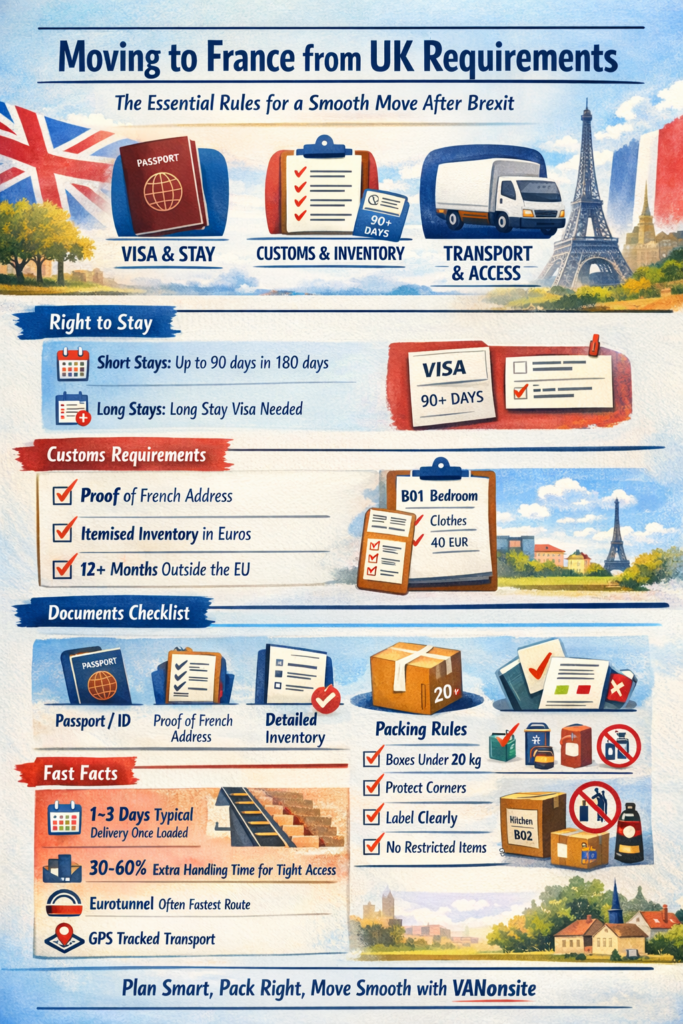
Documents checklist
Paperwork is where most moves either glide or stall. Use this list to stay calm.
Core documents
For most moving to France from UK requirements, you want a clean pack, printed and saved digitally:
- Passport or ID
- Proof of French address
- Itemised inventory with values in euros
- Signed declaration that the goods are personal and not for resale
If you are claiming residence transfer relief for household goods, you may need proof you lived outside France for at least 12 months. Check the official customs guidance above.
Add ons that protect you from delays
These are not always mandatory, but they are powerful in real life:
- Receipts for brand new items: keep them separate, list them clearly
- Proof of UK address change: tenancy end confirmation or completion date can help tie the story together
- A simple “not for resale” statement at the top of your inventory
- Family note: if you are moving as a family, a one page list of names can reduce confusion
Proof of French address examples
Common options include:
- Lease or rental contract
- Property purchase paperwork
- Utility confirmation or recent bill
- Official letter showing your name and French address
Tip: use one exact address format everywhere. Consistency is one of the quiet, powerful moving to France from UK requirements.
Quick compliance checks
Before moving day, do this 2 minute check:
- Names match across ID, inventory, and address proof
- Dates are consistent, especially the move date and residence transfer timing
- Inventory is specific, no “misc” categories
- Values are in euros and look realistic
A simple document folder system
Create one folder called France Move. Keep these inside:
- IDs and passports
- Address proof
- Inventory
- Receipts for any new items
- Booking confirmation and contacts
It sounds basic, but it prevents panic.
Keep these with you, not in the van
For moving to France from UK requirements, keep these in your personal bag:
- Passport or ID
- Printed inventory and a digital copy on your phone
- Proof of French address
- Medication and essentials for 72 hours
- Keys, chargers, and a small notebook
Transport requirements
Transport is not only about distance. It is about matching the vehicle to your volume and weight, then planning access at both ends.
VANonsite vehicle sizes
| Option | Volume | Payload | Best for |
|---|---|---|---|
| Moving One | 1 m3 | 100 kg | suitcase move and a few boxes |
| Moving Basic | 5 m3 | 300 kg | student room or small studio |
| Moving Medium | 10 m3 | 500 kg | small flat, light furniture and boxes |
| Moving Premium | 15 m3 | 1,100 kg | 1 to 2 bed move |
| Moving Premium Plus | 30 m3 | 3,500 kg | 2 to 3 bed move, bulky items |
| Moving Full House XXL | 90 m3 | 20,000 kg | full family house |
Man and van vs full household transport
A man and van setup is ideal when:
- You have a smaller move
- You want direct transport with minimal handling
- You want a tight delivery window
Full household vehicles are ideal when:
- You have bulky items and appliances
- You want everything delivered in one calm wave
- Access is tricky and you want less tight stacking
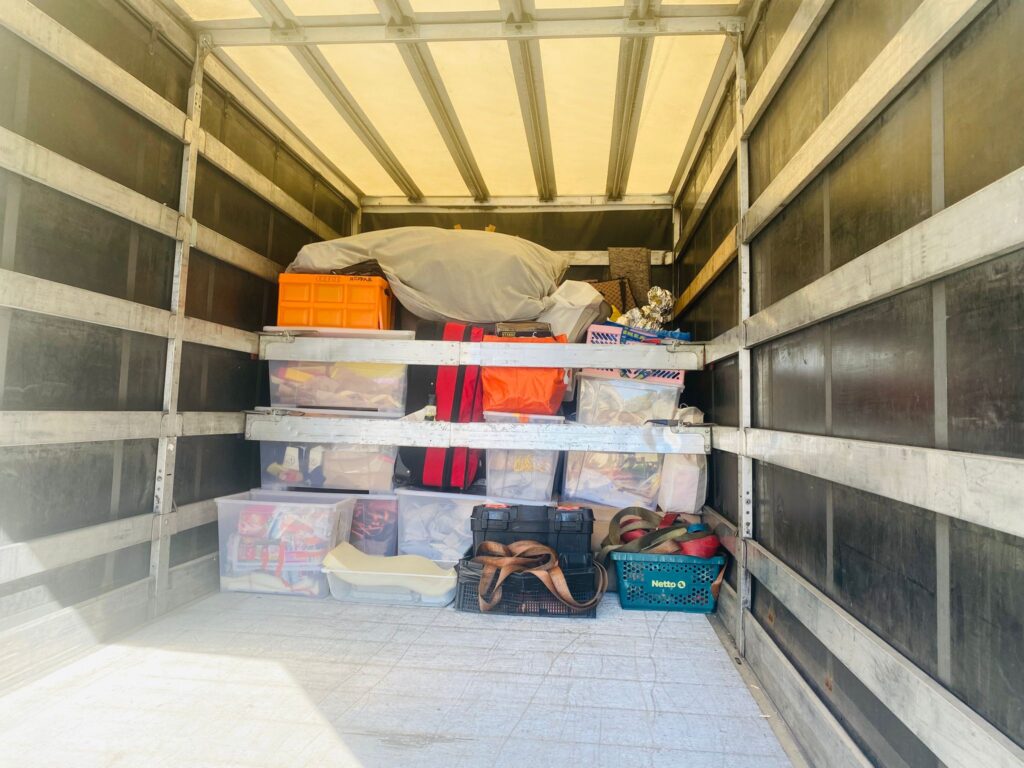
A simple requirement for safer delivery: leave 10% to 15% breathing space. Tight packing increases scratches and delays.
Two fast requirements checks before booking
- Access check: floor number, lift size, stair turns, and parking distance at both ends
- Load check: box count plus your five biggest items, and any heavy items like books or tools
If access is difficult, choose a slightly bigger vehicle plan. It reduces tight stacking and makes unloading safer.
Direct vs shared transport
Direct transport usually feels more predictable for moving to France from UK requirements because it reduces:
- handling touch points
- waiting windows
- risk of scuffs and movement
Shared transport can reduce cost for some moves, but it can extend the timeline.


Packing requirements
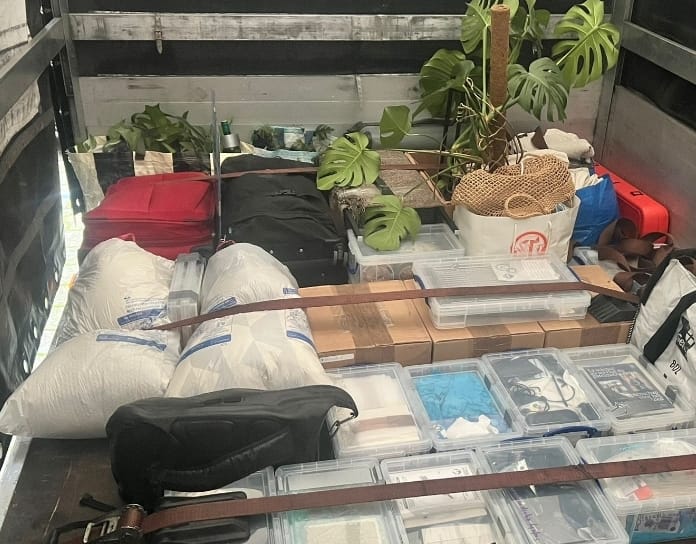
Packing is where damage risk is decided. Your main enemy is movement. If nothing shifts, most damage disappears.
Packing rules that protect your move
For moving to France from UK requirements on safety and transport, these are the basics:
- Keep boxes under 20 kg so they stack safely and carry cleanly
- Tape bottoms in an H pattern, then reinforce corners on heavier boxes
- Label two sides with room and box number so unloading is fast and precise
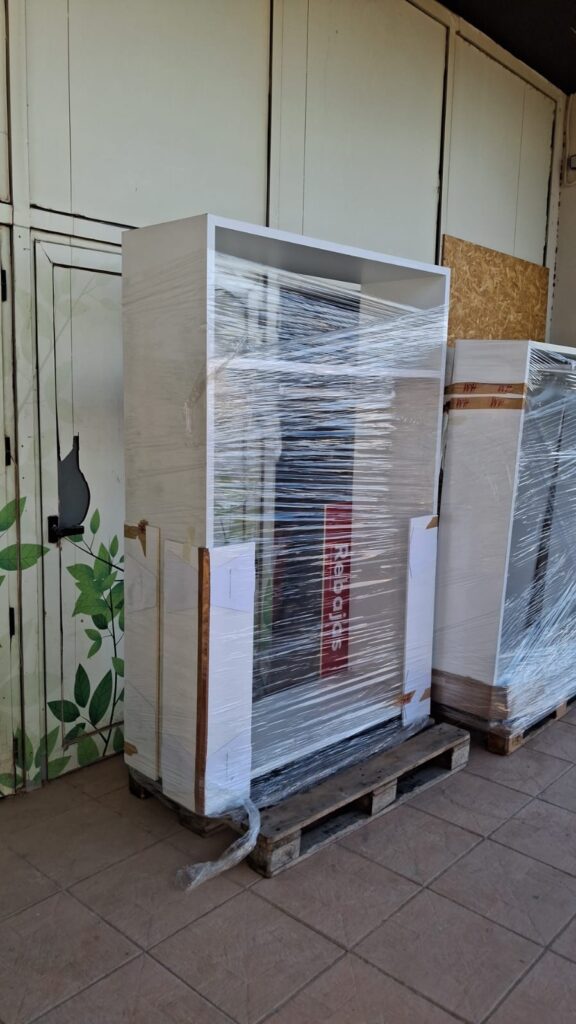
- Protect furniture corners and edges before anything goes through a doorway
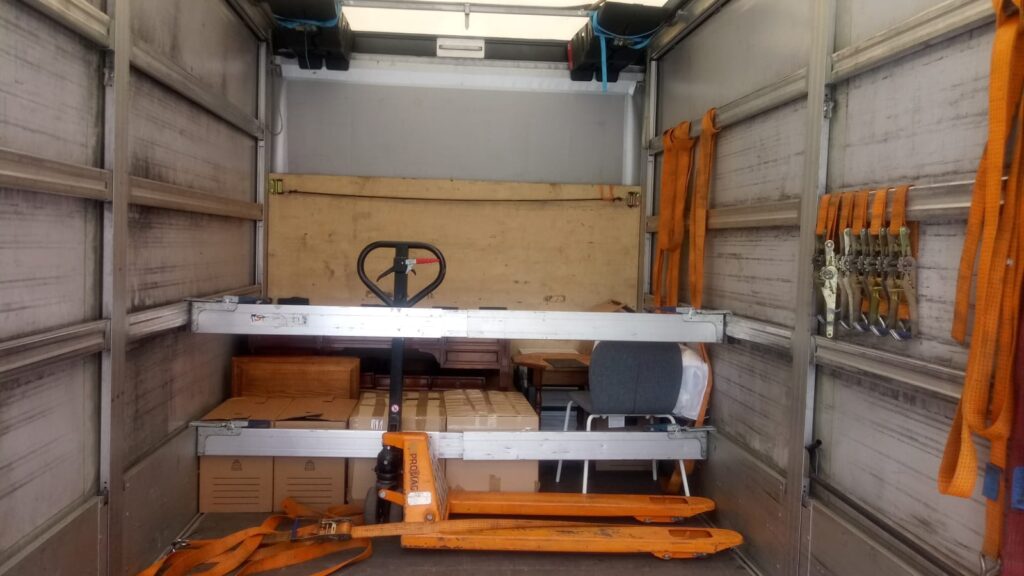
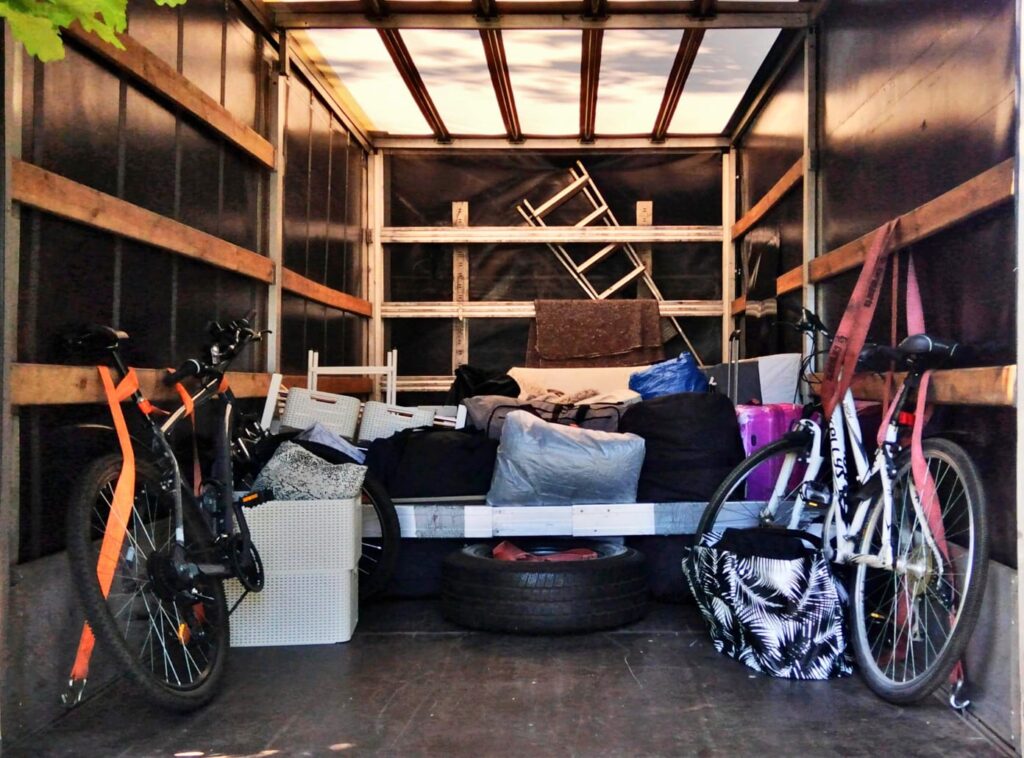
- Strap items so nothing slides during braking
A labelling system that saves hours
A simple, consistent labelling method keeps moving to France from UK requirements from turning into a treasure hunt.
- Room name on two sides
- Box number, for example Kitchen 07
- Priority tag
- P1 open first
- P2 open within 48 hours
- P3 can wait
Optional but powerful: add the destination floor, for example Bedroom 2nd floor.
Fragile packing requirements
Long distance travel rewards stability. Use this method:
- Wrap glass and ceramics individually
- Pack plates vertically, not flat
- Fill empty gaps with paper or soft items so nothing rattles
- Mark fragile on at least two sides
Furniture protection requirements
Furniture gets damaged at tight corners and door frames. Protect edges first, then control movement.
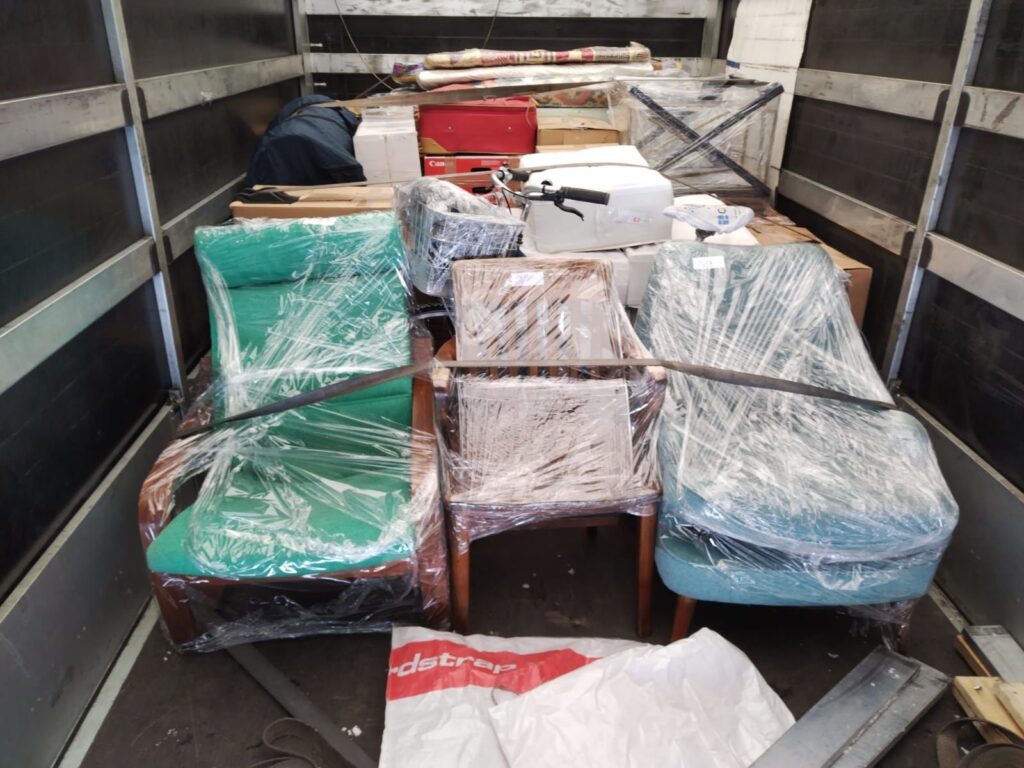
- Wrap with blankets, then use stretch film to lock drawers and doors
- Use corner guards for wardrobes, tables, and frames
- Keep protection on until the item is in its final room
- Do not drag. Lift, or slide on a blanket if needed
Packing materials checklist
| Material | Why it matters | Best for |
|---|---|---|
| Double wall boxes | prevents box collapse | books, kitchen, fragile |
| Packing paper | stops scratches | plates, glass, ornaments |
| Bubble wrap | absorbs impact | lamps, frames, electronics |
| Stretch film | locks drawers and doors | wardrobes, cabinets |
| Furniture blankets | prevents scuffs | sofas, tables, wood furniture |
| Straps | prevents shifting | furniture, appliances |
Items you should not pack
To avoid inspections and delays, do not pack:
- Aerosols, paint, solvents, flammables
- Gas canisters and fuel containers
- Certain plants, soil, untreated wood
If you are unsure, ask before it goes in a box. One restricted item can trigger an inspection and slow your move.
What to keep with you
For moving to France from UK requirements, keep these with you, not in the van:
- Passport or ID
- Proof of French address
- Inventory, printed and on your phone
- Medication
- Chargers, keys, and one change of clothes
When white glove delivery makes sense
If you have fragile items, antiques, artwork, or high value furniture, white glove delivery can be a smart upgrade. It adds careful placement, extra protection, and a more controlled finish.
Route and delivery access requirements
For moving to France from UK requirements on logistics, route choice and access planning matter. Route changes your arrival time. Access changes your entire delivery pace.
Eurotunnel vs ferry
| Option | Best when | Watch outs |
|---|---|---|
| Eurotunnel | timing is tight, speed matters | strict check in timing |
| Ferry | flexibility matters, you want a break | weather and peak queues |
Routes can shift arrival by 2 to 6 hours, especially on peak weekends.
Your route choice in one sentence
- Choose Eurotunnel when you want the most predictable crossing and a tighter delivery window.
- Choose a ferry when you want flexibility and do not mind a wider arrival window.
Access planning requirements
Access is where time disappears. Confirm:
- Parking distance from entrance, ideally under 15 metres
- Stairs, lift size, and tight turns
- Unloading restrictions in city centres
- Any time limits for stopping or loading
A quick access checklist you can send to your mover
| Detail | What to provide | Why it matters |
|---|---|---|
| Parking | distance to door, loading bay availability | long carries add handling time |
| Stairs | floor number, width, tight turns | prevents stuck furniture |
| Lift | door width and internal size | some lifts are too small |
| Doors | narrowest doorway measurement | avoids last minute disassembly |
| Restrictions | time limits, permits, building rules | avoids fines and delays |
Two photos help a lot: one of the entrance from the street, one of the stairwell or hallway.
Low emission zones and city centre rules
If you are moving into a low emission zone, check official guidance:
Arrival requirements
The first week in France is where the move becomes real. You stop thinking in boxes and start thinking in systems: power, internet, banking, healthcare, and the small routines that make a new place feel like yours.
The goal is simple. Get proof of address, get connected, and set up the admin that unlocks daily life. Do those early and everything else gets easier.
Official guidance:
First 72 hours
Keep the first days focused. You are building stability.
- Set up utilities and internet to avoid a 7 to 14 day gap
- Organise your proof of address folder, paper and digital
- Unpack essentials first, then create one clear “admin station” for documents and chargers
- Photograph property condition for deposits and insurance clarity
- Learn key local basics, nearest pharmacy, supermarket, and emergency numbers
Quick comfort wins:
- Make one room functional first, usually the bedroom
- Put kettle, mugs, and chargers where you can reach them without digging
First week
Now you turn the address into a working life.
- Update banking and phone plan
- Follow admin steps via Service-Public
- Book any urgent appointments, school, work onboarding, healthcare admin
- Learn local waste rules and collection days
Useful official pages for common next steps:
- Social security and healthcare overview
- Taxes, declarations and practical basics
- Driving licence information in France
- Registering an imported vehicle
First week checklist table
| Priority | Task | Why it matters |
|---|---|---|
| Must do | Proof of address folder | unlocks contracts and admin |
| Must do | Internet setup | work, banking, appointments |
| Should do | Phone plan or local SIM | verification codes and deliveries |
| Should do | Banking updates | direct debits and local payments |
| Should do | Healthcare steps | peace of mind and access |
| Nice to do | Neighbourhood basics | reduces daily friction |
These steps are not glamorous, but they make you feel settled fast.
Why VANonsite fits moves UK to France
A move is smoother when it is visible and controlled. That is what people really want when they search for moving to France from UK requirements. Not just transport, but confidence.
VANonsite supports moving to France from UK requirements with:
- GPS tracking on every load, so you can plan handovers and arrival without guesswork
- Flexible vehicles from man and van to full household options, so your load fits safely
- Add ons like packing support and white glove handling, especially useful for fragile or high value items
What you get in plain terms
| What you need | Why it matters | How VANonsite supports it |
|---|---|---|
| Predictable timing | protects your timeline | direct options and clear scheduling |
| Lower damage risk | fewer scuffs and breakages | protection first handling and secure loading |
| Visibility | reduces stress | GPS tracking on every load |
| Flexibility | plans change fast | scalable van sizes and add ons |
Services you can combine:
If you want France specific planning pages, start here:
- https://vanonsite.com/removals-to-france/
- https://vanonsite.com/france-removals/moving-to-france-from-uk/
- https://vanonsite.com/france-removals/removals-to-france-from-uk/
- https://vanonsite.com/france-removals/international-removals-uk-to-france/
FAQs
What are the most important moving to France from UK requirements?
For most people, the essentials are:
- The right to stay in France for your planned timeline
- Customs paperwork for household goods after Brexit
- A clear, itemised inventory with realistic values in euros
When those are clean, the rest of the moving to France from UK requirements becomes far more predictable.
What causes delays most often?
Two things.
- Vague paperwork, especially an inventory that is too broad
- Access surprises, narrow stairs, no lift, long carry distance, strict parking rules
Fix both early with a specific inventory, proof of French address, and clear access photos.
Do I need an inventory?
Yes. After Brexit, an itemised inventory is one of the most important moving to France from UK requirements. Keep it readable, group by room, include quantities, and use realistic second hand values in euros. Avoid words like “miscellaneous”.
How detailed should my inventory be?
Detailed enough that a stranger can understand it without guessing.
Good: “Kitchen, Box 12, plates and bowls, 1 box, 60 EUR.”
Bad: “Kitchen stuff.”
If you have high value items, list them separately.
What documents do I usually need?
For most moving to France from UK requirements, prepare:
- Passport or ID
- Proof of French address
- Inventory with values in euros
- Signed statement that the goods are personal and not for resale
If you are claiming residence transfer relief, you may need proof you lived outside France for at least 12 months, plus proof the goods were used privately for a minimum period. Check the official French Customs and Service-Public guidance linked earlier in the article.
Can I do this with a man and van?
Yes, for smaller relocations. A man and van setup is fast, direct, and efficient when your load is compact.
If you have bulky furniture, appliances, or a full family home, a larger vehicle usually feels safer and faster because you avoid tight stacking.
Is Eurotunnel or ferry better?
Eurotunnel is often the fastest and most predictable option. A ferry can be flexible, but weather and peak queues can widen your arrival window. If your delivery timing is tight, Eurotunnel usually feels calmer.
What should I keep with me, not in the van?
For moving to France from UK requirements, keep these on you:
- Passport or ID
- Proof of French address
- Inventory, printed and on your phone
- Medication
- Chargers, keys, and one change of clothes
What items should I never pack?
Avoid anything that can trigger inspections or safety issues:
- Aerosols, paint, solvents, flammables
- Gas canisters and fuel containers
- Certain plants, soil, untreated wood
If you are unsure, ask before you seal the box.
How do I get a quote that matches reality?
Share four details early:
- Pickup postcode and destination town
- Floor number, lift details, and parking distance at both ends
- Estimated box count plus your five biggest items
- Heavy items, books, tools, records, gym gear
That information makes the plan accurate, and helps your moving to France from UK requirements stay on track.
Summary
Moving to France from UK requirements becomes manageable when you treat it as a system with three parts: your right to stay, customs for your belongings, and clean logistics. Start with official sources for visa rules, then build a document pack with proof of French address and a specific inventory in euros. Keep names, dates, and address formatting consistent across every page.
Next, protect your move with practical choices. Declutter by 20% to reduce volume and cost. Pack for stability, keep boxes under 20 kg, protect corners, and strap items so nothing shifts. Choose a vehicle size with 10% to 15% breathing space, especially if access is tight.
Finally, plan the route and the access details like they matter, because they do. Eurotunnel is often fastest, ferries can be flexible, and stairs or long carry distances can add significant handling time. If you want the move to feel calmer, VANonsite supports the plan with flexible options from man and van to full household transport, GPS tracking on every load, and add ons like packing support and white glove handling for delicate items.