
Introduction
The first time you Google removals France to UK cost, you are usually hunting for a number. Then reality taps you on the shoulder. The real cost is not just pounds and pence. It is time off work, a tight delivery window, the stress of paperwork after Brexit, and the very real risk of scratches, dents, and breakages if the move is rushed or overpacked.
That is why this guide is designed to be blunt, useful, and fast. You will get real world price bands, the biggest cost drivers, and the safest ways to cut your bill without gambling with your belongings. You will also learn how quotes for removals from France to UK are built, what is usually included, what can be extra, and why two moves that look similar can land hundreds of pounds apart.
Whether you are planning France to UK removals for a few boxes and a sofa, or a full household, the same rules apply. Get the documents right. Choose the correct vehicle size with 10% to 15% breathing space. Plan access at both ends so nobody is carrying a wardrobe 30 metres down a narrow street.
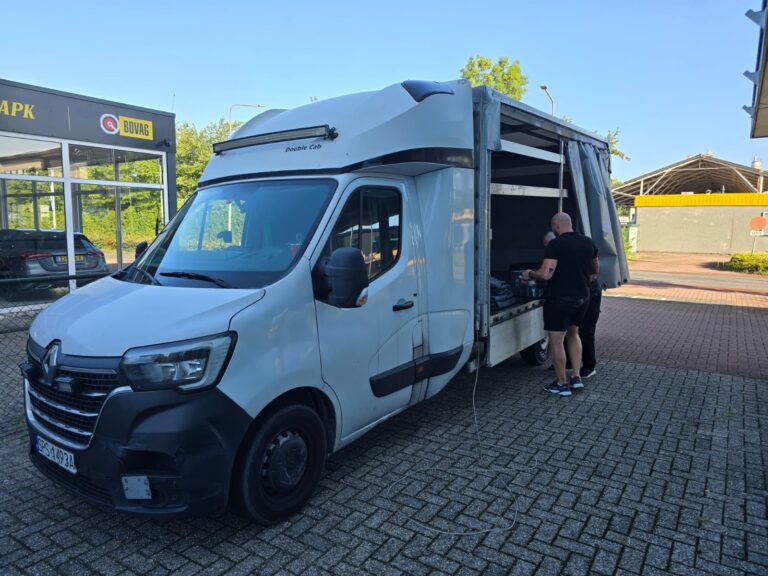
If you want the calm option, VANonsite focuses on premium handling and clear planning, with GPS tracking on every load. For smaller moves, a direct man and van run can be the cheapest safe choice, especially when timing is tight and you want fewer handling touch points.
TL:DR
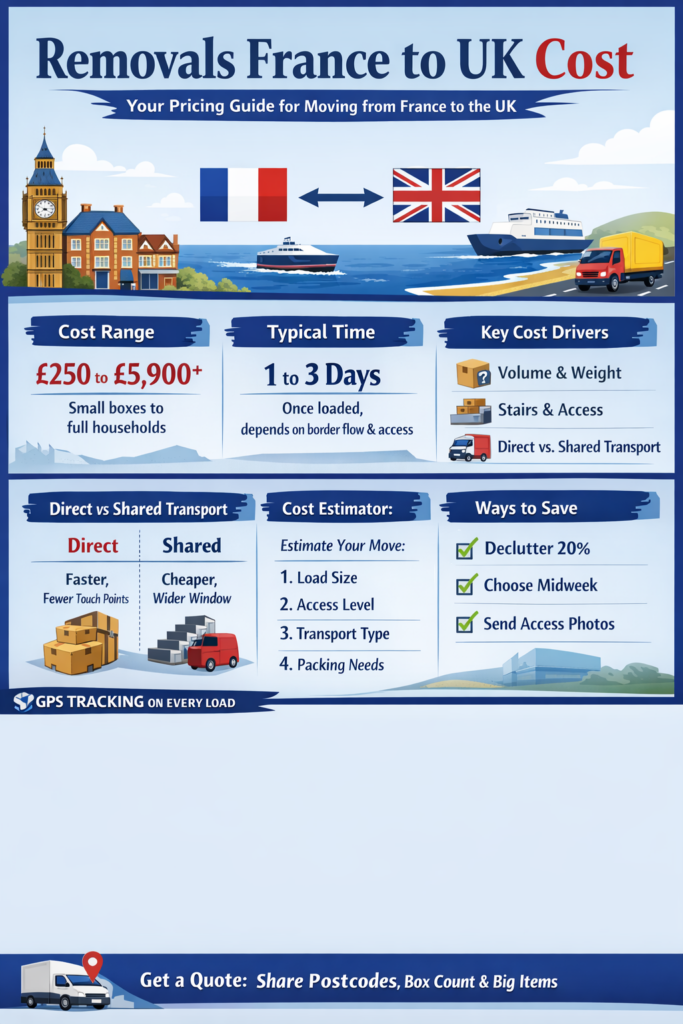
- Most removals France to UK cost scenarios land in a broad band from £250 to £5,900+, depending on load size, access, and whether transport is direct or shared
- Typical transit time once loaded is 1 to 3 days, with border flow and delivery access as the biggest variables
- The 5 biggest cost drivers are volume, weight hotspots, access complexity, direct vs shared transport, and packing or disassembly needs
- Direct transport often costs more upfront, but it can reduce rehandling, delays, and damage risk, which can save money overall
- Paperwork after Brexit affects cost because delays can create waiting time and missed delivery windows, a clear inventory in GBP prevents most issues
- Vehicle sizing matters, plan 10% to 15% breathing space so items can be protected and strapped, tight stacking increases scuffs and labour time
- Safe savings that actually work: declutter 20%, choose a midweek pickup, send access photos, and share a detailed item list so the quote matches reality




Quick answers first
How much does removals France to UK cost
Most moves sit somewhere between £250 and £5,900+. That sounds wide because it is. A micro load of boxes is a different job to a furniture heavy household move.
The price moves fastest when any of these change:
- Volume: bigger van, bigger cost
- Weight hotspots: books and tools push payload and handling time
- Access: stairs, long carries, tight turns
- Transport type: direct vs shared
- Paperwork quality: delays can add waiting time
Typical time once loaded
For most routes, transit is 1 to 3 days once loaded. The two biggest variables are border flow and delivery access.
Biggest hidden cost drivers
Hidden costs are not usually fees. They are time.
- Access: parking over 15 metres, stairs with no lift, narrow doors
- Weight: a load that needs extra labour time or a bigger vehicle plan
- Rehandling: more touch points with shared transport
- Paperwork issues: vague inventory, missing values, inconsistent details
When man and van is the cheapest safe option
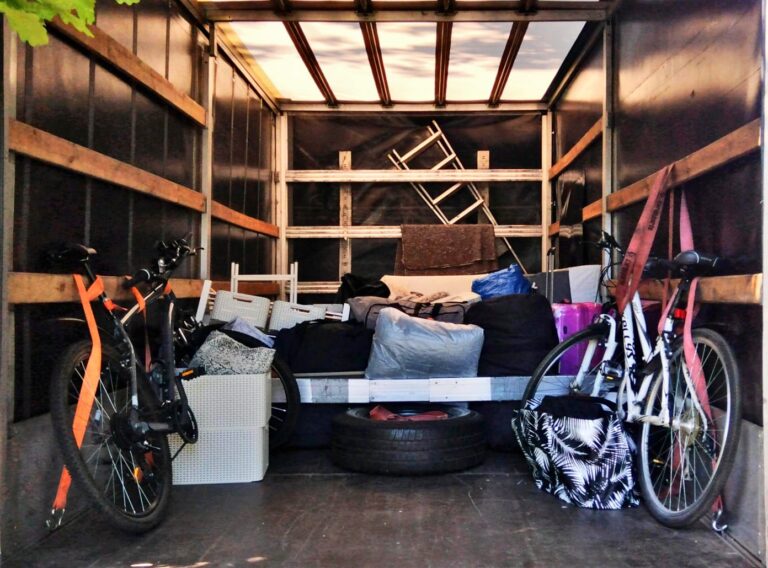
A direct man and van run is often the cheapest safe choice when the load is compact and time sensitive, for example:
- 6 to 25 boxes
- a few small furniture pieces
- a single room move with light items
It is often safer than the cheapest shared option because there are fewer handling touch points.
Related France and UK routes
- Removals France to UK
- Removals to France
- Moving to France from UK
- Removals to France from UK
- International removals UK to France
What removals France to UK cost really includes
A good quote should feel transparent. Not just a number, but a clear list of what is covered and what can change if access or load details change.
What a quote usually covers
Most removals France to UK cost quotes include:
- loading and unloading labour
- the border crossing and route planning
- basic protection, blankets and strapping
- basic admin checks aligned with your inventory
What can be extra
These are the items that can push a quote up if they are not shared early:
- stairs and long carry distances, especially over 15 metres
- disassembly and reassembly needs, wardrobes, beds, tables
- packing materials and packing services
- waiting time and difficult access, no parking, strict building rules, time limited unloading
If you want the quote to match reality, share two photos at both ends, street parking and the tightest hallway or stair turn. It is one of the simplest ways to protect both price and timing.
Removals France to UK cost ranges by load size
These ranges are for planning, not pressure. They help you budget fast, then tighten the number with a simple item list and access details. Prices shift with distance, border flow, and complexity.
| Load band | What it looks like | Typical fit | Indicative range |
|---|---|---|---|
| Micro load | 2 to 6 boxes or suitcases | direct man and van or shared space | £250 to £650 |
| Boxes only | 6 to 25 boxes | compact van, direct or shared | £450 to £1,200 |
| Student sized | 10 to 30 boxes plus 1 to 3 small items | direct man and van | £750 to £1,800 |
| Single room move | 15 to 40 boxes plus desk or bed frame | medium van, direct preferred | £1,200 to £2,600 |
| Furniture focused | sofa, table, wardrobes plus a few boxes | premium van, more protection time | £1,500 to £3,500 |
| Full household | multi room contents, bulky items, appliances | premium plus or larger | quote based |
Why ranges exist: two moves can have the same number of boxes and still land far apart because access is time. Stairs, long carries, tight turns, and parking restrictions can add 30% to 60% more handling time. Weight also matters more than people expect. Ten book boxes can add 150 to 250 kg quickly.
Cost calculator style section: estimate in 60 seconds
You can estimate your removals France to UK cost in under a minute with four choices. Think of it as a simple base price plus adjustments.
Step Pick your load band
Choose the closest band from the table above. If you are between bands, go up one. Underestimating usually leads to last minute changes.
Step 2. Add access complexity
Access can change labour time dramatically. Use this as a quick multiplier.
| Access level | What it means | Add on to expect |
|---|---|---|
| Easy | ground floor, parking within 15 m, wide doors | 0% |
| Moderate | 1 to 2 flights, small lift, parking 15 to 30 m | +10% to +25% |
| Hard | 3+ flights, no lift, narrow turns, parking 30 m+ | +25% to +60% |
Step 3. Choose direct vs shared transport
- Direct transport costs more upfront, but often saves money on delays and rehandling.
- Shared transport can be cheaper, but delivery windows are wider and handling touch points can increase.
Quick rule: if you have fragile items, furniture, or a must arrive by date, direct is usually the safer value.
Step 4. Choose your packing level
| Packing level | Who it suits | Price impact |
|---|---|---|
| Self pack | confident packers, boxes only | lower |
| Partial packing | fragile items and furniture only | medium |
| Full packing | limited time, higher value loads | higher, often fewer mistakes |
Mini checklist: what to measure and count
Send this information and your quote becomes accurate fast:
- pickup and delivery postcodes
- floor number and lift details at both ends
- parking distance from van to door
- box count estimate
- top 5 biggest items
- heavy items, books, tools, gym equipment
- narrowest doorway measurement and tightest stair turn if furniture is involved
If you add two photos at both ends, street parking and the tightest hallway or stair turn, you remove most guesswork and protect your final price.
The 10 biggest cost drivers for France to UK removals
If you want a quote that matches reality, focus on what actually changes labour time and vehicle planning. These ten factors are the core engine behind removals France to UK cost.
- Volume and vehicle size
- Bigger volume means a bigger van, more protection materials, and longer loading.
- Underestimating volume is the fastest route to last minute price changes.
- Weight hotspots, especially books and tools
- Weight changes handling speed and can force a larger vehicle plan.
- A single book box often weighs 15 to 25 kg. Ten book boxes can add 150 to 250 kg quickly.
- Stairs and no lift
- Stairs slow handling and increase the number of careful lifts.
- Moves with 3+ flights and no lift often take 25% to 60% longer than ground floor access.
- Parking distance over 15 metres
- Carry distance is invisible until moving day.
- Long carries can add 30% to 60% more labour time, especially for bulky items.
- Narrow doors and tight turns
- Tight geometry triggers disassembly, slower manoeuvres, and higher scuff risk.
- One narrow doorway can turn a simple delivery into a careful, time heavy job.
- Direct vs shared transport
- Shared transport can lower cost, but it often increases routing variables and touch points.
- Direct transport is usually more predictable, which can reduce delays and rehandling.
- Weekday and season
- Midweek can be calmer by 10% to 20% in availability and scheduling flexibility.
- Peak periods compress schedules and reduce route options.
- Disassembly needs
- Wardrobes, bed frames, large tables, and bulky sofas often need partial disassembly to move safely.
- Disassembly also requires labelled fixings and careful reassembly planning.
- Fragile or high value items
- Glass, mirrors, high gloss finishes, antiques, and artwork need extra protection time.
- More protection usually means fewer surprises, but it adds labour and materials.
- Paperwork mistakes that trigger delays
- Vague inventory, missing values, or inconsistent names and addresses can slow checks.
- Delays can create waiting time and missed delivery windows, which pushes cost.
Direct vs shared transport: price vs predictability
This decision shapes both your schedule and your true cost. Direct transport is usually about control. Shared transport is usually about saving money when you can be flexible.
Direct transport means your shipment travels on a dedicated run. Fewer stops, fewer touch points, and a tighter delivery window.
Shared transport means your load shares space with other shipments. It can be cheaper, but delivery windows are wider and routing can add handling touches.
| Factor | Direct transport | Shared transport |
|---|---|---|
| Cost | usually higher upfront | often lower upfront |
| Speed | usually faster once loaded | can be slower due to routing |
| Handling touch points | fewer | more possible |
| Delivery window | tighter | wider |
| Damage risk | lower when spacing is safe | higher if stacking is tight |
When direct saves money
Direct transport can be better value when delays or rehandling would cost you more than the price difference.
It often saves money when:
- you have a must arrive by date and missed timing creates extra accommodation or storage costs
- you are moving fragile furniture, glass, or high gloss finishes that do not tolerate pressure points
- access is difficult and you want the simplest, least repeated handling route
In short, shared transport can lower the headline price. Direct transport can lower the total cost of stress, delays, and damage risk.
Paperwork after Brexit: how documents affect cost
Paperwork affects removals France to UK cost because delays are expensive. Not always as a fee, but as time. Time at a border; Time waiting for a missing document; Time that pushes delivery into a new window.
The goal is simple. Make your shipment easy to understand at a glance.
Documents checklist
Keep one folder, printed and saved digitally:
- Passport or ID
- UK address proof when relevant, for example tenancy agreement or completion documents
- Itemised inventory with values in GBP
- A statement that goods are personal and not for resale
- Receipts for brand new items
Inventory rules that prevent delays
- Use clear item names, not vague categories like “misc”
- Add quantities and box numbers when possible
- Use realistic second hand values in GBP
- Keep names and address formatting identical across every document
- Separate new items and attach receipts
- If you ship in stages, keep one master inventory and mark which items are in each shipment
Inventory example table
| Box or item | Qty | Notes | Value GBP |
|---|---|---|---|
| Bedroom box 01, clothes | 1 | personal items | 60 |
| Kitchen box 02, plates and glass | 1 | fragile | 45 |
| Desk chair | 1 | wrapped, do not stack | 80 |
| Monitor | 1 | original box if possible | 120 |
Official UK guidance
- Check how to declare personal goods you bring into or take out of the UK
- Transfer of Residence relief
- Bringing goods into the UK for personal use
Packing choices and how they change price
Packing changes price in two ways. First, it changes labour time. Second, it changes damage risk. Cheap packing that fails is rarely cheap once you count replacements, claims, and delays.
Self pack vs partial packing vs full packing
| Packing level | Who it suits | Price effect | Risk profile |
|---|---|---|---|
| Self pack | boxes only, confident packers | lowest | higher if voids and labels are poor |
| Partial packing | fragile items and furniture only | medium | balanced, protection where it matters |
| Full packing | limited time, high value loads | highest | lowest damage risk, fastest loading |
Rules that reduce damage and reduce cost
- Keep boxes under 20 kg so they stack safely and carry cleanly
- Label two sides with room name plus box number
- Fill voids so nothing rattles, movement causes breakage
- Protect corners and edges on furniture before it goes through doorways
- Strap items so nothing slides during braking
- Never stack heavy boxes on soft furniture
If you want a lighter week, add support where it counts:


Vehicle sizing: choose the right van and avoid paying twice
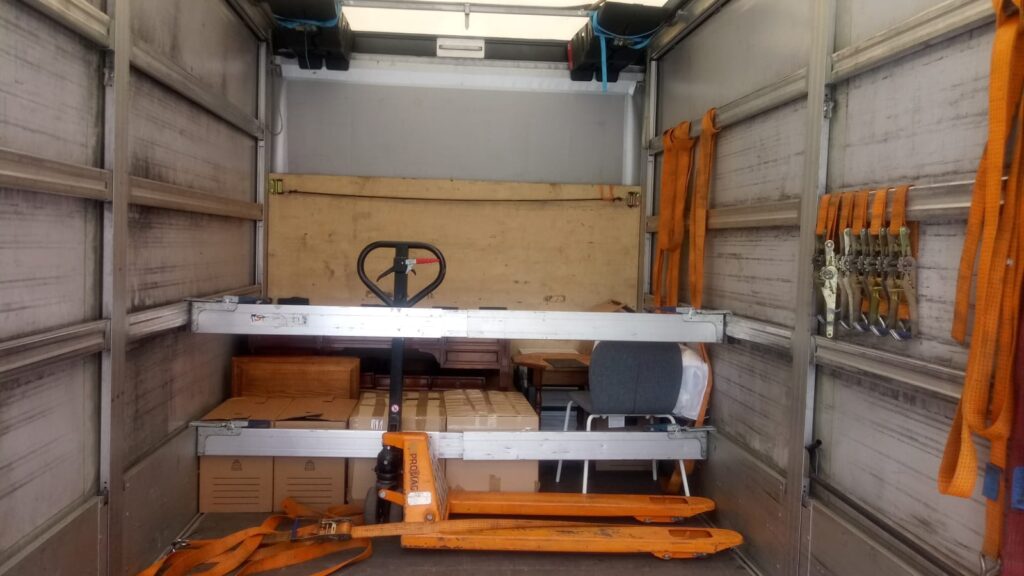
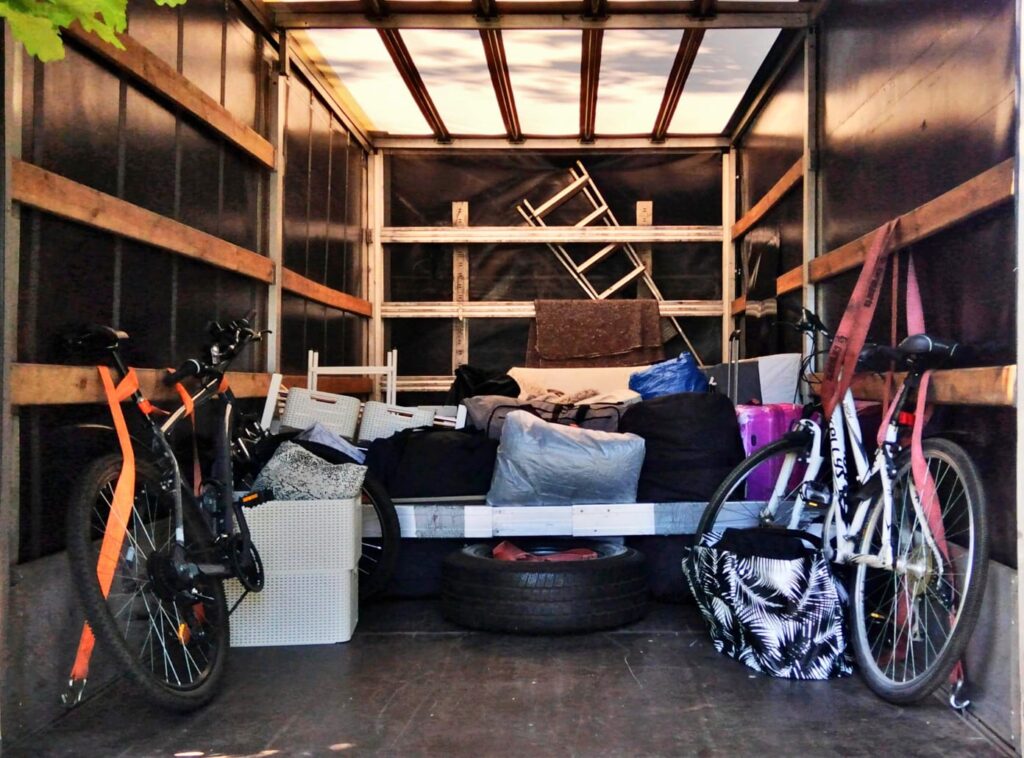
The most expensive saving is choosing a van that is too small. Tight stacking increases labour time and damage risk. It also triggers last minute changes that push your removals France to UK cost higher.
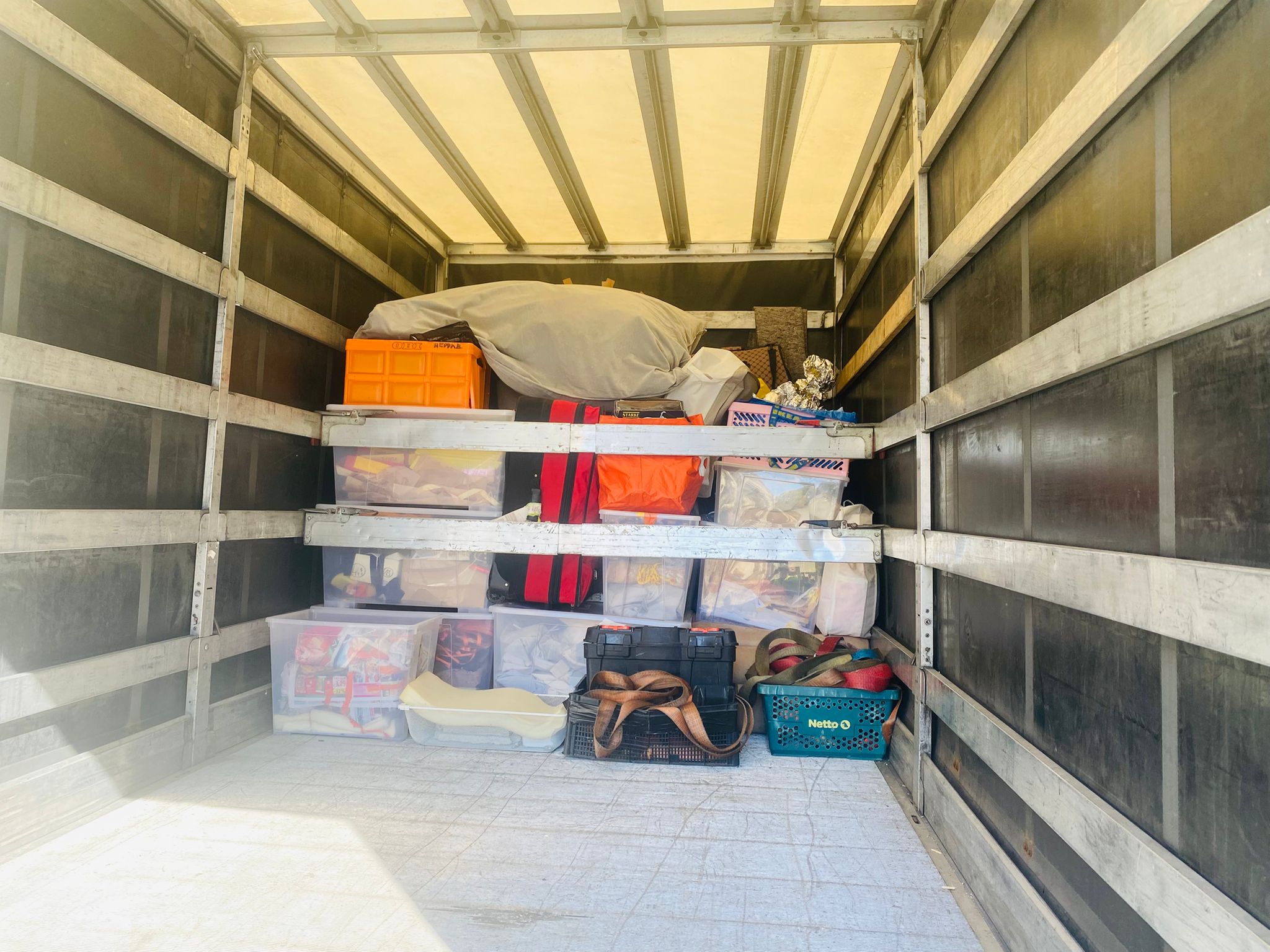
Aim for 10% to 15% breathing space. That space is not wasted. It is the room you need for blankets, corner guards, and safe strapping.
VANonsite vehicle sizes
| Option | Volume | Payload | Best for | Typical move style |
|---|---|---|---|---|
| Moving One | 1 m3 | 100 kg | micro loads, suitcases, a few boxes | direct man and van for essentials |
| Moving Basic | 5 m3 | 300 kg | boxes only, student room | direct or shared, budget friendly |
| Moving Medium | 10 m3 | 500 kg | single room move, light furniture | direct man and van for tighter windows |
| Moving Premium | 15 m3 | 1,100 kg | 1 to 2 bed load or furniture focused | direct preferred for safe spacing |
| Moving Premium Plus | 30 m3 | 3,500 kg | 2 to 3 bed load, bulky sets | direct for control, shared if flexible |
| Moving Full House XXL | 90 m3 | 20,000 kg | full household | quote based, planned loading |
Quick fit guide for budget focused moves
- Micro load: Moving One or Moving Basic, usually direct man and van is the cleanest option
- Boxes only: Moving Basic or Moving Medium, depending on box count and weight
- Student sized: Moving Basic or Moving Medium, direct often keeps timing and handling simple
- Furniture involved: size up one level, furniture needs spacing, protection, and secure strapping
Two fast checks that prevent wrong sizing:
- A medium box is about 0.05 m3. Forty medium boxes is about 2 m3 before any furniture.
- One book box can weigh 15 to 25 kg. Ten book boxes can add 150 to 250 kg quickly.
If you are between sizes, go up one level. It often costs less than damage, delays, or paying twice.
Crossings and routes: Eurotunnel vs ferry and time cost
Your crossing choice changes more than travel time. It changes your delivery window and, sometimes, labour timing at the destination.
Eurotunnel vs ferry
| Option | Best when | Watch outs | Typical time impact |
|---|---|---|---|
| Eurotunnel | you want speed and predictability | strict check in timing | often saves 1 to 3 hours |
| Ferry | you want flexibility and more sailing options | weather and peak queues | can add 1 to 4 hours |
How route choice affects delivery windows
- Eurotunnel often supports tighter delivery windows, which can reduce waiting time and missed handovers.
- Ferry routes can be excellent for flexibility, but the wider arrival range can push unloading into restricted times.
A practical example: if you are delivering to a building with a strict unloading slot, a faster, more predictable crossing can save money by avoiding waiting time.
The cheapest safe ways to reduce removals France to UK cost
If you want to reduce your removals France to UK cost, focus on savings that cut labour time and reduce damage risk. Those are the two things that quietly inflate budgets.
Five savings that actually work
- Declutter 20%
- Less volume means faster loading and, often, a smaller vehicle plan.
- Decluttering 20% can reduce handling time enough to change your price band.
- Choose a midweek pickup
- Midweek schedules are often calmer by 10% to 20%.
- You may get better route options and tighter delivery windows.
- Send access photos
- Two photos at both ends can prevent the most common pricing surprises.
- Photo 1: street view showing where the van can stop.
- Photo 2: the tightest hallway or stair turn.
- Build an accurate inventory in GBP
- Clear paperwork prevents delays, and delays are costly.
- A tidy inventory also helps the team plan protection and loading faster.
- Pack heavy items correctly
- Keep heavy boxes under 20 kg.
- Spread weight across more boxes instead of creating a few back breaking ones.
- It speeds handling and reduces damage from dropped boxes.
Savings that backfire
These look cheaper, but often raise the total cost.
- Choosing a van that is too small: tight stacking increases scuffs, labour time, and last minute changes.
- Vague inventories: paperwork delays can push delivery into a new window.
- Overpacking boxes: broken boxes cause repacking, delays, and damage.
- Ignoring access: if parking is 30 metres away and you did not mention it, labour time rises sharply.
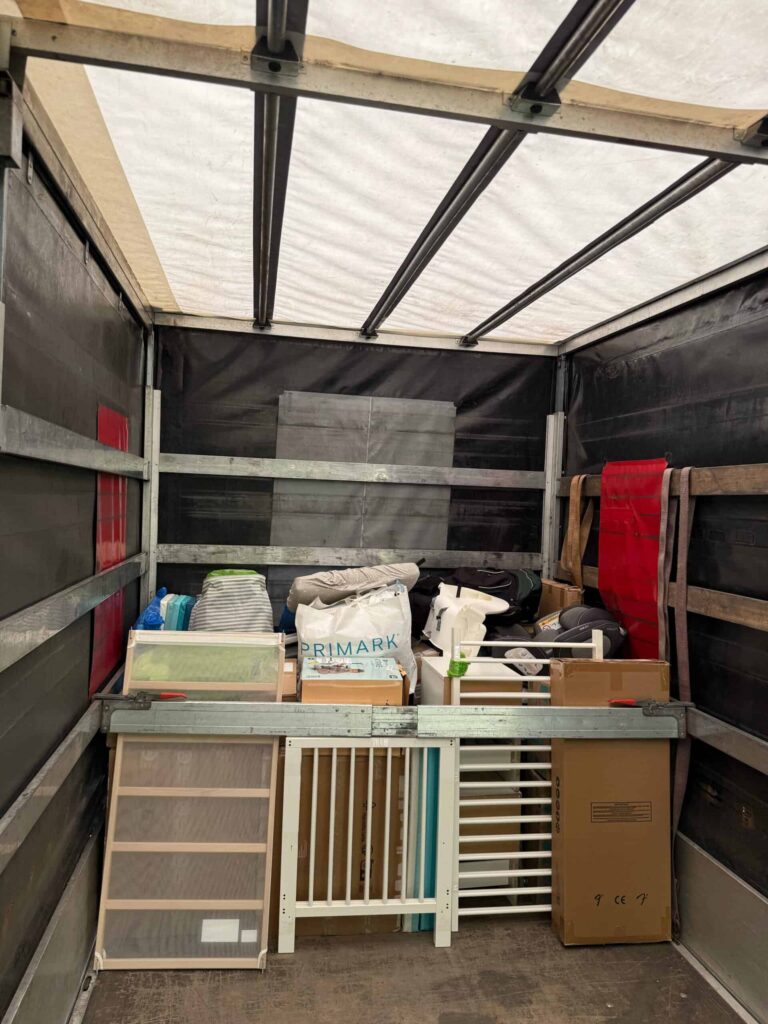
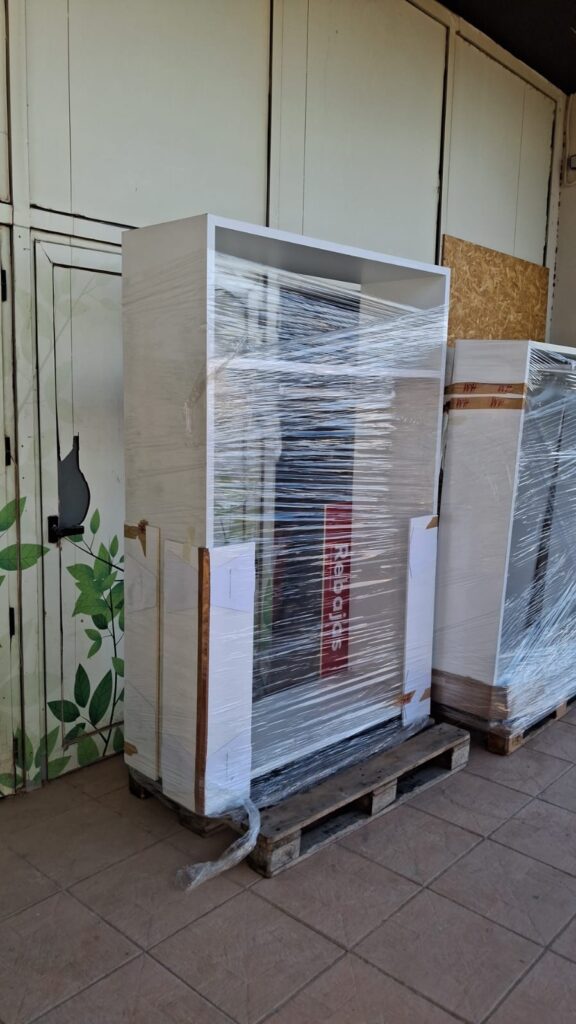
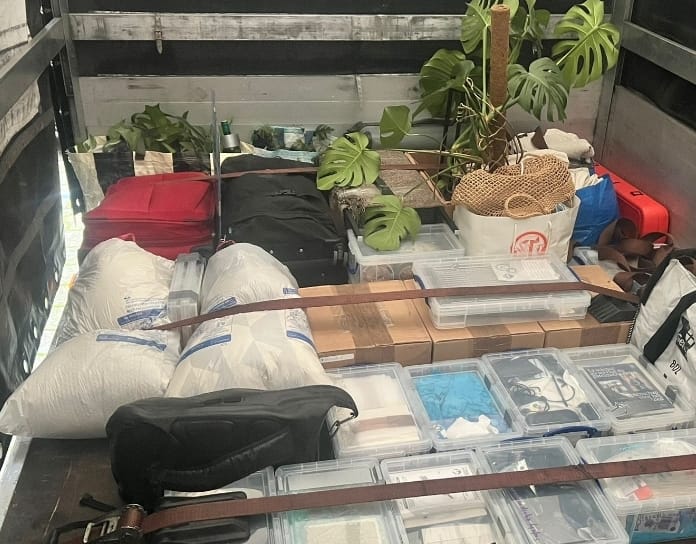
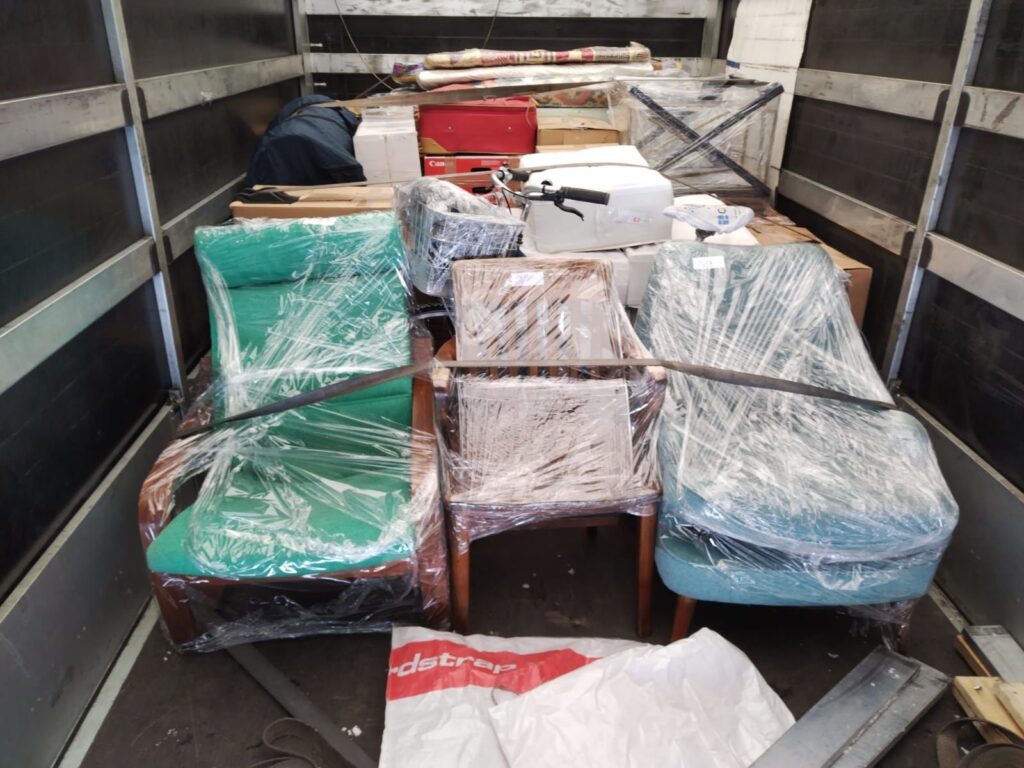
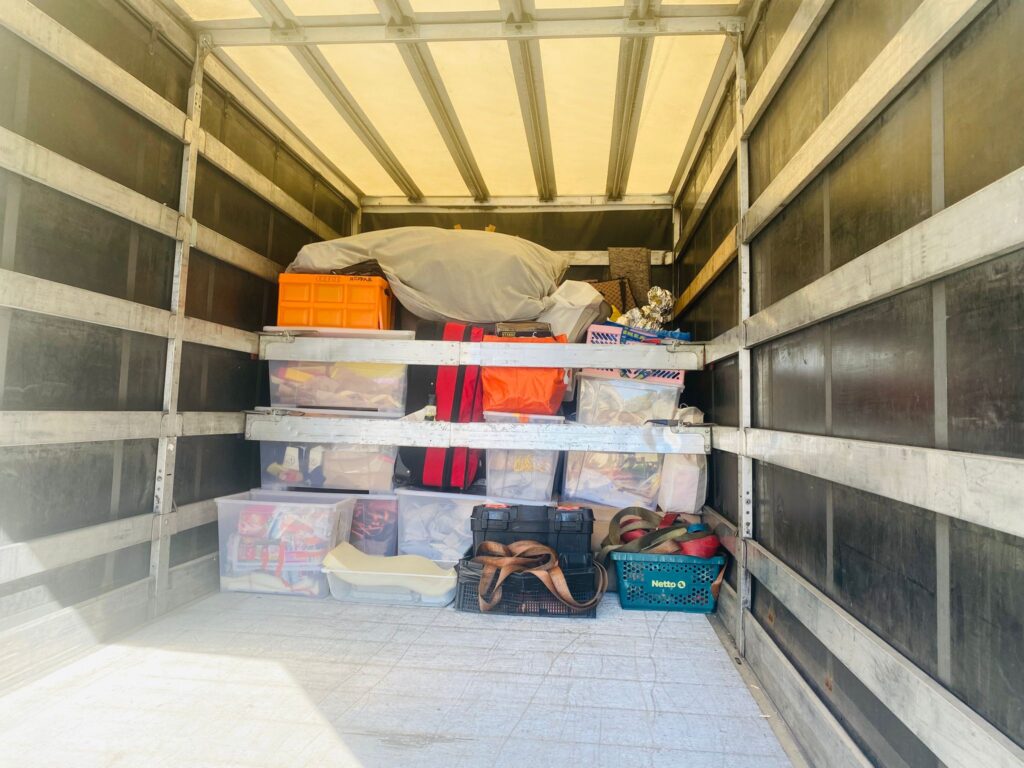
Why VANonsite is a smart choice for price and peace of mind
A cheaper quote is not always cheaper once you count delays, rehandling, and damage risk. The best value usually comes from control. Predictable timing. Clear communication. Safe handling.
VANonsite supports France to UK removals with premium handling, flexible vehicle sizing, and GPS tracking on every load. That visibility makes planning easier, especially when you are coordinating keys, parking windows, lifts, or a tight arrival day.
What you need vs how VANonsite supports it
| What you need | Why it protects your budget | How VANonsite supports it |
|---|---|---|
| Predictable timing | avoids extra nights, missed handovers | realistic windows and clear scheduling |
| Lower damage risk | prevents replacement costs | protection first loading and secure strapping |
| Visibility | reduces stress, prevents guesswork | GPS tracking on every load |
| Right vehicle size | avoids paying twice | scalable vehicle sizes with breathing space |
| Optional support | reduces packing mistakes | packing and white glove options |
Useful services:
FAQs
How much is removals France to UK cost for a small move
Most small moves land between £250 and £1,800. The lower end is boxes or suitcases with easy access. The higher end usually includes stairs, long carries, heavier items, or a tighter delivery window.
Is shared transport always cheaper
Often, but not always. Shared transport can reduce the headline price, but it can widen delivery windows and add handling touch points. If delays would cost you extra nights, missed handovers, or storage, direct transport can be better value.
What makes a quote jump last minute
Price jumps usually come from missing details, not hidden fees.
- underestimated volume or weight, especially books and tools
- access surprises, stairs, no lift, long carry distance
- narrow doors or tight turns that force disassembly
- furniture that needs protection time but was not mentioned
- vague inventory or missing values that slow border checks
Direct vs shared transport, which should I choose
Choose direct when timing is tight, the load is fragile, or you want fewer handling touches. Choose shared when you are flexible on dates and your load is mostly robust boxes.
A quick rule: if the delivery day matters to you, direct usually feels calmer.
Is man and van enough
Yes for compact loads, boxes, and a few items. It is often the cheapest safe option because it keeps handling simple.
For furniture heavy loads, choose a larger vehicle with 10% to 15% breathing space. Tight stacking is where scuffs and cracks happen.
What paperwork do I need
Passport or ID, UK address proof when relevant, and an itemised inventory in GBP with a statement that the goods are personal and not for resale.
Official guidance:
- Check how to declare personal goods you bring into or take out of the UK
- Transfer of Residence relief
- Bringing goods into the UK for personal use
How detailed should my inventory be
Detailed enough that a stranger can understand it without guessing.
- use clear item names
- include quantities and box numbers when possible
- add realistic second hand values in GBP
- separate brand new items and keep receipts
How do I avoid delays
- keep names and address formatting consistent
- use a clear inventory with values in GBP
- send access photos and mention stairs or long carries
- separate new items and keep receipts
What should I send to get an accurate quote
Send this list and the quote becomes realistic fast:
- pickup and delivery postcodes
- box count estimate
- top 5 biggest items
- heavy items, books, tools, gym equipment
- floor number, lift details, and parking distance at both ends
- two access photos, street stopping point and tightest hallway or stair turn
How do I estimate my load quickly
Use a simple rule of thumb.
- a medium box is about 0.05 m3
- 20 medium boxes is about 1 m3
- 40 medium boxes is about 2 m3
If furniture is involved, list your top 3 pieces with dimensions. It prevents wrong vehicle sizing.
Summary
A realistic removals France to UK cost comes down to three pillars: documents, capacity, and timing.
- Documents: a clear inventory in GBP prevents delays that push cost.
- Capacity: choose a van with 10% to 15% breathing space so items can be protected and strapped.
- Timing: plan access, parking distance, stairs, and tight turns early so labour time stays predictable.
If you want a quote that matches reality, share your pickup and delivery postcodes, your box count, and your top 5 biggest items. Add parking distance, stairs, and two access photos. Then choose direct or shared transport based on how urgent your delivery is and request a quote.