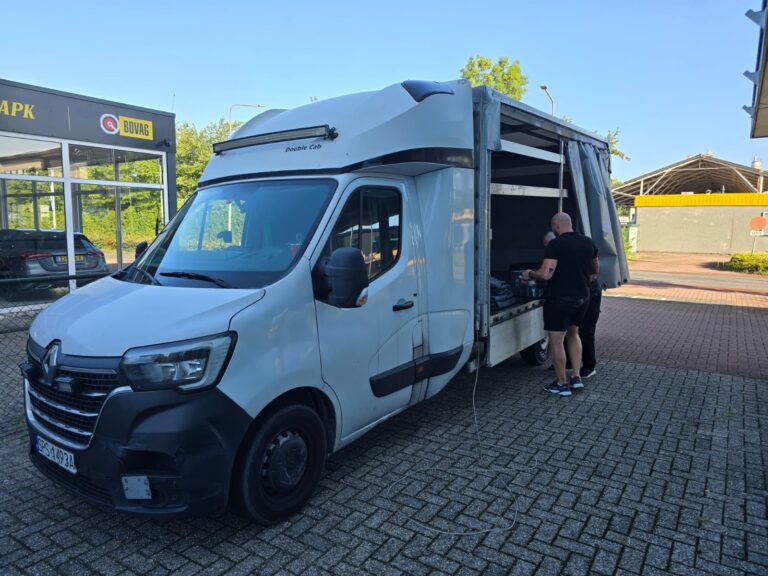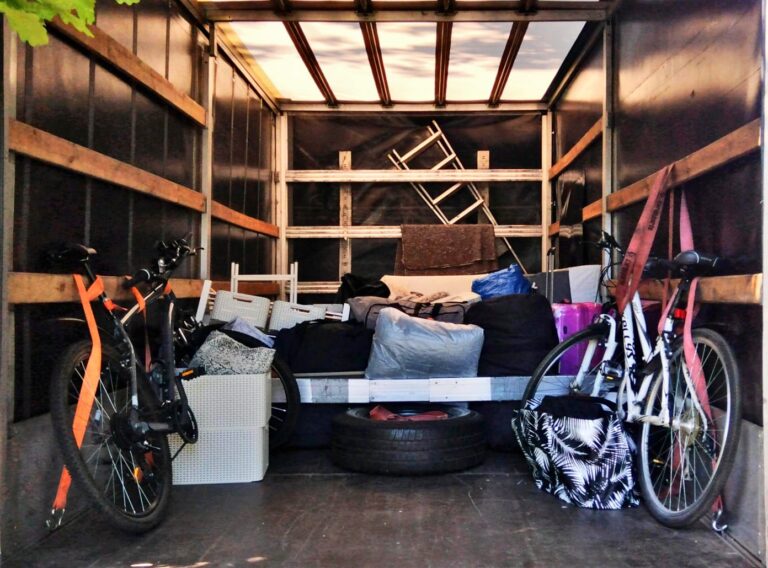

Removals from France to the UK are easiest to control when the move is planned as one connected operation: survey the load, choose the right capacity, prepare the customs information, confirm access and then fix the collection and delivery plan. Treating transport, paperwork and property access as separate last-minute tasks is how avoidable changes enter a move.
VANonsite coordinates household goods and furniture moves from France to England, Scotland and Wales. We assess the actual shipment rather than assuming that every one-bedroom or three-bedroom property needs the same vehicle. Enter both addresses and your preferred date below, then add an inventory, photographs or a video survey so the estimate can be checked against the real job.

A practical answer before you start
For a reliable France-to-UK move, prepare these five things first:
- The complete collection and delivery addresses, including floors and parking access.
- An itemised inventory with dimensions for bulky furniture.
- Photographs or a video survey showing both the load and the carrying route.
- Your preferred dates, with any genuinely fixed handover deadline identified.
- The customs and residence information relevant to the exact UK destination.
Once those inputs are clear, VANonsite can compare part-load and dedicated transport, confirm the handling requirements and set out what is included in writing. The purpose is not to make the move sound simple; it is to make the decisions visible before collection day.
Which UK destination does this page cover?
The term “UK” needs care in a customs context. England, Scotland and Wales form Great Britain. Northern Ireland can follow a different customs route for goods coming from the European Union. This page focuses on removals from France to Great Britain.
If your delivery is specifically in England, our removals from France to England guide covers English access and delivery planning. For Scotland or Wales, provide the full postcode from the start because the UK leg can be a substantial part of the journey.
Northern Ireland should be quoted separately. Do not rely on a Great Britain checklist for a Belfast or other Northern Ireland delivery without confirming the current requirements.
How VANonsite plans removals from France to the UK
1. Define the load
Start room by room. List furniture, appliances and cartons, including anything stored in a loft, cellar, garage, shed or separate storage unit. Count cartons by size and flag dense loads such as books, records, tools or gym equipment. Measure furniture that may be difficult to handle or dismantle.
A property description is useful context, but it is not a load survey. Two similarly sized homes can need different capacity because one has fitted furniture and the other has freestanding wardrobes, large sofas, garden equipment and stored belongings.
2. Check access before choosing the vehicle
The largest vehicle is not always the most useful one. A rural lane, height restriction, controlled courtyard or narrow city street may limit how close a vehicle can get. At both addresses, confirm:
- floor level and stair layout;
- lift dimensions and booking rules;
- legal parking position and approximate carrying distance;
- gates, height limits and narrow approaches;
- loading or delivery time restrictions;
- whether keys and building access will be available.
Photographs of the street, entrance and tightest internal turn make the handling plan more accurate. They can reveal the need for dismantling, additional protection or a different vehicle before the crew arrives.
3. Choose transport from the shipment, not the headline price
Part-load and dedicated transport solve different problems.
| Transport option | Appropriate when | Planning requirement |
|---|---|---|
| Part-load | The shipment is smaller or medium-sized and dates can fit a shared route | Accurate volume and a realistic collection and delivery window |
| Dedicated vehicle | The shipment is large, dates are fixed, the move is urgent or exclusive capacity is required | Confirmed inventory, access and route before capacity is reserved |
A part-load can be efficient when the consignment and timetable fit existing route capacity. It should not be selected solely because it is described as cheaper. A dedicated vehicle gives greater control over collection, routing and delivery, but the move still depends on access, border readiness and legal driving constraints.
If your consignment is smaller than a household move, compare small and part-load removals from France to the UK. That page explains shared capacity, compact vehicle options and the inventory details needed for an accurate quotation.
For a smaller furniture-only shipment, see furniture removals from France to the UK. For a complete household, use the France to UK house removals guide.
4. Confirm the written scope
The quotation should describe the route, agreed inventory, service type and access assumptions. It should also state whether packing, dismantling, reassembly, storage, additional stops and customs administration are included. If a service is important to the move, do not leave it implied.
France collection planning
Collection conditions vary more than country-level descriptions suggest. A ground-floor property outside Lille, an apartment in central Paris and a villa reached by a narrow road in Provence require different access and route planning.
For a city collection, check parking controls and the distance from the legal stopping point to the door. Shared entrances, small lifts and timed loading periods can affect the crew plan. For rural and mountain properties, provide photographs of the final approach, gate width and turning space.
If furniture will be dismantled, decide who is responsible before the quote is confirmed. Label the components and keep fittings in sealed bags attached to the correct item. Identify anything that cannot be dismantled or that requires specialist handling.
The final inventory should be ready before loading. Late additions can change capacity, weight, packing and customs information. If the load changes, send the revised list while the plan can still be adjusted.
Customs planning for Great Britain
Household goods moving from France to Great Britain can require UK import formalities. Someone transferring their normal residence may be able to claim Transfer of Residence relief on qualifying personal belongings, but eligibility and approval belong to HMRC.
Current GOV.UK guidance says an applicant generally needs to have lived outside the UK for at least 12 consecutive months, import the goods within 12 months of coming to live in the UK and have possessed them for at least six months. The goods must normally continue to be used for the same purpose. Exceptions and exclusions apply, and relief must not be described as automatic.
HMRC says a ToR1 application should be completed before the belongings are shipped when the relief is being claimed. The reference can then support the import declaration. Alcohol, tobacco, commercial vehicles and restricted goods do not follow the same treatment as ordinary used household possessions.
Read the current official guidance before dispatch:
- Moving personal belongings to the UK — GOV.UK
- Transfer of Residence to Great Britain — GOV.UK
- Application for Transfer of Residence relief — GOV.UK
The exact document pack depends on the customer, goods and destination. It can include identification, proof of residence, an itemised inventory, evidence relating to the move and the HMRC reference. VANonsite can coordinate the transport information and explain the booking requirements; HMRC or the appointed customs representative determines the declaration and relief position. Our customs-clearance service explains the transport workflow.
Build an inventory that works for transport and customs
Use one master inventory for the quotation, loading check and document preparation. Number cartons and write a short, specific description. “Used clothing”, “personal books” or “kitchen utensils” is more useful than “miscellaneous”. List furniture and appliances separately.
| Inventory field | Example | Why it matters |
|---|---|---|
| Item number | Box 12 | Lets the load be checked at collection and delivery |
| Description | Used personal books | Makes the contents understandable without opening the carton |
| Quantity | 1 carton | Supports the total carton count |
| Handling note | Dense; do not stack on fragile items | Helps the loading order |
| Destination room | Study | Speeds delivery |
Keep passports, keys, medicine, customs references and essential records with you. Do not pack them inside the removal load.
Tell VANonsite before collection if the shipment includes new purchases, commercial equipment, alcohol, tobacco, food, plants, a vehicle, batteries or another restricted category. These items may need additional checks and must not be hidden inside a general household list.
Packing for a road and Channel journey
International removals involve vehicle movement, road vibration and a crossing. Protection should match the item and the number of handling stages.
Use strong cartons and keep dense items in smaller boxes. Fill empty spaces so contents do not move. Protect furniture edges and upholstered surfaces. Glass, mirrors, artwork, stone, electronics, antiques and high-value pieces should be identified during the survey, not after the vehicle arrives.
Professional packing services can cover the entire property or only fragile and bulky items. The decision should be written into the scope so materials and labour are planned. If you pack yourself, complete it before collection and keep walkways clear.
A loading plan is part of protection
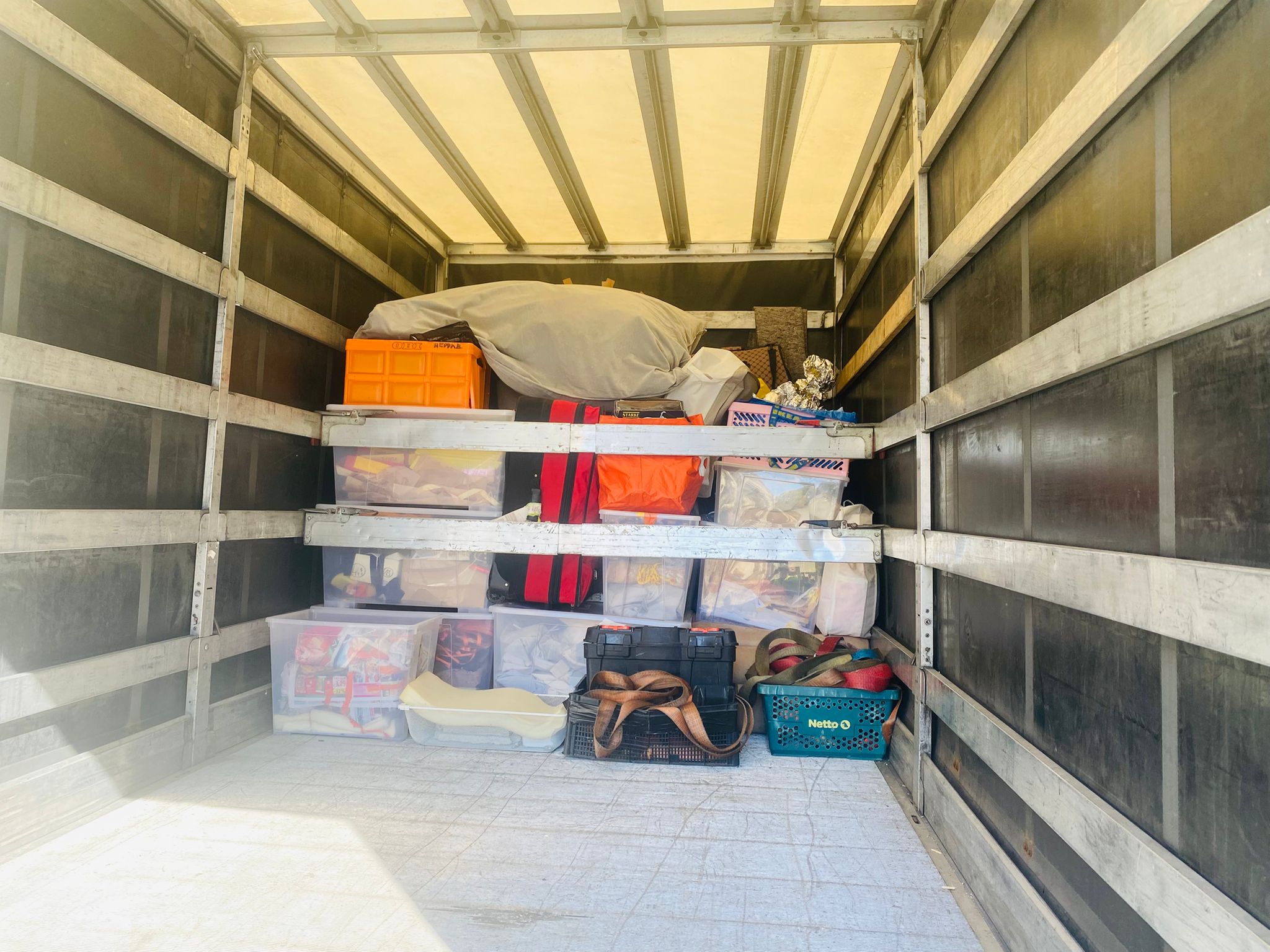
Protection materials alone are not enough. The vehicle must be loaded in a stable order, with heavy pieces positioned safely and fragile items protected from pressure. Furniture components and fittings should remain traceable. At delivery, the numbered inventory directs cartons to the correct rooms and makes discrepancies easier to identify.
What changes the schedule?
Transit time depends on collection location, UK destination, service type, route availability, access and customs readiness. A collection in northern France with delivery in South East England is not the same schedule as southern France to Scotland.
VANonsite may be able to provide a 1–3 day transit after collection for an appropriate dedicated last-minute route. This is one of our last-minute moving options, not a universal promise. Part-load services, longer routes, access constraints and border processing require a wider confirmed window.
Before fixing travel or key handovers around the delivery, use the window stated for your move. Notify VANonsite immediately if property access, completion dates or the inventory changes.
What affects the price?
The main price drivers are:
- usable load volume and weight;
- exact road route and Channel crossing;
- collection and delivery access;
- part-load or dedicated capacity;
- packing, dismantling and specialist handling;
- date flexibility and any fixed deadline;
- additional stops, storage or waiting;
- customs-administration scope.
The price should follow the evidence. Use the automatic estimate for an initial benchmark, then provide the inventory and access details for a confirmed quotation. Our dedicated France to UK removals cost guide explains how to compare written offers without relying on misleading generic averages.
Two route scenarios
A smaller move from Paris to Manchester
The load contains 24 cartons, a desk, a dismantled bed and two chairs. Collection is from a third-floor apartment with a small lift, and delivery is to a terraced house where parking is controlled.
The survey must confirm what fits in the lift, the carrying distance and whether the bed components can be handled safely. Because the dates are flexible, both part-load and dedicated transport can be considered. The decision depends on available capacity and the required delivery window.
A household move from Provence to Edinburgh
The shipment includes furniture, appliances, garden equipment and fragile artwork. The collection property has a narrow approach and the move is tied to a fixed handover.
This needs a video survey, measured volume, access photographs, a packing plan and early document preparation. Dedicated capacity may be the appropriate option, but it should be confirmed from the full scope rather than assumed from the property size.
These examples show how VANonsite works as a removals specialist: the recommendation comes from the route and shipment, not from repeating one standard package.
Collection and delivery checklist
Before collection
- Confirm the final inventory and item numbers.
- Keep documents, keys and essentials outside the load.
- Agree parking and building access.
- Mark fragile and high-value items.
- Confirm who dismantles and reassembles furniture.
- Share the collection contact and any time restriction.
At delivery
- Confirm the legal stopping position and entrance access.
- Direct cartons using destination-room labels.
- Check numbered items against the inventory.
- Confirm furniture placement before assembly.
- Report any discrepancy or visible damage promptly under the agreed terms.




Frequently asked questions
Do I need customs documents for removals from France to the UK?
For delivery to England, Scotland or Wales, UK import formalities can apply. The exact requirements depend on the goods and circumstances. Transfer of Residence relief may be available to eligible customers, but HMRC decides eligibility and approval.
Can I move only a few boxes or pieces of furniture?
Yes, subject to the goods, route and available capacity. A smaller load may suit a part-load or an appropriately sized dedicated vehicle. Send the item list and both addresses so the option can be assessed.
Is part-load always the cheapest service?
No. It can be efficient when the load and dates fit a shared route. A fixed deadline, difficult access or a large shipment may make dedicated transport the better choice. Compare the complete scope, not only the headline total.
How long do removals from France to the UK take?
The confirmed window depends on the origin, destination, service type, availability, access and customs readiness. A dedicated last-minute route can sometimes provide 1–3 day transit after collection, but this does not apply to every move.
Can the quote be confirmed from a bedroom count?
No. Bedroom count is only context. A confirmed quotation needs the inventory, bulky-item dimensions and access details. Photographs or a video survey may be required.
Does VANonsite pack and dismantle furniture?
Packing, dismantling and reassembly can be included when agreed in the quotation. State what you need during the survey so labour and materials are planned before collection.
Request a France-to-UK removals quote
Enter both addresses and the preferred collection date in the estimator. Then send the inventory, photographs and access information. VANonsite will assess the real load, compare suitable transport options and confirm the scope before booking.
For a complex route or specialist item, contact VANonsite and include the dimensions, photographs and handling requirements from the start.