
Leaving Germany for Spain can feel electric at first. More sunlight. A softer rhythm. Longer evenings. The thrill of a fresh chapter. Then reality steps in with boxes, IDs, contracts, chargers, dining chairs, and one stubborn thought circling in your head: how do you move your whole life across Europe without turning the process into chaos?
The good news is that moving from Germany to Spain does not have to feel messy, vague, or exhausting. With the right man and van service, clear planning, and a vehicle that actually fits your load, the journey becomes far more organised. Instead of juggling guesswork, delays, and rising stress, you get structure, visibility, and a safer route for everything you care about.
This guide gives you the practical answers first. It covers cost, documents, packing, van sizes, timelines, furniture transport, urgent moves, and the smartest way to handle moving from Germany to Spain with more confidence and less friction.
TL:DR
- Moving from Germany to Spain is usually easiest by road because it gives you more flexibility, fewer handling points, and better control over timing.
- A man and van service is ideal for students, couples, families, urgent moves, furniture transport, and long-distance European relocations.
- Costs depend mainly on route length, total volume, property access, urgency, and whether you need packing or premium handling.
- EU citizens usually face a simpler process, but you still need to prepare address, ID, registration, and local paperwork for Spain.
- Choosing the right van size is crucial because it affects speed, load safety, and the total cost of the move.
- GPS tracking adds peace of mind by giving visibility throughout the journey from Germany to Spain.
- VANonsite makes moving from Germany to Spain smoother with flexible vehicle sizes, careful handling, and practical support across Europe.




What is the easiest way to handle moving from Germany to Spain?
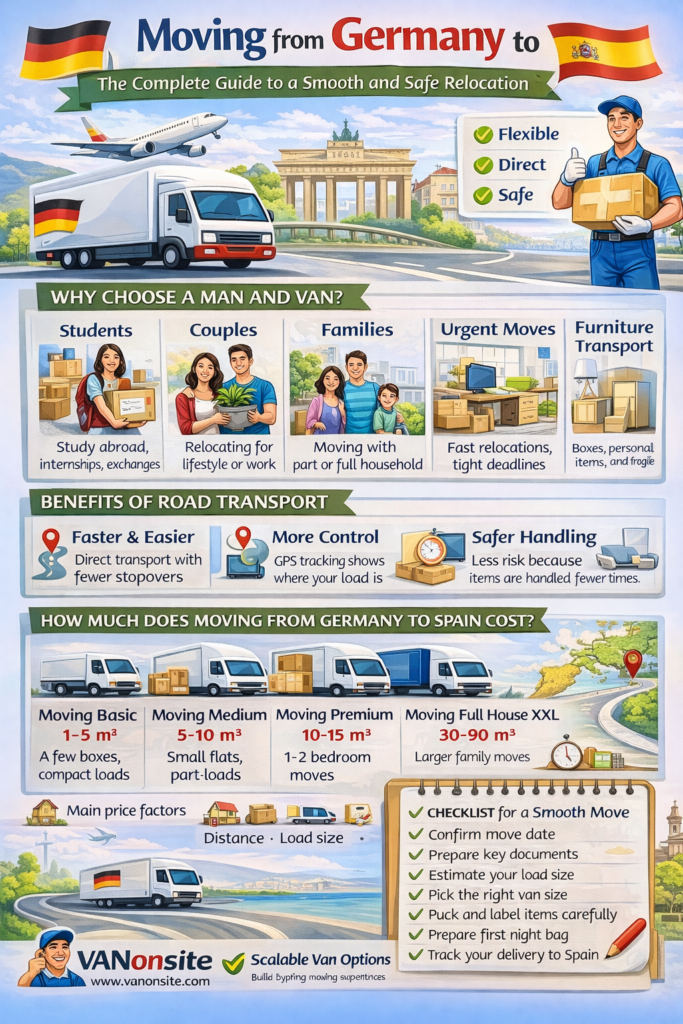
For most people, road transport is the simplest and most practical option. It is flexible, direct, and easier to manage than fragmented transport chains. That matters because every extra stop, transfer, or handling point can raise the risk of delays, confusion, and damage.
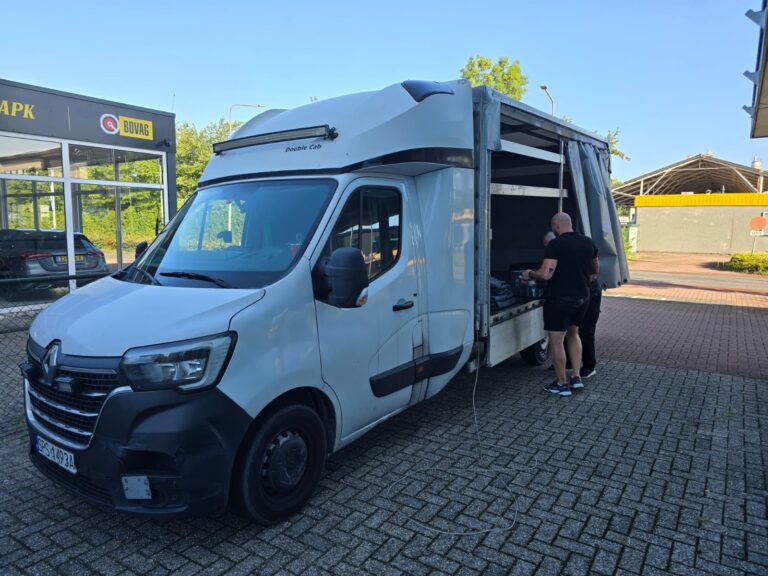
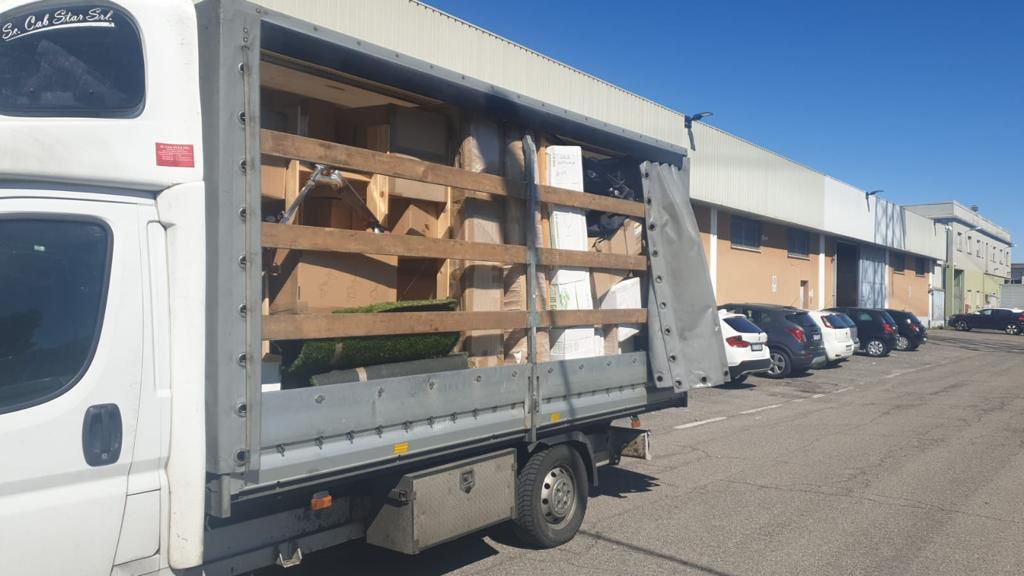
This is exactly why moving from Germany to Spain works so well with a dedicated man and van setup. Your belongings can be collected at your German address, loaded securely, and transported across Europe with far fewer touchpoints than bulkier logistics systems. That creates a move that feels cleaner, quicker, and much less stressful.
It also brings something many people underestimate at the start: mental clarity. A cross-border move already comes with paperwork, address changes, utility cutoffs, travel planning, and a dozen tiny tasks that seem harmless until they pile up. The easier the transport structure is, the less pressure lands on your shoulders.
There are three powerful advantages here:
- More speed, because your belongings spend less time waiting in depots
- More control, because the route is easier to track and plan around
- More safety, because fewer transfers usually mean less wear, pressure, and damage risk
That combination matters because a long-distance move is rarely stressful for one dramatic reason. It is stressful because small uncertainties stack up. Where is the van now? Will the delivery be on time? Will the furniture be handled carefully? Will the move drag into extra days? A well-organised road move cuts down those doubts before they start growing.
A successful move is not only about distance. It is about protecting your time, your energy, and the familiar objects that make a new place feel like home. When the route is clear and the transport is organised, the whole relocation stops feeling like a maze and starts feeling like progress.
Road transport also works especially well for people who want more realistic scheduling. Flights, rental handovers, work start dates, school plans, and hotel stays all become easier to coordinate when your belongings are travelling in a simpler chain. In many cases, the real luxury is not speed alone. It is predictability.
This is where a man and van solution often outperforms bulkier systems. It can adapt more easily to real addresses, tighter access points, and changing timing. If you are moving from a city apartment in Germany to a townhouse in Spain, or from one busy urban centre to another, flexibility becomes a major advantage rather than a nice extra.
VANonsite supports this with flexible European transport, GPS tracking for every load, and vehicle sizes that work for everything from a few boxes to a full property relocation. That combination gives people something priceless during a big move: peace of mind.
Who should choose a man and van from Germany to Spain?
Not every relocation needs a giant lorry or an oversized logistics plan. In fact, a man and van from Germany to Spain is often the sharper and more cost-effective option, especially when flexibility matters.
This type of service is a strong fit for:
- students moving to Spain for study, internships, or exchange programs
- couples relocating for work, lifestyle, or a fresh start
- families moving part-loads or full household contents
- professionals with urgent move dates
- people sending furniture, boxes, and fragile personal items
- businesses planning office removals from Germany to Spain
It is also a very smart option for people whose move does not fit neat categories. Maybe you are not moving a full household, but far more than a car can handle; Maybe you are taking selected furniture, a bike, boxed clothing, and work equipment. Maybe you are splitting the move into stages. That is exactly where a man and van service shines.
For students, it keeps the move lean, for couples, it balances space and value and for families, it offers a structure that can scale without feeling unnecessarily heavy. For businesses, it gives timing and control that matter when downtime costs real money.
A man and van setup is often more agile than larger freight options. It works especially well when the move needs doorstep delivery, better timing, tighter scheduling, and a more personal level of control. If the load is too big for a car but too small for a full-scale removal truck, this is often the sweet spot.
Another reason people choose it is emotional, not just practical. Big freight systems can make a move feel distant and impersonal. A smaller, more direct transport setup tends to feel clearer, more responsive, and easier to trust. When your belongings are crossing the length of Europe, that feeling matters.
How much does moving from Germany to Spain cost?
This is one of the first questions people ask, and for good reason. Before the packing starts, before the paperwork stack grows, and before the moving day pressure kicks in, most people want to know what will shape the budget.
The honest answer is simple: the cost of moving from Germany to Spain depends on distance, volume, timing, and handling needs. A move from Munich to Barcelona will not feel the same as a move from Hamburg to Valencia. Two similar flats can also generate very different quotes if one building has easy lift access and the other means carrying furniture down four narrow flights of stairs.
That is why the smartest movers do not focus only on the cheapest number. They focus on value. A lower price can lose its shine very quickly if it comes with poor planning, weak communication, limited flexibility, or no visibility once the load is on the road. The stronger question is not simply “what is the quote?” but “what does this quote protect?” Timing, communication, careful handling, and route clarity all have value, especially when your belongings are crossing more than 1,500 km.
| Move type | Typical volume | Best vehicle | Best for |
|---|---|---|---|
| A few boxes and luggage | 1 to 5 m3 | Moving One or Moving Basic | Students, light moves |
| Studio or small flat | 5 to 10 m3 | Moving Medium | Singles, couples |
| 1 to 2 bedroom home | 10 to 15 m3 | Moving Premium | Standard home removals |
| Large family move | 15 to 30 m3 | Moving Premium Plus | Multi-room households |
| Full house relocation | up to 90 m3 | Moving Full House XXL | Complete home moves |
In real terms, most people moving from Germany to Spain fall into one of three broad categories:
- a compact move with luggage, boxes, and a few essentials
- a mid-size relocation with furniture, kitchen items, and daily-use belongings
- a full household move where volume, timing, and protection all matter at once
The main price drivers are usually:
- distance between German and Spanish cities
- total load size
- access conditions at both addresses
- packing support required
- urgency and last minute timing
- special handling for delicate or premium items
Distance shapes fuel, route planning, and transport time. A direct route is one thing. A move involving complex urban access, delivery windows, or harder parking conditions is another.
Load size matters because it defines what vehicle is needed. A smaller student move may fit easily into a compact vehicle. A family relocation with wardrobes, beds, appliances, and dozens of boxes will need much more space and weight capacity.
Access conditions can quietly change the entire job. No lift, restricted loading zones, narrow staircases, and long carry distances can all increase labour time. This is why two moves with nearly identical volumes may still be priced very differently.
Packing support affects the total cost too, yet it often saves time and lowers the risk of damage. That can be a smart investment if the move includes fragile items, premium furniture, or a tighter schedule.
Urgency matters because flexibility becomes part of the price. If the move needs to happen fast, transport planning must become sharper and vehicle availability more precise.
Special handling matters when the load includes antiques, fragile mirrors, premium furniture, delicate electronics, or artwork that needs more than standard care.
There is also a hidden factor many people forget at first: wasted space. If the vehicle is too large, you may pay for room you do not really need. If it is too small, the move can become slower, more stressful, and more expensive once repacking, delays, or extra transport needs enter the picture.
A smart vehicle choice can protect both the budget and the moving day itself. VANonsite offers a broad range of options, which makes it easier to match the service to the real shape of the move rather than forcing the move into a one-size-fits-all setup.
| Vehicle option | Capacity | Max load | Typical fit |
|---|---|---|---|
| Moving One | 1 m3 | 100 kg | documents, essentials, very light moves |
| Moving Basic | 5 m3 | 300 kg | students, luggage, compact part-loads |
| Moving Medium | 10 m3 | 500 kg | studio flats, lighter apartment moves |
| Moving Premium | 15 m3 | 1100 kg | standard home removals |
| Moving Premium Plus | 30 m3 | 3500 kg | larger households, bulky furniture |
| Moving Full House XXL | 90 m3 | 20000 kg | complete property relocations |
A useful rule of thumb looks like this:
- 1 to 5 m3 often suits student or essentials-only moves
- 5 to 10 m3 works well for studio flats or compact apartments
- 10 to 15 m3 often fits many standard 1 to 2 bedroom moves
- 15 to 30 m3 usually suits larger family relocations and bulkier furniture
- up to 90 m3 is built for full-house moves with everything included
If you are unsure, it is always wiser to estimate honestly than to guess bravely. A quote based on the wrong volume can look attractive on paper and then unravel under real conditions. The smoother, safer move is usually the one built on a realistic understanding of your load from the start.
What documents do you need when moving from Germany to Spain?
For EU citizens, the process is usually simpler than many people expect, but paperwork still matters. A move can feel smooth on the road and still become frustrating later if the documents are not ready when you need them.
In most cases, you should prepare:
- valid passport or national ID
- proof of address in Spain
- rental contract or property documents
- NIE related paperwork if applicable
- registration documents for local town hall procedures
- inventory list for transported items
These documents matter for different reasons. Your ID confirms identity. Your Spanish address helps with registration and daily admin. Property documents can support local procedures. An inventory list helps keep control of what is being transported and can be useful for practical organisation.
For official guidance, EU citizens can check the Your Europe residence rights information. For Spanish procedures related to foreign nationals, registration, and identity matters, it is best to rely on official Spanish administration websites such as the Spanish Ministry of Inclusion, Social Security and Migration and the Administración del Gobierno de España.
The golden rule is simple: keep this practical. Do not drown yourself in legal jargon. Keep printed and digital copies of the important documents, store them in one place, and make sure they stay with you rather than inside the main load.
It also helps to separate your paperwork into three clear groups:
- identity and travel documents, such as passports or national ID cards
- address and residence documents, such as rental agreements and local registration paperwork
- moving documents, such as your transport inventory and any booking confirmations
That small habit can save hours because it prevents every important paper from ending up in one messy folder or the wrong box. It also makes arrival day much smoother when you suddenly need to show a document quickly instead of digging through luggage under pressure.
For many EU citizens moving to Spain, the most important practical steps after arrival often involve local registration, proof of address, and identity-related procedures. That is why the paperwork should not be treated as a separate admin burden. It is part of the move itself. A strong transport plan gets your belongings there. Strong paperwork helps your life start properly once you arrive.
A simple printed backup is also worth having, even if everything is stored digitally. Batteries die. Internet access disappears. Phones go missing at the worst possible moment. Paper copies may feel old-fashioned, but in a cross-border move they can be unexpectedly valuable.
If you are moving with children, pets, or high-value belongings, your document list may grow. In those cases, it is wise to review the specific official requirements early and keep everything together well before moving day. Preparation may not feel exciting, but it reduces stress more dramatically than almost any other admin task in the whole process.
Can you move furniture and personal belongings from Germany to Spain safely?
Yes, absolutely, but only when the move is handled with real care.
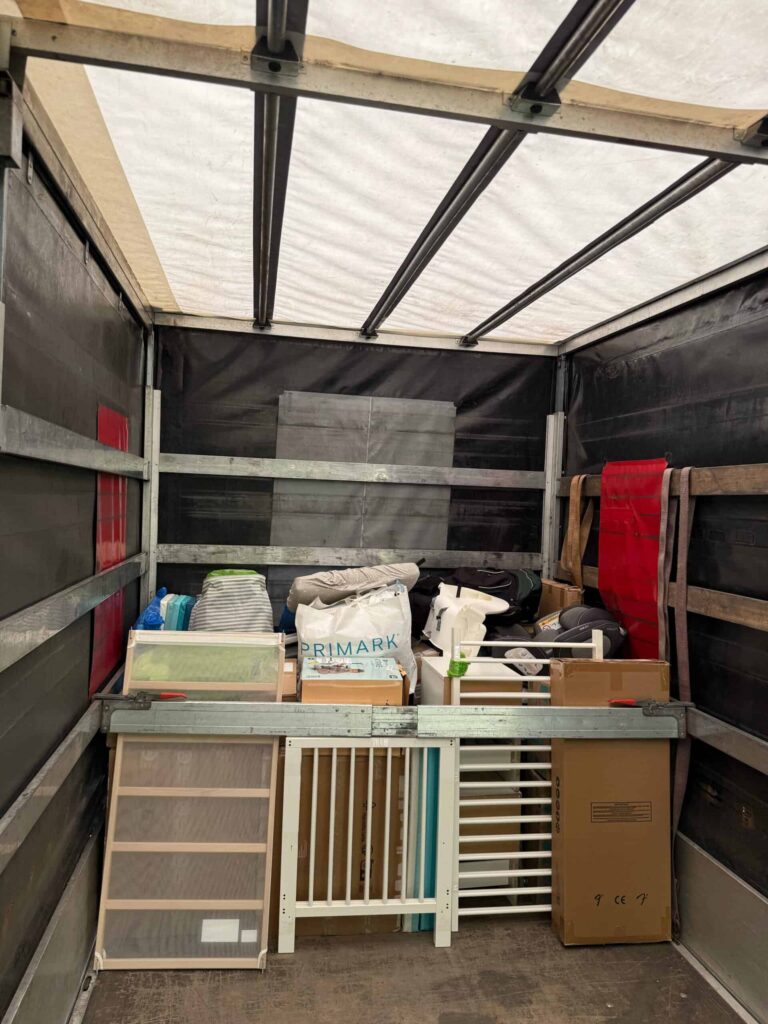
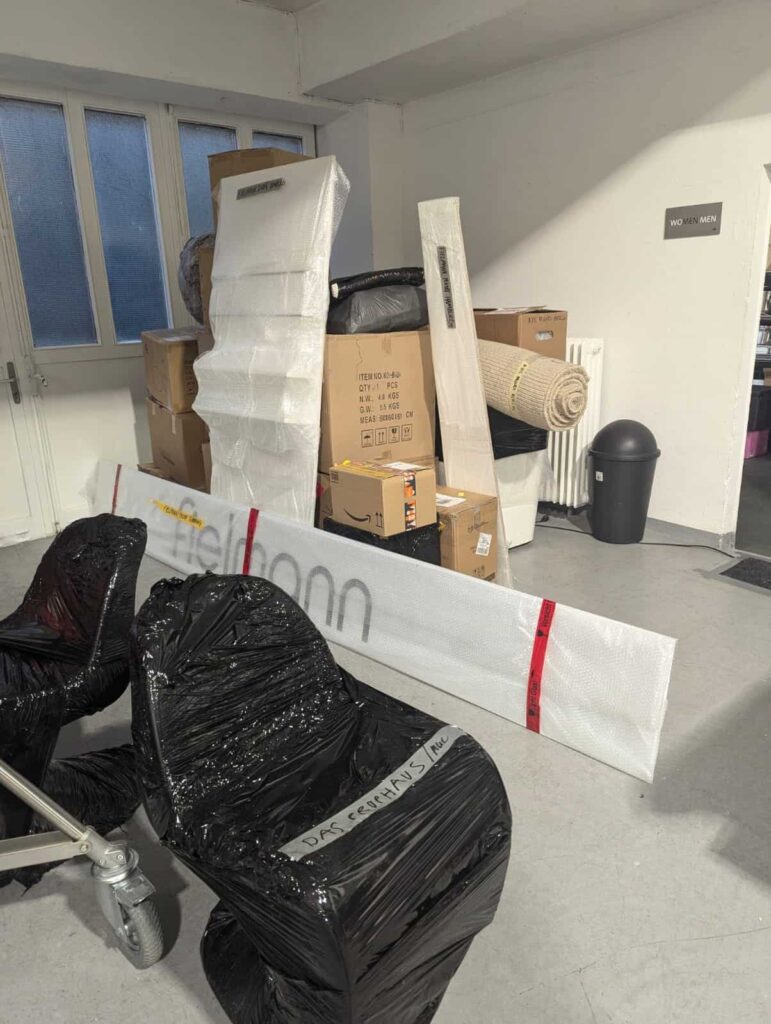
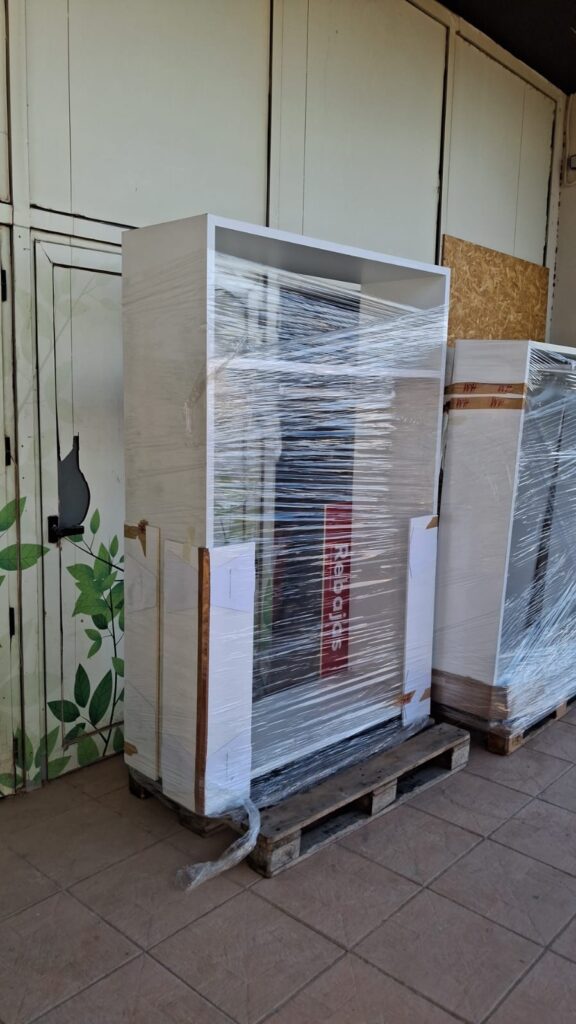
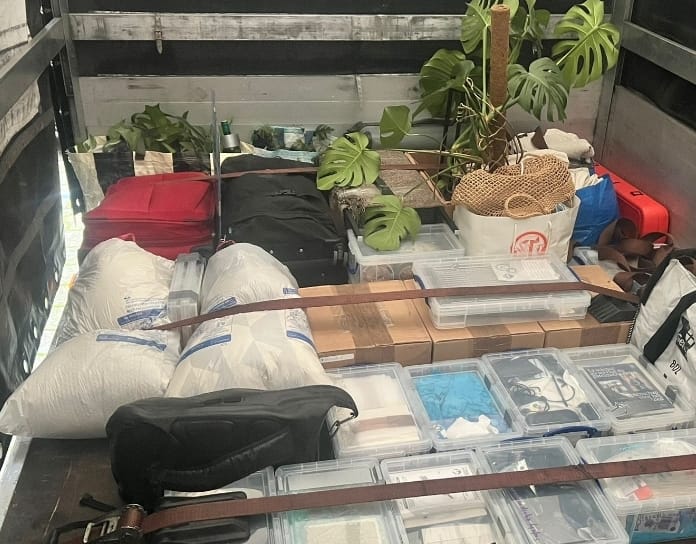
Most standard removals from Germany to Spain include furniture, boxed household goods, personal belongings, electronics, clothing, books, and all those everyday items that do not seem dramatic until you need them on your first night in the new home. The challenge is rarely whether these things can travel. The challenge is whether they can arrive in Spain intact, organised, and ready to make your new place feel like home rather than a storage unit full of mystery boxes.
The difference between a smooth relocation and a stressful one often comes down to four things:
- clear labelling
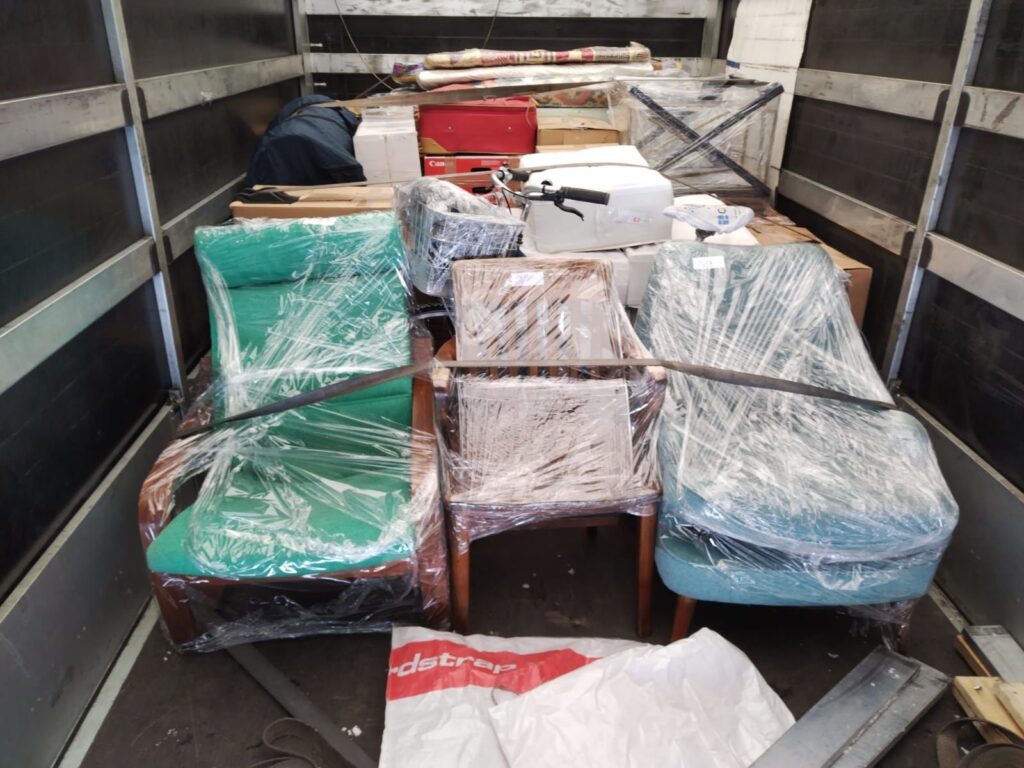
- strong protective wrapping
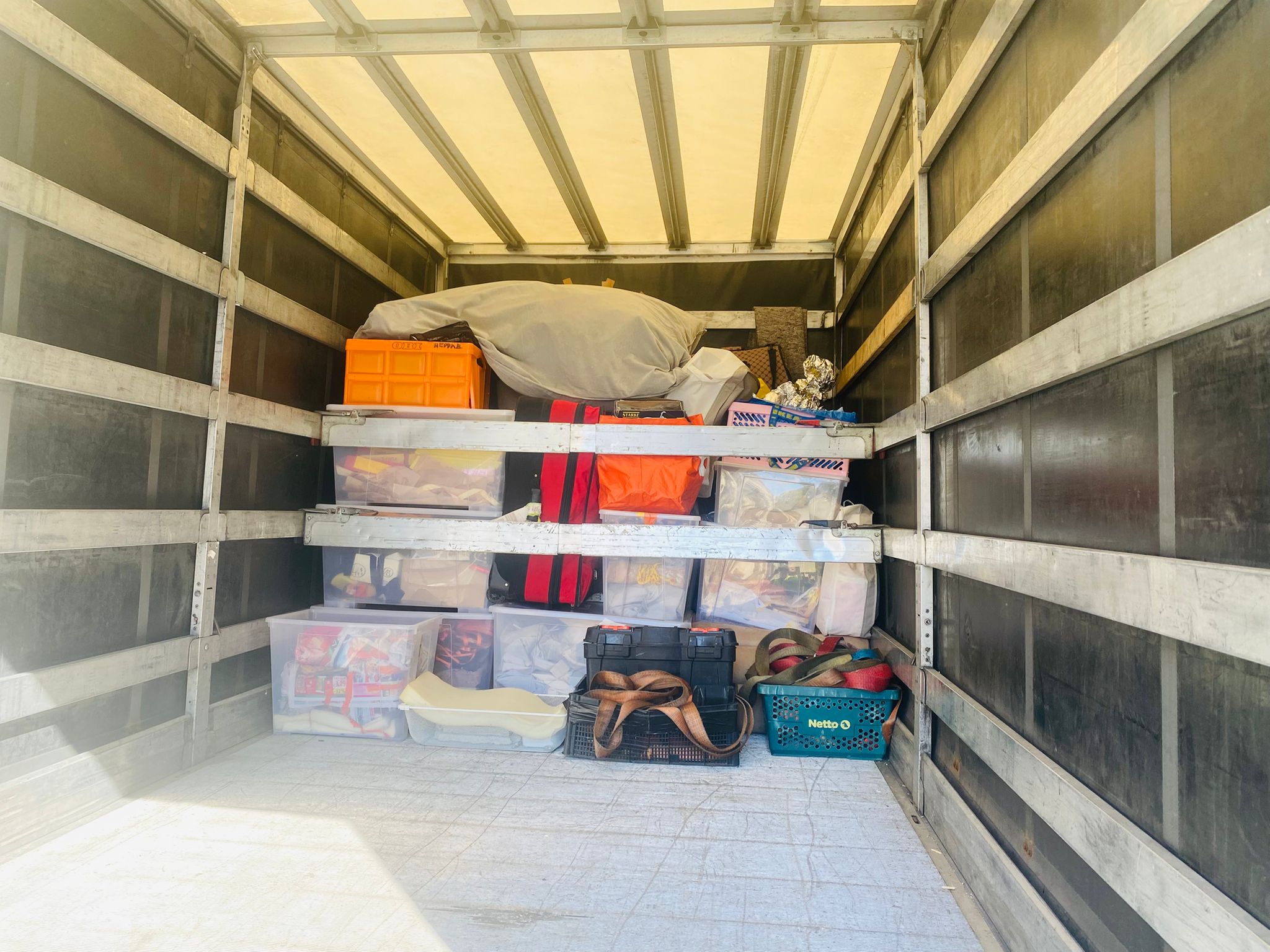
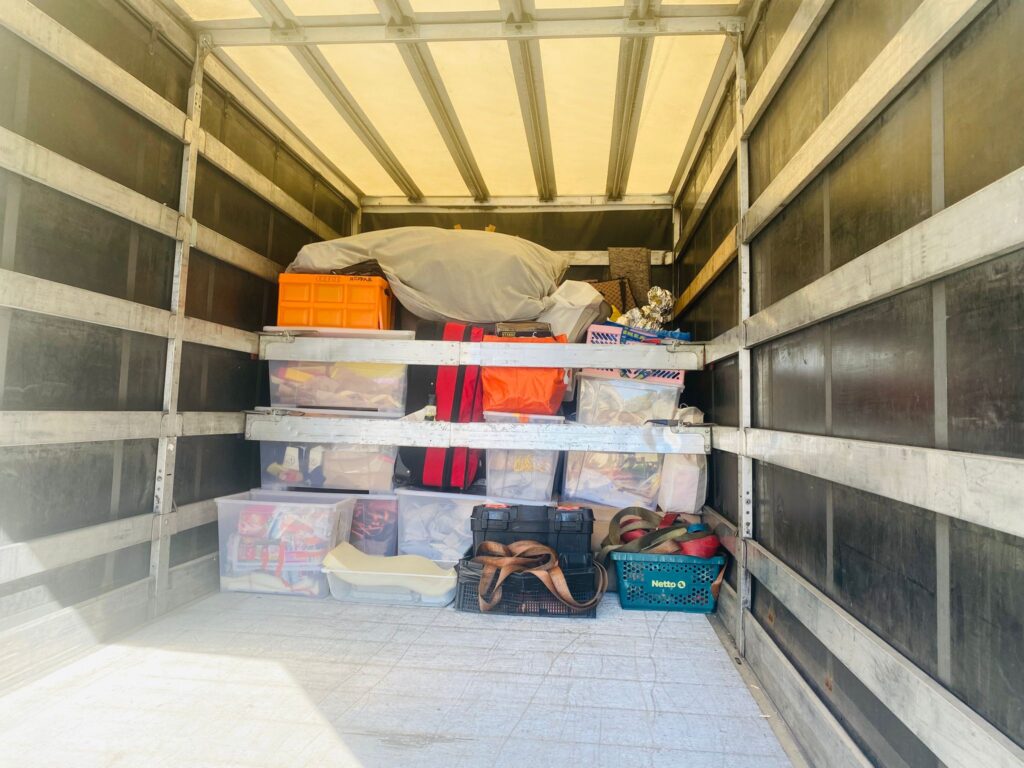
- stable loading
- fewer unnecessary handling points
Those four points may look simple, yet they shape almost everything. Labels reduce confusion. Wrapping lowers breakage risk. Stable loading protects furniture during long road miles. Fewer handling points mean fewer chances for dents, scratches, and delays to creep into the move.
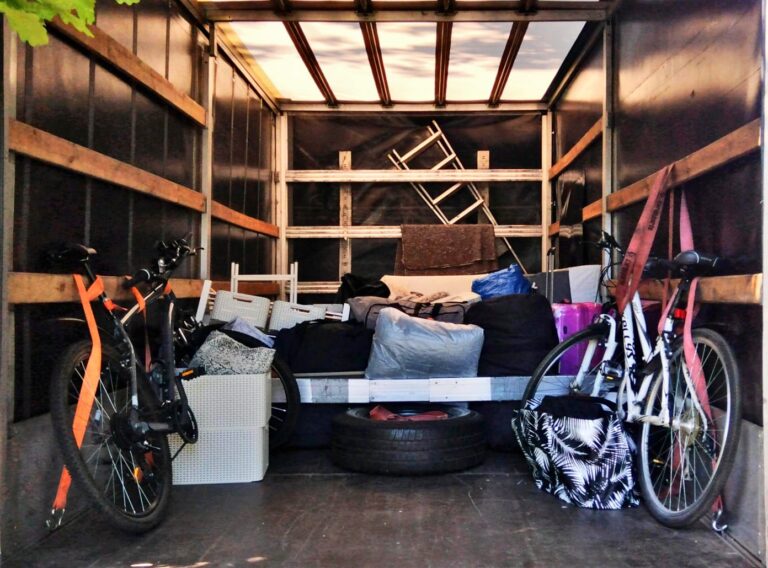
A wooden table, a sofa, a mirror, and ten boxes of books do not travel the same way. Heavy items need balance. Fragile items need cushioning. Valuable items need visibility. A strong moving plan treats each item according to what it needs, not according to what is quickest in the moment.
It also helps to think in categories before moving day arrives. Some items need full wrapping, some need disassembly, some should stay with you, not in the van. Documents, jewellery, medicines, cash, laptops, keys, and chargers are usually better kept in a personal travel bag instead of being packed into the main load.
For furniture, detail matters. A dining table can lose its finish. A wardrobe can shift. A mirror can crack under pressure. A monitor can become useless from one badly placed edge. Long-distance European transport is not just about getting things into a vehicle. It is about loading them in a way that protects their condition from Germany to Spain.
Direct road transport reduces damage risk because your belongings are handled fewer times. That matters more than people often realise. Every extra movement, lift, transfer, or stacked delay can put more pressure on furniture and boxed items.
This is one reason why a man and van setup is so effective for long-distance removals. A cleaner route with fewer handling stages gives your belongings a better chance of arriving in the same condition they left in. That is especially valuable for furniture removals, family relocations, and loads that include fragile or sentimental items.
A practical way to think about safe transport is to prepare by item type:
| Item type | Best protection method | Why it matters |
|---|---|---|
| Furniture | blankets, edge protection, careful positioning | reduces scratches, scuffs, and pressure damage |
| Fragile items | inner cushioning, clear labels, secure stacking | lowers breakage risk |
| Electronics | screen protection, cable organisation, stable placement | helps avoid impact damage and speeds up setup |
| Clothing and linens | sealed bags or labelled boxes | keeps unpacking simple and cleaner |
| Essentials | separate easy-access bag | protects day-one comfort and reduces stress |
When your dining table, office monitor, bicycle, and family photo boxes are all crossing Europe at once, visibility matters. VANonsite offers GPS tracking for every shipment, which gives people a calmer and more confident moving experience while their belongings are on the road.
That kind of visibility is not just reassuring. It is practical. If you are coordinating landlord handovers, arrival dates, work deadlines, or family travel, knowing where your load is can strip away a huge amount of uncertainty.
The bottom line is simple. Yes, you can move furniture and personal belongings from Germany to Spain safely, but the move needs discipline, good packing, realistic planning, and transport that treats your belongings like part of your life rather than just cargo.
Packing for a move from Germany to Spain without chaos
Packing is one of those tasks that looks manageable until it spreads across every room at once.
The best way to stay sane is to pack with a system. Strong packing protects belongings, speeds up loading, and makes arrival in Spain feel much less brutal. More importantly, it prevents the small packing mistakes that create big problems later, like broken glass, crushed boxes, missing chargers, and the dreaded first evening spent opening everything just to find one clean towel.
Good packing is not about perfection. It is about logic. The better organised your boxes are, the faster the van can be loaded, the more securely your things can travel, and the easier your first days in Spain will feel.
Packing checklist
- sort essentials first
- label each box by room and priority
- protect fragile items carefully
- separate documents, chargers, medicines, and keys
- avoid overweight boxes
- prepare a first-night bag
That checklist works because it solves real moving-day problems before they happen. Sorting essentials first means you do not accidentally bury your daily basics under three layers of kitchenware. Clear labels help unloading happen in the right order. Lighter boxes protect both the items inside and the people carrying them.
A box that is packed well does more than hold objects. It protects time, It protects energy, It protects your first 24 hours after arrival, when the last thing you want is to tear through 15 unlabelled boxes searching for your toothbrush and phone charger.
A strong room-by-room approach can make the process even easier:
| Room or category | Best packing focus | Extra tip |
|---|---|---|
| Kitchen | plates, pans, utensils, dry food | keep one essentials box for day one |
| Bedroom | clothes, bedding, shoes | prepare an overnight set separately |
| Bathroom | toiletries, towels, medicines | keep daily medication outside the main load |
| Living room | décor, books, cables, electronics | label cables before boxing them |
| Home office | documents, accessories, devices | separate urgent work items from archive items |
It also helps to use a simple priority system:
- open first
- open this week
- open later
That one habit changes the entire arrival experience. Instead of unpacking blindly, you regain order in layers. First function. Then comfort. Then the rest.
Professional packing can also make a real difference. It saves time, lowers breakage risk, and helps bulky or delicate items travel more securely. For busy families, professionals, older movers, or anyone facing a tight deadline, VANonsite’s Packing Service and White Glove Delivery can remove a huge amount of pressure from the process.
Professional support is especially valuable when:
- the move includes fragile or premium items
- time is tight and the schedule feels heavy
- children or work obligations limit packing time
- the load includes office equipment or valuable electronics
- you want faster loading and a more controlled arrival
There is another advantage people often miss: good packing improves space efficiency. When boxes are sized properly, stacked logically, and labelled clearly, the load fits more securely inside the vehicle. That can improve both safety and cost control, especially on a long route from Germany to Spain.
If you want moving from Germany to Spain to feel calmer from start to finish, packing is not a side job. It is one of the foundations of the whole move.
Why choose VANonsite for your relocation from Germany to Spain
A long-distance move across Europe is not only about transport. It is about trust. It is about knowing your furniture, documents, daily essentials, and personal belongings are moving with a clear plan behind them. That is where VANonsite stands out.
VANonsite is built for people who want a move that feels organised, visible, and carefully handled from collection in Germany to delivery in Spain. The service is flexible enough for urgent relocations, practical enough for student and part-load moves, and strong enough for full household removals.
There are several reasons why people choose VANonsite for moving from Germany to Spain:
- GPS tracking for every shipment
- flexible support for urgent and planned moves
- vehicle sizes from 1 m3 to 90 m3
- careful handling of fragile, bulky, and valuable items
- practical support for home, student, office, and furniture removals
- useful add-ons such as packing, storage, and white glove delivery
Those details matter because each one removes pressure from the move.
GPS tracking gives you visibility while your belongings are on the road. That means fewer doubts, better timing, and more confidence when coordinating travel, property handovers, or arrival plans in Spain.
Flexible vehicle sizes mean the service can match the move instead of forcing the move into the wrong transport setup. Whether you are moving just a few boxes, a studio flat, or a full household, the vehicle can be sized to fit the real load.
Careful handling matters because not everything you move is replaceable. Some items are expensive, some are fragile, some simply carry the weight of everyday life, and arriving with them intact makes the new home feel settled much faster.
European moving experience also matters. A cross-border route from Germany to Spain is very different from a short local move. Timing, route planning, access, load stability, and communication all need stronger coordination.
What many customers value most is not one single feature. It is the overall feeling that the move has structure. There is a route, there is visibility, there is support when things change. There is enough care in the process to make a demanding relocation feel lighter.
If you want a man and van service that combines speed, control, and professionalism without making the move feel cold or overly complicated, VANonsite is a strong choice for a relocation from Germany to Spain.
FAQ about moving from Germany to Spain
Is moving from Germany to Spain difficult?
It can feel overwhelming at first, especially when the move involves paperwork, packing, furniture, travel planning, and changing your daily life all at once. However, the process becomes much easier when the transport is organised clearly, the paperwork is prepared early, and the load is matched to the right vehicle size.
Do EU citizens need customs paperwork when moving from Germany to Spain?
In most standard cases, EU citizens do not face the same customs complexity as non-EU relocations. Even so, it is still wise to keep a clear inventory of your belongings and check official Spanish and EU guidance for your specific situation, especially if your move includes special items or additional registration needs.
How much space do I need for a small move from Germany to Spain?
A smaller relocation with luggage, boxes, and a few essentials often fits into 1 to 5 m3. A studio flat usually needs more room, especially if you are taking furniture, electronics, or kitchen equipment. Honest volume planning is one of the easiest ways to avoid wasted cost and moving-day stress.
Is a man and van service suitable for long-distance European removals?
Yes. A man and van service is often one of the most flexible and practical choices for long-distance European transport. It works especially well when you want direct road transport, better timing, fewer handling points, and more control over the route.
Can I book a last minute move from Germany to Spain?
Yes. Last minute relocations are common, especially when job plans, lease deadlines, or family circumstances change quickly. The key is to act fast, estimate your load realistically, separate essentials, and work with a provider that can adapt without turning the move into confusion.
What is the safest way to move furniture from Germany to Spain?
The safest option is careful wrapping, stable loading, and direct transport with fewer handling stages. Furniture such as sofas, wardrobes, dining tables, mirrors, and electronics all benefit from better protection and a more controlled route.
Is GPS tracking useful for a move from Germany to Spain?
Yes. GPS tracking gives you visibility while the load is travelling across Europe. That helps reduce stress, improves planning, and makes it easier to coordinate arrival, key handovers, and timing at the Spanish address.
Final thoughts on moving from Germany to Spain
Moving from Germany to Spain can feel huge at first, but the process becomes far more manageable when it is broken into clear steps. The smartest moves are usually built on four things: realistic planning, the right vehicle size, careful packing, and transport you can actually trust.
Road transport is often the easiest and most practical solution because it keeps the route simpler, reduces handling points, and gives you more control over timing. A man and van service is especially effective for students, couples, families, urgent relocations, furniture transport, and people who want a more direct and flexible way to move across Europe.
Cost depends on the real shape of the move, including route length, total volume, access conditions, urgency, and whether you need extra services like packing or premium handling. Documents matter too, especially when it comes to proving identity, address, and registration needs in Spain.
Safe transport depends on preparation. Good labels, strong wrapping, stable loading, and fewer unnecessary handling stages all improve the chances that your belongings will arrive intact and ready for a smoother start.
Most of all, a successful move is not just about getting boxes from one country to another. It is about arriving in Spain with more calm, more clarity, and fewer problems waiting for you at the door. With the right support, moving from Germany to Spain becomes less of a burden and much more of a beginning.