
Moving house to Germany can feel exciting and exhausting at the same time. One minute you are imagining a fresh start. The next, you are wondering how to move furniture, documents, fragile items, and everyday essentials across borders without turning the whole process into a logistical headache.
The reassuring part is this: moving house to Germany becomes much easier once you break it into clear steps. Planning, choosing the right removals partner, estimating van size, preparing documents, and packing with purpose all make the move feel far more manageable.
TL:DR
- Moving house to Germany gets easier when you treat it as a step-by-step project, not one giant stressful event.
- The best removals to Germany are not just the cheapest. They are the ones that match your route, load size, timing, and support needs.
- A man and van service is often a smart choice for small and medium home moves, furniture transport, urgent relocations, and part-load removals.
- Choosing the right van size matters because too little space creates pressure, while too much space can increase the total cost.
- Documents such as ID, address papers, inventory lists, and in some cases customs paperwork can shape how smooth the move feels.
- Packing early, reducing volume, and separating first-night essentials can remove a surprising amount of stress.
- VANonsite stands out through GPS tracking, careful handling, flexible vehicle sizes, and removals coverage across all countries in Europe.




What should you know before moving house to Germany?
Before moving house to Germany, it helps to accept one simple truth. A cross-border move is not just a longer local move. It is a different kind of project. The distance is greater, the timing matters more, the route has more variables, and the margin for sloppy preparation is much smaller.
This is why early planning matters so much. When people start too late, they usually underestimate three things at once: how much they are actually moving, how long proper packing takes, and how many small decisions still need to be made before moving day. Those details pile up fast. What felt manageable in theory can become stressful in practice.
A house move to Germany works best when you turn it into a sequence of smaller decisions instead of treating it like one giant event. That shift changes everything. Suddenly, the move stops feeling like chaos and starts feeling like a process.
Long-distance moves also differ from local ones because the route itself becomes part of the challenge. Traffic, border travel, pickup windows, delivery access, and the simple reality of travelling across Europe all shape how the relocation unfolds. Local moves are often forgiving. International moves are less forgiving, yet much smoother when the structure is strong.
People also tend to underestimate how much everyday life they are really transporting. It is not only sofas and beds. It is hallway storage, kitchen equipment, chargers, books, children’s items, seasonal clothes, lamps, spare bedding, and all the little things hidden in drawers, cupboards, attics, and cellars. These smaller items are often what turn an easy move into a surprisingly full load.
Route, timing, and access shape the move more than people expect. A modest home move with easy parking and direct access can feel simpler than a smaller move with tight stairs, a narrow street, limited parking, and an awkward delivery point in Germany. This is one of the biggest reasons the best removals to Germany are not simply the cheapest. They are the ones that understand the real shape of the move.
A successful move to Germany is not about rushing. It is about turning a big relocation into a sequence of smart, manageable decisions. That is where clarity starts. And that is where stress starts to shrink.
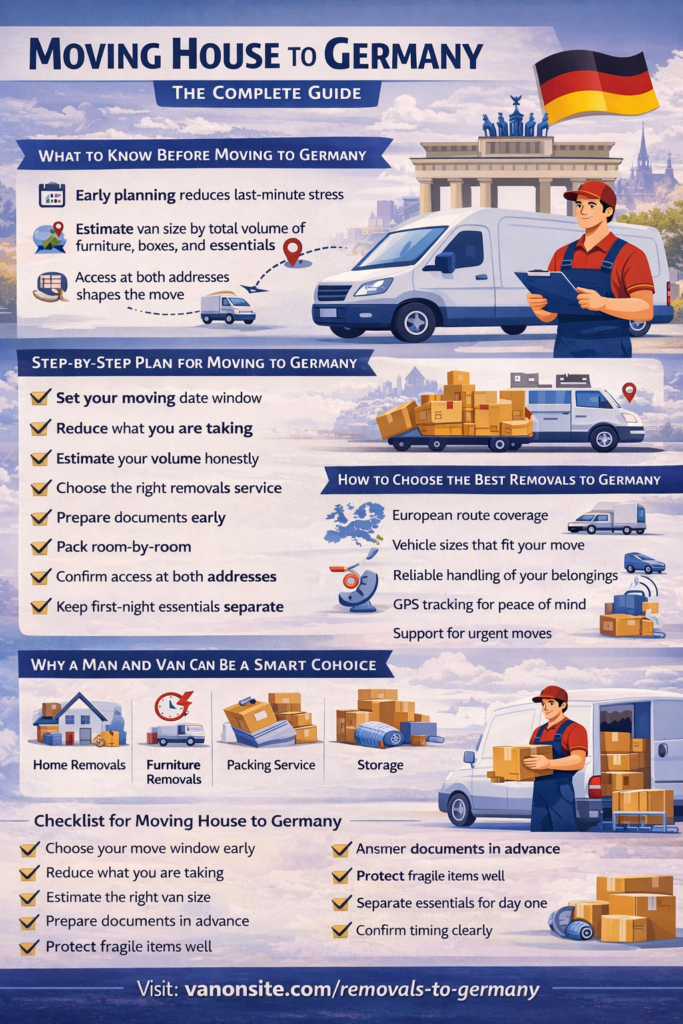
How do you plan a house move to Germany step by step?
Good planning makes moving house to Germany feel lighter long before the van arrives. The strongest moves do not happen by accident. They happen because the right decisions are made early enough to prevent last-minute pressure.
A simple step-by-step plan looks like this:
- Set your moving date window
Start with a realistic time frame rather than one ideal date in your head. Flexibility helps. If your pickup and delivery window has some breathing room, the whole move becomes easier to organise. - Reduce what you are taking
Every item you remove from the move reduces volume, weight, packing time, and often the final cost. This is one of the fastest ways to make the move simpler. - Estimate your volume honestly
Be realistic about how much is actually travelling. Include cellar items, hallway storage, spare furniture, and all the objects that usually get forgotten until the final week. - Choose the right removals service
Some moves need a larger removals structure. Others are much better suited to a flexible man and van service. The right model depends on your route, load, and timing. - Prepare documents early
Identity papers, address documents, inventories, and transport confirmations should be organised before moving day. Small paperwork gaps can create disproportionate stress later. - Pack room by room
Packing becomes clearer and calmer when it follows the logic of the home. Room-based packing also makes unloading in Germany much easier. - Confirm access at both addresses
Check parking, stairs, lifts, narrow entrances, and building rules at pickup and delivery. Access details shape the real difficulty of the move. - Keep first-night essentials separate
Your first evening should not depend on opening fifteen random boxes. Chargers, toiletries, basic clothes, important documents, medication, and a few kitchen basics should stay easy to reach.
This step-by-step structure works because it turns a stressful idea into a controlled sequence. Each completed step lowers uncertainty. Each small decision protects the bigger move. That is what makes a house relocation to Germany feel more possible and far less overwhelming.
How do you choose the best removals to Germany?
Choosing the best removals to Germany is not about chasing the lowest headline number. It is about finding the service that fits your route, your load, your expectations, and the real complexity of the move. A cheap quote can look attractive for five minutes. A good service can make the whole relocation feel calmer for weeks.
The strongest way to compare removals companies is to focus on practical fit. A house move to Germany is too important to be reduced to one number in an inbox. You are not only buying transport space. You are buying planning quality, handling standards, timing discipline, and the confidence that the move will still feel organised when something small changes at the last minute.
Start with route coverage across Europe. Germany-bound house moves are international by nature. The company you choose should feel comfortable with cross-border planning rather than treating it like an exception. A provider with real European coverage is usually better at handling distance, scheduling, and country-to-country coordination than a company that mainly works locally and occasionally takes on international jobs.
Then compare man and van vs bigger removals models. Not every move needs the same scale. A compact home move may be better with a direct, leaner service. A much larger relocation may need broader capacity. The right answer depends on what is actually moving, not on what sounds impressive. This is one of the easiest places to waste money, because many people end up paying for a larger removals structure than the move truly needs.
Next, look at vehicle size options. This matters because wrong capacity either wastes money or creates pressure. A strong provider should offer a realistic range rather than forcing every move into one transport size. Flexibility here is a real signal of professionalism. It shows the company is trying to match the move accurately instead of selling the same solution to everyone.
Handling quality matters just as much as transport itself. Furniture, mirrors, electronics, kitchen items, mattresses, wardrobes, and personal belongings all deserve care. The move should feel protected, not simply transported. A stronger removals partner treats the condition of your belongings as part of the service, not as an afterthought.
Tracking and visibility also matter. A tracked move feels more controlled because you are not left guessing where your belongings are. This becomes even more valuable when the route is international. GPS tracking is not only a technical feature. It is a confidence feature. It reduces the invisible stress that often builds during cross-border moves.
Flexibility for urgent moves is another important test. Even well-planned relocations can change shape. Keys are delayed. Work dates move. Housing plans shift. The best removals companies to Germany can handle both structured moves and faster-moving situations. That kind of flexibility does not make a company chaotic. In good hands, it makes the service resilient.
Packing and storage support often make a real difference as well. Some people need transport only. Others need help before, during, or after the drive. A broader service offer often leads to a smoother overall move. It gives you room to adjust when reality stops behaving like the original timeline.
Finally, look at communication quality. Strong removals companies usually feel organised from the first exchange. The questions are practical. The answers are clear. The quote feels grounded in real details. Good communication is often the earliest proof that the company understands how to manage a move rather than merely sell one.
A simple comparison table can help clarify what really matters:
| Comparison point | Why it matters when moving house to Germany |
|---|---|
| Route coverage | supports smoother cross-border planning |
| Van size range | helps match capacity to the real load |
| Handling quality | protects furniture and fragile belongings |
| Tracking | improves visibility and peace of mind |
| Flexibility | helps when dates or circumstances change |
| Service extras | adds support for packing, storage, or urgent needs |
| Communication | keeps the move clearer from start to finish |
The best removals to Germany are not just the cheapest. They are the ones that match your route, load, timing, and expectations. That is the difference between buying transport and choosing a move that actually feels under control.
Why is a man and van service often a smart choice for moving house to Germany?
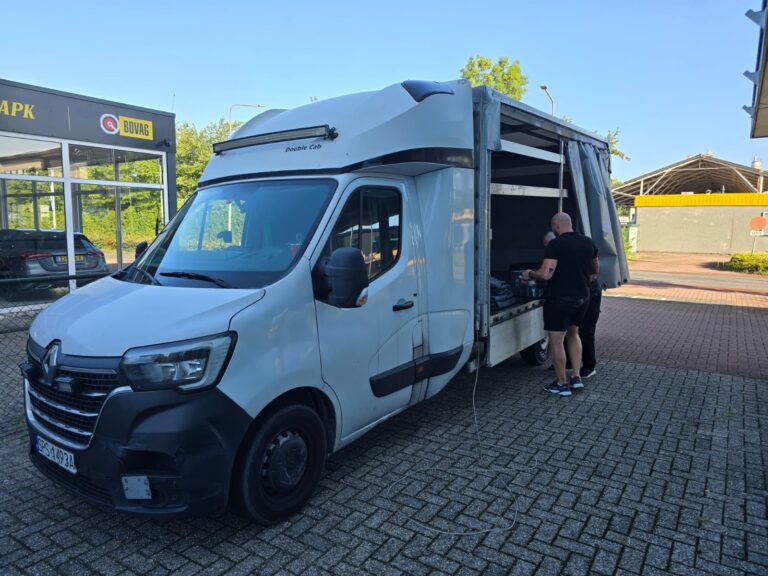
For many households, a man and van service is one of the smartest ways of moving house to Germany because it fits the real scale of the move. Not every home relocation needs a bulky traditional removals setup. In many cases, a leaner, more direct model is simply more efficient.
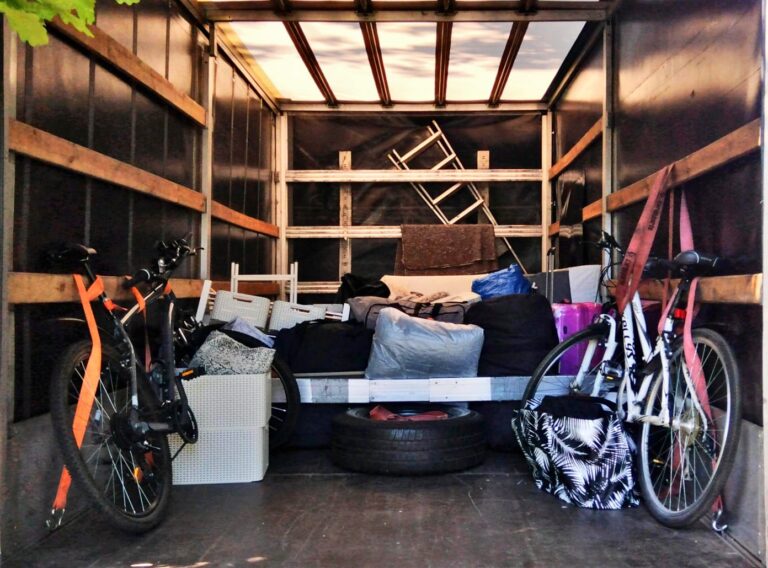
This works especially well for small and medium household moves, selected furniture transport, urgent relocations, and part-load moves. If you are not moving an enormous family house, a man and van option can often deliver the right balance of speed, flexibility, and cost control.
That balance matters because many European house moves are more selective than people expect. Some households move in phases. Some take core furniture and essentials first. Others downsize before leaving. Some only need a practical, well-organised way to move one home’s key items to Germany without paying for an oversized removals structure. In these situations, man and van is not a compromise. It is often the sharper choice.
A smaller transport model also suits the rhythm of real European relocations. People often move in stages. They take the essentials first. They move selected furniture rather than every item they own. Or they need a service that can adapt quickly when timing changes. This is where a man and van setup often shines.
Direct road transport is another reason this model feels stronger than many people expect. Fewer handling stages usually mean lower risk, less confusion, and a cleaner route from pickup to delivery. The move feels more visible because there are fewer moving parts around it.
This is especially valuable when the load includes fragile furniture, sentimental belongings, or the practical essentials of daily life. Every extra handover increases friction. Every extra stage creates another point where something can be delayed, misplaced, or handled less carefully than it should be. A more direct route often protects both the belongings and the mood of the move.
A man and van service often feels leaner, faster, and better matched to real-life European moves than oversized traditional removals. It removes unnecessary heaviness from the process without making the service feel weak. For many moves to Germany, that is exactly the right balance.
It is also one of the most emotionally practical options. Bigger removals models can sometimes feel safer simply because they sound larger. Yet larger does not always mean better. For many households, the real need is a service that is responsive, direct, and properly scaled. That is exactly where man and van becomes a smart option rather than just a budget one.
A quick guide makes that easier to visualise:
| Move situation | Why man and van often fits well |
|---|---|
| Small home move | avoids oversized transport costs |
| Medium household move | balances capacity and flexibility |
| Furniture-focused move | supports direct loading and delivery |
| Urgent relocation | adapts faster to short timelines |
| Part-load move | suits staged or selective relocation |
For many European routes, a man and van model feels less like a stripped-down solution and more like a well-judged one. It is often the clearest way to keep the move efficient, visible, and manageable from start to finish.
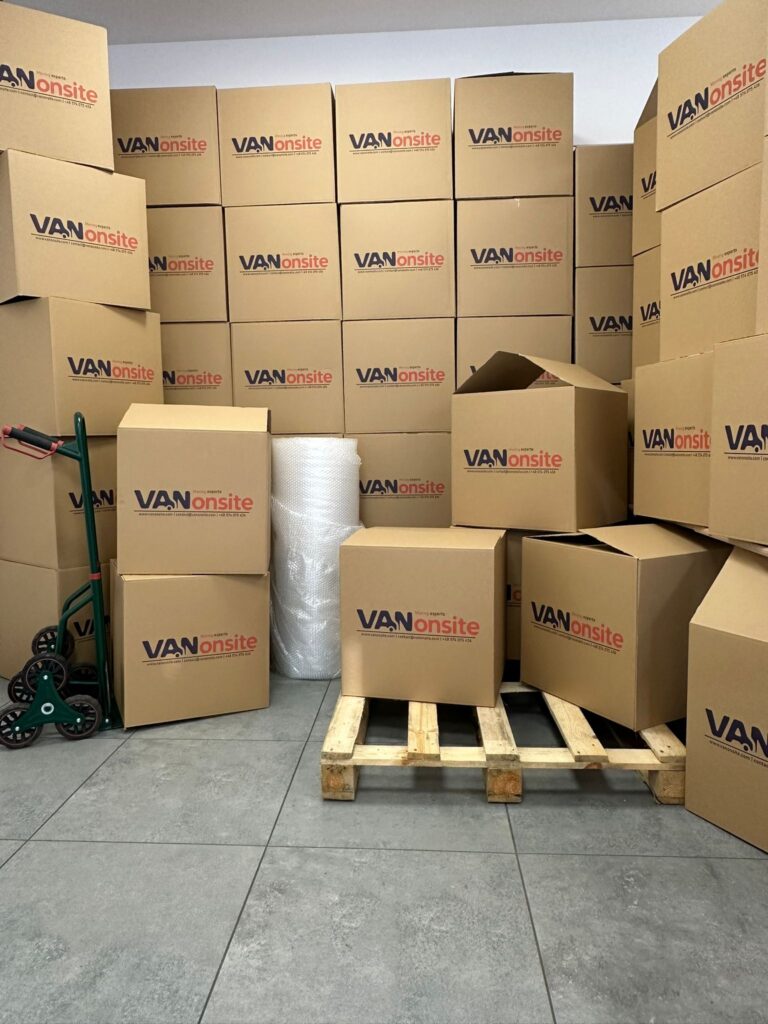
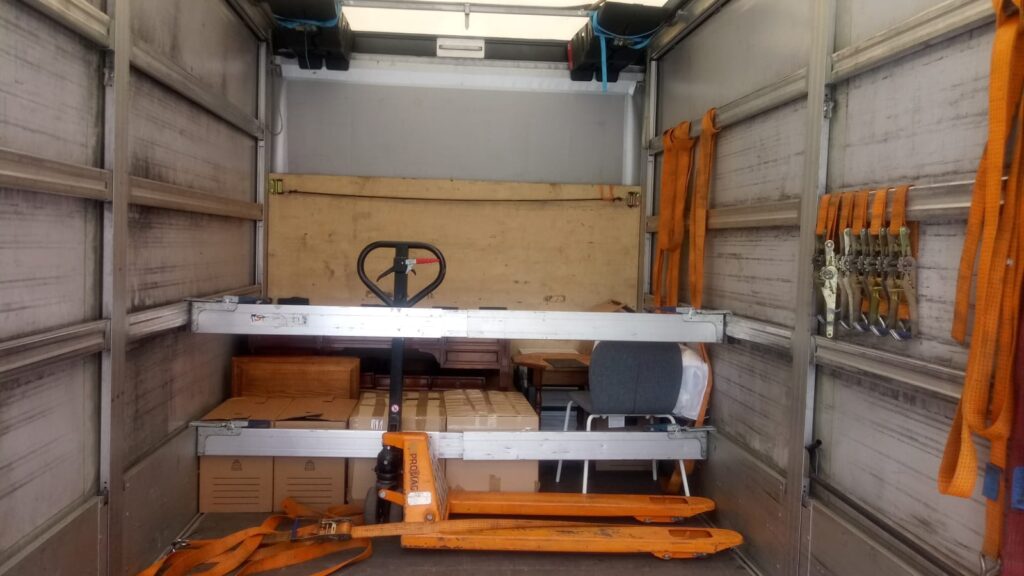


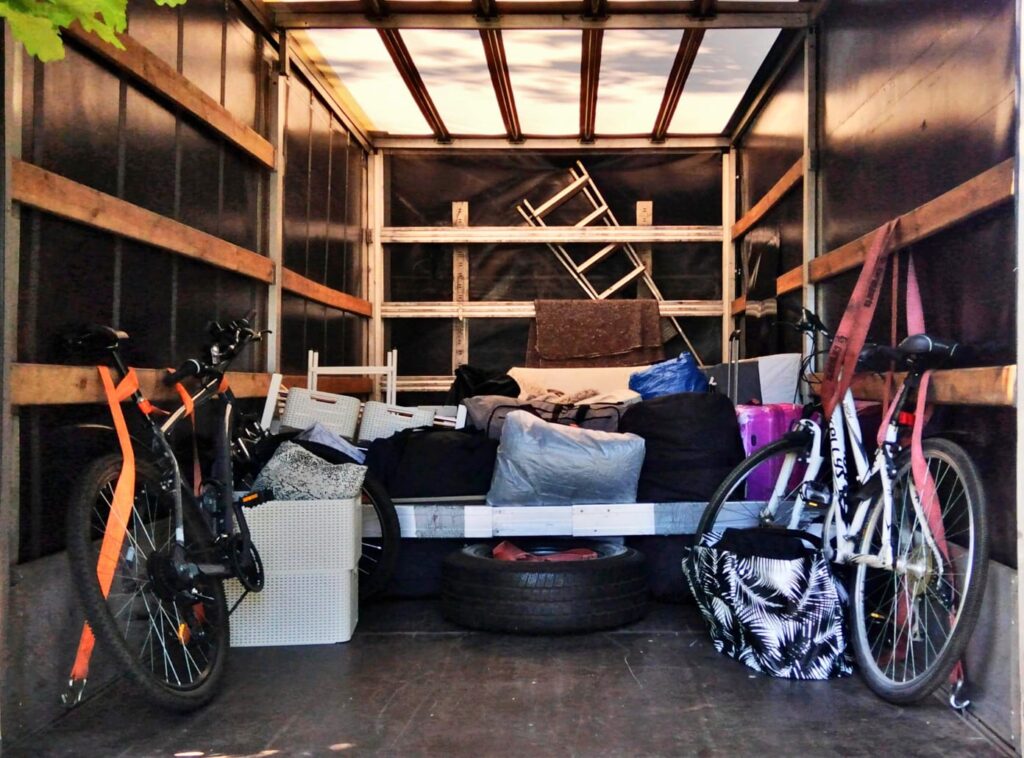
Which van size should you choose when moving house to Germany?
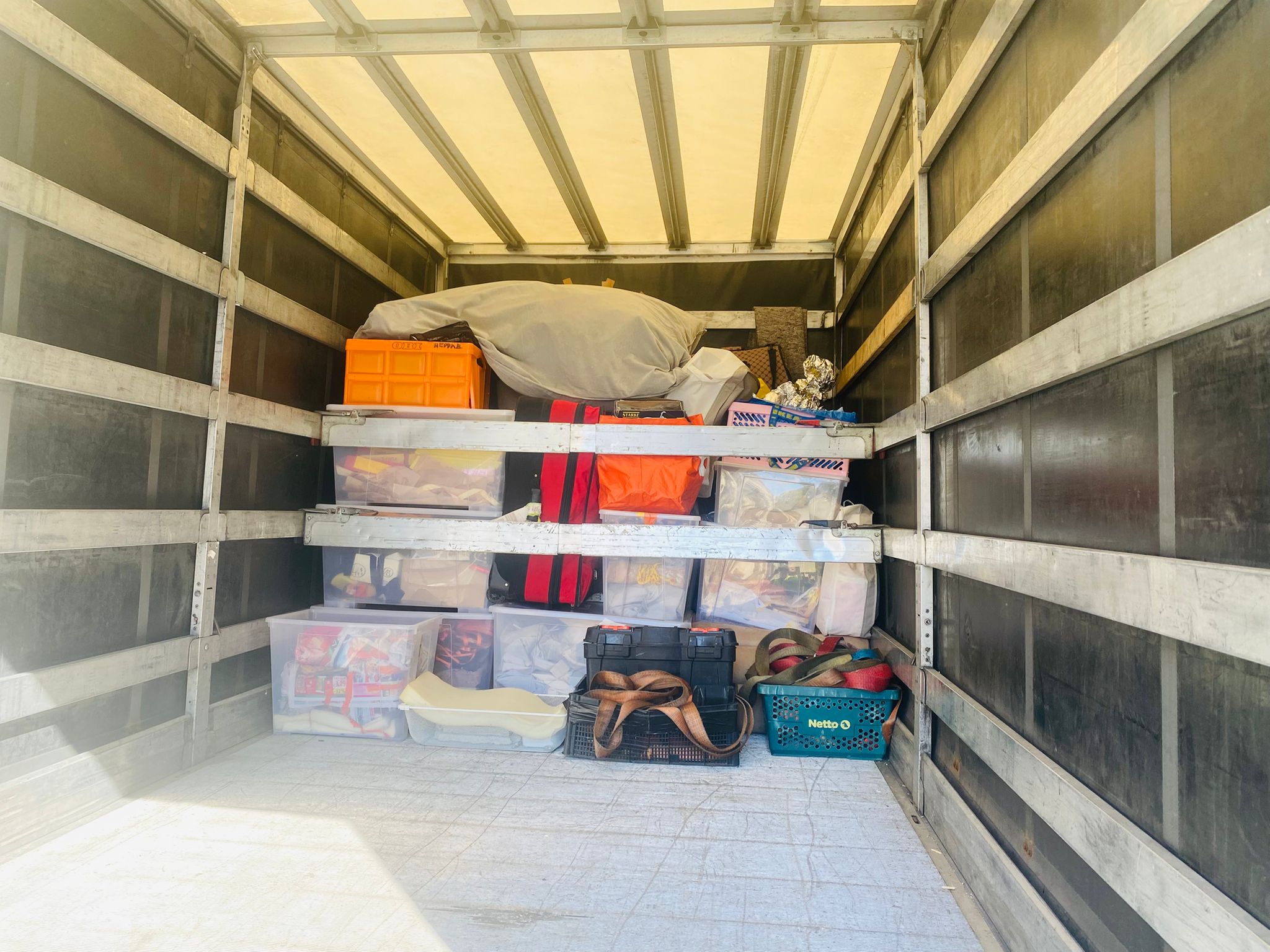
Van size has a surprisingly strong effect on the whole move. Choose too small, and the relocation can become cramped and stressful. Choose too large, and you may pay for space you never needed. The right size makes the move feel cleaner, calmer, and more cost-efficient.
VANonsite offers a practical range of vehicle sizes:
| Vehicle option | Capacity | Max load |
|---|---|---|
| Moving One | 1 m3 | 100 kg |
| Moving Basic | 5 m3 | 300 kg |
| Moving Medium | 10 m3 | 500 kg |
| Moving Premium | 15 m3 | 1100 kg |
| Moving Premium Plus | 30 m3 | 3500 kg |
| Moving Full House XXL | 90 m3 | 20000 kg |
A useful way to think about these sizes is to match them to real move scenarios.
| Move scenario | Best size |
|---|---|
| A few boxes and essentials | Moving One |
| Student room or very light move | Moving Basic |
| Small flat or compact apartment | Moving Medium |
| 1 to 2 bedroom home | Moving Premium |
| Larger family move | Moving Premium Plus |
| Full house or major mixed move | Moving Full House XXL |
These are practical anchors, not rigid rules. A light apartment may need less than expected, while a compact home full of heavy furniture and dense boxes may need more. That is why honest volume planning matters so much.
Choosing the wrong size can increase total cost or create capacity stress. Too much unused space can quietly raise the price. Too little space can make the move harder than it needs to be. In other words, van size is not just a transport detail. It is one of the foundations of a smart removals plan.
What services can help when moving house to Germany?
A smoother house move to Germany rarely depends on transport alone. The strongest relocations are supported by services that fit the shape of the move. Some people need only a direct home removal. Others need extra care for furniture, professional packing, storage, or urgent support when the schedule changes.
Home removals to Germany
Home removals are the heart of most Germany relocations. This service suits people moving the full rhythm of daily life: furniture, appliances, boxes, clothes, books, kitchen items, and the countless smaller belongings that turn a house into a home. VANonsite’s Home Removals service fits this naturally.
What makes home removals so important is scale. Once you move the real contents of a home, the relocation becomes more than a transport job. It becomes a project involving access, layout, volume, fragile items, room order, and daily-life essentials that still need to make sense when you arrive in Germany. A stronger home removals service helps keep that complexity organised rather than letting it sprawl.
This kind of service is especially valuable when the move includes a mix of bulky furniture, standard boxes, appliances, and the smaller household items that often get forgotten until the final week. That mix is exactly where good planning and the right vehicle size start to matter most.
Furniture removals to Germany
Furniture moves deserve more attention than people often expect. Sofas, wardrobes, dining tables, mattresses, mirrors, and fragile finishes all need proper protection and enough space for safe loading. VANonsite’s Furniture Removals service is a strong fit when the move is shaped mainly by bulky or high-value household pieces.
Furniture-only or furniture-heavy moves often look simple at first glance. In reality, they can be among the most delicate types of relocations. A sofa can be awkward. A dining table can be vulnerable at the edges. A mirrored wardrobe can become risky if the protection is rushed. Premium finishes can be damaged by minor handling mistakes that look small in the moment and expensive later.
That is why furniture removals to Germany are not only about strength. They are about control, padding, loading logic, and enough room for safe transport. In many cases, the quality of the move depends less on how fast the item is lifted and more on how carefully the whole route is handled.
Packing service
Packing support can transform the feel of the whole move. It saves time, reduces breakage risk, and makes the loading process much cleaner. VANonsite’s Packing Service is especially valuable for busy households, fragile items, and time-sensitive moves.
Packing is one of the quiet stress multipliers in any cross-border move. If it starts too late, everything else starts to feel rushed as well. Boxes become mixed. Fragile items get improvised protection. Essentials vanish into the wrong rooms. The move becomes louder and messier than it needed to be.
Professional packing support changes that rhythm. It introduces order early. Rooms stay clearer. Fragile items are wrapped with more consistency. The loading process becomes more efficient because the home has been prepared with transport in mind rather than just speed in mind.
This is especially helpful for households moving under pressure, families with children, people working up to the final week, or anyone transporting delicate furniture, glassware, artwork, electronics, or sentimental belongings. Packing is not glamorous, yet it often determines whether the move feels in control.
White glove delivery
Some belongings need more than ordinary transport. Premium furniture, delicate finishes, and high-value pieces often benefit from a more careful service level. VANonsite’s White Glove Delivery gives that extra layer of care when the move calls for it.
White glove support is useful when the move includes items that cannot be treated like standard household pieces. Think designer furniture, premium surfaces, delicate materials, statement pieces, or belongings where presentation and condition matter just as much as arrival.
This kind of service often appeals to people who want more precision, calmer handling, and stronger confidence around the most sensitive parts of the move. It is not necessary for every house relocation to Germany, yet when the load includes pieces that are expensive, irreplaceable, or emotionally important, it can be the difference between basic transport and genuine peace of mind.
Storage
Storage becomes useful when your moving dates do not align perfectly. Sometimes the new property is not ready; Sometimes the move happens in stages; Sometimes you simply want more flexibility. In those cases, storage removes pressure from the transition.
This can be far more valuable than it sounds. Many moves to Germany are not perfectly linear. Contracts overlap badly. Keys arrive late. Renovation work runs over. One person relocates first, while the rest of the household follows later. In these moments, storage is not just extra space. It is breathing room.
That breathing room can protect the mood of the whole move. Instead of forcing every part of the relocation into a single tight window, storage gives you room to stay organised when the timeline becomes imperfect.
Last minute moving
Not every house move is planned months ahead. Some happen fast because of work, property issues, or personal reasons. Last-minute support matters because urgent relocations need speed without sacrificing structure. This is where VANonsite’s Last Minute Moving offer can feel especially valuable.
Urgent moves are stressful because everything compresses at once. Decisions, packing, documents, access planning, and transport all need to happen on a shorter clock. In that situation, the removals partner matters even more than usual. You need responsiveness, realistic route planning, and a service that can move quickly without feeling improvised.
That is the real value of last-minute support. It does not magically remove the urgency. It makes the urgency more manageable.
What documents may matter when moving house to Germany?
When moving house to Germany, documents are not the most glamorous part of the move, yet they often decide whether the process feels smooth or messy. The goal is not to drown in paperwork. The goal is to have the right documents ready, easy to access, and consistent.
The key document categories usually include:
- ID or passport
- tenancy or address documents
- inventory list
- customs paperwork for non-EU routes if relevant
- moving and transport confirmations
If your move involves registration or customs, these official sources are useful starting points:
- Bundesportal: Register residence
- BMI: Registration in Germany
- Make it in Germany: Housing and registration
- German customs
The biggest win here is simplicity. Keep essential documents with you, not hidden inside the main load. A clear inventory also helps with unloading, organisation, and reducing avoidable confusion.
A practical way to think about documents is to separate them by purpose:
- travel and identity documents for you and anyone moving with you
- address and property documents for the new place in Germany
- move-related confirmations that keep the transport clear
- inventory records that help track what is actually travelling
- customs documents if the route starts outside the EU
What often creates problems is not the number of documents, but the lack of structure around them. One paper is in a suitcase. Another is buried in a drawer. A confirmation email is saved on one phone but not another. Then moving day arrives and a simple question suddenly feels harder than it should.
A cleaner system helps a lot. Keep digital copies in one folder. Keep printed copies of the essentials in a slim document file. And most importantly, keep the key documents with you, not on the van.
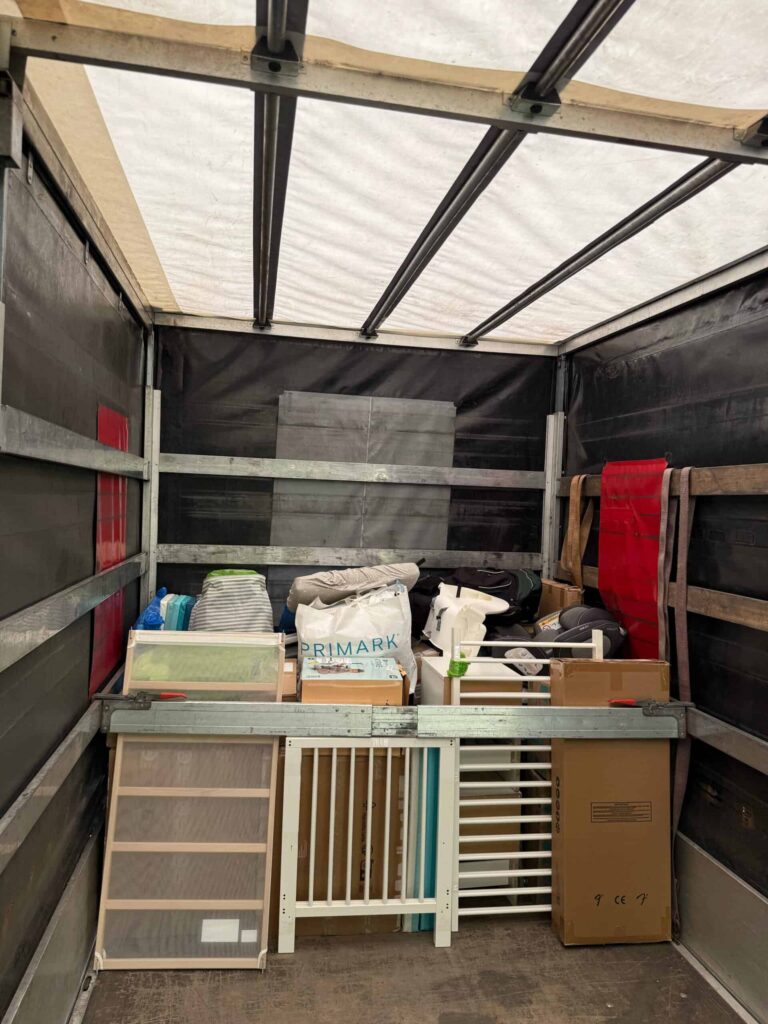
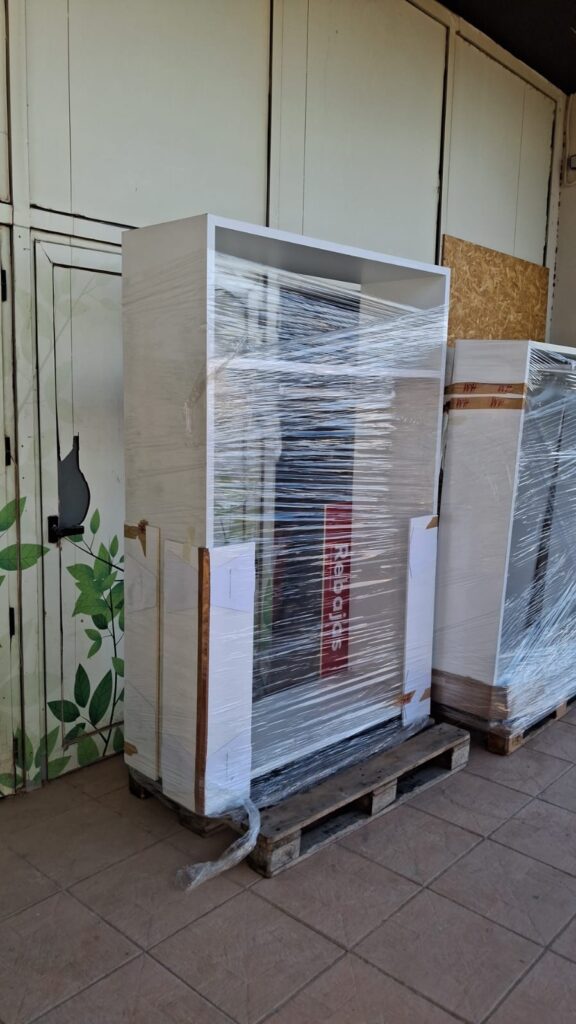
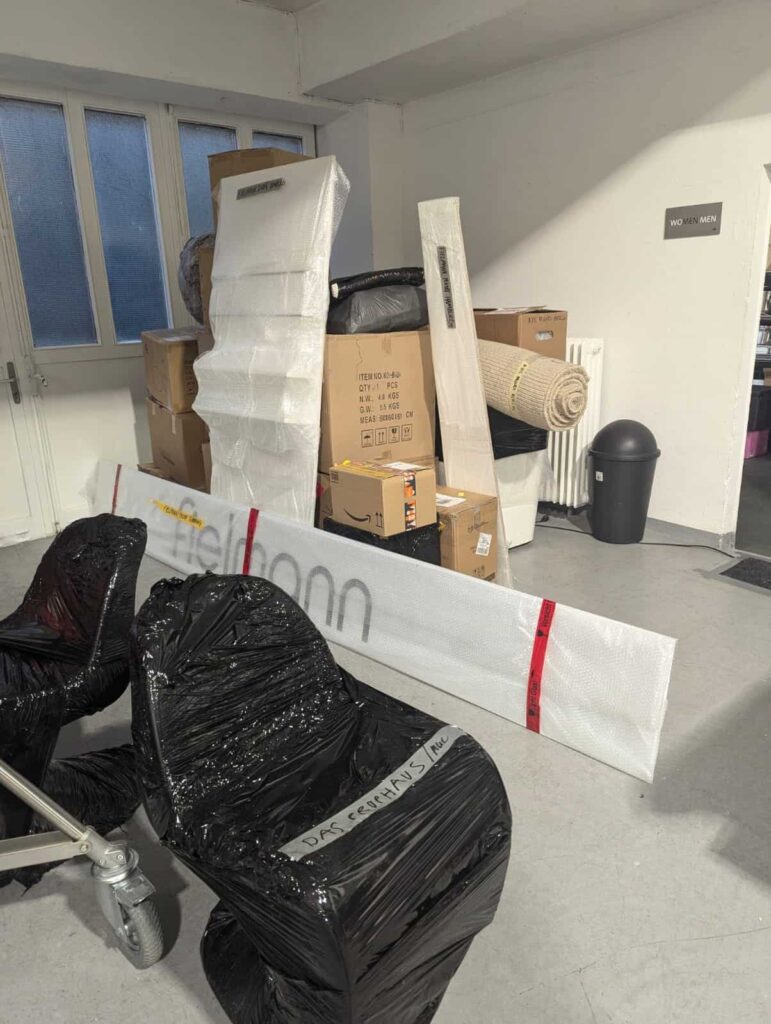

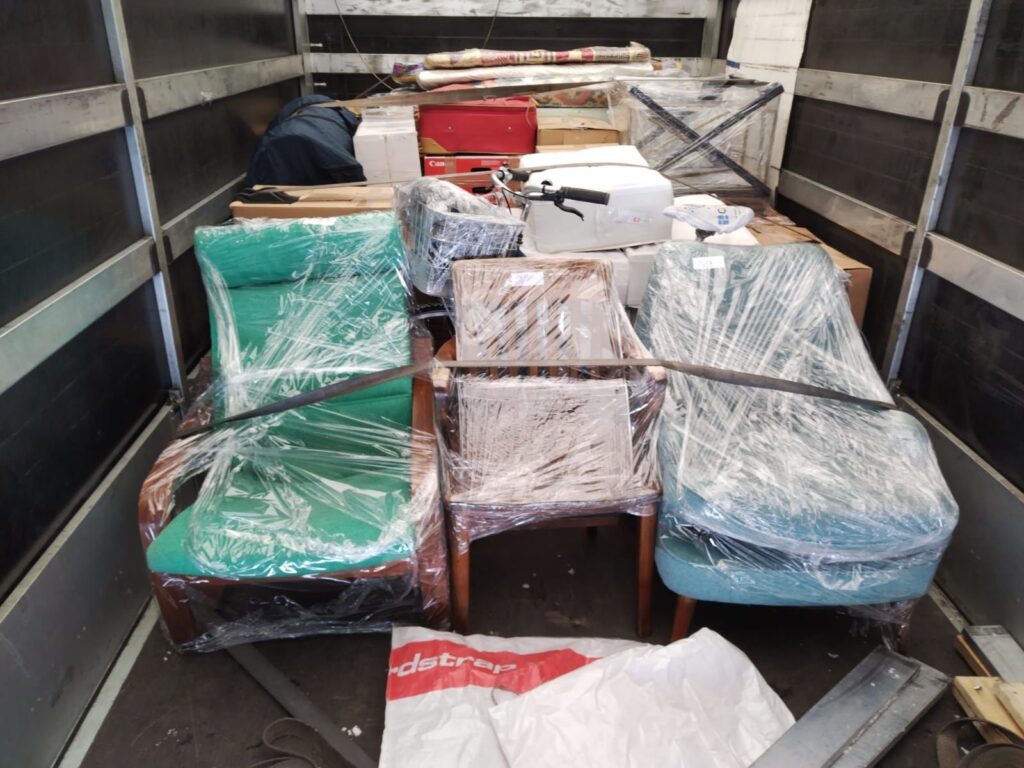
How should you pack for moving house to Germany?
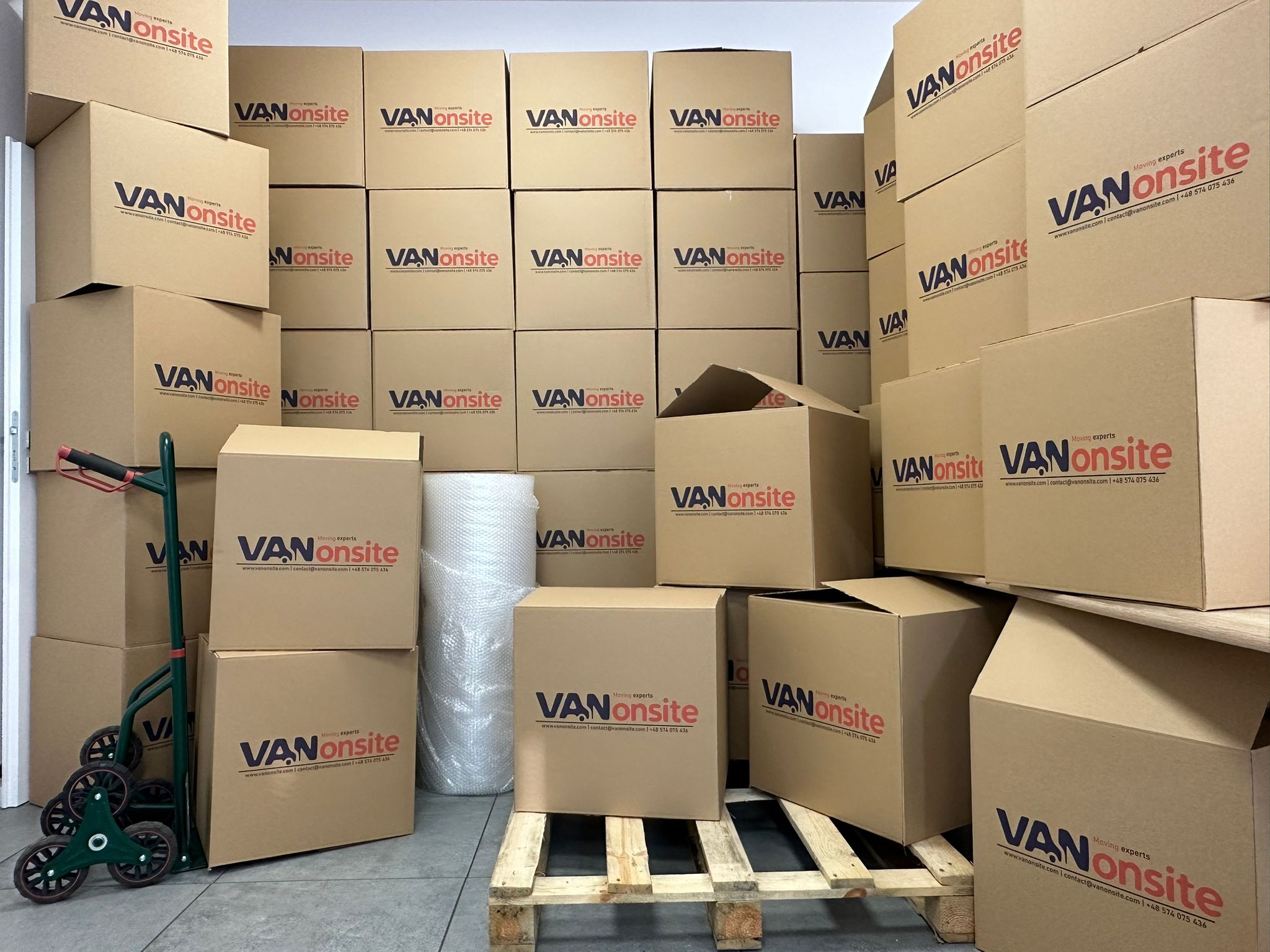
Packing for a cross-border move works best when it starts earlier than feels necessary. Rushed packing usually creates the same familiar problems: broken items, lost essentials, chaotic boxes, and a first week in Germany that feels harder than it should.
A practical packing checklist looks like this:
- sort and declutter early
- protect fragile items carefully
- label every box clearly
- keep documents and valuables with you
- separate first-night essentials
- do not leave attic, cellar, and hallway items until the end
This works because it reflects real life. The forgotten spaces are often where the hidden volume lives. The hallway. The spare cupboard. The cellar. The attic. These areas quietly add more to the move than most people expect.
Packing well is not about perfection. It is about making the house move to Germany feel controlled. The better the packing logic, the easier the loading, the drive, and the first days after arrival.
It helps to think of packing as a sequence rather than one giant marathon:
- start with low-use rooms first
Guest rooms, storage areas, spare cupboards, and decorative items can usually be packed earlier without disrupting daily life. - move room by room
A room-based system makes boxes easier to label, easier to load, and much easier to unpack in Germany. - protect fragile items with intention
Glassware, mirrors, ceramics, framed items, and electronics should be packed for road travel, not just for storage. - mark priority boxes clearly
Some boxes matter more than others. Kitchen basics, work equipment, children’s items, bedding, toiletries, and chargers should never disappear into the general pile. - keep a first-night box or bag separate
That single decision can make your arrival feel radically easier.
One of the best packing habits is simple labelling. Not just “kitchen” or “bedroom,” but labels that actually help later, such as “kitchen essentials,” “fragile glassware,” “main bedroom clothes,” or “day one bathroom items.” Better labels mean less searching, less opening, and less frustration after delivery.
Another useful rule is this: pack for arrival, not only for departure. Many people pack only with loading in mind. The stronger approach is to think ahead to the first 24 hours in Germany. What will you need first? What cannot be lost? What would create immediate stress if it disappeared into the wrong corner of the van?
That shift in mindset makes a huge difference. Packing stops being just about getting items out of the old home. It becomes part of building a calmer start in the new one.
What usually causes stress or delay when moving house to Germany?
Most stressful moves do not fall apart because of one dramatic mistake. They fall apart because several smaller mistakes pile up at once. The good news is that most of them are avoidable.
The most common stress points are:
- underestimating load size
- leaving packing too late
- ignoring access restrictions
- weak communication with the removals company
- missing documents
- choosing the wrong van size
Underestimating volume creates immediate pressure. Leaving packing too late makes everything feel rushed. Access restrictions become painful when they are discovered too late. Weak communication creates uncertainty. Missing documents create unnecessary friction. And wrong van size disturbs the entire transport plan.
Yet there is a deeper pattern behind these problems. Most of them begin before moving day. They usually come from assumption rather than preparation. Someone assumes the load is smaller than it is. Assumes parking will be fine; Assumes the stairs will not matter; Assumes the key handover will happen exactly on time. Then several small assumptions collide at once.
That is why cross-border moves to Germany often reward realism more than optimism. Realistic volume planning, realistic packing time, realistic access checks, and realistic communication all reduce pressure before it grows.
A simple way to read the biggest stress risks looks like this:
| Stress point | What usually causes it | How to reduce it |
|---|---|---|
| Underestimated load | rushed volume estimate | count room by room honestly |
| Late packing | starting too late | begin with low-use spaces early |
| Access issues | weak checks at pickup or delivery | confirm parking, stairs, and lifts in advance |
| Poor communication | vague or slow coordination | choose a responsive removals partner |
| Missing documents | scattered paperwork | keep one digital and one printed system |
| Wrong van size | guesswork instead of planning | match capacity to the true load |
This matters because stress rarely arrives all at once. It builds quietly through small avoidable gaps. The good news is that smart planning closes most of those gaps before they become expensive.
That is why the best house moves to Germany are rarely the ones with the fewest variables. They are the ones that are prepared well enough to handle those variables without panic.
Why people choose VANonsite for moving house to Germany
People choosing a removals partner for Germany are not only buying transport. They are buying control, clarity, and peace of mind. That is where VANonsite fits especially well.
The strongest reasons people choose VANonsite include:
- GPS tracking for every shipment
- flexible support for urgent and planned relocations
- vehicle sizes for every move scale
- careful handling of fragile and bulky items
- European route coverage
- practical add-ons such as packing and storage
GPS tracking makes the move feel visible. Flexible support makes it easier to handle real-life changes. The vehicle range helps match transport to the actual scale of the relocation. Careful handling protects the home you are rebuilding in Germany. European coverage fits the real geography of cross-border moving. And the additional services help the whole move feel better supported.
There is also a deeper reason this matters. A move to Germany is not only about getting belongings from one address to another. It is about protecting momentum. Work starts. School starts. Rental dates begin. Family routines need to restart. The removals partner influences all of that more than most people expect.
This is where VANonsite’s combination of flexibility and structure feels especially strong. The service can support smaller and larger moves, urgent and planned timelines, and different levels of handling depending on what the household actually needs. That makes the offer feel practical rather than generic.
A quick value summary helps show why:
| VANonsite strength | Why it matters when moving house to Germany |
|---|---|
| GPS tracking | reduces uncertainty during a cross-border route |
| Flexible vehicle sizes | helps match cost and capacity to the move |
| Careful handling | protects furniture, fragile items, and essentials |
| European coverage | supports relocations from across Europe |
| Packing and storage support | adds flexibility before and after transport |
| Urgent move support | helps when the timeline changes fast |
That is why many people see VANonsite not just as a carrier, but as a practical partner in the move itself. The service is built to make a demanding relocation feel more visible, more organised, and far less chaotic.
Moving house to Germany checklist
A final checklist makes the whole relocation easier to control. When a move feels overwhelming, a clear checklist becomes more than a reminder. It becomes a stabiliser. Instead of holding the whole relocation in your head at once, you break it into practical actions that keep the move steady from the first quote request to the first night in Germany.
- choose your move window early
- reduce what you are taking
- estimate the right van size
- compare service scope, not only price
- confirm access at both addresses
- prepare documents in advance
- protect fragile items well
- separate essentials for day one
- confirm timing clearly
- request a realistic quote
This checklist works because it turns a house move into a sequence of practical choices. Instead of reacting to stress, you stay ahead of it.
Each point has a direct effect on the quality of the move. Choosing your move window early gives you more control over timing and service availability. Reducing the load keeps the move leaner and often cheaper. Estimating the right van size protects you from avoidable cost or awkward capacity pressure. Comparing service scope, not just price, helps you understand what the company is truly offering. Access checks, paperwork, packing protection, and timing confirmation all protect the move from the kind of friction that rarely looks dramatic in advance, yet becomes exhausting on moving day.
A useful way to apply it is to divide it into three moments.
Before requesting quotes
- reduce the load
- identify bulky or fragile items
- estimate your likely volume honestly
Before booking
- compare service scope, not only price
- confirm route fit and vehicle size
- check access at both addresses
Just before moving day
- keep documents ready
- separate essentials for day one
- confirm the final timing and contact details
This staged approach helps because it matches the real rhythm of a move. You do not need to solve everything at once. You need to solve the right things in the right order.
Another useful way to read the checklist is by asking one question at each stage: what can still create avoidable stress later if I ignore it now? That mindset changes the whole tone of the relocation. Instead of waiting for pressure to arrive, you remove it early.
FAQ about moving house to Germany
How do I move house to Germany without stress?
You reduce stress by breaking the move into steps. Plan early, reduce the load, pack with structure, prepare documents in advance, and choose a removals partner that fits your route and timing.
The goal is not to remove every moving challenge. The goal is to stop small problems from piling up at the same time. That is what usually makes a house move feel manageable.
It also helps to define success realistically. A smooth move is not one where nothing changes. It is one where changes do not destroy the structure of the plan. That is why timing clarity, access checks, packing order, and strong communication all matter so much.
Is a man and van enough for moving house to Germany?
In many cases, yes. A man and van service is often ideal for small and medium home moves, furniture transport, urgent relocations, and part-load removals.
It works especially well when the move is large enough to need professional transport, but not so large that it needs an oversized removals structure.
For many households, this is exactly the sweet spot. The move is too important to handle casually, yet too selective to justify paying for a much heavier transport model. In that situation, man and van often feels faster, cleaner, and better matched to the real scale of the relocation.
What is the best way to choose removals to Germany?
Compare more than price. Look at route coverage, handling quality, van size options, tracking, flexibility, and communication. The best removals to Germany are the ones that match your move realistically.
The strongest choice is usually the one that feels well-matched from the first contact, not the one that simply throws out the lowest number.
Pay close attention to how the company asks questions. Strong removals partners usually want the details that actually shape the move: route, access, bulky items, timing, and service expectations. That is often a better trust signal than any sales phrase.
How much space do I need for a move to Germany?
That depends on how much furniture, how many boxes, and how many dense or awkward items you are moving. Honest volume planning is the safest way to choose the right van size.
A room-by-room estimate usually gives a much better answer than a quick guess made from memory.
This is one of the biggest areas where people misjudge the move. A house rarely feels large when you look at it casually. It feels large once every drawer, shelf, hallway cupboard, cellar corner, and spare room starts turning into transport volume. Realistic counting almost always beats intuition.
What documents do I need to move house to Germany?
Usually, the key documents include ID or passport, address or tenancy papers, an inventory list, moving confirmations, and customs documents if the route starts outside the EU.
If registration or customs will matter after arrival, it is smart to review the official German sources early rather than waiting until the final week.
A simple document system makes a big difference here. Keep the essentials in one digital folder and one printed folder. That way, the move does not depend on searching through email threads or guessing which bag contains the right papers.
How early should I book my move?
Earlier is usually better. Booking ahead improves flexibility, clarity, and the chance of getting the most suitable transport model for your route.
That said, a strong removals partner should also be able to help when the timeline becomes tighter than expected.
The advantage of booking early is not only availability. It is decision quality. You get more room to reduce the load, estimate properly, compare services calmly, and shape the move before pressure starts to drive the choices.
Final thoughts on moving house to Germany
Moving house to Germany becomes easier when you focus on clear planning, realistic van size, careful handling, and a removals company that fits your route and your timing.
That is what separates a stressful relocation from a smoother one. Not only who offers transport, but who helps the whole move feel more manageable.
A cross-border house move always carries emotion with it. You are not only moving furniture. You are moving routine, comfort, memory, and the practical pieces of everyday life. That is why the removals partner matters so much. The right service does not just move your belongings. It protects the shape of the transition.
VANonsite fits that need well because the service combines flexibility, careful handling, GPS tracking, practical vehicle sizes, and broad European route coverage. Whether you are moving a compact flat, a family house, or selected furniture, the goal stays the same: make the journey to Germany feel structured, secure, and easier to manage.
What makes that valuable is not only transport itself. It is the way the service reduces uncertainty. Better visibility. Better route fit. Better support when timing changes. Better confidence that the move is being handled with care rather than pushed through mechanically.
If you are planning on moving house to Germany, request a realistic quote based on your route, load size, and timeline. A smarter move starts with a clearer plan.
And when the plan is clearer, the whole relocation starts to feel lighter long before the van even arrives.