
Moving to Sweden from Germany can feel exhilarating and heavy at the same time. A new chapter in Sweden often comes with bold plans, fresh energy, and the thrill of a cleaner, calmer lifestyle. At the same time, the move itself can feel like a maze of boxes, timing, paperwork, furniture decisions, and transport pressure.
The good news is that moving to Sweden from Germany can be far smoother than most people expect when the move is planned early, the transport is matched to the real size of the load, and the service fits the relocation instead of forcing you into a generic setup. This route is absolutely manageable. However, it works best when the details are handled with care.
If you are relocating a few essentials, a lighter man and van setup may be enough. If you are moving a full home, premium furniture, or fragile items, you may need a more structured service. Either way, the smartest move is not the cheapest-looking one. It is the one that protects your time, your belongings, and your peace of mind from the first quote to final delivery.
TL:DR
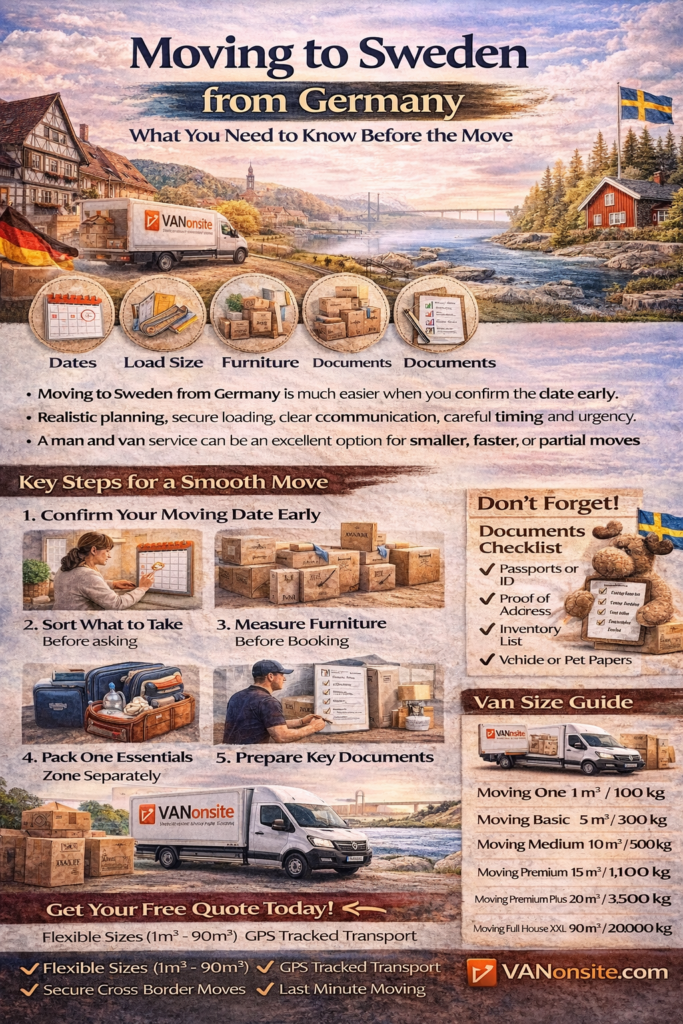
- Moving to Sweden from Germany is much easier when you confirm the date early, measure the real load properly, and choose a moving service that truly fits the relocation.
- The biggest cost drivers are usually volume, furniture size, access conditions, packing needs, storage, and urgency.
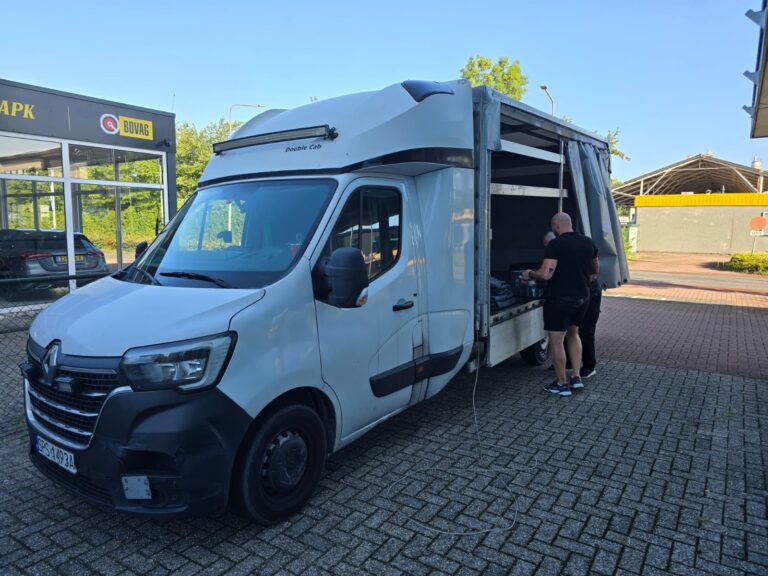
- A man and van service can be an excellent option for smaller, faster, or partial moves from Germany to Sweden.
- Full household moves usually need more structured support, especially when the load includes beds, wardrobes, sofas, and fragile items.
- A clean inventory list, clear address details, and easy access to key documents can save a huge amount of stress later.
- Some furniture is worth every mile, especially premium, durable, or sentimental pieces. Low-value bulky items often cost more to move than they are worth.
- VANonsite offers secure European transport, GPS tracking for every load, and vehicle sizes from 1 m3 to 90 m3, which helps match the service to the real scale of the move.




What Makes Moving to Sweden from Germany Different?
At first glance, the move may look simple. Germany and Sweden are both in Europe, and the route is common enough that many people assume it works like an ordinary long-distance domestic move. In reality, moving to Sweden from Germany needs much more structure than a standard local relocation.
The distance is longer. Timing matters more. Delivery windows feel tighter. Small mistakes around load size, access, or planning can create much bigger stress when the move crosses borders and may involve ferry routes, longer mileage, and more coordination. What looks manageable on paper can feel surprisingly intense in real life if the planning is loose.
Cross-Border Moving Needs More Than Basic Transport
Even inside Europe, long-distance moving is never just about putting things in a van and driving north. A successful move to Sweden needs:
- realistic planning
- secure loading
- clear communication
- careful timing
- proper service matching
When even one of those is weak, the whole move can start to feel fragile. A poor estimate can lead to the wrong vehicle. Weak communication can turn a simple delivery window into hours of uncertainty. In a cross-border move, those details do not stay small for long.
Why the Route Changes the Moving Strategy
The Germany to Sweden route is manageable, but it changes how people should think about the move. Longer transport time means fragile items need more thoughtful packing. Delivery timing matters more because a delay on a longer route feels larger than a delay on a short local move.
The route can also influence how much pressure lands on you after arrival. If the delivery is not well coordinated, what should have felt exciting can suddenly feel exhausting. That is especially true when you are arriving tired, dealing with keys, or trying to make the new place functional quickly.
In practical terms, a longer route demands more discipline. The move needs better sequencing, more realistic loading, and stronger control over what must be accessible first. That is exactly why cross-border relocations reward structure so strongly.
Why the Right Moving Company Matters
The best moving company for this route is not simply the company with the smallest number on a quote. It is the one that combines careful handling, realistic pricing, strong communication, and visibility throughout the move.
That visibility matters even more when the journey is international. GPS tracking, honest timing, and clear updates help turn uncertainty into something manageable. They also reduce the emotional drag of the move. Instead of wondering where the load is and whether the timing still holds, you can focus on arrival, access, and getting life working again.
A strong moving company also understands that the route itself shapes the service. Sweden moves need calmer execution, not just transport capacity.
Moving to Sweden from Germany: What to Plan First
The first step is not packing. It is confirming the moving date, estimating the real volume, sorting what is worth taking, and understanding what must be accessible immediately after arrival. That one shift in approach can save money, reduce chaos, and make the whole move feel dramatically more under control.
Too many people begin with cardboard boxes, then try to solve the real strategy later. That is backwards. A better relocation begins with the date, the inventory, and the service match. When those three pieces are solid, everything else becomes easier to sequence.
Confirm the Moving Date Early
Early booking creates better timing, less stress, and usually more realistic options. This matters even more on a Germany to Sweden route, where longer transport planning can shape the entire move.
If possible, begin proper planning 4 to 8 weeks before the relocation. In high-demand periods, that lead time can make the difference between a clean move and a rushed one.
A confirmed date helps you line up:
- key collection
- tenancy end dates
- work start timing
- furniture pickup readiness
- delivery planning in Sweden
It also gives you the breathing room to make better decisions. You can sort furniture properly, compare service options more intelligently, and avoid paying for urgency where better timing would have solved the problem.
Sort What to Take Before Asking for a Quote
Before you ask for a quote, sort your belongings into four simple groups:
- take
- sell
- donate
- store
This one exercise can reduce the moving volume by 15% to 30% in many cases. That means a more accurate quote, lower transport costs, and less effort on both ends of the move.
A powerful move is not always the one that takes everything. It is the one that takes the right things. This matters especially on a longer route, where every extra bulky item adds friction. If a piece is worn, awkward, and easy to replace, it may be draining the quote more than it deserves.
Measure Furniture Before Booking
The real load is usually bigger than expected. A sofa looks manageable until it is wrapped. A wardrobe feels ordinary until it is combined with dining chairs, lamps, mirrors, boxes, and kitchenware.
Measure:
- beds and mattresses
- wardrobes
- desks
- tables
- sofas
- storage units
These measurements help prevent one of the most expensive mistakes in any long-distance move: booking the wrong size. They also make quotes more honest. Once the mover can picture the real load, the price becomes far more grounded.
It is worth measuring access details too. Tight staircases, awkward hallways, long carry distances, or buildings with limited parking can affect effort and timing far more than customers first assume.
Pack One Essentials Zone Separately
Always keep one essentials zone separate from the main load. It can be a suitcase, a few boxes, or a clearly marked group of personal items that travel with you or stay accessible.
This area should usually include:
- clothes for 2 to 3 days
- chargers
- toiletries
- medication
- basic kitchen items
- important papers
The first night in Sweden becomes much easier when you do not need to tear through the whole move just to find a toothbrush, clean clothes, or phone cable. This single habit often saves more stress than people expect.
Which Moving Services Are Best for a Germany to Sweden Relocation?
The best service depends on how much is being moved, how urgent the timeline is, how valuable the furniture is, and how much support you want. That is why the smartest booking is usually the one that matches the real life shape of the move.
A compact studio move does not need the same structure as a family home relocation. A furniture-heavy move needs different handling than a box-heavy one. A student move needs different cost logic than a premium delivery. The real question is not “Which service sounds best?” but “Which service fits this exact move without adding extra cost or risk?”
Home Removals for Full Household Moves
If you are moving an entire home, home removals are often the strongest fit. This service works well when the move includes several rooms of furniture, appliances, household boxes, and a more demanding loading plan.
Home removals are especially useful when:
- the load includes most of your household
- timing matters on both ends
- you want a more structured process
- the move needs stronger coordination
This is often the right choice when you want the move to feel organised rather than improvised. Larger household relocations rarely benefit from guesswork.
Furniture Removals for Bulky or Valuable Items
If the move is especially furniture-heavy, furniture removals usually make more sense than a general transport service. This is often the right choice when sofas, wardrobes, beds, dining furniture, or fragile cabinets shape most of the load.
Furniture removals also make the most sense when shape matters as much as volume. A route to Sweden may be long, but the real challenge often starts much earlier with how those larger pieces are protected, positioned, and loaded.
Packing Service for Fragile or High-Stress Moves
A professional packing service can remove a huge amount of moving stress. It is especially useful when time is short, fragile items are involved, or the move already feels demanding enough without spending nights wrapping glass and searching for tape.
It also improves the quality of the whole move. Better packing means more stable loading, lower breakage risk, and less confusion after arrival. For many customers, this is not an extra. It is what makes the move feel possible.
White Glove Delivery for Premium Items
If the move includes premium furniture, antiques, design pieces, or delicate decor, White Glove Delivery can be the smartest option. For many customers, this is not about luxury. It is about protecting what matters most.
When a piece is expensive, sentimental, or hard to replace, the right handling can be the best saving in the whole move.
Office Removals for Business Relocations
If the relocation includes desks, monitors, equipment, or office storage, office removals bring more structure and clearer organisation. This is especially important when downtime costs real money or when the move needs to stay methodical.
A Sweden relocation for a business setup needs rhythm, not chaos. That is exactly where a more specialised office move becomes valuable.
Student Removals for Lighter Moves
If the move is smaller, lighter, and more budget-sensitive, student removals can be a very practical fit. This is one of the most natural cases for a leaner man and van setup.
It works especially well when the real goal is efficiency rather than scale.
Storage and Last-Minute Moving
Sometimes life changes shape quickly. A move-in date shifts. A lease ends early. A job offer speeds everything up. In these cases, temporary storage and last-minute support become incredibly valuable.
Storage creates breathing room. Last-minute moving creates momentum when you need action instead of delay. Both services can rescue a move that would otherwise feel boxed in by timing.
When Man and Van Is the Smart Choice
A man and van service is ideal for smaller, leaner, faster, or partial relocations. It works especially well when:
- the move is compact
- the load is moderate
- the date needs flexibility
- the route is urgent
- you are moving in stages
For many Germany to Sweden relocations, man and van offers the best balance of agility, speed, and cost control. It is especially strong when you do not need a full-house setup, but you still need proper care and reliable communication.
How to Choose the Right Moving Service for Sweden
The best service is not always the biggest. It is not always the cheapest either. It is the one that matches the move without creating extra risk, wasted cost, or unnecessary complexity.
On a route like Germany to Sweden, the right choice usually comes from a mix of logic and realism. The move may look manageable from a distance, but the right service depends on what is actually being transported, how much margin for error you have, and how much control you want over the process.
Choose Based on Move Type
Ask what kind of move this really is:
- small flat move
- furniture-only move
- family home move
- student relocation
- office transfer
That answer usually narrows the best service fast. Once the move type is clear, the right service often becomes far easier to identify.
A small flat move may only need a leaner setup with faster loading and less handling complexity. A furniture-only relocation often needs more careful protection than volume alone suggests. A family home move usually needs more capacity, stronger planning, and less improvisation. Student moves often benefit from tighter cost control. Office transfers need structure because delays can interrupt work immediately.
Choose Based on Urgency
Last-minute bookings change the logic of the move. If the timeline is tight, the best service is often the one that can respond clearly and move fast without becoming chaotic.
Speed matters, but controlled speed matters more. A rushed service that feels disorganised can cost more in stress than it saves in calendar days.
Urgency often changes what counts as good value. A quote that looks slightly higher may still be the smarter choice if it comes with better coordination, clearer updates, and a service that can actually deliver within the required window.
Choose Based on Furniture Value
High-value furniture deserves a higher level of care. If the move includes delicate, premium, or sentimental items, paying for stronger protection is often the smartest saving in the whole process.
A cheaper service can become expensive fast if one damaged sofa, cracked table top, or marked cabinet wipes out the original saving. This is especially true on a longer route where furniture may spend more time in transit and need more stable handling.
Choose Based on Peace of Mind
Peace of mind matters more on a longer route. GPS tracking, secure handling, and clear updates reduce the emotional weight of the move. This is especially true when your belongings are travelling a long way and the silence would otherwise feel endless.
For many people, the real difference between an average move and a strong move is not only the delivery itself. It is whether the process feels visible and under control from start to finish.
A Simple Service Match Guide
If you want a quicker way to choose, this comparison can help:
| Move scenario | Service usually worth considering first | Why |
|---|---|---|
| Small studio or partial move | man and van | Flexible, lean, efficient |
| Furniture-heavy relocation | Furniture removals | Better handling for bulky items |
| Full household move | Home removals | More structure and capacity |
| Fragile or premium items | Packing service or white glove delivery | Lower damage risk |
| Business relocation | Office removals | Stronger organisation and timing |
| Urgent short-notice move | Last-minute moving support | Faster response and flexibility |
This type of matching can save time because it moves the decision away from guesswork and closer to what the relocation actually needs.
Moving to Sweden from Germany Cost: What Affects the Price?
Cost depends on total volume, total weight, distance, furniture, access conditions, packing needs, storage, and urgency. No serious quote is built on one number alone because the move itself has more than one moving part.
The most important thing to understand is this: the final price usually reflects space, labour, timing, and handling difficulty. Once you see that clearly, the quote starts making more sense.
Main Price Drivers
The biggest cost factors usually include:
- total volume in cubic metres
- total weight
- number of furniture items
- pickup and delivery access
- packing or white glove service
- storage
- urgency
The more precise your details are, the more realistic the quote becomes.
The opposite is also true. Weak details usually create weak quotes. If the mover receives only a vague description such as “a few boxes and some furniture,” the price will either be too loose to trust or too cautious to feel attractive.
Why Furniture Changes the Price
Furniture changes the price because it affects more than space. A wardrobe or sofa changes:
- loading time
- carrying effort
- wrapping needs
- vehicle layout
- damage risk
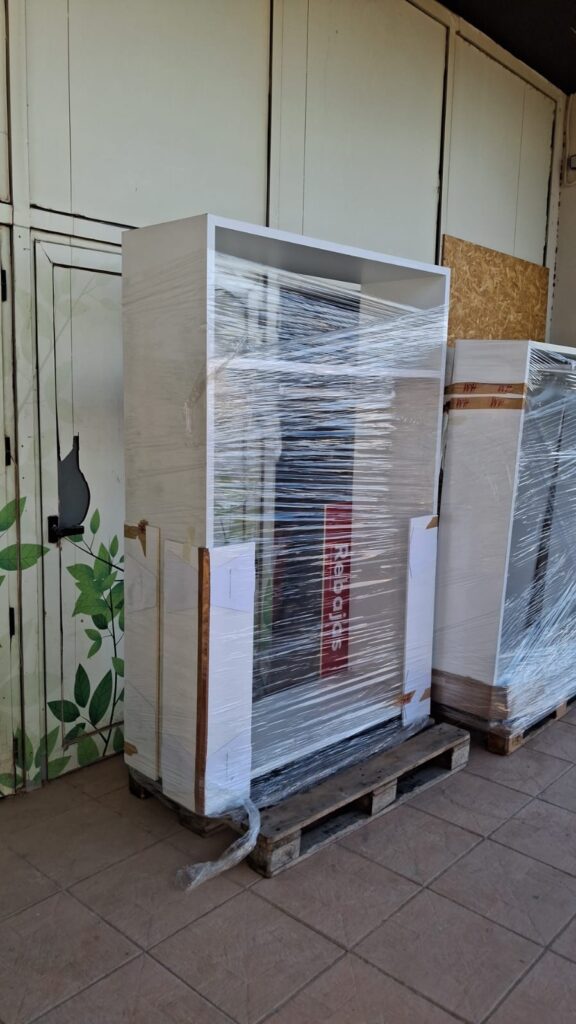
Large items such as beds, sofas, wardrobes, desks, and fragile cabinets often shape the quote more than customers expect.
Furniture also changes how efficiently the vehicle can be packed. Boxes are flexible. Large furniture is not. That difference matters because the load has to stay stable over a longer journey, not just fit into a rough footprint.
Hidden Costs People Forget
Some of the most frustrating moving costs come from details people forget to mention.
These often include:
- difficult parking
- stairs without lift access
- long carrying distance
- waiting time
- weak volume estimation
Each one may sound small, but together they can shift the whole move.
A long carry from the building to the vehicle, for example, can add effort to every single item. A narrow staircase can slow the whole loading process. A poor volume estimate can push the move into the wrong vehicle size. These are the kinds of details that feel invisible until they start costing money.
How to Lower Cost Without Lowering Standards
- declutter before booking
- measure properly
- choose the right vehicle size
- pack strategically
- share access details early
These steps help lower the cost without making the move riskier.
They also help you protect the parts of the move that matter most. A better strategy is not about stripping the service down blindly. It is about removing wasted spend while keeping the structure strong.
| Cost factor | Effect on price | How to control it |
|---|---|---|
| Load volume | More space raises transport cost | Move only what matters |
| Furniture size | Large items increase labour and space | Disassemble and measure |
| Access conditions | Stairs and distance increase effort | Share details early |
| Packing service | Adds cost but lowers damage risk | Use for fragile items |
| Urgency | Short-notice moves can cost more | Book early when possible |
A More Practical Budget View
Many people ask for one headline price, but the smarter question is what kind of move they are actually pricing. A lean studio relocation, a furniture-heavy household move, and a premium-item transfer may all be going from Germany to Sweden, but they are not the same transport problem.
A better budget mindset is to think in bands of complexity:
- smaller loads usually reward flexibility and leaner service
- larger household loads usually reward structure and better planning
- fragile or premium loads usually reward stronger protection over lower price
That framing often leads to better decisions than chasing the lowest quote in isolation.
What Documents May Matter When Moving to Sweden from Germany?
Requirements depend on nationality, length of stay, employment, what is being transported, and your personal circumstances. Even so, some documents matter in almost every move because they support clarity, delivery, and day-one organisation.
A move from Germany to Sweden often feels simple because both countries are within Europe, but paperwork still matters. The smoother your documentation is, the easier it becomes to manage handover, delivery, address confirmation, specialist items, and the first days after arrival. Good documentation is not only about formal rules. It is also about control.
Basic Personal Documents
Most movers should keep these ready:
- passport or ID
- proof of address
- tenancy agreement or Swedish address confirmation
- inventory list
Keep the most important documents easy to reach rather than buried in the moving load.
It is worth keeping printed copies and digital backups for anything central to identity, address, and transport clarity. A simple folder can save a remarkable amount of time when a landlord, mover, building manager, or official process requires quick proof.
Household Goods and Customs-Related Clarity
An inventory list helps with transport planning and overall clarity. Even when formal customs pressure is low, a well-prepared inventory is one of the most useful tools in the move.
It helps you track:
- what was loaded
- what is fragile
- what matters most
- what should be delivered first
A stronger inventory also helps you think more clearly about the move itself. It often reveals which furniture is really worth transporting, which boxes contain high-priority items, and which parts of the load should be easiest to access on arrival.
For larger relocations, it also helps to structure the inventory room by room. That makes unloading and early unpacking much calmer.
Vehicle, Pet, and Special-Item Documents
If the move includes a vehicle, pets, work equipment, or high-value items, additional documentation may matter.
For official Sweden information, check:
These sources are especially important when the move includes anything beyond standard household goods. Vehicles, pets, business equipment, and higher-value belongings can all raise questions that are easier to solve before moving day than during the journey itself.
| Document | Why it matters |
|---|---|
| Passport or ID | Identity verification |
| Inventory list | Helps with clarity and moving accuracy |
| Proof of Swedish address | Useful for delivery and admin tasks |
| Vehicle papers | Needed if transporting a vehicle or certain items |
| Pet documents | Important for compliant animal transport |
A Better Way to Organise Moving Documents
A useful rule is to divide your paperwork into three groups:
- documents you must carry with you
- documents you may need soon after arrival
- documents that are good to keep as backup only
The first group usually includes ID, proof of address, and anything linked to specialist items or personal status. The second may include inventories, tenancy paperwork, and useful admin copies. The third can stay archived digitally.
This kind of separation prevents one of the most annoying moving mistakes: knowing you have the right papers, but not knowing where they are when you actually need them.


Moving Furniture to Sweden from Germany: What Is Worth Taking?
Some furniture deserves the journey. Some pieces quietly waste money and space. This is one of the most important financial decisions in the move because furniture affects not only cost, but also vehicle size, labour, and packing complexity.
A long-distance move to Sweden can make furniture choices feel sharper than usual. On a short local move, it is easier to take borderline pieces “just in case.” On an international route, every large item needs to justify its place more honestly.
Furniture Worth Moving
These items are often worth taking:
- solid wood furniture
- premium sofas and beds
- antiques
- sentimental items
- quality desks and storage
If replacing the item in Sweden would cost much more than moving it, transport often makes strong sense.
It also makes sense when the item is difficult to replace in the same quality, already fits your lifestyle, or carries real personal value. Not everything valuable shows up on a receipt. Some pieces matter because they anchor the feel of home.
Furniture That May Be Cheaper to Replace
These pieces are often less worth the journey:
- flat-pack units
- worn furniture
- damaged pieces
- bulky low-value items
Letting go of low-value bulk can lower both effort and total moving cost.
A piece may also be a weak candidate for transport if it is awkward, unstable, or unlikely to suit the new property. The best moving budget is not built by keeping everything. It is built by keeping what still earns its space.
A Faster Test for Furniture Decisions
If you are unsure whether a piece is worth taking to Sweden, ask:
- would it cost clearly more to replace than to move?
- is it strong enough to justify the trip?
- does it fit the new home in size and style?
- would leaving it behind create real frustration later?
If the answer is mostly no, the item may not deserve the journey.
| Furniture type | Usually worth moving? | Why |
|---|---|---|
| Solid wood dining table | Yes | Durable, useful, and costly to replace well |
| Premium bed frame | Usually yes | High daily-use value and expensive to rebuy |
| Flat-pack wardrobe | Often no | Bulky, low value, and often easy to replace |
| Antique cabinet | Yes | Financial and sentimental value |
| Damaged shelving unit | Often no | Adds bulk without enough return |
| Quality work desk | Often yes | Useful, durable, and important for daily life |
How to Protect Furniture in a Long-Distance Move
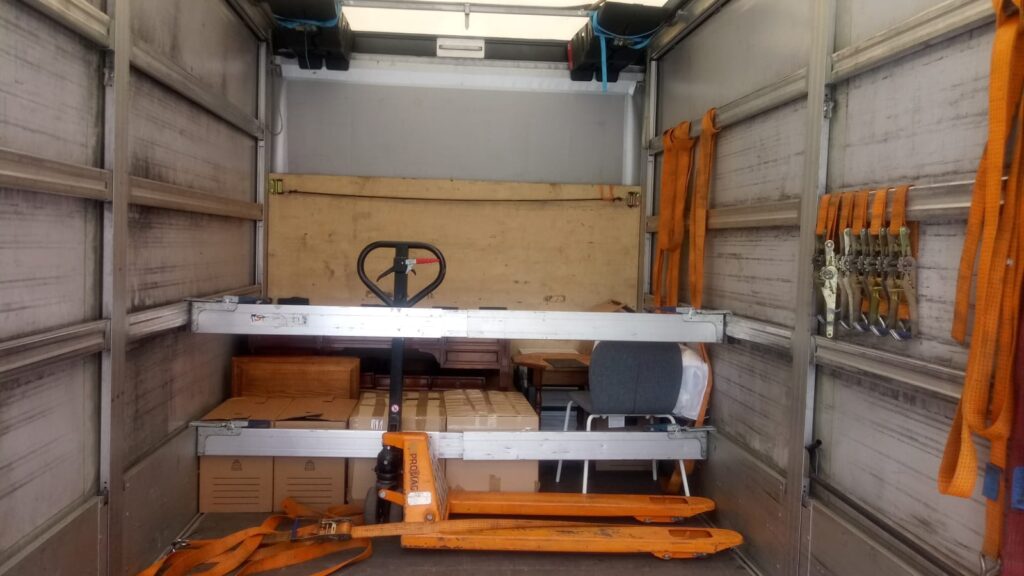
- disassemble where possible
- wrap corners and glass carefully
- label fragile items
- use professional packing for premium items
These steps reduce damage risk and make loading much more controlled.
It also helps to keep screws, fittings, and assembly parts in labelled bags, especially for beds, wardrobes, and larger desks. A move feels much slower when the furniture arrives but the key pieces cannot be rebuilt quickly.
Why Furniture Protection Matters More on This Route
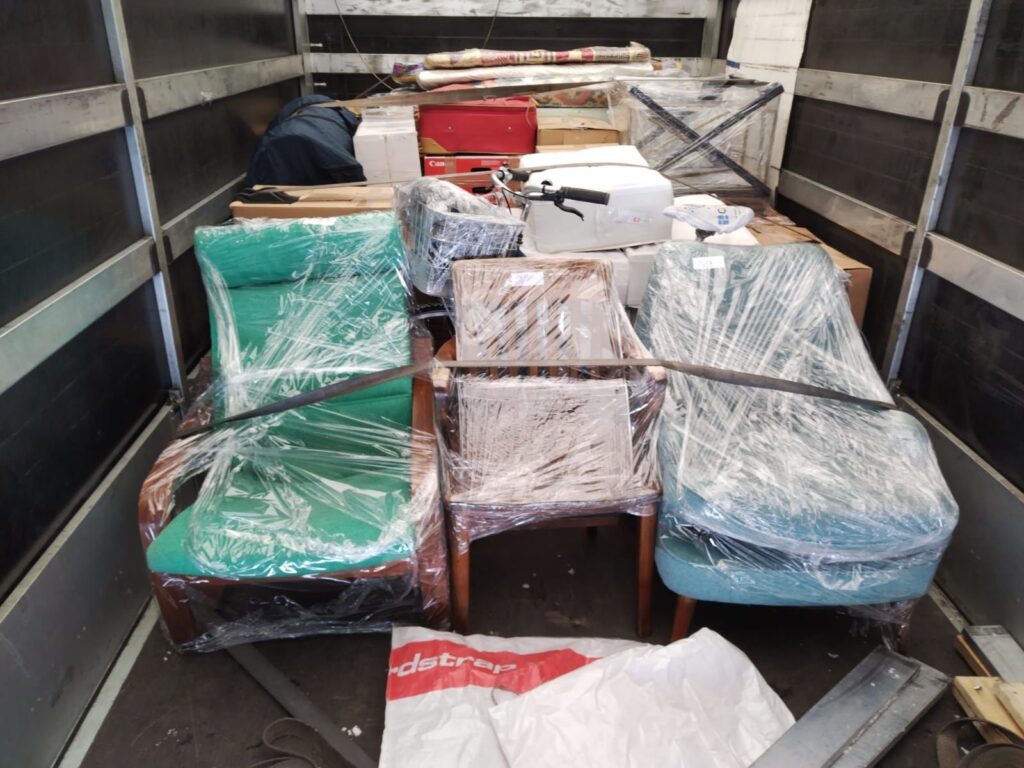
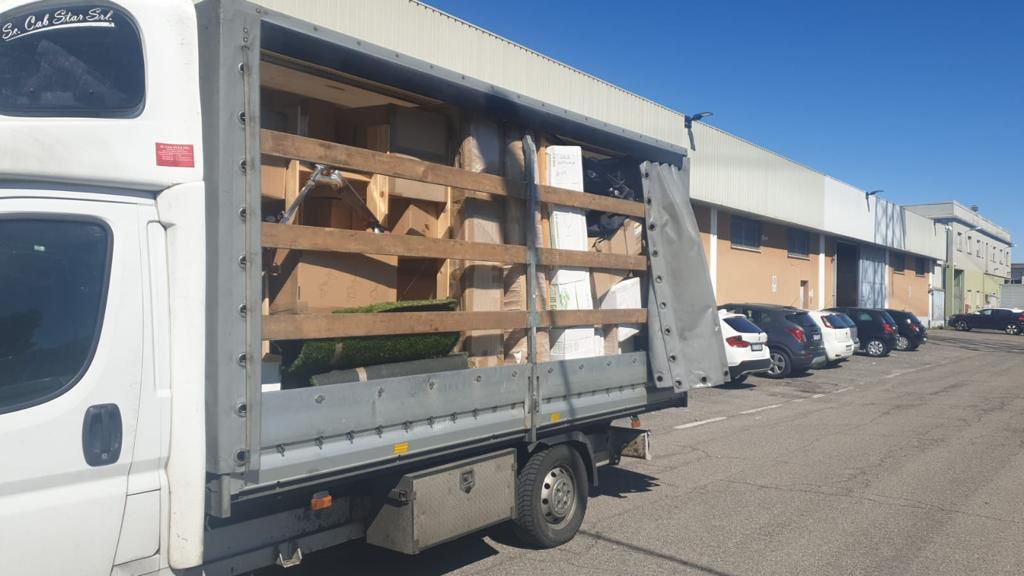
The longer the route, the less room there is for casual packing. Furniture on a Germany to Sweden move needs stable positioning, sensible spacing, and better protection from rubbing, shifting, or pressure.
That does not mean every item needs a premium service. It does mean the load should be treated with more intention than it would be on a short local transfer. Good packing and careful loading are what make longer routes feel safe rather than risky.
When White Glove Delivery Makes Sense
If the move includes delicate, premium, or sentimental furniture, White Glove Delivery can be the smartest decision in the whole transport plan.
This is especially true when surface finish, careful placement, or low handling risk matters more than speed alone. For many movers, white glove support is not an upgrade for appearance. It is protection for the items they care about most.
Which Vehicle Size Fits Your Move to Sweden?
Booking the wrong size is one of the most common and most expensive moving mistakes. Too small, and the move becomes stressful fast. Too large, and you may overpay for capacity you never use.
A better size match does more than protect the budget. It improves loading rhythm, reduces damage risk, and makes the whole move feel calmer. On a longer route such as Germany to Sweden, that matters even more because poor sizing tends to create a chain reaction: tighter packing, slower loading, more pressure on fragile items, and less flexibility when the vehicle is being organised.
| Service Option | Capacity | Max Weight | Best for |
|---|---|---|---|
| Moving One | 1 m3 | 100 kg | A few boxes or urgent essentials |
| Moving Basic | 5 m3 | 300 kg | Student move or compact load |
| Moving Medium | 10 m3 | 500 kg | Studio or part-furnished flat |
| Moving Premium | 15 m3 | 1100 kg | One-bedroom relocation |
| Moving Premium Plus | 30 m3 | 3500 kg | Family move or large furniture load |
| Moving Full House XXL | 90 m3 | 20000 kg | Full house removal |
What Those Sizes Mean in Real Life
A 1 m3 move is just a handful of essentials. A 5 m3 option works well for student moves or a compact man and van setup. Once you reach 10 m3 to 15 m3, you are usually dealing with a studio or small flat move. At 30 m3 and above, the move begins to look like a family relocation or a large furniture transfer.
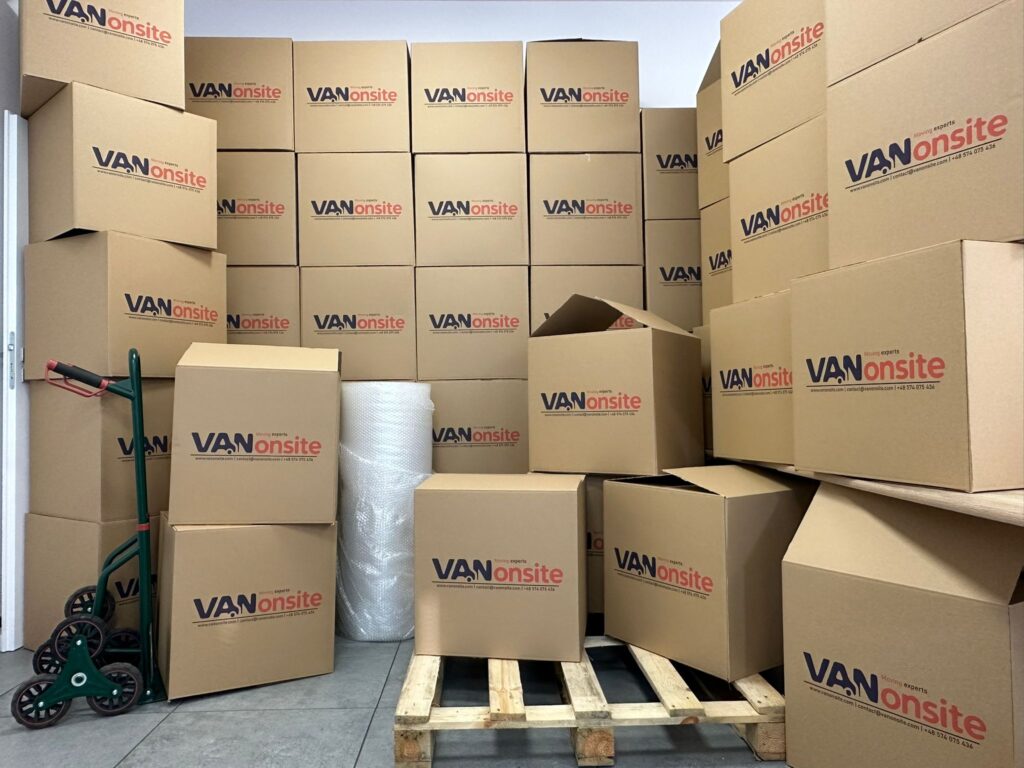
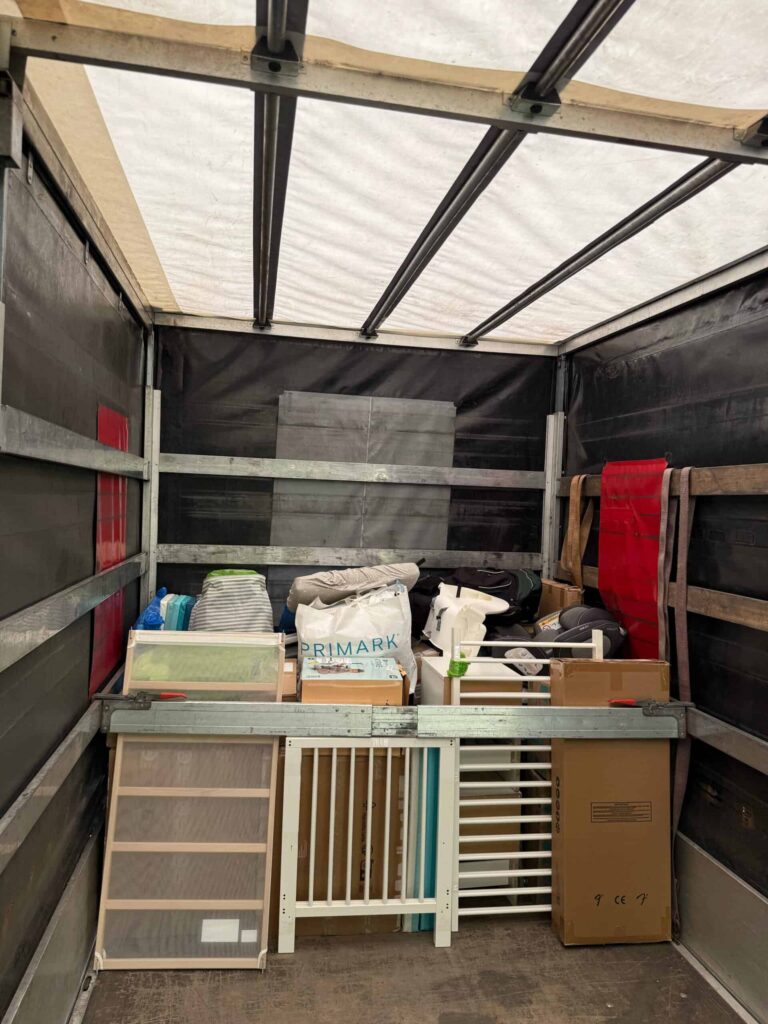
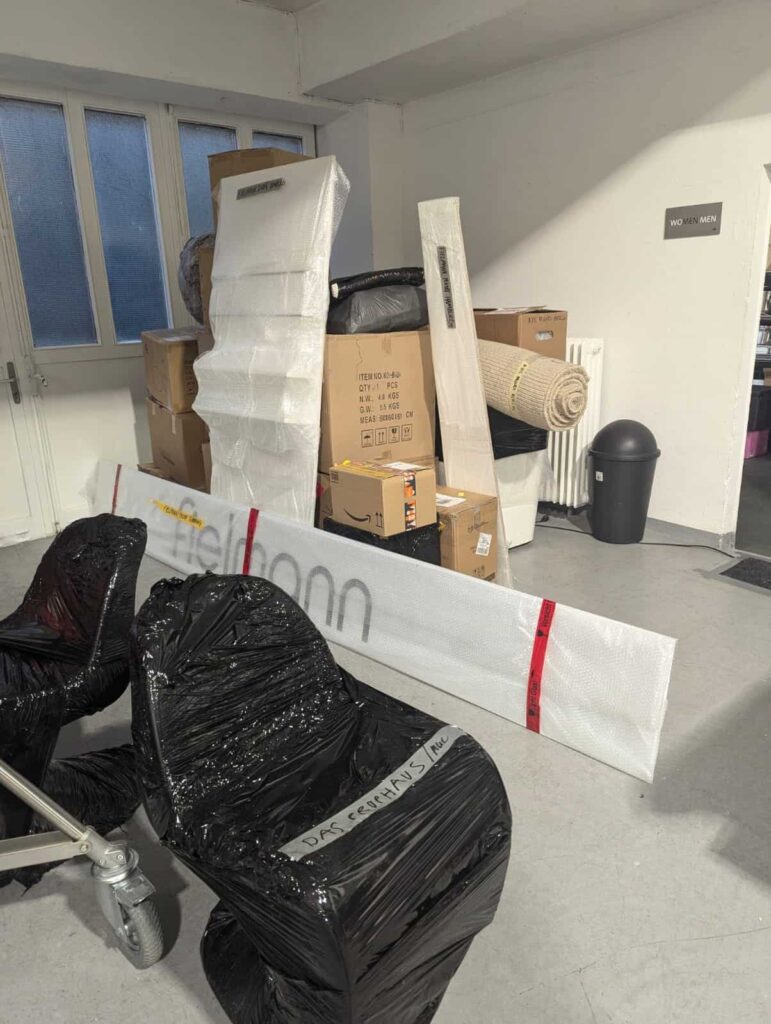
In real life, volume disappears faster than most people expect. A few boxes become a wall of boxes. One wardrobe becomes a wardrobe, a mattress, dining chairs, side tables, lamps, and a stack of “small things” that are not actually small in total. This is one reason people often underbook. They picture the headline items and forget the quieter ones.
A Practical Size Guide by Move Type
If you want a faster way to match the vehicle to the real move, this comparison helps:
| Move type | Usually the most realistic starting point |
|---|---|
| A few urgent essentials | Moving One |
| Student room or compact part-load | Moving Basic |
| Small flat with some furniture | Moving Medium |
| One-bedroom relocation | Moving Premium |
| Family move with large furniture | Moving Premium Plus |
| Full household transfer | Moving Full House XXL |
This kind of guide is useful because it translates abstract cubic metres into something more intuitive. Customers rarely think in volume first. They think in terms of rooms, furniture, and daily life.
When Man and Van Works Best
A man and van service works best when the move is smaller, faster, more flexible, or only part of the household is being transported.
It is especially strong when:
- you are moving in stages
- the load is moderate rather than full-house
- the timeline is tight
- you want leaner cost control without losing professional handling
For many Germany to Sweden relocations, man and van is not the budget compromise people assume. It can actually be the smartest-fit option when the move is compact and the service is chosen deliberately.
Signs You Need a Larger Vehicle Than Expected
You probably need more space if the move includes:
- more than 15 to 20 boxes
- sofa, bed, wardrobe, or table set
- several fragile items
- appliances
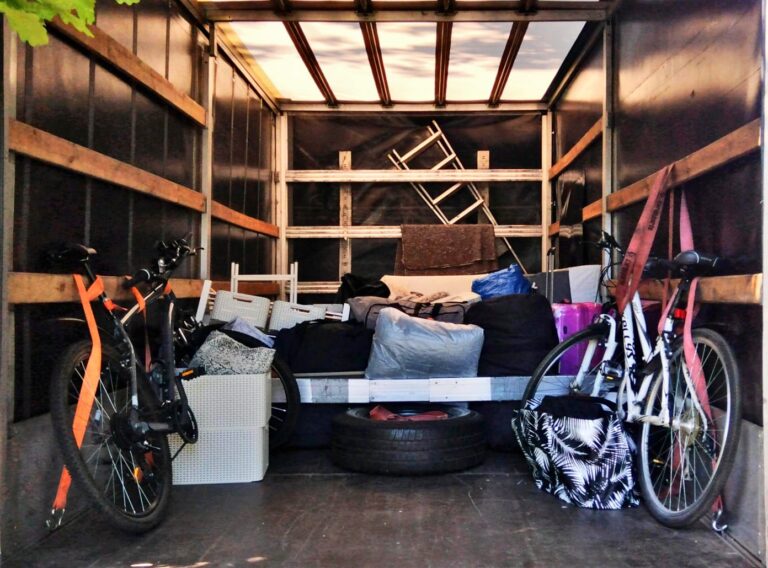
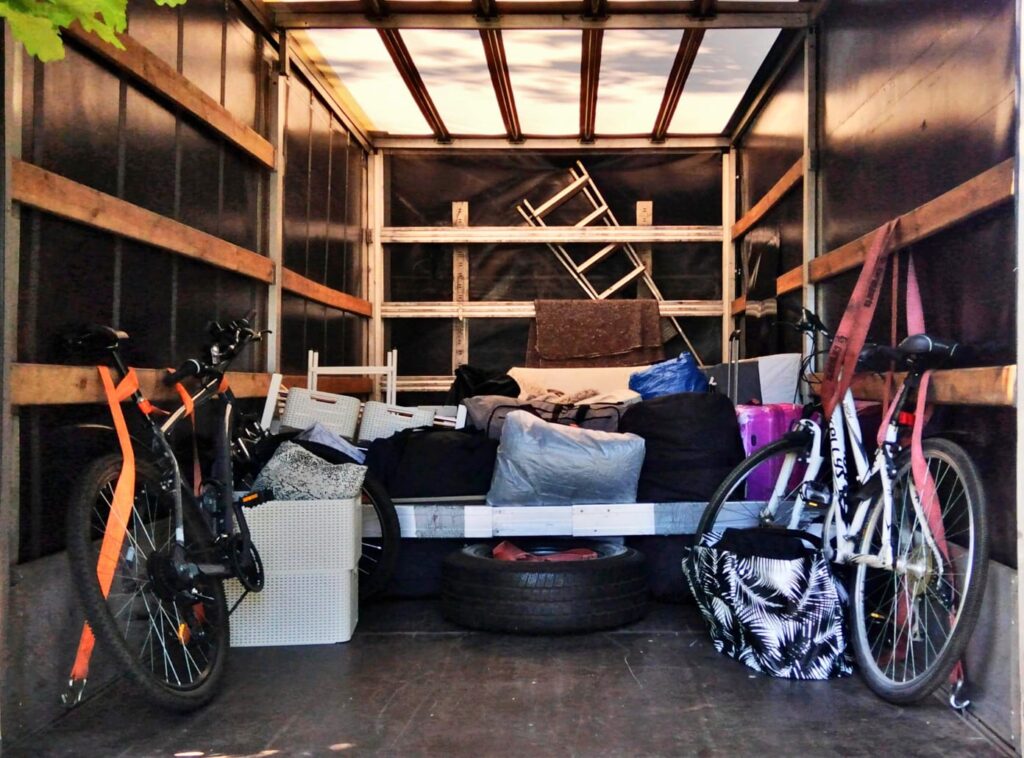
You should also think about sizing up if the move includes multiple awkward pieces that do not stack cleanly, such as floor lamps, mirrors, bikes, office chairs, or boxed electronics. These items often consume more usable space than they first appear to.
If in doubt, the slightly safer size is often cheaper than dealing with repacking, delays, or a second trip. A little spare margin inside the vehicle is not waste. It is protection.
Why Slightly More Space Can Be the Smarter Choice
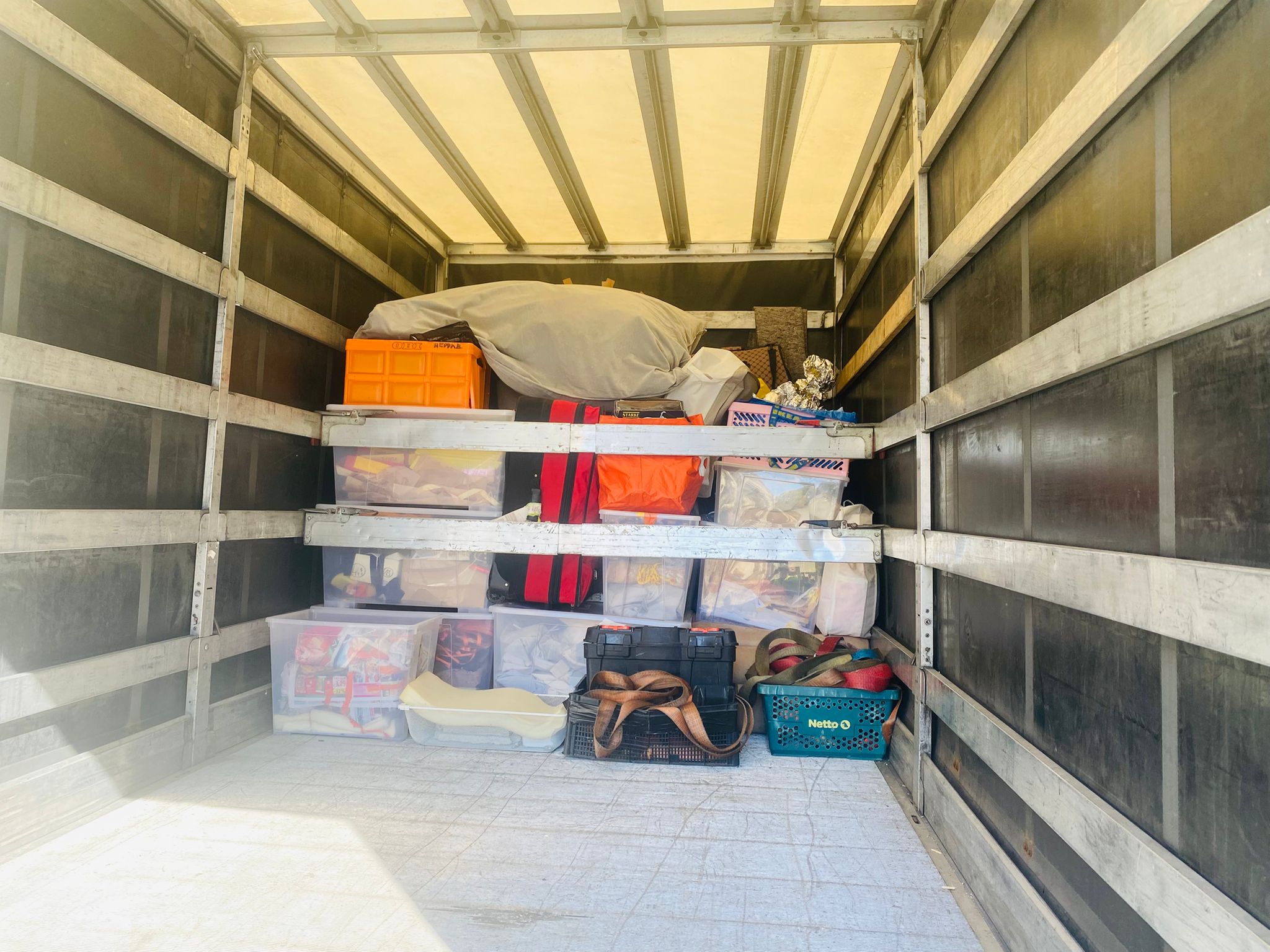
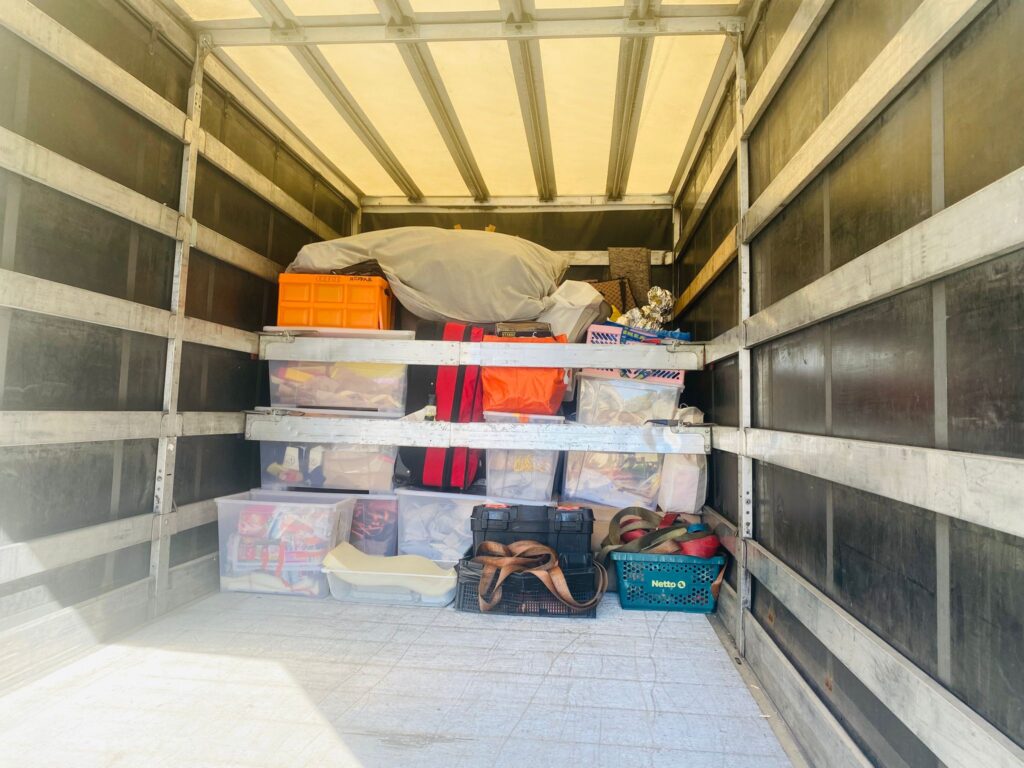
A move packed too tightly may look efficient, but it often becomes more fragile. Furniture corners rub. Fragile items lose their protective buffer. Loading order becomes harder to control. Access to priority items becomes worse.
A slightly larger vehicle can create:
- safer spacing around delicate furniture
- faster loading and unloading
- less compression around fragile items
- more realistic room for wrapped furniture
That matters more on an international route because the load needs to stay stable over a longer journey, not just squeeze into the van for an hour.

Common Mistakes People Make When Moving to Sweden from Germany
Most moving mistakes do not arrive dramatically. They begin quietly as small oversights, then grow into stress, delay, and wasted spend.
The most common mistakes are:
- choosing by price alone
- underestimating volume
- moving low-value furniture
- leaving documents too late
- packing fragile items badly
- not sharing access details
- choosing a service without tracking
Each one can damage the move in a different way. Together, they can make the whole relocation feel heavier than it needed to be.
Choosing by Price Alone
A low quote can feel irresistible, especially when the whole move already looks expensive. However, the cheapest option is often not the strongest option. Weak communication, vague scope, poor protection, or unrealistic sizing can make an apparently low price far more expensive once the move is underway.
The better question is not “What is cheapest?” but “What is the best fit for this route, this load, and this level of risk?”
Underestimating Volume
This is one of the most common mistakes in long-distance relocations. People count the obvious pieces, then forget the quieter layers of the move: bedding, lamps, kitchen items, shoe storage, boxed clothing, office accessories, and loose practical items.
Underestimating volume can lead to:
- the wrong vehicle size
- tighter packing
- slower loading
- more pressure on fragile items
- unnecessary moving-day stress
That is why measuring early matters so much.
Moving Low-Value Furniture
Some furniture quietly drains the budget without giving much back. If a piece is damaged, unstable, cheap to replace, or poorly suited to the new home, it may be costing more in transport than it is worth in real life.
A smarter move is not the one that takes everything. It is the one that takes what still deserves the journey.
Leaving Documents Too Late
Documentation often gets pushed to the side because it feels less urgent than boxes and furniture. Then it suddenly becomes urgent at exactly the wrong moment.
Late paperwork creates pressure around delivery, admin, and arrival. Early paperwork creates calm.
Packing Fragile Items Badly
Fragile items do not forgive rushed packing. Weak wrapping, loose glass protection, overloaded boxes, or poorly padded surfaces can turn a smooth route into an expensive disappointment.
This matters even more on a longer move because the items need to stay protected for longer, not just survive a short local transfer.
Not Sharing Access Details
A building with difficult parking, narrow stairs, lift restrictions, or long carry distance can reshape the move much more than people expect. When those details appear late, the quote and plan become less accurate.
Clear access details are not small details. They are part of the real shape of the move.
Choosing a Service Without Tracking
Silence becomes heavier on a longer route. When the journey stretches across countries, people do not only want the move to work. They want to know where it is, whether the schedule still holds, and when arrival should be expected.
That is why tracking matters so much. It reduces the most exhausting part of the move, which is uncertainty without visibility.
Why VANonsite Stands Out for Germany to Sweden Moves
Longer-distance European moves need more than transport. They need calm execution, clear timing, and the feeling that someone is actually in control of the process.
VANonsite stands out because the service feels built for real relocations, not abstract promises. The company combines secure European transport with practical flexibility, strong communication, and GPS tracking on every load. On a Germany to Sweden route, that combination matters because visibility and organisation reduce the exact type of stress that longer international moves tend to create.
What Makes the Service Strong
- secure and fast transport across Europe
- GPS tracking on every load
- flexible vehicle sizes
- support for furniture, homes, students, offices, and urgent moves
- practical service with a human touch
These strengths matter because the route is long enough for weak communication or weak organisation to become exhausting very quickly. A moving company that feels steady, responsive, and realistic creates a completely different experience from one that simply offers transport.
Why This Matters on a Sweden Route
A Germany to Sweden move is long enough that visibility matters more. When the load is being tracked, the quote feels realistic, and the service matches the move properly, the whole relocation becomes less stressful and more manageable.
That matters at every stage of the move. It matters when you are planning the budget. It matters when you are handing over keys. It matters when you are waiting for the delivery window to hold. It matters on the first night in Sweden, when you need the move to feel stable rather than uncertain.
Why Customers Trust VANonsite
Trust is not built by one dramatic claim. It is built by a chain of smaller signals that all point in the same direction.
Customers usually trust a moving company when they see:
- realistic communication
- honest service matching
- clear handling of fragile items
- visible transport progress
- practical flexibility when the plan changes
This is exactly where VANonsite has an advantage. The company can support lighter man and van relocations, furniture-heavy moves, household removals, urgent routes, and premium-item deliveries without forcing every customer into the same formula.
Why GPS Tracking Changes the Experience
GPS tracking is not just a useful extra. On an international route, it changes how the move feels.
Instead of relying on silence and guesswork, customers can follow the load more clearly. That reduces one of the hardest parts of a long move, which is not knowing whether the timing is still on track. Visibility creates reassurance. Reassurance lowers stress. And lower stress changes the whole experience of relocation.
Final Checklist Before Moving to Sweden from Germany
A final checklist catches the small details people forget when the move starts feeling real. The strongest checklists are not long for the sake of being long. They are useful because they prevent avoidable mistakes right before the move gathers speed.
- confirm the moving date
- sort what to take
- measure furniture
- prepare documents
- confirm the vehicle size
- pack essentials separately
- share access details
- confirm the delivery address in Sweden
This kind of checklist keeps the move functional. When the right details are visible, the last days before departure feel more controlled and far less chaotic.
A Better Last 24-Hour Check
The day before the move, do one final practical review:
- keep passports and key documents easy to reach
- check that essentials are still separated from the main load
- confirm pickup and delivery contact details
- make sure fragile items are clearly marked
- keep basic food, chargers, and toiletries accessible
This final check does not need to take long. It only needs to stop small oversights from becoming bigger problems.
First-Night Essentials After Arrival
The first night in Sweden shapes how the move feels emotionally. If the essentials are easy to reach, the whole relocation feels more manageable.
Try to keep these ready first:
- clean clothes
- toiletries
- bed linen
- phone chargers
- basic kitchen items
- any medication you may need
The goal is simple. Make the first evening feel functional, not frantic.
FAQ About Moving to Sweden from Germany
Is Moving to Sweden from Germany Difficult?
It can feel big, but with the right planning and the right moving service, it becomes much more manageable. The route is not unusually difficult, but it does reward better structure than people often expect at first.
How Much Does Moving to Sweden from Germany Cost?
It depends mostly on volume, furniture, access conditions, service type, and urgency. A compact move with lighter furniture usually costs much less than a full household relocation with larger items and more complex access.
Is a Man and Van Enough for Moving to Sweden from Germany?
Yes, for many smaller or partial relocations. For larger household moves, a fuller service is usually the safer choice. Man and van is strongest when the move is compact, flexible, or staged rather than full-scale.
What Documents May Matter for Moving to Sweden from Germany?
That depends on your nationality, situation, and what is being transported. Official Sweden sources are the safest place to check the latest requirements. In practical terms, identity documents, address confirmation, inventories, and any paperwork linked to vehicles, pets, or specialist items are often the most important.
Is Professional Packing Worth It for an International Move?
Yes, especially for fragile, premium, or sentimental items. It improves protection and lowers stress. On a longer route, good packing often prevents the kind of small damage that can make a move feel far more expensive later.
What Is the Best Way to Move Furniture to Sweden from Germany?
The best approach depends on how much furniture you are taking and how valuable it is. For smaller loads, man and van may be enough. For bulkier or more delicate furniture, a more structured removal or white glove service is often better. The strongest choice is the one that matches both the size and the value of the load.
Conclusion
Moving to Sweden from Germany becomes far easier when the load is measured properly, the service fits the move, the furniture is handled carefully, and the company provides both flexibility and visibility.
That is exactly where a strong moving partner makes all the difference. VANonsite combines secure transport, GPS tracking, flexible vehicle sizes, and practical support that helps the move feel less chaotic and far more controlled.
A successful international move is not the one with the fewest boxes. It is the one that arrives with less damage, less stress, and fewer regrets. That is why the right planning, the right vehicle, and the right service matter so much on the road from Germany to Sweden.
When the move is structured well, the route stops feeling intimidating and starts feeling achievable. That is the real difference good planning and good support can make.