
Introduction
Moving to Australia from Belgium can feel epic at first glance, yet with a sharp plan and a trusted partner it turns into a clear, confident journey. This guide breaks the long‑haul leap into simple, practical steps: how to pick the right visa pathway, whether to choose sea, air, or a smart hybrid, which documents and inventories matter most, and how Belgian origin logistics align with Australia’s strict biosecurity rules. Along the way, VANonsite powers your start with export‑grade packing, white glove handling for fragile pieces, secure storage buffers, and GPS‑tracked European collection so you always know where your shipment is.
Quick quote & European pickup: Removals to Belgium (origin collection, export packing, and handover to ocean or air freight partners)
TL:DR (7 bullets)
- Begin with visa eligibility on Home Affairs and align your move window; many visas include medical exams and police checks.
- Choose your mode wisely: sea freight for value, air freight for speed, or hybrid with an essentials air box and the rest by sea; typical ocean transits run 6–10 weeks port to port.
- Respect Australian biosecurity from day one: deep clean bikes, boots, garden tools, and camping gear; declare everything and pre‑check items in BICON.
- Pack to export standards: numbered inventory, photos for high‑value items, custom crates where needed, and ISPM‑15 stamped timber to smooth quarantine.
- Budget around real volume and delivery type; the tipping point for a 20‑ft container is often around 12–15 m³; save more by decluttering and packing non‑fragile goods yourself.
- Plan for special items early: pets require DAFF permits and quarantine, vehicles need import approval, while alcohol and many foods are restricted.
- Let VANonsite handle origin flawlessly: fast survey, lift and parking permits, careful loading, storage if timings slip, and GPS tracking to port or air cargo. Start here: Removals to Belgium.
Visa & Right to Live – Essential Checks
- Government source: Australian Department of Home Affairs visa explorer: https://immi.homeaffairs.gov.au/
Who needs what, at a glance
- Skilled pathways: points tested, state nominated, or employer sponsored. Check occupation lists and invitation rounds.
- Partner and family: provisional to permanent stages; evidence of relationship history helps.
- Student and Temporary Graduate: enrolment, OSHC, and attendance conditions.
- Working Holiday Maker: age limits apply and subclass depends on passport. See official overview: https://immi.homeaffairs.gov.au/visas/working-in-australia/working-holiday-maker
Typical extras
- Health examinations, police certificates, and English ability where relevant. Keep scans ready and names exactly as on your passport.
Timing and sequencing
- Lodge early and track processing times. Align visa grant windows with ocean sailings so you avoid long storage. Keep buffer time for quarantine, school terms, and lease dates.
Link to official: Check your visa options – https://immi.homeaffairs.gov.au/visas/getting-a-visa/visa-finder
Shipping Options – Sea vs Air vs Hybrid
Choosing a mode dictates cost, arrival speed, and how you plan your first weeks in Australia. Use the table, then follow the quick checklist.
Sea freight (FCL or LCL)
- Containers: 20 ft and 40 ft for Full Container Load. LCL for shared space when your volume is below the tipping point.
- Typical transit guide, port to port: Antwerp or Rotterdam to Sydney 6–9 weeks, Melbourne 7–10, Brisbane 7–10, Perth 6–8, Adelaide 7–10. Add origin handling, customs, biosecurity, and local delivery windows.
- Why choose it: best value per m³, safer handling in FCL, flexible delivery once cleared.
Air freight
- Speed: 3–10 days in air transit once lodged.
- Why choose it: documents, work kits, baby items, or a small set of essentials for a soft landing.
- Note: cost per kilogram is higher and volumetric weight rules apply.
Hybrid plan
- Send an essentials air box for week one and ship the rest by sea. Your new life starts on time while bulk follows economically.
- VANonsite prepares both streams with export grade packing, unified inventory, and synchronized pickup.
Container and mode snapshot
| Mode | Typical volume | Speed | Best for | Notes |
|---|---|---|---|---|
| LCL sea | 1–12 m³ | 7–12 weeks door to door | Partial homes, students | Shared container, more handling points |
| 20 ft FCL | 12–33 m³ | 7–11 weeks door to door | 1–2 bed apartments | Private container, fewer touches |
| 40 ft FCL | 33–67 m³ | 7–11 weeks door to door | 3–4 bed homes | Best m³ price when volume is high |
| Air freight | 0.1–3 m³ | 1–2 weeks door to door | Essentials, valuables | Charged by weight and size |
Decision checklist
- Confirm real m³ from photos or a video survey.
- Map visa timing and handover dates to transit windows.
- Split essentials to air if you need immediate comfort.
- Choose FCL once you approach 12–15 m³ to reduce handling.
- Plan export packing and ISPM 15 compliant crates for fragile or oversized items.
We handle Belgian origin: packing, inventory, lift reservations, parking permits, and GPS tracked transfer to the freight terminal. Book origin packing.
What Australia Checks – Customs & Biosecurity
- Unaccompanied Personal Effects (UPE): declare with Australian Border Force. Official guide: https://www.abf.gov.au/entering-and-leaving-australia/unaccompanied-goods
- Biosecurity (DAFF, formerly AQIS): high scrutiny on outdoor gear, wooden items, food, plant and animal products. Check the BICON database: https://bicon.agriculture.gov.au/
- Timber and plant materials: ISPM‑15 stamped wood for crates and pallets only. Varnished furniture is usually fine. Untreated raw timber may require treatment or be refused.
- Cleaning standard: items must be free from soil, seeds, plant matter, pests, and residues. Bikes, shoes, garden tools, camping gear, and lawn equipment are frequent triggers.
- Prohibited or controlled: weapons, some knives, offensive material, certain medicines without prescription, ivory, and endangered species products. Always verify on ABF.
The clearance flow
- Your shipment lands at port or air terminal and is lodged with ABF and DAFF by the destination agent.
- Risk assessment occurs. Many consignments are selected for x‑ray or physical inspection.
- Outcomes: immediate release, directed inspection, or treatment. Treatment can include cleaning, fumigation, or re‑export at the consignee’s cost.
Cleaning checklist before packing
- Pressure‑wash bike frames, tyres, chains, and pedals; dry completely.
- Scrub hiking boots and sports footwear; remove all soil from treads and insoles.
- Degrease and wipe garden tools, lawnmowers, trimmers; empty fuel and oil.
- Shake and clean tents, pegs, poles; ensure no plant material remains.
- Vacuum and empty appliance filters and vacuum cleaner bags.
- Wipe down outdoor furniture, planters, and barbecue grills; no grease or ash.
- Inspect wicker, rattan, and raw wood for bark, bore holes, and debris.
High‑risk items and what to do
| Item | Risk reason | Action before export | Likely outcome |
|---|---|---|---|
| Bicycles and scooters | Soil, seeds, grease | Deep clean, dry, bag wheels | Release or quick inspection |
| Hiking boots and sports shoes | Soil and seeds | Wash soles and uppers, air dry | Release if visibly clean |
| Garden tools and mowers | Soil, plant matter, fuel | Clean, drain fuel, wipe handles | Inspection; possible clean‑on‑arrival |
| Camping gear and tents | Seeds, insects | Shake out, clean, pack dry | Release or x‑ray |
| Wicker, rattan, untreated wood | Pests, bark | Avoid or treat; use finished furniture | Inspection; possible treatment |
| Vacuum cleaners | Dust, pests | Empty bags and canisters | Release if empty and clean |
| Food, spices, honey | Biosecurity risk | Avoid packing or declare clearly | Confiscation or fees if undeclared |
If something fails inspection
- DAFF will order cleaning, fumigation, or destruction. Fees and storage at terminal apply. Uncleanable goods may be re‑exported at your cost. Clear, honest declarations reduce delays.
Documentation pack
- Passport and visa grant notice
- Detailed room‑by‑room packing list and valued inventory
- UPE declaration (Form B534) if applicable
- Bill of Lading or Air Waybill copy
- Evidence of residence abroad for concessions
- Separate permits for pets and vehicles (see sections below)
Useful official links
- ABF UPE: https://www.abf.gov.au/entering-and-leaving-australia/unaccompanied-goods
- BICON database: https://bicon.agriculture.gov.au/
- ABF prohibited and restricted items: https://www.abf.gov.au/importing-exporting-and-manufacturing/prohibited-goods
Belgian Origin Logistics – Where VANonsite Shines
- Pre‑move survey: fast photo set or video walk‑through for precise m³ and a clean inventory plan.
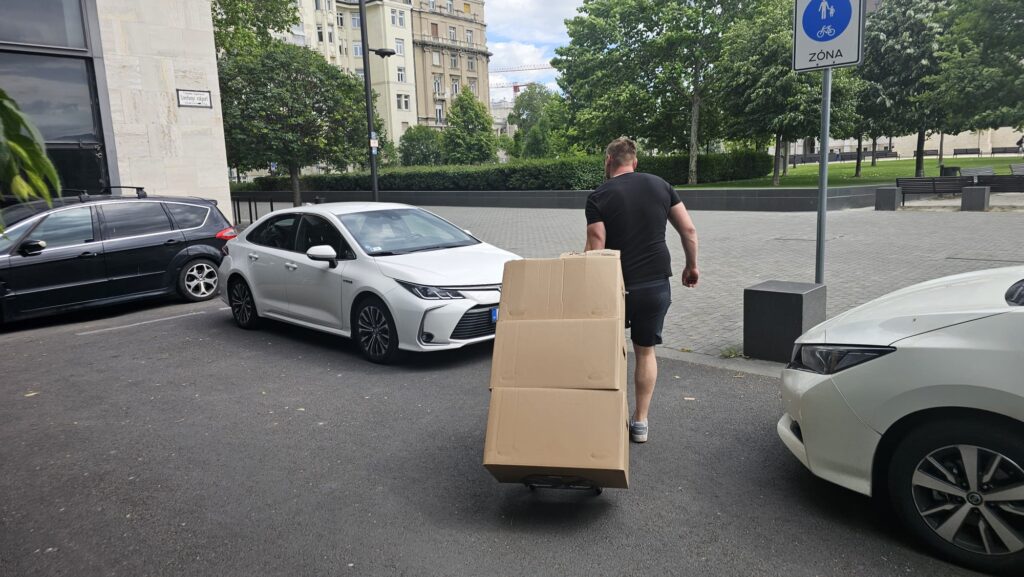
- Access planning: lift reservations, stair turns, parking permits, and building rules secured before move day.
- Export‑grade packing: double‑wall cartons, foam corners, anti‑abrasion wraps, moisture control packs for ocean legs, and ISPM‑15 stamped timber crates when needed.
- Inventory and labels: room codes plus 2 keywords per box, numbered list, photos for high‑value items, and Open‑First kits prepared.
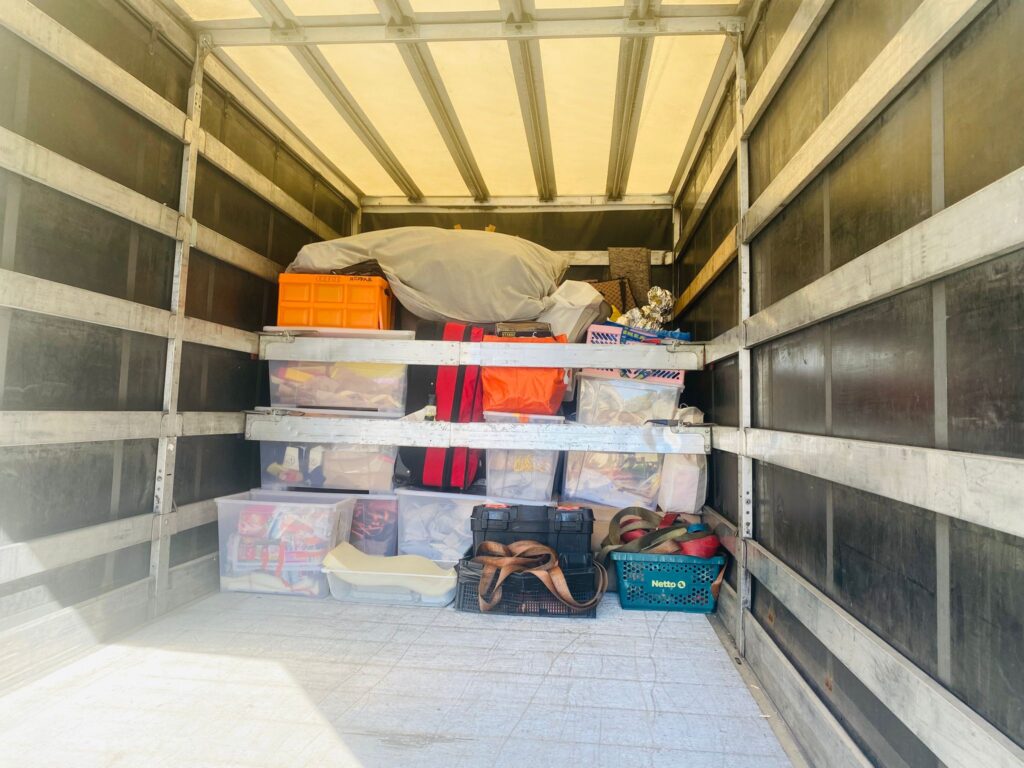
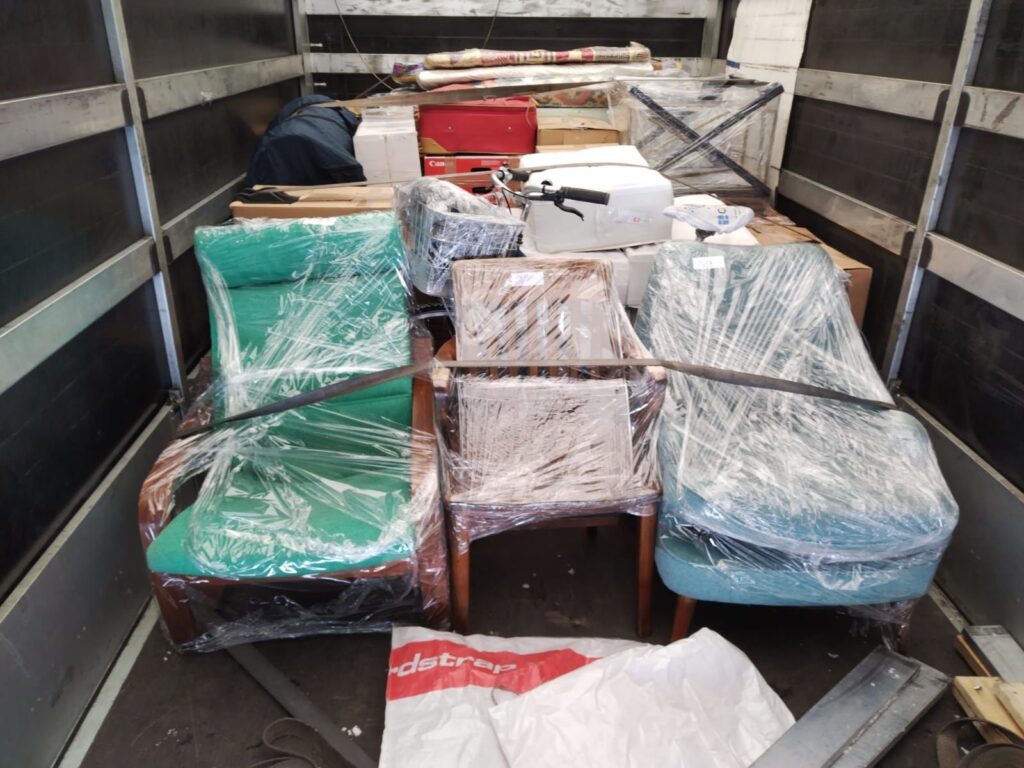
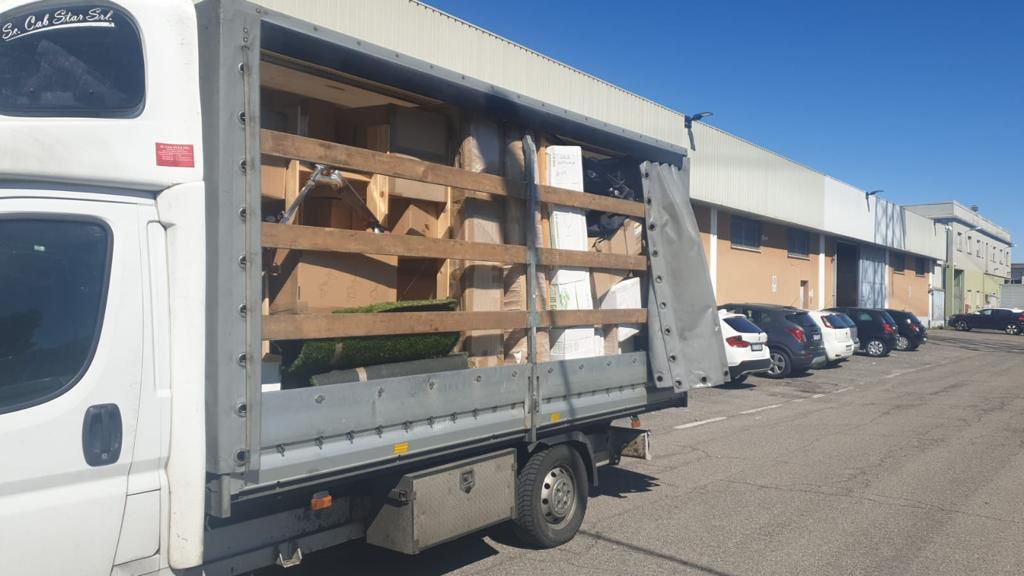
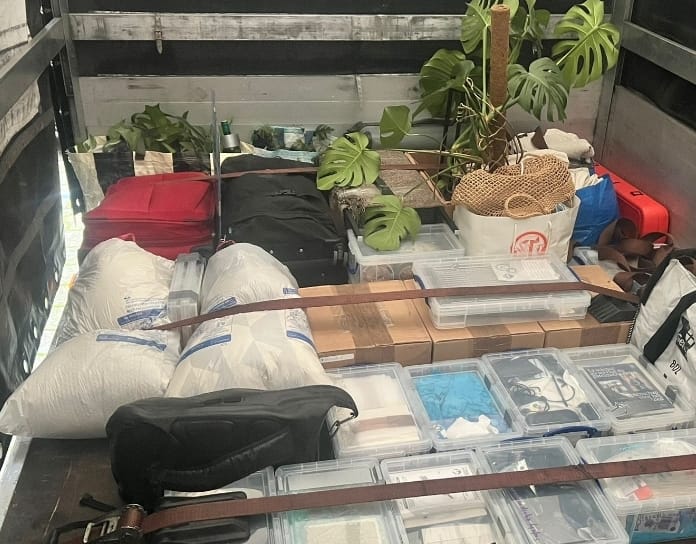
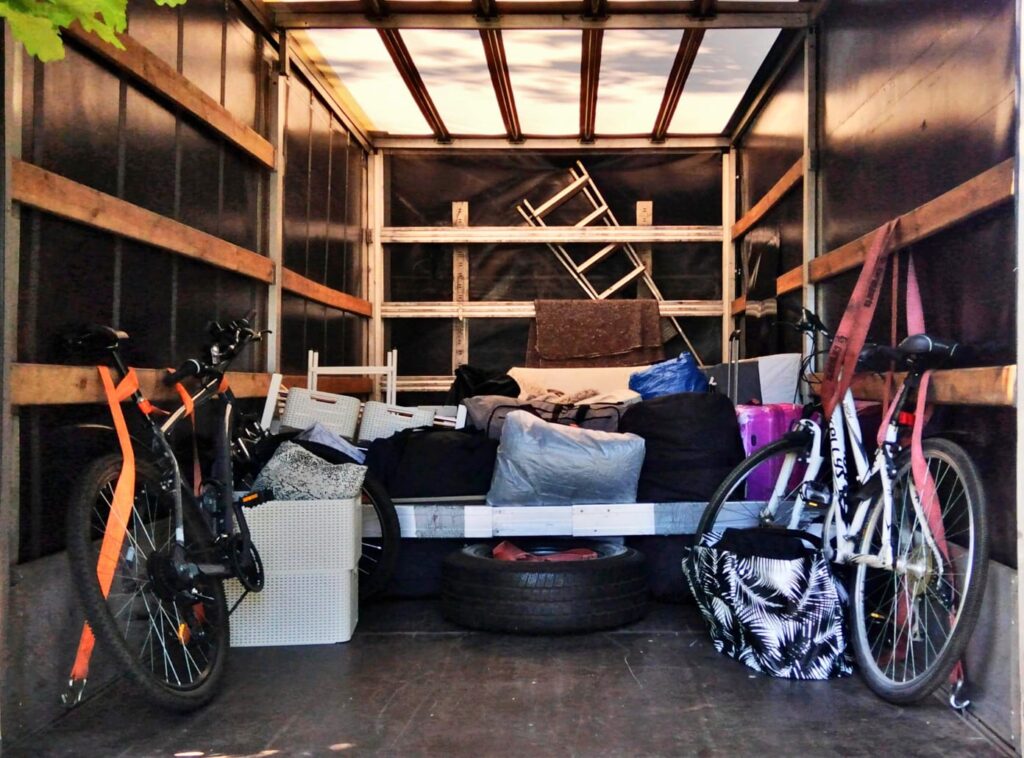
- On the day: lift protection, floor guards, careful dismantling, custom crating, photo inventory, sealed loading, and GPS‑tracked transfer to the freight terminal.
- Buffer and storage: secure, catalogued storage if ship date or keys slip; partial redeliveries possible.
- Handover: documentation packet prepared for your forwarder or our partner agent; smooth handover to sea or air.
VAN sizes and typical use
| Service | Capacity | Typical load | Ideal use case |
|---|---|---|---|
| Moving Basic | 5 m³ / 300 kg | 10–15 boxes, desk, bike | Essentials run to export pack |
| Moving Medium | 10 m³ / 600 kg | Studio plus 15–25 boxes | Small flat origin collection |
| Moving Premium | 15 m³ / 1,000 kg | 1 bed set, sofa, appliances, 25–40 boxes | Standard apartment |
| Moving Premium Plus | 30 m³ / 3,500 kg | 2–3 bedrooms, 50–80 boxes | Family home |
| Moving Full House XXL | 90 m³ / 20,000 kg | Full house or office floor | Full export pack and load |
What is included vs optional
- Included: survey, m³ estimate, protection materials on site, basic dismantling, standard cartons, GPS tracking to terminal.
- Optional upgrades: custom crates, White Glove art handling, weekend moves, shared‑route savings, storage with photo inventory, COI for buildings.
Costs – What Drives Your Price
Cost drivers
- Volume and weight that set mode, container choice, crew size, and handling time.
- Mode selection: sea vs air, and FCL vs LCL which changes handling points and risk of re‑handling.
- Origin access: floors, lift size, long carry distances, parking permits, and building rules.
- Export materials and crating: ISPM‑15 timber crates, TV cartons, art crates, moisture control packs.
- Insurance level: total loss vs all‑risk and named‑item cover; declared values influence premium.
- Route and schedule: sailing frequency, peak seasons, public holidays, or port congestion.
- Destination charges: terminal handling, port service fees, quarantine inspection fees, bonded storage if inspections take time.
- Local delivery setup: door type, carry distance, stairs at destination, and reassembly scope.
- Quarantine outcome: cleaning or treatment orders if items do not pass DAFF checks.
- Storage on either side: short or long term when keys or visas slip.
Destination charges you should expect
- Terminal handling, customs brokerage, quarantine inspection fees when selected, and port service charges.
- Metro delivery with standard carry, or out‑of‑area surcharges for remote addresses.
- Bonded storage and attendance fees if inspections or documentation are delayed.
Service levels compared
| Service level | Description | Handling points | Speed | Budget impact |
|---|---|---|---|---|
| Door‑to‑door FCL | Private 20‑ft or 40‑ft container from origin home to destination home | Low | Predictable | Medium to high |
| Door‑to‑door LCL | Shared container from home to home | Medium | Variable | Medium |
| Door‑to‑port | Export pack and ship to port or terminal only | Low at destination | Fast handover | Lower shipping, higher destination self‑management |
| Air freight smalls | Airport to door for essentials | Low | Fastest | High per kg |
No‑prices sample scenarios
| Scenario | Mode | Volume | Notes |
|---|---|---|---|
| Essentials air carton plus sea FCL | Hybrid | Air 0.5–1 m³ plus Sea 20‑ft | Fast arrival of essentials, bulk follows |
| Apartment Antwerp to Sydney metro | Sea | 15–20 m³ | LCL vs 20‑ft decision by volume tipping point |
| Family house Leuven to Melbourne | Sea | 30–40 m³ | 40‑ft FCL; consider school‑term timing |
| Designer pieces with crates to Brisbane | Sea | 8–12 m³ | White‑glove export packing and custom crates |
Risk triggers and how to avoid them
- Late paperwork or missing inventory photos. Remedy: prepare a clear, numbered list and keep scans handy.
- Untreated raw timber in furniture or crates. Remedy: use finished furniture or ISPM‑15 stamped wood only.
- Long carry distances or no legal parking. Remedy: secure permits and staging areas in advance.
- Peak‑season sailings and rollovers. Remedy: book early or accept a flexible window.
How to save
- Declutter heavy, low‑value items and liquids that travel poorly.
- Choose mid‑month sailings when space can be easier.
- Pack non‑fragile goods yourself; leave fragile to pros for insurance.
- Book early and align with visa timing to avoid storage.
- Share clear photos for precise m³ and the right container choice.
- Consider door‑to‑port if you have time to self‑manage destination, or choose shared routes when flexible.
- Stage items near access points to shorten carry time.
Timeline – From Belgium Door to Australian Door
- 12–10 weeks out: shortlist visas and track progress; request surveys; compare sea vs air vs hybrid; pencil a preferred sailing and a backup.
- 10–8 weeks out: confirm export packing date; start decluttering; decide on crates for art or instruments; check building rules and lift bookings.
- 8–6 weeks out: gather documents, police checks or medicals if required; prepare valued inventory template; align school terms or work start dates.
- 6–4 weeks out: secure parking permits and loading plans; order specialised cartons; photograph high‑value items; choose insurance level.
- 4–2 weeks out: pack non‑essentials; finalise Open‑First kit; measure large furniture and doorways; confirm access at both homes.
- Move week: export pack and load; issue numbered inventory and packing list; seal containers; transfer to terminal with GPS updates.
- On the water or in air: monitor tracking; prepare destination documents; line up accommodation and utilities; set delivery preferences.
- Arrival week: destination agent lodges with ABF and DAFF; attend inspections if needed; settle destination charges; book delivery window.
- Delivery day: direct room by room; assemble beds first; record meter readings; keep packing materials for coordinated pickup.
- First 72 hours: report any issues with photos; register for TFN and Medicare; update addresses with bank and employer.
- Weeks 2–4: recycle or reuse materials; finalise school enrolments; swap EU plugs and bulbs as needed.
Plan B: if sailing rolls or quarantine requests extra treatment, we buffer in storage and adjust delivery while keeping you updated through the GPS link and coordinator calls.


Pet Travel, Vehicles, Alcohol – Strict Rules, Smart Choices
Pets
- Start with DAFF guidance and the BICON database for your specific species and origin: https://www.agriculture.gov.au/biosecurity-trade/cats-dogs and https://bicon.agriculture.gov.au/
- Typical sequence for cats and dogs: import permit application, rabies vaccination and rabies antibody test where required, waiting periods, pre‑export vet checks, approved transport crate compliant with IATA, and post‑entry quarantine on arrival.
- Quarantine is usually at the Mickleham Post Entry Quarantine facility near Melbourne. Minimum stays apply and spaces can book out, so reserve early.
- Cleanliness matters: bathe and groom pets before travel; ensure bedding and crates are free from straw, hay, or plant matter.
- Some breeds or species face extra conditions or are ineligible. Always confirm in BICON before committing.
Vehicles
- Importing a car or motorbike requires prior import approval. Begin at the Department of Infrastructure portal: https://www.infrastructure.gov.au/vehicles/importing-vehicle
- Expect steps like eligibility assessment, compliance with Australian Design Rules, asbestos declarations or testing, biosecurity cleaning, and state registration after arrival.
- Many families choose to sell in Europe and buy in Australia due to cost, compliance, and quarantine risks.
Alcohol and food
- Declare everything. Many foods and all soil‑exposed items are high risk. Undeclared goods can trigger fees, cleaning orders, or disposal.
- For household moves, avoid packing food, seeds, honey, and home‑made preserves. If you must ship alcohol, list it clearly on the inventory and expect taxes and inspection.
After You Land – Set Up Fast
- Tax File Number (TFN): apply online after arrival: https://www.ato.gov.au/TFN. Keep your passport and Australian address ready.
- Medicare: check eligibility and enrol promptly: https://www.servicesaustralia.gov.au/medicare. Carry passport, proof of residence, and any reciprocal health agreements where applicable.
- myGov: create a myGov account and link ATO, Medicare, and other services: https://my.gov.au/
- Banking: open a local account with ID and address. Ask about international transfer fees and debit card issuance times.
- Superannuation: if you work in Australia, your employer will pay into a super fund; choose a fund and note your member details for onboarding.
- Driving: licence recognition varies by state; confirm rules via Austroads and your state authority: https://austroads.gov.au/drivers-and-vehicles/. Consider getting an International Driving Permit before you leave Belgium for the interim period if your state requires it.
- School enrolment: visit your state education portal and bring translated certificates and immunisation records.
- Mobile and internet: pick up a local SIM at the airport or city; schedule home internet early as NBN bookings can take time.
- Utilities and renting: prepare ID, employment letter, and references for rental applications. Expect to lodge a bond and complete a condition report at move‑in.
- Emergency numbers: store 000 for emergencies and 131 444 for non‑urgent police in most states.
Week 1 setup checklist
| Task | Where | Notes |
|---|---|---|
| Apply for TFN | ATO online | Needed for employment and tax |
| Enrol in Medicare | Services Australia | Eligibility varies by visa |
| Create myGov | my.gov.au | Link ATO and Medicare |
| Open bank account | Major banks | Bring passport and address |
| Choose super fund | Employer or independent | Keep member number handy |
| Arrange SIM and NBN | Telco providers | Book NBN install early |
| Update address | Employer, bank, insurer | Keep copies of lease or proof |
| Book GP and dentist | Local clinics | Bring Medicare and ID |
Packing Like a Pro – Export Standards
Materials and methods that actually protect
- Double‑wall cartons, H‑tape seal on all seams, foam corners, anti‑abrasion wraps, and edge protectors for furniture.
- Dedicated TV cartons with screen guards; never ship screens flat and avoid pressure on the panel area.
- ISPM‑15 stamped timber for all crates and pallets; kiln‑dried timber prevents pest issues in quarantine.
- Furniture blankets plus shrink wrap as an outer layer only; never wrap bare wood in plastic without a breathable layer.
- Moisture control packs and desiccant units for long ocean legs and seasonal humidity changes.
- Lithium batteries and aerosols: remove from devices and pack separately per carrier guidance; many are restricted for air and should travel by sea only.
Room‑by‑room blueprint
- Kitchen: plate packs, glass dividers, double wrap stemware; tape knives to a cardboard sheath; list open spices but avoid shipping food.
- Living room: crate artworks, mirrors, and large TVs; wrap frames, corner‑guard canvases; roll rugs around acid‑free core.
- Bedrooms: wardrobe cartons for hanging garments; vacuum bags for linens but leave room for air to avoid mildew.
- Kids’ room: bag small toy parts and label; remove batteries from electronics.
- Garage/outdoors: degrease and dry sports gear; empty and air out camping items; avoid soil‑exposed decor.
Label blueprint
- Box code format: COUNTRY‑YEAR | ROOM | BOX XX/YY | KEYWORD 1 + 2 | WEIGHT. Example:
AU‑2025 | KITCHEN | 03/12 | GLASS FRAGILE | 26 kg. - Place labels on two adjacent sides plus the top.
- Mark FRAGILE and THIS SIDE UP where relevant; add arrows on tall cartons.
What not to pack
- Perishables, open liquids, hazardous chemicals, pressurised aerosols, and unprotected sharp tools.
- Soiled outdoor gear, untreated raw timber, and plant material.
- Prohibited items under ABF rules or airline/security restrictions.
Fragile item playbook
| Item | Protection | Packing tip |
|---|---|---|
| Art & mirrors | Custom crate or mirror carton | X‑pattern tape on glass, corner guards, foam face |
| TVs & monitors | Original or TV carton, foam end caps | Stand upright, immobilise inside, never lay flat |
| Ceramics & china | Double‑wrap, cell dividers | Small, dense cartons, filler to stop rattle |
| Musical instruments | Hard case + crate | Loosen strings, humidity pack inside |
| Computers & consoles | Original foam or custom inserts | Data backup; cables in labelled pouch |
| Leather furniture | Blanket + breathable wrap | Avoid plastic directly on leather; use covers |
Open‑first kit
| Category | Items |
|---|---|
| Comfort | Kettle, mugs, snacks, light linens |
| Sleep | Bedding set, pyjamas, earplugs |
| Clean | Wipes, hand soap, bin bags, microfiber cloth |
| Connect | Chargers, power strip, basic tools, adapter plugs |
| Admin | Passports, visas, contracts, pen, scissors |
| Kids & pets | Favourite toy, night light, pet bowls, treats, spare lead |
| Safety | First‑aid kit, plasters, basic meds, small torch |
Insurance & Liability – Peace of Mind
Cover types explained
- All‑risk door to door: covers physical loss or damage during packing, loading, transit, storage in transit, and delivery, subject to policy terms.
- Total loss: applies only if the entire consignment is lost or destroyed; lower premium but limited protection.
- Named‑item or high‑value rider: specific declared items (art, antiques, instruments) with appraisals or photos.
How to value your goods
- Use destination replacement value in local currency, not second‑hand prices. For antiques or art, provide recent appraisals.
- Avoid underinsurance: if you insure for 20,000 and true replacement is 40,000, a 50 percent co‑insurance penalty can apply to partial claims.
Common exclusions
- Owner‑packed fragile items, pre‑existing damage, gradual deterioration, mould or mildew, mechanical derangement without external impact, restricted or prohibited goods, and war or government seizure.
Deductibles and conditions
- Many policies carry an excess; check the amount and whether it applies per claim or per incident.
- Coverage for storage in transit is usually time‑limited; extend if sailings or keys slip.
- Pairs and sets: payout may be limited to the damaged piece unless a matching‑set rider is added.
Claims playbook
- Note issues at delivery on the crew sheet; photograph packaging and the item before unwrapping fully.
- Notify the insurer promptly, typically within 72 hours for delivery damage; concealed damage windows may be 7–14 days.
- Keep packing materials until the surveyor confirms disposal.
- Provide purchase proof, appraisals, and repair or replacement quotes; settlement often follows surveyor review.
Building documentation
- Ask VANonsite for a Certificate of Insurance and crew liability details 5–7 days before move day. Share building address, dates, and lift dimensions so we can tailor the COI correctly.
Frequently Asked Questions
- Do I need a visa before shipping? Not strictly, but align shipping with visa grant to avoid storage. Start here: Home Affairs visa finder.
- Do I pay duty and GST on used household goods? Many used personal effects may be eligible for concessions, but you must meet ABF conditions and declare correctly. Read ABF UPE concessions: abf.gov.au/entering-and-leaving-australia/unaccompanied-goods.
- Can I ship food, seeds, or honey? Strongly discouraged. Many items are restricted or prohibited; undeclared goods can be seized with fees. Check BICON before packing: bicon.agriculture.gov.au.
- How clean is clean for biosecurity? Outdoor gear must be visibly free of soil and seeds; pressure‑wash bikes and boots, degrease tools, empty fuel, and dry everything thoroughly. See DAFF biosecurity guidance via BICON.
- 20‑ft or LCL? If your volume is around or above 12–15 m³, a 20‑ft FCL often becomes more cost‑effective and reduces handling points compared to LCL.
- How far in advance should I book? 6–8 weeks is a smart window for ocean freight. Earlier in peak seasons. Air freight for essentials can be arranged closer to departure.
- What happens if my consignment is selected for quarantine? DAFF may order inspection, cleaning, fumigation, or re‑export. You’re responsible for fees and any bonded storage. Honest declarations and clean items shorten timelines.
- Do I need a detailed inventory? Yes. Numbered, room‑by‑room inventory with values and photos speeds customs, biosecurity, and insurance claims.
- Can you collect across Belgium and the EU? Yes. We handle EU‑wide origin collections with GPS tracking, storage buffers, and coordinated handover to sea or air partners.
- Can you crate art, antiques, and instruments? Yes. Custom ISPM‑15 crates, shock‑watch labels, and climate‑aware packing on request.
- Can I ship lithium batteries or aerosols? Many are restricted by air and should travel by sea only. Always advise us so we can route compliantly.
- Can you do weekend or after‑hours pickups? Yes, subject to building rules and local permits. Ask for availability when you book.
- Door‑to‑door or door‑to‑port – what’s the difference? Door‑to‑door includes destination handling and delivery. Door‑to‑port ends at the terminal; you manage local charges, customs, and final delivery.
- Is storage available if my visa or keys are delayed? Yes. Secure, catalogued storage with photo inventory and flexible redelivery.
- Can I track my load? Yes. VANonsite provides GPS tracking from origin collection to the handover point.
Summary – From Belgium to Australia Made Simple
Moving to Australia from Belgium becomes smooth when you align visa timelines early, choose the right shipping mode for your volume and speed, and prepare to Australian biosecurity standards. Start with Home Affairs checks, then decide between sea for value, air for speed, or a hybrid that sends essentials first. Build an export‑grade inventory, use ISPM‑15 compliant crates, and deep clean outdoor gear to avoid delays. Expect ocean transits of roughly 6–10 weeks port to port, with extra time for customs and quarantine, and keep a buffer for peak seasons. Control costs by decluttering, locking in access and parking, and selecting the right service level. Protect your goods with the correct insurance and keep receipts and photos for fast claims. After landing, move quickly on TFN, Medicare, banking, and utilities so life clicks into place. From survey to crating, GPS‑tracked origin collection, storage buffers, and seamless handover, VANonsite takes care of the demanding first half of the journey so your arrival feels effortless. Ready to begin? Request a tailored export packing quote.