
Introduction
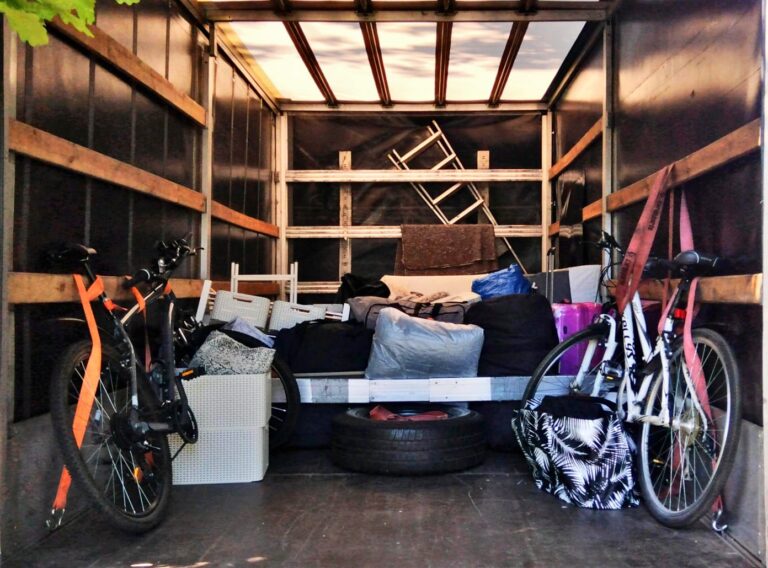
Furniture is different. It is heavy, awkward, sentimental, and often irreplaceable. A sofa is not just a sofa when it is the one your family collapsed on after long days. A table is not just wood when it holds years of birthdays. Even a simple chest of drawers can carry a strange kind of comfort, because it has always been there, quietly doing its job.
That is why furniture removals UK to France needs more than a van and good intentions. It needs a plan that feels solid under your feet: careful wrapping, the right vehicle size, and paperwork that does not wobble at the border. After Brexit, a vague inventory can turn a smooth day into hours of waiting. Meanwhile, one careless corner can leave a scar on a wardrobe you cannot replace.
This guide is built to keep your move calm and controlled. You will get clear cost bands, a step by step timeline, customs basics with official links, and practical protection methods that actually prevent damage. You will also learn when a man and van option is ideal and when it is smarter to scale up.
VANonsite supports furniture moves with premium handling, flexible scheduling, and GPS tracking on every load. When you can see your shipment moving, stress drops. Decisions get easier. Your new home in France starts to feel real.
TL:DR
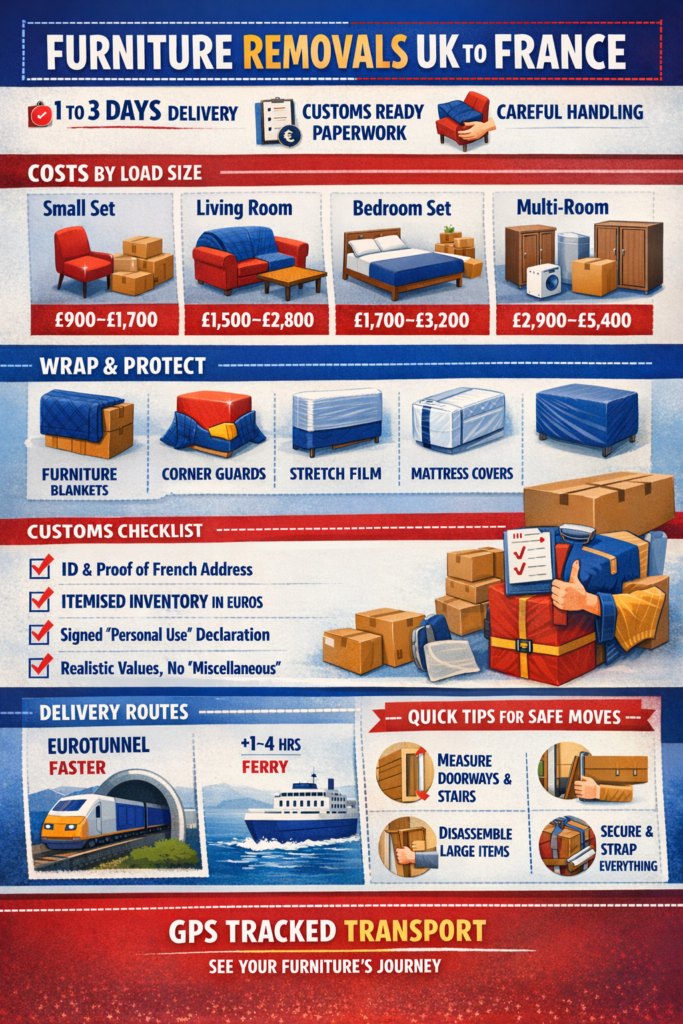
- Most furniture removals UK to France take 1 to 3 days once loaded, with customs and access as the biggest variables
- Direct transport usually means fewer touch points and lower scratch risk
- Decluttering by 20% can reduce cost and may drop you into a smaller vehicle plan
- Protect furniture with blankets, corner guards, straps, and mattress covers to block moisture
- Eurotunnel often saves 1 to 3 hours, ferry can be flexible, and routes can shift arrival by 2 to 6 hours
- Customs is smoother with an itemised inventory in euros plus proof of your French address
- VANonsite offers GPS tracked transport plus packing and white glove options for high value pieces
Quick answers first
If you are searching for furniture removals UK to France, you usually want one clear thing: your furniture arrives intact, on time, with zero drama. You want to open the door in France and feel relief, not dread.
Fast facts:
- Typical delivery window for furniture removals UK to France is 1 to 3 days once loaded.
- The two biggest delay triggers are vague inventory lists and tricky access at the French address.
- A man and van option can be perfect for a smaller furniture load, especially if you want direct transport.
- Most scuffs happen at doorways, stair turns, and inside the van when loads can shift.
- The fastest way to reduce damage risk is simple: fewer touch points, tighter packing, better protection.
Mini checklist before you book
Before you confirm furniture removals UK to France, get these answers in one message:
- Is the transport direct or shared
- What wrapping and protection is included
- Will large items be disassembled if needed
- What documents are required for customs
- How will you track the load and confirm arrival time
Which move type fits you
| You are moving | Best approach | Why it works |
|---|---|---|
| A few key pieces | man and van | fast, direct, minimal handling |
| A full room set | direct van | stable load, fewer transfers |
| Multiple rooms | larger vehicle plan | avoids tight stacking and shifting |
For broader moving options, these pages are useful:
- Removals to France
- Moving to France from UK
- Removals to France from UK
- International removals UK to France
If your move is furniture focused, start here too: Furniture Removals.
What furniture removals UK to France really involves after Brexit
Furniture removals UK to France is a cross border shipment. After Brexit, your furniture is treated as goods that need a customs process. The key is telling a simple, consistent story, then backing it with clean documents.
Your story should be:
- The furniture is personal and not for resale.
- The details are consistent across your inventory and documents.
- The addresses and dates match.
When that story is clear, your furniture removals UK to France becomes predictable.
What actually happens in real life
Here is what the process usually looks like for furniture removals UK to France:
- You confirm access and item list, especially large pieces
- Furniture is wrapped and secured for transport
- The load is declared for customs with your inventory and supporting documents
- The crossing happens, then final delivery is scheduled by the arrival window
- Unloading happens based on access, stairs, parking, and placement choices
The biggest wins come from doing two things early: making the inventory specific and making access details clear.
Direct transport vs shared transport
For furniture, direct transport is often the safest choice.
- Less handling
- Fewer transfers
- Lower scuff and scratch risk
- More predictable arrival time for furniture removals UK to France
Shared transport can sometimes reduce cost, but it can increase touch points. Each extra touch point is another moment where a corner can get clipped or a strap can be loosened. For delicate furniture, fewer hands is usually better.
Costs: what furniture removals UK to France usually cost
Prices vary because furniture loads vary. Still, you can budget with practical ranges for furniture removals UK to France. The goal is not a perfect number on day one. The goal is a quote that matches reality, so you are not hit with last minute surprises.
| Load type | Examples | Best fit vehicle | Indicative price range for furniture removals UK to France |
|---|---|---|---|
| Small furniture set | desk, chair, 6 to 10 boxes | Moving Medium | £900 to £1,700 |
| Living room bundle | sofa, TV unit, table, 15 boxes | Moving Premium | £1,500 to £2,800 |
| Bedroom plus extras | bed, wardrobe, drawers, 25 boxes | Moving Premium | £1,700 to £3,200 |
| Multi room furniture | 2 beds, 2 wardrobes, sofa, appliances | Moving Premium Plus | £2,900 to £5,400 |
These are planning bands. Your quote for furniture removals UK to France depends on distance, stair access, packing needs, and whether you choose direct transport.
What a good quote should clearly include
A trustworthy quote for furniture removals UK to France should not feel mysterious. Look for clear answers to:
- Is the move direct or shared
- What protection is included, blankets, straps, corner guards
- Do you offer disassembly and reassembly
- What documents are required for customs
- What is the expected pickup window and delivery window
If any of these are vague, ask once and get it in writing.
The biggest pricing levers
For furniture removals UK to France, these factors move the quote the most:
- Vehicle size and payload
- Carry distance from van to door
- Stairs, no lift, narrow corridors
- Packing materials and wrapping service
- Timing, peak season vs midweek
A simple way to think about price is this. You pay for space, safe handling time, and certainty.
Cost saving moves that keep quality high
These savings do not reduce safety for furniture removals UK to France.
- Book midweek if possible. Availability can be calmer by 10% to 20%.
- Declutter by 20%. Smaller volume often means a smaller vehicle plan.
- Choose direct transport for fewer delays and less handling.
Quick budget examples
Use these mini scenarios to estimate where you might land for furniture removals UK to France.
| Scenario | What is included | Typical range |
|---|---|---|
| Single room refresh | sofa, small table, chair, 10 boxes | £900 to £2,000 |
| Two room move | bed, wardrobe, sofa, dining table | £1,700 to £3,900 |
| Furniture plus appliances | 2 beds, 2 wardrobes, sofa, washing machine | £2,900 to £5,400 |
Timeline: a simple plan that prevents delays
A smooth furniture removals UK to France schedule is about order. Do the right tasks early and moving week feels lighter. The secret is to treat measurements and paperwork like protection. They stop friction before it starts.
3 to 4 weeks before
- Choose your delivery window for furniture removals UK to France
- Measure large items, sofa length, wardrobe depth, mattress size
- Take two photos of each large piece, useful for planning and protection
- Decide what must go and what can be replaced in France
10 to 14 days before
- Finalise your inventory with values in euros
- Confirm access at both addresses, stairs, lift size, parking distance
- Decide if you want professional wrapping, packing, or White Glove Delivery
- Confirm if any items need disassembly and prepare labelled bags for fixings
5 to 7 days before
This is when furniture removals UK to France becomes real. Do the small tasks that prevent big stress.
- Clear hallways and stair routes
- Protect floors and door frames at both ends if possible
- Set aside your essentials, chargers, keys, documents
48 hours before
- Clear pathways and protect floors
- Defrost and drain any appliances
- Keep documents together, printed and digital
- Confirm contact numbers and your exact pickup address format
Customs and documents for furniture removals UK to France
Because the UK is outside the EU, furniture removals UK to France involves customs steps. That sounds intimidating, but it becomes simple when your paperwork tells one clean story. The goods are personal, used, and moving with you, not being imported for resale.
If you want the safest reference points, start with official sources:
- French Customs: https://www.douane.gouv.fr/
- Service-Public: https://www.service-public.fr/
- HMRC: https://www.gov.uk/
The core document bundle
For furniture removals UK to France, prepare a tidy document pack, printed and saved digitally:
- Passport or ID
- Proof of French address, lease, utility bill, or property purchase
- Proof you lived outside France for at least 12 months if claiming relief on used personal belongings
- An itemised inventory with values in euros
- A signed declaration that goods are personal and not for resale
Helpful official pages:
- French Customs residence transfer relief: https://www.douane.gouv.fr/demarche/vous-souhaitez-connaitre-les-franchises-applicables-lors-du-transfert-de-votre-residence
- Service-Public customs relief guide: https://sites.service-information-publique.fr/vias/guide-particuliers/F492.html
- HMRC personal goods guidance: https://www.gov.uk/guidance/check-how-to-declare-personal-goods-you-bring-into-or-take-out-of-the-uk
Duty and tax relief in plain English
Many people doing furniture removals UK to France qualify for relief on used household goods when they are genuinely transferring residence. The rule of thumb is consistency and proof.
To keep your move smooth:
- Make sure your inventory looks like a real household, not a shop order
- Keep values realistic, second hand values, not new retail prices
- If you have brand new furniture, list it clearly and keep receipts
The inventory that makes customs easy
A good inventory is plain, specific, and consistent. It is the easiest way to protect your furniture removals UK to France from delays.
Rules that work:
- Group items by room
- List quantities
- Use realistic second hand values
- Separate high value items
- Avoid vague categories like misc
A simple format that tends to work well:
| Room | Item | Qty | Approx value EUR |
|---|---|---|---|
| Living room | Sofa, 3 seater | 1 | 650 |
| Bedroom | Wardrobe | 1 | 300 |
| Bedroom | Bed frame | 1 | 220 |
| Dining | Table, 6 seats | 1 | 400 |
If you are shipping in stages, keep one master inventory for all furniture removals UK to France, then mark which items are in shipment one and shipment two. That one habit prevents confusion.
Common paperwork mistakes that cause delays
These are the usual speed bumps for furniture removals UK to France:
- Inventory categories that are too vague
- Missing proof of French address
- Names or dates that differ across documents
- New items not separated from used household goods
A quick fix: keep your documents in one folder and use one exact address format everywhere.
Prohibited and restricted items
To keep furniture removals UK to France smooth, avoid packing:
- aerosols, paint, solvents, flammables
- gas canisters and fuel containers
- certain plants, soil, untreated wood
If you are unsure, ask before it goes in the van. One restricted item can trigger an inspection.
Furniture packing and protection that stops damage
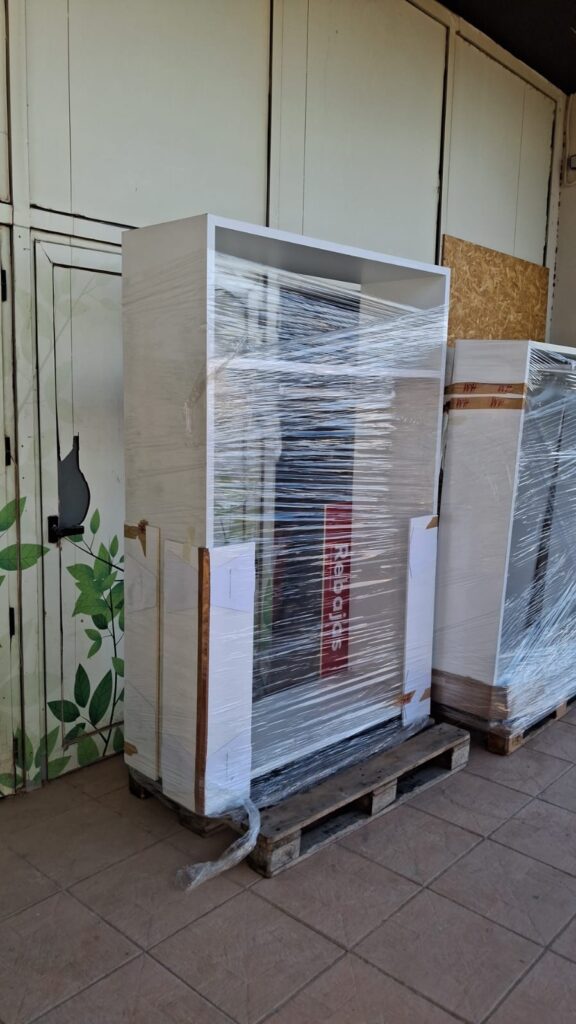
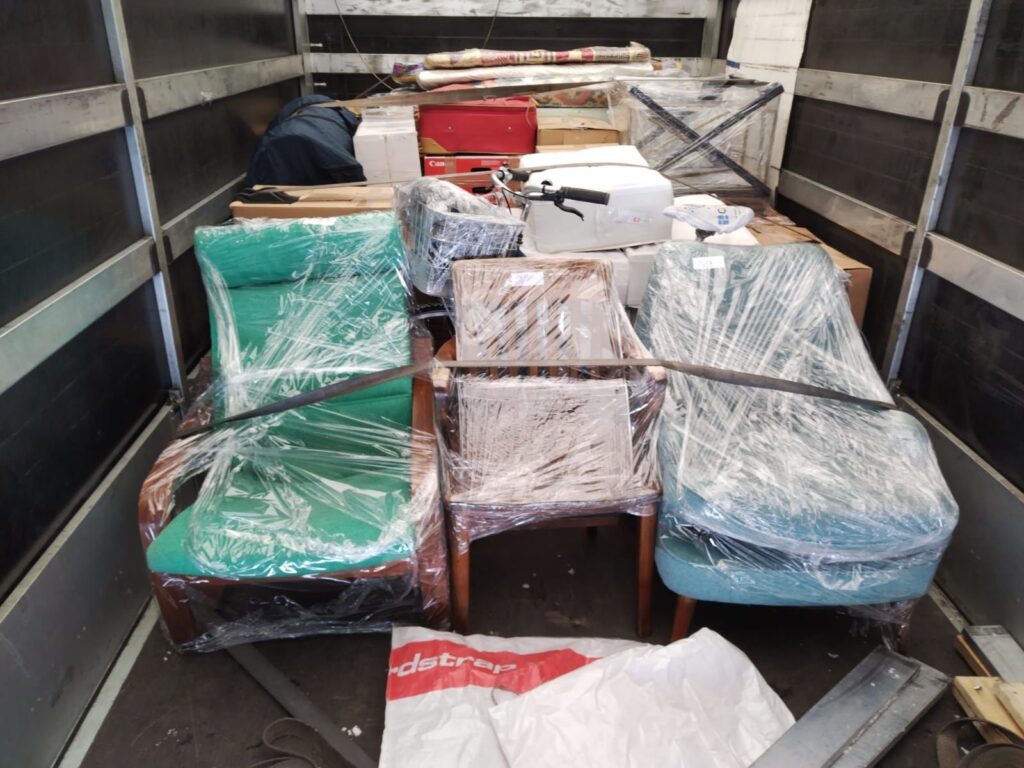
Furniture damage is rarely one big accident. It is usually small, silent friction: a sharp corner, a loose strap, a door frame that bites. For furniture removals UK to France, protection is a system.
The protection stack
- Furniture blankets to prevent scuffs
- Stretch film to lock drawers and doors
- Corner guards for frames, wardrobes, tables
- Straps to stop movement
- Moisture barriers for mattresses and fabric
If you want the calmest approach, VANonsite can combine careful handling with Packing Service and white glove support.
Two rules that prevent most scratches
For furniture removals UK to France, keep these two rules and you cut the risk sharply:
- No bare edges. Every edge gets a blanket or a corner guard.
- No movement. Everything is strapped so it cannot slide, even during braking.
Disassembly tips that save time
For furniture removals UK to France, disassembly is often the difference between easy loading and awkward lifting.
Ordered steps:
- Remove legs from tables and sofas where possible
- Take doors off large wardrobes if needed
- Keep screws in a labelled bag and tape it to the item
- Photograph tricky joints so reassembly is fast
If you want a clean reassembly day, label parts like A1, A2, A3 with masking tape. It looks simple, but it feels like magic later.
A simple furniture wrapping guide
| Item | Best protection | Common mistake |
|---|---|---|
| Sofa | blanket plus stretch film | dragging without corner protection |
| Wardrobe | blankets, corner guards, straps | leaving doors loose |
| Dining table | corner guards, blanket, cardboard top | no edge protection |
| Mattress | sealed cover | exposed fabric absorbs moisture |
If you have high value pieces, consider White Glove Delivery for furniture removals UK to France. It is built for careful placement, tighter protection, and that quiet feeling of trust when the item matters.


Choosing the right vehicle size for your furniture load
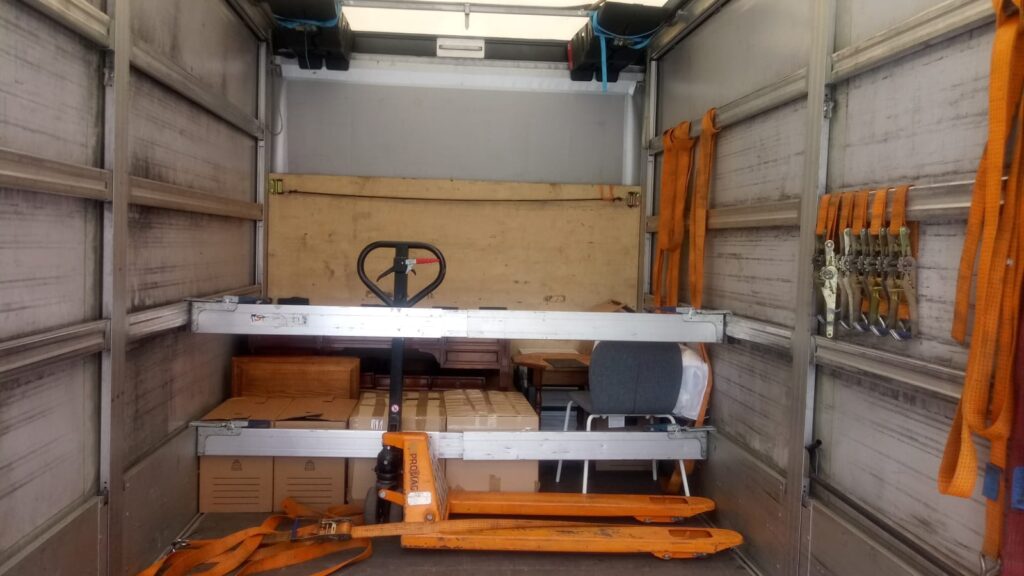
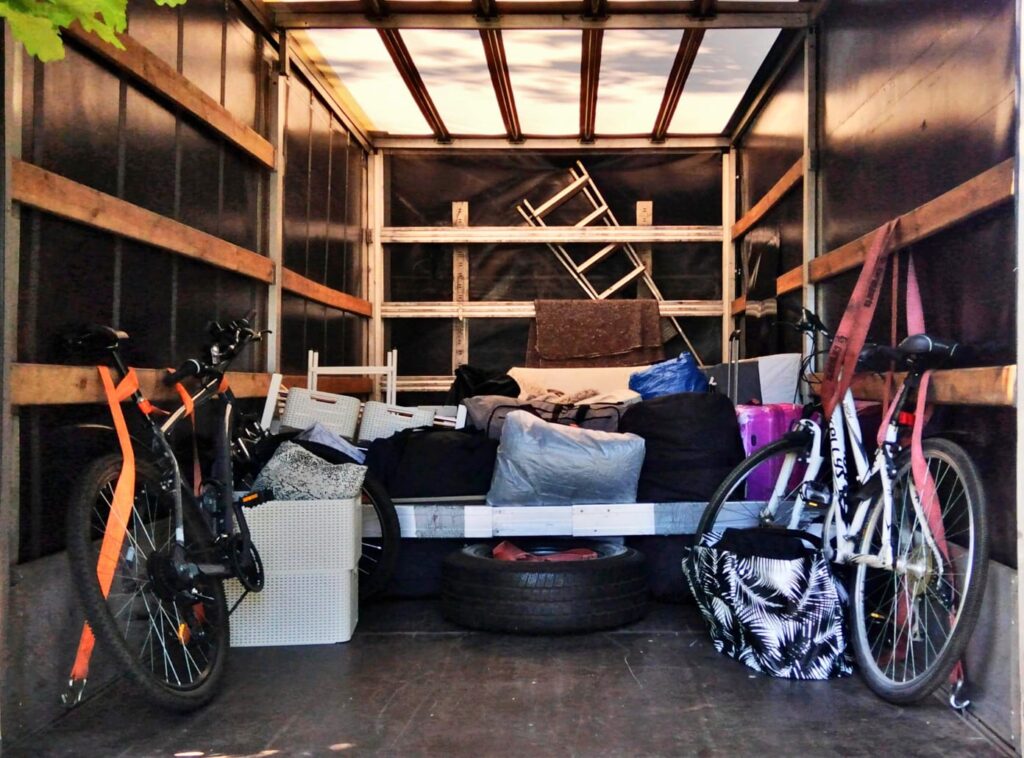
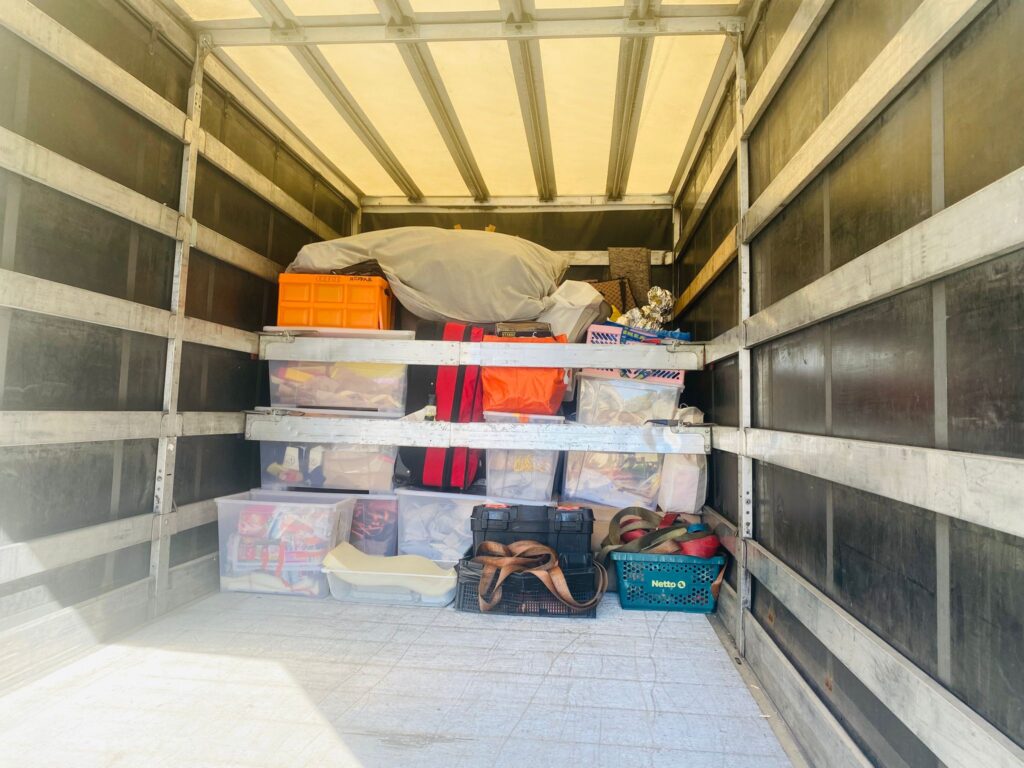
The wrong van size creates chaos. Too small and you risk a second trip. Too big and you pay for air. For furniture removals UK to France, the best plan is a comfortable load, not a tight squeeze.
When people get the van size wrong, it is almost always for one of two reasons. They forget how much space protective wrapping takes, or they underestimate how awkward shapes eat room even when the volume looks small on paper.
VANonsite vehicle options
| Option | Volume | Payload | Best for |
|---|---|---|---|
| Moving One | 1 m3 | 100 kg | tiny load, a few boxes |
| Moving Basic | 5 m3 | 300 kg | small room, light furniture |
| Moving Medium | 10 m3 | 500 kg | sofa plus boxes, small furniture set |
| Moving Premium | 15 m3 | 1,100 kg | living room or bedroom bundle |
| Moving Premium Plus | 30 m3 | 3,500 kg | multi room furniture |
| Moving Full House XXL | 90 m3 | 20,000 kg | full house scale |
Quick fit guide for furniture removals UK to France
If you want a fast decision, use this as your starting point for furniture removals UK to France.
- Sofa, table, bed, 15 to 25 boxes: Moving Premium
- Two bedrooms plus living room furniture: Moving Premium Plus
- Very bulky loads or multiple wardrobes: consider the larger option
A simple furniture to van cheat sheet
This table helps you choose quickly, especially when you are tired and measuring feels impossible.
| Typical furniture load | Usually fits | Why it fits |
|---|---|---|
| 1 sofa, 1 armchair, 1 small table, 10 boxes | Moving Medium | stable load, still room for protection |
| 1 bed, 1 wardrobe, 1 chest, 15 boxes | Moving Premium | bulky shapes plus wrapped corners |
| 2 beds, 2 wardrobes, sofa, dining set | Moving Premium Plus | multi room volume with safe spacing |
| Multiple large wardrobes, heavy wood furniture | Moving Premium Plus or larger | weight and awkward shapes need margin |
Volume is not enough, shapes matter
A wardrobe is not a neat cube. A table is not a neat cube. Even when volume looks small, the shape forces air pockets. That is why leaving 10% to 15% breathing space is smart for furniture removals UK to France.
A simple rule:
- If you think it is a perfect fit, it is not.
- If you can load without forcing, you protect your furniture.
Weight matters too
A furniture move can still be heavy.
- A single wardrobe can be 80 to 150 kg
- A solid wood dining table can be 60 to 120 kg
- Ten book boxes can add 150 to 250 kg
Mention heavy items early. It keeps your furniture removals UK to France safer.
When a man and van is the right move
A man and van option can be ideal for furniture removals UK to France when:
- You are moving a small set of key pieces
- You want direct transport with minimal handling
- Access is tight and you need an agile setup
If your load is close to the limit, do not gamble. Size up. The cost difference is often smaller than the cost of damage or a second trip.
Two quick checks before moving day
These two checks prevent last minute panic for furniture removals UK to France:
- Doorway check: measure the narrowest point, door frames, stair turns, lift door width
- Protection check: confirm blankets, straps, corner guards, mattress covers are included
Routes and access: Eurotunnel vs ferry
For furniture removals UK to France, you typically choose Eurotunnel or a ferry.
Eurotunnel often wins on speed, saving 1 to 3 hours.
A ferry can be flexible, but weather and peak queues can add 1 to 4 hours.
| Choice | Best when | Watch outs | Impact on the day |
|---|---|---|---|
| Eurotunnel | direct delivery, narrow time window | strict check in timing | often faster |
| Ferry | flexible sailing times, you want a break | weather and peak queues | can extend travel |
Access planning in France
Access is where time disappears. For furniture removals UK to France, confirm:
- parking distance from entrance, ideally under 15 metres
- stairs, lift size, and tight hallway turns
- unloading restrictions in city centres
The three access details that change everything
For furniture removals UK to France, these details can decide whether unloading takes 30 minutes or 3 hours:
- Carry distance: long carries drain time and energy
- Stair turns: a single tight corner can force disassembly
- Parking rules: no stopping zones and time restrictions can create pressure
If you can, share photos of the entrance and stairwell. It turns guessing into planning.
If you are moving into a low emission zone, check official guidance:
- Service-Public low emission zones: https://www.service-public.fr/particuliers/vosdroits/F35139?lang=en
- Crit Air certificate: https://www.certificat-air.gouv.fr/

Delivery day: unloading, placement, and white glove options
Delivery day should feel like a landing, not a battle. The secret is making decisions before the van arrives. When you already know what goes where, furniture removals UK to France becomes smooth, fast, and surprisingly calm.
Before the van arrives
For furniture removals UK to France, do these five things. They save time and protect your furniture.
- Clear the doorway, hallway, and stair route
- Protect floors with cardboard, mats, or covers
- Decide where each piece will land, room by room
- Measure one tight point, stair turn, lift door, or narrow doorway
- Keep a small kit ready: tape, scissors, a marker, and a phone for photos
A simple placement plan that works
A placement plan sounds fancy, but it is just a list. For furniture removals UK to France, it prevents confusion and reduces handling.
| Room | Item | Position note |
|---|---|---|
| Living room | Sofa | against the longest wall |
| Dining | Table | centred, leave 90 cm walkway |
| Bedroom | Wardrobe | avoid blocking sockets |
| Bedroom | Bed frame | headboard to solid wall |
If you can, label the destination room on painter tape on the furniture. It is fast, removable, and it keeps furniture removals UK to France moving.
During unloading
Unloading is where most scratches happen. Not on the motorway. Not at the border. It happens at a sharp stair corner, a door frame, or a rushed lift.
For furniture removals UK to France, keep it simple:
- Let the largest items go first, wardrobes, sofas, tables
- Keep corners protected until the item is in the room
- Avoid dragging, lift and slide on a blanket if needed
- Do a quick visual check before you sign off
After delivery
Give yourself five minutes. It helps.
- Take photos of each large item from two angles
- Confirm you received all pieces against the inventory
- Keep wrapping materials until you are sure everything is perfect
If you chose a man and van approach for furniture removals UK to France, the same rules apply. Fewer items does not mean fewer risks. It just means you can be even more precise.
When white glove delivery is worth it
If you want furniture placed carefully, with extra care for walls, corners, and high value pieces, consider White Glove Delivery.
White glove support is ideal for furniture removals UK to France when:
- You have fragile pieces, glass, antiques, or high value furniture
- Your destination has narrow stairs or tight turns
- You want careful placement and a more controlled finish
Why VANonsite fits furniture removals UK to France
Furniture removals UK to France needs three things: protection, pace, and visibility. When those three align, the move feels professional.
What VANonsite brings to your move
| What you need | Why it matters | How VANonsite helps |
|---|---|---|
| Protection | prevents scuffs, chips, and heartbreak | careful handling, wrapping options, secure loading |
| Pace | keeps your timeline intact | direct transport options and efficient routing |
| Visibility | reduces stress | GPS tracking on every load |
Services that make the move easier
VANonsite supports furniture removals UK to France with:
- GPS tracking on every load
- Flexible options from man and van to larger vehicles
- Services that reduce stress, including Furniture Removals, Packing Service, and White Glove Delivery
If you are moving more than furniture, explore Home Removals too.
If you want a move plan that fits your exact load, share your pickup postcode, destination town, and the top five biggest items. That is enough to shape a safe, realistic plan for furniture removals UK to France.
FAQs
How long do furniture removals UK to France take?
Most furniture removals UK to France take 1 to 3 days once loaded. The biggest variables are customs processing, route choice, and access at the delivery address.
A simple rule: tight stairwells and long carries can add 30% to 60% more handling time than you expect.
What is the most common cause of delay?
Vague paperwork, especially a weak inventory, plus access issues like long carry distance or narrow stairs. The fastest fix is an itemised inventory with quantities and realistic values in euros, plus proof of your French address.
Should I choose direct or shared transport?
Direct transport is usually safer for furniture removals UK to France. Fewer transfers means lower damage risk and a more predictable delivery window. Shared transport can reduce cost, but it adds touch points, which increases the chance of scuffs and scheduling drift.
Do you offer packing and protection?
Yes. You can add Packing Service and white glove handling for fragile furniture. For furniture heavy moves, start here too: Furniture Removals.
What documents do I need for furniture removals UK to France?
For furniture removals UK to France, you typically need a passport or ID, proof of your French address, and an itemised inventory with values in euros. If you are claiming residence transfer relief, you may need proof you lived outside France for at least 12 months.
Use official guidance for the latest requirements:
- French Customs: https://www.douane.gouv.fr/
- Service-Public: https://www.service-public.fr/
- HMRC: https://www.gov.uk/
How do I protect furniture from scratches and dents?
For furniture removals UK to France, the safest method is a protection stack: blankets, corner guards, stretch film, then straps so nothing shifts.
Two quick wins:
- Keep corner protection on until the item is in its final room
- Avoid dragging. Lift, or slide on a blanket if needed
How do I choose the right van size?
Choose van size based on awkward shapes and wrapping, not only raw volume. For furniture removals UK to France, leaving 10% to 15% breathing space makes loading safer and reduces damage.
If you are close to the limit, size up. It often costs less than a second trip or a damaged item.
Can a man and van handle furniture removals UK to France?
Yes, a man and van is ideal for a small set of key pieces, especially when you want direct transport and minimal handling. If you have multiple wardrobes, heavy wood furniture, or a multi room load, larger capacity is usually more efficient.
What should I do before delivery day?
Before furniture removals UK to France delivery, clear hallways and stair routes, protect floors, and prepare a simple placement plan. Measure one tight point, such as a stair turn or doorway, so you do not discover a problem mid lift.
Summary
Furniture removals UK to France runs smoothly when you keep three things tight: protection, paperwork, and planning. Start with the documents. Prepare an itemised inventory with quantities and realistic values in euros, plus proof of your French address, so customs does not slow your shipment after Brexit. Then protect what matters. Wrap furniture with blankets, corner guards, stretch film, and straps so nothing shifts in transit, and keep edges protected until each piece is placed.
Next, choose the right vehicle size. Furniture shapes create air pockets, and wrapping adds bulk, so aim for 10% to 15% breathing space. That margin reduces scuffs and makes loading faster. Finally, plan the route and access in France. Eurotunnel is often quickest, a ferry can be flexible, and tight stair turns or long carries can affect delivery time more than the motorway.
If you want furniture removals UK to France to feel calm and controlled, VANonsite combines premium handling, flexible options from man and van to larger vehicles, GPS tracking on every load, and add ons like packing and white glove support for high value pieces.