
Introduction
A house move is not just logistics. It is emotion in cardboard boxes. One day your home smells like tape and fresh coffee, and the next it is an echo. If you are planning house removals UK to France, you are not only changing addresses. You are changing rhythms, routines, and the tiny comforts you do not notice until they are packed away.
This guide is designed to make the process feel steady. No fluff. No vague promises. Just clear steps, real numbers, and the paperwork that keeps your move flowing after Brexit. Whether you are moving a compact home or a full family house, the goal is the same: a safe, fast, predictable arrival in France.
VANonsite supports that calm with premium handling, flexible service options, and GPS tracking for every load. When you can see progress, you can breathe.
TL:DR
- Most house removals UK to France take 1 to 3 days once loaded, with customs and access as the biggest variables
- An itemised inventory with clear values in euros prevents the most common border delays
- Decluttering by 20% can reduce your move cost and may drop you into a smaller vehicle plan
- Direct transport is usually the fastest and simplest option for house removals UK to France
- Packing smart protects your home: keep boxes under 20 kg and label rooms on two sides
- Eurotunnel is often quickest, ferry can be flexible, and route choice can shift arrival by 2 to 6 hours
- GPS tracking gives visibility and control during house removals UK to France
Quick answers first
If you are searching for house removals UK to France, you probably want three things: a clean plan, a realistic budget, and a delivery window you can trust.
Here are the fast facts:
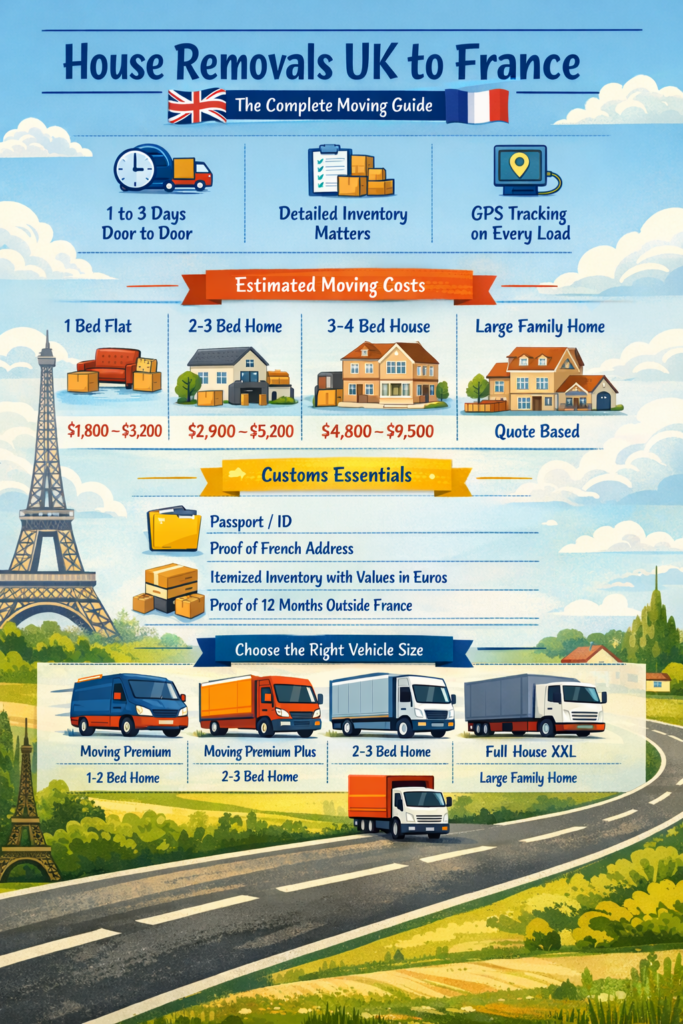
- Most house removals UK to France take 1 to 3 days door to door once the van is loaded, depending on distance, border processing, and access at the destination.
- The biggest avoidable delay is paperwork, especially an inventory that is vague or inconsistent.
- For a full house move, choosing the right vehicle size can save 10% to 30% versus an oversized plan or a second trip.
- VANonsite provides GPS tracking on every load, so your move feels visible and controlled.
If your move is smaller, a man and van option can still work brilliantly. This guide focuses on whole home moves, where furniture, appliances, and family life travel together.
House removals UK to France: what it really means
House removals UK to France are not just a longer drive. They are a cross border relocation where your belongings become a declared shipment. After Brexit, customs steps and documents matter more than ever. That sounds intense, but it is manageable when you treat your move like one clear story.
The simplest rule for house removals UK to France is this: consistency wins.
Your story should be easy to understand:
- You are moving your main home.
- The goods are used, personal, and not for resale.
- The names, dates, and addresses match across every page.
When that story is clear, the border becomes an admin checkpoint, not a nightmare.
What changes after Brexit
For house removals UK to France, the main differences are paperwork and timing.
- Your shipment is declared for customs.
- An inventory matters, a lot.
- Some items are restricted, so packing needs a quick safety check.
This is also why a calm, professional mover matters. The best teams keep the process clean, then back it up with visibility. GPS tracking is not a gimmick. It is reassurance.
Direct vs shared transport
If you want house removals UK to France to feel predictable, direct transport is usually the best route.
- Fewer transfers means less handling.
- Less handling means lower risk.
- One delivery window means less waiting.
Shared transport can reduce cost for some moves, but it can add complexity and extend the timeline. For a full house move, direct often feels worth it.
Costs: what house removals UK to France usually cost
Costs vary because every home is different. Still, you can budget with honest bands for house removals UK to France.
| Home size | Typical load | Best fit vehicle | Indicative price range for house removals UK to France |
|---|---|---|---|
| 1 bed flat | furniture plus boxes | Moving Premium | £1,800 to £3,200 |
| 2 to 3 bed home | bulky furniture, appliances | Moving Premium Plus | £2,900 to £5,200 |
| 3 to 4 bed home | full household, heavy items | Moving Premium Plus or Full House XXL | £4,800 to £9,500 |
| Large family home | multi room, high volume | Full House XXL | Quote based |
These ranges help you plan. Your exact quote for house removals UK to France depends on access, packing needs, distance, and whether you choose direct transport.
What shapes the final price
For house removals UK to France, the biggest cost drivers are:
- Volume and weight
- Stairs, narrow halls, and no lift
- Parking distance and unloading restrictions
- Season and booking window
- Packing services and specialist handling
A simple truth: access can be a hidden cost. Two flights of stairs can add time. A long carry from the curb can add time. Time adds cost.
Three quick ways to reduce cost without cutting safety
- Choose a midweek date. Availability can be calmer by 10% to 20%.
- Declutter hard. Reducing volume by 20% can drop you into a smaller vehicle plan.
- Keep it direct. One van, one route, one delivery window for house removals UK to France.
A practical budgeting checklist
Before you lock a quote for house removals UK to France, confirm these details:
- Is the route direct or shared
- Is packing included or optional
- Is furniture disassembly included
- What insurance level is offered
- How customs support is handled
If you want a broader overview of options, start here: Removals to France. If your move is specifically from the UK, these pages are also useful:
Timeline: a calm schedule for house removals UK to France
A smooth house removals UK to France timeline is not about rushing. It is about sequencing. The right order turns a stressful month into a steady countdown.
6 weeks before
You build the foundation.
- Lock in your target dates for house removals UK to France
- Start the inventory list and take quick photos of high value items
- Declutter room by room so your packing stays focused
3 weeks before
Now you prevent last minute friction.
- Confirm access details, stairs, lifts, and parking
- Decide if you want professional packing from Packing Service
- If you have fragile pieces, consider White Glove Delivery
10 days before
This is paperwork week.
- Finalise your itemised inventory with values in euros
- Gather proof of French address and residence transfer documents
- Set aside a 72 hour essentials kit
48 hours before
You protect moving day.
- Defrost the fridge and clean appliances
- Charge phones, print your documents, and keep them together
- Confirm pickup time and the best contact number
A simple reminder: your van can move fast, but customs can move slowly. Treat documents like part of the move and house removals UK to France become predictable.
Customs and documents for house removals UK to France
Because the UK is outside the EU, house removals UK to France involve customs declarations. Many people qualify for duty and tax relief on used personal belongings when transferring residence, but you must prove it.
The core document bundle
For house removals UK to France, prepare:
- Passport or ID
- Proof of French address, lease, utility bill, or property purchase
- Proof you lived outside France for at least 12 months if claiming relief
- A detailed inventory, item by item, with values in euros
- A signed declaration that the goods are personal and not for resale
If you want the safest reference points, use the official pages:
- French Customs: transfer of residence relief
- Service-Public: customs duty relief guide
- HMRC: declaring personal goods
The inventory that makes customs easy
A good inventory is plain, specific, and consistent. It is also the most powerful tool you have for house removals UK to France.
Keep it simple:
- Group by room
- Add box numbers
- List quantities
- Use realistic second hand values
- Separate high value items
| Room | Box no. | Item | Qty | Approx value EUR |
|---|---|---|---|---|
| Kitchen | 1 | Plates and bowls | 1 box | 60 |
| Living room | 2 | Sofa, 3 seater | 1 | 650 |
| Bedroom | 3 | Wardrobe | 1 | 300 |
| Office | 4 | Laptop monitors | 2 | 260 |
Avoid vague lines like “miscellaneous”. That one word can slow house removals UK to France at the border.
What not to pack
For house removals UK to France, avoid putting these in the van:
- Aerosols, paint, solvents, flammables
- Gas canisters and fuel containers
- Certain plants, soil, and untreated wood
If you are unsure, ask before you tape the box. One awkward item can trigger an inspection.
Visas for longer stays
If you plan to live in France for more than 90 days, start with official sources:
Pets and the 21 day clock
If your house removals UK to France include a dog or cat, plan early. UK guidance explains the steps and the minimum wait after the first rabies vaccination, which is at least 21 full days:
Packing a whole home: protection that prevents damage
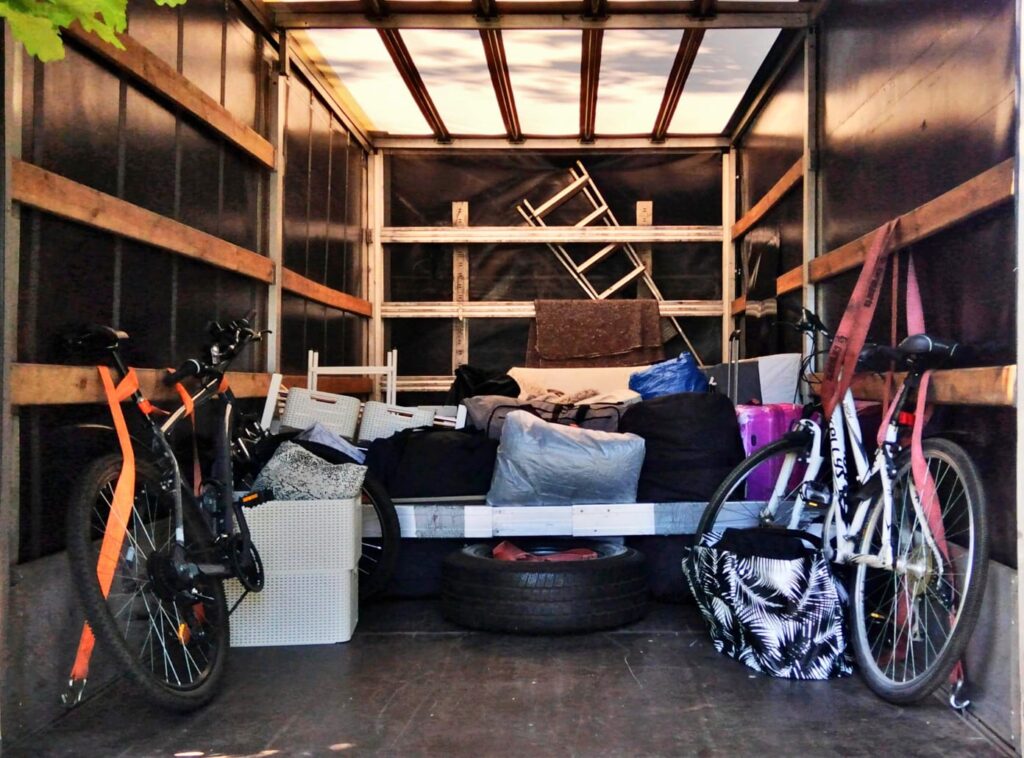
The fastest house removals UK to France are not the ones that sprint. They are the ones that pack with intention. Imagine your van as a ship crossing choppy water. Weight low. Fragile high. Nothing loose. No empty space inviting your boxes to dance.
If you want a lighter moving week, professional packing can be a lifesaver. VANonsite offers Packing Service and careful handling options for delicate items, which is especially valuable for house removals UK to France when you have glass, artwork, or heirloom furniture.
Practical packing rules
For house removals UK to France, use these rules and you will feel the difference at delivery.
- Keep most boxes under 20 kg
- Use double wall boxes for books and kitchen items
- Wrap glass individually and pack vertically
- Tape the bottom in an H pattern, then reinforce corners
- Label two sides of every box with the destination room
That labelling step sounds small. It can cut unloading time by 15% to 25%, because everything lands in the right place the first time.
The “zero chaos” labelling system
A simple system keeps house removals UK to France from turning into a treasure hunt.
- Room name on two sides
- Box number, for example Kitchen 07
- Priority tag
- P1: open first
- P2: open within 48 hours
- P3: can wait
Room by room packing order
If you want unpacking to feel calm after house removals UK to France, pack in this order:
- Spare room, loft, storage
- Decorative items and non essentials
- Kitchen equipment you rarely use
- Daily essentials last, then keep them separate
Your 72 hour essentials kit
For house removals UK to France, keep this out of the main load so you can function on arrival.
- Kettle or coffee maker, mugs, basics
- Chargers and extension lead
- Bedding and towels
- Toiletries and a small cleaning kit
- One pan, one knife, basic cutlery
- Important documents and spare keys
Furniture and appliances
Full home moves involve bulky items that need calm handling.
- Remove table legs and tape fixings to the underside
- Use corner protection on wardrobes and frames
- Strap appliances upright, especially fridges
- Use mattress covers to block moisture and dust
Two extra tips for house removals UK to France that prevent heartbreak:
- Put screws and brackets in a small bag and tape it to the item, not in a random box
- Photograph cable setups before you unplug, so reassembly takes minutes, not hours
If your move is furniture heavy, Furniture Removals is a strong fit.
Packing materials checklist
A full home move needs the right basics. For house removals UK to France, this set keeps you covered.
| Item | Why it matters | Typical use |
|---|---|---|
| Double wall boxes | prevents crush damage | books, kitchen, fragile |
| Packing paper | protects surfaces | plates, glass, ornaments |
| Bubble wrap | absorbs impact | frames, lamps, electronics |
| Stretch film | locks drawers and doors | wardrobes, cabinets |
| Furniture blankets | prevents scuffs | sofas, tables, wood furniture |
| Strong tape | holds under weight | every box, every seam |
Common packing mistakes to avoid
These small mistakes can cause big pain during house removals UK to France.
- Boxes too heavy to carry safely
- Glass packed flat instead of vertical
- Loose items inside drawers without padding
- Empty space in the van that allows shifting
- Labels that say “misc” instead of a real room name
Vehicle sizes for house removals UK to France
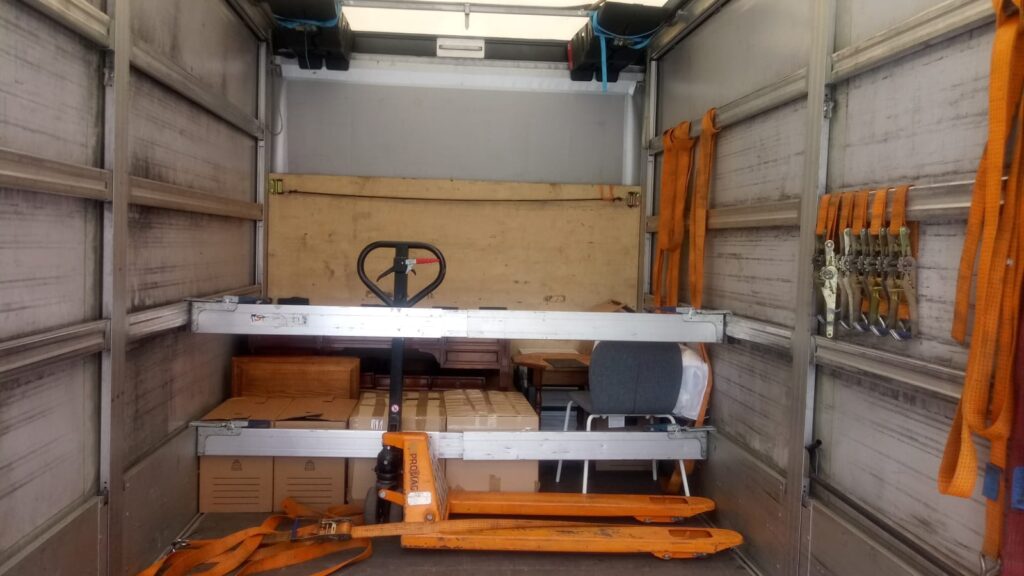
Choosing the right vehicle is the difference between a tidy move and a chaotic one. For house removals UK to France, you want enough space, enough payload, and a loading plan that does not feel like a puzzle.
VANonsite vehicle options:
| Option | Volume | Payload | Best for |
|---|---|---|---|
| Moving One | 1 m3 | 100 kg | suitcase move and a few boxes |
| Moving Basic | 5 m3 | 300 kg | student room or small studio |
| Moving Medium | 10 m3 | 500 kg | 1 bed flat and compact furniture |
| Moving Premium | 15 m3 | 1,100 kg | 1 to 2 bed home |
| Moving Premium Plus | 30 m3 | 3,500 kg | 2 to 3 bed home |
| Moving Full House XXL | 90 m3 | 20,000 kg | full family house |
Quick fit guide
For house removals UK to France, most full house moves land here:
- 1 to 2 bed: Moving Premium
- 2 to 3 bed: Moving Premium Plus
- Larger homes: Moving Full House XXL
If you are unsure, count boxes and list the biggest items. A planner can estimate the best fit quickly.
A fast volume check
Use this mini estimator for house removals UK to France:
- Medium box: about 0.05 m3
- Large box: about 0.08 m3
If you have 60 medium boxes, that is about 3 m3 before furniture. Add sofas, beds, wardrobes, and you quickly see why a full home move often needs 15 m3 or more.
A fast weight check
Space is only half the story in house removals UK to France. Weight can surprise you.
- One medium box of books can weigh 15 to 25 kg
- Ten book boxes can weigh 150 to 250 kg
If you have heavy items like books, gym equipment, tools, or records, mention it early so the payload plan stays safe.
Which vehicle fits which home
Use this as a quick shortcut for house removals UK to France.
| Home type | Typical vehicle | Why it works |
|---|---|---|
| Compact 1 bed | Moving Premium | enough space for furniture plus boxes |
| Standard 2 bed | Moving Premium Plus | handles bulkier furniture and appliances |
| 3 bed with storage | Moving Premium Plus or Full House XXL | avoids overloading and tight stacking |
| Large family home | Full House XXL | keeps the move in one calm wave |
When a man and van still makes sense
A man and van approach can still be ideal for house removals UK to France if your home is compact, you have decluttered hard, and you want direct transport with minimal handling. For many full house moves, bigger capacity is simply more efficient.
Two signs you need to size up
If either is true, choose the larger option for house removals UK to France:
- You have more than two large wardrobes or multiple bulky sofas
- You have a high box count and heavy items, especially books
A slightly bigger vehicle often costs less than a second trip or a rushed reloading plan.


Routes and access: Eurotunnel vs ferry
For house removals UK to France, you usually have two main crossing styles: Eurotunnel or a ferry. Both can be brilliant. The right one depends on one thing people rarely admit out loud: how much uncertainty you can tolerate on moving week.
Eurotunnel
Eurotunnel often feels like the sharp, efficient option for house removals UK to France.
- Often quicker point to point, especially for tight delivery windows
- Usually less affected by rough seas and sailing changes
- Strong fit for direct transport where you want one clean run
Ferry
A ferry can feel more flexible and, for some people, more human. You can breathe for a moment.
- Wider choice of departure times on many routes
- A natural break in the day, useful if you are travelling separately by car
- Can be convenient depending on where you live in the UK
Quick comparison
Eurotunnel usually wins on speed, often saving 1 to 3 hours.
A ferry can feel flexible, but weather and peak queues can add 1 to 4 hours.
| Choice | Best when | Watch outs | Impact on the day |
|---|---|---|---|
| Eurotunnel | direct delivery, narrow time window | strict check in timing | often faster |
| Ferry | flexible sailing times, you want a break | weather and peak queues | can extend travel |
The real decider: your destination access
Then there is the part most people forget. Access.
Before house removals UK to France, check:
- Parking distance from entrance, ideally under 15 metres
- Stairs, lift size, and any tight corners
- Unloading time restrictions in city centres
A short chat about access can prevent an hour of awkward lifting.
Access checks that save your back and your schedule
For house removals UK to France, these details are gold.
- Street type: narrow village lane, busy city street, private driveway
- Parking rules: any permit required, any loading bay, any time restrictions
- Carry distance: measure it, do not guess it
- Lift reality: lift exists does not always mean lift usable
- Door and stair turns: take quick photos of tight corners
If you can, send two photos in advance: one from the street looking at the entrance, and one of the stairwell or hallway. It makes planning feel precise.
Low emission zones and city centre rules
Some French cities have restrictions that can affect timing for house removals UK to France. If you are moving into a larger city, check official guidance before moving day.
- Low emission zones overview: Service-Public: low emission zones
- Crit Air certificate information: Ministère de la Transition écologique
This is not about fear. It is about avoiding last minute surprises.
Arrival in France: first week essentials
The first week after house removals UK to France decides whether you feel settled or scattered. The trick is balance. Admin and comfort, both. Think of it as two tracks running side by side. One track is paperwork. The other track is living.
First 72 hours
Start with the basics.
- Set up utilities and internet to avoid a 7 to 14 day gap
- Organise your address proof folder
- Photograph the property condition for deposits
If you moved long term, start here: Service-Public: Je déménage en France
A small trick that helps after house removals UK to France: keep one clear surface free from day one. That becomes your calm station for keys, documents, and daily essentials.
A simple first week plan
Use this rhythm and your first week feels lighter.
- Day 1 to 2: utilities, internet, local supermarket and pharmacy
- Day 3 to 4: phone plan, banking, insurance updates
- Day 5 to 7: healthcare steps, school or work onboarding, any vehicle admin
Address proof and admin
For house removals UK to France, proof of address is a key that opens doors. Keep your lease, utility confirmations, and any official letters together.
If you are building your admin checklist, these official pages help:
Driving and car admin
If you are importing a vehicle, use official guidance:
If you are switching to French driving admin long term, start here:

Why VANonsite fits house removals UK to France
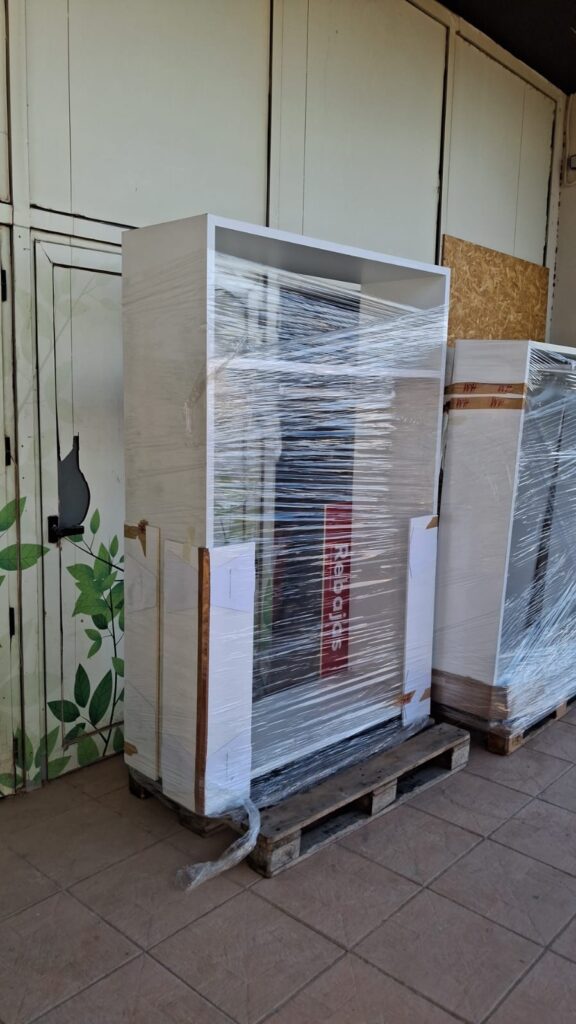
House removals UK to France are personal. You are not moving boxes, you are moving a life. The difference between a stressful move and a smooth one is rarely luck. It is process, protection, and visibility.
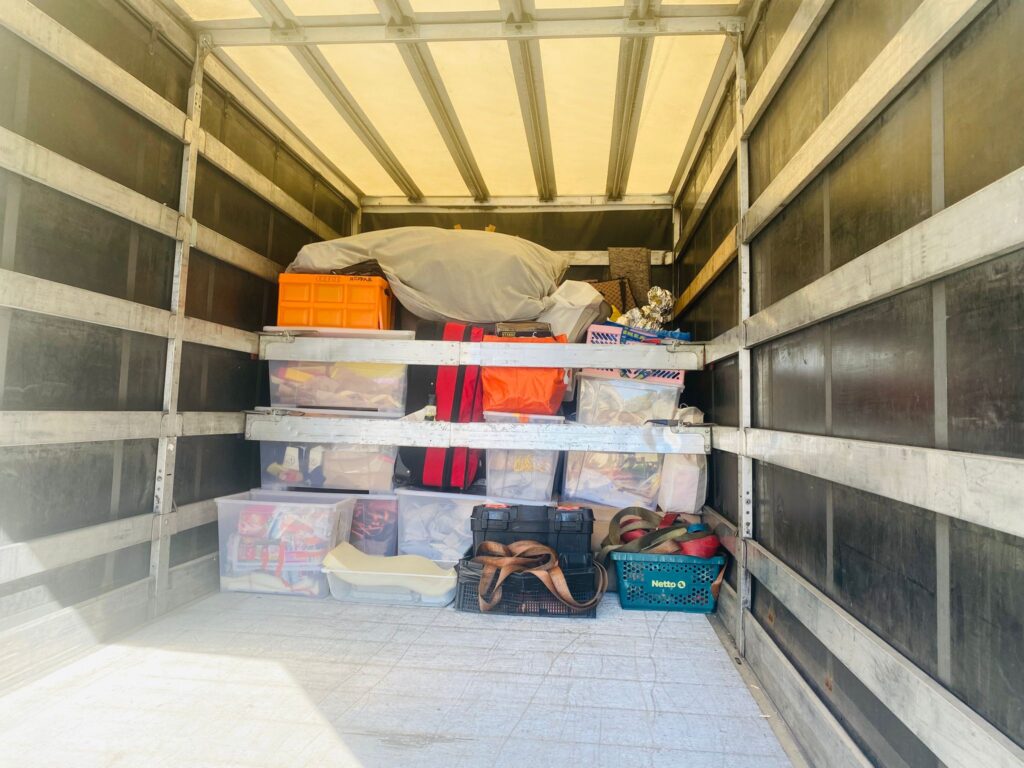
VANonsite is built for house removals UK to France that feel controlled, not chaotic.
What matters most on moving week
| What you need | Why it matters for house removals UK to France | How VANonsite supports it |
|---|---|---|
| Predictable timing | protects your handover and arrival plan | direct route options and clear scheduling |
| Careful handling | reduces damage, reduces stress | trained loading, protection, secure stacking |
| Visibility | keeps you calm | GPS tracking on every load |
| Flexible help | saves time when life is busy | packing, white glove handling, add ons |
Services you can combine with your move
Choose the level of support that matches your home and your timeline.
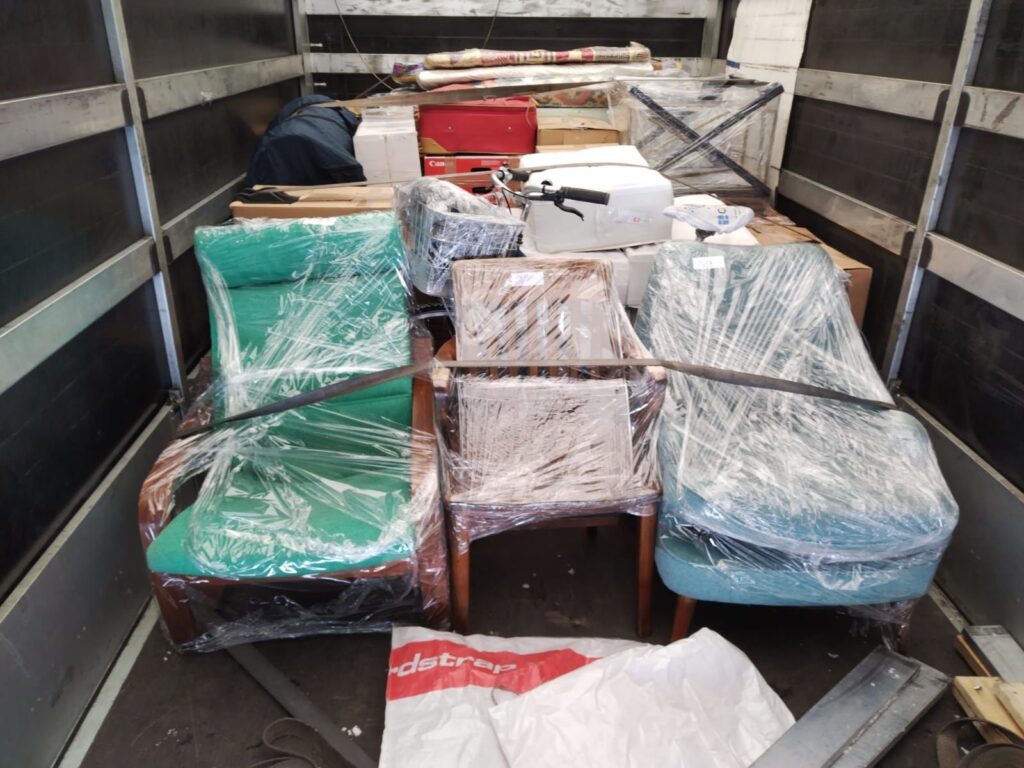
If you have fragile pieces, antiques, or high value items, white glove handling can be the calmest choice for house removals UK to France. If you want to save time and protect your energy, professional packing can cut the pressure sharply.
When you can track your load, plan your day, and trust the handling, house removals UK to France stop feeling risky and start feeling organised.
FAQs
If you are planning house removals UK to France, these are the questions that usually appear right before booking.
How far in advance should I book house removals UK to France?
For most moves, 2 to 4 weeks is a safe window. For late spring and summer, aim for 4 to 6 weeks. If you need a faster turnaround, last minute options can work, especially if your inventory is ready.
What causes delays with house removals UK to France?
Paperwork. A vague inventory, missing proof of address, or inconsistent dates are the common reasons. Access issues are the second biggest cause, especially long carry distances and city centre unloading restrictions.
Do I need an inventory for house removals UK to France?
Yes. A clear, itemised inventory is the backbone of house removals UK to France after Brexit. Use room groupings, box numbers, quantities, and values in euros. Avoid vague lines like “misc”.
Can a man and van handle house removals UK to France?
A man and van setup is ideal for smaller moves. For full home moves, you typically need larger capacity, but it can still work if your home is compact and you have decluttered hard. The goal is one clean load, not a tight squeeze.
How do I reduce the risk of damage?
Use strong boxes, keep most under 20 kg, protect corners, and stabilise everything inside the van. Professional packing reduces risk further, especially for glass, artwork, and fragile furniture during house removals UK to France.
Should I choose direct transport or shared transport?
Direct transport is usually the simplest choice for house removals UK to France. Fewer transfers means less handling, and less handling means lower risk. Shared transport can reduce cost, but it can extend the timeline.
What should I keep with me instead of packing in the van?
For house removals UK to France, keep passports, essential medication, chargers, keys, and your 72 hour essentials kit with you. Also keep any important documents related to your address and customs.
Will I know where my shipment is?
Yes. For house removals UK to France, VANonsite provides GPS tracking on every load. That visibility makes planning easier, especially when you are coordinating handovers, keys, and arrival time.
Do you offer packing and specialist handling?
Yes. You can add Packing Service for speed and protection, and White Glove Delivery for delicate or high value items. These options are popular for house removals UK to France when you want extra peace of mind.
Summary
House removals UK to France work best when you simplify the move into three pillars: paperwork, capacity, and timing. Start early with a clear, itemised inventory with values in euros, plus proof of your French address. Those two pieces remove most border friction after Brexit. Next, match the vehicle to your real volume and weight. Decluttering by 20% often lowers the van size and reduces cost, while keeping the load safer. Pack with a system. Keep boxes under 20 kg, label two sides, and build a 72 hour essentials kit so you can live immediately on arrival.
Choose your crossing with your schedule in mind. Eurotunnel is often fastest, while a ferry can be more flexible. Then plan destination access, parking, stairs, and any city centre rules, because these details can decide the delivery pace. Finally, use a simple first week plan in France to lock in utilities, internet, and admin without burning out.
If you want house removals UK to France to feel controlled, VANonsite offers direct move options, premium handling, flexible add ons like packing and white glove support, and GPS tracking on every load so you always know where your shipment is.