
Planning removals from UK to France can feel like balancing your whole life on the edge of a cardboard box. A key date is fixed, your lease is ticking, and suddenly every mug and memory feels fragile. Add post Brexit customs and the fact that French streets can be narrow, steep, and stubborn about parking, and it is easy to see why removals from UK to France can feel heavy.
But here is the good news. Most stress comes from gaps in the plan, not from the kilometres. When the paperwork is clean, the van size is right, and the packing is smart, removals from UK to France become predictable. Almost calm. This guide is built to get you from UK doorstep to French doorstep with fewer surprises and more control, whether you need a nimble man and van for a small move or a full house solution for a fresh start.
You will also see how VANonsite keeps things steady with premium handling, flexible service options, and GPS tracking on every load. That visibility turns anxious hours into ordinary minutes during removals from UK to France.
TL:DR
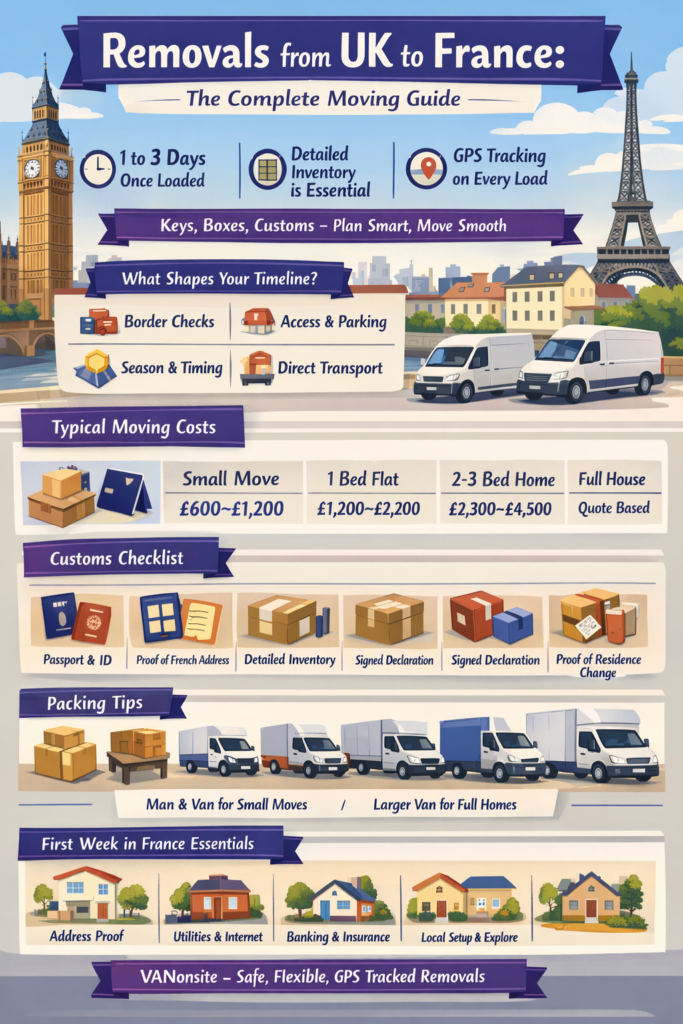
- Most removals from UK to France take 1 to 3 days once loaded, with border processing as the main variable
- A detailed inventory and consistent documents reduce customs delays by a lot
- Decluttering 20% can cut costs and may drop you into a smaller vehicle size
- Direct transport is usually the fastest choice for removals from UK to France
- Packing matters: keep boxes under 20 kg and label rooms on two sides
- Eurotunnel is often quickest, ferry can be flexible, and route choice can shift arrival by 2 to 6 hours
- GPS tracking adds calm and visibility during removals from UK to France
At a glance: the guide layout
You will get quick answers, a realistic budget, the paperwork checklist, and a step by step timeline. You will also see how VANonsite handles safety, speed, and GPS tracking for every load during removals from UK to France. If you only read one section, read the customs part, because paperwork is the usual bottleneck.
- Timelines and what actually affects delivery
- Costs and how to keep the quote lean
- Customs and documents after Brexit
- Packing and protection that prevents damage
- Picking the right vehicle size
- A checklist you can follow without guesswork
- Settling in France: the first week essentials
- FAQs that stop last minute panic
Quick answers first
Most removals from UK to France take 1 to 3 days door to door once the van is loaded. The biggest variables are distance, border processing, and how tricky it is to park and unload at the French address. For a tight deadline, choose direct transport and avoid multi drop routes. As a rough guide, London to Paris is about 450 km, while Manchester to Lyon can be closer to 1,200 km.
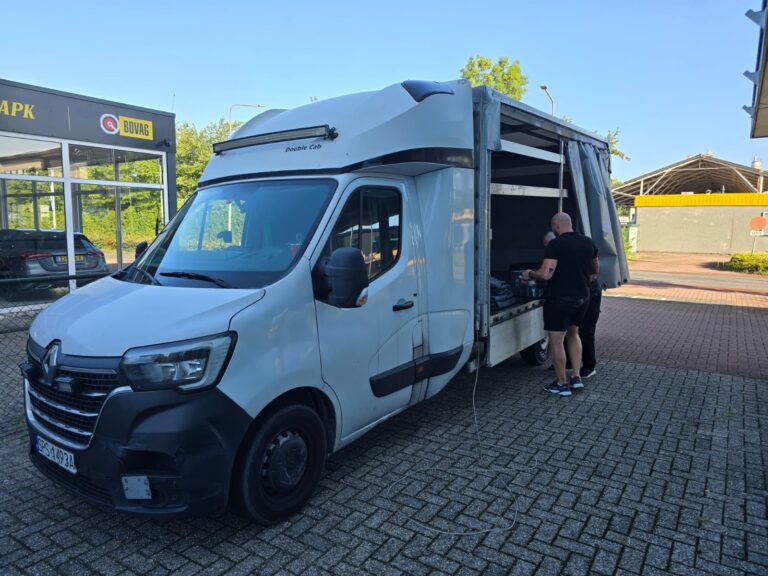
For smaller moves, a man and van setup is often the most agile choice. Fewer transfers. Fewer hands. More peace of mind. For larger homes, a bigger vehicle keeps everything together so your removals from UK to France stay simple.
VANonsite focuses on premium handling without drama. Each load can be tracked with GPS, so you always know where your items are and when they are due to arrive. That visibility turns anxious hours into ordinary minutes during removals from UK to France.
Timelines: what really affects delivery
A clean timeline is the backbone of successful removals from UK to France. Most people plan for traffic, but forget the smaller frictions that quietly steal hours.
The biggest time levers
- Border readiness: a complete document pack can be the difference between a smooth crossing and a painful delay
- Access at both addresses: stairs, narrow corridors, no lift, and parking restrictions can stretch loading or unloading by 30% to 60%
- Seasonality: late spring and summer can book up fast, while midweek slots often move quicker
- Direct vs shared: direct transport is usually the cleanest way to protect your delivery window for removals from UK to France
A realistic timeline example
If you pick up in the South East and deliver near Paris:
- Loading and securing: 2 to 5 hours
- Channel crossing: 1 to 4 hours, depending on check in timing
- Border processing: 30 minutes to several hours, depending on documents
- Drive and delivery: 4 to 8 hours
The main lesson is simple. Your van can fly, but paperwork can crawl. Treat customs like part of the move, not an afterthought, and removals from UK to France start behaving.
Costs: what removals from UK to France usually cost
Every quote is shaped by volume, weight, access, mileage, season, and whether you need packing. Still, you can plan your budget with solid bands for removals from UK to France.
| Move size | Best fit | Typical VANonsite option | Indicative price range for removals from UK to France |
|---|---|---|---|
| Small studio or boxes | 1 to 8 large boxes | Moving One or Moving Basic | £600 to £1,200 |
| 1 bed flat | boxes plus small furniture | Moving Medium | £1,200 to £2,200 |
| 2 to 3 bed home | furniture set and appliances | Moving Premium or Moving Premium Plus | £2,300 to £4,500 |
| Full house | large family home | Moving Full House XXL | Quote based |
Those numbers are a planning guide, not a promise. The exact cost for removals from UK to France depends on the real world details. Still, a good quote should always explain what you are paying for.
What a strong quote should include
A trustworthy quote for removals from UK to France usually covers:
- Vehicle size and payload plan
- Loading and unloading time assumptions
- Route type, direct or shared
- Any packing materials and labour
- Customs handling support and required documents
- Insurance options and exclusions
Three fast ways to keep the quote lean
- Pick a midweek load date. Weekdays can be 10% to 20% calmer for availability.
- Declutter ruthlessly. Cutting volume by 20% can shift you down a vehicle size.
- Keep it direct. One van, one route, one delivery window for removals from UK to France.
If you need specialist help, VANonsite also offers Furniture Removals, Home Removals, Packing Service, and White Glove Delivery. For business moves, there is Office removals. Students can use Student Removals. Storage and Last Minute Moving are available when plans change overnight, which happens more often than people admit with removals from UK to France.
Routes: tunnel vs ferry
For removals from UK to France, you typically choose Eurotunnel or a ferry. Both work well. The best option is the one that matches your deadline, your pickup location, and how predictable you want your day to feel.
Eurotunnel
Eurotunnel is often the fastest choice for removals from UK to France.
- Strong fit for tight schedules and direct delivery windows
- Less weather sensitivity compared with many ferry crossings
- Often smoother if you are doing a smaller man and van move and want quick turnaround
Ferry
A ferry can feel steadier if you want a longer break and simpler port logistics.
- Helpful if you prefer a wider range of departure times
- Can be a smart choice for certain UK regions depending on the nearest port
- Often feels calmer if you want time to reset before the drive into France
Quick comparison
| Choice | Best when | Watch outs | Typical impact on your day |
|---|---|---|---|
| Eurotunnel | speed matters, direct delivery, narrow delivery window | check in timing is strict | can save 1 to 3 hours |
| Ferry | flexible sailing times, you want a break, port is convenient | weather and peak queues can bite | can add 1 to 4 hours |
Depending on your pickup point and destination, the route choice can shift the arrival window by 2 to 6 hours, especially on peak weekends. If your French address is in a busy city centre, plan like a chess player. Arrival time is only half the story. Parking and access decide the real finish line for removals from UK to France.
Access planning that prevents drama
If you are moving to a village or a city centre flat, access matters more than speed. Narrow streets, parking restrictions, and staircases can stretch unloading time by 30% or more.
Before removals from UK to France, collect these details:
- Door width and any tight turns on stairs
- Floor number and lift size, if there is a lift
- Parking distance from entrance, ideally under 15 metres
- Any time restrictions for unloading, especially in central areas
- Photos of the entrance, stairwell, and street outside
This is why good planning is the quiet superpower behind smooth removals from UK to France. The best cross border moves start with clear photos and a quick chat about parking, not with last minute improvisation.
Security, insurance, and why tracking matters
Crossing borders is where uncertainty loves to hide. The cure is visibility and careful handling. For removals from UK to France, VANonsite can provide GPS tracking on every load, so you can see progress instead of chasing updates. That matters because confidence is not a feeling, it is information.
What to confirm before you book
Ask these questions before you book removals from UK to France:
- What is covered by insurance and what is excluded
- What proof is needed for a claim, photos, notes, inventory values
- How quickly damage must be reported, and to whom
- Is the move direct or shared with other deliveries
- Do you use protective blankets, straps, and corner guards as standard
- How do you handle high value items, art, antiques, fragile electronics
A simple protection checklist
A reliable team will do the basics brilliantly during removals from UK to France:
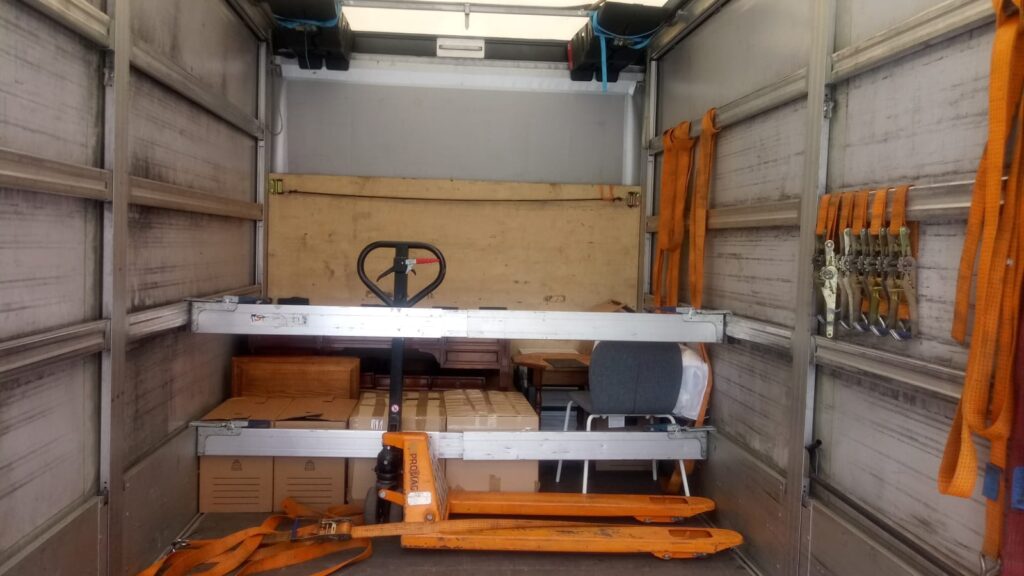
- Wrap and strap to prevent shifting, especially on longer motorway stretches
- Use corner protection for wardrobes, tables, and frames
- Keep heavy items low for stability
- Separate fragile boxes and mark them clearly
A good mover will answer in plain English and put it in writing. When you add GPS visibility, careful handling, and clear insurance terms, removals from UK to France stop feeling like a gamble and start feeling like a plan.
Paperwork and customs for removals from UK to France after Brexit
Since the UK is outside the EU, removals from UK to France are treated as a non EU move for customs. That sounds intimidating, but it is manageable when you treat paperwork like part of the packing. Your goal is simple: prove that your shipment is personal household goods connected to a real change of residence.
Here is the honest truth. Customs rarely slows removals from UK to France because someone is unlucky. It slows them because the paperwork is vague, inconsistent, or missing. Fix that, and the border becomes a formality.
The core document bundle
For removals from UK to France, prepare these as a clean pack, printed and saved digitally:
- Passport or ID for the person transferring residence
- Proof of address in France, such as a lease, utility bill, or property purchase
- Proof you lived outside France for at least 12 months if claiming duty and tax relief for personal belongings
- A detailed inventory, item by item, with estimated values in euros
- A signed declaration that the goods are personal and not for resale
If you are moving as a family, add a simple one page note listing all names and relationships. It can prevent confusion during removals from UK to France.
Before you pack the last box, skim the official pages below. They are the safest reference points.
- French Customs: transfer of residence relief
- Service-Public: moving into France and customs duty relief
- HMRC: declaring personal goods when you bring them in or take them out
Duty and tax relief rules in plain English
This is the part most people miss, and it can decide whether removals from UK to France feel smooth or stressful. In general, French Customs describes relief for used personal belongings when you transfer your main residence.
You typically need to show that:
- You lived in a non EU country for at least 12 months before transferring your main residence to France
- Your household goods were used privately for at least 6 months before the transfer
- Your shipment arrives within 12 months of the residence transfer date
- If you ship in stages, your first inventory should list everything you plan to import under relief
Also note the common exclusions for removals from UK to France. Alcohol, tobacco, and professional equipment are typically not covered. Secondary home furniture can be treated differently too, so do not assume the same relief applies.
If you are bringing brand new items, keep receipts. New goods can be treated differently than used household items during removals from UK to France.
The inventory that makes customs easy
A good inventory is boring, and that is exactly why it works for removals from UK to France. Think of it as a map that guides your boxes through the border.
Inventory rules that prevent delays
- List items clearly, no vague categories like “misc” or “kitchen stuff”
- Use quantities and honest values in euros
- Group by room and box number
- Mark high value items separately and add serial numbers for electronics
- Keep the language simple, consistent, and readable
Here is a simple format that works:
| Room | Box no. | Item | Qty | Approx value EUR |
|---|---|---|---|---|
| Kitchen | 1 | Plates and bowls | 1 box | 60 |
| Living room | 2 | Sofa, 2 seater | 1 | 450 |
| Bedroom | 3 | Wardrobe | 1 | 300 |
| Office | 4 | Laptop monitors | 2 | 260 |
Add a short note at the top like “Used personal household goods, not for resale”. It sounds small, but it aligns the whole story of your removals from UK to France.
Staged shipments and split moves
Many people do removals from UK to France in two waves: essentials first, then the rest. That is fine. Just keep your paperwork consistent.
To keep staged removals from UK to France smooth:
- Use one master inventory listing everything you plan to import
- Mark each shipment with a clear subset of the same inventory
- Keep the same name, address, and move date references across documents
- Save copies of every signed page
Prohibited and restricted items
To avoid nasty surprises during removals from UK to France, do not pack:
- Aerosols, paint, solvents, and flammables
- Gas canisters and fuel containers
- Certain plants, soil, and untreated wood
- Weapons or weapon like items
If you are unsure, ask before you tape the box. One awkward item can trigger a deeper inspection during removals from UK to France.
Cash, valuables, and what should stay with you
For removals from UK to France, keep these with you, not in the van:
- Passport and identity documents
- Medication, glasses, and essentials for 72 hours
- Jewellery, small heirlooms, and irreplaceable keepsakes
- Laptops, tablets, and important work items
A man and van move can feel intimate and quick, but the rule stays the same. Keep the essentials in your own hands.
Visas and stay length
If you are relocating for more than 90 days, start with the official sources. For removals from UK to France tied to a longer stay, check:
Pets: plan the 21 day clock
If your move includes a dog or cat, the timeline matters. UK guidance explains the steps and the minimum wait after the first rabies vaccination, which is at least 21 full days:
If you are doing removals from UK to France with pets, book a vet appointment early. Pet paperwork is its own mini move, and it rewards early action.


Packing and protection that actually prevents damage
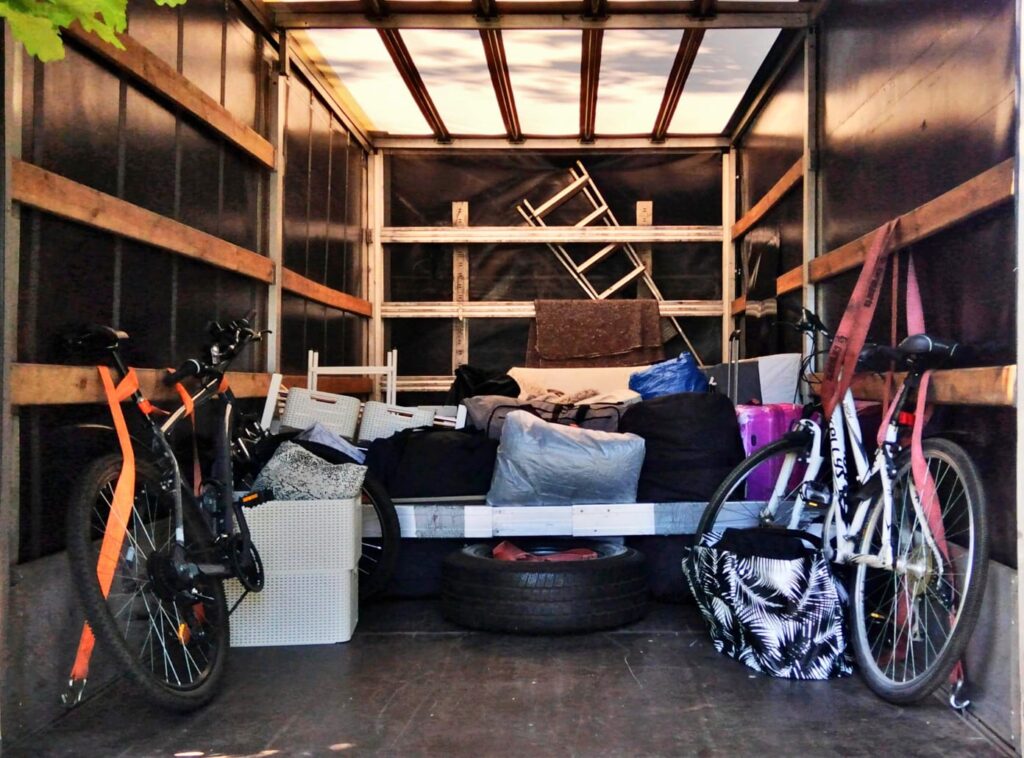
The fastest removals from UK to France are not the ones that sprint. They are the ones that pack with intention. Think of your van like a ship crossing choppy water: weight low, fragile high, and soft buffers between hard edges. A smart pack is a quiet kind of love for your future self.
If you want a hands off day, use the VANonsite Packing Service. For high value pieces, White Glove Delivery adds extra padding, careful placement, and that rare feeling of trust, especially helpful for removals from UK to France with antiques, artwork, or glass.
What goes wrong most often
Most damage during removals from UK to France comes from three things: overfilled boxes, poor stacking, and empty space inside the van.
- Overfilled boxes split at the bottom or become impossible to carry safely
- Poor stacking crushes soft items and warps furniture frames
- Empty space lets loads slide and bounce, even on good roads
Practical packing rules that protect your items
Use these rules and your removals from UK to France will feel smoother from the first kilometre:
- Keep most boxes under 20 kg so they stack safely and carry cleanly
- Use double wall boxes for books, plates, and fragile items
- Tape bottoms in an H pattern and reinforce corners
- Use soft items as shock absorbers, towels and bedding around fragile pieces
- Wrap glass and ceramics individually, then pack vertically, not flat
- Photograph electronics and cable setups before you unplug
- Label by room and add one clear marker for fragile items
A small trick that works brilliantly in removals from UK to France: write the destination room on two sides of every box. It speeds up unloading and keeps the flow clean.
Packing by room: a simple system
If you want the fastest unpack after removals from UK to France, pack by room, then by priority.
- Daily life box: kettle, mugs, basic cutlery, chargers, toiletries
- Bedding box: sheets, duvet, pillows, a towel per person
- Kitchen essentials: one pan, one knife, one chopping board, basics
- Tools and fixings: screwdriver, tape, zip ties, spare bulbs
Furniture and big items
Large pieces are where professional handling pays for itself in removals from UK to France.
- Remove legs from tables where possible and tape fixings to the underside
- Wrap corners on wardrobes and frames
- Use mattress covers to block moisture and road dust
- Strap appliances upright, especially fridges
Packing materials checklist
You do not need everything, but you do need the right basics for removals from UK to France:
- Strong boxes in 3 sizes
- Tape, marker pens, and labels
- Bubble wrap and packing paper
- Stretch film for drawers and doors
- Furniture blankets and straps
If you want to avoid buying and guessing, professional packing is often the simplest route.
Vehicle sizes: match your move, not your guess
Wrong vehicle size is the hidden killer of removals from UK to France. Too small means a second trip. Too big means you pay for air. VANonsite keeps it simple with clear options for removals from UK to France.
VANonsite vehicle options
| Option | Volume | Payload | Best for |
|---|---|---|---|
| Moving One | 1 m3 | 100 kg | suitcase move and a few boxes |
| Moving Basic | 5 m3 | 300 kg | student room or small studio |
| Moving Medium | 10 m3 | 500 kg | 1 bed flat and compact furniture |
| Moving Premium | 15 m3 | 1,100 kg | 1 to 2 bed home |
| Moving Premium Plus | 30 m3 | 3,500 kg | 2 to 3 bed home |
| Moving Full House XXL | 90 m3 | 20,000 kg | full family house |
Quick vehicle choice cheatsheet
If you want a fast decision for removals from UK to France, use this shortcut:
- Moving One: 6 to 10 medium boxes
- Moving Basic: up to 20 boxes plus a small desk or chair
- Moving Medium: 1 bed flat, sofa, bed, wardrobe, around 30 to 45 boxes
- Moving Premium: 1 to 2 bed home with appliances
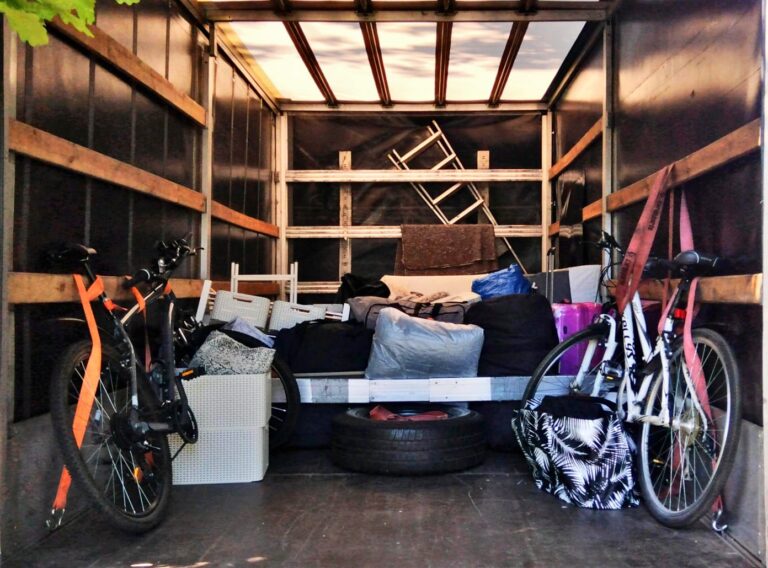
- Moving Premium Plus: 2 to 3 bed home, bulky furniture, bikes, garden items
A simple volume estimator
If you want a sharper estimate for removals from UK to France, use this quick method:
- Count boxes first
- medium box: roughly 0.05 m3
- large box: roughly 0.08 m3
- Add furniture volume, roughly
- single mattress: 0.6 m3
- double mattress: 1.0 m3
- 2 seater sofa: 1.2 m3
- wardrobe: 1.0 to 1.8 m3
Then add 10% buffer so your loading plan is not a tight squeeze. Tight squeezes turn into delays during removals from UK to France.
Weight matters more than people think
It is possible to run out of payload before you run out of space, especially with books, gym weights, records, and tools.
A quick weight guide for removals from UK to France:
- 1 medium book box can weigh 15 to 25 kg
- 10 book boxes can be 150 to 250 kg
If your move is heavy, say it early. It helps choose a safer vehicle plan.
When a man and van is the best move
A man and van is often perfect for removals from UK to France when:
- You are moving for work or study with a tight delivery window
- You have a small flat or a room worth of items
- You want a direct, fast route with minimal handling
When you need a larger van
Choose bigger capacity for removals from UK to France when:
- You have multiple bulky items, beds, wardrobes, appliances
- Access is tricky and you want fewer trips up and down stairs
- You want everything delivered in one calm wave
If you are unsure, describe your move in plain language. A good planner can translate it into the right van for removals from UK to France in minutes, and that single choice can save you hundreds.
A step by step checklist for removals from UK to France
Use this checklist and you will feel in control of removals from UK to France.
6 weeks before
Start early, even if you are brave.
- Book your date window for removals from UK to France
- Decide what to sell, donate, or store
- Begin the inventory list and note high value items
3 weeks before
Now you are building momentum.
- Confirm route and access details for removals from UK to France
- Order materials or schedule professional packing
- Notify schools, banks, insurers, and utilities
10 days before
Make the paperwork boring.
- Finish the inventory, add values in euros, and sign it
- Gather proof of French address and residence transfer documents
- Pack non essentials and label by room
48 hours before
Protect your moving day.
- Defrost the fridge and clean appliances
- Charge phones and keep documents in one folder
- Confirm pickup time and contact numbers for removals from UK to France
Moving day
Keep it clean and simple.
- Walk through each room once, slowly
- Keep passports, keys, and medication with you
- Stay informed during removals from UK to France with GPS visibility
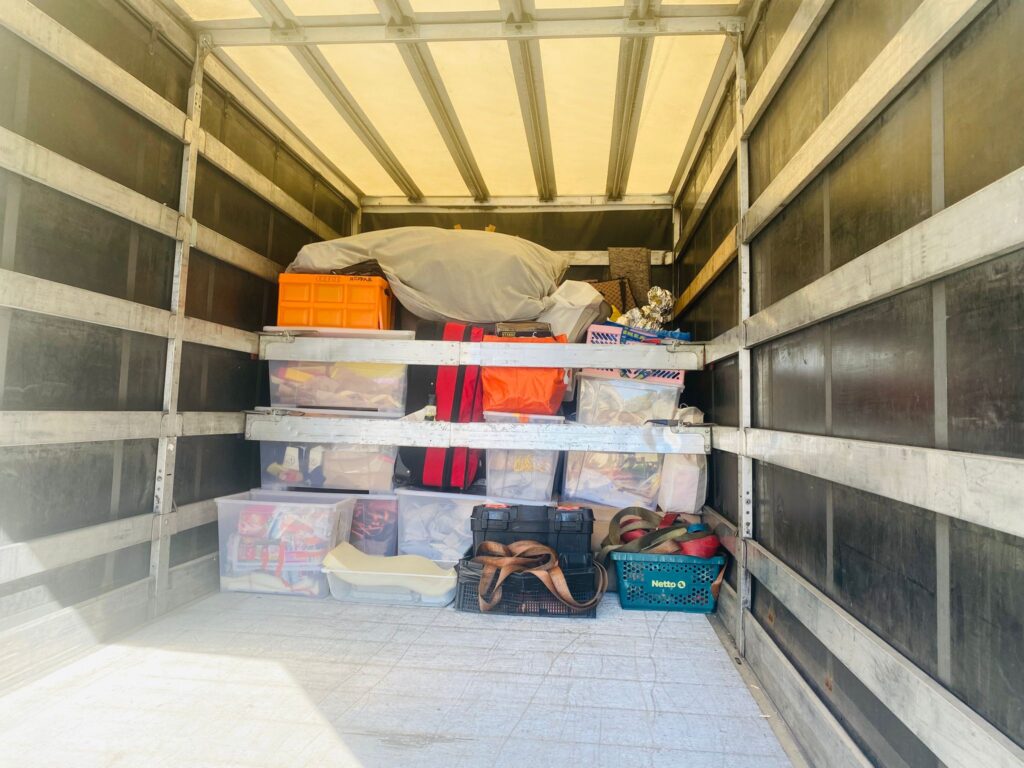
Settling in France: the first week essentials
The first week after removals from UK to France can feel surreal. You wake up in a new country and your brain is still searching for the old routine. The quickest way to feel grounded is to win the basics fast: address proof, utilities, and a tiny rhythm that makes the new place feel like yours.
Think of this week as two tracks running side by side. One track is admin. The other is comfort. If you only do admin, you feel efficient but drained. If you only do comfort, you feel cosy but exposed. Balance both and your removals from UK to France end with relief, not fatigue.
First 72 hours
Start with the essentials that unlock everything else after removals from UK to France.
- Confirm your address paperwork and keep copies together, paper and digital
- Register utilities and internet quickly to avoid a 7 to 14 day gap
- Photograph the condition of the property on arrival, useful for deposits and disputes
- Create one “France folder” for contracts, receipts, and your customs paperwork
- If you moved for a longer stay, start the admin steps listed here: Service-Public: Je déménage en France
A small habit that helps after removals from UK to France: keep one table or corner clear from day one. That becomes your calm station for keys, documents, and daily essentials.
The first week plan, day by day
You do not need to do everything at once. You do need the right order.
- Day 1 to 2: address proof, utilities, internet, local supermarket and pharmacy
- Day 3 to 4: banking, phone plan, and insurance updates
- Day 5 to 7: healthcare steps, driving and vehicle checks, school or work onboarding
If your removals from UK to France were time critical, this structure stops the week from dissolving into errands.
First week wins
These small actions make you feel settled fast after removals from UK to France:
- Learn your local waste disposal rules and pickup days
- Locate the nearest pharmacy, supermarket, and emergency numbers
- Build a French style essentials kit: kettle or coffee maker, adaptors, basic tools
- Save local emergency contacts: in France it is often 112 for emergencies, 15 medical, 17 police, 18 fire
- Find your closest post office and learn your postal code patterns, it speeds up forms
Admin tasks that matter most
These are the tasks that unlock normal life after removals from UK to France.
- Banking: many services become easier once you have a French bank account or an accepted payment method for local contracts
- Phone and data: a local SIM can reduce friction with deliveries, verification codes, and appointments
- Healthcare: if you are relocating long term, read the official overview here: Service-Public: Social security in France
- Taxes and residence: if you are settling permanently, learn the basics here: Service-Public: taxes and moving
Driving and your vehicle
If your removals from UK to France include a car, plan early. Vehicle admin can take longer than people expect.
- For UK licences and driving topics, start here: Service-Public: driving licence in France
- If you are importing a vehicle, use the official guide: Service-Public: registering an imported vehicle
A simple first week checklist
| Priority | Task | Why it matters | Best time |
|---|---|---|---|
| Must do | Utilities and internet | prevents disruption | Day 1 to 2 |
| Must do | Address proof folder | unlocks services and admin | Day 1 |
| Should do | Phone plan | appointments and delivery codes | Day 2 to 4 |
| Should do | Banking | contracts and local payments | Day 3 to 5 |
| Should do | Healthcare steps | peace of mind | Day 4 to 7 |
| Nice to do | Explore the neighbourhood | reduces stress | every day |
If you are working with VANonsite, this is also the week where GPS tracked delivery and clear timing helps you plan your appointments without guesswork during removals from UK to France.
Common mistakes that slow everything down
Most delays in removals from UK to France come from a missing detail, not a disaster.
- Inventory too vague. “Kitchen items” is not enough.
- No proof of French address.
- Restricted items hidden in boxes, like aerosols, paint, or certain plants.
- Underestimating stairs, parking, and tight doorways.
- Forgetting to book access solutions, like a lift slot or unloading permission
- Booking too late for peak season and then paying rush premiums
Avoid these, and your removals from UK to France will feel smoother from the first kilometre.
FAQs about removals from UK to France
If you are planning removals from UK to France, these are the questions that usually come up right before booking. Clear answers now save you time, money, and stress later.
Do I need a customs inventory for removals from UK to France?
Yes. A clear inventory is one of the most important documents for removals from UK to France. Keep it itemised, with quantities and values in euros. Be specific. “Kitchen items” is vague. “Plates, 40 pieces” is clean and credible.
What should the inventory values look like?
For removals from UK to France, use realistic second hand values, not new retail prices. Customs wants consistency and honesty, not inflated numbers. If you have a new item, keep the receipt and list it separately.
Can I do removals from UK to France as a small move?
Absolutely. A man and van approach can be ideal for boxes, a few pieces of furniture, and fast delivery. It is often the most efficient way to handle lighter removals from UK to France, especially when you want direct transport and minimal handling.
How far in advance should I book?
If you want choice, book 2 to 4 weeks ahead for most removals from UK to France. For late spring and summer, aim for 4 to 6 weeks. Last minute options exist, but the best time slots disappear first.
How can I reduce the risk of damage?
Protection is a system, not a single trick. For removals from UK to France, use strong boxes, avoid overloading, and prevent movement inside the van.
A quick three point rule:
- Keep most boxes under 20 kg
- Fill empty gaps with soft items or packing material
- Strap large furniture and protect corners
Professional packing and careful loading are the two biggest protectors for removals from UK to France.
What is the most common cause of delay?
Incomplete paperwork. For removals from UK to France, customs readiness is often the deciding factor. Missing proof of address, a vague inventory, or inconsistent dates are the usual culprits.
What items should I avoid packing?
For removals from UK to France, avoid flammables, aerosols, paint, solvents, and gas canisters. If you are unsure about a specific item, ask before it goes in the box. One restricted item can trigger an inspection.
Do movers handle packing and furniture disassembly?
Many do. With VANonsite you can add packing and specialist handling, including White Glove Delivery, which is popular for delicate removals from UK to France. For larger household moves, Home Removals keeps everything under one plan.
How do I pick the right van size?
For removals from UK to France, choose the van size based on volume and weight, not gut feeling. As a quick shortcut, cutting clutter by 20% can drop you into a smaller vehicle size, which often saves real money.
Will I know where my shipment is?
With removals from UK to France, visibility matters. VANonsite offers GPS tracking for every load, so you can see progress and plan your day without guesswork.
Why VANonsite fits removals from UK to France
Removals from UK to France are personal. You are not moving boxes, you are moving a life. VANonsite keeps the process steady with flexible options from man and van loads to full house transport, GPS tracking on every load, and services that cover packing, furniture handling, office moves, student moves, and storage.
What you get in plain terms
| What you need | Why it matters for removals from UK to France | How VANonsite helps |
|---|---|---|
| Speed and predictability | protects your delivery window | direct routes and clear scheduling |
| Safety for fragile items | reduces breakage and stress | protective packing options and careful handling |
| Visibility | keeps you calm | GPS tracking on every load |
| Flexibility | plans change fast | Last Minute Moving and tailored service add ons |
If you want a deeper look at routes and options, explore these pages:
- Removals to France
- Moving to France from UK
- Removals to France from UK
- International removals UK to France
If your move is furniture heavy, Furniture Removals is a strong fit; If you want to arrive with less fatigue, the Packing Service can take the pressure off, especially when you are juggling documents for removals from UK to France.
Final thought: the best removals from UK to France feel almost boring. Quiet. Punctual. Predictable. That is not luck. That is planning, and the right team behind your removals from UK to France.
If you want a tailored plan for removals from UK to France, share your pickup postcode, your destination town, and a quick list of the biggest items. You will get a quote that matches reality, not guesswork. Booking early keeps your preferred dates on the table, especially for summer removals from UK to France.
Summary
Removals from UK to France are easiest when you treat the move like a project with three priorities: documents, volume, and timing. Build a detailed inventory early, keep your proof of French address ready, and avoid restricted items so customs does not slow you down. Choose the right route, Eurotunnel for speed or ferry for flexibility, then plan access at both addresses because stairs and parking can add 30% or more to handling time. Protect your belongings with smart packing, keep boxes under 20 kg, and stabilise everything inside the van to reduce damage risk. Match the vehicle to your real volume and weight to avoid paying for a second trip or wasted space. Follow the step by step timeline, then use the first week plan in France to lock in utilities, admin, and comfort fast. If you want the move to feel predictable, VANonsite combines flexible options from man and van to full house transport, careful handling, and GPS tracking so you always know where your load is during removals from UK to France.