
Introduction
Do you regret moving to Germany? Some people do. Still, the real answer is more layered than that. In many cases, the regret is not really about Germany itself. It is about the shock of starting over, the exhaustion of paperwork, the pressure of finding housing, the loneliness of rebuilding routine, or a move that felt messy from the very beginning.
That distinction matters. Regret after relocation is often mixed with fatigue, not truth. When people are tired, overwhelmed, and surrounded by boxes, they do not always judge the country itself. They judge the friction. They judge the stress. They judge the first difficult weeks when nothing feels familiar and every small task seems to take 3 times longer than expected.
This is why the question do you regret moving to Germany deserves a more honest answer than a simple yes or no. Germany can be a deeply rewarding place to live, work, study, or raise a family. Still, the first phase after arrival can feel emotionally brutal if the move was rushed, underplanned, or loaded with unrealistic expectations.
A strong relocation starts before the van is loaded. It starts with better timing, better sorting, better transport choices, and a more realistic idea of what the first 30 to 90 days will feel like. When the move is planned well, the emotional crash is often much softer. When the move is chaotic, even a good decision can feel like a mistake for a while.
Do People Regret Moving to Germany?
Yes, some people do regret moving to Germany. Still, the reasons are rarely simple, and they are often temporary. In many cases, regret shows up in the hardest adjustment period, then fades once life becomes more stable, housing becomes secure, and daily routine starts working again.
The Honest Answer
The honest answer is that some people regret moving to Germany, but not always for the reasons they expected. A person may think they regret the country when they actually regret the timing of the move. Someone else may blame Germany when the real cause is burnout, weak planning, or the emotional cost of starting over from zero.
That is why this question can be deceptive. Regret is a real feeling, but it is not always a final verdict. Sometimes it is only the sound of overwhelm.
Regret Often Comes From the Move, Not the Country
A surprising amount of regret begins before life in Germany has had a fair chance to settle. The real causes are often practical and emotional at the same time.
Common triggers include:
- housing pressure
- bureaucracy overload
- language barrier stress
- loneliness
- unrealistic expectations
- a badly organised move
When several of these hit at once, the country itself can become the target of frustration. Yet the deeper issue is often that the relocation felt too heavy, too expensive, too uncertain, or too chaotic.
That is exactly why moving logistics matter so much. A poor move can poison the first impression of an otherwise good decision. Delays, damaged furniture, hard first nights, missing essentials, or unclear delivery timing can magnify every emotional doubt. By contrast, a smoother move can reduce the risk of early regret dramatically.
Why the First 30 to 90 Days Matter So Much
The first 30 to 90 days are often the hardest emotional stage of any international move. This is the window when the new country still feels unfamiliar, practical admin feels endless, and the old life still feels close enough to miss sharply.
During this phase, people often experience:
- emotional fatigue
- culture shock
- frustration with systems and paperwork
- disappointment that daily life is not working yet
- fear that they made the wrong choice
That does not automatically mean the move was wrong. It usually means the adjustment phase is doing what adjustment phases do. They distort perspective.
This is also why early moving support matters more than people think. If the home is functioning, the furniture arrived safely, the essentials are easy to reach, and the moving service removed part of the chaos, the emotional landing is often far softer. A calmer start does not solve every challenge, but it can reduce the feeling of regret by a remarkable margin.
Why People Regret Moving to Germany in the Beginning
Early regret often comes from friction, not failure. That is the key distinction. Most people who ask do you regret moving to Germany are not always reacting to the country itself. They are reacting to pressure. They are reacting to disruption. They are reacting to the sharp emotional drop that happens when the idea of the move was exciting, but the first weeks feel cold, bureaucratic, and deeply unglamorous.
In the beginning, even small problems can feel enormous. A housing delay feels like a personal crisis. A missing document feels like proof that everything is going wrong. A hard first week can make people question a decision they may later feel very grateful for. This is why early regret should be read carefully. It often signals overload, not a wrong life choice.
Housing Pressure and Admin Stress
Housing pressure can shape a person’s entire first impression of Germany. If the home situation feels unstable, expensive, temporary, or disappointing, daily life starts on shaky ground. It becomes hard to feel confident in the move when the basic idea of home still feels uncertain.
At the same time, admin stress drains energy fast. Documents, registrations, appointments, confirmations, and identity checks may look manageable on paper. In reality, they often arrive all at once, exactly when the person is already tired from the relocation itself.
This combination can feel brutal because it affects both practical life and emotional safety. A person is not only dealing with forms. They are also trying to feel settled in a place that still feels new, unfamiliar, and demanding.
The Emotional Weight of Starting Over
Starting over sounds brave when it is still a plan. It feels very different when it becomes real. Familiar routines disappear. Usual cafés vanish. The easy comfort of known streets, familiar voices, and old habits gets replaced by uncertainty.
This is where many people feel the emotional weight of relocation most sharply. They are not only moving their belongings. They are moving their sense of normal life.
Common emotional triggers include:
- loss of routine
- distance from family and friends
- cultural adjustment fatigue
- the feeling of always being new
- pressure to adapt quickly
These feelings can create the illusion that the move itself was a mistake, when in fact the person may simply be in the heaviest part of the adjustment curve.
Moving Chaos Makes Everything Feel Worse
A disorganised move magnifies emotional pressure with ruthless efficiency. If boxes arrive late, essentials are hard to find, furniture is damaged, or the delivery feels uncertain, every other difficulty becomes harder to tolerate.
This is one reason moving logistics matter so much more than people assume. A chaotic move does not stay in the transport phase. It spills directly into the emotional experience of relocation.
When the move feels messy, people are more likely to think:
- maybe this was a mistake
- maybe I rushed this
- maybe I should have stayed where I was
By contrast, when the transport is clear, the essentials are easy to reach, and the first days feel more controlled, the emotional landing is far softer. That is exactly where a reliable service can make a real difference.
Unrealistic Expectations About Daily Life
Another major source of regret is expectation mismatch. Many people imagine life in Germany through a polished lens. They picture stability, order, clean systems, and a smoother future. Those things may absolutely be part of the experience. Still, daily life is rarely magical at the beginning.
The harder realities often include:
- darker weather than expected
- a slower social adjustment period
- more bureaucracy than people imagined
- the emotional strain of using another language
- a pace of life that feels unfamiliar at first
None of these automatically make Germany the wrong choice. They do, however, make it easier to feel disappointed if the move was built on an idealised picture instead of a grounded one.
When Moving to Germany Feels Like the Right Decision
The turning point usually comes quietly. It is rarely dramatic. Most people do not wake up one day with a sudden revelation that everything is perfect. Instead, life starts to feel less jagged. The routine begins to hold. The paperwork stops dominating every thought. The home becomes functional. The emotional noise gets lower.
This is often when people stop asking do you regret moving to Germany and start asking a different question: why did the first weeks feel so much harder than the reality that came after them?
When the Routine Starts Working Again
Routine is one of the strongest emotional stabilisers after relocation. Once mornings feel less chaotic, shopping feels more normal, transport becomes familiar, and everyday tasks stop feeling heavy, the move often starts to make sense on a different level.
This shift matters because routine restores confidence. It tells the brain that life is no longer collapsing into uncertainty. It signals that the new country is becoming livable, not just survivable.
When the Home Feels Like Home
A place does not feel like home the moment the keys arrive. It starts feeling like home when daily life begins to settle into it. That can be surprisingly simple.
Often, the emotional shift begins when:
- the bed is finally assembled
- the kitchen works properly
- the furniture is in the right place
- the essentials are no longer hidden in random boxes
- the space starts reflecting your life rather than the move itself
This is why careful transport and smart planning matter so much. A home that becomes functional faster often softens regret faster too.
When Work, Study, or Family Goals Begin to Click
Many people relocate to Germany for a reason bigger than the move itself. Work, study, family, long-term stability, or a different future. In the beginning, those reasons can disappear behind the sheer friction of relocation.
Later, they come back into focus. A job starts feeling real. A study path begins to make sense. Family life becomes more stable. Daily life begins to align with the reason the move happened in the first place.
That is often the moment when the relocation stops feeling like a disruption and starts feeling like a decision with direction.
Why Good Planning Reduces Regret Later
Good planning does not remove every challenge, but it changes the emotional shape of the move. It lowers preventable stress. It protects the first days. It helps the person feel less punished by the logistics of relocation.
That is exactly why strong moving support matters. Better planning can mean:
- fewer delays
- less damage risk
- better first-night conditions
- easier access to essentials
- more confidence during the journey
When the move itself is calmer, the new life has a better chance to be judged fairly. In many cases, that is the difference between early regret and long-term satisfaction.
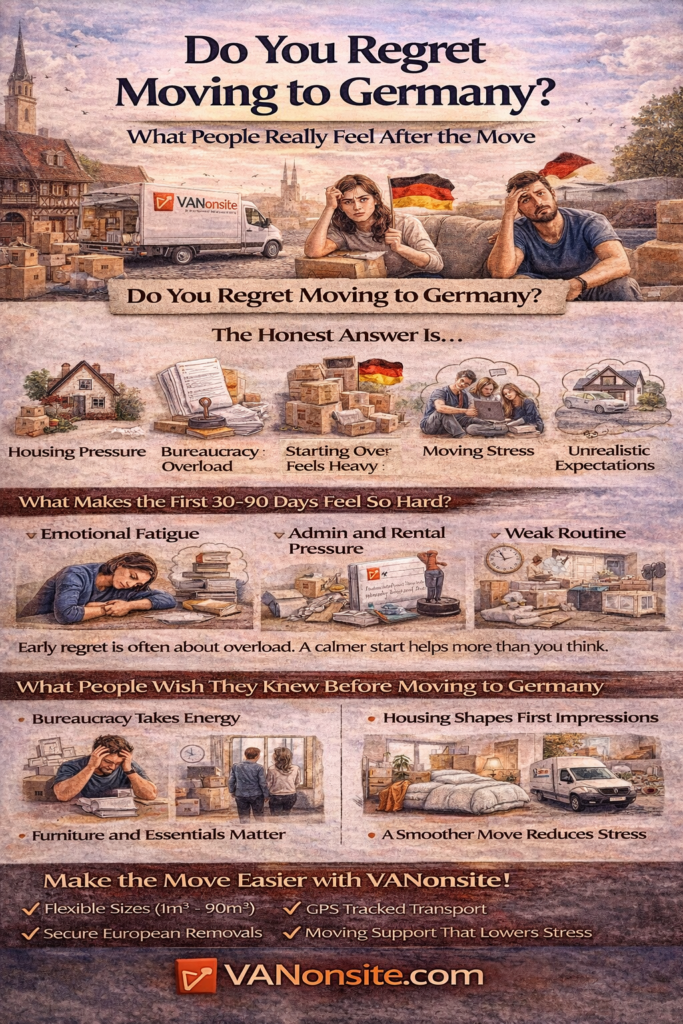
What People Wish They Knew Before Moving to Germany
Most people do not wish they had been talked out of the move. They wish they had been warned more honestly about the energy it would take. That is a crucial difference. The pain often does not come from Germany being wrong. It comes from the first weeks asking more of them than they expected.
This is where the question do you regret moving to Germany becomes deeply practical. The better question is often: what would have made the move feel lighter, calmer, and less punishing from day one?
Bureaucracy Takes Energy
People often expect bureaucracy to be inconvenient. They do not always expect how emotionally draining it can feel when it arrives on top of everything else. Forms, registrations, appointments, confirmations, and identity checks may each look manageable on their own. Together, they can feel relentless.
The real strain is not just administrative. It is mental. Every task asks for attention at exactly the moment when your routine is weakest and your emotional reserves are already low.
This is why preparation matters so much. A calmer document setup can remove a surprising amount of pressure before it has the chance to snowball.
Housing Can Shape Your Whole First Impression
Housing is often the emotional center of the first month. If the place feels unstable, too small, overpriced, temporary, or simply wrong, the entire move can feel heavier.
People often underestimate how much a shaky housing situation influences everything else. Even small daily inconveniences can start to feel symbolic when the home does not yet feel safe or settled. That is why the first real impression of Germany is often not built by the country itself. It is built by the housing experience.
Furniture and Essentials Matter More Than Expected
When people imagine a move, they often focus on the large storyline. Country change. Job change. New life. What gets underestimated are the smaller physical anchors that make daily life feel normal again.
A proper bed. A working table. A lamp in the right place. Easy access to clothes, chargers, toiletries, and basic kitchen items. These are not glamorous details, yet they often shape how emotionally survivable the first days feel.
That is exactly why moving the right furniture matters more than many people expect. It is also why poor access to essentials can make the first 48 hours feel far more chaotic than they needed to be.
A Smoother Move Changes Your Emotional Experience
A smoother move does not guarantee instant happiness. It does, however, reduce the type of chaos that can make a good decision feel like a bad one.
When transport is late, unclear, or badly matched to the real load, frustration rises quickly. When the move is visible, organised, and well handled, the emotional experience changes. The person still has to adapt, but they are not fighting the logistics at the same time.
That difference matters enormously. It can shape the way the whole country is judged in the first weeks.
A few simple actions reduce that risk immediately:
- prepare documents early
- do not underestimate furniture volume
- keep essentials easy to reach
- confirm access conditions in advance
- use a tracked service
These are not tiny optimisations. They are stress reducers with real emotional value.
Moving to Germany Without Regret: What to Plan First
The smartest way to avoid moving regret is to reduce preventable stress before the move begins. This does not mean controlling every detail perfectly. It means protecting the parts of the relocation that most often spiral into chaos when left too late.
A strong move is rarely built on speed alone. It is built on sequence. The date, the load, the furniture decisions, the essentials, and the transport choice all need to support each other. When they do, the move feels much more livable.
Confirm the Move Date Early
A confirmed move date creates structure. Without it, everything else stays vague for too long. Housing handover, quote timing, transport availability, work start dates, and access planning all become harder when the calendar is still uncertain.
Early timing also protects your budget. Short-notice decisions usually raise stress and reduce choice at the same time.
Sort What Is Worth Taking
Before booking transport, sort your belongings into four practical groups:
- take
- sell
- donate
- store
This one step often lowers the emotional and financial weight of the move immediately. It helps you see the real size of the relocation instead of the imagined one.
A smarter move is not the one that drags everything across borders. It is the one that takes what still deserves space in your next life.
Measure Furniture Before Booking Transport
Wrong size creates avoidable regret. That is why furniture should be measured before the service is booked, not guessed at casually.
Beds, wardrobes, sofas, desks, tables, storage units, and other bulky items often shape the entire move. Once they are measured properly, the quote becomes more honest and the service match becomes much stronger.
It is also worth checking access conditions at both ends. A difficult staircase, narrow hallway, long carry distance, or poor parking can change the real shape of the move far more than customers first expect.
Pack an Essentials Zone for the First 48 Hours
The first 48 hours have an outsized emotional impact. If the most important items are buried in the main load, the move often feels much worse than it needs to.
Keep an essentials zone separate with items such as:
- clothes for 2 to 3 days
- toiletries
- chargers
- medication
- basic kitchen tools
- important documents
The point is not perfection. The point is immediate functionality.
Choose a Moving Service That Matches the Real Load
A move creates regret faster when the service is wrong for the job. Too small, too vague, too improvised, too slow, or too poorly matched to the load. All of those mistakes push stress into the first days after arrival.
That is why service fit matters so much. A smaller staged move may work beautifully with man and van. A household relocation may need stronger structure. Valuable or fragile furniture may need better protection. The right service changes not only the transport itself, but the emotional landing that comes after it.
Which Moving Services Help Reduce Regret?
Moving regret often grows when the transport service is wrong for the move. That does not always mean the company was bad. Sometimes it simply means the service type did not match the load, the timing, or the emotional pressure surrounding the relocation.
A move that is too large for a lean setup becomes chaotic. A move that is too small for a heavy service becomes wasteful. A move with fragile furniture that gets treated like a generic load often becomes more stressful than it needed to be. The right match changes all of that.
Home Removals for Full Household Moves
Home removals make the most sense when the move includes most of your household. This usually means multiple rooms of furniture, a larger number of boxes, and a need for stronger coordination from pickup to delivery.
For people relocating to Germany with the bulk of their home, this kind of service reduces the feeling that everything is being improvised in real time. It creates a steadier structure around a phase of life that already carries enough uncertainty.
This option is usually the smartest fit when:
- you are moving the majority of your household
- the load includes bulky furniture and many boxes
- you want less improvisation on moving day
- the move needs cleaner timing and stronger coordination
For larger relocations, that extra structure often matters more than people realise. It is not just about transport capacity. It is about making the entire move feel less fragile.
Furniture Removals for Heavy or Valuable Items
Furniture removals are a stronger choice when the move is shaped by large, awkward, or valuable items. Sofas, wardrobes, beds, tables, and delicate cabinets often define the real difficulty of a move far more than box count alone.
This matters because one badly handled furniture piece can sour the whole arrival experience. A cracked table, a damaged wardrobe, or a marked bed frame does not feel like a small loss when you are trying to rebuild stability in a new country.
Furniture removals make particular sense when:
- the move is furniture-heavy rather than box-heavy
- the load includes large or difficult-to-carry pieces
- the items are valuable, fragile, or hard to replace
- better protection matters more than bare-minimum pricing
In many moves to Germany, furniture sets the tone of the whole relocation. When those pieces are handled well, the first days after arrival feel far calmer.
Packing Service for Stressful Relocations
A professional packing service is often the difference between a tense, brittle move and one that feels genuinely manageable. It is especially useful when fragile items are involved, time is short, or the mental load is already high.
Good packing lowers breakage risk, improves loading stability, and makes the first days less chaotic. It also removes one of the most exhausting parts of relocation, which is trying to make hundreds of small protective decisions when you are already stretched thin.
Packing support is especially useful when:
- the move includes glass, ceramics, electronics, or delicate decor
- you are already handling housing, admin, or work pressure
- the move timeline is short
- you want the first unpacking phase to be cleaner and less stressful
For many people, this service feels like relief more than luxury.
White Glove Delivery for Premium Items
If the move includes high-value, delicate, or sentimental items, White Glove Delivery becomes a practical safeguard rather than an indulgence. It makes particular sense when surface finish, careful placement, or low handling risk matters more than pure speed.
This kind of service is often the best choice when:
- the item is expensive or irreplaceable
- the finish is easy to damage
- the piece needs very careful handling indoors
- the emotional value is higher than the item’s size might suggest
The real benefit here is peace of mind. When one or two important pieces carry disproportionate emotional or financial value, stronger handling is often the smartest decision in the whole moving plan.
Student Removals for Lighter Moves
For lighter, more budget-sensitive relocations, student removals can be a very smart fit. This is one of the clearest cases where man and van may be enough, especially when the move is compact and the load is well controlled.
Student relocations often work best when the service stays lean, flexible, and focused on what actually matters. A full-scale solution is not always necessary. What matters more is whether the transport fits the real volume and timing of the move.
This option is often ideal when:
- the load is limited to essentials, boxes, and smaller furniture
- the move needs tighter cost control
- flexibility matters more than a heavy service setup
- the relocation is happening around study dates or shared housing timing
Office Removals for Work-Related Relocations
If the move includes desks, monitors, office storage, or work equipment, office removals create better organisation and less disruption. For job-linked relocations, that added structure can remove a remarkable amount of pressure.
Office-linked moves often fail when they are treated like ordinary household transport. Equipment, layout, timing, and continuity matter differently. A more organised service protects not only the items, but also the ability to get back to work quickly.
This is especially useful when:
- the move includes workstations or office furniture
- continuity matters after arrival
- equipment needs safer handling than generic loading allows
- the relocation affects business rhythm, not just personal comfort
When Man and Van Is the Best Option
Man and van works especially well for smaller, leaner, staged, or partial moves. It is often the smartest fit when:
- the move is compact
- the load is moderate
- flexibility matters
- the route is time-sensitive
- only part of the home is being transported
The key is not whether man and van sounds simple. The key is whether it matches the real scale of the move.
A well-matched man and van service can reduce stress dramatically because it removes unnecessary weight from the logistics. It is often the strongest option when you are not moving a full household, but you still want the relocation to feel secure and professionally handled.
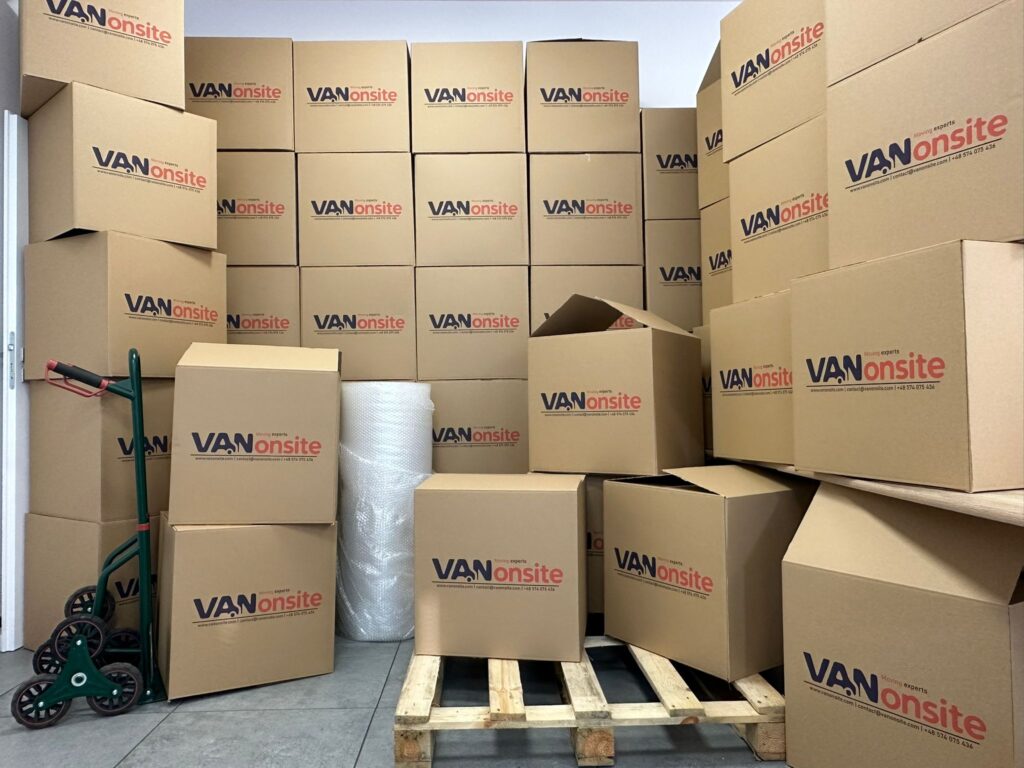
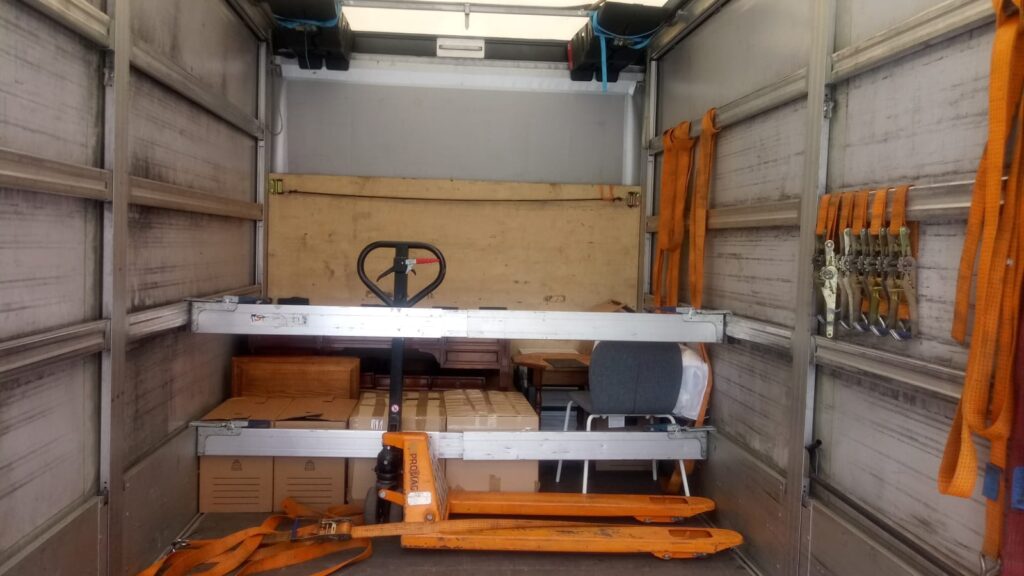


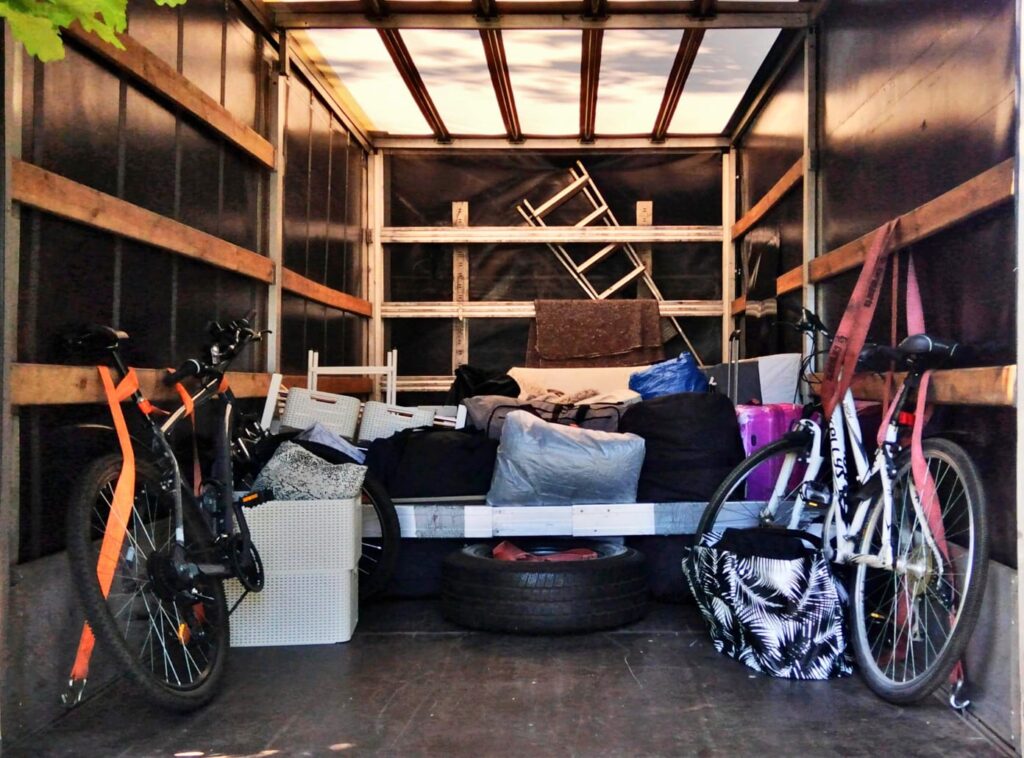
Moving to Germany Cost: What Usually Creates Stress?
Stress usually comes not only from the total price, but from cost surprises. That is why many people do not regret the move because it was expensive. They regret it because they did not feel prepared for what shaped the final cost.
The calmer way to think about moving cost is this: price rises when space, labour, difficulty, and urgency rise. Once you see those drivers clearly, the quote becomes easier to understand and easier to influence.
Main Cost Drivers
The biggest cost drivers usually include:
- load volume
- furniture size
- access conditions
- packing needs
- storage
- urgency
These are the factors that turn a simple quote into a realistic one. Weak detail usually creates weak pricing.
The more clearly you describe the move, the more accurately the service can be matched. That matters because vague quotes often become stressful quotes later.
Why Low-Value Furniture Can Quietly Drain the Budget
Some furniture costs more to move than it is worth in the new home. Worn flat-pack pieces, damaged storage, bulky low-value units, and furniture that does not suit the new property can quietly inflate the quote without adding enough real value.
This is one of the most common financial mistakes in international moving. People keep the piece because it exists, not because it deserves the journey.
A smarter approach is to ask four blunt questions:
- is it expensive to replace?
- is it still in strong condition?
- does it fit the new home properly?
- will I genuinely miss it if I leave it behind?
If the answer is mostly no, the item may be adding cost without adding enough value.
Hidden Costs People Forget
A surprising amount of moving stress comes from details people do not mention early enough.
Common hidden cost triggers include:
- parking problems
- long carry distance
- stairs
- weak volume estimate
- late booking
Each of these may look minor alone. Together, they can reshape the move quickly.
A move can also feel more expensive emotionally when those details appear late, because they create the feeling that the process is slipping out of control. Good visibility early usually lowers that risk.
How to Reduce Cost Without Creating More Regret
- declutter early
- measure correctly
- choose the right vehicle size
- share details early
- protect fragile items properly
These steps reduce waste without stripping away the parts of the service that protect your move emotionally and practically.
This matters because the goal is not simply to spend less. The goal is to spend more intelligently. Saving money by creating chaos is not a real saving.
| Cost factor | Why it matters | How to reduce stress |
|---|---|---|
| Load size | Bigger loads raise transport cost | Move only what matters |
| Furniture | Bulky items shape space and labour | Measure and sort early |
| Access | Hard access raises effort | Share details in advance |
| Packing | Adds cost but reduces risk | Use for fragile or premium items |
| Urgency | Last-minute moves cost more | Book as early as possible |
A Calmer Way to Think About the Budget
Many people search for one clean headline price. In reality, moving stress drops faster when you think in levels of complexity instead.
A smaller move with moderate furniture usually rewards flexibility. A full household move usually rewards stronger structure. A premium-item move usually rewards better protection even if the quote is higher.
That mindset helps because it frames the budget around what the move actually needs, rather than around the fantasy of paying less without trade-offs.
What Documents May Matter When Moving to Germany?
Paperwork feels less scary when it is prepared early. That is the real secret. Most people do not regret documentation because it exists. They regret dealing with it too late, while already tired, surrounded by boxes, and trying to keep everything else from slipping.
Basic Personal Documents
Most movers should keep these ready:
- passport or ID
- proof of address
- tenancy agreement or address confirmation
- inventory list
These documents should stay easy to reach, not disappear into the main load.
It also helps to keep digital copies as backup, especially for the documents most likely to be needed quickly.
Why an Inventory List Helps More Than People Think
An inventory list sounds simple, but it does a surprising amount of work. It gives the move structure. It improves visibility. It helps you track what matters, what is fragile, and what needs to be found quickly after arrival.
For many movers, the inventory becomes the quiet backbone of the whole relocation.
It also improves communication. A clearer inventory means a clearer service match, a more grounded quote, and a better chance of finding priority items quickly when the move is over.
Vehicle, Pet, and Special-Item Paperwork
If the move includes pets, vehicles, high-value items, or special equipment, extra documentation may matter.
Official Germany sources to reference:
These sources are worth checking before moving day, especially if the relocation includes anything outside standard household goods.
| Document | Why it matters |
|---|---|
| Passport or ID | Identity verification |
| Proof of address | Helps with admin and delivery clarity |
| Inventory list | Improves moving control and tracking |
| Vehicle papers | Useful if transporting a vehicle or special items |
| Pet documents | Important for compliant animal transport |
A Simple Way to Organise Moving Documents
A practical system is to split paperwork into three groups:
- documents you must carry with you
- documents you may need soon after arrival
- documents that are useful as digital backup only
That small distinction can save a surprising amount of confusion. It stops the move from becoming a hunt for papers at exactly the moment you need them most.
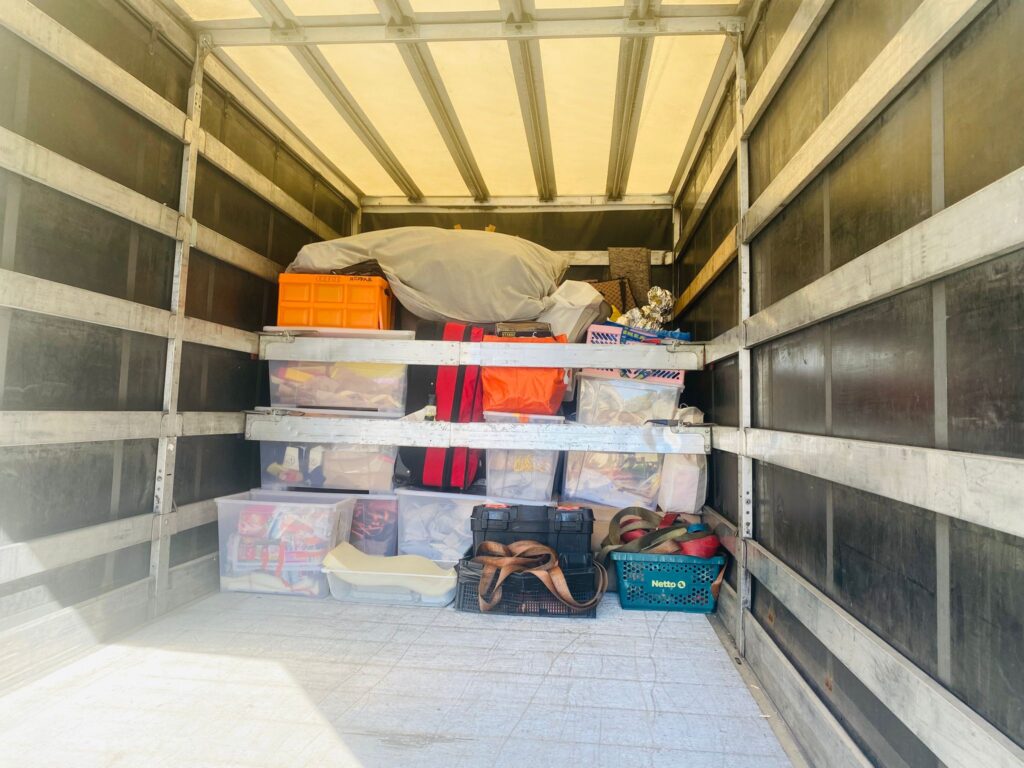
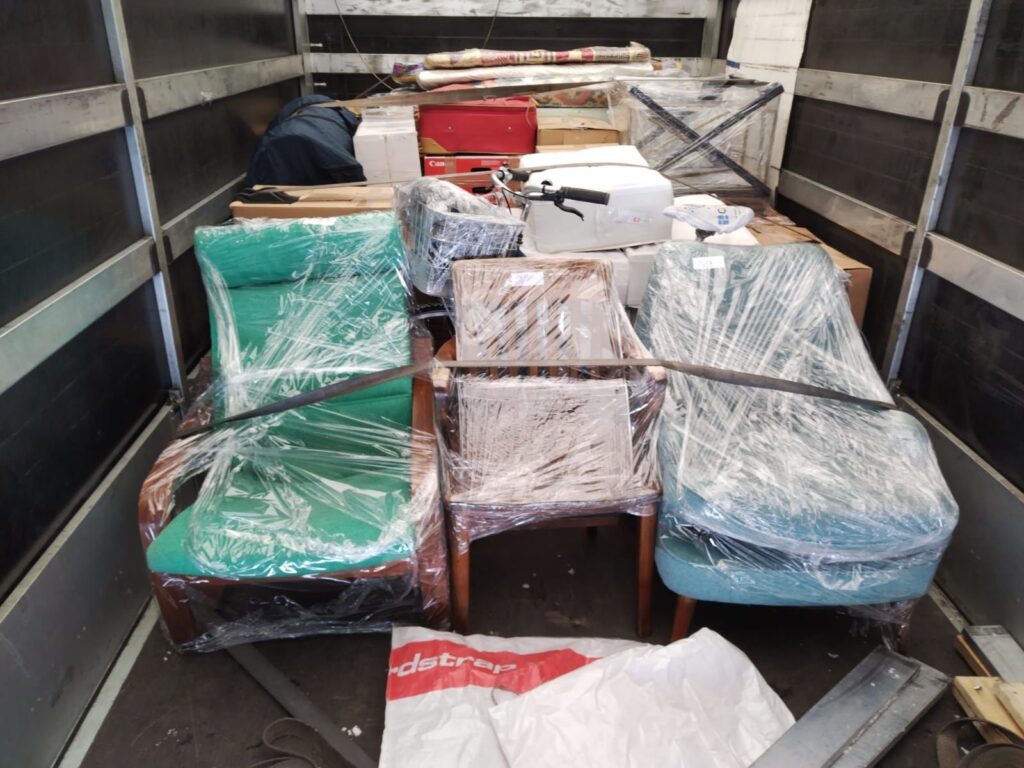
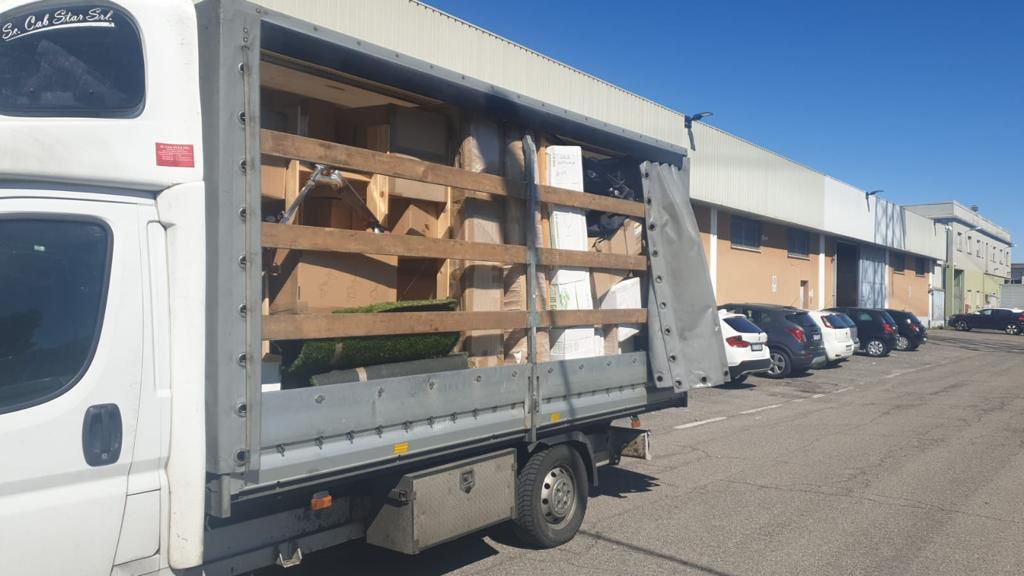
What Furniture Is Worth Taking to Germany?
Regret often grows when people move the wrong furniture. This is one of the most practical decisions in the entire relocation because it affects cost, vehicle size, labour, and first-night comfort all at once.
The strongest rule is simple: take what still deserves a place in your next life, not what happens to exist in the current one.
Furniture Usually Worth Moving
These pieces are often worth taking:
- solid wood furniture
- premium beds and sofas
- antiques
- sentimental pieces
- quality work desks and storage
These items usually justify the journey because replacing them at the same standard often costs more than moving them properly.
Furniture Often Better to Replace
These items are often weaker candidates for transport:
- worn flat-pack units
- damaged pieces
- bulky low-value items
- furniture unlikely to fit the new home
Leaving behind low-value bulk can make the move cleaner, faster, and less expensive.
How to Protect Furniture Properly
- disassemble when possible
- wrap corners and glass
- label fragile parts
- keep fittings and screws organised
These steps matter more than people think. Furniture does not only need to fit in the vehicle. It needs to survive the route without becoming a source of regret later.
When White Glove Delivery Makes Sense
If the move includes premium, delicate, or sentimental pieces, White Glove Delivery can be the difference between confident transport and unnecessary risk.
Which Vehicle Size Fits Your Move to Germany?
Many moving regrets start with the wrong vehicle size. Too small, and the move becomes stressful, tightly packed, and vulnerable to delays. Too large, and the budget may feel inflated for no clear reason.
The right size improves more than cost. It improves rhythm, safety, and the emotional feel of the move. It also lowers the risk of the move turning into a frantic puzzle on loading day, when every extra box suddenly feels larger than expected.
| Service Option | Capacity | Max Weight | Best for |
|---|---|---|---|
| Moving One | 1 m3 | 100 kg | A few urgent essentials |
| Moving Basic | 5 m3 | 300 kg | Student or compact part-load move |
| Moving Medium | 10 m3 | 500 kg | Studio or small flat move |
| Moving Premium | 15 m3 | 1100 kg | One-bedroom relocation |
| Moving Premium Plus | 30 m3 | 3500 kg | Family move or furniture-heavy relocation |
| Moving Full House XXL | 90 m3 | 20000 kg | Full household move |
What Those Sizes Mean in Real Life
A few boxes can become a surprising amount of volume once clothing, lamps, kitchen items, bedding, and furniture all come together. That is why visual guesswork fails so often.
In real life, most people underestimate the quieter parts of the move. They remember the sofa, the bed, and the wardrobe. They forget the boxed kitchenware, folded bedding, shoe storage, desk chair, lamps, cleaning supplies, and all the strange in-between items that do not feel large on their own but build volume quickly together.
A more realistic way to think about vehicle size is to picture the move by lifestyle, not only by furniture count. One person’s “small move” can still involve 20+ boxes, a desk, a chair, and enough household basics to fill far more space than expected.
A Quick Match Guide by Move Type
If you want a faster way to match the move to the right size, this guide helps:
| Move type | Usually the best starting point |
|---|---|
| A few urgent essentials | Moving One |
| Student room or small staged move | Moving Basic |
| Studio or compact flat | Moving Medium |
| One-bedroom relocation | Moving Premium |
| Family or furniture-heavy move | Moving Premium Plus |
| Full household transfer | Moving Full House XXL |
This kind of comparison makes the choice feel more intuitive. Most people do not think in cubic metres. They think in rooms, furniture, daily life, and how much needs to work after arrival.
When Man and Van Works Best
Man and van works best when the move is smaller, staged, flexible, or only part of the household is being relocated. It is often an excellent choice when the move is compact and controlled.
A well-matched man and van service often works beautifully when:
- you are not moving a full household
- the load is moderate rather than heavy
- the move is happening in stages
- flexibility matters more than a large service setup
- you want leaner cost control with professional handling
This is one reason man and van fits so well with student relocations, compact international moves, and situations where only the most important items are travelling first.
Signs You Need More Space Than Expected
You probably need more space if the move includes:
- more than 15 to 20 boxes
- a sofa, bed, wardrobe, or table set
- several fragile items
- appliances or awkward items
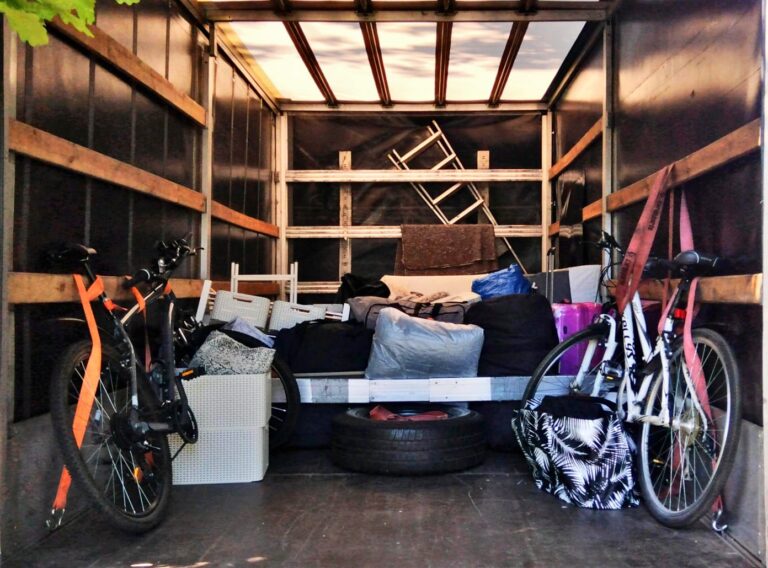
You should also think seriously about sizing up if the move includes mirrors, bikes, floor lamps, office chairs, electronics in boxes, or furniture that does not stack cleanly. These pieces often consume usable space in frustrating ways.
A slightly larger vehicle is often the smarter choice when the move includes wrapped furniture, fragile surfaces, or a need to keep essentials easier to access after arrival.
Why Slightly More Space Can Be Smarter
Too-tight loading may look efficient, but it can create stress and risk fast. Furniture corners rub. Fragile items lose their buffer. The loading order becomes harder to control. Access to high-priority items gets worse.
A little more space inside the vehicle can mean:
- safer spacing around delicate furniture
- easier organisation during loading
- less compression on fragile boxes
- faster unloading at the destination
That extra breathing room often protects more than the load. It protects the emotional tone of the move too.
Common Moving Mistakes That Create Regret
Regret rarely starts with one dramatic disaster. More often, it grows from a handful of practical mistakes that could have been prevented with better planning.
The most common mistakes include:
- choosing by price alone
- underestimating volume
- moving low-value furniture
- leaving documents too late
- packing fragile items badly
- not sharing access details
- choosing a service without tracking
A stronger move is not the one with no stress at all. It is the one that avoids unnecessary stress.
Choosing by Price Alone
The cheapest option can feel irresistible when the move already looks expensive. Still, price alone is often a poor decision tool. A quote that looks low may hide a weak service match, poor visibility, unrealistic sizing, or too little protection for the actual load.
A more useful question is not “what costs least?” but “what gives this move the best chance to feel stable?”
Underestimating Volume
This is one of the most common moving errors because people remember the headline items and forget the layers underneath them.
Underestimating the load can lead to:
- the wrong vehicle size
- tighter packing
- slower loading
- more pressure on fragile items
- unnecessary stress on moving day
That is why early measuring and honest sorting matter so much.
Moving Low-Value Furniture
Some items quietly drain the moving budget without adding enough value to justify the journey. If a piece is damaged, worn, awkward, unstable, or unlikely to work in the new property, it may be creating cost without creating comfort.
A better move is not the one that takes everything. It is the one that takes what still earns its place.
Leaving Documents Too Late
Paperwork becomes far more emotionally expensive when it is handled late. What could have been a quiet preparation task turns into a stressful search while the move is already underway.
This usually affects more than convenience. Late documentation can interfere with delivery clarity, admin timing, and the sense that the move is under control.
Packing Fragile Items Badly
Fragile items do not forgive rushed handling. Weak wrapping, overloaded boxes, loose glass protection, or badly padded surfaces can turn a manageable relocation into a very expensive disappointment.
This matters even more on a longer international move because those items need protection for longer, not just for one short local transfer.
Not Sharing Access Details
A narrow staircase, weak parking access, long carry distance, or awkward entrance can change the real effort of the move substantially. When those details appear late, the quote becomes less accurate and the move becomes harder to manage smoothly.
Access details are not small details. They are part of the actual move.
Choosing a Service Without Tracking
Silence feels heavier on an international route. When belongings are travelling to another country, visibility matters far more than people think.
Tracking reduces one of the hardest parts of the move, which is not knowing where the load is, whether the timing still holds, and when the arrival should realistically be expected.
Why VANonsite Helps Make the Move Feel Better
This section is about trust, not noise. People rarely want grand promises during relocation. They want signs that the move will feel less chaotic, less uncertain, and more manageable.
What Makes the Service Strong
- secure and fast transport across Europe
- GPS tracking on every load
- flexible vehicle sizes
- support for home, furniture, office, student, and urgent moves
- practical service with a human touch
These strengths matter because they change the actual experience of the move, not just the label attached to it.
A relocation feels safer when the service fits the real size of the load, the route is being tracked, and the communication feels grounded rather than vague. That is where a company like VANonsite earns trust.
Why This Reduces Regret
Better transport lowers chaos, uncertainty, and damage risk. It also helps the person judge Germany more fairly, because they are not filtering the first weeks through the exhaustion of a bad move.
A company like VANonsite reduces the chance that the relocation itself becomes the emotional problem. If you are planning the move and want a more stable starting point, removals to Germany is the natural place to begin.
Why GPS Tracking Matters So Much
GPS tracking is not just a technical feature. In emotional terms, it is relief.
When the journey is long, visibility lowers the strain of not knowing. Instead of filling the silence with worst-case assumptions, you can follow the move more clearly and focus your energy on arrival, housing, documents, and settling in.
That kind of reassurance changes the texture of the whole relocation.
Final Checklist Before Moving to Germany
A useful checklist makes the move feel lighter because it turns vague anxiety into visible action. The stronger the final preparation phase is, the less likely the move is to unravel into last-minute stress.
- confirm the move date
- sort what to take
- measure furniture
- prepare documents
- confirm service type and vehicle size
- separate essentials
- share access details
- confirm the delivery address
A checklist like this works because it gives your attention somewhere useful to go. Instead of carrying every worry at once, you can move through the final phase step by step and reduce pressure before it builds.
Last 24-Hour Check
The day before the move, do one final review:
- keep documents easy to reach
- make sure essentials are separate
- confirm contact details and timing
- label fragile items clearly
- keep chargers, food, and toiletries accessible
This last 24-hour check matters because the final day often feels deceptively busy. A short review can stop the most annoying mistakes before they become moving-day problems.
First-Night Essentials After Arrival
Keep the first evening simple and functional. The most useful items to have ready first are:
- clean clothes
- toiletries
- bed linen
- chargers
- basic kitchen items
- medication
The first night shapes the emotional tone of the move far more than people expect. If the essentials are easy to reach, the new place begins to feel workable much faster.
A Better First-Morning Check
The first morning after arrival often matters just as much as the first night. If the basics are easy to find, the move feels more manageable immediately.
Try to make sure you already know where these are:
- kettle or coffee basics
- cups and cutlery
- towel and toiletries
- laptop or phone chargers
- shoes and next-day clothes
- medication and key documents
A smoother first morning reduces the feeling that life is still suspended. That matters enormously after a cross-border move.
FAQ About Moving to Germany and Regret
Do People Regret Moving to Germany?
Some do, especially in the first difficult phase. However, that regret is often temporary and shaped more by stress than by Germany itself. In many cases, the feeling softens once the home is functioning, the paperwork is less intense, and routine starts to return.
Is the First Month in Germany the Hardest?
For many people, yes. The first month often combines paperwork, housing stress, culture shock, and emotional fatigue in one compressed period. That does not mean the decision was wrong. It usually means the adjustment phase is at its heaviest.
How Can I Reduce Regret Before Moving?
Reduce preventable stress early. Confirm the move date, sort your belongings honestly, measure the real load, prepare documents, and choose a moving service that fits the actual relocation.
It also helps to protect the first 48 hours after arrival. When essentials are easy to find and the transport feels reliable, the move becomes much easier to judge fairly.
Is a Man and Van Enough for Moving to Germany?
Yes, for many smaller or partial moves. For larger household relocations, a fuller service is usually safer and more practical.
Man and van is often the best fit when the move is compact, flexible, or staged rather than full-house. The real question is not whether it sounds simple, but whether it matches the real load.
What Documents Should I Prepare Before Moving?
Identity documents, proof of address, an inventory list, and any papers linked to pets, vehicles, or special items are often the most important to organise early.
The smartest approach is to keep the most important papers with you, keep backup copies available digitally, and make sure the moving load does not swallow the documents you may need first.
Is Professional Packing Worth It?
Yes, especially for fragile, premium, or sentimental items. It reduces damage risk and often lowers stress more than people expect.
It is also worth considering when the move is happening under time pressure or when you are already carrying enough housing, admin, or work-related stress. In those cases, professional packing can protect both the load and your energy.
Conclusion
Do you regret moving to Germany? Sometimes, in the beginning, people do. Still, that feeling is often less about Germany itself and more about how hard the move felt, how overwhelming the first weeks became, and how much friction piled up before life had the chance to settle.
That is why stronger planning matters so much. When the move is better organised, the service fits the real load, the essentials are easy to reach, and the journey is visible through GPS tracking, the relocation feels far more stable from day one.
Germany may still challenge you at first. New systems, new language habits, new routines, and new expectations always take energy. Yet regret is often not a sign that the decision was wrong. More often, it is a sign that the transition was harder than it needed to be.
With realistic expectations, careful planning, and the right moving support, the question do you regret moving to Germany often changes into something much calmer: I am glad I moved, but I wish I had made the journey easier on myself.
And that shift matters. It turns the move from something you merely survived into something you can actually build on.