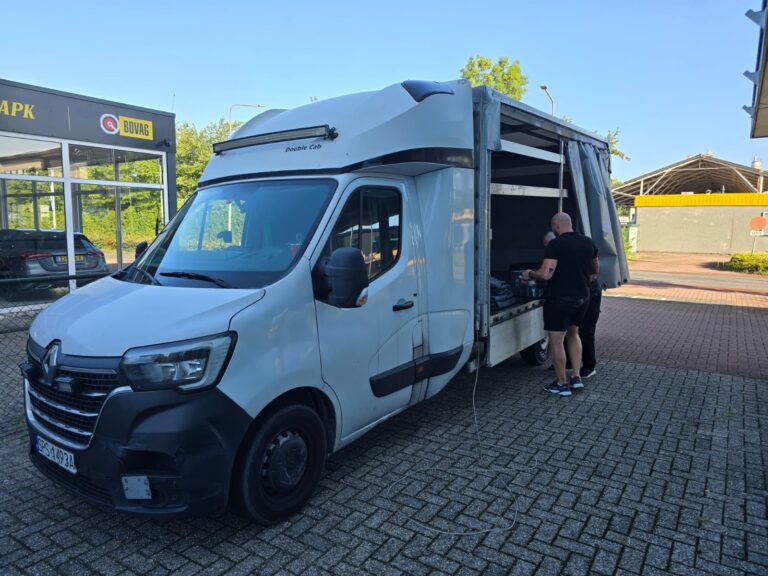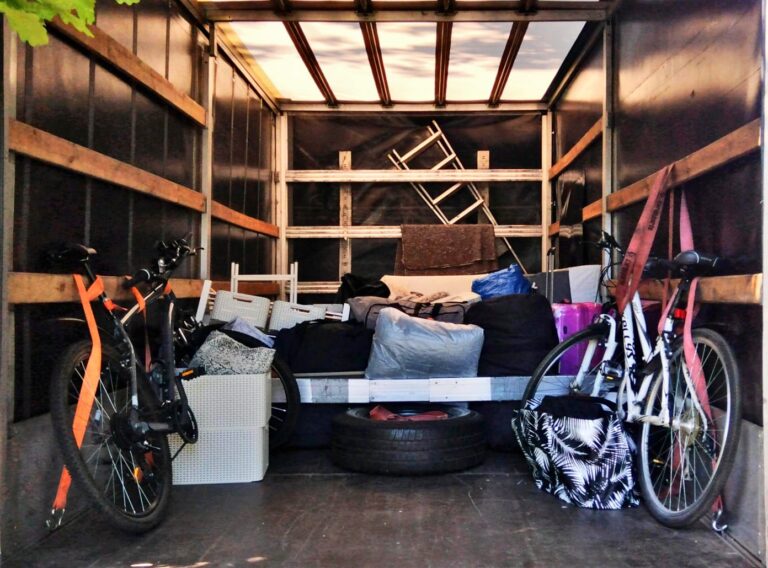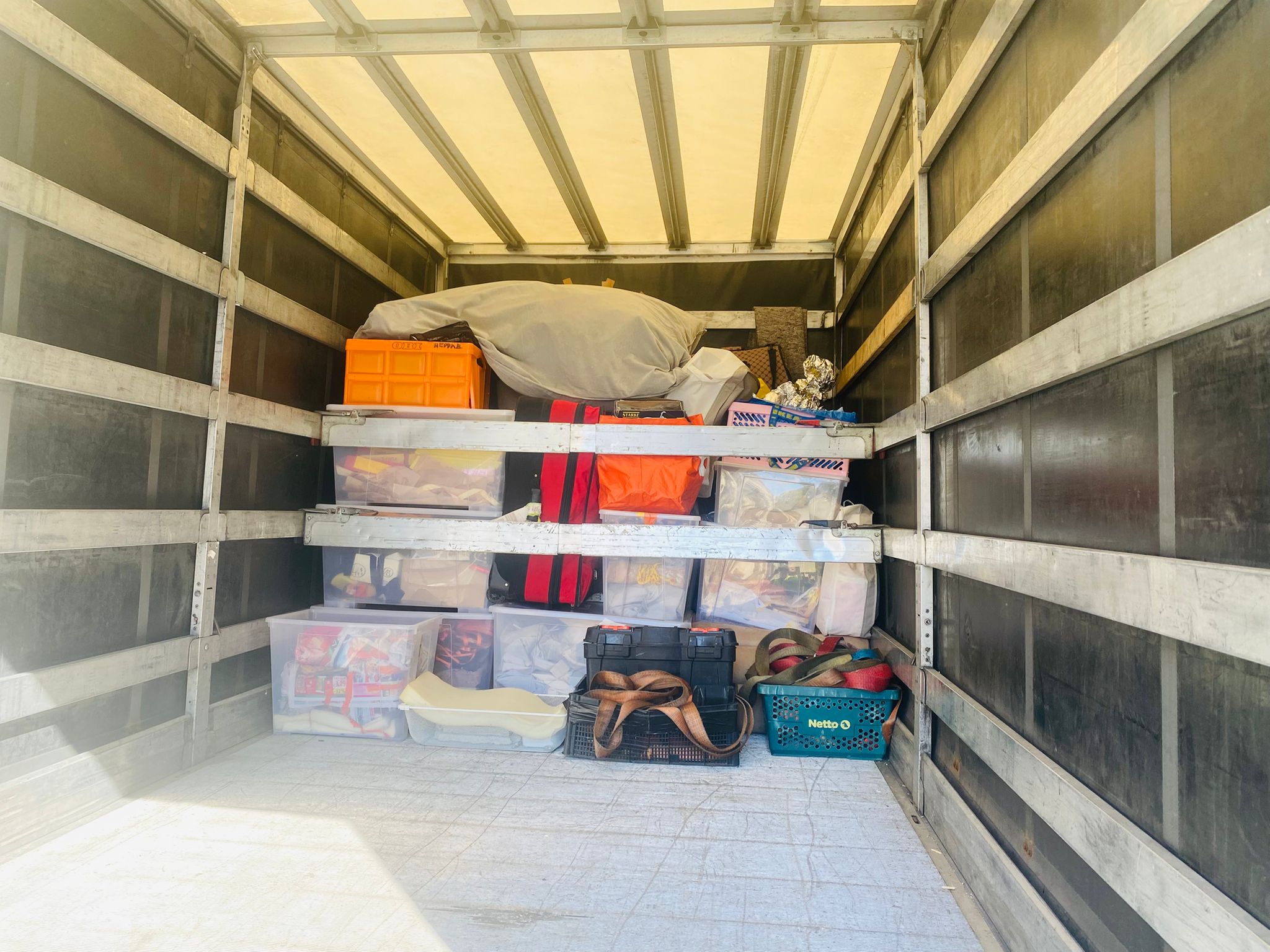

Part-load removals to Germany use compatible space on a planned European route, allowing a smaller household or furniture consignment to travel without reserving an entire vehicle. The service works when the load is measured accurately, the collection and delivery dates allow a window, and every consignment has its own inventory, protection and customs evidence.
VANonsite assesses the complete addresses, occupied volume, weight, access and preferred dates before offering shared capacity. Use the automatic calculator below for an immediate starting estimate. Then send the numbered inventory, dimensions and photographs so the available space can be matched to the real load rather than a rough bedroom count.

What part-load transport actually means
A part-load combines separate customer consignments on a compatible route. Each load remains identified and is allocated a defined amount of capacity. Collection and delivery are coordinated around the route as a whole, so the customer normally receives a workable window rather than the same direct timetable as a dedicated vehicle.
Shared capacity is not parcel shipping. Furniture, cartons and appliances still need an inventory, suitable wrapping and a controlled loading plan. It is also not an anonymous space sale: the written proposal should identify what is travelling, how much capacity is reserved, where the goods are collected and delivered, and which customs tasks belong to the customer, VANonsite or an appointed representative.
When a part-load to Germany is a good fit
- A student or professional is moving boxes, a bicycle and selected furniture.
- A household is relocating in stages and the main property is not ready.
- The load is too large or fragile for ordinary parcels but does not need a full vehicle.
- Collection and delivery dates have genuine flexibility.
- A customer can provide the final inventory before capacity is confirmed.
- Both properties have predictable access that can be coordinated with the route.
Part-load is less suitable when a tenancy ends at a fixed hour, keys are available for one short period, the load can still change significantly, or the customer needs a direct urgent journey. In those cases a dedicated option may give the route fewer dependencies and a clearer service window.
Measure occupied volume, not empty furniture
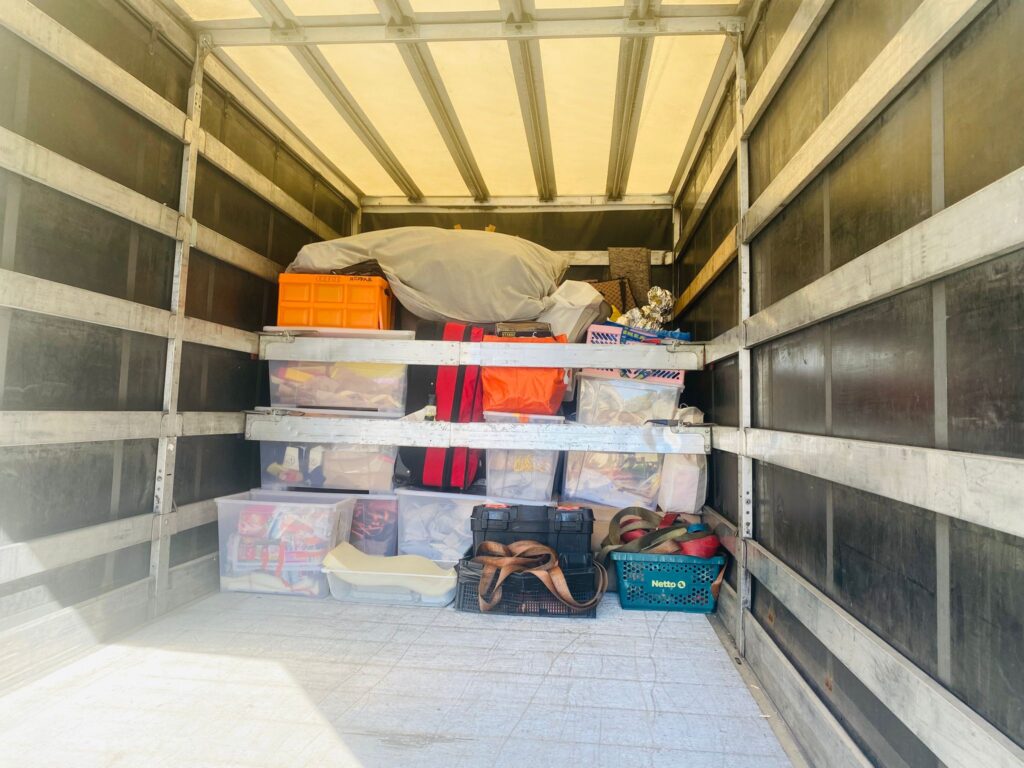
The usable capacity is based on the packed shape of the consignment. A dismantled wardrobe, wrapped table and stackable cartons can use space differently from the same items standing in a room. Weight also matters: books, tools and appliances can reach a vehicle’s payload limit before the visible space is full.
List every item and give large pieces their external packed dimensions. Count cartons by size and disclose unusually heavy contents. Photograph irregular furniture, bicycles, plants and fragile pieces. VANonsite can then check whether the goods can be protected and positioned with other compatible consignments without relying on unsafe stacking.
Use one numbered inventory from quote to delivery
| Inventory field | Example | Why it matters |
|---|---|---|
| Unique number | B12 | Links the item to loading and handover |
| Description | Books and documents | Supports handling and customs clarity |
| Dimensions | 60 × 40 × 40 cm | Supports occupied-volume planning |
| Weight note | Heavy carton | Prevents unsafe handling assumptions |
| Destination room | Study | Speeds German delivery |
| Special handling | Keep upright | Protects vulnerable goods |
Freeze the inventory before collection and record any accepted change. Late additions can alter capacity, route compatibility and the price. Numbering also makes it possible to reconcile the load at the German address without opening every carton.
Customs responsibilities remain individual
A part-load from England, Scotland or Wales enters the EU customs territory. Each customer still needs accurate information for their own goods. German Customs explains that qualifying household effects may receive transfer-of-residence relief when the applicable conditions are met; sharing a vehicle does not create or remove eligibility.
The current German Customs guidance describes conditions concerning residence, prior possession and use, import periods and excluded goods. HMRC’s customs declaration checker and personal-goods guidance help identify the UK-side procedure. The competent authority or appointed representative decides how the live rules apply.
Keep recent purchases, business equipment, alcohol, tobacco and controlled goods clearly identified. Before booking, establish who supplies evidence, who submits each declaration and who responds if more information is requested. VANonsite’s customs-clearance support can define the agreed transport workflow without promising a particular relief outcome.
Packing for shared vehicle capacity
Use cartons that close flat and can be handled safely. Put books, tools and kitchenware in smaller strong boxes; use larger cartons for bedding and lighter goods. Label at least two sides with the inventory number and destination room. Keep passports, medication, keys and immediate-arrival essentials with you.
Furniture must tolerate the agreed handling stages. Protect corners, polished surfaces, upholstery, glass and stone according to the material. Bag fittings and label them with the parent item. Tell VANonsite if an item cannot be stacked, tilted or dismantled. Customers moving mainly sofas, wardrobes or tables can also review the focused furniture removals to Germany service.
If materials or labour are required, add defined packing services to the proposal. “Packing included” should state which rooms and pieces are covered, who dismantles furniture and whether reassembly in Germany is part of the service.
Collection and delivery windows
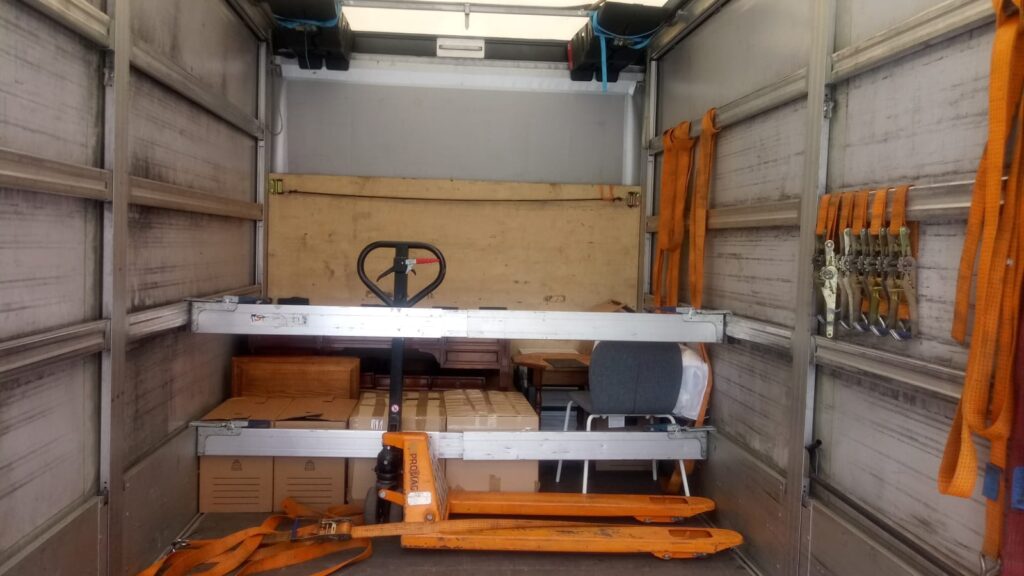
A part-load route must coordinate more than one address. The useful question is not only “How many days does the drive take?” but “What collection and delivery windows can be supported by this confirmed route?” Crossing availability, legal driving schedules, customs readiness and access at every stop affect the answer.
Route compatibility includes more than direction
Two consignments both travelling “to Germany” are not automatically compatible. Their UK collection areas, German destinations, available dates, vehicle access, loading order and goods characteristics must fit the same workable movement. A collection in London for Cologne creates a different route from a pickup in Glasgow for Munich, even though both share the same destination country.
VANonsite also checks whether the goods can share capacity safely. A stable stack of numbered cartons may be compatible with protected furniture, while an unusually heavy, fragile or non-stackable item can require a different position or vehicle. Ask whether transfer or storage is planned and how the inventory and condition record pass between handling stages. This makes the chain of custody visible before the booking is accepted.
Give the earliest and latest workable dates and identify any hard deadline. Make sure the receiving person can access the German property throughout the agreed window. If a concierge, lift or loading bay controls delivery, coordinate it before the route is finalised. A missed slot can affect later consignments as well as your own.
Access can decide whether shared transport works
Provide the legal stopping point, floor, lift dimensions, stair shape, doorway width and carrying distance at both addresses. Mention controlled parking, pedestrian areas, environmental zones, gated roads and narrow approaches. Local requirements differ, so the customer or property manager should verify current rules for the German address.
If the route vehicle cannot reach the door, a smaller transfer vehicle or extra handling may be required. That should be decided before collection, not after the route is underway. Photographs or a short access video often show more than a postcode.
What affects the part-load price?
- Occupied volume and weight: these determine the capacity reserved.
- Route compatibility: collection and delivery must fit a workable movement.
- Date flexibility: a wider window can create more shared-capacity options.
- Access: stairs, lifts, carries and transfer vehicles change labour.
- Packing: materials, dismantling and unusual pieces require defined work.
- Customs preparation: incomplete evidence can disrupt the planned route.
- Storage or extra handling: these add stages that should be priced openly.
Shared capacity can reduce the unused space attached to a smaller move, but it is not automatically the lowest overall option. Compare the same inventory, access and delivery conditions with a dedicated alternative. The main removals to Germany from the UK page explains the complete route plan, while the Germany removal price guide shows how scope changes the total.
Part-load versus dedicated transport
| Decision factor | Part-load | Dedicated |
|---|---|---|
| Capacity | Reserved space within a compatible route | Vehicle capacity organised around one move |
| Dates | Collection and delivery windows | Can support tighter scheduling |
| Handling | May involve coordinated route stages | Can reduce dependencies and transfers |
| Best fit | Measured smaller load with flexibility | Large load, fixed deadline or direct requirement |
| Customs | Individual evidence for each consignment | Individual evidence for the dedicated load |
Neither format is universally better. VANonsite recommends the service that fits the load and consequences of delay. A full property move with fixed access may be clearer as dedicated transport; see the separate house removals UK to Germany guide.
Can a part-load be delivered in 1-3 days?
Part-load normally depends on a coordinated route and should not be sold as an urgent direct service. VANonsite’s Last-Minute Moving option can sometimes support delivery in 1-3 days, but this depends on vehicle availability, route and crossing, access, customs-document readiness and the agreed collection slot. An urgent dedicated vehicle may be the more suitable format.
Frequently asked questions
How small can a part-load removal to Germany be?
Suitability depends on available route capacity, handling and the packed load rather than a universal minimum. Send dimensions, weights and photographs so VANonsite can compare shared capacity with parcel or dedicated alternatives.
Can furniture and boxes travel together?
Yes, when the furniture is protected and the loading plan keeps all items stable. Identify pieces that cannot be stacked or tilted and connect every carton and item to the same inventory.
Will I receive an exact delivery date?
The proposal should state whether delivery is a date or a range. Part-load often uses a coordinated window; a fixed deadline may require dedicated transport, subject to route and customs readiness.
How do I get an accurate part-load quote?
Provide both complete addresses, preferred dates, a numbered inventory, packed dimensions, weight notes, photographs and access information. State any fixed deadline and identify special goods before capacity is reserved.
Calculate your part-load to Germany
Use the calculator near the top for an immediate estimate, then send the evidence needed to reserve real capacity. VANonsite can compare shared and dedicated options and return a written scope covering collection, route, customs responsibilities and delivery.