Moving back to Germany can be far easier than it first appears. Yes, it is a big life step. Yes, it can feel heavy when your home, your routine, and your furniture are all in motion at once. Still, with the right timeline, the right documents, and a trusted moving partner, the whole process becomes clearer, faster, and far less stressful.
For many people, this move is not just about changing countries. It is about coming home, rebuilding stability, and starting the next chapter with confidence. That is exactly why planning matters. Whether you are returning with a few boxes, a full family household, or valuable items that need extra care, this guide explains what really matters, what to do first, and how to avoid costly mistakes when moving furniture to Germany.
TL:DR
- Start planning your move at least 4 to 8 weeks in advance, especially if you are moving during summer or at month-end.
- Prepare key documents early, including ID, proof of address, and a detailed inventory if you are moving furniture to Germany.
- Measure large furniture before booking transport, because volume and weight directly affect the price and vehicle size.
- Decluttering before the move can cut transport volume significantly and lower overall moving costs.
- Registering your new address in Germany after arrival is essential for everyday life, from banking to local administration.
- A flexible man and van service is often the smartest choice for smaller or medium-sized European moves.
- VANonsite stands out with secure transport, fast response times, and GPS tracking for every load, which gives returnees stronger peace of mind.
What to Know Before Moving Back to Germany
Moving back to Germany often brings a strange mix of relief and pressure. On one hand, there is the comfort of familiarity. On the other, there is the reality of packing, lifting, sorting, booking, and making dozens of small decisions that can either save money or quietly create chaos.
The good news is simple. Most return moves become manageable once you break them into stages. You do not need to solve everything at once. You need a smart order.
Why People Move Back to Germany
People return for deeply personal reasons, but the patterns are often similar. Some come back after years of working abroad. Others return because family needs them closer. Some want more stability, lower uncertainty, or a better long-term setup for children, studies, or career growth.
Common reasons include:
- returning after work abroad
- family changes or caregiving needs
- a desire for better long-term security
- education or career reset
- a wish to reconnect with home, language, and community
What makes this move emotionally charged is that it is rarely just logistical. It can feel like carrying your past and your future in the same van.
Is Moving Back to Germany Easy?
Yes, moving back to Germany can be surprisingly smooth if the move is planned early and executed in the right sequence. The stress usually comes from poor timing, rushed packing, or choosing the wrong transport option.
A simple structure helps:
- create your moving timeline
- check registration rules
- prepare documents
- decide what furniture is worth moving
- book transport capacity that matches your load
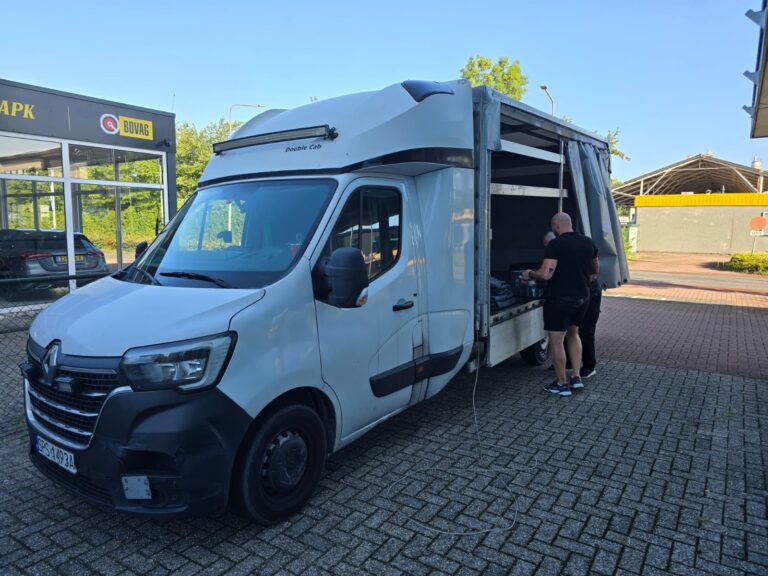
For small and mid-sized moves, a professional man and van service can remove a huge amount of strain. It gives you flexibility, speed, and a more personal level of control.
Step-by-Step Checklist for Moving Back to Germany
A clear checklist is the fastest way to stop the move from feeling overwhelming. Once each task has its place, the entire process feels lighter.
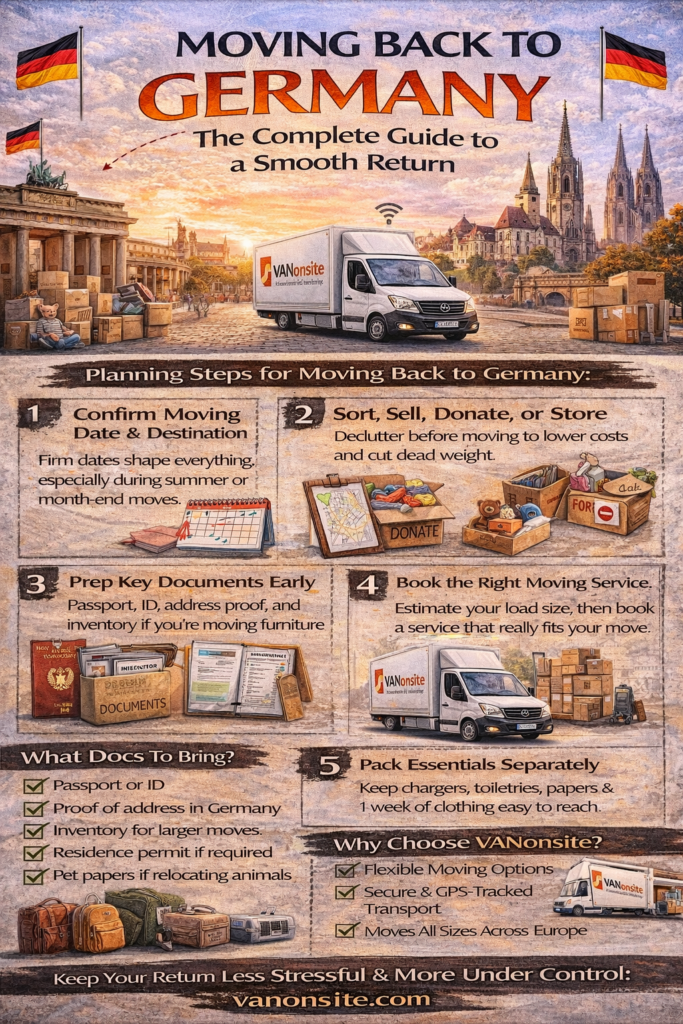
1. Confirm Your Moving Date and Destination
Your moving date shapes everything. It affects transport availability, price, packing speed, and even stress levels. If possible, avoid leaving the date loose until the last moment. Firm dates create momentum.
If your return is tied to a new rental agreement, job start, university term, or family need, lock that timing in first. After that, transport planning becomes far more accurate.
2. Sort, Sell, Donate, or Store What You Do Not Need
This step saves more money than most people expect. Many returnees end up paying to move things they never use again. That is dead weight, dead space, and dead budget.
Before booking transport, divide your belongings into four groups:
- take
- sell
- donate
- store
Even reducing your total volume by 15% to 25% can change the vehicle size you need. That can make a real difference to the final price.
3. Measure Large Furniture Before Booking Transport
This step is essential. Moving furniture to Germany becomes easier, safer, and more cost-efficient when you know the real size of what you are transporting.
Measure:
- sofas
- wardrobes
- beds and mattresses
- dining tables
- desks
- appliances
Also check staircases, hallways, lifts, and access points in both properties. A wardrobe that fits your old apartment perfectly may become a nightmare in a tighter German entrance.
4. Prepare Documents Early
Paperwork should never be the part that slows down your move. A strong folder, digital and printed, brings instant clarity.
Useful documents may include:
- passport or national ID
- proof of residence in Germany
- inventory of transported household goods
- rental agreement or proof of address if available
- vehicle papers if you are importing a car
- pet documents if animals are travelling with you
5. Book the Right Moving Service
This is where experience matters. A trusted transport company can save time, reduce risk, and prevent costly damage. VANonsite supports moves across Europe with secure handling, fast response times, and GPS tracking for every load.
That last point matters more than people think. When your belongings are crossing borders, knowing where they are creates real calm.
6. Pack Essentials Separately
Never bury your important items under boxes and blankets. Keep one essentials bag or suitcase with you.
Include:
- chargers
- medication
- important paperwork
- one week of clothing
- toiletries
- valuables
- basic kitchen items for the first 24 hours
This small step makes the first night in Germany feel much less chaotic.
7. Register Your Address After Arrival
After moving back to Germany, address registration is one of the most important administrative steps. It affects banking, insurance, local records, and many day-to-day formalities.
For official information, check Germany’s administration portal: Germany’s official administration portal.
Documents You May Need When Moving Back to Germany
Document requirements depend on where you are moving from, your nationality, your household structure, and whether your move is within the EU or from outside it. That is why smart returnees do not treat paperwork as an afterthought. They prepare early, keep duplicates, and store everything in one clearly labelled folder. It sounds simple, yet this one habit can save hours of stress when a landlord, customs officer, local office, or transport provider asks for proof at the worst possible moment.
In real terms, documents shape how smoothly your move unfolds. They can affect address registration, pet transport, customs checks, residence confirmation, and the speed at which you settle in after arrival. When people talk about moving back to Germany, they often focus on boxes and transport. Still, the paperwork behind the move is what keeps everything from snagging halfway through.
For EU Citizens Moving Back to Germany
For many EU citizens, the process is more straightforward. Still, straightforward does not mean automatic. You may still need proof of identity, proof of address, and local registration after arrival. If you are returning after a long period abroad, it is wise to gather recent documents before the move rather than trying to chase them down after landing.
At minimum, many returnees should have these ready:
- valid passport or national ID
- proof of your future or current address in Germany
- tenancy agreement or written housing confirmation, if available
- employment, university, or other relocation-related documents if relevant
This may feel like overpreparing. In reality, it is the opposite. A clean document pack makes the first week in Germany faster, calmer, and far less frustrating.
For Non-EU Citizens or Mixed-Status Households
If your household includes non-EU nationals, residence rights and supporting documents may require more attention. This becomes especially important for couples, families, or shared households in which one person is an EU citizen and another is not. In these cases, even a well-planned move can become stressful if the wrong papers are packed away or left behind.
It is wise to check requirements directly through official sources before the move, especially if visas, residence permits, work rights, or family reunification rules may apply.
Helpful official sources include:
If there is any uncertainty, keep digital scans and printed copies of key documents. That extra step may feel minor, but it can protect you from painful delays.
For Customs and Household Goods
If you are moving furniture to Germany or bringing household goods from outside the EU, it is smart to prepare a detailed inventory list. Used personal belongings may be treated differently from new items, and clarity helps avoid delays. The inventory should be practical, not poetic. Item name, approximate quantity, condition, and value estimates are often enough to make the process smoother.
This is especially useful if your load includes:
- large furniture
- electronics
- high-value home items
- antiques
- boxes of mixed household goods
For customs-related information, use the official German customs website: German Customs.
| Document | Why it matters | Who usually needs it |
|---|---|---|
| Passport or ID | Confirms identity during the move and after arrival | Everyone |
| Proof of address in Germany | Helpful for registration and admin tasks | Most returnees |
| Inventory list | Useful when moving furniture to Germany and household goods | Household moves |
| Residence permit documents | Supports legal stay requirements | Some non-EU residents |
| Pet vaccination papers | Needed for compliant pet transport | Pet owners |
A little paperwork may feel dull, but it protects your move from nasty surprises. It is the quiet foundation under a smooth return.
Moving Furniture to Germany: What Is Worth Taking?
This is one of the biggest money questions in the entire process. Some furniture deserves a careful move across Europe. Some does not. The key is not emotion alone. It is value, condition, size, quality, and fit. When people underestimate this step, they often overspend on transport or arrive in Germany with pieces that simply do not suit the new home.
The smartest way to think about moving furniture to Germany is to balance four things at once:
- replacement cost in Germany
- sentimental value
- physical condition
- whether the item truly suits your new space
When those four factors line up, transporting furniture can be a brilliant decision. When they do not, replacing the item locally may be the more elegant move.
Furniture Worth Moving
In many cases, these items are worth transporting:
- solid wood furniture with long lifespan
- premium beds and sofas
- antiques or sentimental items
- custom office furniture
- designer pieces or hard-to-replace items
If replacing an item in Germany would cost 30% to 50% more than transporting it safely, moving it can be a very smart decision. This is especially true for quality furniture that still has years of life left in it.
Furniture That May Be Cheaper to Replace
Some items look harmless, but they quietly inflate the move:
- low-cost flat-pack furniture
- damaged or worn items
- oversized low-value pieces
- furniture that probably will not fit your new home
A chipped bookcase with low resale value does not deserve premium transport space. Neither does a bulky wardrobe that may not fit through your new door.
A Simple Decision Table Before You Move
If you are unsure what to take, use this quick comparison before booking transport.
| Furniture type | Usually worth moving? | Why |
|---|---|---|
| Solid wood table | Yes | Durable, expensive to replace, long lifespan |
| Basic flat-pack shelf | Often no | Low value, easy to replace |
| Designer sofa | Yes | High replacement cost and strong comfort value |
| Worn mattress | Usually no | Hygiene, comfort, and replacement may make more sense |
| Antique cabinet | Yes | Sentimental and financial value |
| Damaged desk | Often no | Can add weight without adding real value |
Tips to Protect Furniture During Transport
Moving furniture to Germany safely takes more than blankets and luck. Proper preparation cuts the risk of scratches, broken glass, and loose fittings. It also reduces loading time, which can make the whole move feel more controlled.
Use these simple rules:
- disassemble what you can
- protect corners and legs
- wrap glass separately
- label fragile items clearly
- keep screws and fittings in marked bags
- use professional packing for high-value items
For delicate, premium, or sentimental pieces, skilled packing is not a luxury. It is damage prevention.
When White Glove Delivery Makes Sense
If you are transporting luxury, fragile, or deeply sentimental pieces, premium handling is worth serious consideration. VANonsite’s White Glove Delivery service is especially useful for designer furniture, fine materials, and items that need extra precision.
This kind of support is often ideal for:
- high-end interior pieces
- fragile glass furniture
- expensive decor items
- heirlooms with sentimental value
- customers who want a smoother, more hands-off experience
For many returnees, that added care is not just about protection. It is about confidence.


How Much Transport Space Do You Need?
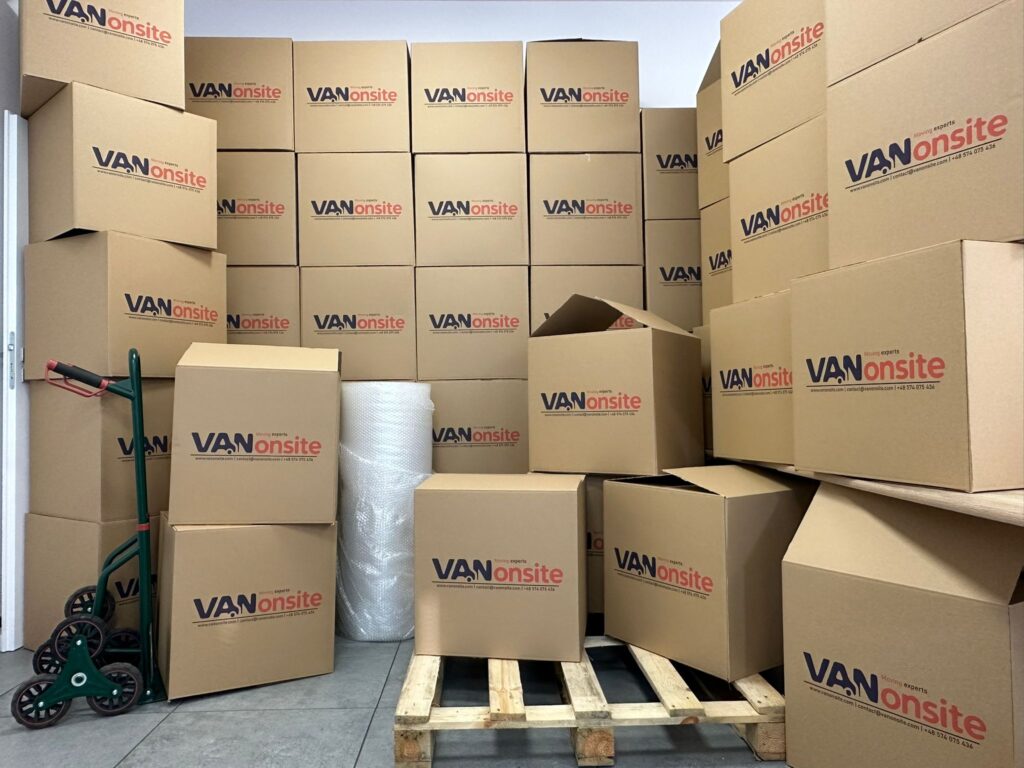
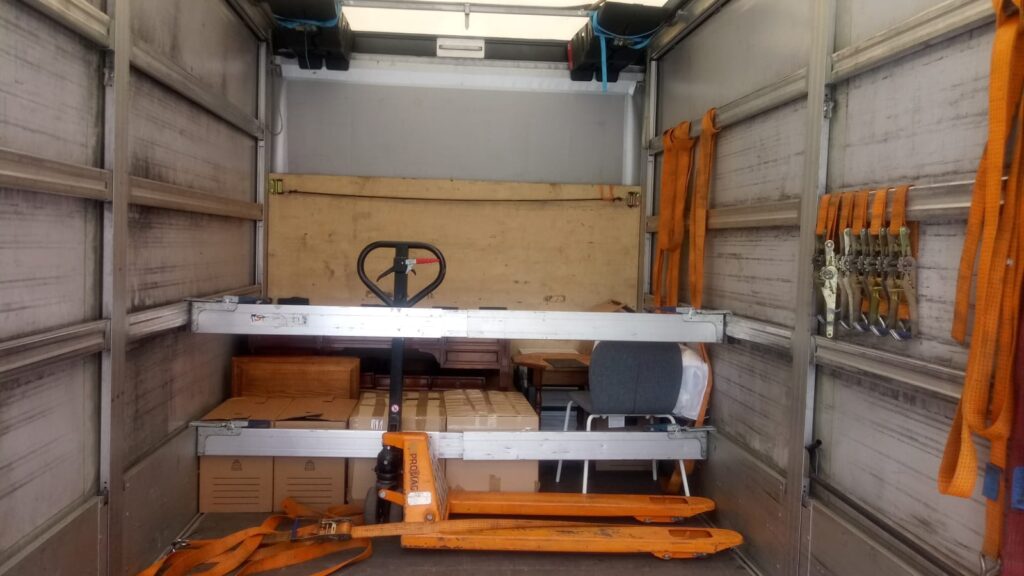
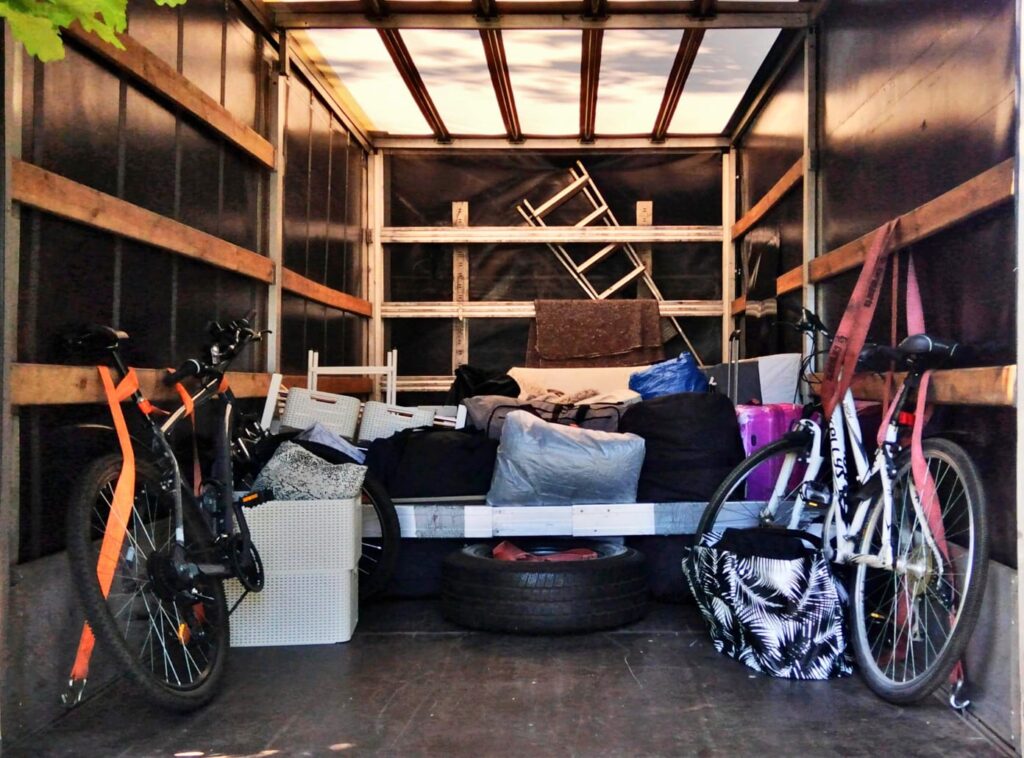
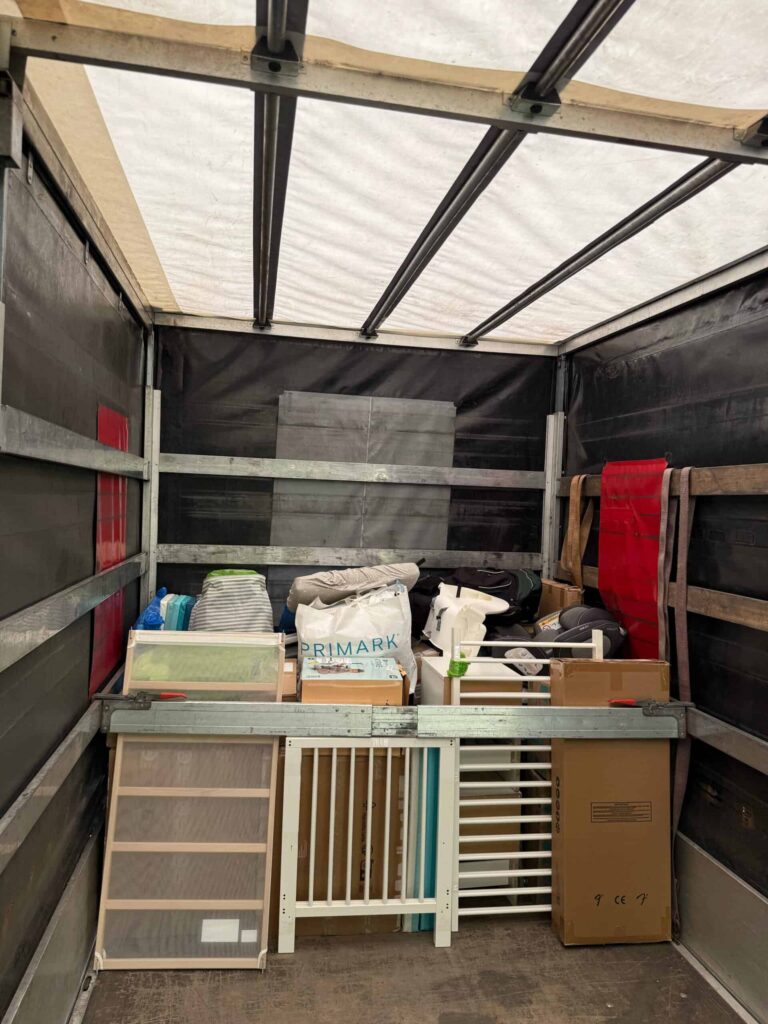
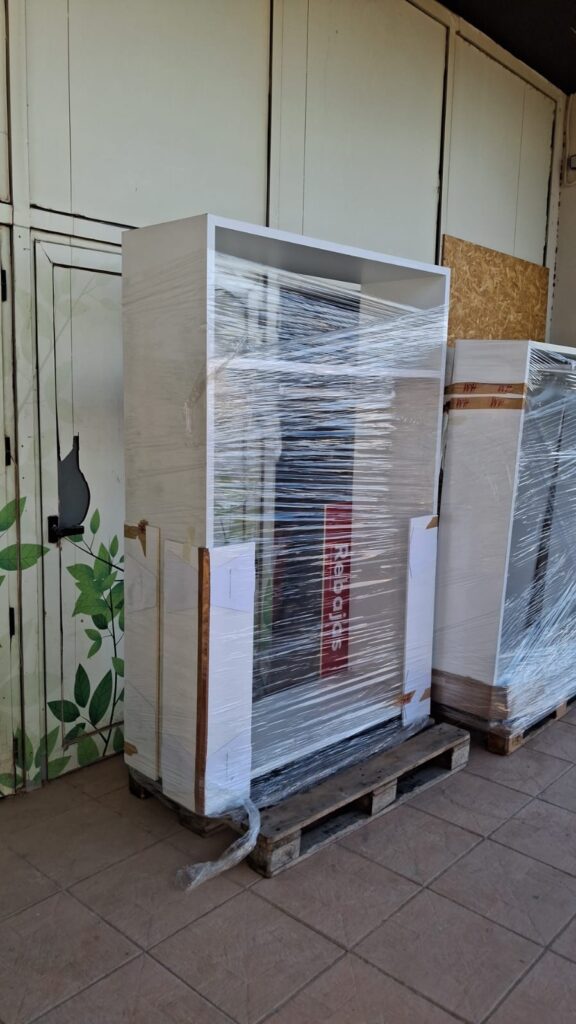
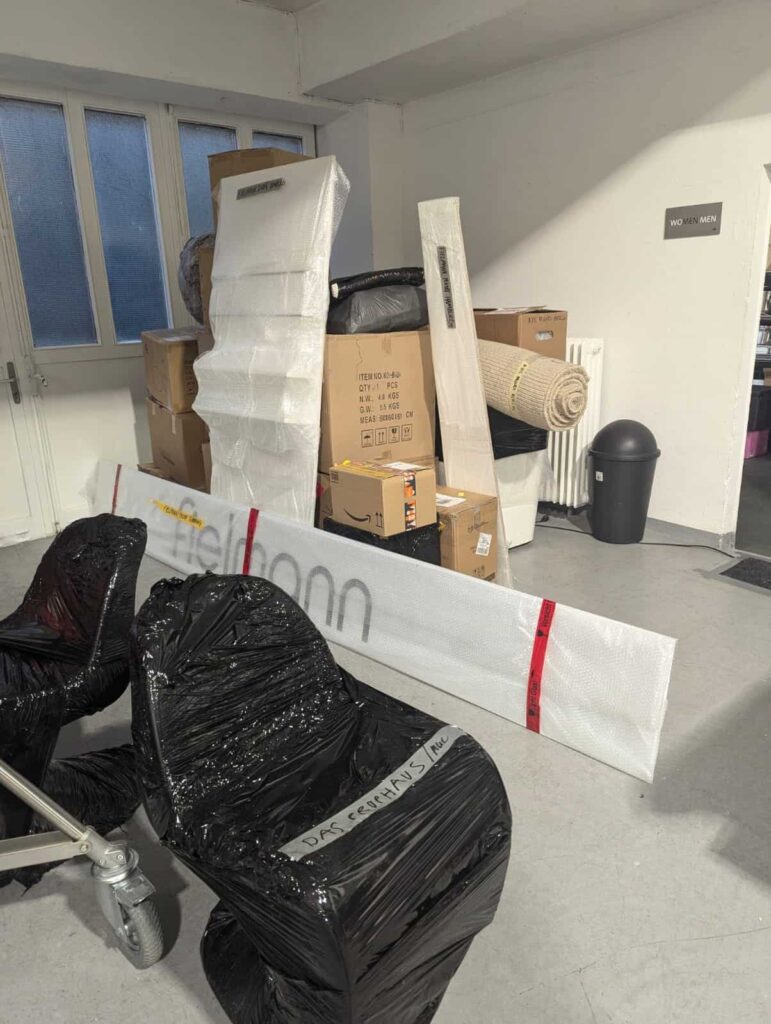
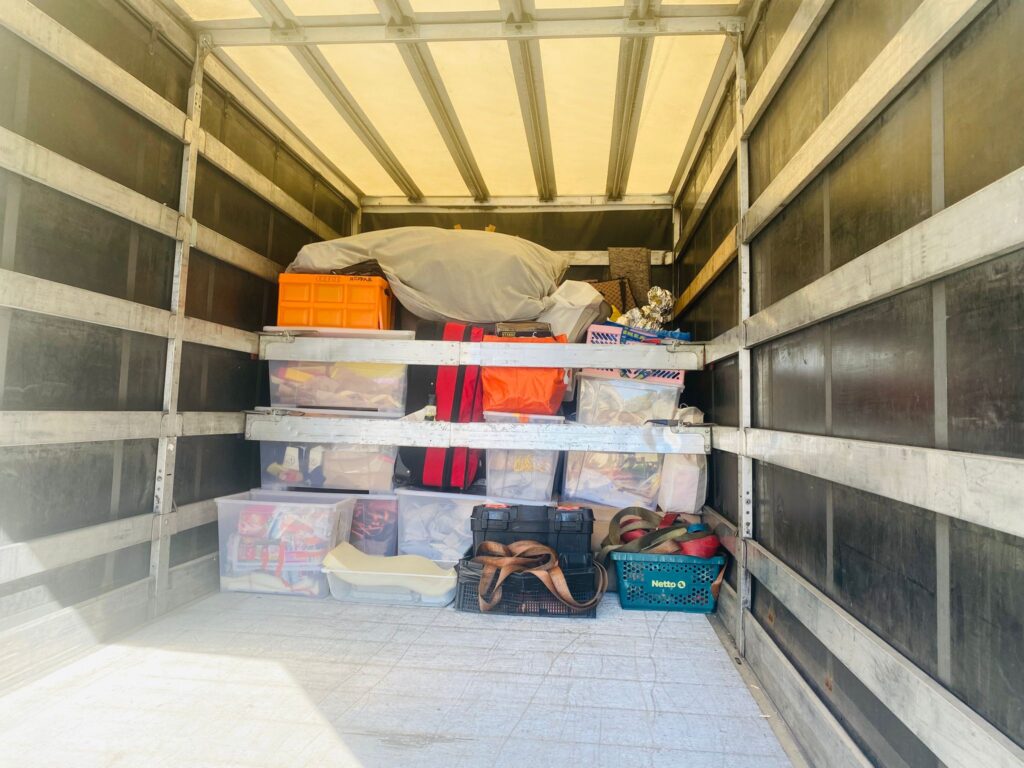
One of the most common mistakes in moving back to Germany is underestimating volume. A move that looks modest on paper can grow fast once wardrobes, mattresses, dining chairs, mirrors, lamps, packed boxes, and awkward last-minute items start piling up near the door. Then the wrong vehicle turns a smooth plan into a frustrating scramble.
That is why choosing the right transport space is not a small detail. It is one of the biggest cost and comfort decisions in the whole process. Book too little space, and the move becomes stressful, delayed, and more expensive. Book too much, and you may end up paying for empty air.
The smartest approach is to estimate both volume and weight before booking. As a rough rule, many people underestimate their real moving load by 20% or more, especially when they count furniture but forget boxed kitchenware, bedding, decorations, tools, and small electronics. Those hidden extras can quietly eat up space.
Choosing the right vehicle size helps you avoid both overpaying and underbooking.
| Service Option | Capacity | Max Weight | Best for |
|---|---|---|---|
| Moving One | 1 m3 | 100 kg | A few boxes or small essentials |
| Moving Basic | 5 m3 | 300 kg | Student move or compact room |
| Moving Medium | 10 m3 | 500 kg | Studio flat or partial household |
| Moving Premium | 15 m3 | 1100 kg | One-bedroom move |
| Moving Premium Plus | 30 m3 | 3500 kg | Family move or large furniture load |
| Moving Full House XXL | 90 m3 | 20000 kg | Full house relocation |
What Those Sizes Mean in Real Life
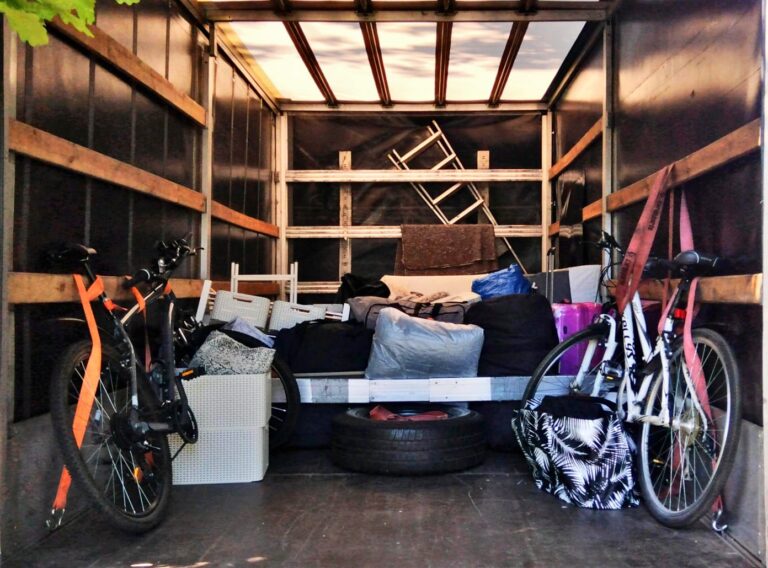
Numbers alone can feel abstract, so it helps to picture the load in everyday terms. A 1 m3 option may suit only a few moving boxes, a suitcase, and a handful of personal essentials. A 5 m3 load can work for a student room, a temporary return, or a simple man and van relocation with just the basics. Once you move into the 10 m3 to 15 m3 range, you are usually looking at a studio flat, a partial apartment move, or several larger furniture pieces plus boxes.
For family relocations, bulky furniture moves, or more complete household returns, 30 m3 and above is often the realistic territory. If you are moving back to Germany with children, home office equipment, or full-room furniture sets, space disappears faster than expected.
Quick Guide by Move Type
- Student or single-room move: Moving Basic or Moving Medium
- Small flat: Moving Medium or Moving Premium
- Family home: Moving Premium Plus or Moving Full House XXL
- Furniture-only relocation: depends on item count and dimensions
A man and van option is often perfect for smaller European moves, urgent returns, or partial household relocations. It offers flexibility without forcing you into a larger service than you actually need.
How to Estimate Your Space More Accurately
If you want to avoid nasty surprises, think in categories rather than random items. Count your move by zones:
- furniture pieces
- boxed belongings
- fragile or oddly shaped items
- appliances and electronics
- anything stored in the loft, cellar, or garage
This method gives a much more honest picture of the real load. It also helps your transport partner recommend the right size faster.
Common Signs You Need a Larger Option
Many returnees should size up if any of these apply:
- you have more than 15 to 20 packed boxes
- you are moving beds, sofas, or wardrobes
- the move includes appliances
- you are transporting furniture to Germany, not just personal items
- you want to avoid stacking fragile items too tightly
Choosing a slightly better-fitting option can often save money overall, because it reduces repacking, delays, second trips, and damage risk.
How Much Does Moving Back to Germany Cost?
The cost of moving back to Germany depends on several real-world factors, not guesswork. Distance matters. Volume matters. Timing matters. So does access. A third-floor flat with no lift is not priced like a ground-floor pickup with easy loading. Neither is a last-minute furniture-heavy move priced like a well-planned return with compact, organised boxes.
For that reason, the smartest question is not simply, “What does moving back to Germany cost?” The smarter question is, “What exactly shapes the quote, and where can I make better decisions?” Once you understand the moving parts behind the price, the whole process feels more transparent.
Main Factors That Shape the Price
Your final quote is usually shaped by:
- distance across Europe
- total load volume in cubic metres
- total weight
- number of large furniture items
- access conditions and lift availability
- packing needs
- storage requirements
- last-minute urgency
As a rule, last-minute moves can cost more, while early planning often gives you more flexibility and better options.
Why Furniture Changes the Price So Much
Moving furniture to Germany usually raises the price more than people expect, because furniture affects nearly every part of the job. It increases volume. It increases loading time. It often requires more protective materials. It may also require partial disassembly, careful carrying, and more strategic placement inside the vehicle.
Large or delicate pieces such as wardrobes, dining tables, mattresses, glass cabinets, and premium sofas can shift a move from basic to much more labour-intensive. This is exactly why accurate measurements matter so much before you request a quote.
The Hidden Cost Triggers People Forget
Many people focus only on distance, then miss the smaller factors that quietly inflate the final number. These often include:
- difficult parking access
- long carrying distances from property to van
- stairs without a lift
- narrow corridors or doorframes
- waiting time for keys or building access
- urgent weekend or month-end bookings
None of these are dramatic on their own, but together they can change the move significantly.
How to Lower Moving Costs Without Lowering Standards
You do not need to choose between saving money and moving well. In fact, the smartest moves do both.
- Declutter before booking transport
- Choose the right vehicle size
- Disassemble furniture in advance
- Book early if possible
- Combine efficient packing with professional transport
VANonsite offers flexible service levels, from compact moves to full-house relocations. That makes it easier to choose what you truly need instead of paying for empty space.
Smart Ways to Get Better Value
If your goal is to keep the move lean without making it chaotic, focus on value, not just price. A very cheap option can become expensive if it leads to delays, damage, weak communication, or poor planning.
Better value usually comes from:
- realistic load assessment
- choosing the right service level from the start
- packing efficiently
- moving only furniture worth transporting
- working with a company that communicates clearly and handles items carefully
That is where VANonsite builds trust. The company offers transport options for everything from a compact man and van move to a full household relocation, while also giving customers the reassurance of GPS tracking for every load.
Is It Worth Paying for Professional Help?
In many cases, yes. Professional moving support does more than lift boxes. It protects your time, lowers the chance of breakage, and helps the entire move feel more controlled. For people returning home after a long time abroad, that peace of mind can be worth far more than the cheapest possible quote.
Best Moving Services for Returning to Germany
Choosing the right support can change the entire mood of your move. The best service is not always the biggest one. It is the one that fits your situation cleanly and confidently.
Man and Van for Fast, Flexible Moves
A man and van service is ideal when your move is focused, time-sensitive, or moderate in size.
It works especially well for:
- student relocations
- partial household moves
- urgent returns
- furniture collection and delivery
- people who want a faster, more agile service
Full Home Removals for Bigger Households
If you are moving back to Germany with a full family household, a dedicated home removals service is often the most efficient choice. It helps keep the process organised from start to finish.
Furniture Removals for Bulky or Valuable Items
If the biggest challenge is moving furniture to Germany, then a specialist furniture removals service makes strong sense. It is built for handling shape, bulk, and fragility more carefully.
Packing Service for Fragile and High-Stress Moves
Packing is where many moves go wrong. Poor wrapping leads to damage. Rushed boxing leads to confusion. A professional packing service can protect fragile items and save hours of effort.
Office Removals if the Move Includes Business Equipment
If your move includes workstations, files, monitors, or commercial furniture, office removals offer a more structured way to keep business assets safe and organised.
Storage if Your New Place Is Not Ready Yet
Sometimes the keys are late. Sometimes renovation drags on. Sometimes life simply refuses to align neatly. Storage gives you breathing room and prevents rushed decisions.
Last-Minute Moving When Plans Change Suddenly
Some moves explode into action with almost no warning. A job changes. A tenancy ends. A family issue becomes urgent. In those moments, fast response is priceless. This is where flexible transport support becomes more than convenient. It becomes a lifeline.
Common Mistakes to Avoid When Moving Back to Germany
The most expensive moving mistakes are often the quiet ones. Not dramatic disasters. Just small oversights that pile up into wasted money, wasted time, and preventable stress. They rarely look dangerous in the moment. In fact, many of them seem harmless. Yet by moving day, they can create panic, delay, and extra costs that feel completely avoidable in hindsight.
This is exactly why return moves benefit from a sharper eye and a more disciplined checklist. When people are moving back to Germany, they are often balancing emotion, deadlines, family logistics, and transport details all at once. That mix makes it very easy to miss the small things that later become expensive.
Watch Out for These Common Mistakes
- underestimating furniture volume
- booking the wrong vehicle size
- leaving paperwork too late
- packing fragile items too loosely
- forgetting building access details
- moving low-value furniture that costs more to transport than replace
- choosing transport without tracking or clear communication
Underestimating Furniture Volume
This mistake shows up again and again because furniture rarely looks as bulky in your own home as it does on moving day. Once beds, dining chairs, mirrors, side tables, lamps, boxed kitchenware, and random hallway items gather in one place, the move suddenly feels much bigger.
Underestimating the load can lead to a van that is too small, awkward repacking, delays, and in some cases, a second trip. That is why moving furniture to Germany should always begin with real measurements, not rough guesses.
Booking the Wrong Vehicle Size
A vehicle that is too small creates stress. A vehicle that is too large may waste money. Both problems come from the same root cause: weak planning at the start.
The right fit depends on volume, weight, furniture shape, and how tightly items can be packed without increasing the risk of damage. This is where an experienced transport company adds real value, because the right recommendation can save both time and budget.
Leaving Paperwork Too Late
Paperwork has a nasty habit of becoming urgent at the worst possible moment. A missing address document, lost pet paper, or incomplete inventory can slow down a move that otherwise looked perfectly under control.
When moving back to Germany, late paperwork often affects address registration, customs clarity, or practical tasks right after arrival. That is why smart movers gather their documents before they start sealing boxes.
Packing Fragile Items Too Loosely
Fragile items do not forgive rushed packing. Loose glass, poorly protected ceramics, unwrapped corners, and overloaded cartons can turn a normal trip into an expensive disappointment.
Even worse, fragile items often carry emotional value. It is not just about money. It is about family pieces, gifts, and objects that feel impossible to replace. Strong wrapping, smart labelling, and careful loading matter far more than people think.
Forgetting Building Access Details
This mistake sounds tiny, yet it can throw off the whole schedule. Narrow staircases, missing lifts, limited parking, entry codes, loading restrictions, and awkward corridors all affect how quickly and safely the move can happen.
A move is never just about what goes in the van. It is also about how the load gets from the flat to the vehicle, and from the vehicle into the new home.
Moving Low-Value Furniture That Should Be Replaced
Not every piece deserves to cross Europe. Low-cost flat-pack items, worn furniture, or oversized pieces that may not suit the new property can quietly inflate the move without adding real value.
A smart move is not about taking everything. It is about taking what still earns its space.
Choosing Transport Without Tracking or Clear Communication
This is one reason VANonsite leaves a strong impression. GPS tracking for every load adds a layer of control that many returnees find deeply reassuring. When your belongings are moving across borders, clear updates are not a luxury. They are peace of mind.
Why Many Returnees Choose VANonsite
People moving back to Germany are not just looking for transport. They are looking for certainty. They want clear communication, secure handling, and the confidence that their belongings are moving on time and with care.
That is where VANonsite earns trust. The company does not simply move items from one point to another. It helps turn a complicated relocation into something more orderly, more predictable, and far less draining. For returnees dealing with deadlines, family coordination, furniture logistics, and cross-border planning, that kind of support matters.
Key Strengths
- extensive European moving experience
- secure and fast transport
- GPS tracking for every load
- flexible options from small moves to full-house relocations
- support for furniture, homes, students, offices, and urgent moves
- professional handling with a personal touch
Why That Trust Matters During a Return Move
A return move often carries emotional weight. You are not just relocating. You are rebuilding rhythm, routine, and stability. In that setting, reliability becomes deeply valuable. A late update, a vague answer, or a damaged item can sour the whole experience.
VANonsite helps reduce that uncertainty through strong communication, practical service options, and careful handling across Europe. Whether someone needs a compact man and van move, a full home relocation, furniture transport, packing support, or secure storage, the service feels built around real-life needs rather than generic promises.
A Good Fit for Different Moving Scenarios
VANonsite works well for a wide range of returnees, including:
- students moving back with a compact load
- professionals returning after work abroad
- families relocating with full household furniture
- customers who need urgent last-minute support
- people transporting delicate or high-value items
That flexibility is one of its strongest advantages. Small move or large move, simple relocation or layered logistics, the support can scale to match the situation.
If you want a reliable starting point for planning your move, explore VANonsite’s removals to Germany service page.
Final Checklist Before You Leave
Before the door closes behind you for the last time, run through one final control list. It is a small ritual, but it can prevent major frustration later. A final review catches the details that tend to slip through when emotions are high and time feels short.
- Confirm moving date and delivery address
- Finalise your inventory
- Pack essentials separately
- Protect or disassemble furniture
- Check documents
- Confirm transport details
- Clean and close your old property
- Prepare for address registration in Germany
A Smarter Final Check Before Departure
Before you leave, pause for ten quiet minutes and review four things: keys, documents, valuables, and access details. That tiny pause can save hours later. It also helps you leave the old place feeling organised rather than rushed.
A good final move should feel clean, not chaotic.
FAQ About Moving Back to Germany
How Hard Is Moving Back to Germany?
Moving back to Germany can feel intense, but it is very manageable when planned properly. The move becomes much easier when documents, transport, and furniture decisions are handled in the right order. Most of the pressure comes from rushing, not from the move itself.
Can I Move Furniture to Germany Without a Full Removal Service?
Yes. If you are not relocating a whole household, a man and van service can be an efficient and cost-effective way of moving furniture to Germany. It is especially useful for partial moves, furniture-only transport, student returns, or urgent relocations.
What Is the Best Option for a Small Move Back to Germany?
For small moves, student relocations, or partial household returns, a flexible man and van solution is often the best fit. It gives you speed, control, and a more tailored service, while helping you avoid paying for unnecessary space.
How Early Should I Book a Move to Germany?
Booking 4 to 8 weeks in advance is ideal in many cases. Still, last-minute moves are possible, especially when you work with a responsive transport company. If your move includes large furniture, premium packing, or a family household, earlier booking usually gives you better options.
Do I Need to Register My Address After Moving Back to Germany?
Yes. Address registration is one of the key formal steps after arrival. Use the official government portal for local information: Germany’s official administration portal. It is one of the first tasks that helps you settle properly into everyday life.
Is Professional Packing Worth It for International Moves?
Yes, especially for fragile, valuable, or sentimental items. Professional packing lowers the risk of damage, protects furniture more effectively, and reduces the pressure of the move itself. For longer-distance European transport, that extra protection can make a significant difference.
Conclusion
Moving back to Germany does not have to feel like a storm. With a clear checklist, early document preparation, and the right transport support, the process becomes calmer, faster, and far more predictable.
Whether you are returning with a few essentials or moving furniture to Germany as part of a full household relocation, the smartest approach is always the same. Plan early. Measure carefully. Protect what matters. Choose a moving company that values speed, safety, and communication.
VANonsite helps make that return feel more secure, more organised, and far less exhausting. When home is calling, it helps to travel with confidence.