Moving your life from Germany to Norway can feel thrilling one moment and overwhelming the next. One day you are dreaming about fresh starts, fjord views, and a calmer rhythm of life. The next, you are staring at boxes, paperwork, timelines, and that sinking question: how do I move everything safely, quickly, and without turning the whole process into chaos?
The good news is simple. Removals from Germany to Norway do not have to be stressful when the move is planned properly and handled by an experienced international team. Whether you are relocating a full household, sending valuable furniture, or arranging a smaller man and van service for a light load, the right support can save you time, money, and a huge amount of worry.
Many people move from Germany to Norway for work, family, education, or a better quality of life. Yet the practical concerns are always similar. How much will it cost? How long will it take? What documents do you need? What happens if something fragile gets damaged on the road? Those questions matter because a cross-border move is never just about transport. It is about trust.
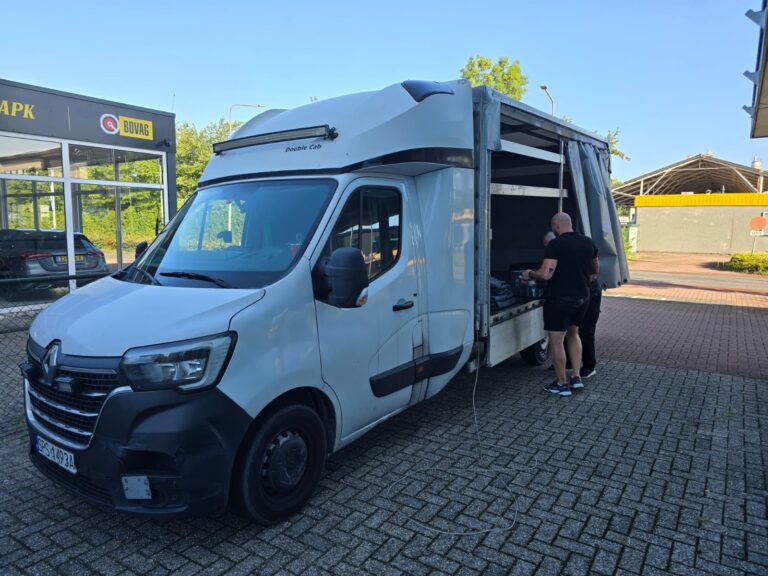
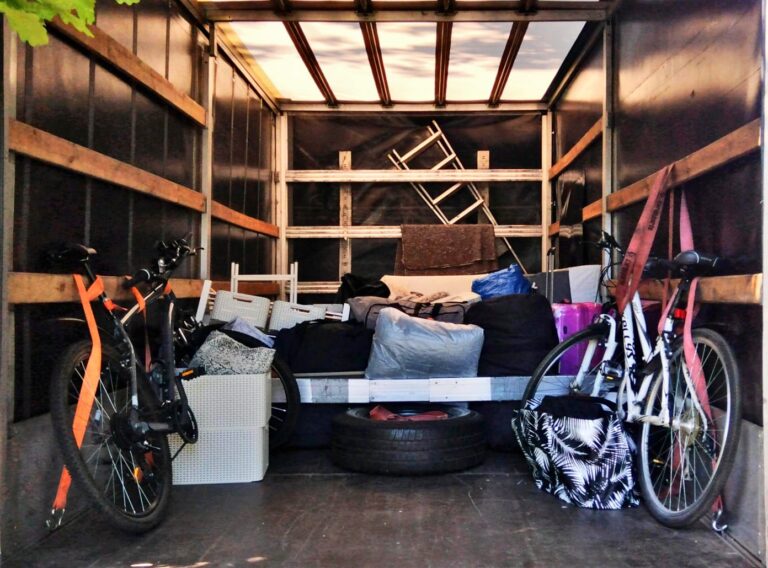
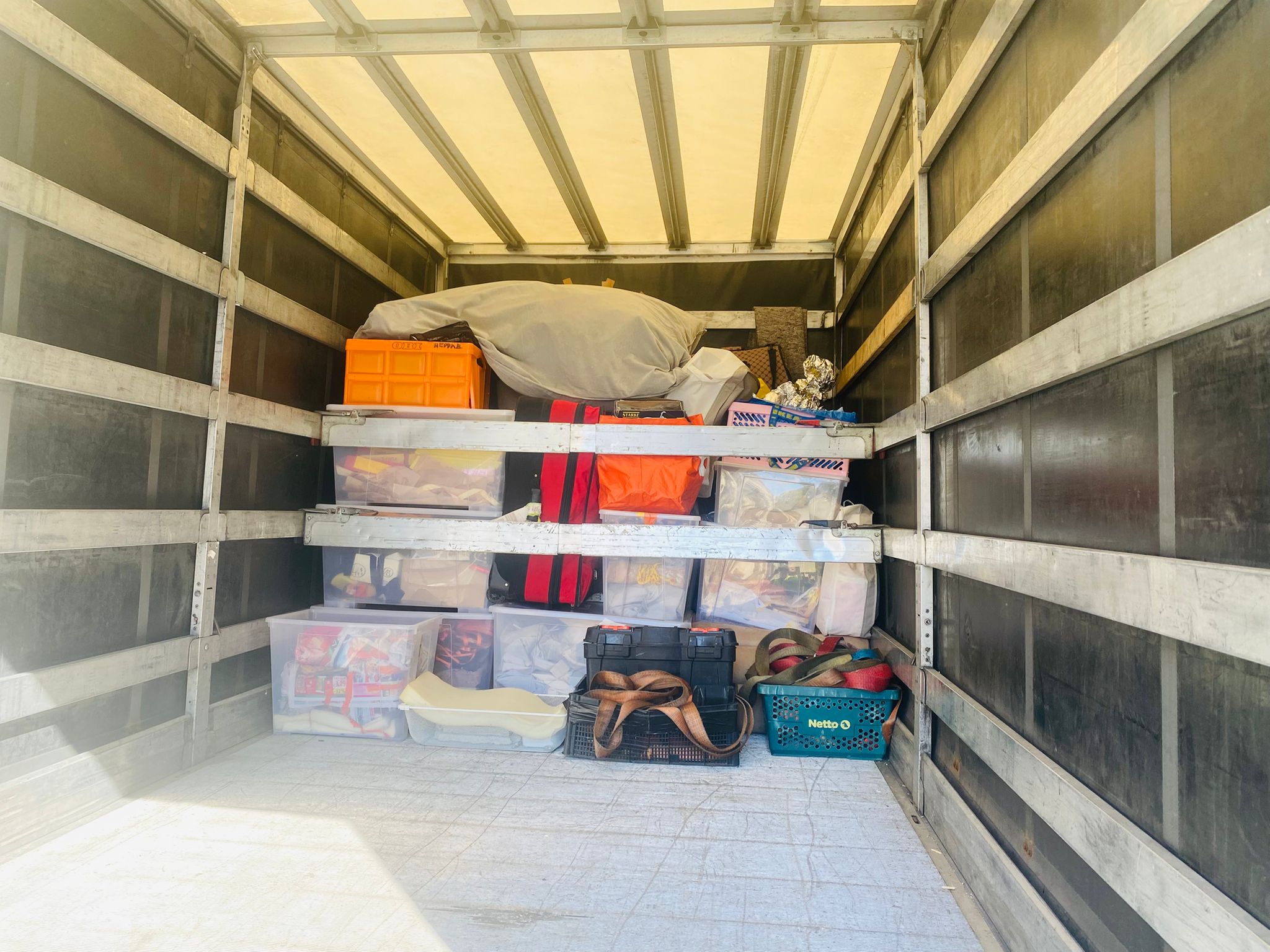
That is exactly why so many people look for a removals company that combines speed with care. VANonsite stands out here in a natural way. The company offers premium European transport services focused on safety, fast coordination, and real peace of mind. Every load can be GPS tracked, which means you are not left guessing where your belongings are. You can choose from flexible vehicle sizes, from Moving One at 1 m3 and 100 kg for small essentials, all the way to Moving Full House XXL at 90 m3 and 20,000 kg for large-scale family relocations. This makes the service suitable for home moves, office removals, student relocations, furniture transport, and urgent last minute moving needs.
For smaller moves, a man and van solution can be a smart and cost-effective choice. For bigger relocations, a dedicated removals service offers more space, more structure, and more protection for the things that matter most. Either way, the route from Germany to Norway becomes far easier when every detail is handled with care.
TL:DR
- Removals from Germany to Norway are easier when booked early and planned around volume, route, and paperwork.
- A man and van service works well for smaller loads, student moves, and flexible delivery windows.
- Bigger home or office moves usually need a dedicated vehicle and a more structured removals plan.
- Costs depend on distance, access, load size, packing support, storage, and urgency.
- Norway is outside the EU, so customs and personal move documents must be checked carefully before transport.
- Professional packing reduces the risk of breakage, delays, and expensive last-minute problems.
- VANonsite adds confidence with GPS tracking, flexible vehicle sizes, and tailored support across Europe.




What to Expect When Planning Removals from Germany to Norway
Planning removals from Germany to Norway is not just about loading boxes into a van and driving north. It is an international move shaped by distance, border formalities, timing, road access, and in many cases ferry coordination. Depending on the pickup point in Germany and the delivery address in Norway, the route can stretch across major motorways, ports, mountain roads, and urban delivery zones. That means good planning is not a luxury. It is the difference between a calm, controlled move and a stressful chain of delays.
A domestic move usually allows more room for improvisation. Cross-border moving does not. With removals from Germany to Norway, you need to think ahead about customs paperwork, delivery windows, weather conditions, building access, and the total volume of your load. Even a small oversight can ripple into extra costs or wasted time. That is why experienced movers build the process around logistics first, then speed.
There is also the emotional side of it. A move to Norway often comes with high expectations. New job. New home. New pace of life. However, the move itself can feel heavy if you do not know what to expect. The smartest approach is to treat the relocation as a project with clear steps, realistic timing, and the right transport solution from day one.
For many customers, this is where a trusted company makes all the difference. VANonsite supports European relocations with flexible service levels, including man and van options for lighter moves and larger removals solutions for full households, office equipment, or premium furniture. Because every load can be GPS tracked, customers get something priceless during a stressful move: visibility and peace of mind.
Is moving from Germany to Norway difficult?
Not necessarily, but it does require far more planning than a standard domestic relocation. The move is absolutely manageable when handled in the right order. The challenge is not just the kilometres. It is the combination of route planning, customs awareness, load security, delivery timing, and the practical reality of moving into a new country.
In real terms, the route may include long road sections, possible ferry logistics, and weather-related variables, especially in colder months. Snow, ice, and reduced daylight can slow delivery in parts of Norway, particularly in winter. On top of that, Norway is outside the European Union, so transporting personal belongings from Germany can require more careful attention to paperwork than many people first expect.
This does not mean the move is complicated beyond reach. It simply means it should be organised with precision. A professional removals team can help align the transport size, schedule, packing method, and documentation so the process feels smoother from the beginning. For small loads, a man and van service can keep the move agile and cost-effective. For larger relocations, a dedicated vehicle often offers better control and less risk.
Who usually needs this service?
The demand for removals from Germany to Norway comes from many different types of customers, and each group has slightly different priorities. Some want speed. Some need careful handling. Others want the lowest-risk option for valuable items.
Typical customers include:
- Families moving into a new home and transporting furniture, appliances, and personal belongings
- Professionals relocating for work who need a reliable delivery date and structured planning
- Students starting a new chapter abroad with a smaller, more budget-sensitive load
- Businesses moving office furniture, equipment, or archived materials with minimal disruption
- Individuals sending selected furniture or personal belongings rather than a full house load
This variety is exactly why one-size-fits-all transport rarely works. A student moving with a few boxes has very different needs from a family relocating a three-bedroom home. A flexible man and van option can be ideal for smaller volumes, while a full removals package is often the safer choice for larger, more complex relocations.
How Much Do Removals from Germany to Norway Cost?
The honest answer is this: the cost of removals from Germany to Norway depends on what you are moving, how much space it takes, how quickly it needs to arrive, and how many extra services you need along the way. There is no single flat price that fits every move. A light man and van transport from Berlin to Oslo will look very different from a full family relocation from Munich to Stavanger with packing, dismantling, and storage included.
That said, pricing does not have to feel mysterious. Most moving costs are shaped by a few clear variables. The bigger the volume and the more complex the logistics, the higher the quote. On the other hand, customers can often reduce costs by booking early, choosing the right vehicle size, and only paying for services they truly need.
A trustworthy removals company should make pricing feel transparent, not vague. That matters because moving abroad already comes with enough uncertainty. When the quote is clear, the whole move feels more grounded.
Main factors that affect the price
Several practical details influence the final cost of removals from Germany to Norway. Some affect fuel and travel time. Others affect labour, safety, or loading complexity.
The main price factors are:
- Pickup city in Germany. A move from Hamburg may involve a different route and travel time than a move from Munich or Frankfurt.
- Delivery city in Norway. Oslo is usually easier to access than a smaller or more remote destination farther north.
- Total volume in m3. The more space your belongings take, the larger the vehicle needed.
- Weight of the load. Heavier loads can affect vehicle choice, labour, and route planning.
- Need for packing service. Professional packing adds value and protection, but it also adds time and materials.
- Furniture dismantling and reassembly. Large wardrobes, beds, and desks often need extra labour.
- White glove or fragile-item handling. High-value items need more protection and more careful loading.
- Last minute booking. Urgent moves can reduce route flexibility and increase costs.
- Temporary storage needs. Storage can be a smart solution, but it becomes an extra service line.
- Access issues such as stairs or no lift. Difficult access can increase loading time significantly.
A realistic quote considers all of these details together. That is why accurate inventory information is so important. The more precise the moving plan, the more accurate the price.
Example vehicle guide for different move sizes
One of the smartest ways to control cost is to match your move to the right vehicle size. Paying for too much space wastes money. Booking too little space creates delays, stress, and sometimes a painful last-minute upgrade.
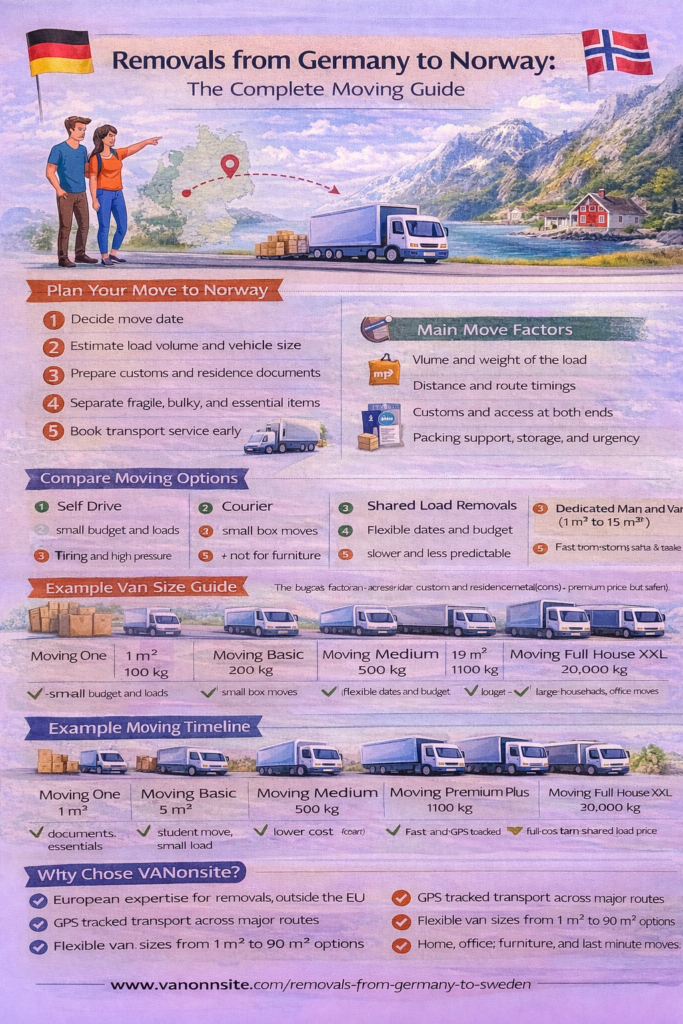
Here is a practical guide to the vehicle options offered by VANonsite:
| Service option | Capacity | Max load | Best for |
|---|---|---|---|
| Moving One | 1 m3 | 100 kg | Boxes, documents, small essentials |
| Moving Basic | 5 m3 | 300 kg | Student moves, a few pieces of furniture |
| Moving Medium | 10 m3 | 500 kg | Studio flat or partial home move |
| Moving Premium | 15 m3 | 1100 kg | One-bedroom move or larger furniture sets |
| Moving Premium Plus | 30 m3 | 3500 kg | Family move or office equipment |
| Moving Full House XXL | 90 m3 | 20000 kg | Full house removals and major relocations |
This range gives customers real flexibility. A compact man and van move can work beautifully for a student, a professional with a limited inventory, or someone shipping a few selected pieces. Meanwhile, larger households can choose a vehicle that fits the full move without squeezing, stacking unsafely, or splitting the delivery into multiple stages.
How to save money without risking damage
Everyone wants to cut moving costs. The smart goal, though, is not just to spend less. It is to spend wisely. Cheap transport that leads to delays, broken furniture, or missing essentials can become far more expensive in the end.
A few practical steps can help reduce costs without increasing risk:
- Book early for better route planning. Early booking often gives more flexibility and better vehicle matching.
- Declutter before packing. If you reduce your load by 15% to 30%, you may be able to book a smaller vehicle and lower the quote.
- Choose a shared load if timing is flexible. This can work well for non-urgent moves with moderate volume.
- Use a man and van service for smaller moves. It is often the most cost-effective solution for light loads and student relocations.
- Group fragile items professionally to avoid costly breakage. Damage is never a bargain. Careful packing protects both your belongings and your budget.
The best savings usually come from better planning, not lower standards. That is why experienced movers focus on the right fit, the right timing, and the right level of care.
Best Transport Options for Moving from Germany to Norway
Not every move needs the same transport model. That is one of the biggest truths people discover when planning removals from Germany to Norway. A student with six boxes and a desk does not need the same setup as a family relocating an entire house. Likewise, a couple shipping premium furniture to Oslo will need a very different level of protection than someone sending everyday items to a temporary rental.
The smartest move is to match the transport option to the size, value, urgency, and complexity of the load. This helps control costs, reduce risk, and avoid the classic mistake of paying for the wrong service. Some customers need a fast man and van solution. Others need a dedicated removals vehicle with room for a full household, careful loading, and a structured delivery schedule.
VANonsite offers that flexibility, which is exactly why the company fits so many types of cross-border moves. From light loads to major relocations, the service can be tailored around what the move actually requires, not around a rigid one-size-fits-all package.
Man and van for smaller moves
A man and van service is often the smartest option for smaller moves from Germany to Norway. It works especially well when speed, simplicity, and cost control matter more than sheer vehicle capacity. If you are moving a limited number of boxes, a few furniture pieces, student belongings, or essentials for a quick relocation, this option can feel refreshingly efficient.
The biggest strength of man and van transport is flexibility. It suits people who do not need a full removals truck, yet still want professional handling and a dependable delivery window. It can also be ideal for last minute moves, partial house moves, or staged relocations where the first load needs to arrive quickly and the rest follows later.
Typical use cases include:
- Student relocations with a compact load
- Professionals moving to Norway ahead of their household shipment
- Small apartment moves
- Urgent delivery of personal belongings
- Selected furniture transport without a full home move
For the right customer, this option delivers a strong balance of speed and value. It keeps the move lean without sacrificing security.
Dedicated removals service for bigger households
For larger properties, a dedicated removals service is usually the safer and smoother choice. Families moving from Germany to Norway often need more than transport alone. They need space, planning, careful stacking, reliable timing, and a process that protects dozens of details at once.
A full-service removals option works best when the load includes large furniture, multiple rooms of household goods, appliances, fragile items, and time-sensitive delivery needs. In those cases, squeezing everything into a smaller solution can create risk from the start. Items may be packed too tightly, loading may take longer, and delivery becomes harder to organise.
A dedicated vehicle gives the move more structure. That matters when you are coordinating a house handover, school start dates, work relocation, or a fixed move-in schedule in Norway. It also gives peace of mind to families who want their belongings handled in one organised stream rather than split into scattered stages.
This is where premium planning really pays off. More space means better load protection. Better load protection means fewer surprises. And fewer surprises can make a high-pressure international move feel dramatically easier.
Furniture removals from Germany to Norway
Furniture often tells the real story of a move. A sofa can be replaced. A handmade oak table, a design chair, or a family wardrobe passed down for years cannot be replaced so easily. That is why furniture needs a higher level of care during removals from Germany to Norway.
Bulky, delicate, or valuable items are more exposed to scratches, pressure damage, unstable stacking, and awkward access during loading and unloading. Sharp corners, glass sections, polished finishes, and unusual dimensions all increase the need for skilled handling. Heavy furniture also needs smart weight distribution inside the vehicle so the journey stays safe from start to finish.
For customers moving selected items or full interiors, professional Furniture Removals can make a remarkable difference. The service is built around safer handling, better protection, and the practical know-how needed for transporting furniture across long European routes.
This is not just about avoiding damage. It is about protecting the pieces that make a new place feel like home the moment you walk in.
Packing support for safer delivery
Packing is one of those details people underestimate until something breaks. Then it suddenly becomes the most important detail in the move. During removals from Germany to Norway, proper packing protects far more than objects. It protects your schedule, your budget, and your peace of mind.
Long-distance transport places repeated pressure on boxes, corners, surfaces, and fragile parts. Glass can crack. Electronics can shift. Artwork can warp. Sentimental items can be damaged in seconds and regretted for years. That is why secure packing is not an optional extra for many moves. It is one of the smartest investments you can make.
Professional Packing Service is especially valuable for:
- Glass and mirrors
- TVs, monitors, and electronics
- Artwork and framed pieces
- Kitchenware and ceramics
- Designer furniture and delicate finishes
- Personal items with sentimental value
Good packing does more than cushion. It organises the move, speeds up loading, reduces handling errors, and helps every item arrive in better condition. For customers who want a calmer move and fewer risks, expert packing support can be the quiet hero of the entire relocation.
How Long Do Removals from Germany to Norway Take?
In most cases, removals from Germany to Norway take anywhere from 2 to 10 days, depending on the size of the move, the route, weather conditions, access, and whether the service is dedicated or grouped. Smaller man and van jobs can often move faster. Larger household relocations usually need more time because the logistics are simply more complex.
Transit time is shaped by several moving parts. Pickup in northern Germany may be quicker to coordinate than a long-distance route from the south. Delivery to Oslo may be more straightforward than transport to a smaller destination with limited access or harsher weather conditions. Ferry schedules, customs checks, traffic, and building access can also influence the final timing.
The key is to treat delivery windows realistically. A fast move is valuable, but a well-managed move is even more valuable. When timing is planned properly, customers can organise handovers, travel, and move-in dates with much greater confidence.
Typical delivery timeframe
The exact schedule depends on the size and shape of the move, but the table below gives a useful planning guide:
| Move type | Typical timeframe |
|---|---|
| Small dedicated man and van move | 2 to 5 days |
| Standard household move | 3 to 7 days |
| Large or complex move | 5 to 10 days |
| Move with storage or added services | Custom schedule |
A dedicated man and van move is often the quickest option for smaller loads because it involves less volume, fewer loading stages, and a more direct route. Standard house moves tend to need a little more coordination, while large relocations can involve extra labour, bigger vehicles, longer loading times, and more detailed delivery planning.
What can delay a cross-border move?
Even the best plan can face outside pressure, especially on an international route. That is why it helps to know what can slow a move down before the moving day begins.
The most common delays include:
- Winter weather conditions that reduce road speed or affect safe access at delivery points
- Ferry schedules and route changes that shift timing unexpectedly
- Incomplete paperwork that creates hold-ups during cross-border transport
- Access issues at pickup or delivery such as narrow streets, stairs, limited parking, or no lift
- Last minute changes in inventory that affect space planning and loading time
Most delays are manageable when they are anticipated early. That is where experienced movers stand out. They plan buffers, ask the right questions in advance, and structure the move so it stays resilient even when the road becomes unpredictable.


Documents Needed for Moving from Germany to Norway
Paperwork is the part of an international move that many people want to skip past quickly. That is understandable. It is not glamorous, and it rarely feels exciting. Yet when planning removals from Germany to Norway, documents can shape the entire pace of the move. Norway is closely tied to Europe through the EEA, but it is not part of the EU. Because of that, customs rules, registration requirements, and supporting paperwork deserve real attention before your belongings ever leave Germany.
The smart approach is simple: check requirements early, prepare your paperwork carefully, and verify the latest rules before the moving date. This matters even more if you are moving a full household, carrying high-value items, or relocating for work or study. A well-organised file of documents can save days of stress later.
According to Norwegian Customs, household goods can in many cases be imported duty free when they qualify as moving goods, are for personal use, and are imported within a reasonable time, no later than one year after moving to Norway. Norwegian Customs also notes that most people moving to Norway do not need to fill out a separate application form for duty-free moving goods, though special cases can apply. For residence and immigration questions, UDI is the key official source. For address registration and moving notifications, the Norwegian Tax Administration is essential, especially for stays longer than six months.
Personal and moving documents you may need
The exact list depends on your nationality, the reason for the move, and the type of goods you are transporting. Still, most people planning removals from Germany to Norway should prepare the following:
- Passport or national ID for identification during the move and any registration process
- Proof of address in Norway such as a rental agreement, housing confirmation, or other accepted address evidence
- Inventory list of transported goods with clear, realistic descriptions of what is being moved
- Proof that the goods are personal belongings rather than newly purchased commercial goods
- Employment, study, or residence-related documents if your move is linked to work, family, or education
- Transport and customs documentation when required by the carrier, route, or customs process
It is also wise to keep printed and digital copies of the most important paperwork. During a cross-border move, fast access to documents can save time if questions arise unexpectedly.
Official sources to check before the move
For something as important as an international relocation, it is always best to rely on official government sources rather than second-hand summaries. Rules can shift, forms can change, and special cases can apply.
Check these official pages before booking or finalising your move:
- Norwegian Customs for moving goods, declarations, and customs guidance
- Norwegian Directorate of Immigration for residence, work, study, and EEA-related stay rules
- Norwegian Tax Administration for move registration, address obligations, and tax-related move guidance
- German Federal Foreign Office for official travel and country information linked to Norway
A few especially useful official pages include Norwegian Customs guidance on moving goods when relocating to Norway, UDI information on residency under the EU/EEA regulations, and the Norwegian Tax Administration page on moving to Norway.
Why paperwork mistakes create expensive stress
Paperwork mistakes rarely look dramatic at first. A missing detail on an inventory list. An outdated address document. A misunderstanding about whether certain goods qualify as personal belongings. Yet these small cracks can open into major disruption during removals from Germany to Norway.
Incomplete or inaccurate documents can trigger delays, extra inspections, rescheduling costs, storage fees, or delivery disruption at exactly the worst moment. If a move is time-sensitive, even a short hold-up can create a cascade of problems. New tenancy dates, hotel stays, work start dates, school registration, and furniture delivery plans can all be affected.
This is one of the strongest arguments for planning early and working with an experienced removals company. The smoother the paperwork process, the smoother the move feels. When documents are ready, the transport itself becomes faster, calmer, and far more predictable.
Packing Tips for a Move from Germany to Norway
Packing can quietly make or break a move. Done well, it protects your belongings, speeds up loading, and helps the entire relocation feel more controlled. Done poorly, it creates hidden risks that often show up too late. A cracked screen. A crushed box of kitchenware. A missing cable for the first night in your new home. During removals from Germany to Norway, packing is not just preparation. It is protection.
The journey can involve long road sections, repeated handling, tight loading angles, changing temperatures, and time pressure at both ends of the route. That means every box needs a purpose, every label needs clarity, and every fragile item needs genuine protection. In a strong move plan, packing is not the last-minute scramble. It is one of the foundations of a safer, smoother delivery.
For many customers, professional packing saves far more than time. It reduces damage risk, improves organisation, and removes a huge layer of stress. That is especially valuable when you are moving a full household, fragile furniture, office equipment, or sentimental items that cannot be replaced.
Smart packing checklist
If you want a move that feels smoother from the first box to the final delivery, start with a disciplined checklist:
- Sort items by room and priority so unpacking in Norway feels organised, not chaotic
- Label every box clearly with both contents and destination room
- Protect fragile items with quality materials such as bubble wrap, paper padding, corner guards, and strong cartons
- Keep valuables and documents separate so they stay accessible and under your direct control
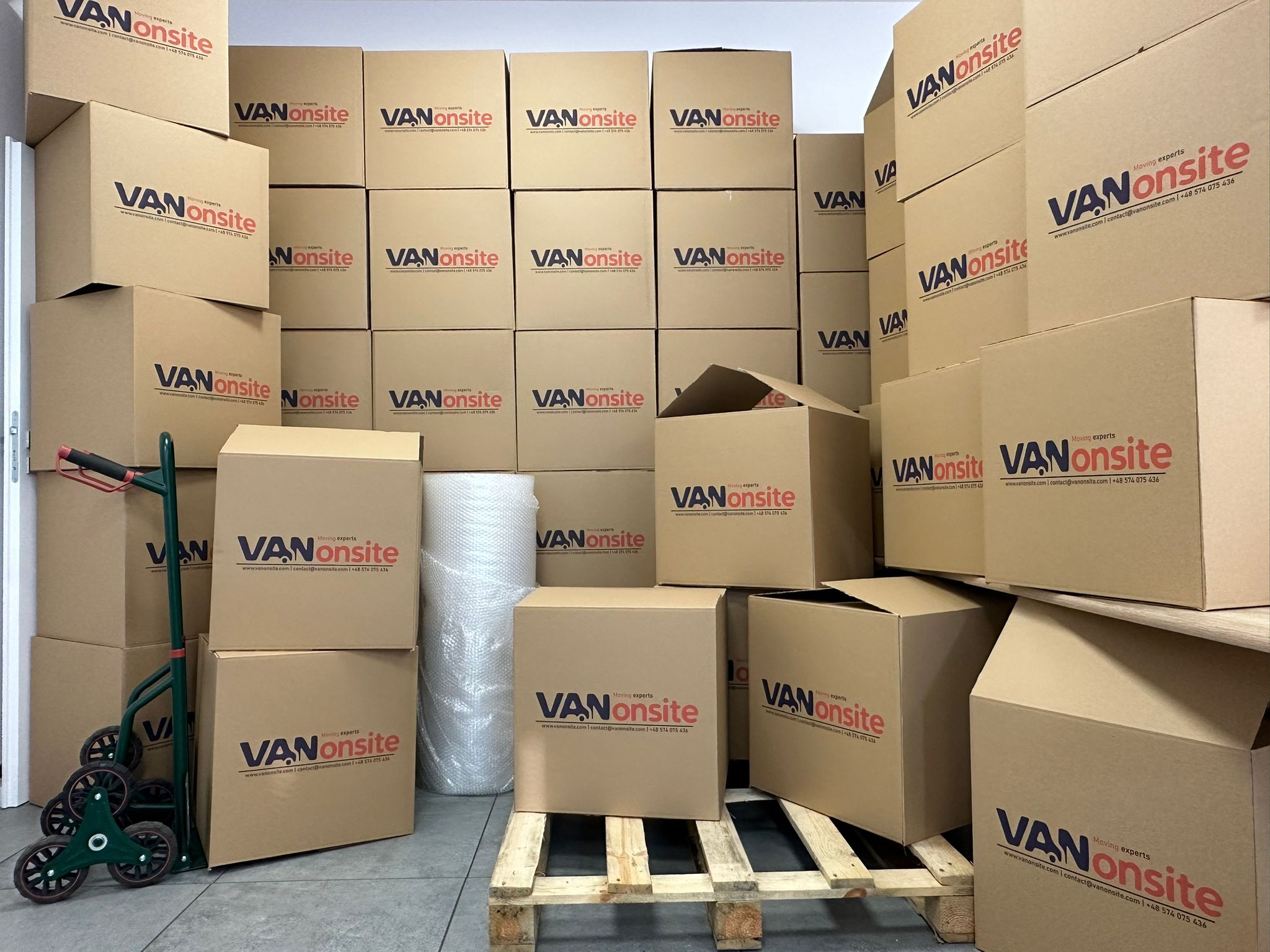
- Disassemble large furniture when needed to reduce damage risk and improve loading efficiency
- Pack an essentials box for the first 48 hours with chargers, medication, toiletries, documents, and basic kitchen items
This kind of structure saves energy later. It also helps the removals team load more efficiently, which can protect both timing and cost.
Items that deserve extra care
Some belongings need more than standard wrapping. They need strategy. These are the items most likely to suffer from vibration, pressure, or awkward handling if they are not packed properly:
- TVs and monitors that can crack under pressure or impact
- Mirrors and glass tables that need reinforced protection and stable positioning
- Antiques that may be fragile, valuable, or impossible to replace
- Musical instruments that can react badly to movement, pressure, and temperature shifts
- Office electronics that need secure packing to avoid damage and downtime
- Artwork and designer furniture that require extra surface and corner protection
When these items are part of the move, careful preparation becomes non-negotiable. Even the strongest vehicle cannot protect what has been packed poorly.
When white glove delivery makes sense
Some moves include items that deserve a more refined level of handling. If you are transporting luxury furniture, fragile design pieces, artwork, premium home accessories, or anything with high financial or emotional value, White Glove Delivery can be the smartest choice.
This type of service is ideal when standard transport is simply not enough. It brings greater attention to protection, handling, positioning, and presentation at delivery. That can be invaluable for delicate interiors, premium furniture collections, or design-led homes where one damaged surface can be deeply frustrating and expensive.
For customers planning removals from Germany to Norway with high-value items, white glove support adds a powerful layer of confidence. It is premium care for belongings that deserve more than ordinary handling.
Home, Student and Office Moves from Germany to Norway
Every relocation has its own rhythm, pressure, and priorities. A family move often feels emotional and heavy because it touches every part of daily life. A student move is usually faster, leaner, and far more budget-sensitive. An office move, by contrast, is all about timing, coordination, and keeping disruption to a minimum. That is why removals from Germany to Norway should never be treated as one standard service.
The strongest moving plans are shaped around the real needs of the customer. Some people need careful handling for a full household. Others need a flexible man and van option for a smaller load and a tighter budget. Businesses often need a structured relocation plan that protects equipment, deadlines, and workflow. The more precisely the service matches the move, the smoother the result.
VANonsite covers all of these needs with a tailored approach. That gives customers more control, better protection, and a move that feels designed around real life rather than generic transport.
Home removals
A home move from Germany to Norway is rarely just a matter of transport. It is a deeply personal transition. It often includes furniture, appliances, decorations, family keepsakes, children’s belongings, and all the little things that make a house feel lived in. That is why home relocations need more planning, more care, and more emotional intelligence than many people expect.
Families often work around tight timelines linked to tenancy agreements, school dates, work starts, or property handovers. At the same time, the inventory is usually larger and more varied. Sofas, beds, wardrobes, dining tables, white goods, fragile kitchenware, and sentimental items all require different handling methods. One poorly planned day can turn excitement into pure exhaustion.
Professional Home Removals help bring order to that pressure. With the right vehicle size, a clear loading plan, and experienced support, households can move with more confidence and far less chaos. For bigger family relocations, this kind of structured approach is often the difference between a move that feels messy and one that feels beautifully under control.
Student removals
Student moves usually run on a different kind of energy. They are often faster, more flexible, and more price-conscious. Many students moving from Germany to Norway are not transporting a full household. They are moving clothes, books, study materials, a desk chair, small furniture, electronics, and a few personal items that make a new room feel familiar from day one.
This is where affordability matters, but so does simplicity. A student relocation does not need to be oversized to be safe. In many cases, a compact man and van solution is the most practical option because it keeps the move efficient while still offering professional handling and reliable delivery.
For smaller, lighter, and more flexible relocations, Student Removals can be an ideal match. It allows students to move without paying for unnecessary space, while still protecting the essentials that matter during a major life change. When budgets are tight and deadlines are real, smart logistics become incredibly valuable.
Office removals
Office moves demand precision. Unlike many residential relocations, the true cost of an office move is not only transport. It is downtime. Every delayed desk setup, every missing cable, every damaged monitor, and every disrupted working hour can have a financial impact. That is why office removals from Germany to Norway need a more strategic plan.
A business relocation often includes desks, chairs, screens, IT equipment, storage units, archived documents, and specialised tools or devices. The move must be organised in a way that protects both the equipment and the workflow. Timing becomes critical. Clear labelling becomes essential. Coordination becomes everything.
Professional Office Removals help reduce stress by turning a complex move into a controlled operation. The goal is simple: move quickly, protect valuable equipment, and minimise interruption. For companies relocating to Norway, that kind of structure can protect both productivity and peace of mind.

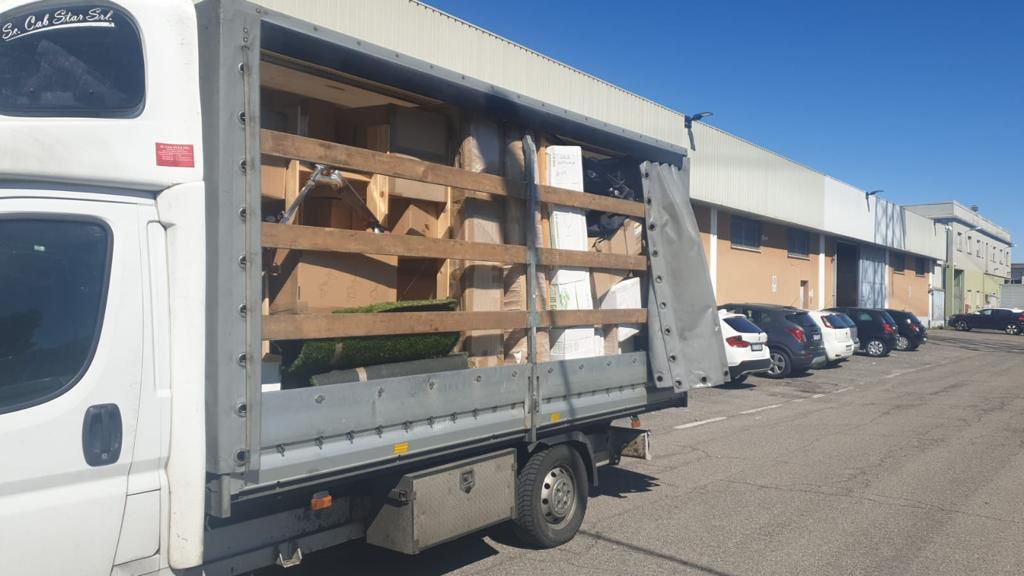
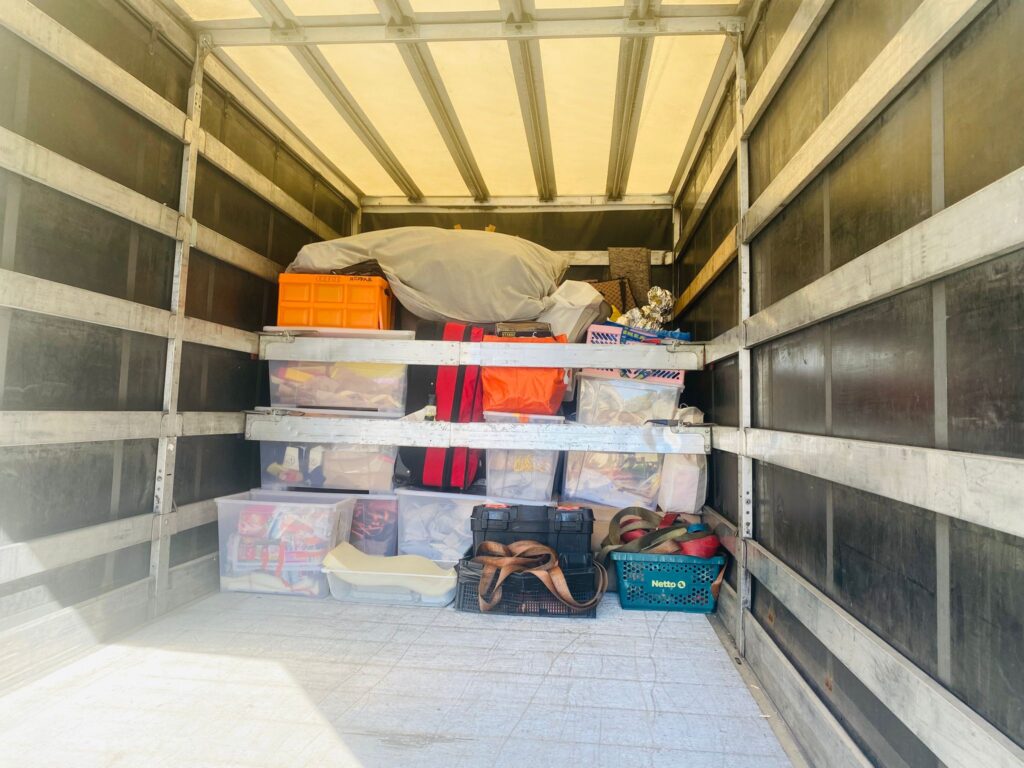
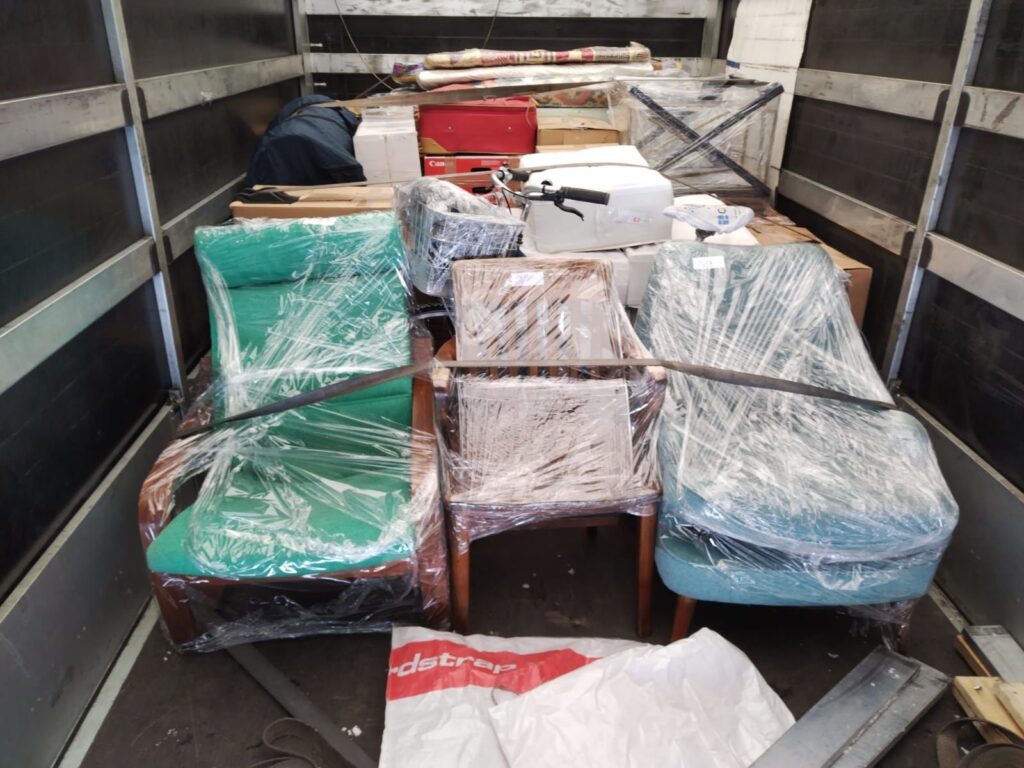
Why Many People Choose VANonsite for Removals from Germany to Norway
Trust matters enormously in international moving. People are not handing over ordinary cargo. They are handing over their furniture, memories, work tools, valuables, and the items that hold everyday life together. When planning removals from Germany to Norway, customers want more than a vehicle. They want clarity, reliability, and the sense that every stage of the move is being handled with purpose.
That is where VANonsite earns attention naturally. The company does not need loud promises to stand out. Its strength comes from practical advantages that genuinely reduce stress for customers moving across Europe. Flexible transport sizes, route efficiency, service variety, careful handling, and GPS visibility all contribute to a move that feels safer and more predictable.
For many people, the real value is emotional as much as practical. Knowing where your load is. Knowing the service fits your move size. Knowing your furniture is handled with care. Knowing you have support even if plans shift at the last minute. Those details create trust, and trust is one of the most valuable parts of any international relocation.
Key advantages
A strong removals service should not just move belongings. It should remove friction from the process. VANonsite brings several clear benefits that matter for both small and large moves:
- GPS tracking for every load so customers can follow the journey with greater confidence
- Fast and secure European transport designed around reliability as well as speed
- Flexible service options for small and large moves including compact man and van transport and full household relocations
- Professional packing and furniture handling for fragile, bulky, and high-value items
- Support for last minute moving needs when timelines suddenly tighten
- Storage options when plans change and a move needs more breathing room
- Tailored solutions for homes, offices, students, and premium deliveries rather than a rigid one-size-fits-all model
These advantages matter because moving abroad rarely goes exactly as imagined. The more adaptable and visible the service is, the easier it becomes to handle real-world pressure.
Services worth mentioning naturally
Customers planning removals from Germany to Norway often want to understand both ends of the route, not just the transport in between. That is why it can be useful to explore VANonsite’s wider service pages, including Removals to Germany and Removals to Norway.
These pages give extra context around destination planning, route expectations, and the broader relocation process. They can be especially helpful for customers comparing routes, preparing a return move, or simply wanting a clearer picture of how European removals work from door to door.
The result is a stronger sense of control. And when a move crosses borders, that feeling is worth a great deal.
Step-by-Step Moving Plan from Germany to Norway
A successful international move rarely happens by accident. The smoothest removals from Germany to Norway are built on timing, preparation, and a clear sequence of decisions. When you know what to do first, what to confirm next, and what to avoid leaving until the last minute, the entire process becomes less stressful and far more cost-effective.
The roadmap below gives you a practical structure you can actually follow. It works whether you are planning a full house move, a student relocation, or a smaller man and van service for selected belongings.
- Set your moving date
Start with the date that drives everything else. Your move-out date, move-in date, job start, tenancy agreement, or study schedule will shape the rest of the timeline. The earlier you define this, the easier it becomes to secure the right transport and avoid rushed decisions. - Estimate volume and choose the right vehicle size
Count your boxes, furniture, appliances, and loose items as realistically as possible. This helps you choose the correct vehicle and avoid paying for too much space or, worse, running out of space on moving day. For smaller loads, a man and van option can be ideal. For larger households, a bigger vehicle brings more safety and efficiency. - Prepare an inventory list
A good inventory list keeps the move organised from the start. It also supports customs preparation, quote accuracy, and delivery control. Be clear, realistic, and specific, especially with valuable or fragile items. - Check customs and residence requirements
Norway is not in the EU, so this step matters. Review customs guidance, personal move rules, and any residence-related obligations well before the moving date. It is far easier to solve paperwork questions early than to fix a delay later. - Decide if you need packing or storage
Not every move needs the same level of support. Some customers want full packing help for fragile items or a temporary storage solution between addresses. Others only need transport. Choosing this early makes the quote more accurate and the move more controlled. - Book your removals service early
Early booking gives you more flexibility, better scheduling options, and a stronger chance of matching the move to the right vehicle. It can also help reduce costs. This is especially important during busy seasonal periods or for longer cross-border routes. - Label boxes and secure fragile items
Strong labelling saves time at both ends of the move. Mark boxes by room, contents, and priority. Fragile items should be packed with genuine protection, not wishful thinking. This one step can prevent expensive breakage and unnecessary confusion. - Confirm access details at both addresses
Check parking, loading access, stairs, lifts, narrow roads, building restrictions, and delivery hours. Access problems can add stress, labour time, and extra costs if they are discovered too late. - Track the move and prepare for delivery
Once the move is in progress, visibility becomes incredibly valuable. Knowing where your load is and when it is likely to arrive helps you prepare the property, arrange your day, and avoid the feeling of being left in the dark. - Unpack essentials first after arrival
Do not try to rebuild your whole life in one evening. Start with the essentials box, key furniture, documents, chargers, toiletries, and basic kitchen items. That first small layer of order can make the new place feel livable immediately.
A structured moving plan reduces chaos because it turns a long list of worries into a sequence of manageable actions. It also protects the budget. Better planning means fewer surprises, fewer delays, fewer rushed upgrades, and fewer costly mistakes along the way.
Common Mistakes to Avoid During Removals from Germany to Norway
Even well-organised people can make costly mistakes during an international move. The problem is not usually lack of effort. It is underestimating how many small details can affect timing, cost, and the safety of the load. With removals from Germany to Norway, avoiding a few common mistakes can save an enormous amount of stress.
The most common pitfalls include:
- Underestimating the load size. This often leads to the wrong vehicle choice, slower loading, extra charges, or last-minute transport changes.
- Leaving paperwork too late. Customs and move-related documents should never be treated as a final-day task.
- Choosing price alone over reliability. A cheaper quote can become expensive very quickly if the service lacks structure, communication, or care.
- Packing fragile items poorly. Weak cartons, poor wrapping, and unclear labels create damage risk from the first hour of the journey.
- Forgetting weather-related delays. Norway’s conditions, especially in colder months, can affect access and road timing.
- Not reserving building access in advance. Limited parking, no lift, restricted delivery hours, or difficult entry points can disrupt the schedule badly.
- Skipping insurance or service details. Customers should understand exactly what is included, how fragile items are handled, and what level of protection the service provides.
Most moving disasters do not come from one huge mistake. They come from several small ones piling up at exactly the wrong moment. That is why early planning and experienced support matter so much. With the right removals team, the move becomes more predictable, more secure, and far easier to manage from start to finish.
FAQ About Removals from Germany to Norway
How much do removals from Germany to Norway usually cost?
The cost of removals from Germany to Norway depends on several variables, not one fixed rate. The final quote is usually shaped by distance, total load volume, weight, access conditions, level of packing support, storage needs, and whether the move is booked early or at short notice. A smaller man and van move with a light load will usually cost far less than a full household relocation with furniture dismantling, careful packing, and a larger vehicle. The fastest way to get an accurate figure is to request a tailored quote based on what you are actually moving.
Is a man and van service enough for an international move?
Yes, in many cases it is. A man and van service can be an excellent fit for smaller international moves, especially when the load is light, the schedule is flexible, and the goal is to keep the move efficient without paying for unnecessary space. It works particularly well for students, professionals, partial house moves, urgent essentials, or selected furniture transport. For bigger households or more complex relocations, a dedicated removals vehicle is usually the stronger option.
How long does a move from Germany to Norway take?
Most removals from Germany to Norway take between 2 and 10 days, depending on the route, the size of the load, weather conditions, customs readiness, and whether the move is dedicated or grouped. Smaller man and van deliveries can often arrive in 2 to 5 days, while a standard household move may take 3 to 7 days. Larger or more complex relocations can take 5 to 10 days or longer if storage, premium handling, or difficult access points are involved.
What documents do I need to move my belongings to Norway?
The exact documents depend on your nationality, your reason for moving, and what you are transporting. In most cases, you should prepare identification, proof of address in Norway, an inventory list, and documents showing that the goods are your personal belongings. Because Norway is outside the EU, customs rules matter. The best approach is to check the latest guidance directly with Norwegian Customs, UDI, and the Norwegian Tax Administration. Requirements can vary, so official sources should always come first.
Can I move only furniture from Germany to Norway?
Yes. You do not need to book a full household relocation if you only want to move furniture. Many customers arrange removals from Germany to Norway for selected pieces such as sofas, wardrobes, dining tables, beds, or premium interior items. For safer transport of bulky, delicate, or valuable pieces, professional Furniture Removals can be the most secure and practical solution.
Do you offer packing and storage?
Yes. VANonsite offers both packing support and storage solutions, which can be extremely useful during cross-border moves. Professional Packing Service helps protect fragile items, furniture, electronics, and sentimental belongings during long-distance transport. Storage can also be valuable when move-in dates shift, renovation work runs late, or you need more flexibility between addresses. These services help make removals from Germany to Norway far more manageable.
Can I book last minute removals from Germany to Norway?
Yes, where availability allows. Last minute removals from Germany to Norway are possible, and a man and van option can sometimes work especially well for smaller urgent loads. However, earlier booking usually gives you better route flexibility, stronger vehicle matching, and a calmer planning process. If the move is urgent, the best step is to request availability as quickly as possible.
Summary and next steps
A move abroad can feel like a giant leap. Yet with the right team, it becomes something far more manageable: clear, organised, safe, and surprisingly smooth. If you are planning removals from Germany to Norway, now is the right moment to take the next step with confidence.
VANonsite combines secure handling, flexible vehicle sizes, GPS-tracked transport, and tailored support for everything from full household relocations to fast man and van moves. Whether you need careful furniture transport, professional packing, temporary storage, or a complete moving solution, the service is built to protect both your belongings and your peace of mind.
Request a quote for removals from Germany to Norway and turn a complicated move into a well-managed journey. With the right support, the road to Norway can feel a lot simpler than it looks.