TL:DR (7 bullets)
- Map a 30 day action plan: declutter, choose the smartest corridor from Ireland, right size your vehicle, prepare a clean customs inventory, and pack adapters for Type F sockets.
- Sort paperwork early: EU/EEA registration, police appointment, D number, and tax card. This guide points only to official Norwegian resources so you stay compliant.
- Claim duty free relief on used household goods when eligible. Carry an itemized list, box numbers, and proof of previous residence outside Norway for a smooth border experience.
- Pick the best corridor from Ireland: direct ferries to France with an overland drive to Kiel or Hirtshals, or the GB landbridge when it fits your timing and paperwork.
- Match capacity to your life: from 5 m³ for student moves to 90 m³ for a full family home. Expert sizing avoids overpaying or running second trips.
- Upgrade peace of mind: professional packing, White Glove handling for art and design pieces, last minute support, winter aware routing, and live GPS tracking on every load.
- Spend smarter: reduce volume, pre book access and permits, travel off peak, and share a flexible delivery window. Start with a transparent quote at VANonsite Removals to Norway.
Introduction
Moving to Norway from Ireland is not just logistics. It is a leap into wider horizons. You want precision without pressure, safety without compromise, and a partner who treats your deadline like a promise. That is how we operate.
VANonsite blends careful planning with calm execution. Winter aware routes. Crews who protect corners and floors. Professional packing that tames chaos. And live GPS so you can watch your belongings in motion from door to door. Short sentences. Clear prices. Clean delivery.
Why Irish movers choose us
- Capacity from 5 m³ to 90 m³, tuned to your inventory and access at both addresses.
- Live GPS tracking for full transparency at every stage of the journey.
- Packing Service and White Glove care for fragile, valuable, or irreplaceable pieces.
- Europe wide reach that makes France and Denmark corridors effortless and efficient.
- Last Minute Moving when plans flip fast and you still need a flawless handover.
Related routes and resources
• Primary page: Removals to Norway
• From Germany: Moving to Norway from Germany
• From the Netherlands: Moving to Norway from Netherlands
Snapshot: Ireland vs Norway Essentials
| Topic | Ireland | Norway |
|---|---|---|
| EU/EEA status | EU, Common Travel Area with UK | EEA, Schengen |
| Currency | EUR | NOK |
| Power plugs | Type G, 230V | Type F, 230V |
| Driving side | Left | Right |
| Winter driving | Mild to moderate | Frequent snow and ice |
| Languages | English/Irish; English dominant | Norwegian; English widely spoken |
| Time zone | GMT/IST | CET/CEST |
| City road tolls | Limited | Common in several cities and roads |
| Cost of living | High in Dublin and Cork | Generally higher than Ireland |
| Mobile payments | Cards and Apple/Google Pay common | Vipps widely used for everyday payments |
| Banking setup | Euro IBAN, PPS for services | NOK accounts; ID number/D number needed |
| Car specifics | Right hand drive vehicles | Left hand drive roads and vehicles |
| Winter equipment | Rare use of chains or studded tires | Winter tires common in season; local fees for studs apply in some cities |
Key takeaway
Electrical plugs and driving sides differ, and winter is a serious factor in Norway. Plan for adapter plugs, careful vehicle selection, and cold weather handling. Budget with a sensible buffer for tolls and a higher cost base. Set up local payments early and expect city tolls and winter regulations in specific regions.
Your 30‑Day Move Timeline (Checklists)
A tight plan saves money and nerves. Use this Ireland focused schedule, then tailor it to your home size and season. Each phase below includes quick wins that cut cost and stress.
T‑30 to T‑21 days
- Inventory everything room by room. Flag fragile or high value pieces and note dimensions of bulky items. Create a simple spreadsheet with item, box number, and rough value.
- Measure access at both addresses. Doorways, stair widths, lift sizes, loading zones, low arches. Photograph tricky corners and share them with your coordinator.
- Pick your corridor: Ireland → France ferry then overland to Kiel or Hirtshals, or GB landbridge when paperwork and timing make sense. Align with school or lease dates.
- Right size your vehicle with a quick inventory call. Choose 5, 10, 15, 30, or 90 m³ and verify payload if you own heavy books or tools.
- Start paperwork. Gather ID, proof of address, tenancy or work contract, and pet documents if relevant. Store scans in one cloud folder for easy sharing.
- Decide insurance level and list declared values for special items. Note anything that needs White Glove handling.
- Order adapters and winter extras. Type G to Type F adapters, moisture absorbers, furniture covers, and surface protectors for snow days.
T‑20 to T‑10 days
- Declutter decisively. Donate, sell, or recycle heavy, low value items to drop volume and cost. Aim to remove 10 to 20 percent of total boxes.
- Book materials or packing. Double wall boxes, wardrobe boxes, dish barrels, or our Packing Service. Pre label by room and priority.
- Notify Irish providers. Utilities, broadband, subscriptions, insurance, banking, schools, and GP. Set post redirection.
- Reserve access. Parking permits and lift bookings at origin and destination. Share restrictions, time windows, and contact names.
- Lock ferries and slots. Align cabin choices and driving days with delivery timing. Keep booking numbers in your move folder.
- Prepare customs inventory draft. Group by room and item type, add approximate values. This speeds border checks later.
T‑9 to T‑3 days
- Label and number boxes with room and contents on two sides. Use color tape per room to speed placement in Norway.
- Photograph valuables and record serial numbers for electronics and appliances.
- Pack an essentials kit. Documents, chargers, tools, medicines, night one bedding and towels, adapters, and a small food kit.
- Defrost and drain appliances 24 hours before loading. Wedge doors slightly open to avoid odors.
- Confirm access and share gate codes and concierge contacts with the crew. Re check ferry schedules and weather.
- Separate no‑load items. Keep passports, jewelry, laptops, and medication with you.
T‑2 to T‑1 days
- Protect floors and corners as needed. Use runners, blankets, or cardboard sheets in corridors.
- Stage heavy items safely near exits. Keep walkways clear and light switches accessible.
- Prepare keys and meter readings. Photograph gas, electricity, and water meters.
- Drain fuels and disconnect any small machinery or BBQs you plan to transport.
Moving day
- Walkthrough with crew lead to confirm inventory, handling, and delivery plan. Show fragile and first‑day boxes.
- Sign a short condition note. Keep passports and valuables with you.
- Track live on GPS and share the link with family or building managers.
- Final sweep of cupboards, attic, shed, and garden before departure.
In transit
- Keep phones charged for route and weather updates. Bring a power bank.
- Rest well if taking an overnight sailing. Arrive focused for delivery.
- Keep ferry documents and booking numbers handy for check in.
Week 1 in Norway
- Register your residence if staying more than 3 months, obtain a D number and tax card.
- Open a bank account, set up Vipps for payments. Expect to use your D number for onboarding.
- Set up toll payments with AutoPASS and read local guidance on winter tires and studded tire fees if you drive.
- Choose a GP via Helsenorge and update addresses.
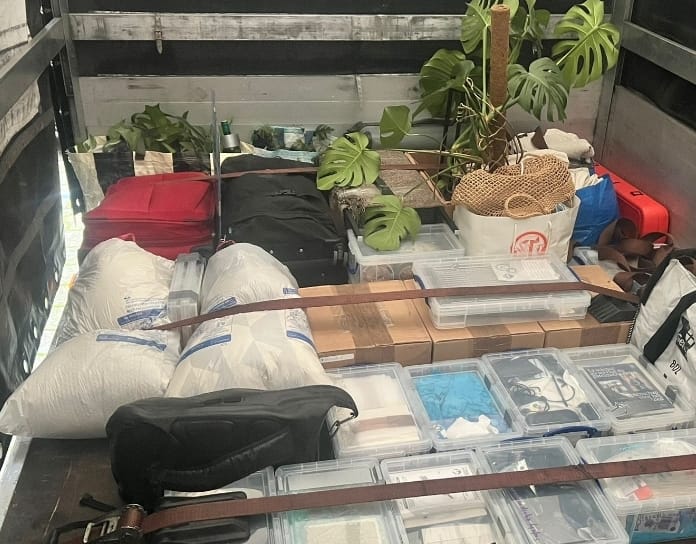
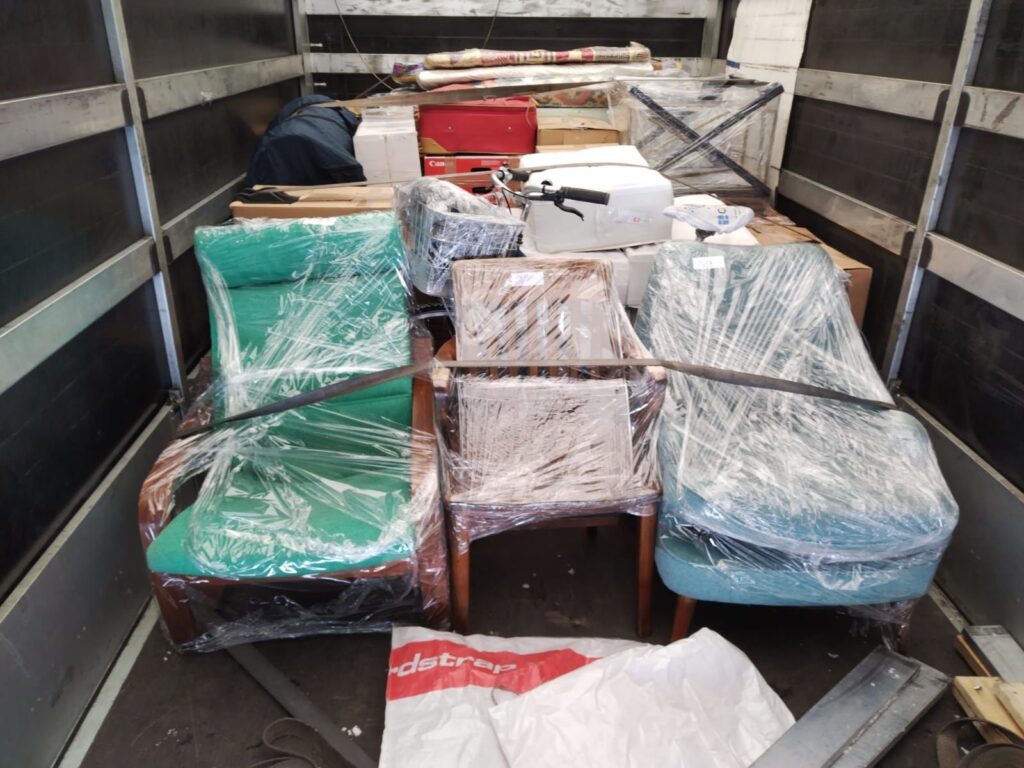
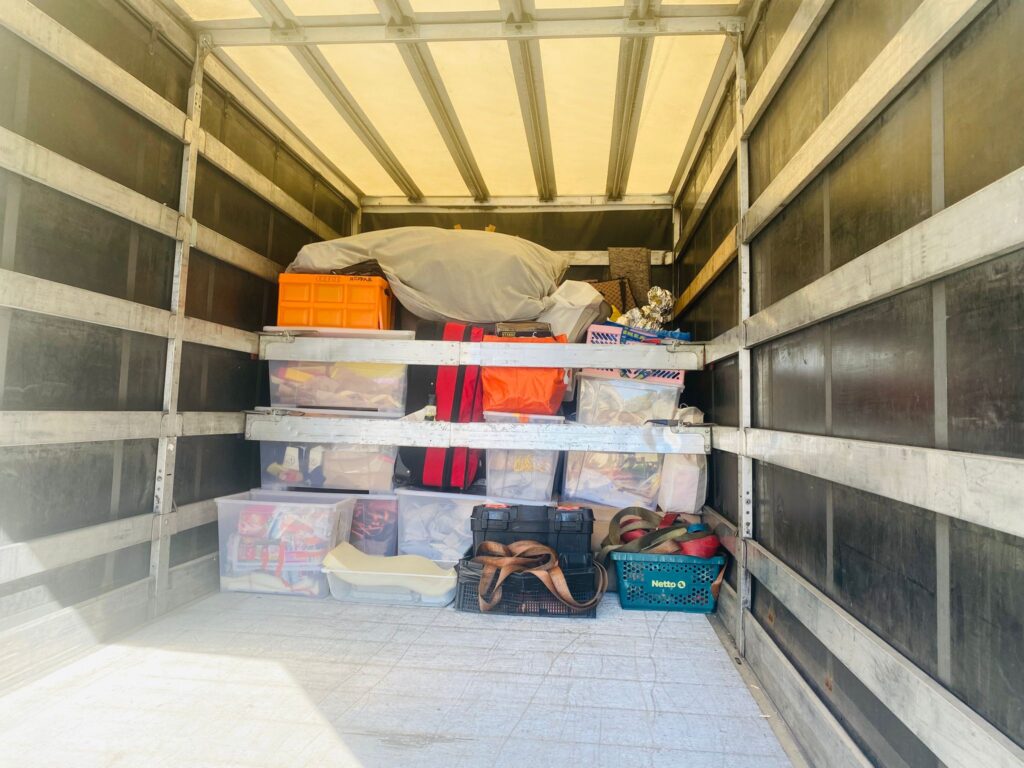
- Unpack by priority. Kitchen and bedrooms first, then winter gear and tools. Recycle packing materials.
Documents & Formalities (With Official Links)
Follow a clean order: registration, numbers, then practical setup. Always verify the latest rules on official sites.
Step 1. EU/EEA registration and police appointment
- Who: EU/EEA citizens planning to stay longer than 3 months.
- What to do: Start your application with UDI, then book a police appointment to present documents and receive a registration certificate.
- Bring: Passport, proof of housing in Norway, employment or self employment proof, or proof of sufficient funds; printed confirmations.
- Official links:
UDI: https://www.udi.no/en/want-to-apply/rights-and-obligations-of-eu-eea-nationals/
Police registration: https://www.politiet.no/en/services/residence-permit-and-registration/
Step 2. D number or national ID number and tax card
- Who: New arrivals without a Norwegian ID number need a D number for banking, tax, and many services.
- What to do: Register with the Norwegian Tax Administration to obtain a D number or identity number and request a tax card.
- Bring: Passport, employment contract or admission letter, address in Norway, and any required appointments.
- Official link: https://www.skatteetaten.no/en/
Step 3. Household goods customs
- Who: Anyone importing used household goods as part of a move.
- What to do: Prepare a clear, itemized inventory with values and box numbers. Claim relief where eligible and keep proof of previous residence abroad.
- At the border: Present your list and ID. Be ready to describe any high value items or restricted goods.
- Official link: https://www.toll.no/en/private/import/moving-to-norway/
Step 4. Vehicles
- Who: Movers bringing a car or van to Norway.
- What to do: Check whether you will use the vehicle temporarily or import and register it in Norway. Review inspection, taxes, and registration rules, and read winter tire and studded tire guidance.
- Official link: https://www.vegvesen.no/en/
Step 5. Healthcare
- Who: All residents arranging access to public healthcare.
- What to do: Create a Helsenorge account and choose a GP. Keep your identification numbers ready.
- Official link: https://www.helsenorge.no/en/
Step 6. Pets
- Who: Families moving with cats or dogs.
- What to do: Verify microchip, rabies vaccination, documents, and any required treatments before entry. Follow the timelines on the official site.
- Official link: https://www.mattilsynet.no/language/english/bring-animals-to-norway
Border checklist
- Itemized inventory with realistic values and box numbers.
- Proof of previous residence outside Norway if claiming duty free import of used goods.
- Valid ID and proof of address or intended stay in Norway.
- Pet documents if applicable.
Quick doc pack to print
| Document | Why it matters | Where it is checked |
|---|---|---|
| Passport and copies | Identity verification | Police appointment, banking, customs |
| UDI registration confirmation | Confirms EU/EEA right of residence process | Police appointment |
| Employment or funds proof | Confirms basis for stay | Police appointment, tax |
| Lease or housing proof | Confirms address | Police appointment, banking |
| Itemized inventory list | Speeds customs and insurance | Border, insurer |
| High value receipts/photos | Evidence for claims and customs | Border, insurer |
Rules can change. Always check the official links above just before you travel.
Smart Route Planning From Ireland
Pick a corridor that fits your destination, season, and tolerance for sea legs.
Main corridors at a glance
| Route choice | Typical pattern from Ireland | Best for | Pros | Consider |
|---|---|---|---|---|
| Ireland → France ferry → Germany → Kiel → Oslo ferry | Dublin/Cork to Cherbourg or Roscoff, drive to Kiel, overnight to Oslo | Greater Oslo, eastern Norway | Restful crossing, minimal Norwegian winter driving | Cabin availability, fixed sailing times |
| Ireland → France ferry → Denmark → Hirtshals ferries | Dublin/Cork to France, overland to Hirtshals, short ferry to Kristiansand/Stavanger/Bergen | South and west coasts | Short sea legs; good for fjord belt | Summer demand, maritime weather |
| GB landbridge → Hirtshals | Ireland to GB, drive to Hirtshals, ferry to Norway | Time sensitive deliveries | Potentially faster overland days | Transit paperwork and timings must align |
| All road via Sweden | Ireland → France → Denmark → Sweden → Norway | Inland deliveries, pets | Maximum timetable control | Longer total drive, tolls, winter conditions |
Ireland specific tips
- Dublin area: Direct ferries to France simplify customs and avoid GB transit steps.
- Cork and south: Cork–France sailings shorten the first leg; Hirtshals is efficient for west Norway.
- Galway and west: Consider an overnight in northern France to balance the drive to Denmark.
- Belfast and NI: GB landbridge may be viable with the right paperwork; evaluate season and timing.
Time and distance heuristics
- With France corridors, expect roughly two long driving days to reach Kiel or Hirtshals, plus ferry time. Add seasonal buffers.
- The Kiel → Oslo overnight ferry reduces winter driving in Norway and delivers a rested crew for morning arrivals.
- The Hirtshals route shortens sea time and is ideal for Kristiansand, Stavanger, and Bergen deliveries.
Decision guide
- Oslo region in winter: Prefer Kiel → Oslo for a calm finish and safer roads.
- West coast focus: Aim for Hirtshals → Kristiansand/Stavanger/Bergen to cut inland miles.
- Pets or flexible timing: Consider all road via Sweden for maximum control over stops.
- Hard deadline delivery: Evaluate GB landbridge if paperwork aligns and weather is stable.
Overnight stops and staging
- Stage in northern France after the Ireland ferry to balance day one.
- For Hirtshals, Hamburg or Aalborg make reliable rest points with easy morning access to ports.
Seasonal planning
- Winter: Build a 12 to 24 hour weather buffer. Expect black ice on shaded roads and bridges. Keep chains where mandated and follow local advice.
- Summer: Reserve cabins early. Midweek sailings are calmer and often better value.
- Shoulder seasons: Often the sweet spot for price and availability.
Route safety and winter kit
- Warm layers, waterproof gloves, headlamp, scraper, traction mats, compact shovel, and high visibility vests.
- Power bank, paper maps as backup, and a small first aid kit.
- Extra blankets and snacks for families with children.
Budgeting the corridor
- Share ferry bookings and routes with our coordinator so loading and delivery slots align.
- Plan for Scandinavian tolls where applicable and keep payment options ready.
- Choose standard cabins and flexible delivery windows to control total costs.
Vehicle Sizes & What Fits
Choosing the right capacity unlocks a smoother, cheaper move. Use the quick tables below to size accurately, avoid second trips, and protect weight limits.
Capacity overview
| Service | Volume | Max Payload | Ideal For |
|---|---|---|---|
| Moving Basic | 5 m³ | 300 kg | Studio essentials, students |
| Moving Medium | 10 m³ | 600 kg | Small apartment |
| Moving Premium | 15 m³ | 1000 kg | 1 to 2 bed flat |
| Moving Premium Plus | 30 m³ | 3500 kg | Larger flats, partial house |
| Moving Full House XXL | 90 m³ | 20000 kg | Full family home |
What typically fits
| Volume | Typical box count | Furniture set examples | Notes |
|---|---|---|---|
| 5 m³ | 40–70 | 1 small desk, chair, TV, 6–10 medium boxes | Great for students or partial loads |
| 10 m³ | 80–120 | 2 seater sofa, coffee table, TV unit, 20–30 boxes | Small apartment core items |
| 15 m³ | 120–180 | 3 seater sofa, bed + frame, dining table + 4 chairs, white goods, 30–40 boxes | Popular for 1–2 bed flats |
| 30 m³ | 250–350 | 2 beds, wardrobes, large sofa, dining for 6, bikes, white goods, 60–90 boxes | Family size or partial house |
| 90 m³ | 700–1000 | Full household including garden, gym gear, wardrobes | Suits full house with storage items |
Reality check: volume and weight interact. Books, tools, and ceramics add kilos fast. If your list is dense, choose a higher payload service even if volume looks small.
Quick volume cues
- 60 L moving box is about 0.06 m³. Fifty boxes ≈ 3 m³.
- 3 seat sofa: 1.4 to 1.8 m³. King bed with frame: 1.5 to 2 m³.
- Wardrobe 2 door: 0.8 to 1.2 m³. Chest of drawers: 0.4 to 0.7 m³.
- Fridge freezer: 0.7 to 0.9 m³. Washing machine: 0.4 to 0.6 m³. Bicycle: 0.3 to 0.4 m³.
Weight awareness
- Books and records weigh 15–25 kg per box. Mix books with soft goods to stay lift safe.
- Tools, ceramics, and liquids spike payloads. Flag these so we can validate kg limits.
- Elevator or long carries benefit from extra movers. Time saved can offset cost.
Home size to capacity guide
| Home size | Typical volume | Recommended service |
|---|---|---|
| Student room or micro studio | 3–6 m³ | Moving Basic |
| Compact 1 bed | 8–12 m³ | Moving Medium |
| 1–2 bed flat | 12–18 m³ | Moving Premium |
| 2–3 bed home (partial) | 20–35 m³ | Moving Premium Plus |
| 4+ bed full house | 60–90 m³ | Moving Full House XXL |
Access constraints to check
- Narrow streets, old town lanes, low arches, tight courtyards.
- Lift size and weight limits, stair width, door swings, banister height.
- Underground garage height, on‑street parking rules, ferry length limits.
When to split or shuttle
- Tight access at one address but open access at the other.
- Staggered delivery dates or partial storage in transit.
- Morning priority for essentials, afternoon for the remainder.
Micro case: Old town lane in Ireland with 3.1 m height restriction. We stage a main vehicle nearby, shuttle with a smaller van, and keep dwell times low. Result: zero scrapes, on time delivery, calmer neighbors.


Services That Remove Friction
Moving should feel orchestrated, not improvised. These services erase common pain points so you arrive calm and ready.
Core services
- Last Minute Moving for urgent timelines and fixed handovers with fast deployment.
- Live GPS tracking on every load so you always know where your shipment is.
- Packing Service with full pack, fragile only, or unpack assistance.
- White Glove Delivery for art, antiques, and designer furniture with soft wraps and room of choice placement.
- Furniture Removals covering disassembly and reassembly of wardrobes, modular sofas, and complex frames.
- Home Removals • Office Removals • Student Removals • Storage in secure facilities.
Signature bundles
| Bundle | Best for | Includes |
|---|---|---|
| Starter | Budget moves with time to self pack | Vehicle + crew, GPS, floor protection, basic liability |
| Comfort | Balanced speed and care | Starter + fragile pack, lift coordination, evening delivery option |
| Premium | Family moves and tight deadlines | Comfort + full pack, disassembly/reassembly, priority slot |
| White Glove | High value collections | Premium + custom crating, climate aware routing, micro‑timed placement |
Add ons
| Add on | When to choose | Outcome |
|---|---|---|
| Extra movers | Stairs, long carries, tight timing | Faster load and unload |
| Disassembly team | Wardrobes, complex beds, modular sofas | Safer handling, smaller volume |
| Unpack service | Need quick setup | Kitchen and bedrooms ready day one |
| Floor protection | New builds, premium floors | Prevents scuffs and claims |
| Shuttle van | Old towns, narrow lanes | Smooth transfer to door |
| Evening or weekend slot | Strict building rules or work hours | Zero disruption to work or neighbors |
| Debris removal | Quick reset post move | Cartons and padding cleared, recycling sorted |
| Crating | Art, instruments, collectibles | Maximum protection |
| Storage in transit | Renovation gaps, delayed keys | Secure, tracked holdover |
Tell us your priorities and we will assemble a bundle that hits the sweet spot between speed, safety, and cost. Start here: VANonsite Removals to Norway.
Packing Like a Pro
- Heavy in small boxes, light in large. Double wall materials for safety.
- Plates vertical, glassware with segmented dividers, zero rattles.
- Electronics in anti static sleeves and original foam if possible.
- Label two sides: room, contents, priority. Number boxes to match your master list.
- Disassemble what makes sense. Protect corners. Bag and label fixings.
Box cheat sheet
| Box type | Liters | Best for | Notes |
|---|---|---|---|
| Standard 60 L | 60 | Books, kitchenware, general items | Keep weight manageable |
| Wardrobe box | 100+ | Hanging clothes | Crease free arrival |
| Dish barrel | 60 | Plates and bowls | Thicker walls, pack vertical |
| Picture carton | variable | Mirrors, framed art | Add corner protectors |
| Lamp box | tall | Floor lamps, shades | Wrap shades separately |
Weatherproofing for Norway
- Moisture barriers for sensitive items. Mattress and sofa covers for sleet and slush. Keep a small all weather kit handy.
Cost Factors & IE‑Specific Scenarios
A great move lives or dies on planning and access. Price reflects the physics of distance and weight, the clock on ferries and crews, and the friction at doors and lifts. Use this section to predict costs and trim what you can control.
What actually drives the quote
| Factor | Impact | What moves it | What you can do |
|---|---|---|---|
| Distance & route | High | Corridor choice, detours, season | Pick the shortest safe corridor for the season. Share your exact end postcode early. |
| Ferries & tolls | Medium to High | Cabin type, vehicle length, toll zones | Book standard cabins, align vehicle size to real volume, pre register for tolls. |
| Volume & weight | High | Box count, bulky items, dense loads | Declutter 10–20 percent, right size vehicle, flag heavy categories like books and tools. |
| Access & parking | High | Stair count, lift size, loading distance | Reserve loading bays, book lifts, request a shuttle van for tight lanes. |
| Packing complexity | Medium | Fragility, crating, owner packed vs pro | Self pack non fragile, let pros handle glass, mirrors, art, and electronics. |
| Special items | Medium | Pianos, aquariums, gym machines | Pre declare and decide on White Glove only for those pieces. |
| Scheduling | Medium | Weekend work rules, building windows | Choose midweek slots and flexible delivery windows. |
| Weather & season | Medium | Winter slowdowns, summer peaks | Add a weather buffer in winter, travel shoulder seasons if possible. |
| Waiting time | Medium | Keys, concierge delays, ferry changes | Confirm keys day before, share live GPS with building managers. |
Transparent pricing is our default. No hidden fees. The fastest way to reduce cost is to lower volume, simplify access, and avoid idle time.
Ireland → Norway scenarios with real world levers
- Dublin to Oslo
Typical inventory: 15 m³, 700–1000 kg.
Route: Ireland → France → Kiel → Oslo ferry, or overland via Denmark/Sweden.
Crew time levers: pre book apartment lift, stage boxes by room, number boxes to match the inventory.
Recommended: Moving Premium, fragile only Packing Service, live GPS.
Save more: Midweek crossing, standard cabin, avoid Oslo rush hours, pack non fragile yourself. - Cork to Bergen
Typical inventory: 30 m³, up to 2500 kg.
Route: Cork/France sailings, road to Hirtshals, ferry to Bergen.
Crew time levers: request a shuttle for Bryggen‑style lanes; split delivery if one address has tight access.
Recommended: Moving Premium Plus with Furniture Removals and selective White Glove.
Save more: Choose standard cabins, avoid storm fronts, schedule outside Bergen’s peak hours. - Galway to Stavanger
Typical inventory: 15–30 m³.
Route: France corridor to Hirtshals, ferry to Stavanger; or all road via Sweden.
Crew time levers: evening delivery slot for easier parking, two movers plus a third at unload for stairs.
Recommended: Moving Premium or Premium Plus; evening delivery slot for easier access.
Save more: Declutter heavy furniture, book off peak ferries, confirm permits 72 hours ahead.
Hidden cost traps to avoid
- Underestimating volume by skipping wardrobes and sideboards in the count.
- No lift booking or expired parking dispensation at either end.
- Waiting for keys after the crew arrives. Confirm handover the day before.
- Owner packed boxes that are overloaded or under filled. They slow stacking and increase claims risk.
- Last minute date changes during peak weeks. Hold a backup window where possible.
Mini budgeting framework
- Fixed: corridor distance, ferry base fares, toll tables, crew minimums.
- Variable: volume and weight, waiting time, extra carries, stair loads, crating.
- Negotiables: delivery window flexibility, packing scope, evening vs daytime slot, storage in transit.
Rule of thumb: every 10 meters of carry distance or one unbooked stair flight adds time. Reducing idle minutes is as powerful as trimming two or three boxes.
Budgeting checklist
- Build a room by room inventory with volumes and values.
- Photograph access and measure lifts and stair turns.
- Pick the route for the season and your destination region.
- Decide self pack vs pro pack by room, not all or nothing.
- Book early, aim midweek, and avoid weekend peaks.
Insurance & Peace of Mind
Protecting your belongings is not a luxury. It is the calm that lets you sleep on the ferry. Choose a coverage level that matches real replacement value and document smartly so any claim is painless.
Coverage options at a glance
| Option | What it covers | Best for | Notes |
|---|---|---|---|
| Basic carrier liability | Limited per‑kilo coverage during transit | Minimal risk, low value moves | Not designed for art or collectibles |
| Full value protection | Repair, replace, or cash settle up to your declared value | Most home moves | Declare a realistic total and pick a sensible deductible |
| Item specific riders | Extra cover for single high value pieces | Art, instruments, designer furniture | Pair with White Glove handling |
| Storage coverage | Goods held between load and delivery | Staggered moves or renovation gaps | Confirm start and end dates of storage |
How to pick the right limit
- List only what is moving, not your whole home.
- Use replacement value in Norway, not sentimental value.
- Add a small buffer for surprises.
- Choose a deductible you are comfortable paying out of pocket.
Deductible chooser
| Your risk comfort | Suggested deductible | Why |
|---|---|---|
| Prefer ultra safe | Low | Higher premium, lowest out of pocket if anything happens |
| Balanced | Medium | Good blend of premium and protection |
| Price sensitive | Higher | Lower premium, expect to self cover small scuffs |
What is usually not covered
- Pre‑existing damage or normal wear and tear.
- Manufacturer defects or hidden faults.
- Prohibited or undeclared hazardous items.
- Leakage from perishables and open containers.
- Owner packed boxes that were poorly packed if that caused the damage.
Document like a pro
- Photograph high value items from multiple angles before loading and after delivery.
- Record serial numbers for electronics and appliances.
- Keep receipts or appraisals. Screenshots of online invoices help.
- Number every box and keep a matching inventory with contents and approximate values.
Valuation worksheet
| Item | Replacement value (NOK/EUR) | Packed by | Photo saved? |
|---|---|---|---|
| Sofa | Crew / Owner | Yes / No | |
| TV | Crew / Owner | Yes / No | |
| Art piece | Crew / Owner | Yes / No | |
| Instrument | Crew / Owner | Yes / No |
Simple claims steps
- Note any visible damage on the delivery sheet before the crew leaves.
- Take clear photos of the item and its packaging.
- Provide the box or inventory number, description, and proof of value.
- Share everything with your coordinator for quick processing.
- Keep original packaging until the claim is closed.
Need help choosing coverage? Ask for guidance when you request your quote: VANonsite Removals to Norway.
After Arrival: First‑Week Checklist (Official Links)
Use this simple, punchy plan to settle fast and stay compliant. Keep passports and any move paperwork handy during the first week.
Day 1
- Turn on utilities and Wi‑Fi or mobile hotspot. Photograph meter readings.
- Walk the property with the inventory. Note any building rules for lifts or quiet hours.
- Unpack the kitchen and one bedroom first. Keep the tools and adapters box within reach.
Days 2–3
- Register your move and address with the Norwegian Tax Administration (Folkeregisteret). Start here: https://www.skatteetaten.no/en/
- Book your EU/EEA registration police appointment if you will stay more than 3 months.
UDI guide: https://www.udi.no/en/want-to-apply/rights-and-obligations-of-eu-eea-nationals/
Police: https://www.politiet.no/en/services/residence-permit-and-registration/ - Apply for your D number or ID number and request a tax card.
Skatteetaten: https://www.skatteetaten.no/en/ - Set up AutoPASS for road tolls.
AutoPASS: https://www.autopass.no/en/
Days 4–7
- Create your Helsenorge account and choose a GP once eligible.
https://www.helsenorge.no/en/ - If you brought a vehicle, read the official guidance for temporary use, import, and registration.
Statens vegvesen: https://www.vegvesen.no/en/ - Review customs rules for any late shipments or follow‑on items.
Norwegian Customs: https://www.toll.no/en/private/ - Set mail forwarding and update addresses with banks and insurers.
Posten: https://www.posten.no/en/change-of-address - If you plan frequent ferry travel, check AutoPASS for ferries to understand discounts and rules.
Start at AutoPASS: https://www.autopass.no/en/
Pro tip: Save confirmations and appointment receipts in one cloud folder. When in doubt, bring printed copies to appointments.
FAQs
- How long is Ireland to Norway door to door?
Typical direct moves take 3 to 6 days depending on origin, ferries, season, and access. - Which documents are needed for customs?
An itemized inventory with values, proof of residence abroad, and valid ID. See Norwegian Customs: https://www.toll.no/en/private/import/moving-to-norway/ - Do EU/EEA citizens need a permit?
Usually you register your right of residence and attend a police appointment. UDI: https://www.udi.no/en/want-to-apply/rights-and-obligations-of-eu-eea-nationals/ - What is a D number?
A temporary identification number used before receiving a Norwegian identity number. Details: https://www.skatteetaten.no/en/ - Can I drive on my Irish licence in Norway?
EEA driving licences are generally valid. Review official rules and any exchange guidance at Statens vegvesen: https://www.vegvesen.no/en/ - Are winter tyres mandatory?
Norway has strict winter driving rules and local requirements. Read tyre, chain, and studded tyre guidance on Statens vegvesen: https://www.vegvesen.no/en/ - Can I bring alcohol, tobacco, or food?
Allowances and restrictions apply. Check Norwegian Customs for current limits and declarations: https://www.toll.no/en/private/ - Can you store my goods?
Yes. We offer secure storage and storage in transit with tracked inventory. - Do you handle fragile art and design pieces?
Yes. Choose White Glove Delivery for bespoke packing and room of choice placement. - Can I track my shipment?
Yes. Every VANonsite load includes live GPS tracking from door to door. - Do I need to be present for customs?
Depending on the route and paperwork, your presence or a signed authorization may be required. We guide you on the exact process and prepare compliant inventories. - Pets and plants: any special rules?
Pets must meet entry requirements set by the Norwegian Food Safety Authority: https://www.mattilsynet.no/language/english/bring-animals-to-norway
Plants, soil, and seeds can be restricted. Check Norwegian Customs before packing: https://www.toll.no/en/private/
Summary
Moving to Norway from Ireland is straightforward when you follow a clear, step by step plan and pair it with the right partner. Pick the best corridor for your destination and season: France to Kiel and the Oslo ferry for the east, France to Hirtshals for the south and west, or a full road route via Sweden when timing or pets require extra control. Build a small weather buffer and pre book ferries and access so the schedule sticks.
Right size your move from 5 to 90 m³, prepare a customs ready, itemized inventory, and handle the essentials early: EU/EEA registration with a police appointment, your D number and tax card. Pack cleverly or use our professional Packing Service, protect heirlooms with White Glove care, and track every mile with live GPS.
To keep the budget lean, declutter, travel off peak, choose standard cabins, and share a flexible delivery window. Start your plan and get a transparent quote now at VANonsite Removals to Norway.