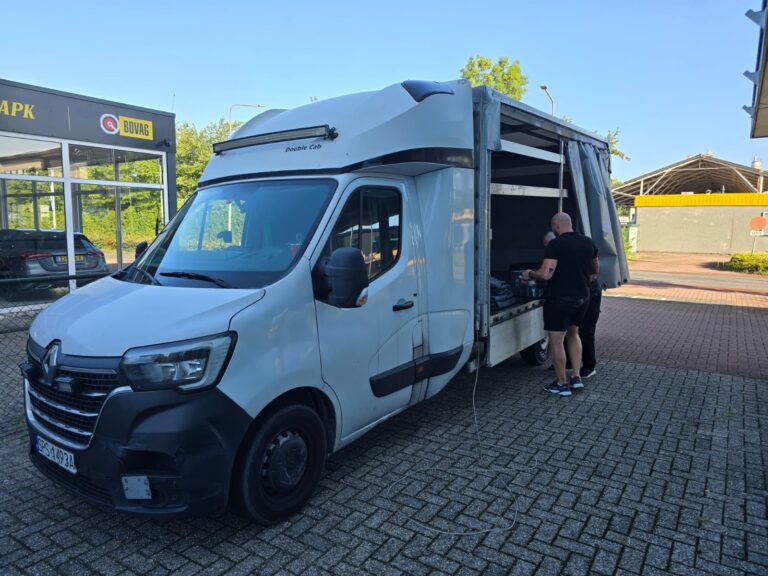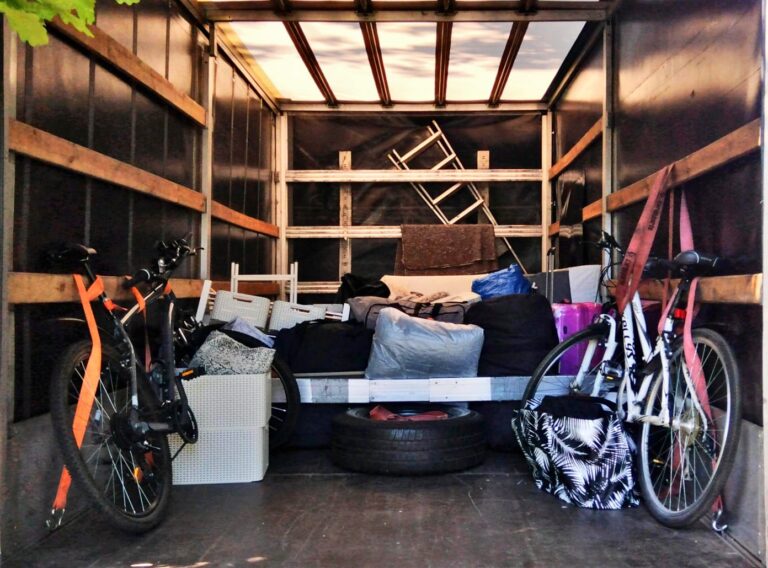

International removals to Norway should feel like a well‑rehearsed journey, not a gamble. With VANonsite your plan is crystal clear from the first call: precise cubic‑meter sizing, the right van tier from 5 to 90 m³, professional packing, and live GPS on every mile. We coordinate ferries and corridors, prepare customs‑ready paperwork, and work with brokers so your used household goods can enter duty and VAT free when you qualify.
You get transparent pricing, punctual windows, and a single coordinator who keeps everything moving. Whether it is a compact studio or full house removals to Norway, your shipment is wrapped, strapped, and tracked until the last box is placed.
TL;DR
- Book a 10‑minute video survey to size m³ accurately and lock realistic dates and pricing.
- Choose value part load or a date‑specific dedicated van; both include insured handling and live GPS.
- Duty/VAT relief on used goods is possible; prepare a clean inventory and proofs (see Norwegian Customs).
- Match your volume to van tiers: 5, 10, 15, 30, 90 m³ to avoid overflows and second runs.
- Protect furniture with Packing Service and White Glove Delivery; custom crating for art/antiques.
- Budget holistically: removal price + first‑month cost of living in Norway (rent, groceries, transport, winter gear).
- First‑week essentials: D‑number, BankID, GP on Helsenorge, AutoPASS, winter rules, recycling.
- Winter matters: we add ferry and weather buffers or route via Denmark/Sweden for steadier roads.
Why Norway, Why Now
Norway is where city life brushes against wilderness. Mornings can start with a tram ride and end with a fjord view. Safety is high, services are reliable, and nature is close enough to borrow for lunch breaks. If you are moving here, the process should feel just as calm.
That is why we build your move around clarity. One coordinator who knows your file. Honest cubic meters so the van is the right size the first time. Sea crossings booked with weather in mind. Customs prepared in advance so clearance is clean. You watch the van glide across the map with live GPS while we handle stairs, lifts, and street permits.
You get:
- Clear dates and punctual windows that respect your plans.
- Choice of part load for value or dedicated van for total control.
- Packing levels tailored to your home, up to White Glove placement.
- Customs support so used household goods can qualify for relief.
- A calm handover at destination, room by room.
Internal links:
- Core route: Removals to Norway
- Services: Furniture Removals, Home Removals, Packing Service, White Glove Delivery
- Origin lanes: Germany → Norway, Netherlands → Norway, Ireland → Norway, Spain → Norway
- Norway city pages: Oslo, Bergen, Sommarøy
Quick‑Start Checklist (International → Norway)
There is a simple rhythm to a smooth cross‑border move. Plan early, prove eligibility, prepare a clean inventory, and book access at both ends. This checklist keeps everything in step.
| Stage | Key tasks | Who | Deadline | Notes |
|---|---|---|---|---|
| Plan | Video survey, inventory scope, access photos | You + VANonsite | 3–6 weeks out | Reserve ferry‑friendly dates |
| Eligibility & Permits | Choose UDI route, gather documents, book biometrics if required | You | 3–6 weeks out | Work, study, family routes via UDI |
| Inventory Build | Itemise by room, mark fragile/high value, add photos | You + VANonsite | 2–4 weeks out | Photos help verify condition |
| Paperwork | Proofs, inventory, broker authorisation | You + VANonsite | 1–2 weeks | Duty‑free eligibility check |
| Customs Pre‑check | Final review of dossier; confirm any restricted items | VANonsite | 1–2 weeks | Avoid delays at the border |
| Ferries/Tunnel | Reserve crossings, add buffers for weather | VANonsite | 1–2 weeks | Flexible rescheduling where possible |
| Parking & Permits | Book building lifts and street bays | You + VANonsite | 3–7 days | Council or building approval |
| Pack | Self‑pack or pro‑pack, label by room, crate art/marble | You / VANonsite | 1–3 weeks | Use double‑wall boxes for fragile items |
| Insurance & Valuation | Confirm cover; declare high‑value items with photos and serials | You + VANonsite | Before loading | Increased valuation available |
| Transport | Part load or dedicated van, confirm corridor and window | VANonsite | Booking | Live GPS link on dispatch |
| Arrival | Unload, placement, debris removal, storage if needed | VANonsite | Delivery day | Confirm lift and parking slots |
Milestones you will see in updates: booked, loaded, customs file submitted, cleared, ferry or border crossed, out for delivery, completed.
For permit rules and registration, start with UDI and Skatteetaten.
Documents & Customs — Duty Free When You Qualify
A tidy dossier keeps your delivery moving. Most households can bring used personal belongings into Norway without paying customs duty/VAT if eligibility rules are met.
Where to start: Norwegian Customs (Toll) · UDI · Skatteetaten.
Core checklist
- Passport + proof of previous residence abroad and new address in Norway.
- Itemised inventory list (English/Norwegian), grouped by room, marked fragile.
- Transport docs (CMR/waybill), broker authorisation (power of attorney).
- Photos/serials for art, instruments, designer pieces.
Plus, if applicable
- Employment or study confirmation, family documents for your UDI route.
- Pet records (microchip, vaccination) if travelling with animals.
- Vehicle documents if importing a car; check Statens vegvesen.
Items treated differently
- New or unopened purchases may be taxed.
- Alcohol, tobacco, plants, food follow strict allowances. Check Toll.
- Vehicles and pets have separate rules via Statens vegvesen and Mattilsynet.
- Firearms, drones, chemicals and medicines can be restricted or prohibited.
Duty‑free eligibility at a glance
You typically qualify when:
- You are moving your normal residence to Norway and goods are for personal use.
- The goods have been owned and used by you for a qualifying period.
- You do not sell, lend or give away the items for a period after import.
- You import within a reasonable time of your move.
Always verify details on toll.no. Rules can change.
Step‑by‑step clearance flow
- Pre‑check: we review your inventory and proofs against customs rules.
- Authorise: you sign a broker power of attorney so we can act on your behalf.
- Pre‑lodgement: dossier submitted to customs; we book an arrival slot.
- Arrival & inspection: if customs selects boxes, we present them.
- Release: clearance letter issued; we deliver and file records for you.
Tip: Keep a digital copy of your inventory and clearance letter for future reference.
Temporary vs permanent import
- Permanent relocation: standard route for used household goods under relief.
- Temporary import: for short assignments or students; extra conditions may apply. Confirm with Toll before shipping.
Common pitfalls and how to avoid them
- Shipping brand‑new purchases and expecting relief → separate or declare them.
- Vague inventory lines like “misc kitchen” → group items and add brief descriptors.
- Missing proof of residence → collect tenancy or ownership papers before loading.
- No broker authorisation → sign early to prevent release delays.
Core documents at a glance
| Document | Purpose | Who provides |
|---|---|---|
| Passport copy | Identity verification | You |
| Proof of previous residence abroad | Confirms relocation status | You |
| Proof of new Norwegian address | Links shipment to your move | You |
| Employment or study confirmation | Supports permit and intent | You |
| Itemised inventory list | Customs valuation and control | You + VANonsite |
| Transport documents (CMR/waybill) | Shows route and carrier | VANonsite |
| Broker authorisation | Allows customs agent to clear on your behalf | You |
| Photos/serials for valuables | Evidence for valuation and insurance | You |
Useful portals: Norwegian Customs • Altinn • UDI • Skatteetaten.
Pricing — What Drives the Cost
Transparent from survey to delivery. Your total reflects route, true m³, access, service level, season, and delivery window.
Included vs optional
| Item | Included | Optional | Notes |
|---|---|---|---|
| Vehicle, driver, fuel | ✓ | Planned to your window | |
| Standard blankets & straps | ✓ | Clean materials each run | |
| Goods in transit cover | ✓ | ↑ value | Declare high value items |
| Live GPS tracking | ✓ | Link on dispatch | |
| Packing materials | ✓ | Full kit or selective | |
| Pro packing | ✓ | Room‑by‑room | |
| Crating for art & marble | ✓ | Custom timber crates | |
| White Glove placement | ✓ | Premium placement & debris removal | |
| Storage between keys | ✓ | Short or medium term |
Part load vs dedicated
| Model | Best for | What you get | Considerations |
|---|---|---|---|
| Part load | Small to medium shipments, flexible dates | Lower cost, greener miles, GPS tracking | Windowed ETA |
| Dedicated van | Tight timelines, premium pieces, full homes | Fixed delivery day, direct routing, total control | Higher price |
How to choose
- Pick part load when dates are flexible and budget matters most.
- Pick a dedicated van when you need a fixed day, or have fragile or high‑value pieces.
Van tiers and typical volumes
| Van tier | Typical volume | Best for |
|---|---|---|
| Moving Basic (5 m³) | Up to 5 m³ | Small removals, students |
| Moving Medium (10 m³) | Up to 10 m³ | Studio or tight one‑bed |
| Moving Premium (15 m³) | Up to 15 m³ | Standard one‑bed |
| Moving Premium Plus (30 m³) | Up to 30 m³ | Family setups |
| Full House XXL (90 m³) | Up to 90 m³ | Whole house projects |
Transit time and seasonality
| Corridor example | Typical transit guide | Notes |
|---|---|---|
| UK or IE → Oslo area | 2–5 days | Dedicated is fastest; part load uses windows |
| Central Europe → Bergen region | 3–6 days | Rain‑ready packing; heritage access checks |
| Northern routes incl. Sommarøy | 4–7 days | Ferries, daylight, add winter buffers |
Season matters: holidays and winter weather can impact schedules. We add buffers or route via Denmark/Sweden to keep plans steady.
Access matrix — how buildings affect time
| Factor | Impact on plan | How to keep cost lean |
|---|---|---|
| Stairs only | More carry time | Reserve extra crew or disassemble |
| Long carry | Extra minutes from van to door | Book street bays close to entrance |
| Tight lifts | More runs with smaller loads | Measure sofas, wardrobes in advance |
| Permit windows | Fixed loading hours | Align pickup/unload with building slots |
Estimator cheat‑sheet
- Share clear access photos. Saves waiting and re‑runs.
- Use part load where dates allow. Greener and cheaper.
- Declutter. Do not ship what you will replace.
- Hybrid pack. Self‑pack books and linens, pro‑pack glass and art.
Budget holistically: layer removal costs with your first‑month cost of living in Norway (rent, transport, groceries, winter gear).

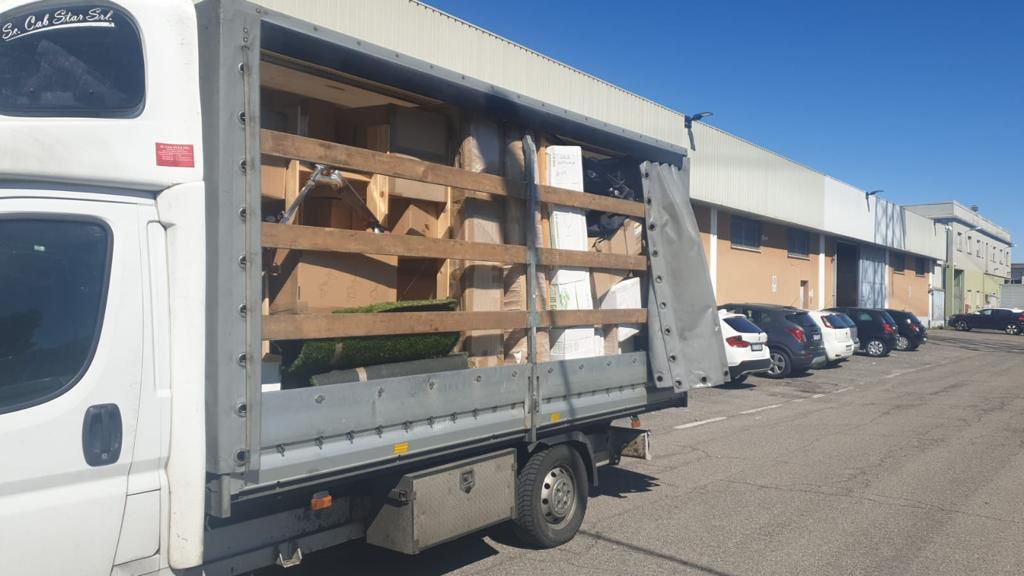
Packing That Protects — From Flat Pack to Fine Art
Levels of care
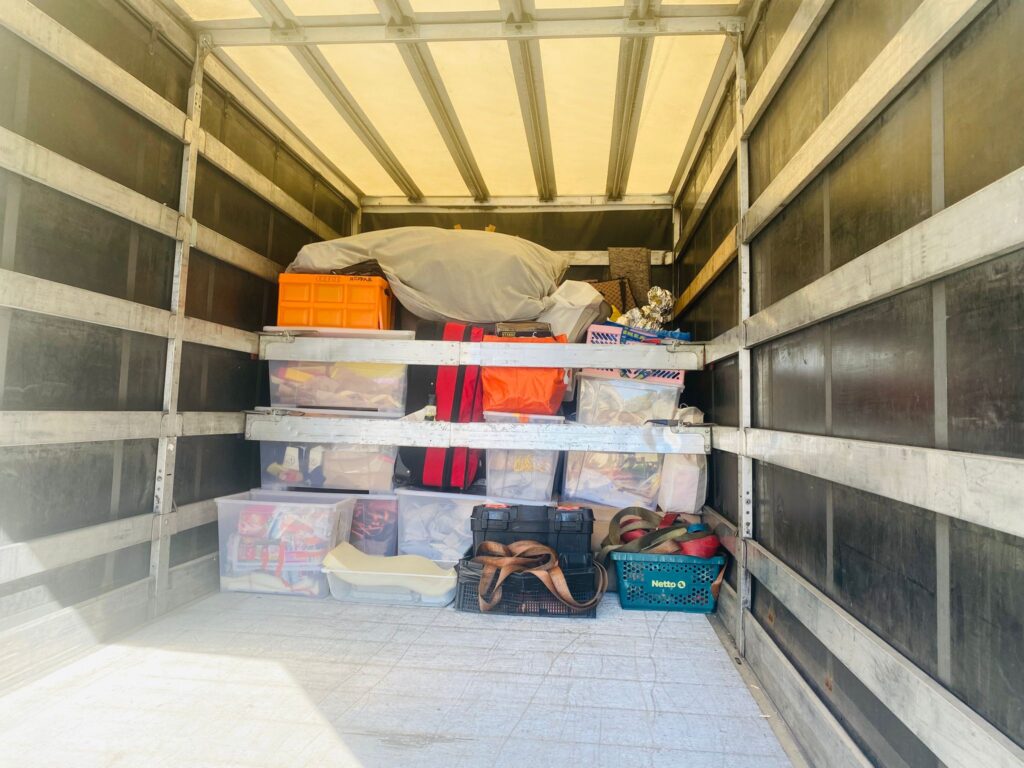
- Standard: double‑wall boxes, blankets, shrink wrap, labels by room. Best when you self‑pack most items and want smart loading and protection.
- Pro Packing: room‑by‑room pack, fragile wrapping, TV/monitor boxes. Ideal for busy schedules and glassware, mirrors, artworks.
- White Glove: placement, basic assembly, debris removal, shoe covers. For designer pieces, marble, antiques, and move‑in perfection.
Materials matrix
| Item | Standard | Pro Packing | White Glove | Notes |
|---|---|---|---|---|
| Double‑wall cartons | ✓ | ✓ | ✓ | Mix of sizes for weight balance |
| Wardrobe boxes | ✓ | ✓ | ✓ | Keep garments crease‑free |
| TV/monitor boxes | ✓ | ✓ | Screen‑size specific foam | |
| Sofa & mattress covers | ✓ | ✓ | ✓ | Hygienic, tear‑resistant |
| Corner & edge guards | ✓ | ✓ | ✓ | For tables, frames, marble |
| Bubble & foam wrap | ✓ | ✓ | ✓ | Layered with paper for finishes |
| Custom timber crates | ↑ option | ✓ | For art, stone, instruments |
Playbook
- Walkthrough and photos for high‑value items and access points.
- Disassembly of beds, tables, wardrobes; hardware bagged and taped to the item.
- Layered protection: corners first, then full wrap, then straps on the van.
- No‑movement load plan with weight balance and floor runners at both ends.
- Smart labels (room code + priority) so unload flows in the right order.
Room‑by‑room order
Start with least‑used rooms → living areas → kitchen last. Keep an open‑first box with towels, sheets, chargers, and basic tools.
What not to pack
Passports and vital documents, cash, perishable food, pressurised cans, flammables, open liquids, and hazardous chemicals. Plants and soil are restricted; check rules before shipping.
Self‑pack vs Pro‑pack: quick pick
| Scenario | Choose |
|---|---|
| Small move, plenty of time | Standard + targeted Pro for fragile items |
| Tight schedule, many breakables | Pro Packing |
| High‑value/heritage furniture | White Glove + crating |
Crating standards
Art, marble and instruments ride in custom timber crates with foam lining and shock/tilt indicators on request.
Service pages: Packing Service • White Glove Delivery • Furniture Removals
City & Route Mini‑Guides
Oslo
- Book building lifts and short‑term street bays early; central zones have limited loading windows and toll rings.
- Aim for early‑morning unloads to beat traffic; many stairwells are narrow, so measure bulky sofas and wardrobes.
- For older blocks, allow extra time for long carries and compact trollies.
Bergen
- Expect rain; we stage under cover and add extra wrap for wood and fabrics.
- Bryggen’s heritage streets are tight; compact vehicles and careful routing help.
- Older stairwells may limit item size; consider partial disassembly.
Sommarøy & North
- Align with ferry timetables and daylight, especially in winter; add weather buffers.
- Signal can be patchy near crossings; confirm last‑mile directions in advance.
- Winter tyres and studs rules apply by region and season; plan accordingly.
Trondheim
- Central one‑way streets and tram zones make early slots valuable; pre‑book street bays.
- Elevators vary in size; measure wardrobes and tall cabinets.
Stavanger & Sandnes
- Business‑park deliveries are smooth with reserved loading bays; residential areas can have steep drives; we use wheel chocks and runners.
Popular origin pages:
Germany • Netherlands • Ireland • Spain (see links above)
UK‑specific: Moving to Norway from UK · Moving from England to Norway
Small Removals & Part Loads
Lean cost, careful handling, greener miles — without losing control. Part load places your shipment on a planned corridor alongside other consignments. You pay only for the cubic meters you use, keep full care and live GPS, and get a delivery window instead of a fixed hour. If your timing is tight or the cargo is ultra‑fragile, jump to a dedicated van.
What fits where
| Tier | Typical contents | Max weight | Best for | Access notes |
|---|---|---|---|---|
| 5 m³ | Bed frame, chair, 10–15 boxes, monitor | 300 kg | Minimalist or student | Works where parking is tight |
| 10 m³ | Sofa, table, bike, 20–25 boxes, small wardrobe | 600 kg | Studio or tight one‑bed | Good for one lift run |
| 15 m³ | Two‑seater sofa, wardrobe, 30 boxes, TV unit | 1000 kg | Standard one‑bed | Check stair widths and long walks |
Unsure on size? We confirm true m³ on a quick video survey so you do not overpay.
How part load works
- Survey: confirm volume, fragility, and access at both ends.
- Corridor placement: we place your load on the most direct, climate‑steady route.
- Window & prep: you receive a delivery window and packing checklist.
- Live GPS: tracking link on dispatch with milestone pings at pickup, customs, ferry/border, and final approach.
- Delivery: curbside value or full door‑to‑door with placement; your call.
Curbside vs door‑to‑door
- Curbside keeps costs lean if you can carry inside yourself.
- Door‑to‑door includes room placement; you can add basic assembly.
Add‑ons that help
- Short‑term storage between keys or renovations.
- Extra stop(s) for key collection or split deliveries.
- White Glove for designer pieces and antiques.
- Crating for art, marble, and instruments (foam‑lined timber crates).
Prep that saves time and money
- Label boxes by room in English and Norwegian where helpful.
- Bag screws and small hardware; tape to their furniture.
- Stage boxes near the exit and keep an open‑first box handy.
- Share clear access photos; book lifts and street bays early.
Sustainability
Part loads reduce empty miles and consolidate crossings; the calm, greener way to move.
Scheduling flow: video survey → corridor placement → delivery window → GPS link.
Insurance, Safety & Live Tracking
Your belongings travel protected and documented from door to door. Standard goods‑in‑transit cover is included; you can increase valuation for high‑value items or choose White Glove with crating for museum‑grade care.
Coverage overview (what fits which level)
| Level | Typical use | What we need from you |
|---|---|---|
| Standard goods‑in‑transit | Most household items | Item list, access notes |
| Increased valuation add‑on | Art, antiques, designer furniture | Declared values, photos/serials |
| White Glove + crating | Marble, glass, instruments, fine art | Measurements, handling notes, photos |
Exact terms and exclusions apply per policy wording. We share a clear summary with your quote.
Safety on site
- Floor runners, door and corner guards, lift wraps where required.
- No‑movement loading patterns with balanced weight and secure strapping.
- Condition notes and reference photos at pickup for key items.
Live GPS — what you will see
- Pickup confirmed and route started.
- Customs file submitted and cleared.
- Ferry or border crossed with ETA refresh.
- Out for delivery and arrival slot.
Your tracking link is private to you and your coordinator.
If something goes wrong — clear claims path
- Report the issue quickly and keep original packaging where relevant.
- Share photos and a short description; we log crew notes and transport data.
- We coordinate resolution with insurance while keeping you updated.
Need help choosing cover? Ask for our one‑page valuation checklist before loading.
Arrival in Norway — First‑Week To‑Dos
Your first week sets the tone. Follow these steps in order and everyday life clicks into place.
Register your address & get a D‑number
- Book with Skatteetaten.
- Bring passport, tenancy or purchase contract, and any UDI letters.
- Register your address; you will receive a D‑number first. A national ID may follow after full registration.
Why this matters: A D‑number unlocks banking, tax, healthcare and many public services.
Apply for your skattekort (tax deduction card)
- Apply online via Skatteetaten once you have an employment contract.
- Attend ID check if requested. Employers use skattekort to deduct the right tax from your salary.
Open a bank account & set up BankID
- After you receive your D‑number, book a bank appointment.
- Bring ID, proof of address and job or study confirmation.
- Once verified, the bank enables BankID for secure logins and signatures.
Choose your GP on Helsenorge
- Create a profile on Helsenorge.
- Select your fastlege (GP); you can change later if needed.
- Keep interim health cover until your registration is confirmed.
Useful numbers: 113 medical emergency · 112 police · 110 fire · 116 117 non‑emergency medical advice.
Driving basics: AutoPASS & winter rules
- Register your number plate and payment method at AutoPASS for toll discounts.
- Review winter tyre and studded tyre rules with Statens vegvesen; rules vary by region and season.
Recycling 101
- Sort paper, plastic, glass/metal, food and residual waste. Municipalities provide bin guides and pickup calendars.
- Flatten boxes; save bottle pant labels for refunds at stores.
FAQs
- How much does it cost to relocate to Norway? Prices are volume and service driven. Small shipments 5–10 m³ are most cost‑effective on part load. Larger moves 15–30 m³ or time‑critical projects suit a dedicated van. Route, access, season and packing level also matter. Book a video survey for a side‑by‑side quote: Removals to Norway.
- Is it difficult to relocate to Norway? It is manageable with the right permit or EU/EEA registration and clean paperwork. Start at UDI for your route and use a tidy, itemised inventory for customs.
- How much would it cost to move from the UK to Norway? Same variables: true m³, corridor, access, service level, and dates. UK or IE to Oslo typically runs 2–5 days in transit. Part load is best for value; dedicated locks a fixed day. Get a lane‑specific quote here: Moving to Norway from UK.
- How do I choose an international mover? Look for: 1) Customs expertise and broker coordination. 2) Transparent pricing with a full breakdown and no hidden fees. 3) Accurate m³ via video survey. 4) Insurance options and clear claims path. 5) Live GPS and proactive ETAs. 6) References or reviews for your corridor. 7) Written access plan for lifts, permits and ferries.
- How much does an international relocation cost? Total cost equals transport model (part load vs dedicated) plus packing/materials, insurance/valuation, customs/brokerage, possible storage, ferries/tolls, and any access fees. Ask for a quote that itemises each component so you can compare apples to apples.
- What is the cheapest way to move items overseas? Choose groupage/part load, accept a delivery window, pick curbside instead of room placement, self‑pack sturdy items, declutter before shipping, avoid brand‑new taxable purchases, and consider off‑peak dates.
- How long do international removals to Norway take? Typically 2–7 days door to door. Part loads use windows. Dedicated vans can be faster.
- Do I qualify for duty‑free import? Often yes for used goods when relocating residence. Prepare an inventory and proofs; see Norwegian Customs.
- What influences the price most? True m³, route and crossings, access at both ends, service level, season, and delivery window.
- Can I book last minute? Often yes, subject to availability. Ask for rapid‑response slots.
- How does the cost of living in Norway affect my plan? Budget for higher everyday costs vs origin country; focus on housing, groceries, transport and winter gear.
Summary
Moving to Norway is simpler when you plan early, prove eligibility, and ship only what matters. Choose part load for value or a dedicated van for a fixed delivery day. Match your move to the right van tier from 5 to 90 m³, combine self‑pack with Pro Packing for fragile items, and add White Glove or crating for heirlooms. Keep a clean inventory and proofs to qualify for duty and VAT relief; follow official guidance from UDI, Toll and Skatteetaten. Your goods travel insured with live GPS and a clear claims path. In week one, secure your D‑number, skattekort, BankID, GP, AutoPASS and winter readiness. Book a 10 minute video survey for an accurate, itemised quote and a calm, predictable delivery.
At a glance
- Plan 3–6 weeks ahead; share access photos and date windows.
- Pick part load when flexible, dedicated when time‑critical or high value.
- Match volume to van tiers 5, 10, 15, 30, 90 m³ to avoid overpaying.
- Pack smart or add Pro/White Glove; crate art, marble and instruments.
- Prepare inventory, proofs and broker authorisation for customs relief.
- Track every mile with GPS; confirm insurance and valuations.
- Follow the first‑week checklist to settle fast.
- Start here: Removals to Norway · Packing Service · White Glove Delivery