TL:DR (7 bullets)
- Build a 30‑day action plan: declutter 10–20%, right‑size your vehicle, pick a season‑smart corridor from Spain, add a small winter buffer, and prepare a clean, box‑numbered customs inventory.
- Handle paperwork early: EU/EEA registration, police appointment, D‑number, and tax card via official sites. Set up banking, BankID, and AutoPASS soon after arrival for a smooth first week.
- Claim duty‑free relief on used household goods when eligible. Carry an itemised list with realistic values, proof of residence abroad, and your border appointment details.
- Choose the best Spain → Norway corridor: Spain → France → Germany to the Kiel–Oslo ferry for a rested jump; Spain → France → Denmark to Hirtshals ferries for west‑coast deliveries; or all‑road via Sweden for inland stops and pet‑friendly timing.
- Match capacity to your life: from 5 m³ to 90 m³ with strict payload limits. Use shuttle vans for old‑town access at origin or destination to protect schedules.
- Upgrade peace of mind: professional Packing Service, White Glove for art and instruments, Last Minute options, and live GPS tracking on every load for crystal‑clear ETAs.
- Cut costs without cutting safety: reduce volume, pre‑book lifts and parking, travel off‑peak, and keep a flexible delivery window. Start with a transparent quote at VANonsite Removals to Norway.
Introduction
Removals to Norway from Spain blend sunshine departures with fjord‑bright arrivals. Picture hands on the balcony rail in Barcelona one evening and a fresh Oslo morning two sleeps later. Your life is in those boxes. The plan has to be meticulous and the journey calm. That is where VANonsite shines.
Expect winter‑aware routing, careful packing, floor and corner protection, and live GPS so you can watch your home cross Europe in real time. Short sentences. Clear pricing. Clean delivery. From the first checklist to the last box placed in your new kitchen, everything is choreographed so you feel in control.
Why Spanish movers trust VANonsite
- Capacity tuned to your inventory: 5, 10, 15, 30, or 90 m³, with payload checked for dense loads like books or tools.
- GPS tracking on every consignment for transparent ETAs at ferry ports, borders, and delivery.
- Packing Service and White Glove Delivery for fragile or high‑value items that need soft crating or room‑of‑choice placement.
- Europe‑wide experience on France/Denmark corridors and Sweden road routes to match season and schedule.
- Last Minute Moving options for tight handovers and key delays, with storage‑in‑transit when needed.
Snapshot: Spain vs Norway Essentials
| Topic | Spain | Norway |
|---|---|---|
| EU/EEA status | EU, Schengen | EEA, Schengen |
| Currency | EUR | NOK |
| Power | Type C/F, 230V | Type F, 230V |
| Driving | Right | Right |
| Winter driving | Mild south; alpine in Pyrenees | Frequent snow and ice; mountain passes |
| Tolls | Widespread toll roads | City and road tolls common; AutoPASS useful |
| Cost of living | Varied, often lower than NO | Generally higher than ES |
| Languages | Spanish plus co‑official regional languages | Norwegian; English widely used |
| Time zone | CET/CEST | CET/CEST |
| Mobile pay | Bizum, cards | Vipps, cards, BankID for e‑services |
| Public transport | Renfe/metro cards vary by city | Ruter/Skyss/Kollective networks; season passes |
| Sunday retail | Broadly open in many areas | Often limited; plan grocery runs |
| Waste & recycling | City‑managed, standard bins | Stricter sorting; bottle deposit “pant” |
| Rentals & deposits | 1–2 months common | Often 3–6 months deposit or guarantee |
| SIM & registration | ID required by many providers | ID for SIM; keep contract for address proof |
| Car rules | Standard EU tyres and rules | Winter equipment rules; studded tyres zones vary |
| Emergency numbers | 112 | 110 fire • 112 police • 113 ambulance |
Key takeaway
Power and driving conventions match. The major differences live in winter conditions, toll systems, rental deposits, and a higher cost base in Norway. Pack moisture‑aware, allow weather buffers, and set up tolls, banking, and deposits early so week one feels effortless.
Your 30‑Day Move Timeline (Checklists)
T‑30 to T‑21 days
- Room‑by‑room inventory with approx. values; flag fragile or high‑value items.
- Measure access at both ends: door widths, lift size, stair turns, loading zones; share photos and short videos.
- Pick your corridor (see below) and pencil ferry windows; align with keys and school dates.
- Right‑size capacity (5/10/15/30/90 m³) and validate payload if you own books/tools or gym plates.
- Start a doc pack: ID, housing contract, work documents, pet papers. Cloud‑store scans with offline copies.
- Choose insurance level; mark pieces for White Glove handling.
- Ask building managers about loading bays, quiet hours, and lift bookings; request permits where needed.
Access measurement worksheet
| Location | Door width | Stair width | Lift depth × width × height | Max vehicle height | Loading distance | Notes |
|---|---|---|---|---|---|---|
| Origin | ||||||
| Destination |
T‑20 to T‑10 days
- Declutter 10–20% to drop volume and cost. Donate or sell duplicates and heavy items.
- Order materials or book Packing Service; add wardrobe cartons and dish barrels.
- Notify ES providers; set mail redirection. Pre‑book lifts and parking bays with written confirmation.
- Lock ferry cabins and times; keep booking numbers handy and share with your coordinator.
- Draft your customs inventory grouped by room and item type with box numbers and realistic values.
- Photograph electronics and record serial numbers; add proof of value for high‑value items.
T‑9 to T‑3 days
- Label two sides of each box; add numbers, room colours, and priority level.
- Pack an essentials kit: documents, chargers, tools, meds, bedding, warm layers, kettle, basic cookware.
- Defrost and drain appliances 24 hours before loading; dry seals and hoses.
- Confirm access restrictions, gate codes, concierge contacts, and loading windows at both ends.
- Separate no‑load items: passports, jewellery, medication, bank cards, laptops.
T‑2 to T‑1 days
- Protect floors and corners. Stage heavy items near exits with clear walkways and good lighting.
- Photograph meter readings and final room states. Prepare keys, fobs, and customs papers in one folder.
Moving day
- Walkthrough with crew lead; confirm handling priorities and first‑off boxes for kitchen and bedrooms.
- Sign a short condition note; track progress with live GPS and share ETA with building contacts.
In transit
- Keep phones charged for ferry check‑ins and weather advisories. Rest properly on long stretches.
- If a ferry is cancelled or weather changes, switch to your backup corridor and inform your coordinator.
Week 1 in Norway
- Register residence if staying over 3 months; obtain D‑number and tax card.
- Open a bank account; activate Vipps; register AutoPASS and set up toll payments.
- Choose a GP on Helsenorge; update address and mail forwarding; buy winter‑ready gear if arriving in cold season.
Documents & Formalities (Official Links Only)
Always verify the latest rules on official sites before you travel.
1) EU/EEA registration and police appointment
- Start here: UDI rights and obligations for EU/EEA nationals: https://www.udi.no/en/want-to-apply/rights-and-obligations-of-eu-eea-nationals/
- Book: Police registration appointment: https://www.politiet.no/en/services/residence-permit-and-registration/
- Bring: Passport or national ID, employment or study contract, proof of housing, printed confirmations.
- Tip: Print everything. Screenshots of bookings help at the counter.
2) D‑number or national ID number and your tax card
- Where: Norwegian Tax Administration: https://www.skatteetaten.no/en/
- Why: You will need this for banking, payroll and healthcare identification.
- How: Follow Skatteetaten guidance for ID control and tax card issuance. Bring ID and address proof.
3) Customs for household goods
- Rules: Duty‑free relief for used belongings when you meet relocation conditions: https://www.toll.no/en/private/import/moving-to-norway/
- Inventory: Number every box. Use plain descriptions, room of origin and realistic values.
- Border folder: Keep passport, inventory, proof of residence abroad and housing contract together.
4) Vehicles you bring or import later
- Road and registration: Statens vegvesen overview: https://www.vegvesen.no/en/
- Customs: Vehicle import rules and taxes: https://www.toll.no/en/private/
- Winter readiness: Check national rules for tyres and equipment on Vegvesen before you drive in Norway.
5) Healthcare starter kit
- Set up: Helsenorge overview and GP choice: https://www.helsenorge.no/en/
- Timing: Register early so your prescriptions and reimbursements work smoothly.
6) Pets that travel with you
- Entry rules: Norwegian Food Safety Authority step by step: https://www.mattilsynet.no/language/english/bring-animals-to-norway
- Documents: Microchip, valid rabies vaccination and any required certificates.
Printable document pack
| Document or task | Where | When | Bring |
|---|---|---|---|
| EU/EEA online registration | UDI | Before arrival or Week 1 | ID, housing, job or funds |
| Police appointment | Police | Week 1–2 | ID, UDI confirmation |
| D‑number and tax card | Skatteetaten | Week 1–2 | ID, address, employment |
| Customs relief for used goods | Norwegian Customs | Border or entry | Inventory, proof of residence abroad |
| Vehicle import or temp use | Vegvesen and Customs | If bringing a car | Registration docs, purchase proof |
| Healthcare and GP | Helsenorge | Week 1–3 | ID or D‑number, address |
| Pets documentation | Food Safety Authority | Before travel | Microchip, vaccinations |
Optional Spain side admin to consider before you go: close utilities, arrange mail forwarding and check local padron deregistration rules with your Ayuntamiento. Keep printed proofs for your records.


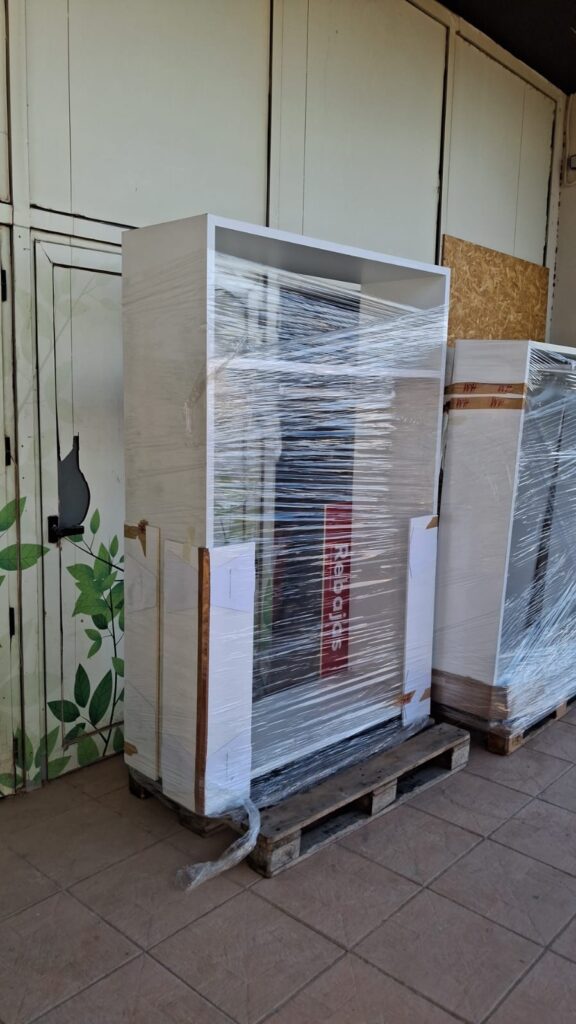
Smart Route Planning From Spain
Pick a corridor that fits your destination, season and tolerance for sea legs. Build a Plan A and a Plan B so ferries or weather do not hold you back.
Main corridors at a glance
| Route choice | Typical pattern from Spain | Best for | Pros | Consider |
|---|---|---|---|---|
| Spain → France → Germany → Kiel → Oslo ferry | ES cities → FR autoroutes → DE A7 → Kiel, overnight to Oslo | Oslo region, eastern Norway | Restful sailing, less winter driving in NO | Cabin availability, fixed sailing times |
| Spain → France → Denmark → Hirtshals ferries | ES → FR → DK Hirtshals → short or long ferry to Kristiansand/Stavanger/Bergen | South and west coasts | Shorter sea legs, quick access to Agder, Rogaland, Bergen | Summer demand, maritime weather |
| All road via Sweden | ES → FR → DK → SE E4/E6 → NO | Inland deliveries, pet schedules | Maximum timetable control, good rest stops | Longest road miles, winter conditions |
Spain origin tips
- Madrid and central Spain: Aim for A1 or AP‑7 to the Rhône valley, then Germany. Stage near Lyon or Stuttgart if needed.
- Barcelona and east coast: Quick access to A9 then A7. Hirtshals works well for west‑coast Norway.
- Valencia, Alicante, Murcia: Break in southern France, then push to Hamburg or Aalborg for Hirtshals.
- Andalusia: Add a staging night in northern Spain or southwestern France to balance the long first leg.
Seasonal and operational planning
- Winter: Add a 12–24 hour weather buffer. Expect black ice on shaded bridges and Norwegian mountain sections. Keep warm gear handy.
- Summer: Reserve ferry cabins early. Midweek crossings are calmer and often better value.
- Shoulder seasons: Great for price and availability with fewer queues at borders and ports.
- EV travel: Plan charging stops in northern France, Germany and Denmark. Norway has excellent charging density on the E6 corridor.
Ferry playbook
- Book a cabin so you arrive rested and ready for delivery day.
- Keep booking numbers and vehicle dimensions in your phone notes for fast check‑in.
- If a sailing is cancelled, switch to the Sweden all‑road plan or a different Norwegian port.
Last‑mile reality in Norwegian cities
- Old‑town cores can be narrow and steep. Shuttle vans and timed windows help.
- Book loading bays and lifts. Share photos, turn radii and distances from truck to door so crew can plan the kit.
- In winter, request earlier slots for daylight unloading.
Vehicle Sizes & What Fits
| Service | Volume | Max Payload | Ideal For |
|---|---|---|---|
| Moving Basic | 5 m³ | 300 kg | Studio essentials, students |
| Moving Medium | 10 m³ | 600 kg | Small apartment |
| Moving Premium | 15 m³ | 1000 kg | 1–2 bed flat |
| Moving Premium Plus | 30 m³ | 3500 kg | Larger flats, partial house |
| Moving Full House XXL | 90 m³ | 20000 kg | Full family home |
Quick volume cues
- 60 L box ≈ 0.06 m³; fifty boxes ≈ 3 m³.
- 3‑seater sofa: 1.4–1.8 m³; king bed with frame: 1.5–2 m³.
- Books, records, tools and ceramics spike payload. Size by kg as well as m³.
When to split or shuttle
- Tight Spanish old‑town streets or Norwegian historic centres.
- Morning priority for essentials, afternoon for remainder.
- Renovation phasing or storage in transit.
Services That Remove Friction
Moving should feel orchestrated, not improvised. Here is how we erase common pain points so you arrive calm and on time.
Included by default
- Dedicated move coordinator for permits, ferries and contingencies.
- Live GPS tracking with shareable ETA updates.
- Photo checkpoints at load and delivery for crystal‑clear condition notes.
- Premium protection: floor runners, door‑jamb guards, corner protectors, mattress and sofa covers.
- Seasonal routing and toll prep: weather‑aware plans, ferry slots and AutoPASS guidance for a smoother drive.
- Clear comms: one WhatsApp thread and phone contact for updates, photos and quick decisions.
Add what you need
- Packing Service: full pack, fragile‑only or unpack on arrival. The fastest route to a damage‑free kitchen and a usable first night.
- White Glove Delivery: soft crating, climate‑aware handling, room‑of‑choice placement, debris removal. Perfect for art, instruments and designer pieces.
- Furniture Removals: careful disassembly, labelled bagging of fittings, and confident reassembly at destination.
- Home Removals • Office Removals • Student Removals • Storage for staggered handovers and key delays.
- Last Minute Moving: rapid slot allocation, lean packing and shuttle options when time has run short.
Special handling we cover
- Upright and baby grand pianos with stair‑safe teams.
- Aquariums and terrariums with dry transport protocols.
- Glass cabinets, marble and stone tops with custom edge guards.
- E‑bikes and sports gear prepared for road transit.
How we communicate
- One coordinator from survey to delivery.
- Photo updates at load, border and arrival.
- Live GPS link you can share with family or building managers.
Spain → Norway bundles
| Bundle | Includes | Best for | Impact |
|---|---|---|---|
| Starter Iberia | Vehicle and crew, Live GPS, floor protection | Student or compact moves | Lean cost, clean execution |
| Comfort Fjord | Starter plus fragile‑only pack, lift coordination | 1–2 bed flats | Faster load, fewer damages |
| Premium Nord | Comfort plus full pack, disassembly and reassembly | Family moves, firm deadlines | Stress‑free, day‑one setup |
| White Glove Gallery | Premium plus item‑specific riders, soft crates | Art, instruments, collectibles | Maximum protection |
Ready to tailor a bundle to your route and season? Start here: Removals to Norway.
Packing Like a Pro
Great packing is quiet confidence in cardboard form. It saves time, prevents damage and makes the first night feel like home.
Golden rules
- Heavy items in small boxes, light items in large. Two‑strip base, cross‑strip top. No open flaps.
- Plates vertical in dish barrels. Glasses in segmented dividers. Zero rattles.
- Electronics in anti‑static sleeves. Remove batteries. Photograph cable setups and label cables.
- Label two sides, number every box, colour‑code by room. Add a short contents line and priority level.
- Weatherproof: mattress and sofa covers, moisture barriers, silica packs for tech.
Material planner
| Home size | Std boxes 60 L | Book boxes 30–40 L | Wardrobe boxes | Dish barrels | Tape rolls | Bubble wrap 50 cm | Stretch wrap |
|---|---|---|---|---|---|---|---|
| Studio | 20–30 | 6–10 | 1–2 | 2 | 4–6 | 20–30 m | 1 roll |
| 1–2 bed flat | 35–55 | 10–15 | 3–4 | 4–6 | 6–10 | 40–60 m | 2 rolls |
| Family home | 70–110 | 20–35 | 5–8 | 8–12 | 10–16 | 80–120 m | 3 rolls |
Room‑by‑room tips
- Kitchen: Use dish barrels and glass dividers. Seal open liquids in double bags or discard. Wrap knives inside blade guards.
- Living room: Wrap frames and mirrors in picture cartons with corner protectors. Remove TV stand feet and use rigid screen guards.
- Bedrooms: Wardrobe boxes keep suits and dresses crease‑free. Vacuum‑bag seasonal clothes to save space.
- Kids room: Group small toys in zip bags by set. Cushion Lego and puzzles so they do not rattle.
- Garage and tools: Drain fuel from machines. Coil and tape cables. Pack hand tools in small, dense boxes.
Do not pack list
- Perishables and open food.
- Paint, solvents, propane, fireworks, aerosols.
- Bleach and strong acids or bases.
- Live plants if transit will be long and cold.
Label system that speeds unloading
- Colour per room, number per box, short contents line. Example: KITCHEN‑07 Glasses and mugs.
- Add PRIORITY‑1 to first‑night items. Crew will load them last and unload them first.
Box cheat sheet
| Box type | Liters | Best for | Notes |
|---|---|---|---|
| Standard 60 L | 60 | Books, kitchenware, general | Keep weight manageable |
| Book box 30–40 L | 30–40 | Dense books, tools, records | Prevents over‑weight boxes |
| Wardrobe box | 100+ | Hanging clothes | Crease‑free arrival |
| Dish barrel | 60 | Plates and bowls | Thicker walls, pack vertical |
| Picture carton | var. | Mirrors, framed art | Corner protectors and screen shields |
| Lamp/TV carton | tall/var. | Lamps, flat screens | Wrap shades, rigid screen guard |
Self pack or pro pack
- Self pack keeps costs lean. Follow the rules above, send photos if unsure and we will advise.
- Pro pack is best for tight timelines, lots of breakables or when you want the first evening to feel finished. Ask for fragile‑only or full‑home options.
Moving day staging
- Stack finished boxes by room near the exit with labels facing out. Keep walkways clear. Stage fragile items together.
- Prepare a first‑night kit for the car: kettle, mugs, snacks, bedding, chargers and basic cleaning gear.
Cost Factors, Price Bands & Spain‑Specific Scenarios
A clear price is built from a few simple levers: distance, ferries, volume, weight, access, packing scope and season. Control these and you control your spend.
What shapes your price
| Cost driver | What influences it | How to reduce |
|---|---|---|
| Distance and route | Corridor choice, detours, season | Pick the most direct seasonal corridor, avoid storm days |
| Ferries and tolls | Cabin type, vehicle length, toll zones | Book early, choose standard cabins, plan toll‑friendly timings |
| Volume and weight | Box count, bulky items, dense loads | Declutter, right‑size capacity, flag heavy categories |
| Access and parking | Stairs, long carries, old‑town lanes | Pre‑book bays, add a shuttle van for tight last mile |
| Packing complexity | Fragility, crating, owner vs pro pack | Self‑pack basics, pro‑pack fragile or high‑value |
| Special items | Pianos, art, aquariums, gym machines | Use White Glove only where needed |
| Season and weather | Winter pacing, summer peaks | Add a weather buffer, target shoulder seasons |
| Waiting time | Keys, concierge delays, ferry changes | Confirm keys, share live GPS with building managers |
| Storage or split loads | Storage days, second address drops | Consolidate dates, combine deliveries |
Illustrative price bands by move size
| Typical load | Volume | Service style | Typical band* |
|---|---|---|---|
| Student / studio | 5–10 m³ | Lean road‑ferry, self‑pack | €1,400–€3,000 |
| 1–2 bed flat | 12–18 m³ | Road‑ferry, fragile‑only pack | €2,600–€5,400 |
| 2–3 bed home | 25–35 m³ | Road‑ferry, part‑pack + dismantle | €4,800–€9,200 |
| Full family home | 60–90 m³ | Dedicated truck, pro pack | Custom quote |
*Indicative only, for Spain → Norway corridors.
Seasonal multipliers
| Season window | Typical effect on price | Why it changes |
|---|---|---|
| Winter (Dec–Mar) | +10–20% | Weather buffers, slower mountain sections |
| Summer (Jun–Aug) | +5–15% | Ferry demand, holiday traffic |
| Shoulder (Apr–May, Sep–Nov) | Baseline or small savings | Better availability, smoother roads |
Access & extras cheat sheet
| Situation | Impact on plan | Mitigation we recommend |
|---|---|---|
| No nearby parking | Longer carry, more time | Pre‑book bay, request cones/permits |
| Narrow lanes / old‑town | Large truck cannot approach | Shuttle van for final meters |
| No lift, 4th floor | Stair carry, higher fatigue risk | Extra hands, stair‑safe kits, schedule buffer |
| Evening delivery only | Reduced slots, potential out‑of‑hours | Early booking, clear comms with concierge |
| Two‑address delivery | Added mileage and handling | Combine days and crew efficiently |
How to save 12–22% without risking damage
- Pare down 10–20% of volume. Heavy, low‑sentiment duplicates are prime candidates.
- Travel mid‑week and in shoulder seasons where possible.
- Pre‑book lifts, parking bays and loading permits in writing.
- Self‑pack durable items; let pros handle fragile and high‑value.
- Share clear access photos and measurements to avoid shuttles or delays.
Scenario snapshots (with configuration logic)
- Madrid → Oslo: ~15 m³, 700–1000 kg. Corridor via France → Germany → Kiel overnight to Oslo. Moving Premium with fragile‑only pack and Live GPS. Why: balances road miles and rest, reduces winter driving in Norway.
- Barcelona → Bergen: 30 m³ up to 2500 kg. Hirtshals → Bergen ferry. Premium Plus with Furniture Removals; consider a shuttle near Bryggen. Why: tight streets and gradients, plus sea leg simplifies the last 300 km.
- Valencia → Stavanger: 15–30 m³. Hirtshals → Stavanger or all‑road via Sweden. Evening delivery if access windows are limited. Why: west‑coast timing and business‑hour lifts.
- Sevilla or Málaga → Trondheim: 15–30 m³. Longer road section; winter buffers essential. Consider Kiel → Oslo to reduce icy mountain driving. Why: safer arrival window in colder months.
Budgeting checklist
- Clear inventory with room groups and values.
- Photos of access at both ends.
- Preferred corridor and date window.
- Packing scope and any White Glove items.
- Special constraints such as pets or instruments.
Get a transparent estimate with GPS included: VANonsite Removals to Norway.
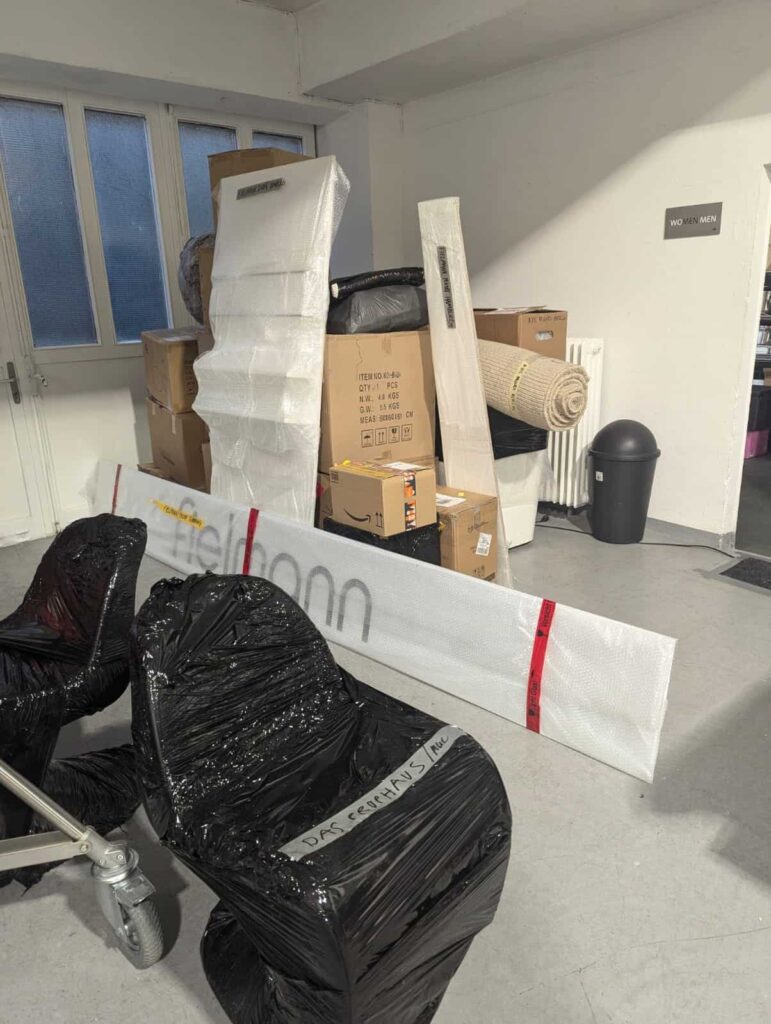
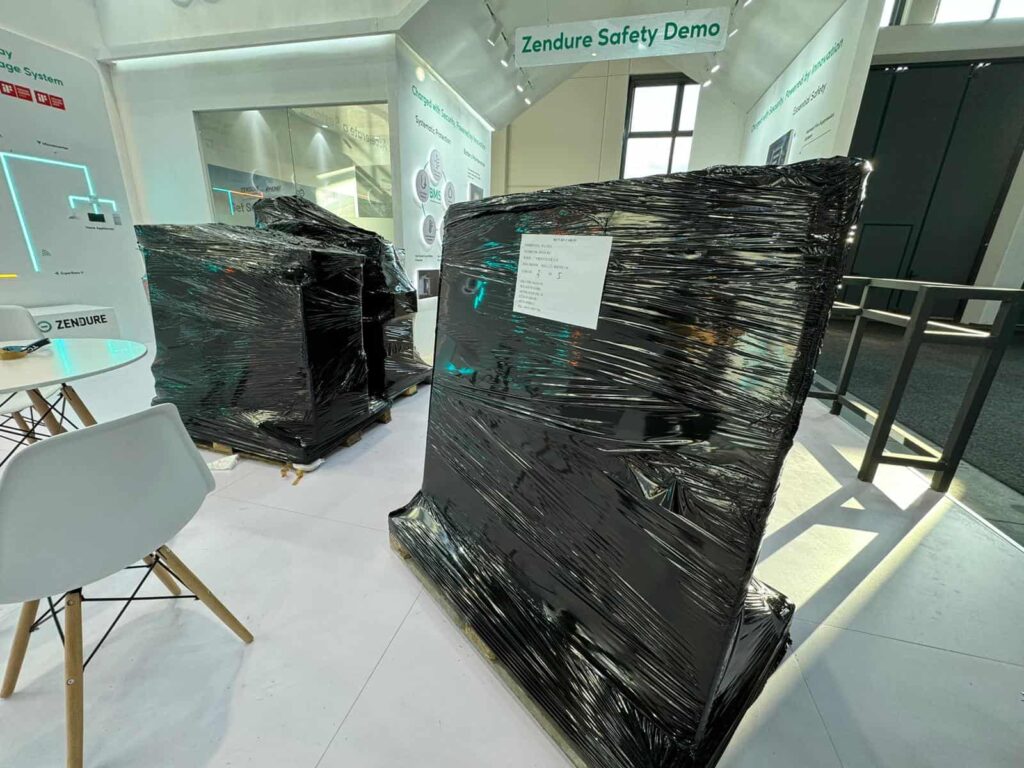

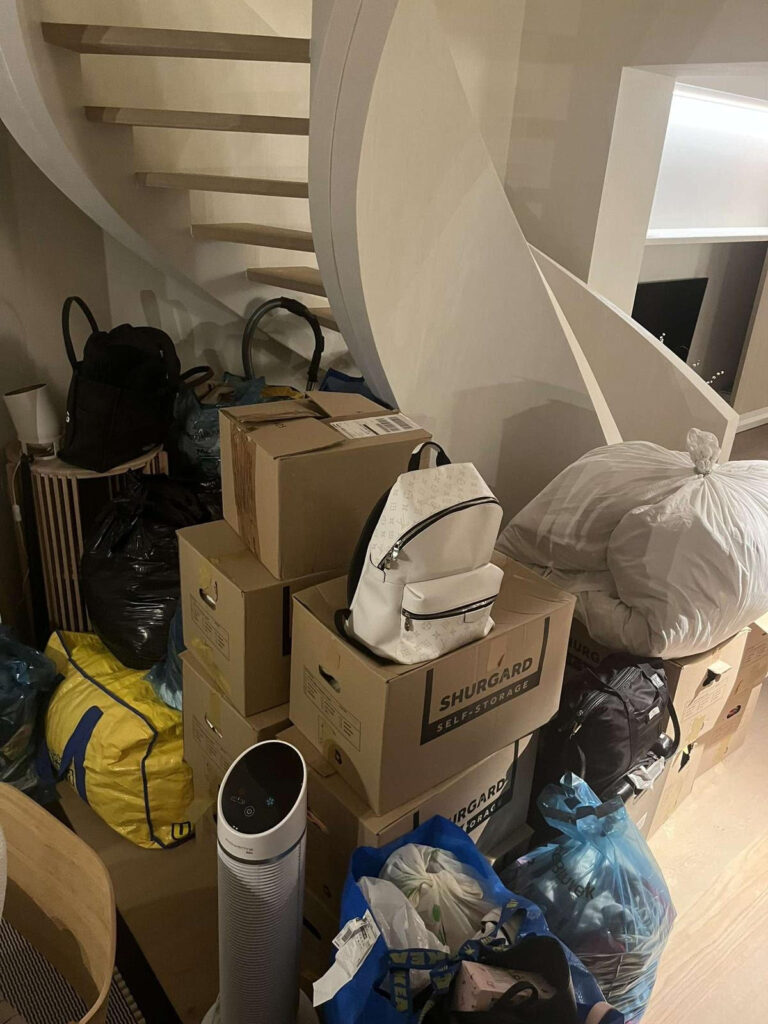
Insurance & Peace of Mind
Insurance is the safety net under your move. Choose the right level for your inventory and sleep better on the ferry.
| Option | What it covers | Best for | Notes |
|---|---|---|---|
| Basic carrier liability | Limited per‑kilo during transit | Minimal risk, low‑value moves | Not for art or collectibles |
| Full value protection | Repair or replace up to declared value | Most home moves | Declare realistic totals, pick sensible deductible |
| Item‑specific riders | Extra cover for single high‑value pieces | Art, instruments, designer furniture | Pair with White Glove |
| Storage coverage | Goods held between load and delivery | Staggered moves or renovation gaps | Confirm storage dates |
What is usually excluded
- Wear and tear, inherent vice, self‑packed fragile items if poor packing caused damage, prohibited items, liquids or perishables.
How to choose the right cover
| Move profile | Recommended cover | Why it fits |
|---|---|---|
| Mostly IKEA‑level furniture | Full value protection with modest deductible | Accidental knocks still covered |
| Mixed home with some art | Full value + riders for specific items | Ensures high‑value pieces are protected |
| Student / lean budget | Basic liability + good self‑packing | Keeps cost down with sensible care |
| Long storage gap | Full value + storage extension | Covers the in‑between weeks |
Proof to keep from Day 0
- Box‑numbered inventory with values.
- Receipts or photos for valuable items.
- Condition photos at load and at delivery.
- Serial numbers for electronics.
At delivery: a five‑minute routine that protects you
- Walk each room with the crew lead.
- Check priority items first and note any visible damage.
- Mark issues on the delivery sheet before signing.
- Photograph the item and packaging.
- Keep packaging until any claim is closed.
Simple claims steps
- Note visible damage on the delivery sheet.
- Photograph item and packaging.
- Share box number, description and proof of value.
- Keep packaging until the claim closes.
Need guidance on the right cover for your route and season? Ask your coordinator during the survey and get a tailored recommendation with the quote.
After Arrival: First‑Week Checklist (Official Links)
Day 0–1: Settle fast
- Register your address or move with the Norwegian Tax Administration: https://www.skatteetaten.no/en/
- Photograph meter readings, note any defects in your rental, and pick up building access cards.
- Buy or unpack winter‑readiness basics if needed: warm layers, shoe grips, torch, snow brush.
Day 1–3: Identity, health and money
- EU/EEA registration and police appointment if staying over 3 months: UDI https://www.udi.no/en/want-to-apply/rights-and-obligations-of-eu-eea-nationals/ • Police https://www.politiet.no/en/services/residence-permit-and-registration/
- D‑number or ID number and tax card via Skatteetaten: https://www.skatteetaten.no/en/
- Healthcare setup and GP via Helsenorge: choose a fastlege and note the non‑emergency medical line 116 117. https://www.helsenorge.no/en/
- Open a bank account after your ID/D‑number is issued; enable BankID with your bank and activate Vipps for everyday payments.
Day 3–5: Driving and logistics
- Road tolls: set up AutoPASS and link your vehicle/plate: https://www.autopass.no/en/
- Vehicle rules for temporary use, import and winter tyres: Statens vegvesen has requirements and booking info: https://www.vegvesen.no/en/
- Customs follow‑ups for late shipments or additional consignments: https://www.toll.no/en/private/
- Mail forwarding with Posten so letters reach your new address: https://www.posten.no/en/change-of-address
Handy apps to install
- Helsenorge for health messages and prescriptions.
- Vipps for instant payments.
- Your local transport app (Ruter, Skyss, AtB or Kolumbus) for tickets and timetables.
- Yr for detailed weather alerts.
Banking and payments
- Open a NOK account after your ID or D‑number is issued. Most banks enable BankID. Activate Vipps for daily life.
Emergency numbers
- Fire 110 • Police 112 • Ambulance 113 • Medical advice 116 117.
First‑week timeline at a glance
| Task | Authority / Portal | When to do it | Link |
|---|---|---|---|
| Address registration | Norwegian Tax Admin | Day 0–1 | https://www.skatteetaten.no/en/ |
| EU/EEA registration + Police visit | UDI • Police | Day 1–3 | https://www.udi.no/en/ • https://www.politiet.no/en/ |
| D‑number / ID + Tax card | Skatteetaten | Day 1–3 | https://www.skatteetaten.no/en/ |
| Choose GP, set Helsenorge | Helsenorge | Day 1–3 | https://www.helsenorge.no/en/ |
| Toll account | AutoPASS | Day 3–5 | https://www.autopass.no/en/ |
| Vehicle rules / winter tyres | Statens vegvesen | Day 3–5 | https://www.vegvesen.no/en/ |
| Customs follow‑ups | Norwegian Customs | Day 3–5 | https://www.toll.no/en/private/ |
| Mail forwarding | Posten | Day 3–5 | https://www.posten.no/en/change-of-address |
FAQs (Spain → Norway)
- How long is Spain → Norway door to door?
Most direct moves land in 4–7 days depending on origin, route, ferries, season and access. Ferry choice can trim or add a day. - Which documents do I need for customs?
An itemised inventory with values, proof of residence abroad and valid ID. Rules: https://www.toll.no/en/private/import/moving-to-norway/ - Do EU/EEA citizens need a residence permit?
Typically you register your right of residence and attend a police appointment. UDI: https://www.udi.no/en/want-to-apply/rights-and-obligations-of-eu-eea-nationals/ - What is a D‑number?
A temporary identification number before receiving a Norwegian identity number. Details: https://www.skatteetaten.no/en/ - Can I drive on my Spanish licence?
EEA licences are generally valid. Check specifics at Statens vegvesen: https://www.vegvesen.no/en/ - Are winter tyres mandatory?
Norway has strict condition‑based rules and local requirements. Review Statens vegvesen: https://www.vegvesen.no/en/ - Do I pay duty or VAT on used household goods?
If you meet relocation relief criteria, used personal belongings are typically duty‑free. See Norwegian Customs: https://www.toll.no/en/private/import/moving-to-norway/ - Can I bring alcohol, tobacco or food?
Allowances and restrictions apply. See Norwegian Customs for limits and declarations: https://www.toll.no/en/private/ - How early should I book my move?
4–6 weeks ahead is ideal. In summer and December–January, secure dates 6–8 weeks out, especially if you need ferries and a precise delivery window. - What if there is no lift or my street is too narrow?
We plan a shuttle van for the last meters, add hands for stair carries, and book loading bays where possible to keep timings stable. - Do you disassemble and reassemble furniture?
Yes. It is part of Furniture Removals. We label fittings and bag hardware for clean reassembly. - What happens if a ferry is cancelled or weather turns?
Your coordinator switches to a Sweden all‑road plan or an alternative port, updates ETAs via live GPS, and adjusts delivery slots with building managers. - Do you store goods if my keys are delayed?
Yes. Secure storage and storage‑in‑transit are available with tracked inventory. - Can I track my shipment live?
Yes. Every VANonsite load includes live GPS you can share with family or concierge. - How are costs calculated and how can I save?
Distance, ferries, volume, access and packing scope drive price. Declutter 10–20%, travel off‑peak and pre‑book lifts to save 12–22% without risking damage. - What items are prohibited to load?
Hazardous materials like fuels, solvents, fireworks, aerosols, corrosives and perishable open foods. See the Do not pack list above for guidance. - Can you move pianos, art and designer pieces?
Yes. Choose White Glove Delivery with soft crating and room‑of‑choice placement. - Can you transport pets with my load?
Live animals do not travel inside household goods vehicles. We can coordinate schedules while you follow pet entry rules: https://www.mattilsynet.no/language/english/bring-animals-to-norway - Do I need to be present at delivery?
Preferred. If not, nominate a trusted proxy and arrange a brief video walkthrough for placement and checks. - Do you work weekends?
Yes, subject to building rules and quiet‑hour policies. Some city centers require weekday windows. We advise best slots during survey.
Summary
Removals to Norway from Spain become simple with a tight plan and the right partner. Choose the corridor that fits your destination and season, right‑size capacity from 5 to 90 m³, and build a numbered, customs‑ready inventory. Complete EU/EEA registration, your police appointment and the D‑number through official links only. Pack smart, protect heirlooms with White Glove, and follow every mile with live GPS. Cut costs by decluttering, booking access and travelling off‑peak. When you are ready, get a transparent quote and a calm, choreographed move: VANonsite Removals to Norway. For routes from other EU hubs, see our guides from Germany, Netherlands and Ireland.