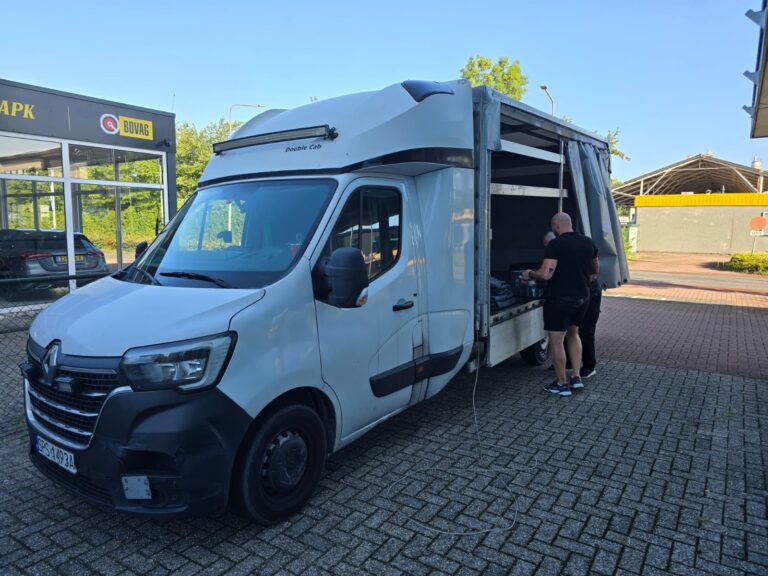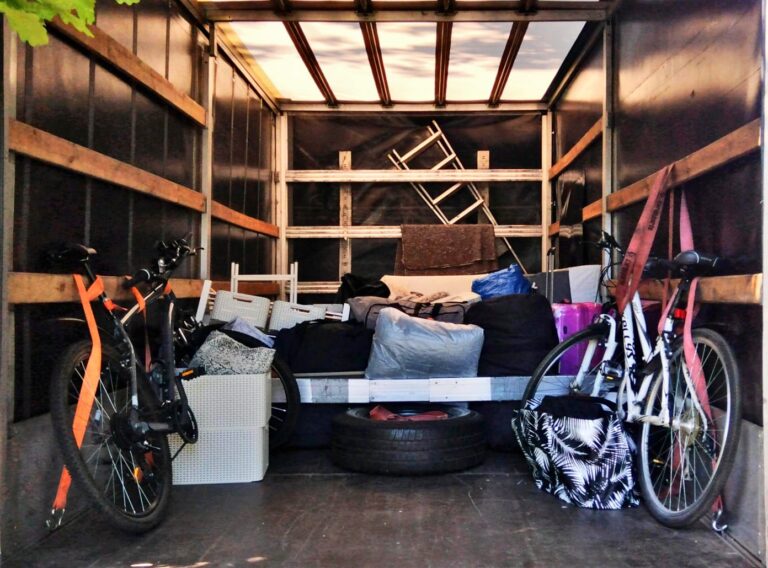

Removals London to Spain can feel like trying to fold an entire chapter of your life into cardboard. One minute you are standing in a London flat with rain tapping the window, counting boxes like a nervous habit. The next, you are imagining Spanish light pouring onto your new kitchen tiles, the kind of light that makes even a simple coffee taste like a small victory.
The dream is easy. The logistics are the part that bites. Parking. Stairs. Border paperwork. That one wardrobe you swear is lighter than it is.
And then there is the emotional stuff that never appears on a checklist. The photo frames you wrap twice because you cannot risk it. The “just in case” box that somehow becomes three boxes. The quiet fear that something will arrive scratched, late, or not at all.
This guide turns the move into a clean plan. Whether you need a nimble man and van for a smaller relocation, or a full household move with packing and white glove care, VANonsite helps you arrive fast, safe, and calm. Every load includes GPS tracking, so you can watch progress instead of spiralling into guesswork.
Start with the big picture route options here:
TL:DR
London to Spain removals go smoothly when you plan access, volume, and paperwork before emotions take the wheel. Treat it like a choreography, not a crisis.
- Book a flexible date window and share photos of bulky items early.
- Choose the right service: part load for savings, dedicated transport for precision, full removals for households.
- Use man and van for staged moves, essentials first relocations, and tight city access.
- Pick a van size with breathing room. Tight loads cause damage and slow unloading.
- Pack fragile and premium items properly, or upgrade to professional packing and white glove care.
- If you are moving from the UK into Spain, plan customs and documents early, with official links in one folder.
- Track your shipment with GPS and keep your first 24 hours essentials with you.
If you want the move to feel lighter, aim for one thing: fewer surprises. Everything below is designed to eliminate them.
Why Spain feels like a fresh start
Spain has a way of softening the edges of daily life. Sunlight that actually shows up. Evenings that stretch. Streets where you feel like a person again, not a commuter.
For many people, the shift is not only weather. It is breathing space. Your calendar stops feeling like a battlefield. Small routines become sweeter. A walk to the bakery. A late lunch that does not rush you. A sea breeze that rewires your mood.
But the move is not only a change of address. It is a change of rhythm. When your removals plan is solid, you get to keep the excitement and lose the chaos.
Here is the truth that saves sanity. You can be emotional and organised at the same time. In fact, you should be. A calm move protects your energy, so you arrive in Spain ready to live, not just recover.
And if you are doing a staged relocation, a man and van move can be the quiet hero. Essentials first. Breathable timeline. A soft landing that feels gentle, not frantic.
Where to land in Spain and what it changes
Your destination shapes everything: access, parking, staircases, permits, and how tight your delivery window needs to be. A modern building in a coastal area can feel easy. A historic centre can feel like a beautiful labyrinth.
The smartest way to choose a destination is to think beyond the postcard. Your future street has rules. Your future building has limitations. Your future furniture has dimensions that do not care about your optimism.
Before you commit, look at the move through two lenses.
- Lifestyle lens: pace, noise, walkability, and what your daily life will look like in February, not just July
- Logistics lens: access, parking reality, lift size, and whether moving day is allowed in the building
Here are popular landing zones and what they usually mean for moving day.
| Destination type | Examples | What it often means for removals |
|---|---|---|
| Big city energy | Barcelona, Madrid | More rules, tighter parking, stricter timing, and more planning around access |
| Coastal lifestyle | Costa del Sol towns | Gorgeous routes, but sometimes narrow streets, hills, and limited stopping zones |
| Family routine | Valencia and suburbs | Often smoother access, more space for larger loads, and easier scheduling |
| Expat hubs and resort areas | Coastal towns with high seasonal demand | Higher competition for slots in peak season, so booking early matters |
Quick location checklist
This two minute checklist prevents the classic moving day surprises.
- Is there a lift, and can a wardrobe or sofa actually fit inside it?
- What is the narrowest stair turn, and can your biggest item pass it?
- Where can the van stop legally, and how far is the carry to the door?
- Does the building require a move booking or specific hours?
- Are there local restrictions in the historic centre or tourist zones?
Two guides that help you plan city details:
- Barcelona route planning: Removals to Barcelona
- Costa del Sol planning: Removals in Mijas, Spain
Removals options from London to Spain
There is no single best way to move. There is the best way for your life right now. The right option depends on speed, budget, and how much control you want.
If you want to choose fast, start with one question.
Do you need savings, speed, or certainty?
- Savings usually points to part load.
- Speed and certainty usually points to dedicated transport.
- Household scale usually points to full removals.
- Essentials first, staged moves, or awkward access usually points to man and van.
A 60 second decision guide
Pick the first statement that feels true.
- I have a house or family move with multiple rooms, wardrobes, beds, and lots of boxes. Choose full removals.
- I need a specific delivery date or a tight delivery window. Choose dedicated transport.
- I am flexible on dates and want to reduce cost. Choose part load.
- I want a soft landing, essentials first, or a smaller move. Choose man and van.
Now let’s make each option crystal clear.
Option A: Man and van
A man and van move is small in size, not in quality. It is precise and flexible. It works beautifully when you want an essentials first landing in Spain.
Perfect for:
- Rooms, studios, or smaller flats
- Staged relocations
- Student moves
- Key furniture pieces plus boxes
Typical man and van inventories:
- A bed and mattress, a sofa, a desk, plus 10 to 25 boxes
- Wardrobe essentials, kitchen basics, and “first month” items
- Furniture pieces you cannot replace easily
Why people love it:
- Faster loading and unloading
- Easier access in tight streets and tricky buildings
- Great for phased moves, so you do not ship what you later regret
What to plan so it stays smooth:
- Photos of bulky items
- Floor level and lift or stairs info
- Where the van can legally stop on both ends
Option B: Part load
Part load means you share van space with compatible loads. It can reduce cost, but timing is usually less exact.
Great when:
- You are flexible on dates
- You are shipping a few pieces and boxes
- You want value without cutting safety
Part load feels like this: smart and economical, but you must accept a wider window.
It works best when you can say:
- “Any day next week is fine.”
- “A delivery window is fine, I do not need a precise hour.”
Avoid part load if:
- Your building only allows moves on one specific day
- You have premium fragile items and want fewer touch points
Option C: Dedicated transport
Dedicated transport gives you the cleanest timeline. Fewer stops. Fewer touch points. Less handling.
Best when:
- You have premium items
- You have a fixed key handover date
- You want a sharper delivery window
Dedicated transport is the option that feels like control.
You pay more, but you get:
- Cleaner planning
- Less handling risk
- Better timing confidence
If your move involves high value furniture, mirrors, artwork, or delicate finishes, dedicated transport pairs beautifully with professional packing.
Option D: Full removals
Full removals is the structured route. Ideal for households, families, and furniture heavy moves. It is the option that feels like a team is carrying the weight, not just the boxes.
Full removals is best when you have:
- Multiple bedrooms of furniture
- Lots of boxes, or a full kitchen
- Children, pets, or limited time to organise everything alone
This option is also ideal when you want packing support, careful loading, and a room by room approach.
Quick comparison
| Option | Best for | Why it feels good | What to plan |
|---|---|---|---|
| Man and van | Smaller or staged moves | Fast and human, minimal fuss | Inventory and access info |
| Part load | Lower cost, flexible schedules | Efficient and budget friendly | Wider delivery window |
| Dedicated transport | Fixed timing, premium items | Highest control | Higher cost, smoother day |
| Full removals | Homes and larger relocations | End to end structure | Packing level, access rules |
The hidden factor most people forget
A move can be small, but still complicated.
If either property has tight stairs, a tiny lift, or strict parking rules, the safest plan is the one built around access, not around how many boxes you own.
Van sizes and how to choose without regret
Van size is not a detail. It is the difference between calm and chaos. Overpacked vans turn into pressure chambers. Corners scrape. Boxes crush. Unloading slows down because everything is trapped behind everything.
Choose breathing room. It protects your belongings and your mood.
VANonsite vehicle options
| Vehicle option | Volume | Max load | Best for |
|---|---|---|---|
| Moving Basic | 5 m3 | 300 kg | A few boxes and small items |
| Moving Medium | 10 m3 | 600 kg | Studio moves, light furniture |
| Moving Premium | 15 m3 | 1000 kg | One bedroom core items |
| Moving Premium Plus | 30 m3 | 3500 kg | Two to three bedrooms |
| Moving Full House XXL | 90 m3 | 20000 kg | Large homes and heavy loads |
Real world sizing examples
Use these as mental anchors.
| Your load looks like | Often fits best in | Why it works |
|---|---|---|
| 10 to 15 boxes, suitcases, a couple of small items | Moving Basic | Quick handling, minimal stacking |
| Studio furniture plus 15 to 25 boxes | Moving Medium | Enough space to avoid squeezing corners |
| Bed, sofa, wardrobe, plus 25 to 40 boxes | Moving Premium | Better protection for fragile items and furniture edges |
| Two bedroom furniture plus 45 to 80 boxes | Moving Premium Plus | Breathing room reduces damage and speeds unloading |
| Full household, heavy items, lots of furniture | Moving Full House XXL | Built for scale, volume, and weight |
A fast sizing rule
If your first thought is “we can squeeze it”, size up.
Two checks that instantly improve accuracy:
- Count boxes honestly, then add 20 percent.
- List your biggest items and flag awkward shapes: L shaped sofa, tall wardrobe, stone table.
Weight matters as much as space
Volume is not the only limit. Weight can be the silent limiter, especially if you are moving dense items.
Dense items include:
- Books
- Tools
- Small appliances
- Gym equipment
- Heavy kitchenware
A smart move is a safe move. Spread heavy items across more boxes and keep each box liftable.
The van size mistake that causes damage
The most common mistake is choosing the smallest van that “should” fit.
In reality, safe loading needs:
- Space to wrap and cushion
- Room to place fragile items upright
- Gaps so surfaces do not rub for hours on the road
Breathing room is not wasted money. It is protection.
A simple timeline that keeps your move calm
A smooth London to Spain move is built in stages. Think choreography, not panic.
6 to 8 weeks before
- Choose your date window
- Declutter heavy, low value items
- Measure doorways and stair turns
- Photograph bulky and fragile pieces
- Decide on packing and handling level
3 to 6 weeks before
- Confirm service type and rough delivery window
- Start your inventory, especially if customs applies
- Arrange parking or building permissions if needed
- Create an admin folder with official links and copies of documents
2 weeks before
- Confirm lift details, stairs, and access on both ends
- Pack non essentials by room
- Label boxes with room name plus two words about contents
- Book time off work for moving day and the first morning in Spain
7 days before
- Prepare a fragile zone and pack it slowly
- Bag and label fittings and screws, tape them to each item
- Separate essentials that must travel with you
48 hours before
- Protect furniture corners
- Separate documents and essentials that must travel with you
- Prepare a “First Hour” box for arrival
Moving day
- Walk through the home and confirm priority items
- Keep a clear path for carrying
- Load heavy items first, fragile protected
- Keep a small personal bag with chargers, water, snacks, and paperwork
The first 24 hours in Spain
Unpack for function, not perfection.
- Make the bed and bathroom usable first
- Set up a small kitchen corner so your morning feels normal
- Keep packaging until you confirm fragile pieces are perfect
Packing, protection, and shipping furniture the safe way
Most damage happens before the van even moves. Packing is where moves are won or lost.
If you have ever unpacked a box and found a cracked glass or a dented corner, you know the feeling. It is not only “damage”. It is time lost, money wasted, and that sudden sting of regret.
The cure is simple. Pack like your items deserve to arrive.
If you are shipping key pieces, this guide is a strong companion:
Packing levels, so you choose the right effort
Not every move needs the same intensity. Use this as a quick map.
| Packing level | Best for | What you do | Risk level |
|---|---|---|---|
| Essentials packing | Clothes, books, basic kitchen | Strong boxes, smart labelling | Low |
| Fragile focused packing | Glass, screens, artwork | Extra protection, upright transport | Medium if rushed |
| Premium protection | Designer pieces, delicate finishes | Pro packing or white glove handling | Lowest |
If your items are premium, sentimental, or just hard to replace, upgrade the protection. You will feel the difference on delivery day.
The packing rules that actually work
These are small habits with huge payoff.
- Wrap corners first. Corners take the hits.
- Keep glass and mirrors upright, never flat under pressure.
- Bag screws and fittings, label them, tape them to the item.
- Do not overfill boxes. Heavy boxes cause accidents.
- Keep liquids sealed and separate from textiles.
- Pack by room, not by category. It makes unpacking faster.
Materials that protect your move
You do not need everything. You need the right things.
- Double wall boxes for heavy items
- Packing paper for glass and ceramics
- Bubble wrap for fragile pieces
- Stretch wrap for keeping parts together
- Furniture blankets for big surfaces
- Corner protectors for tables and frames
- Strong tape that does not peel when it gets cold
Furniture packing by type
Furniture is not one category. Treat each piece like its own little mission.
| Item | What usually goes wrong | What works best |
|---|---|---|
| Sofa | Scrapes, fabric pulls, crushed corners | Wrap corners, remove legs, blanket wrap |
| Wardrobe | Doors crack, joints loosen | Remove doors if needed, wrap edges, secure inside |
| Bed frame | Missing fittings, bent pieces | Bag hardware, label parts, keep pieces together |
| Dining table | Corner chips, surface scratches | Corner protectors, blankets, protect top |
| Mirrors and glass | Cracks from flex and pressure | Edge protection, upright placement, no stacking |
| Artwork | Frame dents, surface rub | Wrap, isolate from friction, upright transport |
A simple fragile list
If you have any of these, consider professional packing or white glove handling:
- Mirrors, glass tables, artwork
- TVs and monitors
- Stone and marble surfaces
- Designer furniture with delicate finishes
The “First Night” kit
This is how you land in Spain without feeling like your life is in boxes.
Pack one bag or one clearly labelled box that stays with you.
- Two sets of clothes
- Chargers and adapters
- Basic toiletries
- Medications
- Bedding essentials
- Kettle or coffee kit
- Snacks and a water bottle
- Copies of important documents
That first night matters. Make it easy on purpose.
Documents and customs when moving from the UK to Spain
This is the part people delay, then regret. Brexit changed the rhythm of UK to EU moves. A clean document plan prevents delays that feel senseless and expensive.
Important note: requirements depend on your nationality and your situation. Always use official sources.
Think of paperwork like a door. If it is open, your move flows. If it is stuck, everything behind it stacks up.
The one rule that saves the most stress
Do not pack your originals inside the shipment.
Keep these with you:
- Passport and ID
- Proof of address in Spain
- Key contracts and rental paperwork
- Medical documents and prescriptions
- Any customs paperwork you are asked to present
UK side: exporting your belongings
If your goods travel as a shipment, you may need customs steps before they leave the UK. Official guidance that helps you understand the declaration rules:
- UK guidance on declaring personal goods into or out of the UK: https://www.gov.uk/guidance/check-how-to-declare-personal-goods-you-bring-into-or-take-out-of-the-uk
- UK guidance on how to make a customs declaration: https://www.business.gov.uk/export-from-uk/support-topics/customs-taxes-and-declarations/how-to-make-customs-declaration/
A practical approach that keeps this simple:
- Build your inventory early.
- Keep values realistic and consistent.
- Keep a clean folder with links, copies, and proof of address.
Spain and EU side: importing household goods and duty relief
If you are transferring your normal residence to Spain from a non EU country, you may be eligible for duty and tax relief under specific conditions. Start with official references:
- Spain Tax Agency guidance on transfer of residence relief: https://sede.agenciatributaria.gob.es/Sede/en_gb/no-residentes/exenciones-viajeros-embajadas-otros/traslado-actividad-empresarial-residencia-otros/traslado-residencia-franquicias-exencion-impuestos.html
- EU duty relief framework, Regulation 1186/2009: https://eur-lex.europa.eu/eli/reg/2009/1186/oj/eng
If you want Spain specific detail related to post Brexit household goods imports, this official customs note can be useful:
- Spanish Tax Agency customs information note (PDF): https://sede.agenciatributaria.gob.es/static_files/Sede/Tema/Aduanas/Notas_info/NI_2021/NIGA_08_21.pdf
Spain settlement documents that commonly come up
Moving the boxes is one thing. Starting life in Spain is another. These are common steps many newcomers face.
- NIE assignment (National Police): https://sede.policia.gob.es/portalCiudadano/_en/tramites_extranjeria_tramite_asignacion_nie.php
- Appointments system for many immigration procedures: https://sede.administracionespublicas.gob.es/icpplustiej/icpplus/citar?locale=es
- Spain consular information (visas, consular services): https://www.exteriores.gob.es/en/ServiciosAlCiudadano/Paginas/Servicios-consulares.aspx
Your customs friendly inventory
Keep it clear. Group items. Avoid “misc”. This is both a planning tool and a paperwork shield.
| Category | Examples | Notes |
|---|---|---|
| Furniture | Sofa, bed, wardrobe | List large pieces clearly |
| Boxes | Kitchen, clothes, books | Group by room |
| Electronics | TV, monitor, laptop | Add serial numbers if possible |
| High value items | Artwork, camera | Describe briefly |
If you want your inventory to feel stronger, add one extra column for “condition”. A simple “used” or “new” helps keep things clear.
Common mistakes that cause delays
- Inventory that looks vague or unrealistic
- Missing proof of address in Spain when requested
- Packing passports and originals inside the shipment
- Booking a delivery time with no buffer
A calm customs checklist
This is the checklist that keeps your move from getting stuck.
- Inventory ready and readable.
- Proof of address in Spain saved and printed.
- Copies of ID documents saved and printed.
- Originals kept with you.
- Delivery window includes a buffer day if possible.
Delivery access in Spain: the hidden detail that decides the day
Spain can be generous with beauty and stingy with access. Narrow streets. Tight stair turns. Small lifts. Even a perfect plan can wobble if the van cannot stop close to the entrance.
This is the section that saves moving day. Because access is time, and time is money, and money is mood.
The access questions that prevent last minute chaos
Before moving day, confirm:
- Floor level
- Lift internal dimensions and door width
- Stair turns and narrow corridors
- Parking rules and whether you need a reservation or permit
Now take it one layer deeper. These details matter more than people expect.
- Is there a loading bay, and can it be reserved?
- Are there time restrictions for deliveries in your street or building?
- Does your building require a move booking, concierge notice, or lift protection?
- Is there a long carry from street to door, including courtyards or back entrances?
- Are there sharp turns that make long items hard to manoeuvre?
A simple way to check access in five minutes
Do a quick phone video from the street to your front door. Include:
- The place where a van can stop
- The entrance and any gate codes
- The lift interior, door width, and corridor turns
- The stairwell, including the tightest corner
That single video often answers more than ten messages.
City reality: Barcelona vs Costa del Sol
Spain is not one moving environment. Your delivery experience changes dramatically by location.
- In big cities, access is the battle. Parking rules can be strict, and timing matters more.
- In coastal towns, access can be narrow, hilly, or seasonal. Space looks plentiful until you meet a one lane street.
If you are heading into specific areas, these guides help you plan reality, not fantasy:
When to upgrade handling
If you have premium furniture, fragile items, or a new home with delicate floors, access becomes a protection issue too.
In those cases, pairing professional packing with careful placement can feel like the smartest luxury.
And if your street or building is tight, a smaller, nimble man and van setup can be the difference between smooth and stressful.
What affects the cost and how to get an accurate quote
A good quote is built on details, not hope. The biggest cost drivers are usually volume, access time, and service level.
But here is the real truth. Two people can move the same distance and pay different prices because the move is not only a route. It is a scenario.
Main cost factors
- Distance and route
- Volume and weight
- Stairs and lift access
- Packing and fragile handling level
- Timing, season, and how tight your window is
- Storage if your dates do not align
The cost drivers people underestimate
These do not sound dramatic, but they shape the day.
- Long carries from street to door
- No lift, or a lift too small for furniture
- Narrow stair turns that force extra handling
- Difficult parking that adds walking time
- Overpacked loads that slow unloading and increase risk
A quick pricing mindset that keeps you in control
Think in three levers.
- Space and weight: more volume and heavier items usually means a larger vehicle and more handling time.
- Access and carrying time: stairs, lifts, and parking determine how long loading and unloading takes.
- Service level: packing, fragile protection, and white glove placement are upgrades that reduce risk.
Typical move profiles
This table helps you picture what usually changes the quote.
| Move type | What it often includes | What usually drives the quote |
|---|---|---|
| Essentials first | Boxes, suitcases, a few key pieces | Speed, access, tight city streets |
| Furniture focused | Sofa, bed, wardrobe, table | Volume plus careful handling |
| Full household | Multiple rooms, lots of boxes | Scale, loading time, service level |
| Premium fragile | Artwork, glass, designer finishes | Packing, protection, fewer touch points |
Quote ready checklist
Send this once and your quote becomes sharper and faster:
- Pickup and delivery postcodes
- Floor levels, lift or stairs details
- Box count estimate plus a list of large items
- Photos of bulky or fragile pieces
- Your preferred date window
Bonus details that unlock a more accurate quote
If you share these upfront, planning becomes smoother and surprises disappear.
- Where the van can legally stop at both addresses
- Any building rules, concierge requirements, or moving hour limits
- A note on your biggest items, especially awkward shapes
- Whether you want packing or white glove handling
- Whether you need storage due to key timing
A quote should feel like clarity, not a gamble. The more honest your details, the faster your plan becomes real.
VANonsite services for London to Spain removals
Removals are not only transport. They are trust, timing, and care. VANonsite supports relocations across Europe with flexible options and premium protection.
You can build your move around what you actually need:
- Essentials first with man and van
- Full household removals with structured loading
- Pro packing to reduce damage and save time
- White glove delivery for fragile and premium pieces
- Storage when keys do not line up
Start planning your route here:
And if your move includes furniture decisions, this is a strong next step:
FAQ
How long does removals London to Spain usually take?
It depends on route, volume, service type, and your delivery window. Dedicated moves are usually faster and more predictable. Part load is often cheaper, but less precise on timing.
If your keys date is fixed, choose certainty. If your dates are flexible, you can often save.
Is a man and van enough for London to Spain?
Yes, when you are moving light or moving in phases. It is a powerful option for essentials, a studio setup, or a soft landing in Spain.
A man and van move is also ideal when access is tight. Think narrow streets, tricky parking, or stairwells that turn like a maze.
What documents do I need for a UK to Spain move?
You will typically need an inventory, proof of address in Spain, and personal ID documents. Customs processes vary based on nationality and your residency status, so always confirm with official government guidance.
Useful official starting points are already linked in the documents section above. Keep them in one folder, printed and saved.
Do I need a detailed inventory?
Yes. A clean inventory speeds up planning, protects fragile items, and supports any customs steps if they apply.
To make it painless, group by room and add notes for high value or delicate items. Photos of bulky pieces help too.
What is the safest way to ship fragile furniture and glass?
Do not gamble with pressure and corners. Use upright placement for glass and mirrors, protect edges, and avoid stacking weight on delicate surfaces.
If you want the safest outcome, upgrade to professional packing and careful placement.
Can I move furniture only, without a full household move?
Yes. Furniture only moves are common, especially for staged relocations.
If you are sending a sofa, bed, wardrobe, or a small set of key pieces, this guide helps you plan the protection and the best approach:
How do I avoid damage during loading and unloading?
Most damage happens on the carry route, not on the road. Protect corners. Clear the pathway. Measure tight turns. Choose a vehicle with breathing room.
Even one extra metre of carrying distance can change the day, especially with heavy furniture.
Can I track my belongings during transport?
Yes. Every VANonsite load includes GPS tracking, so you can follow progress without guessing.
What is the biggest reason London to Spain moves get stressful?
Access and timing, not distance.
A move can be small, but still complicated if the van cannot stop close to the door, the lift is tiny, or the building has strict rules. That is why photos and access details matter early.
I am moving to Barcelona. What should I plan for?
Barcelona often means stricter parking reality and tighter timing. If you plan access first, the rest becomes easier.
I am moving to the Costa del Sol. Any specific advice?
Coastal towns can be stunning and unexpectedly narrow. Hills and limited stopping zones can add carrying time.
Ready to move from London to Spain with confidence?
A move to Spain should feel like a beginning, not a breakdown. Share your pickup and delivery postcodes, your floor levels, and a quick inventory with photos of bulky items. Then you get a right sized van, the right service level, and a clear plan.
If you want your quote to be fast and accurate, send this in one message:
- Postcodes for pickup and delivery
- Floor level and lift or stairs info on both ends
- A rough box count plus your biggest items
- Photos of anything bulky or fragile
- A flexible date window
Start here:
Summary
Removals London to Spain becomes simple when you plan the move like a story with chapters, not a single stressful day.
You start by choosing the right service level. Part load for savings, dedicated transport for sharper timing, full removals for households, and man and van for smaller or staged moves. Then you size the vehicle with breathing room, because pressure and overpacking are the fastest route to damage.
Packing is your protection layer. Corner first. Glass upright. Hardware bagged and labelled. If you have premium or fragile items, upgrading packing and handling can save you money, time, and heartbreak.
From the UK, documents matter. A readable inventory and proof of address in Spain keep things moving. Keep originals with you, not inside the shipment.
Finally, plan Spanish access early. Parking reality, lift size, and stair turns decide how smooth delivery feels. Once the route is clear, GPS tracking keeps you calm from pickup to placement.
If you want the bigger route overview, start here:
If furniture is the heart of your move, use this guide next: