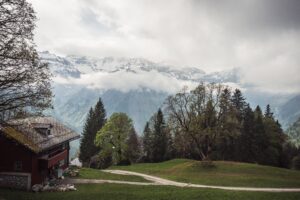
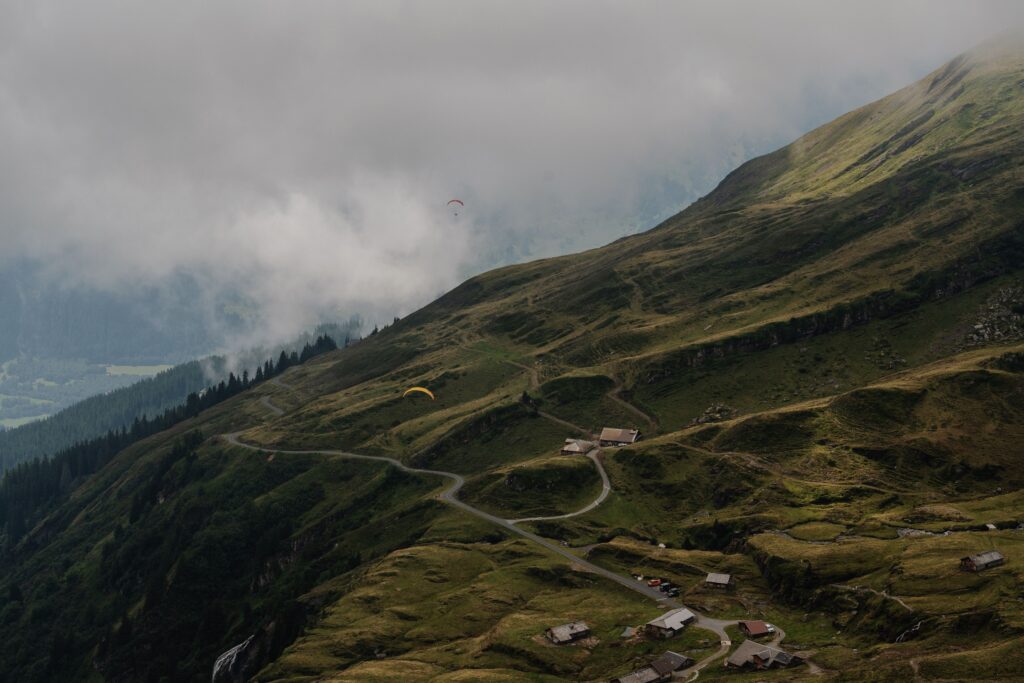
The cost of living in Grindelwald Switzerland is high, but it comes with something rare: everyday life in one of Europe’s most spectacular Alpine villages. This is not a cheap mountain town hidden from the world. Grindelwald is a premium Swiss destination with dramatic peaks, year round tourism, limited rental supply and strong demand from visitors, seasonal workers, remote professionals and families who want fresh air with serious infrastructure.
As a practical starting point, a single person should usually plan around CHF 2,700 to CHF 4,000 per month. A couple may need CHF 4,500 to CHF 6,500, while a family of four should expect CHF 7,000 to CHF 10,500, depending on rent, childcare, insurance, transport and lifestyle. Health insurance alone is a major fixed cost in Switzerland, with the national average premium reaching CHF 393.30 per month in 2026, according to the Federal Office of Public Health.
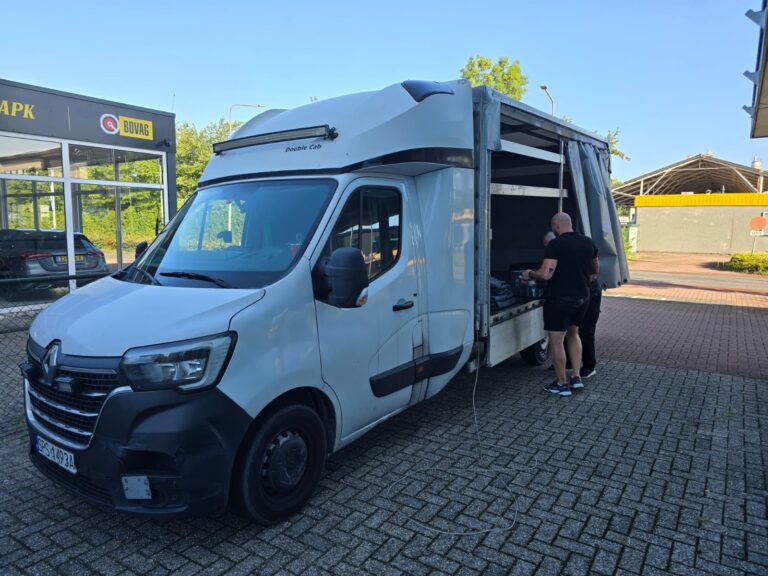
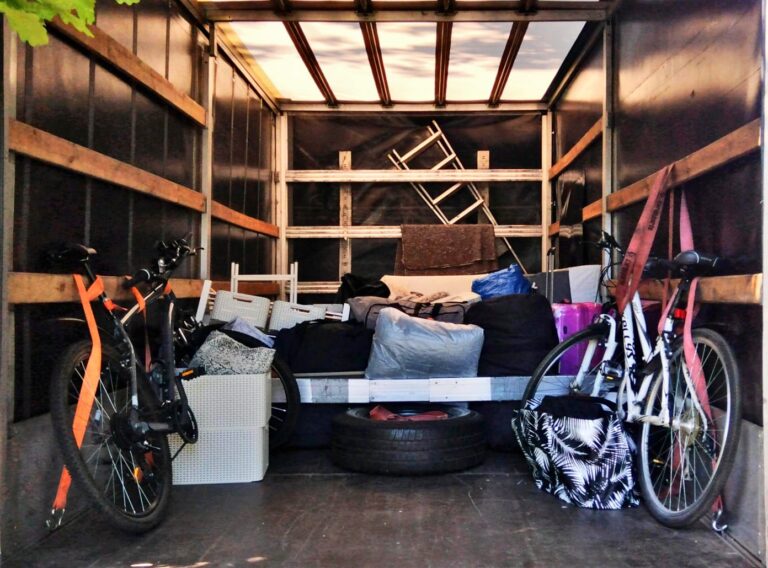
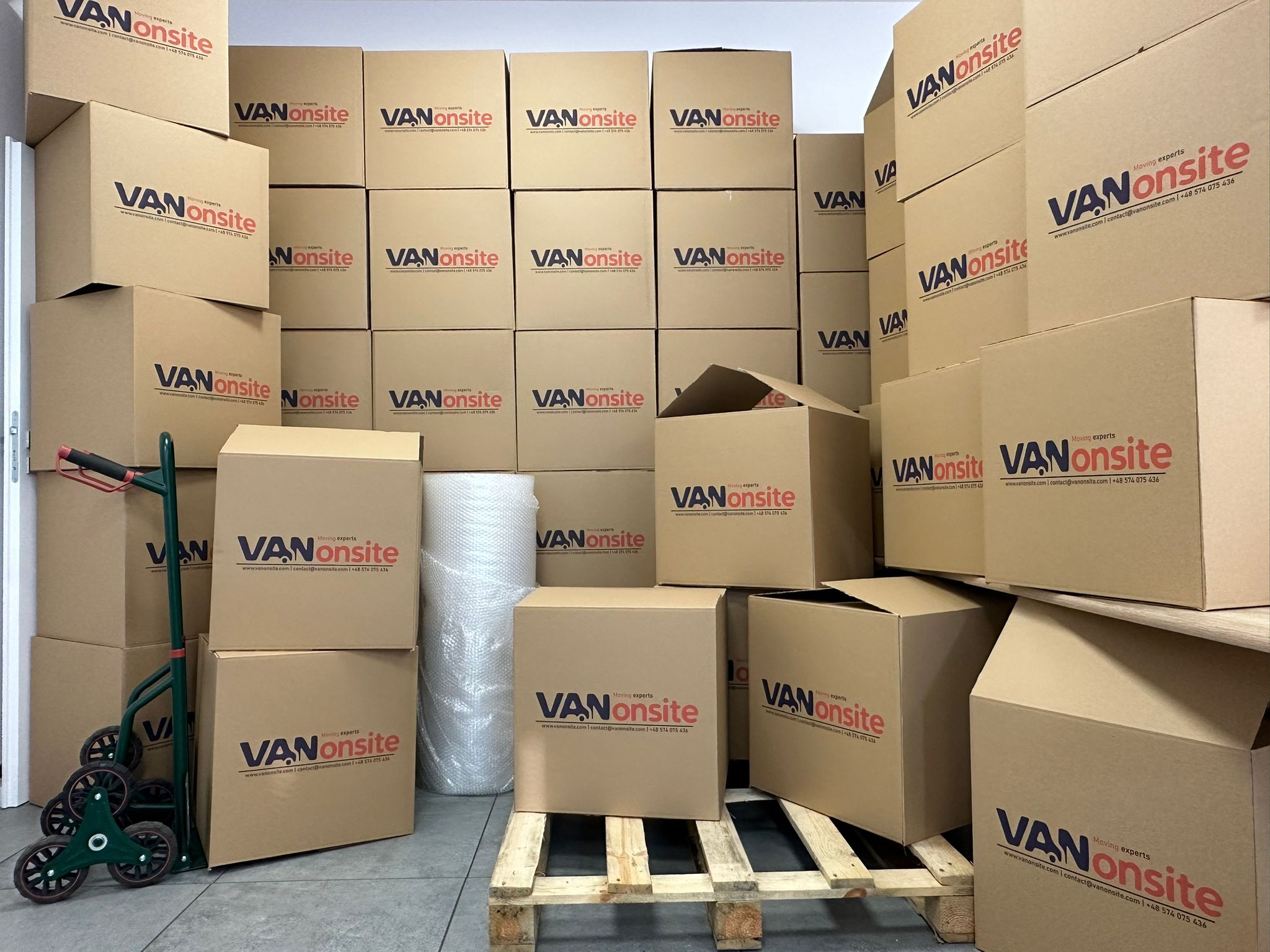
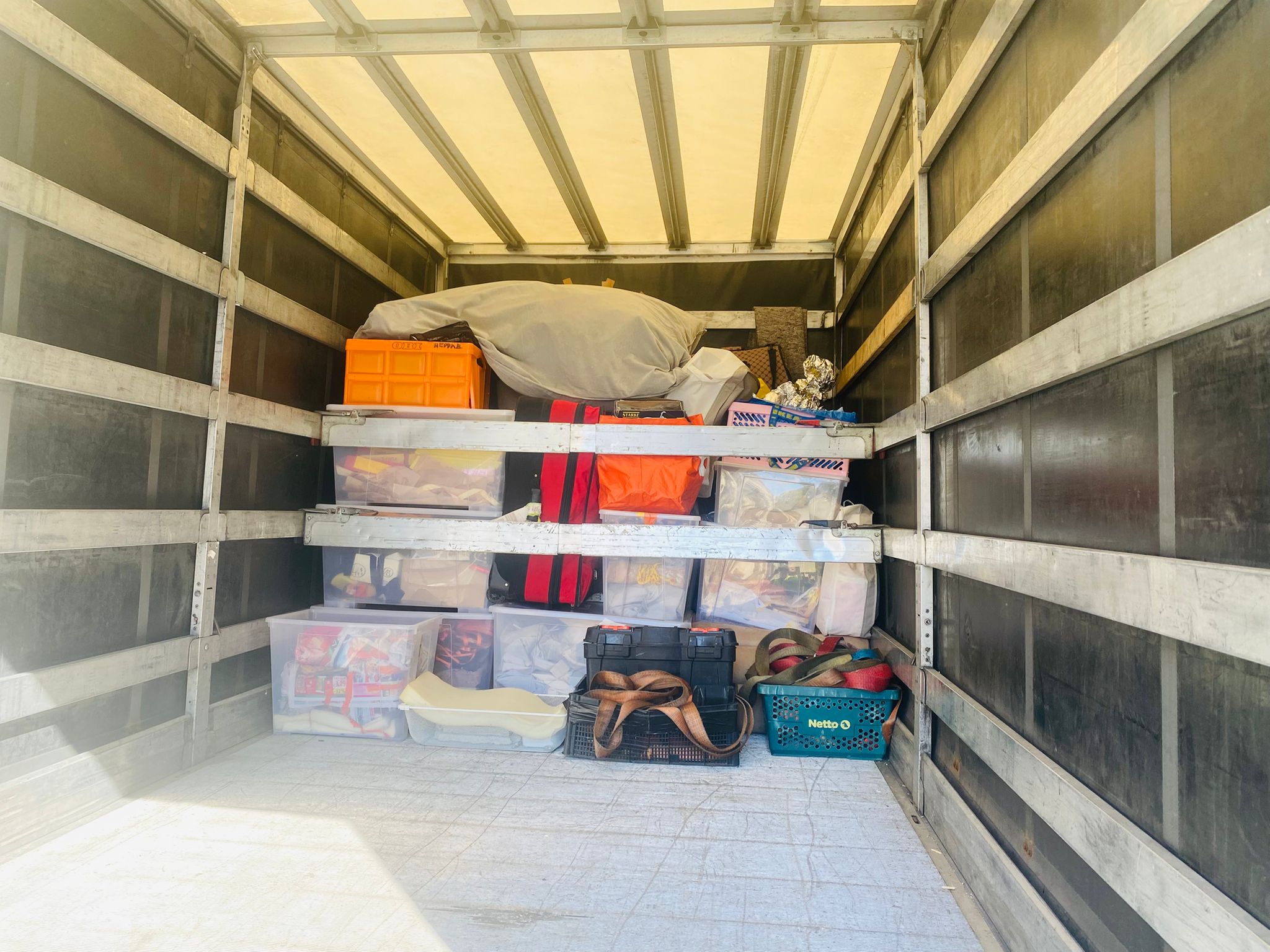
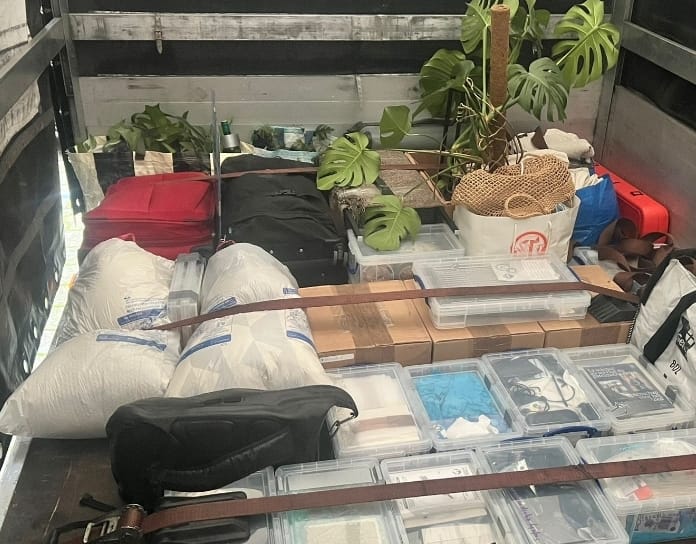
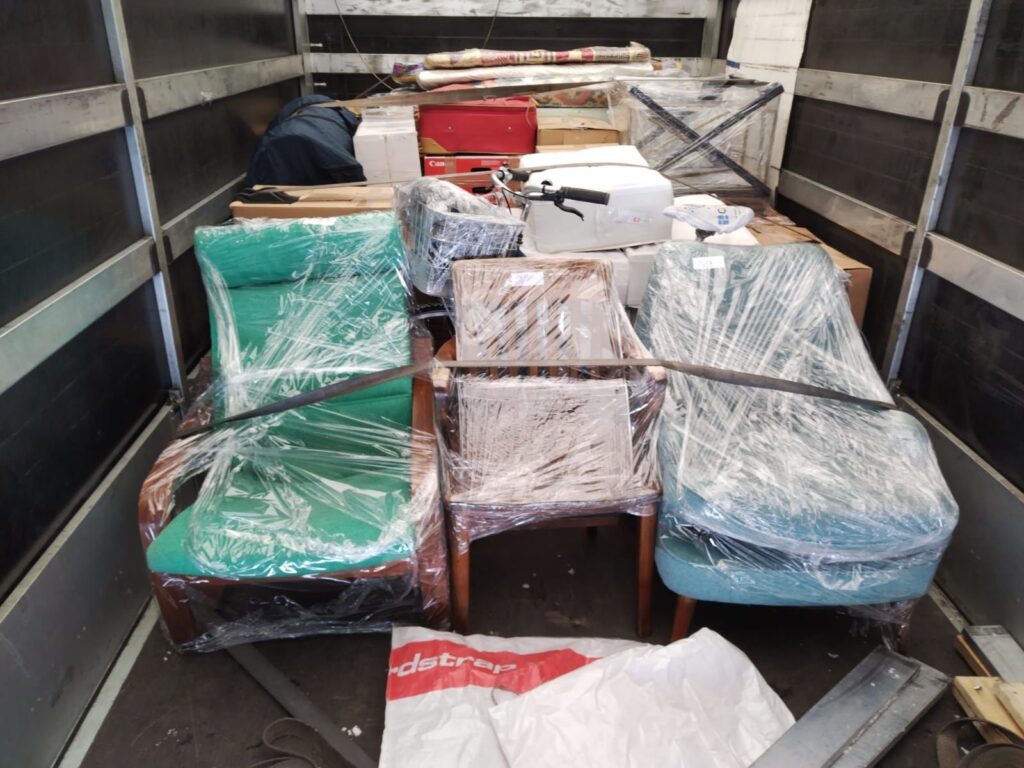
If you are moving to Grindelwald from another European country, the relocation itself also deserves careful planning. Alpine access, customs paperwork, weather and tight village roads can make a simple move feel surprisingly complex. That is where a professional, GPS tracked man and van or dedicated removals service from VANonsite can make the difference between chaos and calm.
TL:DR
- The cost of living in Grindelwald Switzerland is high because housing is limited, tourism demand is strong and everyday Swiss prices apply.
- A single person should plan around CHF 2,700 to CHF 4,000 per month for a realistic lifestyle.
- Couples usually need CHF 4,500 to CHF 6,500 per month, especially if they want comfort rather than survival budgeting.
- Families should expect CHF 7,000 to CHF 10,500 per month once rent, insurance, groceries, transport and childcare are included.
- Rent is the biggest pressure point, with small apartments often starting around CHF 1,100 and larger premium apartments moving above CHF 3,000.
- Switzerland requires residents to register with the new commune, generally within 14 days of moving.
- VANonsite supports European moves to Switzerland with dedicated vehicle options, GPS tracking, packing help and reliable door to door transport.




Quick Answer: Is Grindelwald Expensive to Live In?
Yes, Grindelwald is expensive to live in. The cost of living in Grindelwald Switzerland is shaped by three powerful forces: Swiss pricing, Alpine geography and heavy tourism demand. Even if the village looks peaceful, it operates inside one of the most premium travel regions in Europe.
Rent is the biggest variable. The local rental market is tight, and availability can change quickly because some properties are used for holiday accommodation, seasonal stays or furnished short term lets. In practical terms, newcomers should expect small flats to start around CHF 1,100 to CHF 1,600 per month, while larger apartments can easily reach CHF 2,500 to CHF 4,500 plus.
Food and restaurants also bite into the budget. A basic restaurant meal can cost around CHF 25, while a mid range dinner for two can reach around CHF 120. These are not casual prices if you eat out several times per week. Groceries are more predictable, but still firmly Swiss in price, especially for meat, cheese, fresh produce and convenience items.
Still, Grindelwald can be worth it. For the right person, this village offers something magnetic: clean air, safe streets, mountain views, excellent Swiss transport and a lifestyle that feels almost unreal on a winter morning. The key is not to underestimate the budget.
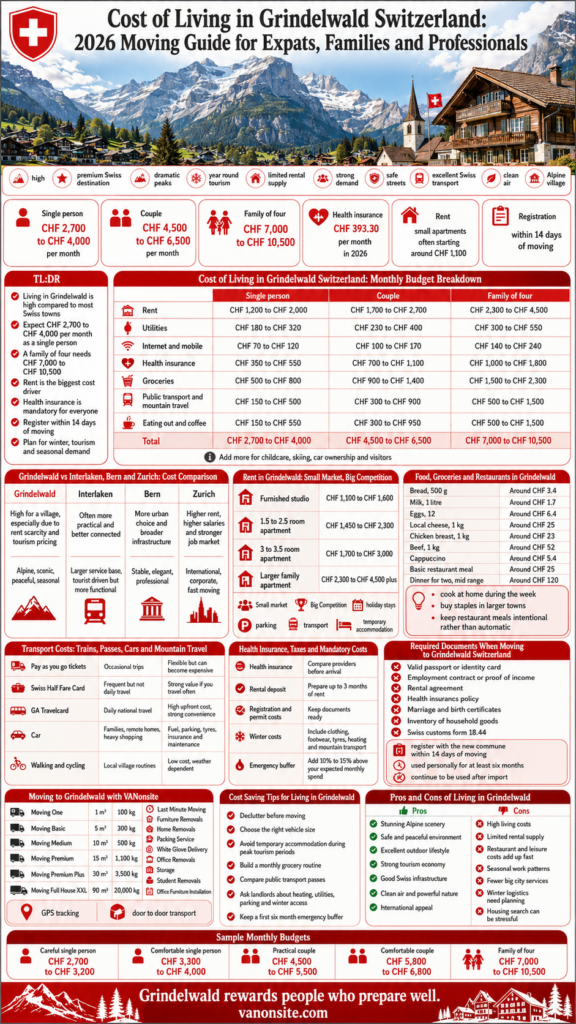
Cost of Living in Grindelwald Switzerland: Monthly Budget Breakdown
The cost of living in Grindelwald Switzerland depends heavily on housing, health insurance and lifestyle. A remote worker who cooks at home and rents a compact flat can live more efficiently. A family with a car, childcare needs, frequent mountain trips and restaurant habits will need a much larger budget.
| Cost category | Single person | Couple | Family of four | Notes |
|---|---|---|---|---|
| Rent | CHF 1,200 to CHF 2,000 | CHF 1,700 to CHF 2,700 | CHF 2,300 to CHF 4,500 | Small market, limited supply and tourist pressure |
| Utilities | CHF 180 to CHF 320 | CHF 230 to CHF 400 | CHF 300 to CHF 550 | Heating can matter more in Alpine winters |
| Internet and mobile | CHF 70 to CHF 120 | CHF 100 to CHF 170 | CHF 140 to CHF 240 | Costs depend on provider, plan and household size |
| Health insurance | CHF 350 to CHF 550 | CHF 700 to CHF 1,100 | CHF 1,000 to CHF 1,800 | Premiums depend on age, canton, deductible and insurance model |
| Groceries | CHF 500 to CHF 800 | CHF 900 to CHF 1,400 | CHF 1,500 to CHF 2,300 | Cooking at home can save hundreds monthly |
| Public transport and mountain travel | CHF 150 to CHF 500 | CHF 300 to CHF 900 | CHF 500 to CHF 1,500 | Frequent mountain travel can become expensive |
| Eating out and coffee | CHF 150 to CHF 550 | CHF 300 to CHF 950 | CHF 500 to CHF 1,500 | Restaurants are a serious budget accelerator |
| Total | CHF 2,700 to CHF 4,000 | CHF 4,500 to CHF 6,500 | CHF 7,000 to CHF 10,500 | Add more for childcare, skiing, car ownership and visitors |
A realistic budget should include a first six month safety buffer. In Switzerland, unexpected expenses can arrive fast: insurance deposits, rental guarantees, winter tyres, furniture, permit fees, school related costs, parking, utilities and moving costs. For a smoother arrival, a single person should ideally have at least CHF 5,000 to CHF 8,000 available after paying relocation costs. A family should consider CHF 12,000 to CHF 20,000 as a more comfortable arrival cushion.
Grindelwald vs Interlaken, Bern and Zurich: Cost Comparison
At first glance, Grindelwald may appear cheaper than Zurich. However, the numbers do not tell the full story. Zurich has higher average rents, but it also has deeper job markets, more apartments, more services and better salary potential. Grindelwald has fewer housing options, more seasonal pressure and higher leisure costs.
| Location | Cost profile | Lifestyle profile | Best for |
|---|---|---|---|
| Grindelwald | High for a village, especially due to rent scarcity and tourism pricing | Alpine, scenic, peaceful, seasonal | Mountain lovers, remote workers, hospitality workers and families who value nature |
| Interlaken | Often more practical and better connected | Larger service base, tourist driven but more functional | Commuters, families and workers needing better transport access |
| Bern | More urban choice and broader infrastructure | Stable, elegant, professional | Families, office workers, students and long term residents |
| Zurich | Higher rent, higher salaries and stronger job market | International, corporate, fast moving | Finance, tech, global careers and high income professionals |
The cost of living in Grindelwald Switzerland becomes easier to understand when you separate beauty from practicality. Grindelwald wins emotionally. Interlaken may win logistically. Bern often wins for families who want city structure without Zurich prices. Zurich wins for career growth, but not for low monthly spending.
For many newcomers, the best strategy is simple: secure work and housing before arrival. Then compare Grindelwald with nearby villages and Interlaken before committing. A beautiful address is powerful, but a stable rental contract is priceless.
Rent in Grindelwald: Small Market, Big Competition
Housing is the hardest part of moving to Grindelwald. The village is small, the views are world famous and long term rentals can be scarce. Some properties are designed for holiday stays rather than permanent residents. Others are furnished, seasonal or available only for selected months.
A practical rent range starts around CHF 1,100 to CHF 1,600 for a compact furnished studio. A 1.5 to 2.5 room apartment may cost around CHF 1,450 to CHF 2,300. Larger homes suitable for families can move from CHF 2,300 to CHF 4,500 plus, especially if they have good views, parking, modern interiors or easy access to transport.
| Apartment type | Monthly planning range |
|---|---|
| Furnished studio | CHF 1,100 to CHF 1,600 |
| 1.5 to 2.5 room apartment | CHF 1,450 to CHF 2,300 |
| 3 to 3.5 room apartment | CHF 1,700 to CHF 3,000 |
| Larger family apartment | CHF 2,300 to CHF 4,500 plus |
When you search, ask sharp questions. Are utilities included? Is the apartment available all year? Is there parking? Is the heating system efficient? Is the property close to transport? Can a removals van access the building? In mountain villages, these details matter more than they first appear.
A family should start looking 3 to 6 months before moving. A single person with flexible expectations may move faster, but even then, Grindelwald is not the place to improvise. The cost of living in Grindelwald Switzerland can jump dramatically if you are forced into temporary accommodation during peak season.
Food, Groceries and Restaurants in Grindelwald
Groceries in Grindelwald are expensive, but they are not the real danger. The real budget killer is eating out too often. A coffee here, lunch there, dinner after a long day, then Sunday brunch with guests. In a resort village, those small pleasures can quietly consume CHF 500 to CHF 1,000 per month.
Everyday food prices vary by shop, season and product quality, but the direction is clear. Bread, milk, eggs, cheese, meat and fresh produce will usually cost more than in most EU countries. Meat is particularly expensive, while local cheese, bakery products and convenience foods can quickly stretch a weekly budget.
| Item | Example cost |
|---|---|
| Bread, 500 g | Around CHF 3.4 |
| Milk, 1 litre | Around CHF 1.7 |
| Eggs, 12 | Around CHF 6.4 |
| Local cheese, 1 kg | Around CHF 25 |
| Chicken breast, 1 kg | Around CHF 23 |
| Beef, 1 kg | Around CHF 52 |
| Cappuccino | Around CHF 5.4 |
| Basic restaurant meal | Around CHF 25 |
| Dinner for two, mid range | Around CHF 120 |
A smart monthly grocery budget starts around CHF 500 to CHF 800 for one person. Couples should plan CHF 900 to CHF 1,400. Families may spend CHF 1,500 to CHF 2,300, depending on diet, age of children and shopping habits.
To reduce costs, cook at home during the week, buy staples in larger towns when possible and keep restaurant meals intentional rather than automatic. Grindelwald rewards people who enjoy simple routines: fresh bread, home cooked dinners, mountain walks and fewer impulse purchases.
Transport Costs: Trains, Passes, Cars and Mountain Travel
Transport is one of the best things about Switzerland, but it is not always cheap. Grindelwald is well connected by public transport, and many residents can live without a car if their work, school and shopping routines fit the network. However, leisure travel, mountain railways and family trips can increase costs quickly.
The Swiss Half Fare Card can be useful for regular journeys because it reduces fares on many trains, buses, boats and selected mountain routes. For heavy travellers, the GA Travelcard gives broader access across the Swiss public transport network, but the annual price is significant and only makes sense if you travel often.
| Transport choice | Best for | Budget impact |
|---|---|---|
| Pay as you go tickets | Occasional trips | Flexible but can become expensive |
| Swiss Half Fare Card | Frequent but not daily travel | Strong value if you travel often |
| GA Travelcard | Daily national travel | High upfront cost, strong convenience |
| Car | Families, remote homes, heavy shopping | Fuel, parking, tyres, insurance and maintenance |
| Walking and cycling | Local village routines | Low cost, weather dependent |
Owning a car in Grindelwald can be useful, especially for families or people living outside the most convenient areas. Still, winter changes the equation. Snow, tyres, parking and maintenance add friction. If you are moving from abroad, decide whether your car is truly useful before bringing it. A smaller, carefully planned man and van relocation may be wiser than dragging too many possessions and vehicles into a tight Alpine setting.
Health Insurance, Taxes and Mandatory Costs
The cost of living in Grindelwald Switzerland cannot be calculated properly without health insurance. Switzerland has mandatory health insurance, and people settling in the country must take out cover within three months of taking up residence. You can check the official Swiss health insurance information on the Federal Office of Public Health website.
The average monthly Swiss premium in 2026 is CHF 393.30, but your exact premium depends on your canton, age, insurer, deductible and insurance model. A young adult with a high deductible may pay less. A family with several children, lower deductibles and broader preferences may pay much more.
Taxes also need attention. Switzerland has federal, cantonal and communal taxes, so your final burden depends on personal income, family situation and residence. You can check official tax information on the Swiss government portal ch.ch.
| Cost | Practical planning advice |
|---|---|
| Health insurance | Compare providers before arrival and budget from the first month |
| Rental deposit | Prepare up to 3 months of rent if required |
| Registration and permit costs | Keep documents ready and budget small administrative fees |
| Winter costs | Include clothing, footwear, tyres, heating and mountain transport |
| Emergency buffer | Add 10% to 15% above your expected monthly spend |
The first three months are often the most expensive. You may need to pay deposit, first rent, insurance, furniture, moving costs and paperwork before your routine feels stable. That is why a precise relocation plan matters.
Required Documents When Moving to Grindelwald Switzerland
Moving to Switzerland is beautifully organised, but it is not paperwork free. Requirements depend on nationality, employment status, family situation and whether you are moving from inside or outside the EU or EFTA.
EU and EFTA citizens should check official Swiss rules for residence permits, including L, B, C, Ci and G permits. The State Secretariat for Migration provides official information for EU and EFTA nationals. Non EU and non EFTA nationals should check the separate SEM guidance for third country nationals, because the rules are stricter and usually depend on work, study, family or another approved reason for residence.
In general, residents are expected to register with the new commune within 14 days of moving. Official registration guidance is available on ch.ch. This step matters because registration connects to permits, health insurance, local records and official correspondence.
| Document or step | Why it matters |
|---|---|
| Valid passport or identity card | Required for entry and identity checks |
| Employment contract or proof of income | Often needed for residence and housing |
| Rental agreement | Useful for registration and local administration |
| Health insurance policy | Mandatory after settling in Switzerland |
| Marriage and birth certificates | Needed for family registration in many cases |
| Inventory of household goods | Needed for customs clearance |
| Swiss customs form 18.44 | Used for importing household effects when relocating |
Swiss customs rules are especially important if you bring furniture, boxes and personal belongings. Household effects can often be imported as removal goods if the items were used personally for at least six months and will continue to be used after import. You can check official guidance on household goods and relocation imports on the Federal Office for Customs and Border Security website.
A professional removals company can help you avoid painful mistakes here. Missing inventory details, unclear item lists or last minute changes can cause delays at the border. For a move into a mountain village like Grindelwald, delays are more than irritating. They can affect delivery windows, building access, parking and your first night in the new home.


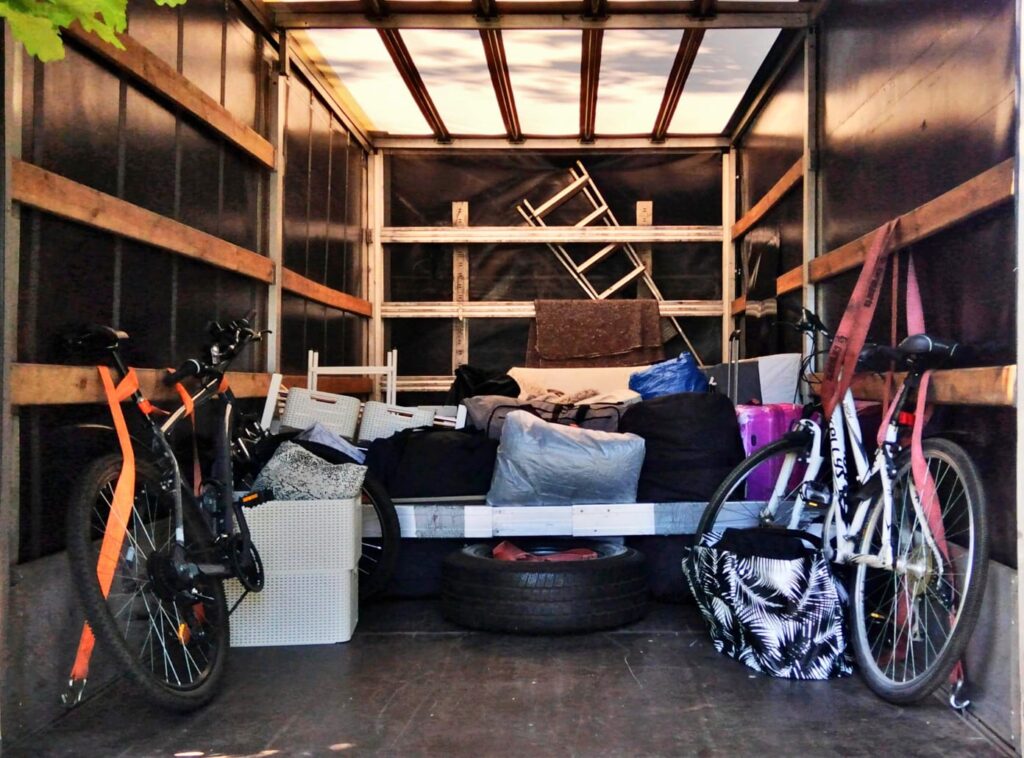
Moving to Grindelwald with VANonsite
Moving to Grindelwald is not just transport. It is timing, access, customs, planning and trust. A narrow street, icy driveway or incomplete customs document can turn a promising moving day into an expensive mess. VANonsite helps clients move across Europe with safe, fast and carefully organised transport built around real relocation needs.
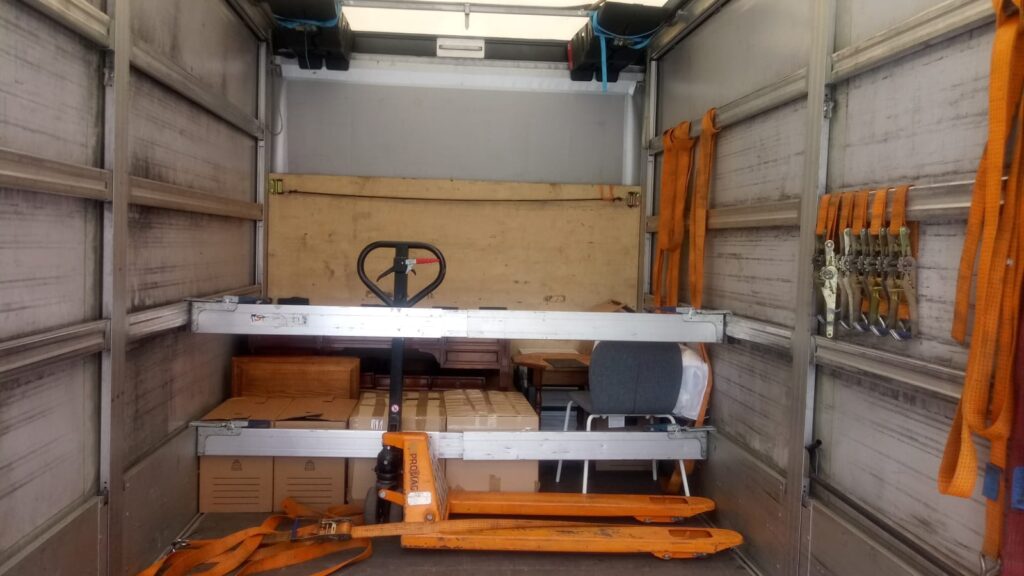
For Switzerland, VANonsite offers a practical mix of dedicated removals, man and van solutions, GPS tracking, packing support and flexible vehicle sizes. Whether you are moving a few boxes, a student room, office furniture or a full household, the goal is simple: your belongings arrive safely, without drama.
For more details, visit VANonsite’s page for removals to Switzerland.
| VANonsite option | Capacity | Best for |
|---|---|---|
| Moving One | 1 m³, 100 kg | Boxes, small deliveries, light student move |
| Moving Basic | 5 m³, 300 kg | Studio move, compact apartment, personal items |
| Moving Medium | 10 m³, 500 kg | Small apartment, furniture and boxes |
| Moving Premium | 15 m³, 1,100 kg | Larger apartment, family essentials, furniture removals |
| Moving Premium Plus | 30 m³, 3,500 kg | Full home move, bigger household relocation |
| Moving Full House XXL | 90 m³, 20,000 kg | Large house, office move, complex relocation |
VANonsite also supports different relocation needs, including Last Minute Moving, Furniture Removals, Home Removals, Packing Service, White Glove Delivery, Office Removals, Storage, Student Removals and Office Furniture Installation.
The GPS tracking feature is especially valuable for international moves. When your furniture, documents, equipment or personal possessions are crossing borders, guessing is stressful. Real time visibility builds confidence. It helps families plan arrival, gives professionals more control and makes high value moves feel safer.
Cost Saving Tips for Living in Grindelwald
The cost of living in Grindelwald Switzerland becomes more manageable when you stop treating it like a holiday destination and start treating it like a home. Tourists spend emotionally. Residents need systems.
First, cook at home most days. If a basic restaurant meal is around CHF 25, then eating lunch out five times per week can cost around CHF 500 per month before drinks, coffee or dinner. Second, compare health insurance carefully before arrival. Third, search for housing in Grindelwald and nearby areas, especially if your work does not require you to live directly in the village centre.
Here are practical ways to protect your budget:
- Declutter before moving, because every cubic metre affects transport planning.
- Choose the right vehicle size instead of sending multiple small shipments.
- Avoid temporary accommodation during peak tourism periods whenever possible.
- Build a monthly grocery routine instead of relying on restaurants.
- Compare public transport passes against your real travel pattern.
- Ask landlords about heating, utilities, parking and winter access.
- Keep a first six month emergency buffer for paperwork, deposits and seasonal costs.
The most underrated saving is relocation discipline. Moving unnecessary furniture into Switzerland can be expensive. Before booking transport, divide your items into three groups: essential, useful and emotional. Then be ruthless. A clean move is cheaper, faster and calmer.
Pros and Cons of Living in Grindelwald
Grindelwald can be astonishing, but it is not perfect. The same mountains that make it beautiful can make life more expensive and less flexible. The same tourism that supports jobs can make housing more competitive.
| Pros | Cons |
|---|---|
| Stunning Alpine scenery | High living costs |
| Safe and peaceful environment | Limited rental supply |
| Excellent outdoor lifestyle | Restaurant and leisure costs add up fast |
| Strong tourism economy | Seasonal work patterns |
| Good Swiss infrastructure | Fewer big city services |
| Clean air and powerful nature | Winter logistics need planning |
| International appeal | Housing search can be stressful |
For remote workers, Grindelwald can feel like a dream if housing and internet are secured. For families, it can offer safety and nature, but costs must be calculated carefully. For young professionals, the village may feel too quiet unless work is connected to tourism, hospitality, sport, remote business or the wider region.
Who Should Move to Grindelwald?
Grindelwald is best for people who know why they are choosing it. It is not the cheapest option in Switzerland, and it is not the easiest place to find housing. However, for the right person, it can offer an extraordinary quality of life.
You may love living in Grindelwald if you want mountains to be part of your everyday routine, work remotely or have secured local employment, prefer clean and quiet living over nightlife and can handle high fixed costs. It also suits people who enjoy outdoor sports, hiking, skiing or nature, and who are willing to plan housing and paperwork early.
You may struggle if you need cheap rent, a large job market, constant entertainment or a wide choice of apartments. In that case, Interlaken, Bern or another Swiss town may be more practical.
Sample Monthly Budgets
These sample budgets show how different lifestyles affect the cost of living in Grindelwald Switzerland. They are not exact predictions, but they help you plan with more confidence.
| Lifestyle | Monthly estimate | Profile |
|---|---|---|
| Careful single person | CHF 2,700 to CHF 3,200 | Small apartment, home cooking, limited restaurants |
| Comfortable single person | CHF 3,300 to CHF 4,000 | Better housing, regular travel, some eating out |
| Practical couple | CHF 4,500 to CHF 5,500 | Shared rent, controlled food budget, moderate leisure |
| Comfortable couple | CHF 5,800 to CHF 6,800 | Larger apartment, travel, restaurants and mountain activities |
| Family of four | CHF 7,000 to CHF 10,500 | Larger home, insurance, groceries, transport and children’s costs |
The biggest difference between a controlled budget and a painful one is lifestyle creep. In a place like Grindelwald, beauty can seduce you into spending. Every mountain ride, restaurant terrace and weekend plan feels justified. The solution is not to live miserably. It is to spend intentionally.
Final Verdict: Is the Cost of Living in Grindelwald Switzerland Worth It?
The cost of living in Grindelwald Switzerland is high, but for many people, the value is emotional as much as financial. You are paying for safety, scenery, Swiss reliability, clean infrastructure, mountain access and a lifestyle that many people only experience for one week a year.
It is worth it if you have stable income, realistic expectations and a clear relocation plan. It is risky if you arrive without housing, underestimate insurance, rely on restaurants or treat the move like a spontaneous adventure.
Before moving, calculate your monthly budget, compare nearby towns, secure accommodation and prepare your documents. Then plan your transport with the same seriousness. VANonsite can help you choose the right vehicle size, organise packing support, handle a man and van or larger dedicated move and give you GPS tracked visibility during the journey.
Grindelwald rewards people who prepare well. With the right budget and the right moving partner, life in this Swiss mountain village can feel less like a gamble and more like a powerful new chapter.