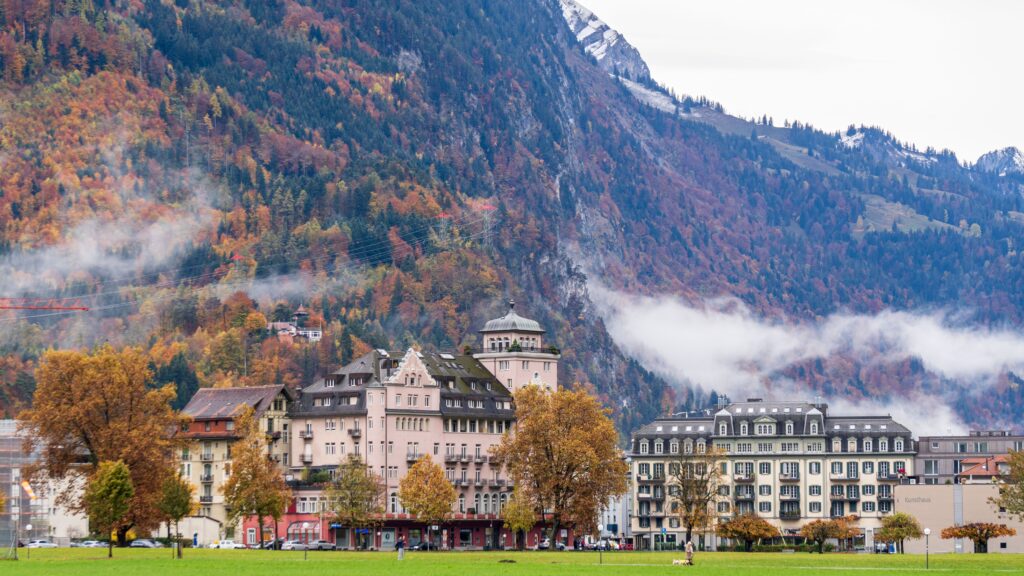
Interlaken looks almost unreal when you first arrive. Turquoise lakes sit on both sides of town. Snowy peaks rise above the rooftops. Trains leave for Lauterbrunnen, Grindelwald, Bern and the Jungfrau region with the quiet precision Switzerland is famous for.
But this beauty comes with a serious price tag. The cost of living in Interlaken Switzerland is high, even for people who already expect Swiss prices. Rent is competitive, health insurance is mandatory, groceries are expensive and tourist demand pushes many everyday costs upward.
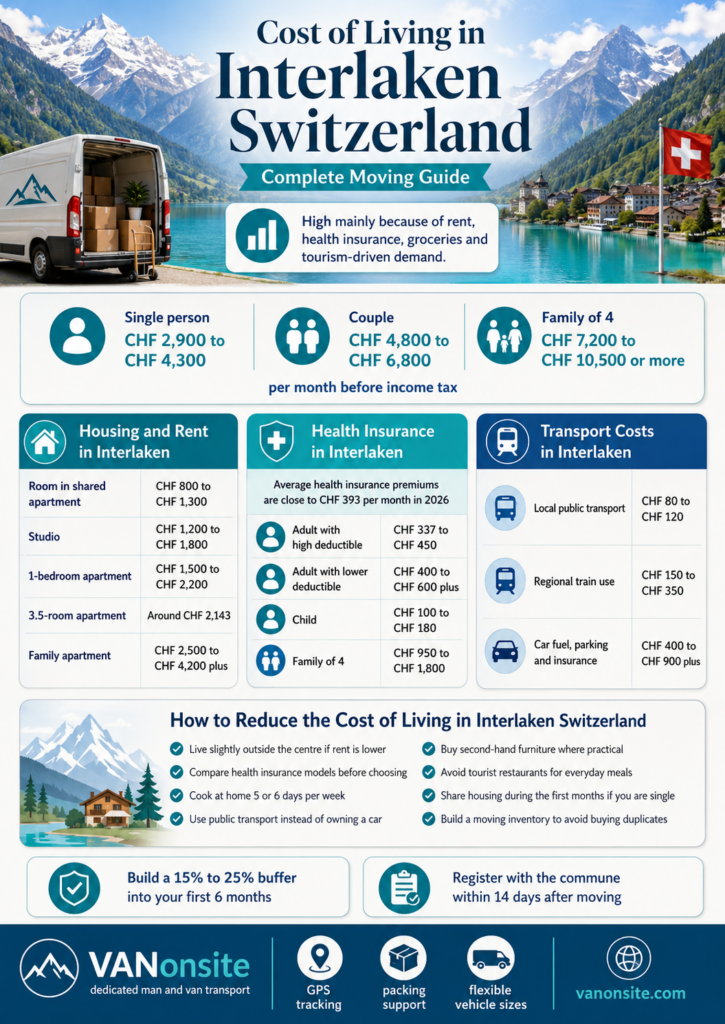
For a single person, a realistic monthly budget in Interlaken usually starts from around CHF 2,900 to CHF 4,300 before income tax. A couple may need around CHF 4,800 to CHF 6,800. A family of four should often plan for CHF 7,200 to CHF 10,500 or more, depending on rent, childcare, insurance and lifestyle.
Housing is the biggest pressure point. A 2026 local cost comparison lists a typical 3.5-room apartment in Interlaken at around CHF 2,143 per month and reports a vacancy rate of only 0.45%, which shows how tight the rental market can be.
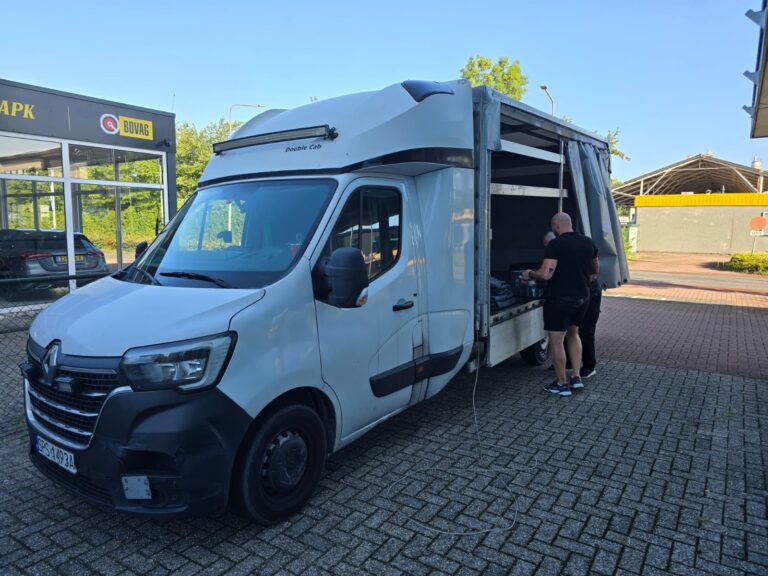
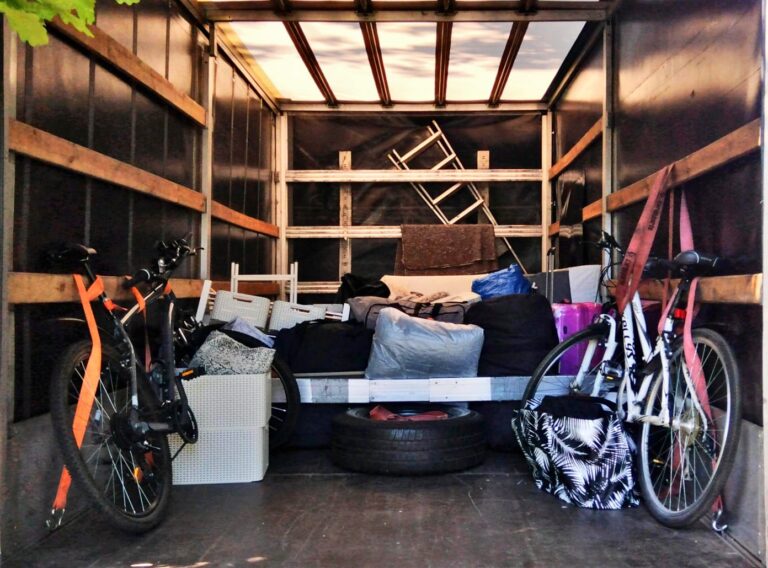
That does not mean Interlaken is the wrong choice. For the right person, it can be a powerful life upgrade. Safe streets, clean air, reliable transport, mountain views and exceptional public services make the town deeply attractive. The key is preparation. If you are moving from another European country, VANonsite can support your removals to Switzerland with dedicated man and van transport, GPS tracking, packing options and flexible vehicle sizes for small moves, family relocations and full house removals.
TL:DR
- The cost of living in Interlaken Switzerland is high mainly because of rent, health insurance, groceries and tourism-driven demand.
- A single person should usually budget around CHF 2,900 to CHF 4,300 per month before income tax.
- A couple may need around CHF 4,800 to CHF 6,800 per month, depending on rent and lifestyle.
- A family of four should often prepare for CHF 7,200 to CHF 10,500 or more per month.
- Rent is the largest cost, with a typical 3.5-room apartment benchmarked at around CHF 2,143 per month in one 2026 local comparison.
- Swiss health insurance is mandatory, and national average premiums are close to CHF 393 per month in 2026.
- New residents are generally expected to register with their new commune within 14 days of moving.




Is Interlaken Expensive to Live In?
Yes, Interlaken is expensive to live in. It is not always as costly as Zurich in every category, but it has its own sharp financial profile. The town is small, famous and shaped by tourism. That means demand for accommodation is constant, while long-term rental supply can feel painfully limited.
The cost of living in Interlaken Switzerland is also affected by location. Interlaken sits between Lake Thun and Lake Brienz, with fast access to the Jungfrau region. For many people, this is the dream. For renters, it creates pressure. Holiday apartments, second homes, seasonal staff and international residents all compete in a relatively small housing market.
Recent reporting has also highlighted the rise of second homes in Interlaken. Between 2020 and 2025, the number of second homes reportedly increased from 428 to 554. That kind of growth matters because it can make the long-term housing market feel even tighter for residents who want a stable home rather than a short stay.
| Place | Cost level | Rent pressure | Best for |
|---|---|---|---|
| Interlaken | High | Very high | Nature lovers, tourism workers, remote professionals |
| Bern | High | High | Government, education, families, commuters |
| Zurich | Very high | Extreme | Finance, tech, corporate careers |
| Thun | High | Medium to high | Families and commuters |
| Unterseen | High | Medium to high | People wanting Interlaken access with a calmer feel |
| Matten bei Interlaken | High | Medium to high | Practical living near Interlaken |
Interlaken rewards people who plan early. It punishes rushed decisions. If you arrive without housing, savings or a clear transport plan, costs can rise quickly.
Monthly Cost of Living in Interlaken Switzerland
The cost of living in Interlaken Switzerland depends on lifestyle, family size, health insurance model, rent and whether you live alone or share accommodation. Still, clear planning ranges help you understand what to expect before you move.
| Monthly cost category | Single person | Couple | Family of 4 |
|---|---|---|---|
| Rent | CHF 1,400 to CHF 2,200 | CHF 1,900 to CHF 2,800 | CHF 2,500 to CHF 4,200 |
| Utilities | CHF 150 to CHF 250 | CHF 220 to CHF 350 | CHF 350 to CHF 550 |
| Health insurance | CHF 337 to CHF 550 | CHF 674 to CHF 1,100 | CHF 950 to CHF 1,800 |
| Groceries | CHF 450 to CHF 750 | CHF 850 to CHF 1,300 | CHF 1,400 to CHF 2,300 |
| Public transport | CHF 80 to CHF 180 | CHF 160 to CHF 350 | CHF 250 to CHF 600 |
| Phone and internet | CHF 60 to CHF 120 | CHF 90 to CHF 160 | CHF 120 to CHF 220 |
| Dining out and coffee | CHF 150 to CHF 400 | CHF 300 to CHF 750 | CHF 450 to CHF 1,000 |
| Leisure, sport and trips | CHF 100 to CHF 350 | CHF 200 to CHF 600 | CHF 350 to CHF 900 |
| Estimated total before tax | CHF 2,727 to CHF 4,800 | CHF 4,394 to CHF 7,410 | CHF 6,370 to CHF 11,570 |
These numbers are planning estimates, not fixed promises. A single person renting a room, cooking at home and using public transport can live much leaner. A family needing a large apartment, childcare, winter gear, school supplies and a car will need a stronger budget.
The safest approach is to build a 15% to 25% buffer into your first 6 months. Deposits, insurance setup, furniture, customs paperwork, temporary accommodation and moving costs can arrive at the same time.
Housing and Rent in Interlaken
Housing is the cost that shapes almost everything else. If you find a fair rental contract, life becomes much easier. If you rely on short-term accommodation for too long, the cost of living in Interlaken Switzerland can become brutal.
A typical 3.5-room apartment in Interlaken can sit around CHF 2,143 per month, while family apartments often rise much higher. Smaller rooms and shared flats are more affordable, but competition can still be strong.
| Housing type | Estimated monthly rent |
|---|---|
| Room in shared apartment | CHF 800 to CHF 1,300 |
| Studio | CHF 1,200 to CHF 1,800 |
| 1-bedroom apartment | CHF 1,500 to CHF 2,200 |
| 3.5-room apartment | Around CHF 2,143 |
| Family apartment | CHF 2,500 to CHF 4,200 plus |
Interlaken centre is convenient, walkable and close to daily services. Interlaken Ost works well for people who rely on trains toward Grindelwald, Lauterbrunnen, Thun or Bern. Interlaken West is practical for shopping, commuting and local life.
Unterseen can feel more historic and residential. Matten bei Interlaken is useful for people who want quick access to Interlaken without living in the busiest tourist zone. Bönigen, Wilderswil and Ringgenberg can also be attractive if you want quieter surroundings and do not mind local commuting.
For newcomers, temporary accommodation can be useful during the first weeks. However, keep that phase short if possible. Short-term stays are expensive and can burn through your moving budget quickly.
Food and Grocery Costs
Food prices in Switzerland often surprise newcomers. Even basic weekly shopping can feel premium compared with Germany, France, Italy, Spain or Poland. In Interlaken, tourist demand can make central prices feel even stronger.
Still, grocery costs are controllable. The difference between cooking at home and eating in tourist restaurants can easily reach CHF 400 to CHF 800 per month for one person.
| Grocery item | Estimated price range |
|---|---|
| Milk, 1 litre | CHF 1.50 to CHF 2.20 |
| Bread, 500 g | CHF 2.80 to CHF 4.50 |
| Eggs, 12 | CHF 5.50 to CHF 9.50 |
| Chicken, 1 kg | CHF 18 to CHF 30 |
| Cheese, 1 kg | CHF 18 to CHF 35 |
| Apples, 1 kg | CHF 3 to CHF 5 |
| Weekly groceries for one person | CHF 110 to CHF 180 |
| Weekly groceries for a family | CHF 300 to CHF 550 |
To reduce the cost of living in Interlaken Switzerland, build practical habits early. Shop with a list. Compare Migros, Coop, Lidl and Aldi where available. Use weekly discounts. Buy seasonal produce. Cook more during the week and save restaurants for real occasions.
This sounds simple, but it is powerful. In an expensive town, discipline is not boring. It is freedom.
Restaurant, Coffee and Going Out Costs
Interlaken has many places to eat, drink and enjoy the view. The danger is not one expensive dinner. The danger is repetition. Coffee here, lunch there, takeaway after work, a dessert near the station. Suddenly, your monthly budget has quietly disappeared.
| Item | Estimated price |
|---|---|
| Coffee | CHF 4 to CHF 6 |
| Casual lunch | CHF 18 to CHF 30 |
| Dinner for one | CHF 30 to CHF 60 |
| Dinner for two | CHF 80 to CHF 160 |
| Beer or glass of wine | CHF 6 to CHF 12 |
| Takeaway meal | CHF 15 to CHF 28 |
A couple eating out twice a week can easily spend CHF 500 to CHF 900 per month. A family can spend much more. If you are moving with your own kitchenware, furniture and appliances, you may reduce setup costs and avoid buying everything again at Swiss prices. This is where a reliable man and van move can be surprisingly strategic, not just convenient.
Health Insurance in Interlaken
Health insurance is not optional in Switzerland. It is one of the most important fixed costs to understand before arrival.
The Swiss Federal Office of Public Health reports that average health insurance premiums are close to CHF 393 per month in 2026. Your real premium depends on age, insurer, deductible, canton, insurance model and personal situation.
| Person or household | Monthly health insurance estimate |
|---|---|
| Adult with high deductible | CHF 337 to CHF 450 |
| Adult with lower deductible | CHF 400 to CHF 600 plus |
| Child | CHF 100 to CHF 180 |
| Couple | CHF 674 to CHF 1,100 |
| Family of 4 | CHF 950 to CHF 1,800 |
Choosing the cheapest monthly premium is not always the smartest decision. A higher deductible can lower your monthly bill, but it can hurt if you need treatment. The best choice depends on your health, savings, risk tolerance and family needs.
For budgeting, treat health insurance like rent. It is not a luxury. It is a core line item.
Transport Costs in Interlaken
Interlaken is unusually well connected for a town of its size. Public transport can be excellent, especially if you live near Interlaken Ost or Interlaken West. Trains, buses and regional routes make car-free living realistic for many singles and couples.
| Transport option | Estimated monthly cost |
|---|---|
| Local public transport | CHF 80 to CHF 120 |
| Regional train use | CHF 150 to CHF 350 |
| Car fuel, parking and insurance | CHF 400 to CHF 900 plus |
| Bike maintenance | CHF 20 to CHF 60 |
| Occasional taxi use | CHF 50 to CHF 200 |
A car can be useful for families, remote villages and weekend trips. However, parking, fuel, insurance, tyres and maintenance can push the cost of living in Interlaken Switzerland much higher. If you can live near public transport, you may save thousands of francs per year.
Utilities, Internet and Phone Costs
Utilities are not the largest part of the budget, but they should not be ignored. Heating can rise in winter, and families usually use more electricity and water than expected.
| Service | Monthly estimate |
|---|---|
| Electricity, heating and water for one person | CHF 150 to CHF 250 |
| Utilities for couple | CHF 220 to CHF 350 |
| Utilities for family | CHF 350 to CHF 550 |
| Mobile phone | CHF 25 to CHF 70 |
| Home internet | CHF 40 to CHF 90 |
| Media fees and subscriptions | CHF 30 to CHF 100 plus |
When comparing rental offers, check what is included. Some listings include certain charges, while others leave more costs separate. Always ask about heating, building costs, parking and deposit requirements before signing.
Cost of Living in Interlaken Switzerland Compared With Other Cities
Interlaken is not the biggest city in Switzerland, but it can feel expensive because supply is tight and tourism is constant. Compared with Zurich, salaries may be lower in some sectors, while everyday prices remain firmly Swiss.
| Location | Cost feeling | Main difference |
|---|---|---|
| Interlaken | High | Tight housing, tourism demand, mountain location |
| Zurich | Very high | Higher salaries and extreme rent pressure |
| Bern | High | Larger job market and broader housing supply |
| Thun | Slightly lower | More residential and strong for commuters |
| Lucerne | High | Tourist demand, lake setting and larger city feel |
| Munich | High | Strong rent pressure, different healthcare system |
| Milan | Medium to high | Lower wages and lower daily costs |
| London | High but different | High rent, different healthcare model |
The cost of living in Interlaken Switzerland can feel especially shocking if you move from Southern or Eastern Europe. However, many people accept the premium because Interlaken offers rare lifestyle value: safety, nature, clean infrastructure and quick access to some of the most beautiful landscapes in Europe.
Taxes in Interlaken
Taxes in Switzerland depend on federal, cantonal and municipal factors. Interlaken sits in the canton of Bern, so your tax position will not be identical to someone living in Zurich, Zug or Geneva.
A local 2026 comparison based on CHF 100,000 gross income estimates annual taxes in Interlaken at around CHF 17,127. This is only a planning example. Your real tax burden depends on income, marital status, children, deductions, religion tax where applicable and residence status.
| Situation | What to check |
|---|---|
| Single employee | Withholding tax and later tax return obligations |
| Married couple | Joint taxation and household deductions |
| Family with children | Child deductions and childcare treatment |
| Self-employed person | Tax, pension, insurance and accounting duties |
| Cross-border situation | Special rules based on country and permit |
For accurate numbers, use official cantonal tools or speak with a Swiss tax adviser. When planning your move, always calculate net income, not just gross salary.
Moving Costs to Interlaken
Moving costs depend on distance, volume, weight, access, packing needs, customs paperwork and timing. A few boxes from Germany are a very different move from a full house relocation from the UK, Ireland, Spain or Scandinavia.
The cheapest quote is not always the best value. A delayed, poorly packed or badly documented move can cost far more in stress, replacement items and temporary accommodation.
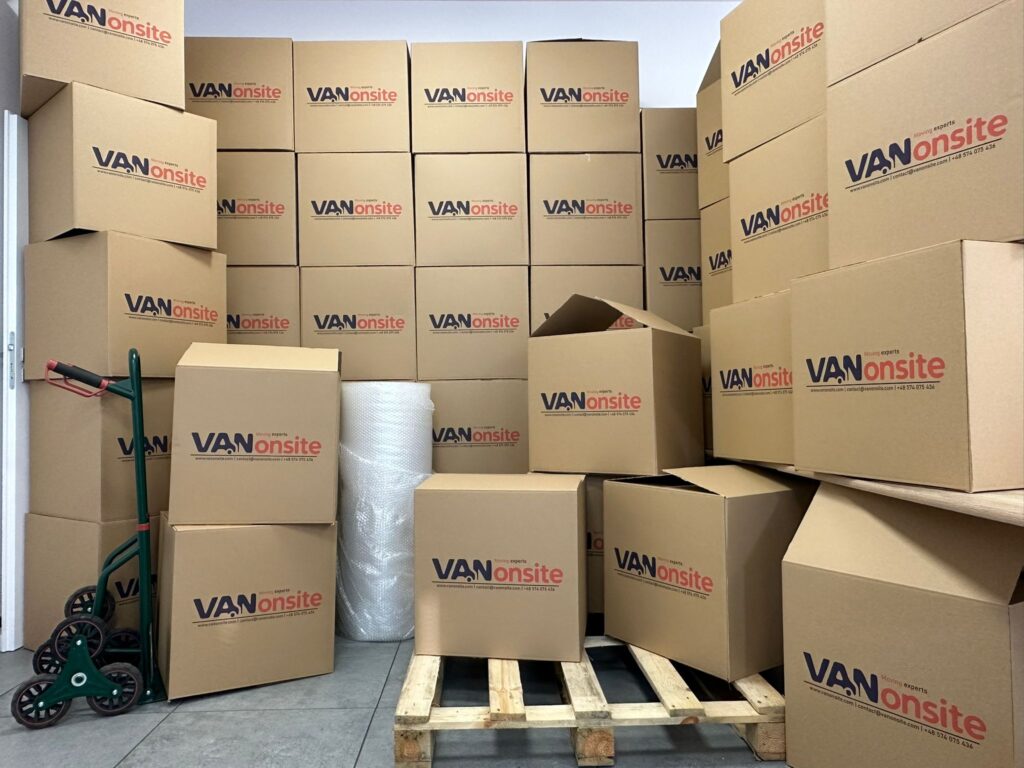
VANonsite offers flexible vehicle options for different relocation sizes:
| VANonsite option | Capacity | Weight limit | Best for |
|---|---|---|---|
| Moving One | 1 m³ | 100 kg | Boxes, documents, student essentials |
| Moving Basic | 5 m³ | 300 kg | Small room or compact studio move |
| Moving Medium | 10 m³ | 500 kg | Small apartment relocation |
| Moving Premium | 15 m³ | 1,100 kg | Larger apartment or furniture removals |
| Moving Premium Plus | 30 m³ | 3,500 kg | Family relocation |
| Moving Full House XXL | 90 m³ | 20,000 kg | Full house or major European move |
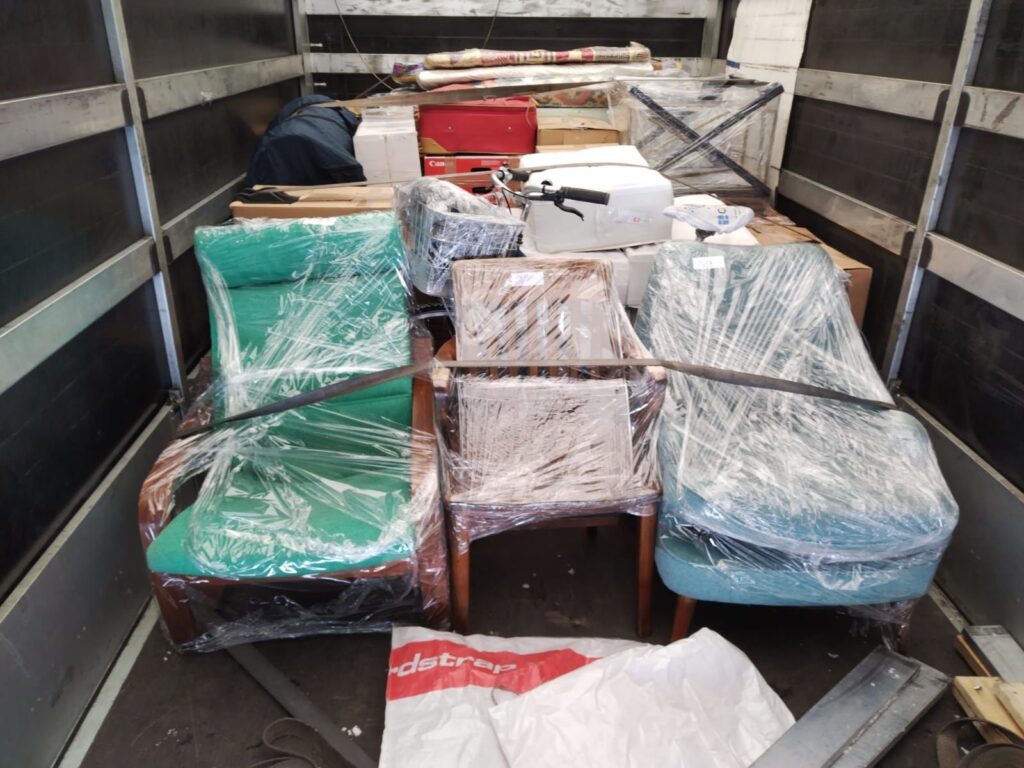
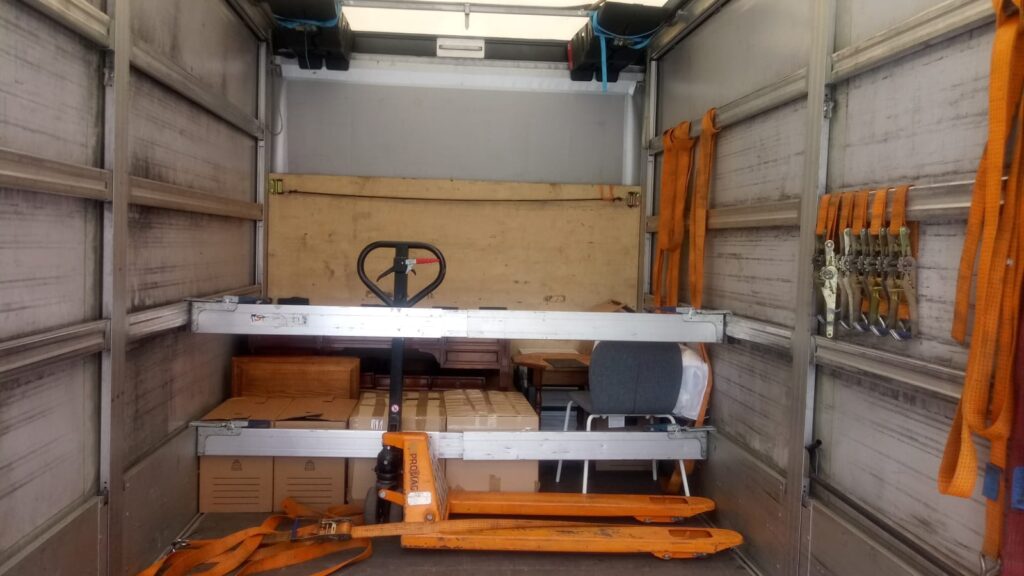
A dedicated man and van service can be ideal for Switzerland because timing and control matter. VANonsite provides GPS tracking for every load, careful handling, professional packing options and support for different move types, including Home Removals, Furniture Removals, Student Removals, Office Removals, Packing Service, Storage, Last Minute Moving, White Glove Delivery and Office Furniture Installation.
If you are relocating from another European country, VANonsite’s removals to Switzerland service can help you plan a safer and smoother route into Interlaken.
Required Documents When Moving to Interlaken
Moving to Switzerland is not just about transport. It is also about documents, registration and customs. The exact requirements depend on your nationality, purpose of stay and employment situation.
EU and EFTA citizens have residence conditions based on the reason for their stay, such as work, study or family reunification. You can check official Swiss guidance on the State Secretariat for Migration website. Switzerland’s official portal also explains the general rules for working in Switzerland as a foreign national.
| Situation | Documents to prepare |
|---|---|
| EU or EFTA worker | Passport or ID, employment contract, lease, permit application documents, health insurance proof |
| Non-EU or non-EFTA worker | Passport, visa or approval documents, employment documents, accommodation proof, permit documents |
| Student | Passport or ID, school confirmation, financial proof, insurance proof, accommodation details |
| Family relocation | Marriage documents, birth certificates, passports, accommodation proof, insurance proof |
| Household goods import | Inventory list, proof of transfer of residence, customs form 18.44, supporting documents |
New residents are generally expected to register with their new commune within 14 days of moving. You can confirm the rule through the official Swiss portal on notification of departure and registration.
Swiss customs also has rules for household goods. In general, removal goods may qualify for duty-free import if they have been personally used for at least 6 months and will continue to be used after import. You can check the official customs guidance on moving household effects to Switzerland and the procedure for relocation import into Switzerland.
This is why organized packing and a clear inventory are so important. Swiss customs is not a place for vague box labels and guesswork.
Step by Step Moving Plan to Interlaken
A calm move to Interlaken starts long before the van arrives. Use this sequence as a practical roadmap.
- Calculate your monthly budget with rent, insurance, food, tax and transport.
- Check your visa, residence and work permit requirements.
- Search for housing early, including nearby towns.
- Prepare employment, study or family documents.
- Compare health insurance options before arrival.
- Choose the right moving volume and vehicle size.
- Create a detailed inventory list for customs.
- Pack fragile, valuable and seasonal items properly.
- Arrange transport with GPS tracking and clear timing.
- Register with the commune within 14 days after moving.
- Set up bank, phone, internet and local transport.
- Review your real spending after the first 30 days.
This plan keeps the cost of living in Interlaken Switzerland under control because it reduces expensive surprises. Last minute hotel stays, duplicate furniture purchases, missed paperwork and rushed storage can quickly turn a good relocation into a costly one.

Living in Interlaken With Family
For families, Interlaken can be magical. Children grow up near lakes, forests, mountains and safe streets. Weekends can mean hiking, swimming, skiing, sledging or short train trips into spectacular valleys.
The financial side is heavier. Families usually need more space, more insurance, more food, more winter clothing and sometimes a car. Childcare can also be a serious expense.
| Family cost | Monthly estimate |
|---|---|
| Family apartment | CHF 2,500 to CHF 4,200 |
| Groceries | CHF 1,400 to CHF 2,300 |
| Health insurance | CHF 950 to CHF 1,800 |
| Childcare | CHF 1,000 to CHF 2,500 plus |
| Transport | CHF 250 to CHF 600 |
| Leisure and sport | CHF 350 to CHF 900 |
A family moving to Interlaken should aim for a stronger emergency fund than a single person. Three to six months of essential costs is sensible if possible. Rental deposits, school supplies, children’s furniture, bikes, ski gear and medical expenses can arrive quickly.
VANonsite’s larger vehicle options, including Moving Premium Plus and Moving Full House XXL, are useful for families who want to bring beds, wardrobes, kitchen equipment, children’s items and home comforts instead of replacing everything in Switzerland.
Living in Interlaken as a Student
Students can live more cheaply in Interlaken, but only with discipline. Shared housing is essential. Cooking at home matters. So does keeping luggage and furniture realistic.
| Student cost | Monthly estimate |
|---|---|
| Shared room | CHF 700 to CHF 1,200 |
| Food | CHF 350 to CHF 600 |
| Health insurance | CHF 150 to CHF 400 |
| Transport | CHF 60 to CHF 150 |
| Phone and internet | CHF 40 to CHF 90 |
| Leisure | CHF 100 to CHF 300 |
| Estimated total | CHF 1,400 to CHF 2,740 |
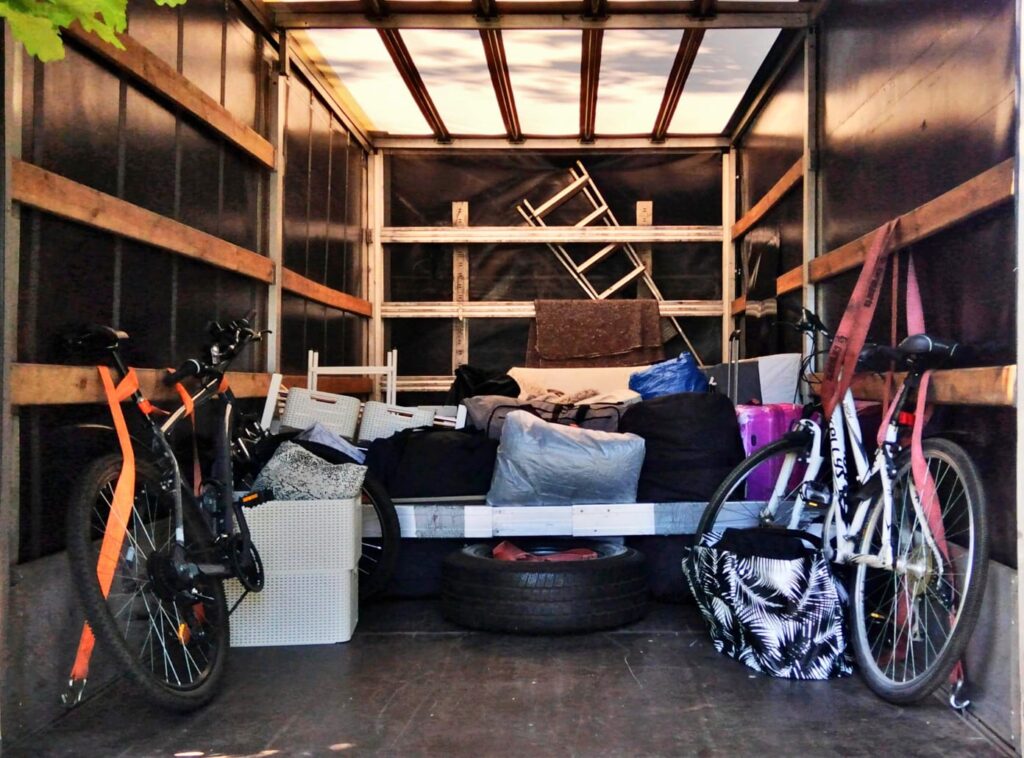
For students, a smaller man and van option can be much more practical than a full relocation. VANonsite’s Moving One or Moving Basic can suit boxes, clothes, study materials, a desk chair, small furniture and personal essentials.
The goal is simple: arrive with what you need, avoid airline baggage chaos and keep setup costs lean.
How to Reduce the Cost of Living in Interlaken Switzerland
Interlaken is expensive, but it is not impossible. Smart habits can soften the pressure.
- Live slightly outside the centre if rent is lower.
- Compare health insurance models before choosing.
- Cook at home 5 or 6 days per week.
- Use public transport instead of owning a car.
- Buy second-hand furniture where practical.
- Bring essential furniture from your current home if transport costs make sense.
- Use loyalty apps and supermarket promotions.
- Avoid tourist restaurants for everyday meals.
- Share housing during the first months if you are single.
- Build a moving inventory to avoid buying duplicates.
The biggest savings usually come from housing, transport and food. Saving CHF 300 per month on rent, CHF 400 by avoiding car ownership and CHF 250 by cooking more can reduce annual costs by CHF 11,400. That is not a small improvement. That is breathing space.
Pros and Cons of Living in Interlaken
Interlaken is not for everyone. It is beautiful, safe and inspiring, but it can also be expensive, seasonal and competitive.
| Pros | Cons |
|---|---|
| Stunning mountain and lake scenery | Expensive rent |
| Very high quality of life | Tight housing market |
| Excellent public transport | Tourist crowds in peak season |
| Safe and clean environment | High health insurance costs |
| Great outdoor lifestyle | Smaller job market than Zurich or Bern |
| Strong appeal for remote workers | German language skills help a lot |
If you love nature, calm evenings and mountain energy, Interlaken can feel extraordinary. If you need nightlife, cheap rent and endless job options, it may feel restrictive.
Is the Cost of Living in Interlaken Switzerland Worth It?
For the right person, yes. The cost of living in Interlaken Switzerland is high, but the value can be exceptional. You are not just paying for an apartment and groceries. You are paying for safety, scenery, infrastructure, clean public spaces, reliable trains and access to one of Europe’s most breathtaking regions.
It is worth it if you have stable income, a strong job offer, remote work, savings or a clear family plan. It is risky if you arrive without housing, without insurance research and without a realistic first-month budget.
| Interlaken may suit you if | Interlaken may be difficult if |
|---|---|
| You value nature and safety | You need low rent |
| You have stable Swiss-level income | You arrive without savings |
| You enjoy quieter living | You want big city nightlife |
| You can plan ahead | You dislike paperwork |
| You use public transport | You need a large job market nearby |
The decision should not be emotional only. Run the numbers. Compare net salary with real monthly costs. Then add a buffer. If the budget works, Interlaken can be a remarkable place to build a life.
How VANonsite Helps With Your Move to Interlaken
Moving to Interlaken is more than packing boxes. It is a cross-border relocation, a customs process and a lifestyle reset. Your belongings need to arrive safely, on time and with the right paperwork behind them.
VANonsite helps make that move feel controlled. The company offers dedicated man and van transport across Europe, GPS tracking for every load and flexible vehicle sizes from 1 m³ to 90 m³. That means your move can match your real needs, whether you are bringing student essentials, fragile furniture, office equipment or a full household.
VANonsite services include:
- Last Minute Moving
- Furniture Removals
- Home Removals
- Packing Service
- White Glove Delivery
- Office Removals
- Storage
- Student Removals
- Office Furniture Installation
This matters in Switzerland because precision matters. A rushed move can create delays, customs confusion, broken items and expensive replacement costs. A prepared move gives you a softer landing.
When the cost of living in Interlaken Switzerland is already high, avoiding avoidable mistakes becomes valuable. Secure transport, careful packing and real-time GPS tracking give you confidence from pickup to delivery.
FAQ: Cost of Living in Interlaken Switzerland
How much money do you need to live in Interlaken?
A single person should usually plan around CHF 2,900 to CHF 4,300 per month before income tax. A couple may need CHF 4,800 to CHF 6,800, while a family of four should often prepare for CHF 7,200 to CHF 10,500 or more.
Is Interlaken more expensive than Bern?
Interlaken can feel more expensive for housing because the rental market is smaller and tourism demand is strong. Bern has high costs too, but it offers a larger residential market and broader employment options.
What is the average rent in Interlaken?
A typical 3.5-room apartment in Interlaken can cost around CHF 2,143 per month, based on local 2026 cost comparison data. Smaller rooms or shared flats can cost less, while family apartments can be much higher.
Is health insurance expensive in Interlaken?
Yes. Health insurance is a major fixed cost in Switzerland. Average monthly premiums are close to CHF 393 in 2026, although your actual premium depends on age, insurer, deductible, canton and insurance model.
Can I live in Interlaken without a car?
Yes, many people can live in Interlaken without a car. Public transport is strong, and the town has useful rail connections. Families living outside the centre may still prefer a car, but it can add CHF 400 to CHF 900 or more per month.
Do I need to register after moving to Interlaken?
Yes. In general, residents moving to Switzerland or changing commune are expected to register with the new commune within 14 days. Always check your personal situation with the local authority.
Can I bring furniture to Switzerland duty-free?
Usually, household effects can be imported as removal goods if Swiss customs conditions are met. Goods generally need to have been personally used for at least 6 months and continue to be used after import. A clear inventory and customs form 18.44 may be required.
Final Thoughts
The cost of living in Interlaken Switzerland is high, but it buys something rare: mountain calm, Swiss order, clean streets, reliable transport and everyday access to extraordinary nature. Still, this is not a place for financial guesswork.
Before you move, calculate rent, health insurance, food, transport, tax and setup costs. Build a buffer. Prepare your documents. Plan your customs paperwork. Then move with a company that understands European relocations and the importance of secure handling.
VANonsite can help you move to Interlaken with dedicated man and van transport, GPS tracking, packing support and flexible vehicle sizes for everything from a small student move to a full house relocation. A new life in Switzerland should begin with clarity, not chaos.