
The living costs in Switzerland compared with UK are usually higher in most everyday categories. Rent, groceries, healthcare insurance, childcare, restaurants, taxis and many household services often cost more in Switzerland than in the UK. Yet the picture is not as simple as “Switzerland is expensive.” Swiss salaries can also be significantly higher, especially in finance, pharma, technology, engineering, consulting and international roles.
The real question is this: will your Swiss income, city choice, housing plan and relocation budget make the higher costs worth it? A move from London to Zurich is not the same as a move from Leeds to Geneva, Birmingham to Lausanne or Manchester to Basel. Your starting point matters. Your destination matters even more.
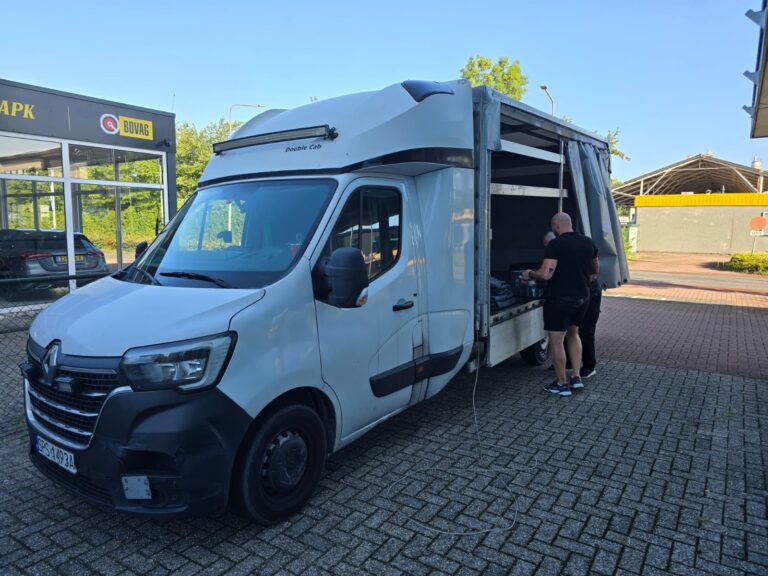
This guide compares monthly budgets, everyday product prices, salaries, healthcare, housing, childcare, transport, moving costs, documents and the first 90 days of relocating from the UK to Switzerland. VANonsite supports UK to Switzerland removals with secure European transport, GPS tracking on every load and flexible man and van options for smaller moves, plus Packing Service, Storage, Furniture Removals, Home Removals, Office Removals, Student Removals and White Glove Delivery.
TL;DR: living costs in Switzerland compared with UK
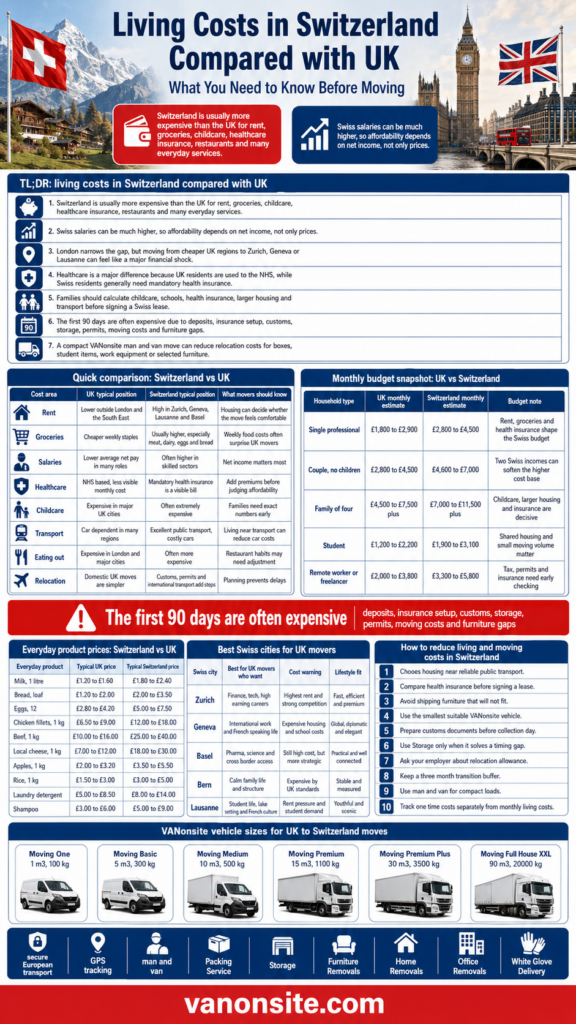
- Switzerland is usually more expensive than the UK for rent, groceries, childcare, healthcare insurance, restaurants and many everyday services.
- Swiss salaries can be much higher, so affordability depends on net income, not only prices.
- London narrows the gap, but moving from cheaper UK regions to Zurich, Geneva or Lausanne can feel like a major financial shock.
- Healthcare is a major difference because UK residents are used to the NHS, while Swiss residents generally need mandatory health insurance.
- Families should calculate childcare, schools, health insurance, larger housing and transport before signing a Swiss lease.
- The first 90 days are often expensive due to deposits, insurance setup, customs, storage, permits, moving costs and furniture gaps.
- A compact VANonsite man and van move can reduce relocation costs for boxes, student items, work equipment or selected furniture.
Quick comparison: Switzerland vs UK
The living costs in Switzerland compared with UK differ by household type. A single professional with a strong Zurich salary may feel comfortable. A family moving from a lower cost UK city to Geneva may need a much larger buffer.
| Cost area | UK typical position | Switzerland typical position | What movers should know |
|---|---|---|---|
| Rent | Lower outside London and the South East | High in Zurich, Geneva, Lausanne and Basel | Housing can decide whether the move feels comfortable |
| Groceries | Cheaper weekly staples | Usually higher, especially meat, dairy, eggs and bread | Weekly food costs often surprise UK movers |
| Salaries | Lower average net pay in many roles | Often higher in skilled sectors | Net income matters most |
| Healthcare | NHS based, less visible monthly cost | Mandatory health insurance is a visible bill | Add premiums before judging affordability |
| Childcare | Expensive in major UK cities | Often extremely expensive | Families need exact numbers early |
| Transport | Car dependent in many regions | Excellent public transport, costly cars | Living near transport can reduce car costs |
| Eating out | Expensive in London and major cities | Often more expensive | Restaurant habits may need adjustment |
| Relocation | Domestic UK moves are simpler | Customs, permits and international transport add steps | Planning prevents delays |
The biggest mistake is comparing only one category. Rent matters, but so do health insurance, food, childcare, transport and arrival costs. A realistic Swiss budget should separate monthly life from one time relocation costs.
Living costs in Switzerland compared with UK: the honest answer
The phrase living costs in Switzerland compared with UK sounds like a simple price comparison, but it is really a lifestyle calculation. Switzerland is generally more expensive for rent, groceries, eating out, childcare, taxis, personal services and healthcare insurance. The UK often feels cheaper because many areas have lower rents and because NHS healthcare does not appear as a separate monthly premium in the same way.
However, Switzerland can offer stronger salaries, safer cities, cleaner infrastructure, reliable public transport and a powerful sense of order. For some movers, the higher cost of daily life buys more stability and better earning power. For others, especially students, families with young children or people moving from cheaper UK regions, the higher cost base can feel unforgiving.
Swiss salaries can make the move worthwhile, but only when net income covers real costs. Gross salary is not enough. You need to check what remains after tax, social contributions, pension deductions, rent, health insurance, groceries, transport and childcare. If the higher salary still leaves room for savings and comfort, Switzerland can become a powerful upgrade. If it only looks good on paper, the move may feel stressful after the first few bills arrive.
Ask five questions before moving:
- What will your real net Swiss income be? Convert the offer into monthly take home pay.
- Which Swiss city or canton are you moving to? Zurich, Geneva, Basel, Bern and Lausanne create different budgets.
- How many people depend on the budget? Singles, couples, families, students and freelancers feel costs differently.
- Have you included health insurance and childcare? These can transform the budget.
- Have you separated relocation costs from living costs? Packing, customs, transport and storage are transition costs.
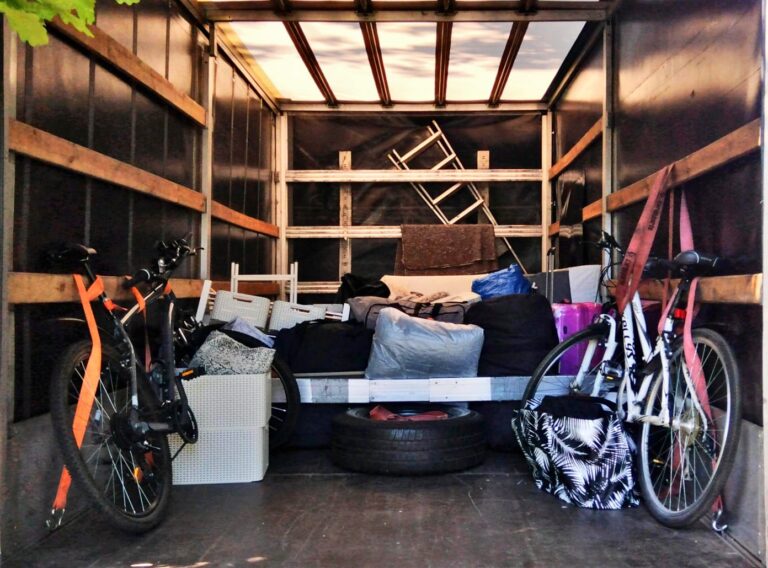
This is where planning becomes protection. VANonsite can help control the relocation side by matching transport to real volume. If you are moving a compact load, a man and van option may be more efficient than a full removals vehicle. If you are moving a full household, furniture, office equipment or premium items, Home Removals, Packing Service, Storage, Furniture Removals and White Glove Delivery can give the move structure.
Monthly budget snapshot: UK vs Switzerland
These are planning ranges, not fixed prices. Actual costs vary by city, canton, accommodation type, salary, household size, insurance choices and lifestyle.
| Household type | UK monthly estimate | Switzerland monthly estimate | Budget note |
|---|---|---|---|
| Single professional | £1,800 to £2,900 | £2,800 to £4,500 | Rent, groceries and health insurance shape the Swiss budget |
| Couple, no children | £2,800 to £4,500 | £4,600 to £7,000 | Two Swiss incomes can soften the higher cost base |
| Family of four | £4,500 to £7,500 plus | £7,000 to £11,500 plus | Childcare, larger housing and insurance are decisive |
| Student | £1,200 to £2,200 | £1,900 to £3,100 | Shared housing and small moving volume matter |
| Remote worker or freelancer | £2,000 to £3,800 | £3,300 to £5,800 | Tax, permits and insurance need early checking |
For single professionals, Switzerland can work well when salary growth is strong. For couples, the calculation depends on whether both people work. For families, larger housing, childcare, health insurance for every household member and school routines can stack quickly. Students and young professionals can often keep the move lean with shared housing, furnished rooms and a compact man and van relocation.
A realistic Swiss monthly budget should include rent, groceries, mandatory health insurance, transport, childcare or school costs, utilities, phone, internet, savings and an emergency buffer. Keep relocation costs separate. Packing, transport, customs documents, storage and delivery access are transition expenses, not monthly life.
Everyday product prices: Switzerland vs UK
The living costs in Switzerland compared with UK become easiest to feel in the weekly shop. Rent hurts once a month, but groceries, toiletries and cleaning products return again and again. The figures below are approximate planning ranges. They vary by supermarket, city, canton, product quality, currency movement and shopping habits.
| Everyday product | Typical UK price | Typical Switzerland price | What it means for movers |
|---|---|---|---|
| Milk, 1 litre | £1.20 to £1.60 | £1.80 to £2.40 | Swiss dairy basics often cost more |
| Bread, loaf | £1.20 to £2.00 | £2.00 to £3.50 | Bread can feel noticeably pricier |
| Eggs, 12 | £2.80 to £4.20 | £5.00 to £7.50 | Breakfast staples become more expensive |
| Chicken fillets, 1 kg | £6.50 to £9.00 | £12.00 to £18.00 | One of the clearest grocery shocks |
| Beef, 1 kg | £10.00 to £16.00 | £25.00 to £40.00 | Beef can cost roughly double or more |
| Local cheese, 1 kg | £7.00 to £12.00 | £18.00 to £30.00 | High quality, but costly |
| Apples, 1 kg | £2.00 to £3.20 | £3.50 to £5.50 | Fresh fruit is usually higher |
| Bananas, 1 kg | £1.00 to £1.60 | £2.00 to £3.00 | Still affordable, but often higher |
| Oranges, 1 kg | £2.00 to £3.20 | £3.00 to £4.80 | Seasonal shopping helps |
| Tomatoes, 1 kg | £2.50 to £4.00 | £4.00 to £6.50 | Fresh produce can climb quickly |
| Potatoes, 1 kg | £1.00 to £1.70 | £2.00 to £3.50 | Basic staples still cost more |
| Onions, 1 kg | £0.90 to £1.50 | £1.80 to £2.80 | Small difference weekly, bigger over months |
| Lettuce, 1 head | £0.90 to £1.50 | £1.80 to £3.00 | Salad basics feel premium |
| Rice, 1 kg | £1.50 to £3.00 | £3.00 to £5.00 | Store brand choices help |
| Pasta, 500 g | £0.80 to £1.70 | £1.70 to £2.80 | Batch cooking still saves money |
| Olive oil, 1 litre | £6.00 to £10.00 | £10.00 to £17.00 | Expensive in both countries |
| Coffee, 250 g | £3.00 to £6.00 | £5.00 to £9.00 | A good home coffee setup can help |
| Laundry detergent | £5.00 to £8.50 | £8.00 to £14.00 | Cleaning products need budgeting |
| Toothpaste | £1.50 to £3.50 | £3.00 to £5.50 | Toiletries often cost more |
| Shampoo | £3.00 to £6.00 | £5.00 to £9.00 | Small items add up for families |
A £20 weekly difference becomes more than £1,000 over a year. A £50 weekly difference becomes more than £2,600. The best response is not panic. Plan meals, use store brands, buy seasonal produce, reduce waste and compare supermarkets. If you live near Germany, France or Italy, border shopping may help, although travel time, customs limits and convenience still matter.
Useful kitchen items can also be worth moving. Good pans, knives, food storage boxes, coffee equipment and lunchboxes may prevent quick replacement purchases. A compact VANonsite man and van move can carry practical household essentials without paying to transport clutter.
Rent and housing: where the biggest monthly difference begins
Rent is usually the largest monthly cost. The UK is not one housing market. London and the South East are already expensive, while many regional cities can feel more manageable. Switzerland changes the equation again, especially in Zurich, Geneva, Lausanne, Basel and other high demand areas.
For UK movers, the housing shock depends on both ends of the journey. Someone moving from London to Zurich may already understand fierce competition and high payments. Someone moving from Manchester, Leeds, Cardiff, Glasgow, Newcastle, Sheffield or Birmingham to Geneva or Zurich may feel a much bigger jump.
Swiss rental markets can also feel more formal. Documents, timing and competition matter. It is not enough to ask whether rent is affordable. Ask whether the home supports the commute, school routine, storage needs and moving access.
| UK to Swiss route | Housing shock level | Moving advice |
|---|---|---|
| London to Zurich | High, but less surprising | Measure furniture and move selectively |
| London to Geneva | High | Plan family housing and access rules early |
| Manchester to Basel | Noticeable | Consider Storage if first housing is temporary |
| Birmingham to Lausanne | Strong | Avoid moving oversized furniture blindly |
| Leeds to Bern | Moderate to high | Prioritise essentials and comfort items |
| Glasgow to Zurich | Very high | Build a stronger rent and deposit buffer |
Before shipping furniture, measure the new home, lift, stairwell and storage areas. The best furniture to move is useful, valuable, comfortable, hard to replace or genuinely suited to the Swiss property. Sell, donate or store bulky duplicates and tired furniture. A smaller man and van move can be enough if the Swiss home is furnished, compact or temporary.
Groceries, toiletries and household essentials
Groceries are where the living costs in Switzerland compared with UK become real every week. Meat, dairy, eggs, bread, cleaning products, toiletries and children’s snacks often cost more than UK movers expect. Switzerland rewards planning. Shopping without a list can turn expensive fast, while meal planning, batch cooking and store brands can soften the impact.
| Grocery habit | Why it helps in Switzerland | Best for |
|---|---|---|
| Meal planning | Reduces impulse spending and food waste | Families, couples, busy professionals |
| Store brands | Keeps staples more affordable | Weekly supermarket baskets |
| Batch cooking | Turns expensive ingredients into several meals | Families and remote workers |
| Seasonal produce | Helps avoid premium prices | Fresh fruit and vegetables |
| Border shopping | Can reduce selected costs near borders | Basel, Geneva region, Ticino and border areas |
| Moving useful kitchen items | Avoids buying everything again after arrival | First month setup and compact households |
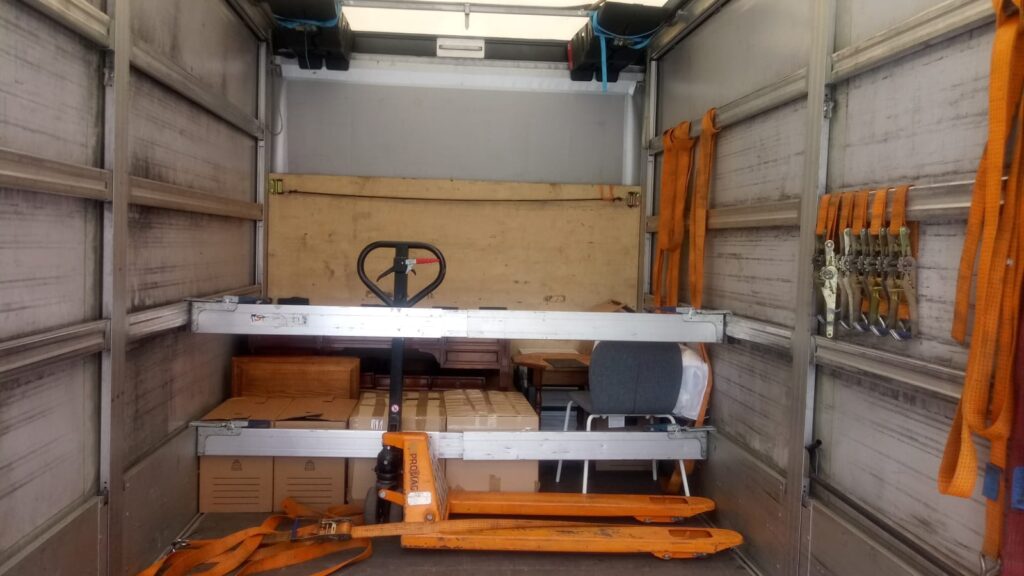
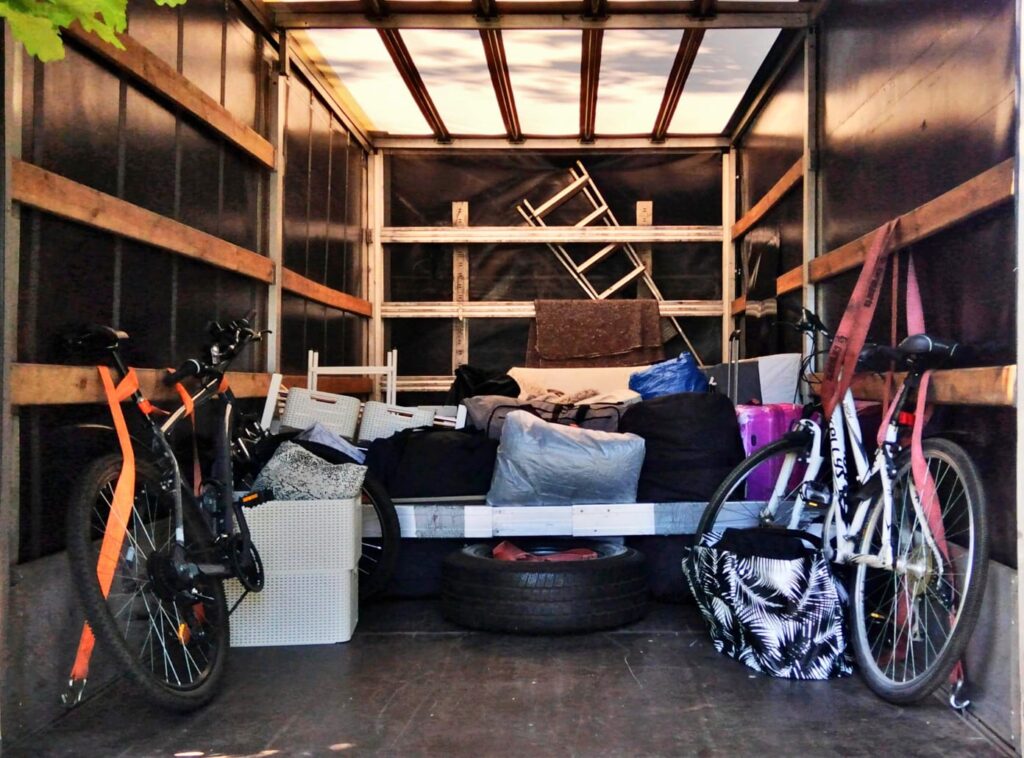
Bringing useful kitchen equipment can save money during the first months, but clutter is expensive to move. VANonsite can support a leaner relocation by carrying the items that genuinely make Swiss life easier, such as cookware, work equipment, children’s essentials and selected household goods.


Salaries and purchasing power in Switzerland vs UK
Higher costs are only one side of the Swiss story. The other side is income. In many skilled sectors, Swiss salaries can be significantly higher than UK salaries. That is why the living costs in Switzerland compared with UK should never be judged by supermarket prices alone.
The key word is net. A gross salary can look impressive and still feel tight after rent, health insurance, tax, pension deductions, commuting, groceries and childcare. Before accepting a Swiss role, turn the offer into a realistic monthly budget and compare it with your real UK life.
| Sector | Swiss salary potential | Budget warning |
|---|---|---|
| Finance | Very strong | Zurich and Geneva rent can absorb gains |
| Pharma and life sciences | Strong, especially Basel | Housing still needs planning |
| Technology | Strong | Compare net income, not only gross salary |
| Engineering | Strong | Location affects tax and commute |
| Consulting | Strong | Lifestyle inflation can creep in |
| Hospitality and retail | More cautious | Higher living costs may eat pay rises |
| Students and interns | Limited | Shared housing and compact moves are essential |
Test the move through three scenarios: comfortable, realistic and cautious. If the move only works in the comfortable scenario, pause. If it still works when you add higher groceries, setup costs, temporary accommodation or Storage, you are planning with confidence. Ask your employer about relocation allowance, temporary accommodation, permit guidance, language lessons, health insurance information or removals support.
Healthcare: NHS vs Swiss health insurance
Healthcare is one of the biggest changes for UK movers. In the UK, healthcare is usually less visible in the monthly budget because most people are used to the NHS. In Switzerland, residents generally need mandatory health insurance, and the cost sits clearly inside the monthly budget.
Before moving, check official guidance from GOV.UK guidance for living in Switzerland, GOV.UK healthcare guidance for Switzerland and the Swiss Federal Office of Public Health. Rules and eligibility can change depending on your situation.
| Healthcare factor | UK expectation | Swiss reality | Budget impact |
|---|---|---|---|
| Basic healthcare | NHS based system | Mandatory insurance based system | Add monthly premiums |
| Family cover | Less visible monthly cost | Each person may need cover | Larger family buffer needed |
| Appointments | Often no direct charge at point of use | Deductibles and cost sharing may apply | Keep savings available |
| Temporary stays | GHIC or EHIC may help | Not full resident cover | Check official guidance |
| Planning | Often considered later | Must be included before arrival | Prevents false affordability |
A GHIC or EHIC may help in certain temporary situations, but it is not a full replacement for resident health insurance when relocating long term. Keep passports, insurance documents, medical records, prescriptions, vaccination records and children’s medical papers with you, not inside the removals load. VANonsite can transport household goods securely, while legal and medical papers should travel with you personally.
Childcare, schools and family costs
For families, the living costs in Switzerland compared with UK can feel like a puzzle. Rent affects school choice. School choice affects commute. Commute affects childcare hours. Health insurance applies to every family member.
UK childcare is already expensive, especially in London and major cities, but Switzerland can still surprise parents. Nursery, daycare, after school care and holiday cover can be extremely costly, particularly in Zurich, Geneva, Basel, Lausanne and other high demand areas.
| Family cost | UK pressure | Swiss pressure | Planning advice |
|---|---|---|---|
| Childcare | High, especially in cities | Often extremely high | Price it before signing a lease |
| Schools | State and private options | Local language and canton matter | Check language early |
| International school | High fees | High fees | Ask employer about support |
| Family housing | Expensive in London and South East | Expensive in major Swiss cities | Compare space, commute and storage |
| Health insurance | Less visible monthly cost | Multiple premiums possible | Add every family member |
| Moving volume | Families move more items | Swiss storage can be limited | Move essentials, not clutter |
Swiss state schools are connected to local language and canton. Depending on where you move, your child may enter a German, French, Italian or Romansh speaking environment. International schools can help, especially for shorter assignments, but fees can be high.
Families should move what makes the first months easier: children’s beds, comfort items, school supplies, work equipment, useful kitchen items, seasonal clothing and quality furniture that fits. VANonsite can support families with Home Removals, Furniture Removals, Packing Service, Storage and larger vehicle sizes. Smaller staged moves can use flexible man and van options.
Transport: public transport, cars and commuting
Transport can quietly change the living costs in Switzerland compared with UK. London has strong public transport, while many UK regions are car dependent. Switzerland often offers reliable trains, trams and buses, even outside the biggest cities. A well connected Swiss home can reduce car costs and commuting stress.
| Transport factor | UK experience | Swiss experience | Planning advice |
|---|---|---|---|
| Public transport | Strong in London, mixed elsewhere | Reliable, clean and integrated | Choose housing near strong connections |
| Commuting | Can be costly, crowded or car dependent | Often predictable by train, tram or bus | Price travel time as well as tickets |
| Car ownership | Common outside big cities | Useful in rural areas, costly in cities | Do not assume you need a car immediately |
| Parking | Costly in cities, easier in some regions | Often controlled, limited and expensive | Check parking before signing a lease |
| Taxis | Expensive in major UK cities | Often very expensive in Switzerland | Treat taxis as occasional |
| Moving access | UK parking can complicate loading | Swiss buildings may have strict access | Confirm both addresses early |
Before bringing a car, check whether your Swiss home includes parking, how much parking costs, whether public transport can cover the commute and whether school or childcare requires a car. Also check moving day access: parking, loading restrictions, lift size, stairs, delivery windows and who will hold keys. With GPS tracking on every VANonsite load, you can coordinate arrival, building access and delivery slots with more confidence.
Moving costs from the UK to Switzerland
Moving costs should be separated from monthly living costs. Rent, groceries, health insurance, transport and childcare repeat every month. Packing, removals, customs paperwork, storage and delivery access are one time relocation costs.
A UK to Switzerland move has three layers: UK collection, European transport and Swiss delivery. Parking, stairs, lifts, packing, timing, vehicle size, customs documents and delivery access all matter. If you are planning the move, explore VANonsite removals to Switzerland for flexible European transport, secure handling and GPS tracked loads.
| Cost factor | Why it matters | How to control it |
|---|---|---|
| Volume | More cubic metres need more vehicle space | Declutter and measure the new home |
| Weight | Books, equipment and furniture affect loading | Separate essentials from low value heavy items |
| Packing | Fragile items need more care | Use Packing Service for delicate goods |
| Access | Parking, lifts and stairs can slow loading | Check both addresses early |
| Timing | Urgent moves need faster coordination | Book early or use Last Minute Moving |
| Storage | Lease gaps create extra cost | Use Storage only when it solves timing |
| Customs | Switzerland requires paperwork | Prepare inventory before moving day |
| Service level | Premium items need specialist handling | Use White Glove Delivery when needed |
Not every move is a full household relocation. Students, interns and professionals moving into furnished accommodation may only need clothes, documents, books, electronics and work equipment. For these moves, a man and van service can be the cleanest option. Families may need Home Removals, Furniture Removals, Packing Service, Storage or White Glove Delivery for premium items.
VANonsite vehicle sizes for UK to Switzerland moves
The right vehicle size matters because every cubic metre has a cost. Moving too much can make Swiss arrival feel cluttered. Moving too little can force expensive replacement purchases. VANonsite offers options from a compact man and van load to a full home or office relocation.
| VANonsite option | Capacity | Best for | Smart moving note |
|---|---|---|---|
| Moving One | 1 m3, 100 kg | Boxes, documents, student essentials | Best for minimal moves and small man and van loads |
| Moving Basic | 5 m3, 300 kg | Studio contents, small furniture | Great for compact flats and furnished rooms |
| Moving Medium | 10 m3, 500 kg | One bedroom flat, boxes and furniture | Good for selected essentials |
| Moving Premium | 15 m3, 1100 kg | Larger flat or furniture move | Useful for couples and premium pieces |
| Moving Premium Plus | 30 m3, 3500 kg | Family move or partial house load | Strong for bigger household moves |
| Moving Full House XXL | 90 m3, 20000 kg | Full home or large office relocation | Best for complex European removals |
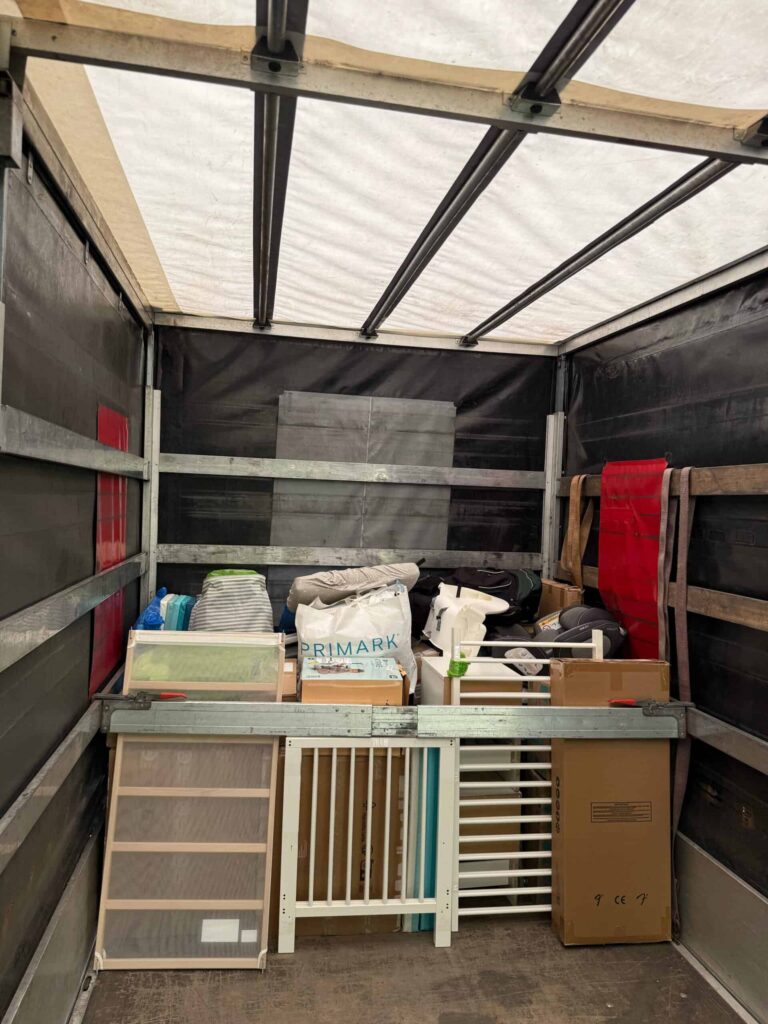
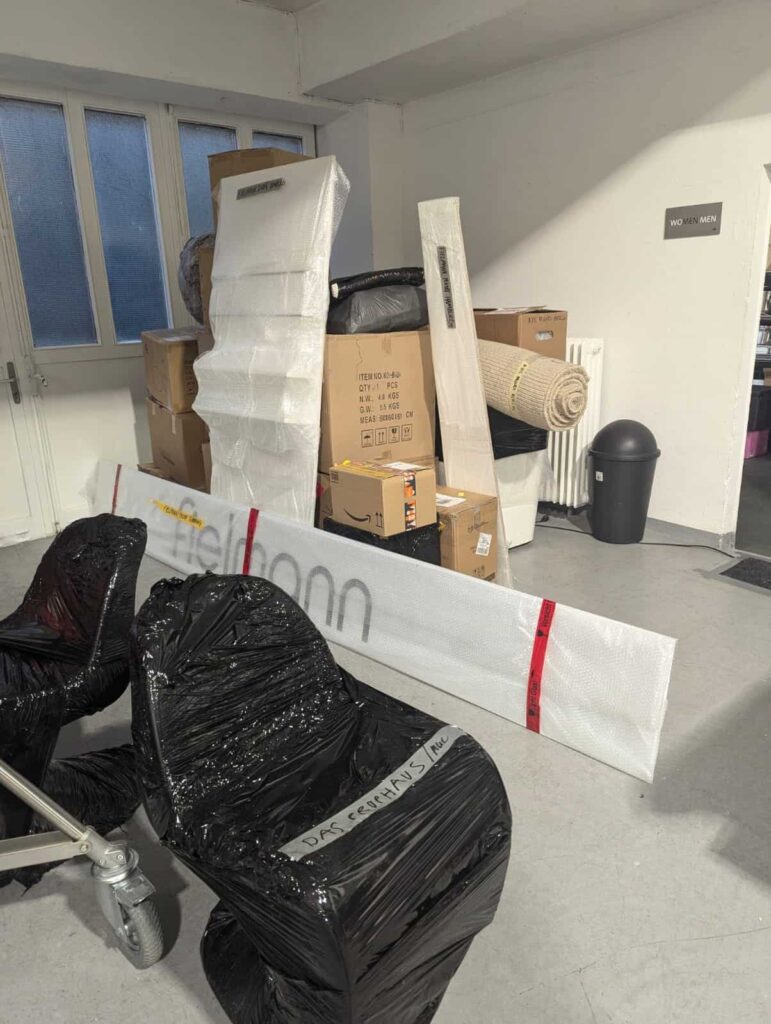
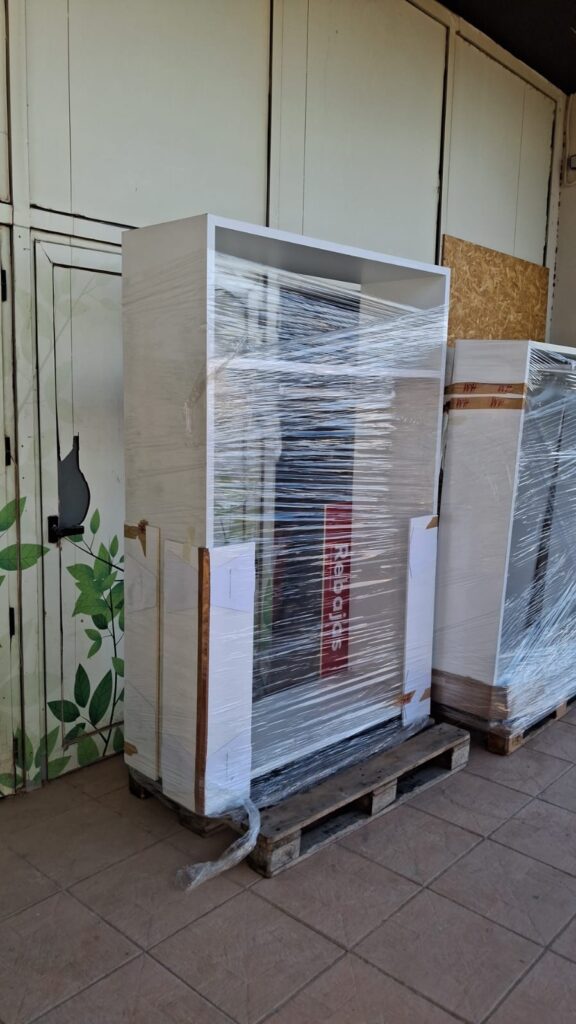
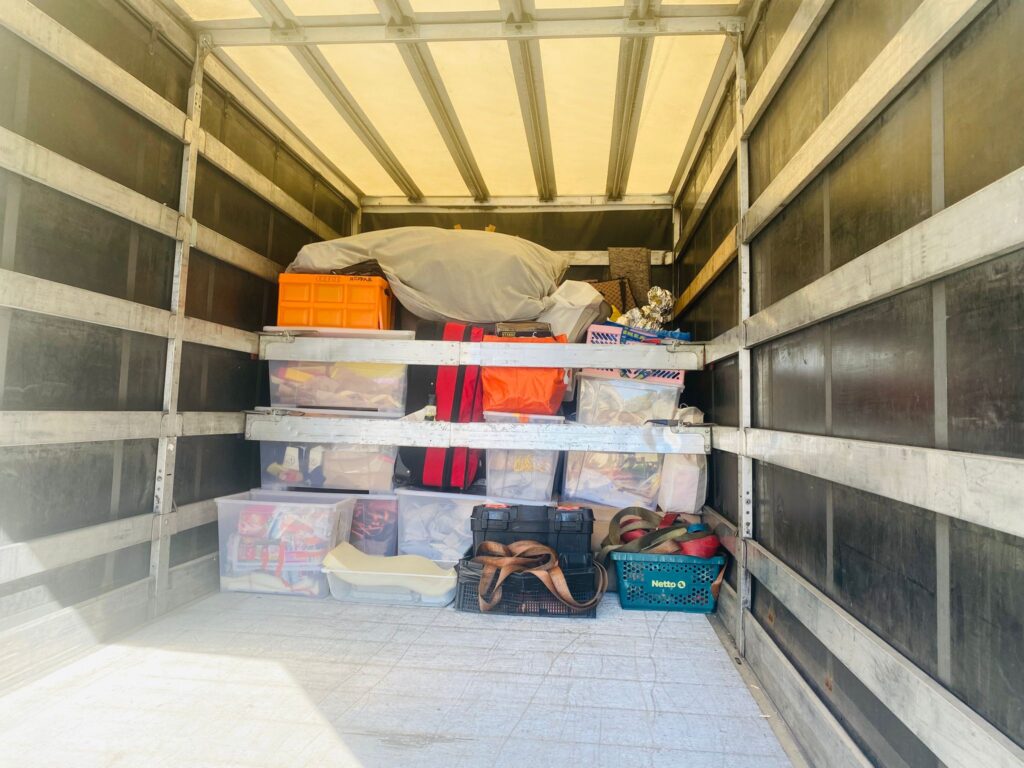
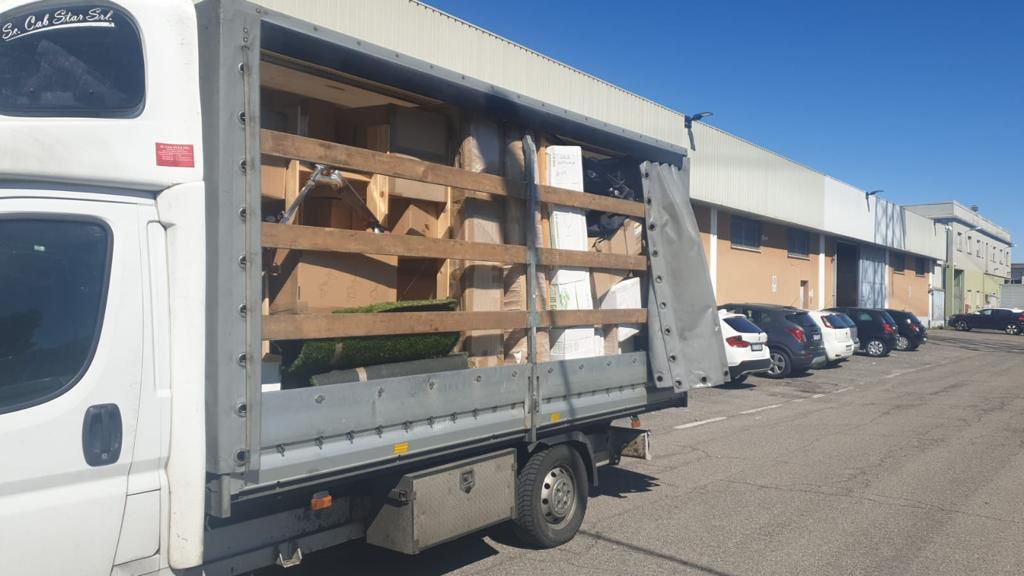
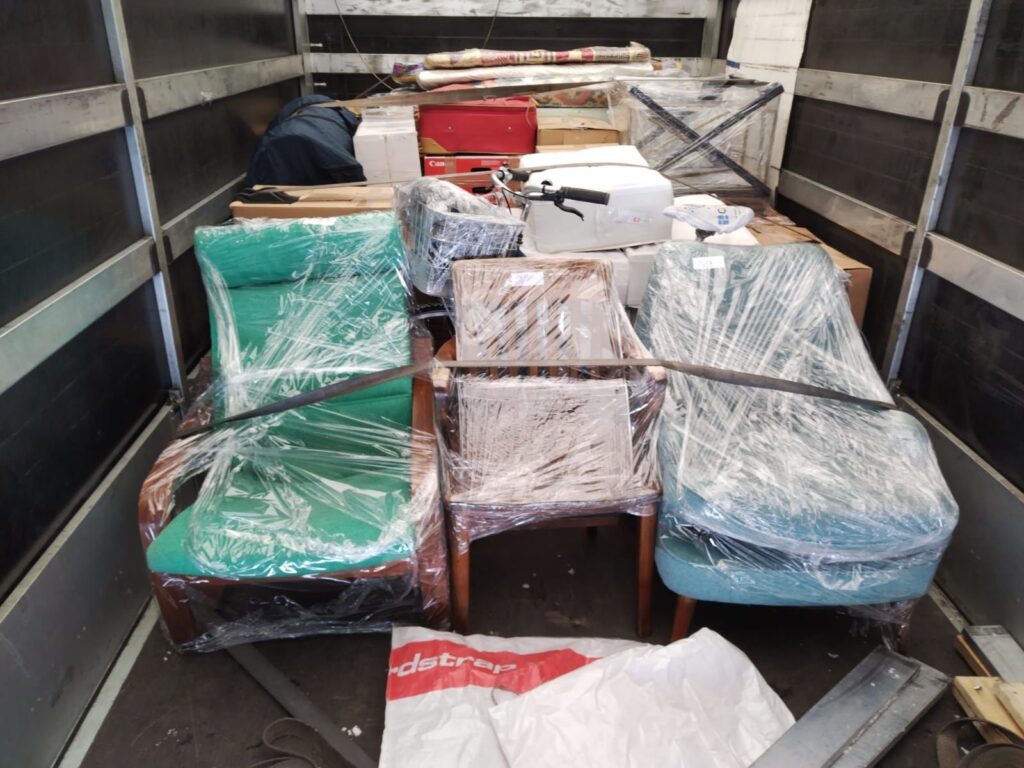
Choose based on real volume, not anxiety. A student moving to Lausanne does not need the same space as a family moving from London to Geneva. Before booking, measure the Swiss property, check lift size, confirm stair access and decide what truly deserves space.

Customs and documents for moving household goods to Switzerland
Switzerland is outside both the UK and EU customs area, so moving household goods from the UK to Switzerland is not the same as moving within the UK. Used household goods may often be imported duty free when transferring your normal residence to Switzerland, provided conditions are met. Always check official Swiss customs guidance on moving household effects, the ch.ch moving to Switzerland overview and Swiss guidance on permits for living in Switzerland.
| Document | Why it matters | Practical tip |
|---|---|---|
| Passport or identity document | Confirms identity | Keep it with you, not in the removals load |
| Detailed inventory | Shows what is being imported | Group items by room or category |
| Proof of Swiss residence | Supports residence transfer | Lease or employment contract may help |
| Permit papers | Supports legal relocation status | Keep printed and digital copies |
| Proof of departure from the UK | Shows residence transfer | Tenancy end or employer confirmation may help |
| Receipts for newer items | Clarifies value and age | Keep receipts for recent purchases |
| Vehicle documents | Needed if importing a car | Treat vehicle import separately |
| Swiss customs forms | Required for processing | Check latest official guidance |
A clear inventory is essential. Instead of “kitchen stuff,” write “Kitchen: 3 boxes of used tableware, 2 boxes of pans, 1 coffee machine.” Keep passports, customs forms, residence documents, medical records, prescriptions, bank cards, devices, chargers and keys with you, not in the van.
Residency, visas and work permits for UK citizens moving to Switzerland
Residency and work permits can directly affect the living costs in Switzerland compared with UK. A delayed permit or unclear work route can create hotel nights, storage costs, postponed income, school delays and stress.
UK citizens should check current rules before moving. Start with GOV.UK living in Switzerland, the ch.ch moving to Switzerland overview and Swiss permits guidance. For stays longer than three months, a residence permit is usually required. Work rights also need to be checked before arrival.
| Permit issue | Possible cost impact | How to reduce the risk |
|---|---|---|
| Delayed work start | Lost income or postponed salary | Confirm work authorisation before moving |
| Temporary accommodation | Hotel or serviced flat costs | Align permit, lease and move dates early |
| Storage gap | Extra storage if delivery cannot happen | Use Storage only when it solves timing |
| Housing uncertainty | Rushed decisions or limited options | Gather documents early |
| Family permit delays | School and admin issues | Check dependant requirements early |
Before leaving the UK, check whether you need a visa, whether you need a residence permit, whether you have the right to work, which canton handles registration, what documents are required and whether dependants need separate permits. Legal documents should stay with you personally. VANonsite can handle the physical relocation, while you carry the paperwork that lets your new Swiss life start properly.
Best Swiss cities for UK movers
The best Swiss city is not always the cheapest one. It is the place where salary, rent, commute, language, school needs and lifestyle work together.
| Swiss city | Best for UK movers who want | Cost warning | Lifestyle fit |
|---|---|---|---|
| Zurich | Finance, tech, high earning careers | Highest rent and strong competition | Fast, efficient and premium |
| Geneva | International work and French speaking life | Expensive housing and school costs | Global, diplomatic and elegant |
| Basel | Pharma, science and cross border access | Still high cost, but more strategic | Practical and well connected |
| Bern | Calm family life and structure | Expensive by UK standards | Stable and measured |
| Lausanne | Student life, lake setting and French culture | Rent pressure and student demand | Youthful and scenic |
Zurich suits finance, tech, consulting and corporate roles, but rent is intense. Geneva fits diplomacy, NGOs, finance and international organisations, but family housing and school costs can climb quickly. Basel is strong for pharma, life sciences and research. Bern offers a calmer rhythm for families and professionals. Lausanne suits students and French speaking professionals, but central rent and student demand can be challenging.
How to reduce living and moving costs in Switzerland
The living costs in Switzerland compared with UK become easier to manage when you split the problem into two parts: monthly costs and relocation costs.
- Choose housing near reliable public transport.
- Compare health insurance before signing a lease.
- Avoid shipping furniture that will not fit.
- Use the smallest suitable VANonsite vehicle.
- Prepare customs documents before collection day.
- Use Storage only when it solves a timing gap.
- Ask your employer about relocation allowance.
- Keep a three month transition buffer.
- Use man and van for compact loads.
- Track one time costs separately from monthly living costs.
| Cost saving decision | Why it works |
|---|---|
| Move fewer items | Less vehicle space, handling and packing time |
| Live near transport | Parking, fuel and insurance may fall |
| Compare insurance early | Avoids rushed, expensive choices |
| Use Storage strategically | Helps when lease dates do not align |
| Book the right vehicle | The move matches real belongings |
| Prepare customs papers early | Border planning becomes smoother |
The cheapest move is not always the best value. If packing is poor, access is not checked, customs documents are incomplete or the vehicle is too small, a low price can become expensive fast. The smarter goal is controlled value: pay for what protects the move and remove what does not.
Is moving to Switzerland worth it from the UK?
Moving to Switzerland from the UK can be worth it, but only when the numbers and lifestyle line up. Switzerland is usually more expensive in daily categories, yet it can offer higher salaries, safer cities, cleaner public spaces, reliable transport and a calmer way of living.
It may be worth moving if your net Swiss salary covers higher costs, your permit route is clear, healthcare and housing are manageable, childcare or school costs are known, relocation logistics are planned early and you have a three month buffer.
Think carefully if you depend on low rent, need full time childcare and have not priced it yet, have only a small salary increase, want a large home in Zurich or Geneva, have no savings buffer or plan to move everything without measuring the new home.
| Decision factor | Good sign | Warning sign |
|---|---|---|
| Salary | Net income covers higher costs | Gross salary looks better, but budget is tight |
| Housing | Suitable rent near transport | You must stretch for poor location or little space |
| Healthcare | Insurance premiums are included | Insurance has not been priced yet |
| Childcare | Costs are known before moving | You plan to check after arrival |
| Permit route | Work or residence path is clear | You rely on assumptions |
| Relocation | Volume, documents and vehicle size are planned | You pack everything and hope it works |
| Savings | Three month buffer | Savings are exhausted just to arrive |
Ask one final question: after every fixed cost is paid, does your life improve? If yes, Switzerland can be a brilliant move. If no, pause. A beautiful Swiss postcode will not feel good if every month is financially tight.
Moving checklist for the first 90 days
A move from the UK to Switzerland becomes easier when it is broken into stages. The first 90 days are intense because housing, insurance, permits, customs, removals, banking, transport and daily setup arrive close together.
90 to 60 days before moving
- Confirm your job contract, permit route or study documents.
- Start your Swiss housing search.
- Build a monthly Swiss budget.
- Request a VANonsite removals quote.
- Decide what to sell, store or ship.
- Check customs and residence guidance.
60 to 30 days before moving
- Prepare your customs inventory.
- Gather identity documents and proof of residence transfer.
- Compare health insurance options.
- Book the right VANonsite vehicle size.
- Arrange Packing Service if needed.
- Plan Storage if lease dates do not align.
30 to 7 days before moving
- Confirm collection and delivery details.
- Label boxes by room and priority.
- Keep passports, permits, customs papers and medical records with you.
- Check parking and delivery access.
- Prepare for GPS tracking and arrival coordination.
- Pack a personal arrival kit for the first 48 hours.
First 30 days in Switzerland
- Register locally.
- Finalise health insurance.
- Confirm remaining permit steps.
- Set up a bank account, phone plan and transport pass.
- Update your address with UK and Swiss services.
- Review first month spending.
- Unpack sleep, work, kitchen and children’s areas first.
| Category | What to monitor | Why it matters |
|---|---|---|
| Rent and deposit | Upfront pressure and monthly comfort | Housing usually drives the budget |
| Groceries | Weekly spending patterns | Small habits become large annual costs |
| Health insurance | Premiums, deductibles and deadlines | Missed planning creates stress |
| Transport | Passes, car costs, parking or commuting | Good location can reduce costs |
| Childcare or school | Real schedule and real fees | Families need accurate numbers early |
| Storage | Whether it is still needed | Long storage periods can become expensive |
FAQ
Are living costs in Switzerland higher than in the UK?
Yes. Switzerland is usually more expensive than the UK for rent, groceries, health insurance, childcare, eating out, taxis and personal services. Swiss salaries can also be higher, so affordability depends on net income, city choice and household size.
How much more expensive is Switzerland than the UK?
It depends on where you live in both countries. The difference is smaller if you move from London to Zurich or Geneva, and much larger if you move from a cheaper UK region to a high cost Swiss city.
Is Switzerland more expensive than London?
Often yes for groceries, health insurance, childcare, restaurants and many services. Housing depends on the city and neighbourhood.
What is the biggest cost when moving to Switzerland?
Rent is usually the largest monthly cost, followed closely by health insurance and childcare for families. During relocation, removals volume, packing, storage, temporary accommodation, deposits and customs preparation can be major one time costs.
Can VANonsite help with a small UK to Switzerland move?
Yes. VANonsite offers flexible man and van options for small loads, student moves, compact apartments, work equipment, boxes and selected furniture.
Do I need customs documents to move belongings to Switzerland?
Yes. Prepare a clear inventory, identity documents, proof of residence transfer and any required Swiss customs forms. Always check official Swiss customs guidance before moving household goods.
Should I move all my furniture to Switzerland?
Not always. Measure the Swiss property first. Move useful, valuable or hard to replace items that fit. Sell, donate or store bulky furniture that may be expensive to transport and awkward to use.
Is moving to Switzerland worth it from the UK?
It can be worth it if your net Swiss salary covers higher costs and still leaves room for savings, comfort and stability. Test it carefully if childcare, housing or permit timing is uncertain.
Conclusion
The living costs in Switzerland compared with UK are usually higher, but that does not automatically make the move a bad decision. Switzerland can be expensive, especially for rent, groceries, healthcare insurance, childcare and restaurants. Yet it can also offer stronger salaries, safer cities, reliable public transport, clean infrastructure and a calmer lifestyle.
The move works best when the numbers and lifestyle agree. Compare your real UK budget with your future Swiss budget. Include rent, insurance, groceries, transport, childcare, savings and the first 90 days of setup costs. Then separate monthly living costs from relocation costs.
VANonsite can support the journey with secure European transport, GPS tracking, flexible man and van options, Packing Service, Storage, Furniture Removals, Home Removals, Office Removals, White Glove Delivery and the right vehicle size for your move from the UK to Switzerland.
With the right budget, documents and removals plan, Switzerland can feel less like a financial shock and more like a bold, well planned new chapter.