
Living in Germany working in Switzerland can be one of the smartest lifestyle choices in Europe. It gives you access to the Swiss job market, often with stronger salaries, while keeping your home life in Germany, where rent, groceries and everyday services can be more affordable. For many professionals and families, this setup offers a rare balance: Swiss earning potential with German living comfort.
But the dream only works when the details are handled properly. Permits, tax rules, health insurance, address registration, commuting and moving logistics all matter. A Swiss salary can lose its shine quickly if the daily journey is exhausting, documents are missing or the move itself becomes chaotic.
This guide explains how living in Germany working in Switzerland works in practice. You will learn where people usually live, what paperwork may be required, how to compare real costs, what to expect when commuting and how to plan a secure relocation between Germany and Switzerland. If you need help with the move, VANonsite supports European relocations with GPS tracked transport, flexible vehicle sizes, packing, furniture removals and dedicated man and van options.
TL:DR
- Living in Germany working in Switzerland is possible and common, especially near Basel, Schaffhausen, Zurich, Konstanz, Lörrach and Lake Constance.
- The biggest financial advantage is usually the combination of Swiss income and lower German living costs.
- EU/EFTA workers often use a Swiss G permit for cross border employment, while non EU/EFTA nationals may face stricter rules.
- After moving to Germany, you normally need to register your address with the local authority.
- Taxes, health insurance and social security should be checked before the first Swiss payday.
- The best German base is not always the cheapest one. A realistic commute is usually more valuable than a lower rent.
- VANonsite helps with removals to Switzerland, removals to Germany, furniture removals, packing, home removals, student moves and man and van transport.




Is Living in Germany Working in Switzerland Worth It?
For many people, living in Germany working in Switzerland is worth serious consideration. The appeal is clear: Switzerland offers one of the strongest labour markets in Europe, while many German border towns provide more affordable housing and everyday costs.
This is why working in Switzerland living in Germany is popular around border regions. People work in Basel, Zurich, Schaffhausen, St. Gallen or Aargau, then return home to towns such as Lörrach, Weil am Rhein, Konstanz, Singen, Waldshut-Tiengen or Freiburg im Breisgau.
The lifestyle can be rewarding, but it is not automatically profitable for everyone. You need to compare the full monthly picture, not only salary and rent. A higher Swiss wage can be reduced by commuting expenses, insurance choices, tax obligations and time spent travelling.
| Factor | Germany side | Switzerland side | What it means |
|---|---|---|---|
| Rent | Often lower | Often higher | Germany can reduce fixed monthly costs |
| Salaries | Usually lower | Usually higher | Swiss work can increase earning power |
| Groceries | Often cheaper | Often more expensive | Daily savings may add up |
| Commuting | Can be longer | Shorter if living near work | Location choice is crucial |
| Paperwork | German registration | Swiss work documents | Both systems must be handled |
| Moving | EU side logistics | Swiss customs side | Planning avoids delays |
The right question is not only whether living in Germany and working in Switzerland is possible. The better question is whether it will still feel comfortable after six months of commuting, paying bills and managing paperwork.
Why People Choose Working in Switzerland Living in Germany
People choose working in Switzerland living in Germany for several strong reasons. The first is income. Swiss jobs can be attractive in finance, healthcare, IT, engineering, pharmaceuticals, logistics, research, hospitality and skilled trades.
The second reason is housing. A family apartment or house in a German border town may offer more space for the same budget than a smaller flat in a Swiss city. This matters if you have children, pets, storage needs, home office equipment or large furniture.
The third reason is lifestyle. Germany may feel familiar, stable and easier to manage for people who already know the language, schools, shops and local administration. For families, this can be a powerful advantage.
Living in Germany working in Switzerland is often chosen by:
- Professionals hired by Swiss companies near the German border.
- Families looking for more space and predictable daily costs.
- EU/EFTA citizens planning a cross border career.
- Hybrid workers who commute to Switzerland several days per week.
- Students and young professionals comparing living costs.
- Business owners moving stock, furniture or office equipment.
However, the biggest mistake is choosing a home based only on rent. A cheaper apartment 80 km away from work can become expensive when fuel, parking, train tickets, winter weather and lost time are included.
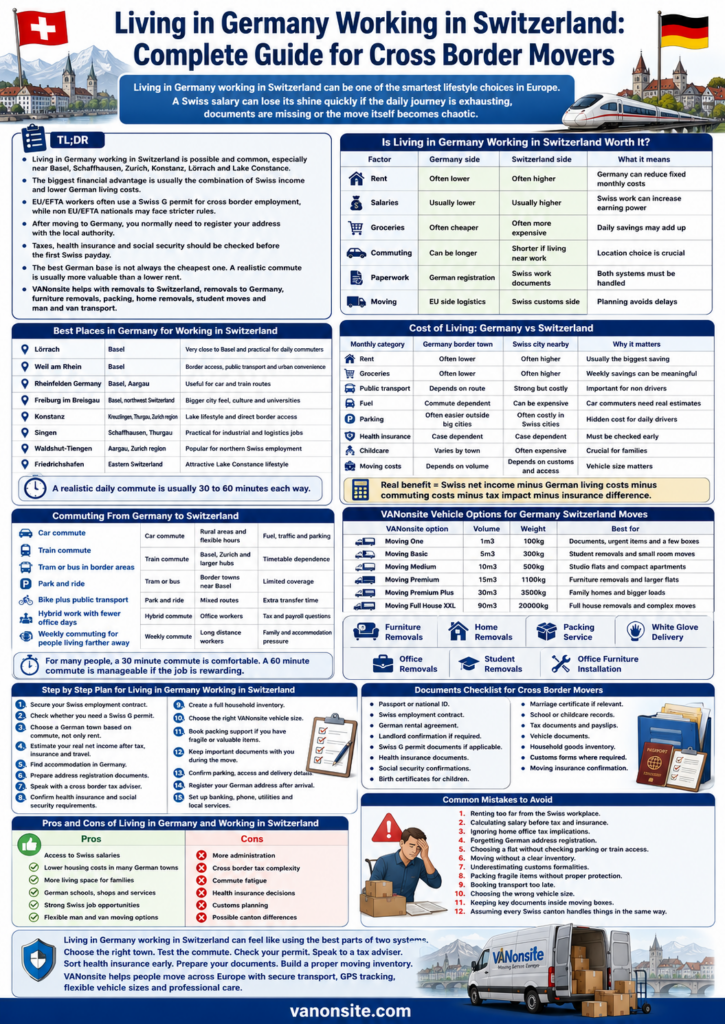
Best Places in Germany for Working in Switzerland
If you are living in Germany and working in Switzerland, your home location is one of the most important decisions. The right town can make your routine smooth. The wrong town can turn each workday into a tiring race.
Before signing a rental contract, test the commute at the same time you would normally travel. A route that looks simple on a map may feel very different during rush hour.
| German base | Good for Swiss work in | Why people choose it |
|---|---|---|
| Lörrach | Basel | Very close to Basel and practical for daily commuters |
| Weil am Rhein | Basel | Border access, public transport and urban convenience |
| Rheinfelden Germany | Basel, Aargau | Useful for car and train routes |
| Freiburg im Breisgau | Basel, northwest Switzerland | Bigger city feel, culture and universities |
| Konstanz | Kreuzlingen, Thurgau, Zurich region | Lake lifestyle and direct border access |
| Singen | Schaffhausen, Thurgau | Practical for industrial and logistics jobs |
| Waldshut-Tiengen | Aargau, Zurich region | Popular for northern Swiss employment |
| Friedrichshafen | Eastern Switzerland | Attractive Lake Constance lifestyle |
A realistic daily commute is usually 30 to 60 minutes each way. Longer journeys can work, especially for hybrid roles, but they should be planned carefully. More than 90 minutes each way can drain energy, reduce family time and weaken the whole advantage of working in Switzerland and living in Germany.
Permit Rules for Cross Border Workers
Permit rules depend on nationality, employment contract and personal situation. Many EU/EFTA citizens who live in Germany and work in Switzerland use a Swiss G permit, also known as a cross border commuter permit.
The official Swiss State Secretariat for Migration explains the rules for EU/EFTA cross border commuters here: Swiss G permit for EU/EFTA cross border commuters.
In simple terms, many EU/EFTA citizens can live in Germany and work in Switzerland without having to live in a strict border zone. If the employment contract is permanent or lasts more than one year, the permit can usually be issued for a longer period.
Non EU/EFTA nationals may face stricter conditions. Depending on the case, they may need long term residence rights in a neighbouring country, a certain residence history and additional labour market approval. Because the rules can become specific, check the current requirements with the Swiss authority, your canton or your employer before moving.
Do not leave this step until the final week. Permit uncertainty can create serious pressure when you are also trying to move home, start work and settle into a new routine.
Registering Your Address in Germany
If you move into Germany, address registration is usually one of the first tasks. Make it in Germany explains the registration process here: Housing and registration in Germany.
This step matters because German address registration can be connected with your tax ID, bank account, phone contract, utilities, school registration and local services. Without it, simple tasks can become frustrating.
Prepare these documents before the move:
- Passport or national ID.
- Rental agreement.
- Landlord confirmation if required.
- Employment contract.
- Marriage or birth certificates if moving with family.
- Previous registration documents if applicable.
- Health insurance details.
- Tax related documents.
Keep these papers in a separate folder and carry them personally. Do not pack them inside the moving van. During an international relocation, one missing document can cost several days of stress.
Taxes When Living in Germany and Working in Switzerland
Taxes are one of the most important parts of living in Germany working in Switzerland. This is not a topic to guess. Germany and Switzerland have a double taxation agreement, and your obligations may depend on where you live, where you work, how often you return home, how many days you work remotely and how your employer handles payroll.
You can check official German information here: Germany Switzerland double taxation agreement.
Important tax factors include:
- Your German residence status.
- Your Swiss employer location.
- Your Swiss work canton.
- The number of home office days in Germany.
- Whether you return to Germany regularly.
- Swiss withholding tax.
- German tax declaration duties.
- Social security coordination.
A short consultation with a tax adviser who understands Germany Switzerland cross border work can save money and prevent problems. Even a small mistake in payroll, residence status or remote work days can create expensive surprises later.
Health Insurance and Social Security
Health insurance is another critical topic for anyone working in Switzerland and living in Germany. You should clarify your options before your first working day, not after the first payslip arrives.
Your final setup may depend on your employment contract, family situation, nationality, residence, income and cross border status. In some cases, workers must make choices or submit documents within a deadline.
Before moving, ask these questions:
- What health insurance documents does the Swiss employer need?
- Is there a deadline for choosing or confirming insurance?
- Are family members covered?
- What happens if you work from home in Germany?
- Which country handles social security contributions?
- What proof should you keep for future tax declarations?
This may sound dry, but it protects your budget and your peace of mind. A relocation feels exciting until a medical bill arrives in the wrong system.
Cost of Living: Germany vs Switzerland
The financial attraction of living in Germany working in Switzerland usually comes from the gap between Swiss income and German living costs. In many cases, rent and groceries are lower on the German side. Still, your real saving depends on the full picture.
Think in monthly numbers, not impressions.
| Monthly category | Germany border town | Swiss city nearby | Why it matters |
|---|---|---|---|
| Rent | Often lower | Often higher | Usually the biggest saving |
| Groceries | Often lower | Often higher | Weekly savings can be meaningful |
| Public transport | Depends on route | Strong but costly | Important for non drivers |
| Fuel | Commute dependent | Can be expensive | Car commuters need real estimates |
| Parking | Often easier outside big cities | Often costly in Swiss cities | Hidden cost for daily drivers |
| Health insurance | Case dependent | Case dependent | Must be checked early |
| Childcare | Varies by town | Often expensive | Crucial for families |
| Moving costs | Depends on volume | Depends on customs and access | Vehicle size matters |
A simple formula helps:
Real benefit = Swiss net income minus German living costs minus commuting costs minus tax impact minus insurance difference.
If the result is strong, working in Switzerland living in Germany may be a powerful choice. If the result is small and the commute is long, living closer to your Swiss workplace may be better.
Commuting From Germany to Switzerland
Commuting is the heartbeat of this lifestyle. You can have a great salary and a beautiful apartment, but if the journey drains you every morning, the whole setup becomes fragile.
Common commuting options include:
- Car commute.
- Train commute.
- Tram or bus in border areas.
- Park and ride.
- Bike plus public transport.
- Hybrid work with fewer office days.
- Weekly commuting for people living farther away.
| Commute type | Best for | Possible downside |
|---|---|---|
| Car commute | Rural areas and flexible hours | Fuel, traffic and parking |
| Train commute | Basel, Zurich and larger hubs | Timetable dependence |
| Tram or bus | Border towns near Basel | Limited coverage |
| Park and ride | Mixed routes | Extra transfer time |
| Hybrid commute | Office workers | Tax and payroll questions |
| Weekly commute | Long distance workers | Family and accommodation pressure |
For many people, a 30 minute commute is comfortable. A 60 minute commute is manageable if the job is rewarding. A 90 minute commute needs serious thought. Across a full year, that can mean hundreds of hours spent travelling.
Moving Household Goods Between Germany and Switzerland
Moving between Germany and Switzerland is not the same as a local move. Switzerland is outside the EU, so household goods, inventories and customs formalities require more attention.
The official Swiss portal gives information about moving belongings to Switzerland here: Moving to Switzerland.
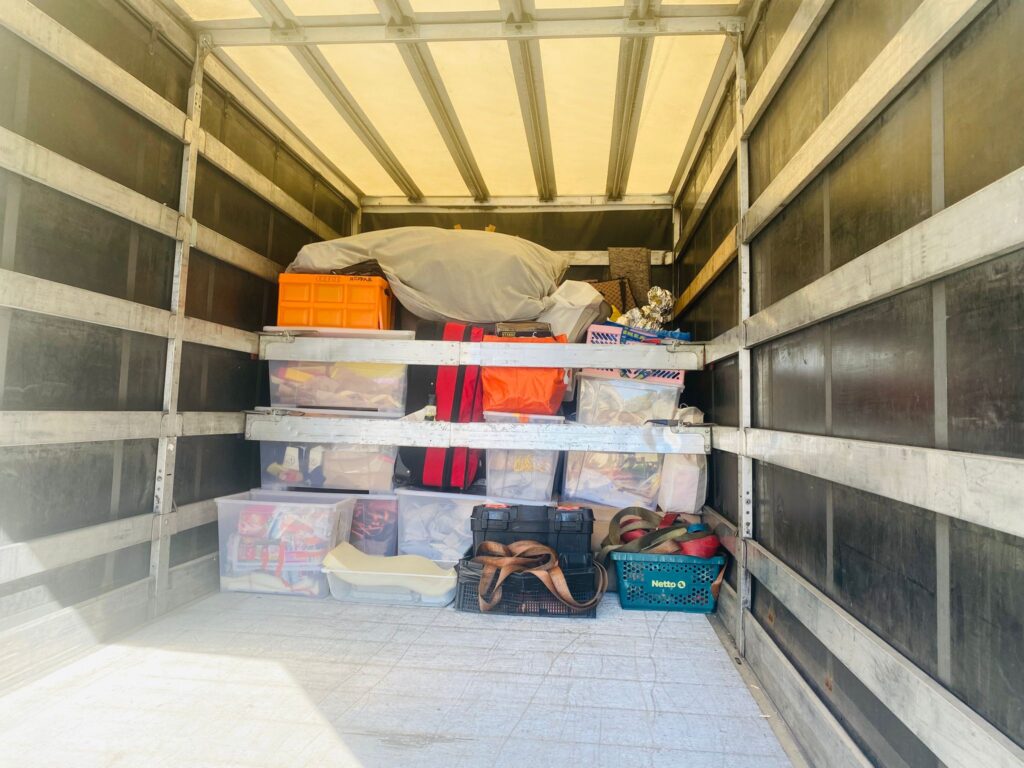
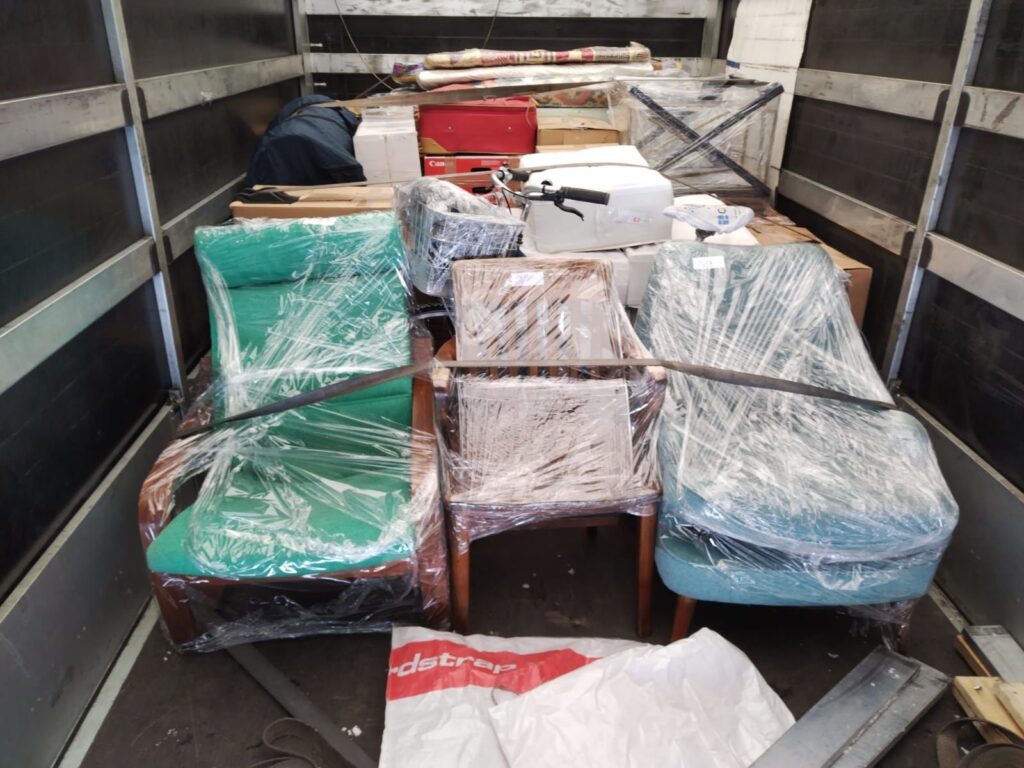
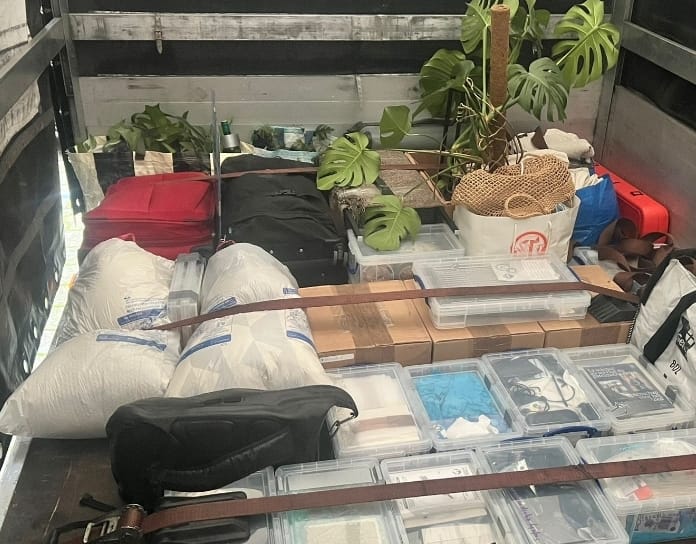
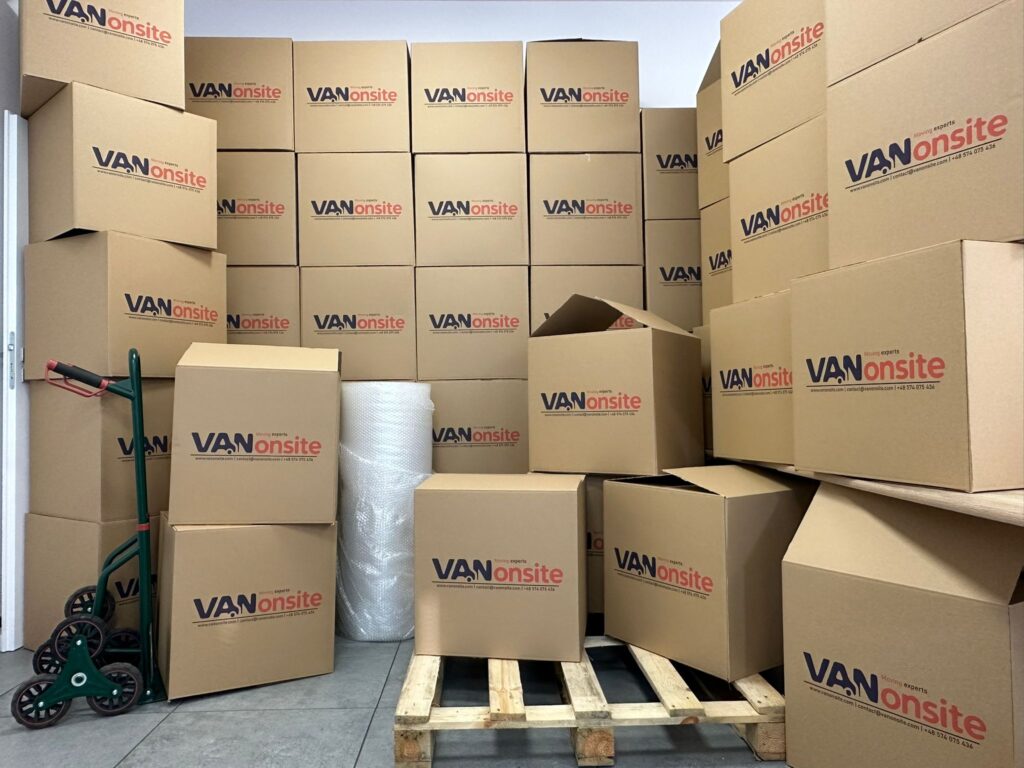
A clear inventory is essential. It helps you understand your volume, prepare documents and avoid confusion at the border. It also helps your mover choose the right vehicle.
A useful moving inventory should include:
- Furniture items.
- Number of boxes.
- Electronics.
- Fragile items.
- Bicycles and sports equipment.
- Office furniture.
- Tools or professional equipment.
- High value items.
- Items needing special protection.
If you are moving from Germany into Switzerland, VANonsite can support your relocation through Removals to Switzerland. If you are moving from Switzerland back to a German base, see Removals to Germany.
The goal is simple: fewer surprises, safer transport and a move that does not ruin your first week in a new job.

VANonsite Vehicle Options for Germany Switzerland Moves
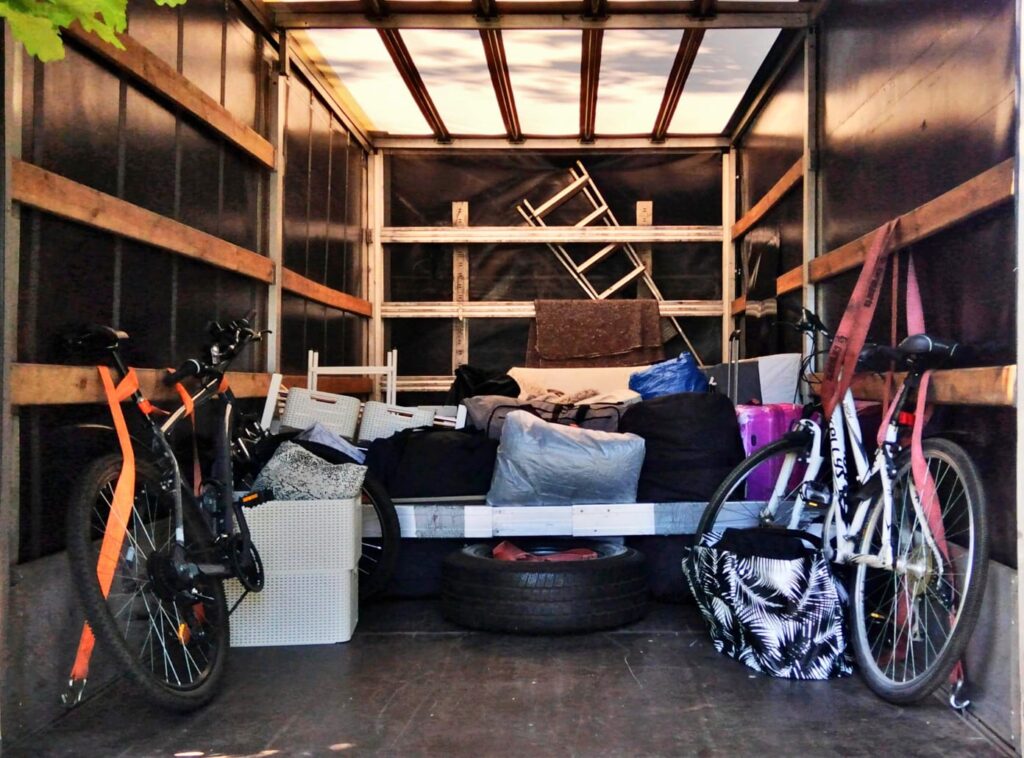
The right vehicle size can save money and prevent chaos. Too small, and you risk extra trips. Too large, and you may pay for space you do not need. VANonsite offers flexible moving options for small loads, full apartments, family homes and business relocations.
| VANonsite option | Volume | Weight | Best for |
|---|---|---|---|
| Moving One | 1m3 | 100kg | Documents, urgent items and a few boxes |
| Moving Basic | 5m3 | 300kg | Student removals and small room moves |
| Moving Medium | 10m3 | 500kg | Studio flats and compact apartments |
| Moving Premium | 15m3 | 1100kg | Furniture removals and larger flats |
| Moving Premium Plus | 30m3 | 3500kg | Family homes and bigger loads |
| Moving Full House XXL | 90m3 | 20000kg | Full house removals and complex moves |
For small cross border loads, a man and van service can be the smartest choice. It is focused, fast and flexible. For larger homes, a dedicated vehicle with professional packing and GPS tracking creates a calmer experience.
VANonsite also supports:
- Furniture Removals for sofas, wardrobes, beds and tables.
- Home Removals for complete household moves.
- Packing Service for safer and faster preparation.
- White Glove Delivery for delicate, valuable or premium items.
- Office Removals for business moves.
- Student Removals for smaller and budget conscious relocations.
- Office Furniture Installation for companies relocating teams or workstations.
When you are living in Germany working in Switzerland, the move should feel precise. Your belongings should arrive when expected, in the right place and with the right protection.
Step by Step Plan for Living in Germany Working in Switzerland
A smooth cross border move needs order. Start early and treat the move like a project, not a last minute panic.
- Secure your Swiss employment contract.
- Check whether you need a Swiss G permit.
- Choose a German town based on commute, not only rent.
- Estimate your real net income after tax, insurance and travel.
- Find accommodation in Germany.
- Prepare address registration documents.
- Speak with a cross border tax adviser.
- Confirm health insurance and social security requirements.
- Create a full household inventory.
- Choose the right VANonsite vehicle size.
- Book packing support if you have fragile or valuable items.
- Keep important documents with you during the move.
- Confirm parking, access and delivery details.
- Register your German address after arrival.
- Set up banking, phone, utilities and local services.
The first 14 days matter. If paperwork, furniture delivery and commuting are under control, life starts feeling normal much faster.
Documents Checklist for Cross Border Movers
Documents are not exciting, but they protect the whole relocation. When working in Switzerland and living in Germany, prepare your paperwork before moving day.
You may need:
- Passport or national ID.
- Swiss employment contract.
- German rental agreement.
- Landlord confirmation if required.
- Swiss G permit documents if applicable.
- Health insurance documents.
- Social security confirmations.
- Birth certificates for children.
- Marriage certificate if relevant.
- School or childcare records.
- Tax documents and payslips.
- Vehicle documents.
- Household goods inventory.
- Customs forms where required.
- Moving insurance confirmation.
Useful official pages:
- Swiss G permit for EU/EFTA cross border commuters
- Housing and registration in Germany
- Moving to Switzerland
- Germany Switzerland double taxation agreement
Do not place these documents at the bottom of a box. Carry them personally. Border moves are easier when the most important papers are within reach.
Pros and Cons of Living in Germany and Working in Switzerland
Living in Germany and working in Switzerland can be brilliant, but it is not perfect for everyone. The strongest setups are based on real numbers and realistic routines.
| Pros | Cons |
|---|---|
| Access to Swiss salaries | More administration |
| Lower housing costs in many German towns | Cross border tax complexity |
| More living space for families | Commute fatigue |
| German schools, shops and services | Health insurance decisions |
| Strong Swiss job opportunities | Customs planning |
| Flexible man and van moving options | Possible canton differences |
This lifestyle works best for organised people. It rewards preparation and punishes guesswork.
Common Mistakes to Avoid
The most expensive mistakes are often simple. They happen because people focus on the job offer and forget the daily system around it.
Avoid these traps:
- Renting too far from the Swiss workplace.
- Calculating salary before tax and insurance.
- Ignoring home office tax implications.
- Forgetting German address registration.
- Choosing a flat without checking parking or train access.
- Moving without a clear inventory.
- Underestimating customs formalities.
- Packing fragile items without proper protection.
- Booking transport too late.
- Choosing the wrong vehicle size.
- Keeping key documents inside moving boxes.
- Assuming every Swiss canton handles things in the same way.
A professional moving team cannot solve your taxes, but it can remove a huge part of the relocation pressure. VANonsite helps make the physical move safer, cleaner and easier to control.
Should You Live in Switzerland Instead?
Some people start by researching living in Germany working in Switzerland, then decide that living in Switzerland is better. That can be the right choice if the commute would be too long, if the employer requires more office presence or if family life works better near the workplace.
| Question | Germany may be better | Switzerland may be better |
|---|---|---|
| Do you want lower rent? | Often yes | Usually harder |
| Do you need a short commute? | Depends on town | Often yes |
| Do you want more living space? | Often yes | More expensive |
| Do you work in Basel? | German border towns can work well | Swiss suburbs may be easier |
| Do you work in Zurich? | Possible, but commute matters | Often more practical |
| Do you dislike admin? | Still requires planning | Still requires planning |
If you decide to live in Switzerland, VANonsite can help with Removals to Switzerland. If you decide to stay on the German side, VANonsite can support Removals to Germany.
The right answer is personal. The best choice is the one that protects your income, time, health and family rhythm.
How VANonsite Makes Germany Switzerland Moves Easier
A cross border move can feel heavy. Boxes pile up. Documents multiply. The new job start date gets closer. Suddenly, what looked like a practical plan becomes a tense countdown.
VANonsite helps remove that pressure with flexible European moving services designed for real life. Whether you need a small man and van move, furniture removals, a full home relocation or premium handling for delicate items, the process can be built around your route, volume and timing.
What makes VANonsite valuable for Germany Switzerland relocations?
- GPS tracking for better visibility.
- Dedicated transport options.
- Flexible vehicle sizes from 1m3 to 90m3.
- Packing support for fragile and valuable items.
- Furniture protection.
- Student removals.
- Office removals.
- White glove delivery.
- Last minute moving support.
- Storage options.
- Experience with European cross border routes.
When your Swiss job is ready and your German address is waiting, the move should not be the weak link. A precise relocation plan helps you start stronger.
FAQ
Can I live in Germany and work in Switzerland?
Yes. Living in Germany working in Switzerland is possible and common, especially in border areas. Many cross border workers live in Germany and work for Swiss employers.
Do I need a G permit for working in Switzerland living in Germany?
Many cross border workers use a Swiss G permit. EU/EFTA citizens usually have more flexible rules, while non EU/EFTA nationals may face stricter requirements. Always check your case with official Swiss guidance or your employer.
Is living in Germany and working in Switzerland cheaper?
It can be cheaper, mainly because German housing and daily costs may be lower than in Switzerland. However, the final result depends on tax, insurance, commuting and family costs.
What are the best German towns for working in Switzerland?
Popular options include Lörrach, Weil am Rhein, Rheinfelden Germany, Konstanz, Singen, Waldshut-Tiengen and Freiburg im Breisgau. The best town depends on your Swiss workplace.
Can VANonsite help with removals between Germany and Switzerland?
Yes. VANonsite supports removals to Switzerland, removals to Germany, home removals, furniture removals, packing, student removals, office removals and dedicated man and van transport.
What documents should I prepare before moving?
Prepare ID, employment contract, rental agreement, registration documents, health insurance papers, tax documents, household inventory and any customs forms required for your situation.
Is working in Switzerland and living in Germany stressful?
It can be stressful if the commute is too long or paperwork is ignored. With the right location, permit setup, tax advice and professional moving support, it can become a strong and rewarding lifestyle choice.
Final Thoughts
Living in Germany working in Switzerland can feel like using the best parts of two systems. You can build a career in the Swiss market while enjoying the space, structure and everyday savings of Germany. For the right person, it is not just practical. It can be life changing.
But success is hidden in the details. Choose the right town. Test the commute. Check your permit. Speak to a tax adviser. Sort health insurance early. Prepare your documents. Build a proper moving inventory.
Then make the physical move simple.
VANonsite helps people move across Europe with secure transport, GPS tracking, flexible vehicle sizes and professional care. Whether you need a compact man and van relocation, careful furniture removals, a full home move or a premium white glove service, the right plan can turn a complicated border move into a confident new start.