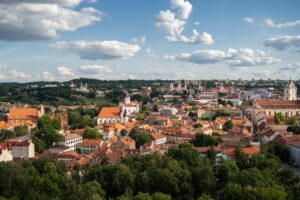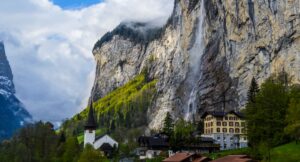
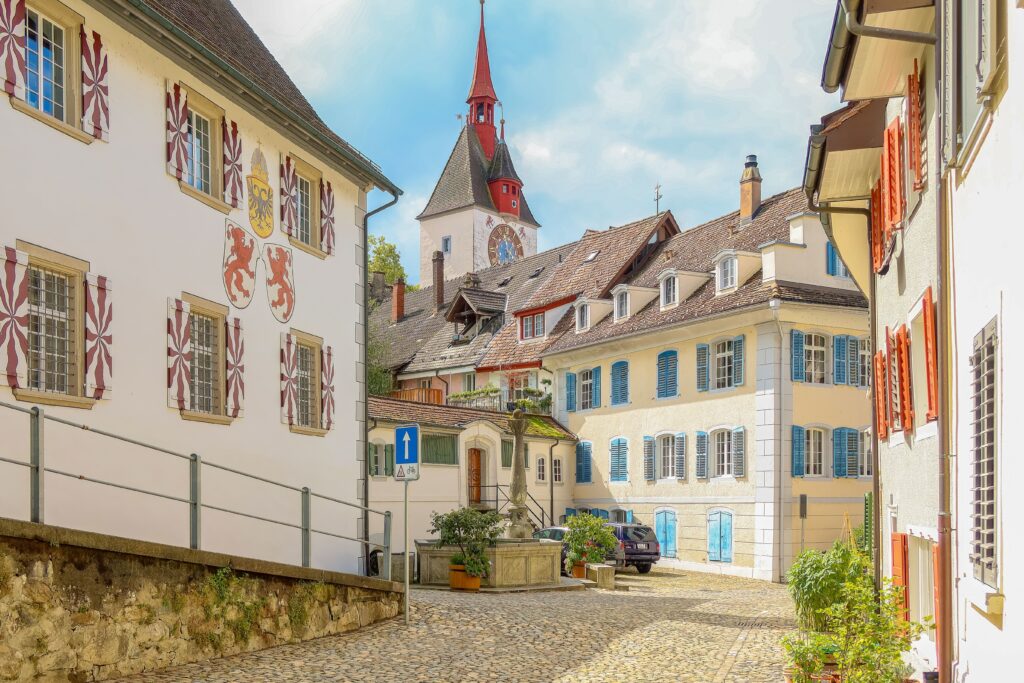
Living in Albinen Switzerland is not about chasing noise, speed or bright city pressure. It is about waking up above the Rhone Valley, breathing sharp mountain air and choosing a slower, more deliberate way of life. Albinen is a small alpine village in Canton Valais, close to Leuk and Leukerbad. It sits on a south-facing slope at the entrance to the Dalatal, surrounded by mountain scenery, traditional Valais houses and the kind of quiet that feels rare in modern Europe.
For expats, families, remote workers and retirees, living in Albinen Switzerland can be deeply attractive. It offers calm, nature, safety and a strong village identity. At the same time, it is still Switzerland. The cost of living in Albinen Switzerland may be lower than Zurich, Geneva or Basel when it comes to housing, but everyday expenses such as groceries, health insurance, transport, heating and services remain high by broader European standards.
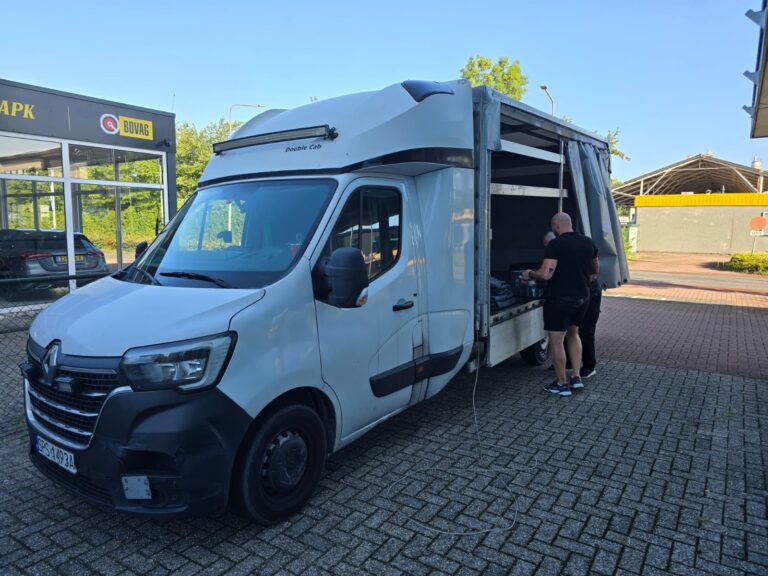
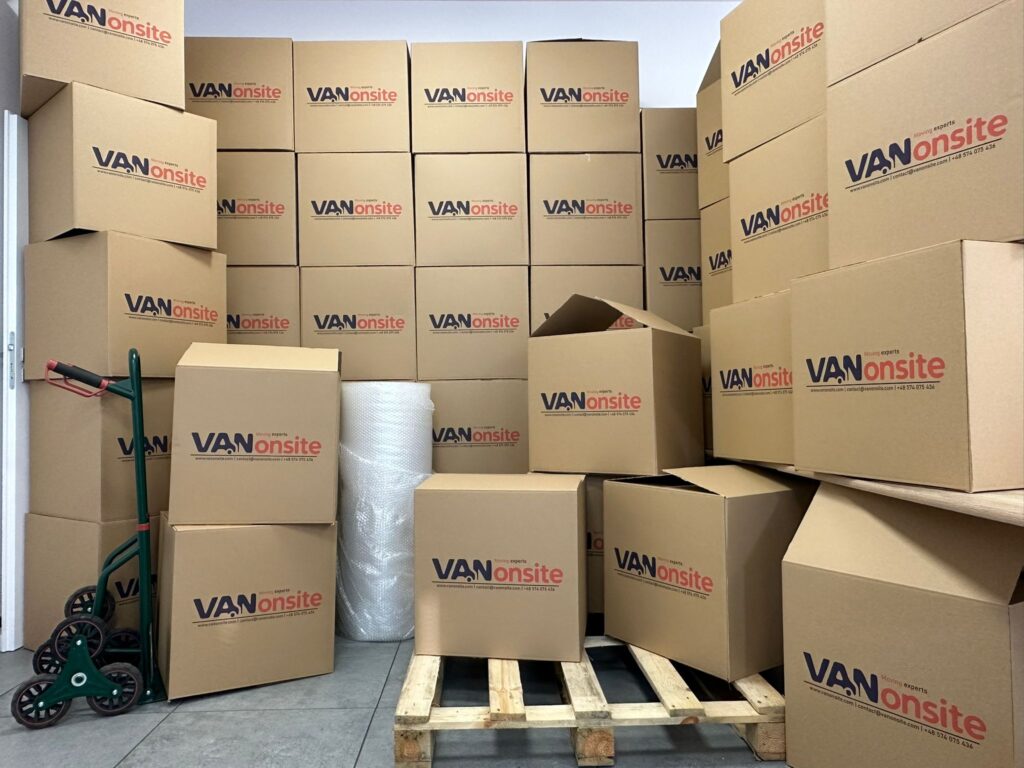
Moving here also needs careful planning. Albinen is not a flat city suburb with easy unloading on a wide street. It is an alpine village with steep roads, seasonal weather, limited parking and property access that can vary from house to house. If you are bringing furniture, boxes, office equipment or a full household, a professional man and van solution can save stress from the first kilometre. VANonsite supports removals to Switzerland with GPS-tracked transport, flexible vehicle sizes, packing services and dedicated relocation support across Europe.
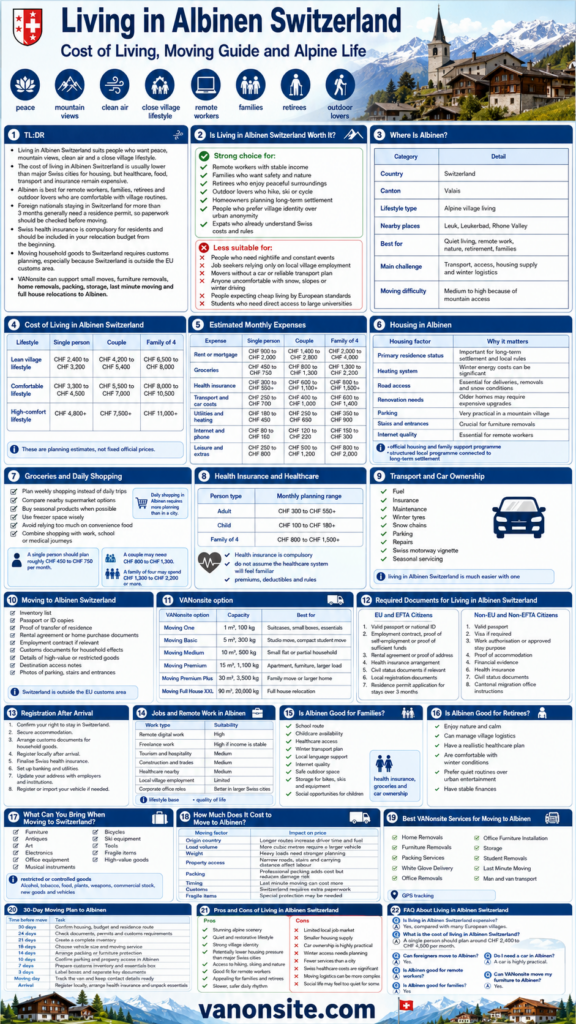
TL:DR
- Living in Albinen Switzerland suits people who want peace, mountain views, clean air and a close village lifestyle.
- The cost of living in Albinen Switzerland is usually lower than major Swiss cities for housing, but healthcare, food, transport and insurance remain expensive.
- Albinen is best for remote workers, families, retirees and outdoor lovers who are comfortable with village routines.
- Foreign nationals staying in Switzerland for more than 3 months generally need a residence permit, so paperwork should be checked before moving.
- Swiss health insurance is compulsory for residents and should be included in your relocation budget from the beginning.
- Moving household goods to Switzerland requires customs planning, especially because Switzerland is outside the EU customs area.
- VANonsite can support small moves, furniture removals, home removals, packing, storage, last minute moving and full house relocations to Albinen.




Is Living in Albinen Switzerland Worth It?
Living in Albinen Switzerland is worth it if your dream life has more mountains than meetings, more fresh air than traffic and more silence than city noise. It is a place for people who want their home to feel like a retreat, not just an address. The village atmosphere can be soothing, almost cinematic, especially if you value nature and personal space.
However, Albinen is not for everyone. The lifestyle is quiet. Services are limited. Local job options are not as broad as in Swiss cities. Winter conditions can affect driving and daily routines. You need to plan shopping, transport, healthcare and property access with more care.
Albinen is a strong choice for:
- Remote workers with stable income
- Families who want safety and nature
- Retirees who enjoy peaceful surroundings
- Outdoor lovers who hike, ski or cycle
- Homeowners planning long-term settlement
- People who prefer village identity over urban anonymity
- Expats who already understand Swiss costs and rules
It may be less suitable for:
- People who need nightlife and constant events
- Job seekers relying only on local village employment
- Movers without a car or reliable transport plan
- Anyone uncomfortable with snow, slopes or winter driving
- People expecting cheap living by European standards
- Students who need direct access to large universities
The simple answer is this: living in Albinen Switzerland can be magnificent if you want the lifestyle it truly offers, not the fantasy version of it.
Where Is Albinen?
Albinen is located in Canton Valais, above the Rhone Valley and close to Leuk and Leukerbad. This location gives the village its striking alpine appeal. It also affects the way people live, travel and move their belongings. Roads, weather, parking and access are more important here than in a typical Swiss city apartment.
| Category | Detail |
|---|---|
| Country | Switzerland |
| Canton | Valais |
| Lifestyle type | Alpine village living |
| Nearby places | Leuk, Leukerbad, Rhone Valley |
| Best for | Quiet living, remote work, nature, retirement, families |
| Main challenge | Transport, access, housing supply and winter logistics |
| Moving difficulty | Medium to high because of mountain access |
The village is small, calm and visually powerful. That intimate scale can feel wonderful if you enjoy community life. Yet it also means you should check practical details before committing. How far is the nearest shop? Where will the moving van park? How steep is the access road? Can large furniture fit through the entrance?
These questions are not small details. In Albinen, they can decide whether your moving day feels controlled or chaotic.
Cost of Living in Albinen Switzerland
The cost of living in Albinen Switzerland is one of the biggest questions for anyone considering the move. The answer is balanced. Housing can be more accessible than in Switzerland’s largest cities, especially if you compare Albinen with central Zurich, Geneva, Zug or Basel. Still, Switzerland remains one of Europe’s most expensive countries, and village life does not remove core costs.
A realistic budget should include housing, groceries, health insurance, transport, utilities, heating, phone, internet, leisure and emergency savings. In an alpine area, heating and car costs can play a bigger role than many newcomers expect.
| Lifestyle | Single person | Couple | Family of 4 |
|---|---|---|---|
| Lean village lifestyle | CHF 2,400 to CHF 3,200 | CHF 4,200 to CHF 5,400 | CHF 6,500 to CHF 8,000 |
| Comfortable lifestyle | CHF 3,300 to CHF 4,500 | CHF 5,500 to CHF 7,000 | CHF 8,000 to CHF 10,500 |
| High-comfort lifestyle | CHF 4,800+ | CHF 7,500+ | CHF 11,000+ |
These are planning estimates, not fixed official prices. Your real cost of living in Albinen Switzerland will depend on rent or mortgage, insurance model, lifestyle, household size and commuting habits.
Estimated Monthly Expenses
| Expense | Single person | Couple | Family of 4 |
|---|---|---|---|
| Rent or mortgage | CHF 900 to CHF 2,000 | CHF 1,400 to CHF 2,800 | CHF 2,000 to CHF 4,000 |
| Groceries | CHF 450 to CHF 750 | CHF 800 to CHF 1,300 | CHF 1,300 to CHF 2,200 |
| Health insurance | CHF 300 to CHF 550+ | CHF 600 to CHF 1,100+ | CHF 800 to CHF 1,500+ |
| Transport and car costs | CHF 250 to CHF 700 | CHF 400 to CHF 1,000 | CHF 600 to CHF 1,400 |
| Utilities and heating | CHF 180 to CHF 450 | CHF 250 to CHF 650 | CHF 350 to CHF 900 |
| Internet and phone | CHF 80 to CHF 160 | CHF 120 to CHF 220 | CHF 150 to CHF 300 |
| Leisure and extras | CHF 250 to CHF 800 | CHF 500 to CHF 1,200 | CHF 800 to CHF 2,000 |
A single person living carefully may manage on a leaner budget. A family with two cars, children, hobbies and frequent travel will need much more. The cost of living in Albinen Switzerland becomes easier to manage when you plan around real Swiss prices rather than optimistic assumptions.
Housing in Albinen
Housing is often the main reason people become interested in living in Albinen Switzerland. Compared with large Swiss cities, the village may offer more attractive property options. Yet supply is limited, and older alpine homes can come with renovation needs.
Before renting or buying, check the condition of the building carefully. Look at insulation, heating, roof quality, windows, plumbing, parking, snow access and internet connection. A charming traditional home can be beautiful, but it may also need investment.
| Housing factor | Why it matters |
|---|---|
| Primary residence status | Important for long-term settlement and local rules |
| Heating system | Winter energy costs can be significant |
| Road access | Essential for deliveries, removals and snow conditions |
| Renovation needs | Older homes may require expensive upgrades |
| Parking | Very practical in a mountain village |
| Stairs and entrances | Crucial for furniture removals |
| Internet quality | Essential for remote workers |
Albinen also has an official housing and family support programme. This should be checked directly with the municipality before making decisions, as eligibility depends on specific rules and conditions. It should not be treated as easy cash for anyone who likes mountain views. It is a structured local programme connected to long-term settlement.
For anyone moving furniture, access planning is vital. Measure doors, staircases and tight corners. Check where the van can stop. Share photos with your removals company. A sofa, piano, cabinet or office desk can become difficult in a narrow alpine property. VANonsite’s Furniture Removals and Packing Services can help protect valuable items and reduce risk.
Groceries and Daily Shopping
Daily shopping in Albinen requires more planning than in a city. You may need to combine errands in nearby places rather than walk to several shops in a few minutes. This changes the rhythm of life. It also affects transport costs, storage habits and weekly routines.
Groceries in Switzerland are expensive compared with many European countries. A single person should plan roughly CHF 450 to CHF 750 per month. A couple may need CHF 800 to CHF 1,300. A family of four may spend CHF 1,300 to CHF 2,200 or more, depending on diet and shopping habits.
To control costs, it helps to:
- Plan weekly shopping instead of daily trips
- Compare nearby supermarket options
- Buy seasonal products when possible
- Use freezer space wisely
- Avoid relying too much on convenience food
- Combine shopping with work, school or medical journeys
The cost of living in Albinen Switzerland becomes more predictable when your household runs on a smart routine. In a mountain village, planning is not restrictive. It creates freedom.
Health Insurance and Healthcare
Health insurance is compulsory for people living in Switzerland, so it must be included in your budget from the start. It is one of the most important monthly costs for newcomers, especially families.
| Person type | Monthly planning range |
|---|---|
| Adult | CHF 300 to CHF 550+ |
| Child | CHF 100 to CHF 180+ |
| Family of 4 | CHF 800 to CHF 1,500+ |
Healthcare access should also be checked before moving. Albinen offers calm and beauty, but you should know where the nearest doctors, pharmacies, clinics and hospitals are. This is especially important for families with young children, retirees and anyone with regular medical needs.
If you are moving from another European country, do not assume the healthcare system will feel familiar. Switzerland has its own insurance structure, premiums, deductibles and rules. Set aside time to compare options and choose a policy that suits your household.
Transport and Car Ownership
A car is not always legally necessary, but living in Albinen Switzerland is much easier with one. Mountain villages reward independence. Shopping, healthcare visits, family logistics, school runs, sports equipment and winter travel are simpler when you have private transport.
Typical car-related costs include:
- Fuel
- Insurance
- Maintenance
- Winter tyres
- Snow chains
- Parking
- Repairs
- Swiss motorway vignette
- Seasonal servicing
Public transport may support part of your routine, especially if you plan carefully. Yet for many residents, a car becomes a practical tool rather than a luxury. If you work remotely and travel only occasionally, you may manage with fewer trips. If you have children, tools, pets or bulky equipment, private transport will likely feel essential.
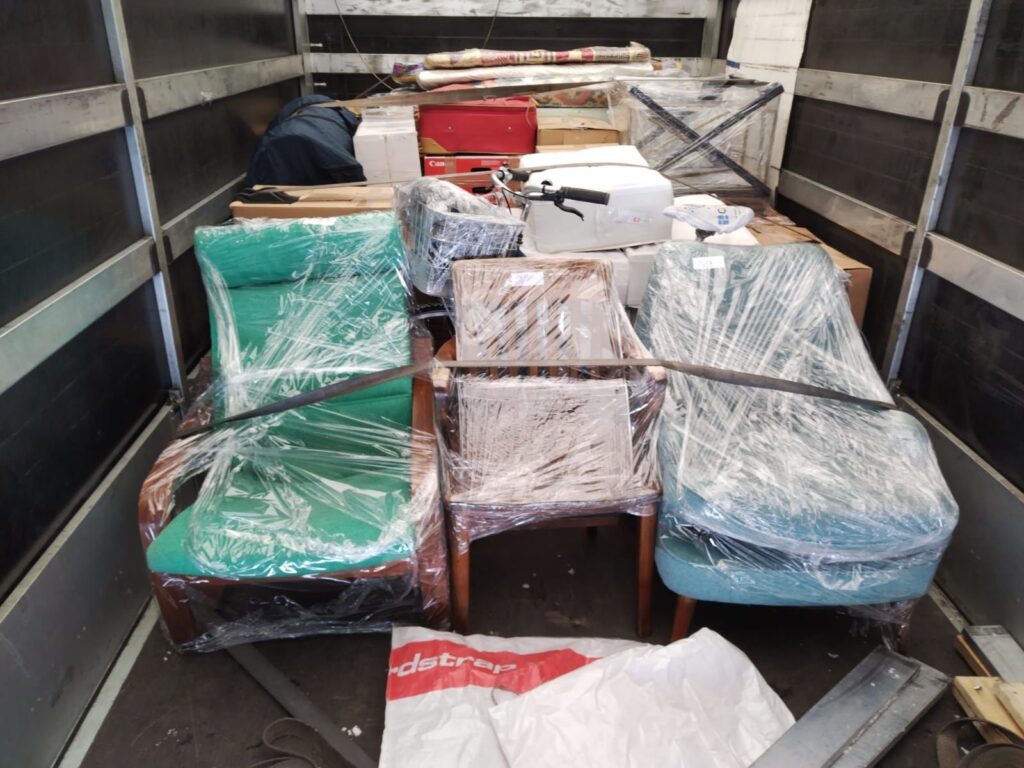
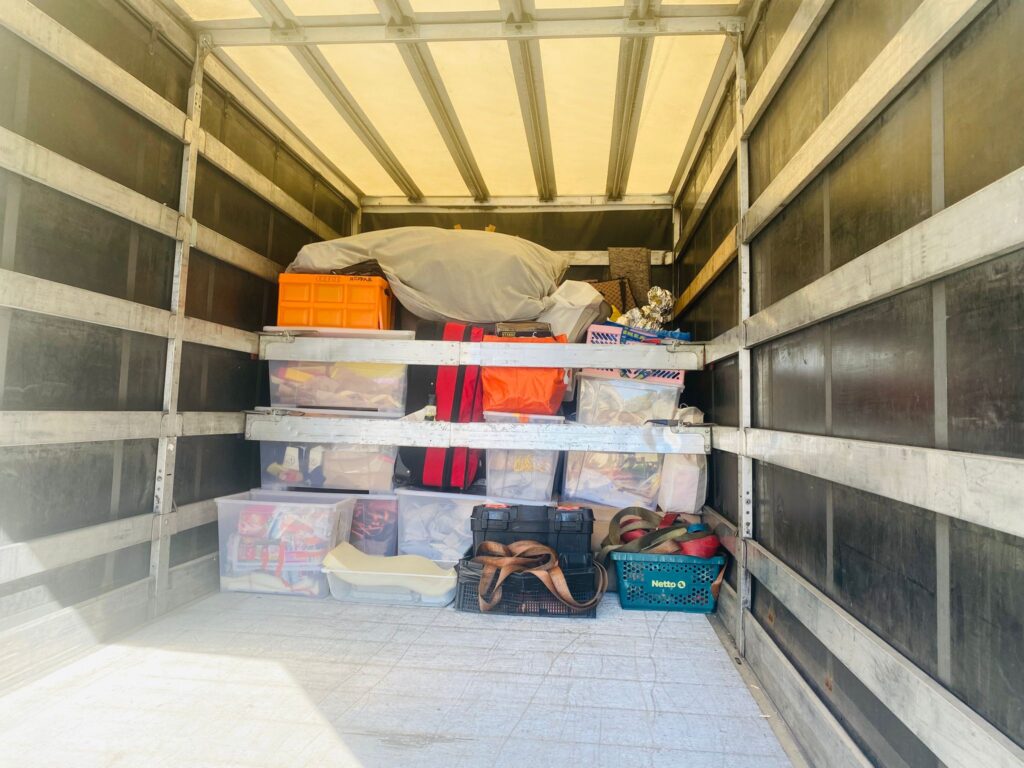
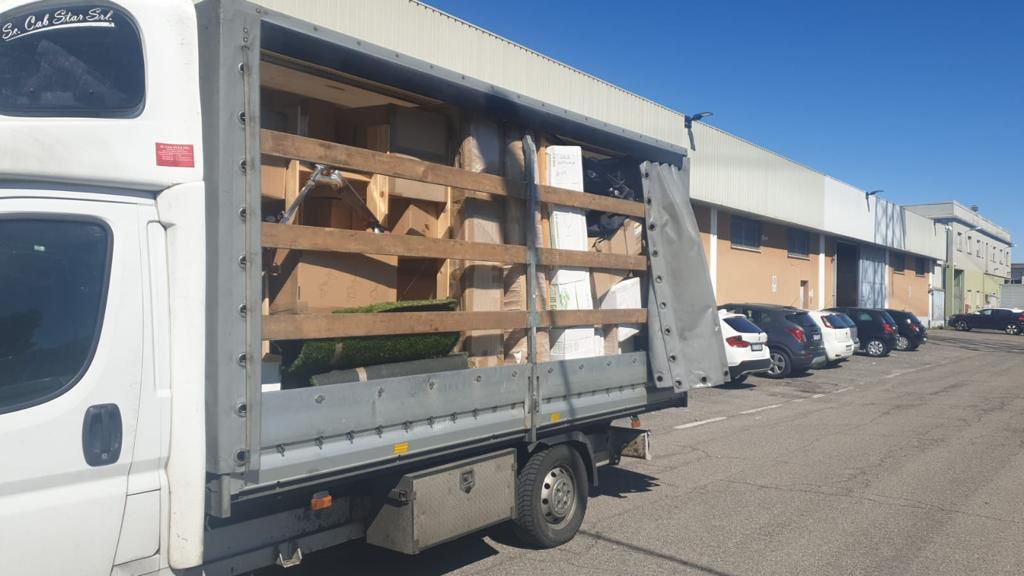
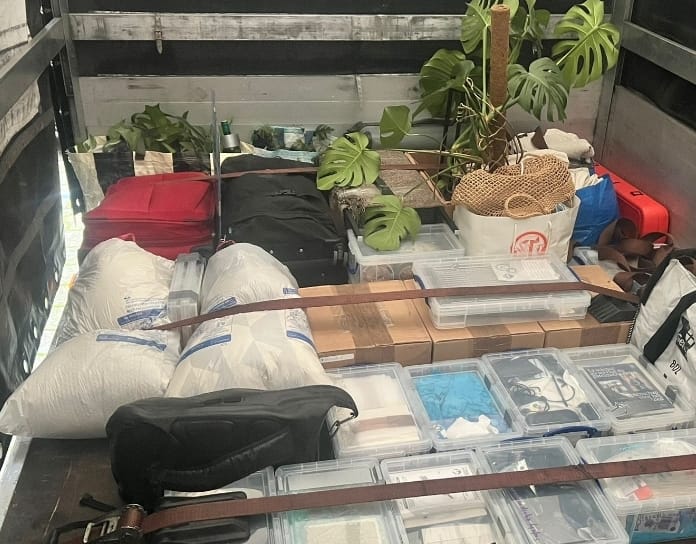
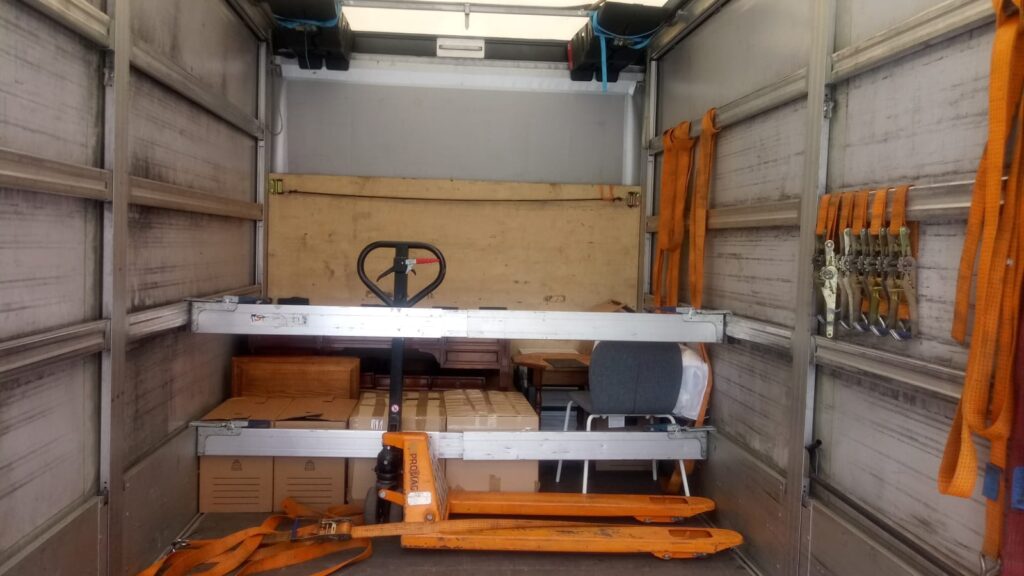
For the relocation itself, a dedicated man and van service is often more efficient than several personal trips. It keeps the move organised, protects your belongings and allows you to track your load from pickup to delivery.
Moving to Albinen Switzerland
Moving to Albinen is more complex than moving to a city with broad roads and easy unloading. This is an alpine move, so the plan should include distance, vehicle size, access, customs, weather and handling requirements.
Switzerland is outside the EU customs area, so household goods need proper documentation. In general, used personal effects may be imported under household goods rules if conditions are met. New items, commercial goods, alcohol, tobacco, plants, vehicles and restricted items may need extra checks.
Prepare the following before moving:
- Inventory list
- Passport or ID copies
- Proof of transfer of residence
- Rental agreement or home purchase documents
- Employment contract if relevant
- Customs documents for household effects
- Details of high-value or restricted goods
- Destination access notes
- Photos of parking, stairs and entrances
VANonsite supports European moves to Switzerland with GPS tracking, flexible scheduling and different vehicle sizes. Whether you need a small man and van move, a partial load or a full home relocation, choosing the right vehicle matters.
| VANonsite option | Capacity | Best for |
|---|---|---|
| Moving One | 1 m³, 100 kg | Suitcases, small boxes, essentials |
| Moving Basic | 5 m³, 300 kg | Studio move, compact student move |
| Moving Medium | 10 m³, 500 kg | Small flat or partial household |
| Moving Premium | 15 m³, 1,100 kg | Apartment, furniture, larger load |
| Moving Premium Plus | 30 m³, 3,500 kg | Family move or larger home |
| Moving Full House XXL | 90 m³, 20,000 kg | Full house relocation |
For delicate, expensive or awkward items, White Glove Delivery can be especially useful. For a full household, Home Removals gives a more complete relocation solution.
Required Documents for Living in Albinen Switzerland
If you plan to stay in Switzerland for more than 3 months, you must understand the residence rules before moving. Requirements depend on nationality, reason for stay and personal situation. EU and EFTA citizens usually have a simpler route, while non-EU and non-EFTA citizens often face stricter conditions.
Useful official pages include the Swiss government guide to residence permits, the State Secretariat for Migration information on EU and EFTA citizens, and Swiss customs guidance for moving household effects.
EU and EFTA Citizens
Prepare:
- Valid passport or national ID
- Employment contract, proof of self-employment or proof of sufficient funds
- Rental agreement or proof of address
- Health insurance arrangement
- Civil status documents if relevant
- Local registration documents
- Residence permit application for stays over 3 months
Non-EU and Non-EFTA Citizens
Prepare:
- Valid passport
- Visa if required
- Work authorisation or approved stay purpose
- Proof of accommodation
- Financial evidence
- Health insurance
- Civil status documents
- Cantonal migration office instructions
Do not leave paperwork until moving week. A mountain view is inspiring, but it does not replace legal preparation.
Registration After Arrival
After arriving in Albinen, registration should be handled quickly. Contact the municipality before arrival and confirm exactly which documents they require. Small municipalities can be helpful, but they still need proper paperwork.
A practical arrival process looks like this:
- Confirm your right to stay in Switzerland.
- Secure accommodation.
- Arrange customs documents for household goods.
- Register locally after arrival.
- Finalise Swiss health insurance.
- Set up banking and utilities.
- Update your address with employers and institutions.
- Register or import your vehicle if needed.
This administrative phase may feel dull, but it gives your new life a stable foundation.
Jobs and Remote Work in Albinen
Albinen is not a major job market. It is better understood as a lifestyle base than a career hub. Local work may exist in tourism, trades, services or nearby areas, but you should not rely on the village alone for employment.
| Work type | Suitability |
|---|---|
| Remote digital work | High |
| Freelance work | High if income is stable |
| Tourism and hospitality | Medium |
| Construction and trades | Medium |
| Healthcare nearby | Medium |
| Local village employment | Limited |
| Corporate office roles | Better in larger Swiss cities |
The strongest model is simple: earn from a wider Swiss, European or international market, then enjoy Albinen for quality of life. For remote workers, check internet quality, heating, workspace comfort and winter access before choosing a property.

Is Albinen Good for Families?
Living in Albinen Switzerland can be wonderful for families who want safety, nature and a slower childhood. Children can grow up close to mountains, fresh air and outdoor routines. That can be priceless.
However, parents should check practical details before committing. Schools, childcare, healthcare, transport, language support and winter travel all matter. A village can feel warm and protective, but it can also feel limited if your expectations are wrong.
Family checklist:
- School route
- Childcare availability
- Healthcare access
- Winter transport plan
- Local language support
- Internet quality
- Safe outdoor space
- Storage for bikes, skis and equipment
- Social opportunities for children
The cost of living in Albinen Switzerland for families can rise quickly because of health insurance, groceries and car ownership. Still, for families who value calm and nature, the lifestyle can feel rich in ways that do not appear on a spreadsheet.
Is Albinen Good for Retirees?
Albinen can be an excellent choice for active retirees who want scenery, quiet and a slower pace. It offers a restorative atmosphere that can feel luxurious after years of work and urban pressure.
Yet retirement in Albinen should be planned carefully. Consider healthcare access, steep streets, winter mobility, home maintenance, heating costs and distance from family. A beautiful house is not enough if daily movement becomes difficult.
Albinen is best for retirees who:
- Enjoy nature and calm
- Can manage village logistics
- Have a realistic healthcare plan
- Are comfortable with winter conditions
- Prefer quiet routines over urban entertainment
- Have stable finances
For the right retiree, living in Albinen Switzerland can feel peaceful, grounded and deeply rewarding.
What Can You Bring When Moving to Switzerland?
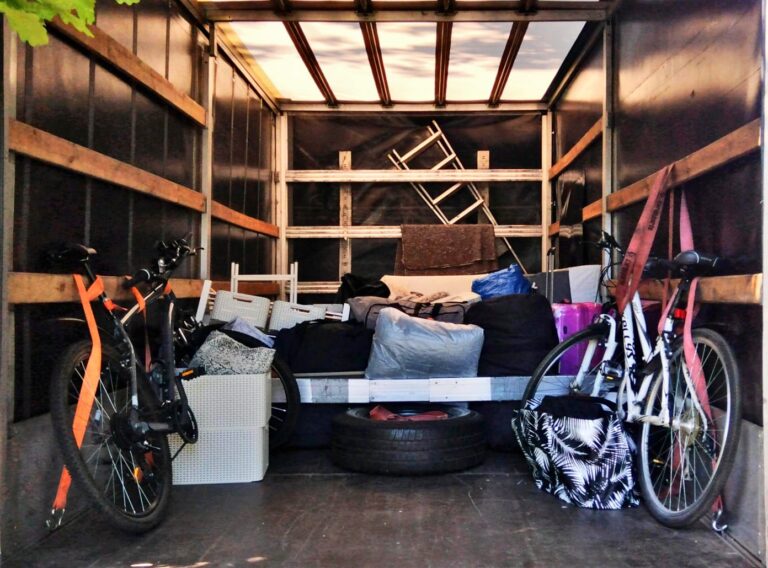
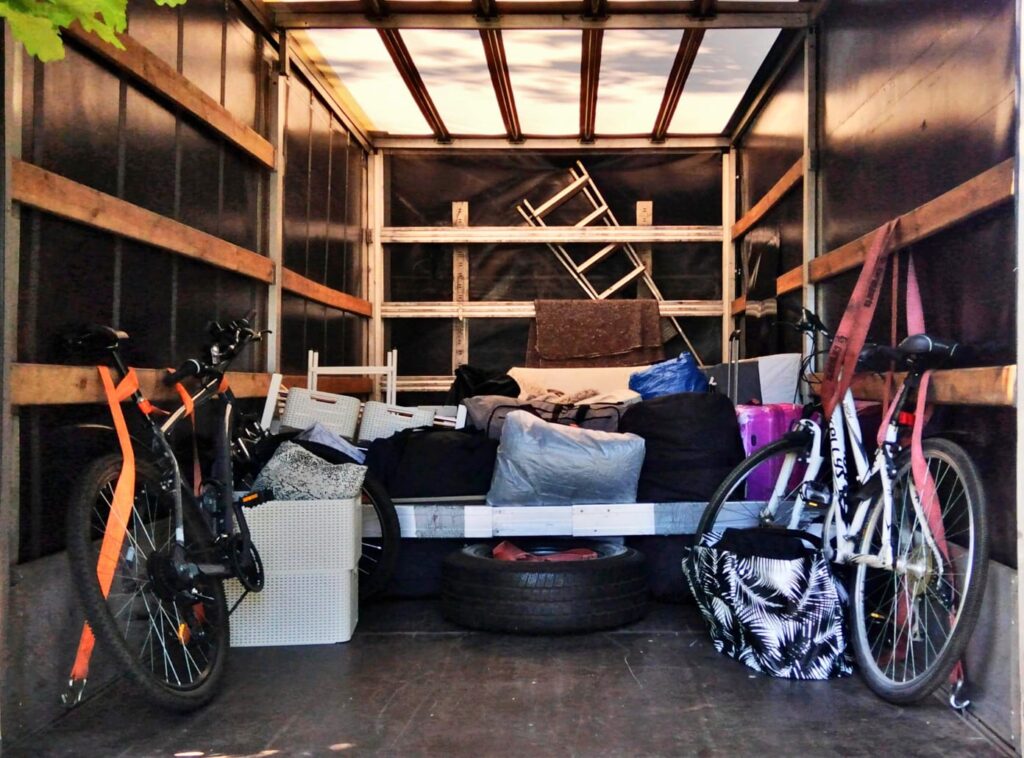
Most personal household goods can be moved to Switzerland if documentation is handled correctly. This can include furniture, clothing, books, kitchenware, electronics, office equipment, bicycles, sports gear and personal items.
Create a clear inventory for:
- Furniture
- Antiques
- Art
- Electronics
- Office equipment
- Musical instruments
- Bicycles
- Ski equipment
- Tools
- Fragile items
- High-value goods
Be careful with restricted or controlled goods. Alcohol, tobacco, food, plants, weapons, commercial stock, new goods and vehicles may require different treatment. If you are unsure, check official Swiss customs guidance before loading the van.
Professional packing can be a smart investment. In an alpine move, damage risk can come from long driving distances, handling, stairs, narrow entrances and weather. Good packing reduces that risk.
How Much Does It Cost to Move to Albinen?
The cost of moving to Albinen depends on origin country, distance, volume, weight, customs paperwork, property access and timing. A small man and van move may need only 1 m³ to 5 m³. A family relocation may require 30 m³ or more.
| Moving factor | Impact on price |
|---|---|
| Origin country | Longer routes increase driver time and fuel |
| Load volume | More cubic metres require a larger vehicle |
| Weight | Heavy loads need stronger planning |
| Property access | Narrow roads, stairs and carrying distance affect labour |
| Packing | Professional packing adds cost but reduces damage risk |
| Timing | Last minute moving can cost more |
| Customs | Switzerland requires extra paperwork |
| Fragile items | Special protection may be needed |
A strong quote should be based on facts, not guesswork. Share your inventory, photos, access details, floor level, parking notes and preferred dates. VANonsite can then match the move to the correct vehicle and service level.
Best VANonsite Services for Moving to Albinen
VANonsite offers several services that fit different relocation needs. For living in Albinen Switzerland, the best choice depends on your load size, access, timing and the value of your items.
Useful services include:
- Home Removals for apartments, houses and family relocations
- Furniture Removals for bulky or delicate items
- Packing Services for fragile goods and organised preparation
- White Glove Delivery for premium furniture and valuable items
- Office Removals for business equipment
- Office Furniture Installation for workspace setup
- Storage for phased relocations
- Student Removals for compact moves
- Last Minute Moving for urgent routes
- Man and van transport for flexible European moves
GPS tracking is especially valuable on international routes. It gives you visibility, reduces uncertainty and makes the journey feel more controlled.
30-Day Moving Plan to Albinen
| Time before move | Task |
|---|---|
| 30 days | Confirm housing, budget and residence route |
| 24 days | Check documents, permits and customs requirements |
| 21 days | Create a complete inventory |
| 18 days | Choose vehicle size and moving service |
| 14 days | Arrange packing or furniture protection |
| 10 days | Confirm parking and property access in Albinen |
| 7 days | Prepare customs inventory and essentials box |
| 3 days | Label boxes and separate key documents |
| Moving day | Track the van and keep contact details ready |
| Arrival | Register locally, arrange health insurance and unpack essentials |
This plan turns a demanding international move into clear, manageable steps. It also helps avoid last-minute panic, especially when moving to an alpine destination.
Pros and Cons of Living in Albinen Switzerland
Pros
- Stunning alpine scenery
- Quiet and restorative lifestyle
- Strong village identity
- Potentially lower housing pressure than major Swiss cities
- Access to hiking, skiing and nature
- Good fit for remote workers
- Appealing for families and retirees
- Slower, safer daily rhythm
Cons
- Limited local job market
- Smaller housing supply
- Car ownership is highly practical
- Winter access needs planning
- Fewer services than a city
- Swiss healthcare costs are significant
- Moving logistics can be more complex
- Social life may feel too quiet for some
Living in Albinen Switzerland is not about having everything nearby. It is about choosing what matters most.
FAQ About Living in Albinen Switzerland
Is living in Albinen Switzerland expensive?
Yes, compared with many European villages. However, housing may be cheaper than in major Swiss cities. The main costs are rent or mortgage, health insurance, groceries, heating, transport and car ownership.
What is the cost of living in Albinen Switzerland?
A single person should plan around CHF 2,400 to CHF 4,500 per month, depending on housing, insurance and lifestyle. A couple may need CHF 4,200 to CHF 7,000, while a family of four may need CHF 6,500 to CHF 10,500 or more.
Can foreigners move to Albinen?
Yes. Foreigners can move to Albinen if they meet Swiss entry, residence and permit requirements. Rules depend on nationality, purpose of stay and personal situation.
Do I need a car in Albinen?
A car is highly practical. Albinen is a mountain village, so shopping, healthcare visits, winter travel, school routines and moving bulky items are easier with private transport.
Is Albinen good for remote workers?
Yes, if the home has reliable internet, strong heating and a comfortable workspace. Remote workers with stable income can enjoy Albinen without depending on the limited local job market.
Is Albinen good for families?
Yes, for families who value nature, safety and a slower rhythm. Parents should check schools, childcare, healthcare access, transport and winter routines before moving.
Can VANonsite move my furniture to Albinen?
Yes. VANonsite handles European removals to Switzerland, including man and van moves, furniture removals, packing, GPS-tracked transport, small removals and full household relocations.
Ready to Start Living in Albinen Switzerland?
Living in Albinen Switzerland is a bold, beautiful choice. It is quiet, scenic and very different from city life. For the right person, that difference is the magic. For the wrong person, it can feel too remote.
The best move begins with honest planning. Check your budget. Confirm your documents. Study the cost of living in Albinen Switzerland. Measure your furniture. Think about winter roads, healthcare, transport and property access. Then build your relocation around facts, not hope.
With VANonsite, your move to Switzerland can be planned with care, tracked by GPS and matched to the right vehicle size. Whether you need a compact man and van move, careful furniture removals, packing support or a full house relocation, VANonsite helps turn a complex alpine move into a smooth, controlled arrival.
Start your plan with removals to Switzerland and move to Albinen with confidence.