
Moving back to Switzerland can feel like stepping into a place you already know, but with a suitcase full of new questions. Where do you register? What documents do you need? Can you bring your furniture duty free? How do you avoid customs delays? And how do you get everything from your current home to Switzerland without stress, damage, or endless phone calls?
The short answer is this: moving back to Switzerland is much easier when you prepare your paperwork, organise your household inventory, understand Swiss customs rules, and choose a removals company with proven cross border experience. Switzerland is efficient, precise, and beautifully organised, but it also expects you to be prepared.
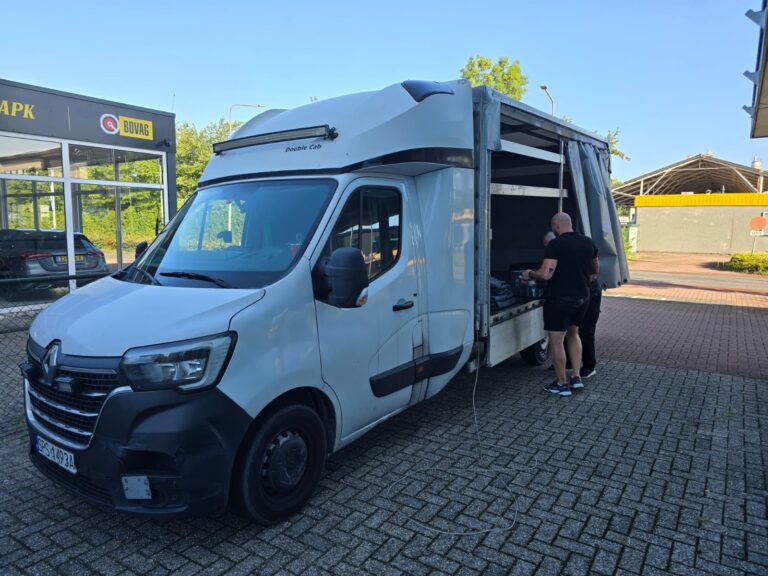
That is where VANonsite can help. With secure European removals, GPS tracking for every load, dedicated van options, man and van services, packing support, storage, furniture removals, home removals, last minute moving and White Glove Delivery, VANonsite gives returning residents a clear and confident way to move back home.
Whether you are returning from the UK, Germany, France, Italy, Spain, Poland, Ireland, the Netherlands, Scandinavia, or another European country, this guide explains how to plan moving back to Switzerland step by step.
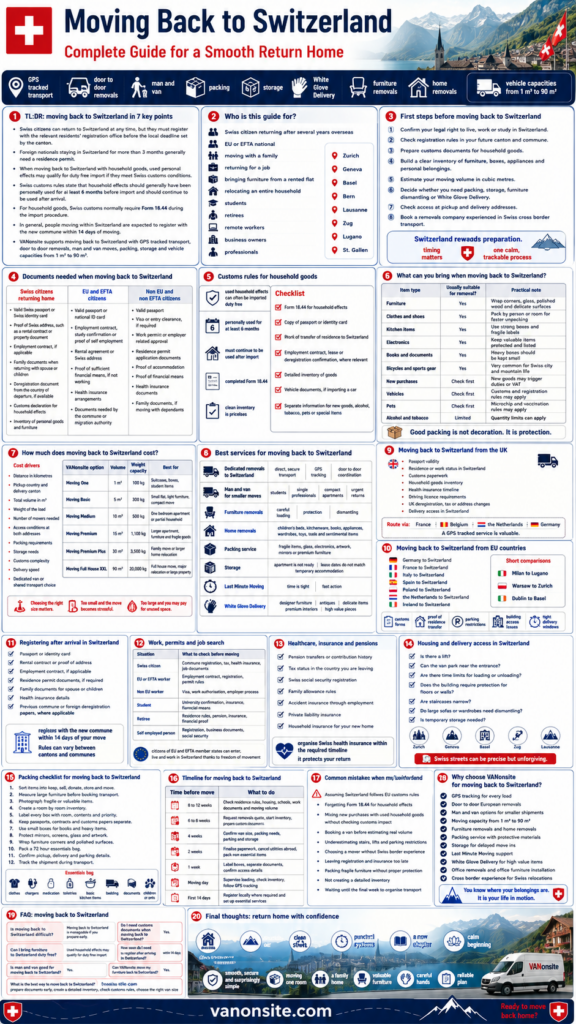
TL:DR: moving back to Switzerland in 7 key points
- Swiss citizens can return to Switzerland at any time, but they must register with the relevant residents’ registration office before the local deadline set by the canton.
- Foreign nationals staying in Switzerland for more than 3 months generally need a residence permit.
- When moving back to Switzerland with household goods, used personal effects may qualify for duty free import if they meet Swiss customs conditions.
- Swiss customs rules state that household effects should generally have been personally used for at least 6 months before import and should continue to be used after arrival.
- For household goods, Swiss customs normally require Form 18.44 during the import procedure.
- In general, people moving within Switzerland are expected to register with the new commune within 14 days of moving.
- VANonsite supports moving back to Switzerland with GPS tracked transport, door to door removals, man and van moves, packing, storage and vehicle capacities from 1 m³ to 90 m³.




Who is this guide for?
This guide is for anyone moving back to Switzerland after time abroad. You may be a Swiss citizen returning after several years overseas. You may be an EU or EFTA national who previously lived in Switzerland and now wants to come back. You may be moving with a family, returning for a job, bringing furniture from a rented flat, or relocating an entire household.
Moving back to Switzerland is also common for students, retirees, remote workers, business owners and professionals accepting roles in Zurich, Geneva, Basel, Bern, Lausanne, Zug, Lugano or St. Gallen. Each situation has its own paperwork, budget and moving plan.
A single person with 1 m³ of boxes needs a very different solution from a family moving 30 m³ of furniture. A student may need a compact man and van option. A homeowner may need careful furniture removals, storage and professional packing. A senior executive may need White Glove Delivery for fragile or high value items.
The goal is the same in every case: get your belongings back to Switzerland safely, quickly and without chaos.
First steps before moving back to Switzerland
Before you book transport, make a practical plan. Switzerland rewards preparation. If you know your documents, customs route and moving volume early, you can avoid the painful surprises that often appear at the border or on delivery day.
Start with these essential steps:
- Confirm your legal right to live, work or study in Switzerland.
- Check registration rules in your future canton and commune.
- Prepare customs documents for household goods.
- Build a clear inventory of furniture, boxes, appliances and personal belongings.
- Estimate your moving volume in cubic metres.
- Decide whether you need packing, storage, furniture dismantling or White Glove Delivery.
- Check access at pickup and delivery addresses.
- Book a removals company experienced in Swiss cross border transport.
When moving back to Switzerland, timing matters. Apartment handovers, job start dates, school calendars, customs opening hours and parking permits can all affect the move. A professional removals partner can help turn those moving pieces into one calm, trackable process.
VANonsite offers a practical route for customers who want direct European transport with GPS tracking, flexible vehicle sizes and door to door support. For smaller moves, man and van can be a sharp, cost effective option. For full homes, dedicated removals to Switzerland provide more control and less handling.
Documents needed when moving back to Switzerland
The documents you need depend on your nationality, reason for returning and length of stay. However, most people moving back to Switzerland should prepare identification, proof of address, residence or work documents, customs paperwork and a detailed inventory of household goods.
Swiss citizens returning home
Swiss citizens can return to Switzerland at any time. The Federal Department of Foreign Affairs explains that Swiss citizens may decide where they want to live and work in Switzerland, but they must register with the residents’ registration office before the deadline, which depends on the canton.
Useful documents may include:
- Valid Swiss passport or Swiss identity card
- Proof of Swiss address, such as a rental contract or property document
- Employment contract, if applicable
- Family documents when returning with spouse or children
- Deregistration document from the country of departure, if available
- Customs declaration for household effects
- Inventory of personal goods and furniture
If you are registered as a Swiss citizen abroad, you may also need to inform the Swiss representation responsible for your current country before returning.
EU and EFTA citizens
EU and EFTA citizens benefit from easier movement rules than many third country nationals, but moving back to Switzerland for more than a short stay still requires proper registration and, in many cases, a residence permit.
Foreign nationals who remain in Switzerland for more than 3 months must obtain a permit. This means EU and EFTA citizens should prepare documents such as:
- Valid passport or national ID card
- Employment contract, study confirmation or proof of self employment
- Rental agreement or Swiss address
- Proof of sufficient financial means, if not working
- Health insurance arrangements
- Documents needed by the commune or migration authority
If you are moving back to Switzerland for work, check the requirements before arrival. It is much easier to handle paperwork when your employment contract, address and moving date are already clear.
Non EU and non EFTA citizens
For non EU and non EFTA citizens, the process is usually stricter. You may need a visa, work authorisation, family reunification approval, study documents or other official permission before relocating.
Common documents include:
- Valid passport
- Visa or entry clearance, if required
- Work permit or employer related approval
- Residence permit application documents
- Proof of accommodation
- Proof of financial means
- Health insurance documents
- Family documents, if moving with dependants
Because rules vary by nationality and purpose of stay, always check official Swiss guidance before moving back to Switzerland.
Customs rules for household goods
Customs is one of the most important parts of moving back to Switzerland. Even if you are returning from a nearby European country, Switzerland has its own customs rules. It is not part of the EU customs union, so your furniture, boxes and personal belongings must be handled correctly.
The good news is that used household effects can often be imported duty free when the conditions are met. Swiss customs explains that personal effects used as removal goods must generally have been personally used for at least 6 months and must continue to be used after import.
Swiss customs also states that, at the time of importation, the completed Form 18.44 for household effects should be presented to the customs office of importation.
For a smooth customs process, prepare:
- Form 18.44 for household effects
- Copy of passport or identity card
- Proof of transfer of residence to Switzerland
- Employment contract, lease or deregistration confirmation, where relevant
- Detailed inventory of goods
- Vehicle documents, if importing a car
- Separate information for new goods, alcohol, tobacco, pets or special items
A clean inventory is priceless. It helps customs officers understand what is in the shipment, and it helps your removals company load, protect and deliver items in an organised way.
When moving back to Switzerland with VANonsite, customers can choose a transport option that matches the real size of their shipment. That means fewer overloaded vans, fewer unnecessary transfers and better protection for furniture.
What can you bring when moving back to Switzerland?
Most personal household goods can be moved to Switzerland if they are properly declared and meet the relevant customs rules. The key is to separate normal used household effects from items that may need special treatment.
| Item type | Usually suitable for removal? | Practical note |
|---|---|---|
| Furniture | Yes | Wrap corners, glass, polished wood and delicate surfaces |
| Clothes and shoes | Yes | Pack by person or room for faster unpacking |
| Kitchen items | Yes | Use strong boxes and fragile labels |
| Electronics | Yes | Keep valuable items protected and listed |
| Books and documents | Yes | Heavy boxes should be kept small |
| Bicycles and sports gear | Yes | Very common for Swiss city and mountain life |
| New purchases | Check first | New goods may trigger duties or VAT |
| Vehicles | Check first | Customs and registration rules may apply |
| Pets | Check first | Microchip and vaccination rules may apply |
| Alcohol and tobacco | Limited | Quantity limits can apply |
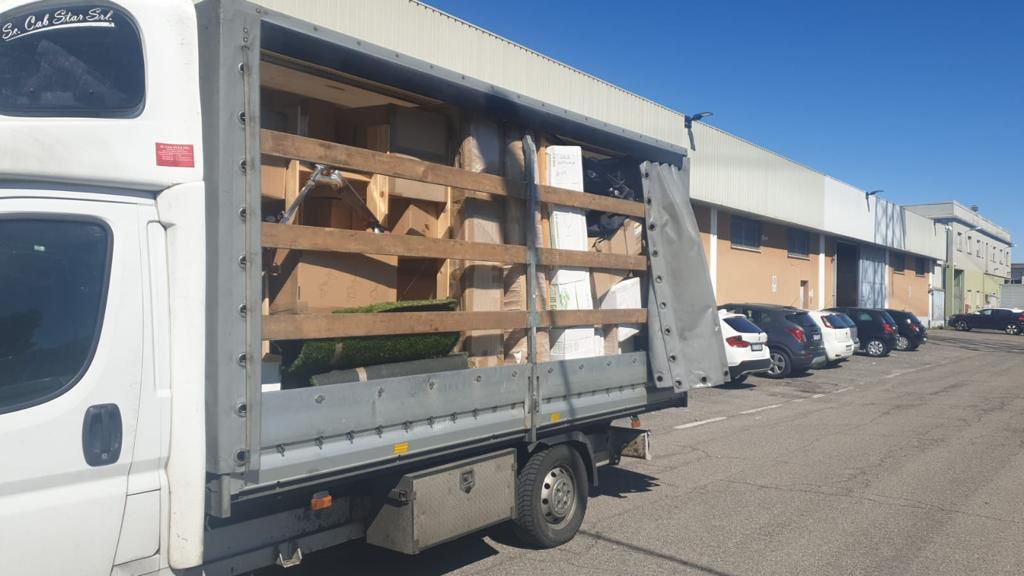
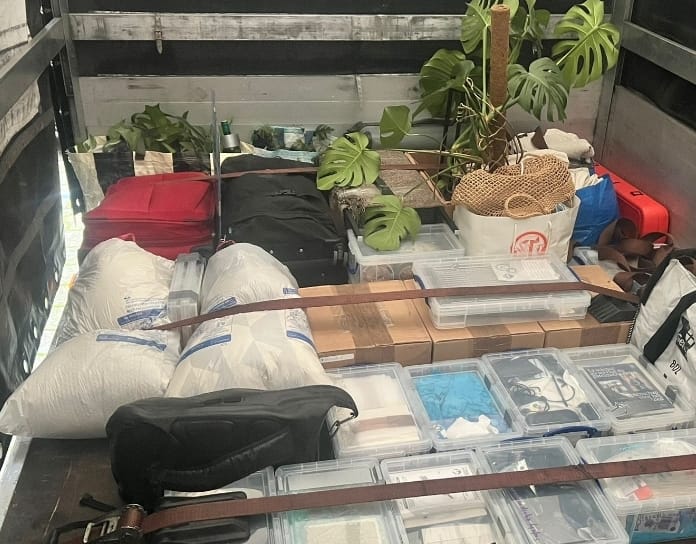
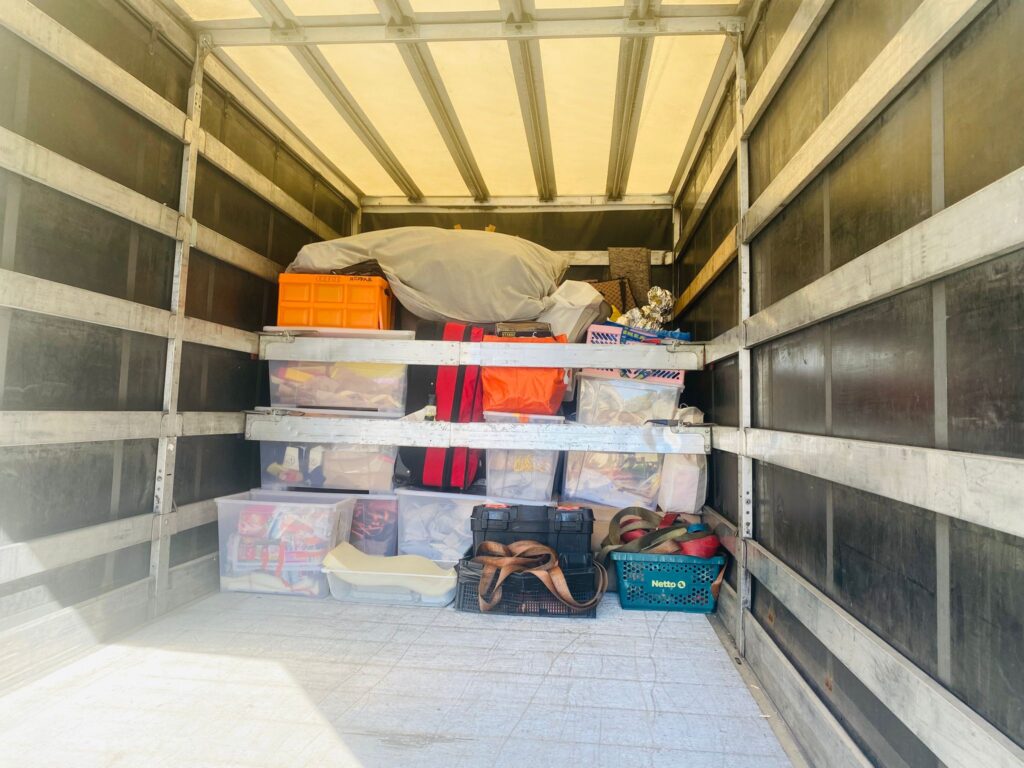
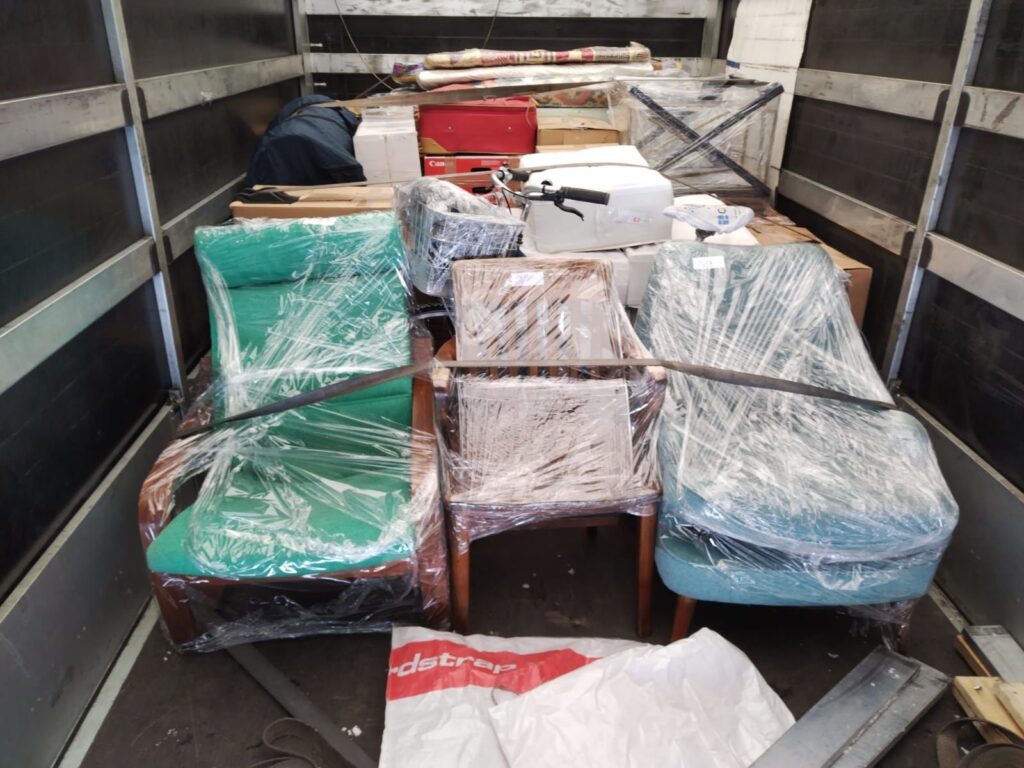
This is where professional packing makes a visible difference. A sofa may look strong, but fabric, legs and frames can suffer during a long European route. A mirror may survive 500 km and still crack in the final staircase. Good packing is not decoration. It is protection.
VANonsite can support moving back to Switzerland with packing service, furniture removals and White Glove Delivery for delicate or high value pieces. For smaller shipments, man and van is often enough. For larger homes, a dedicated van gives better control.
How much does moving back to Switzerland cost?
There is no single fixed price for moving back to Switzerland because every move is different. A 1 m³ shipment of boxes from Paris to Geneva is not the same as a 30 m³ family move from Manchester to Zurich or a 90 m³ full house relocation from Stockholm to Lausanne.
Your moving price usually depends on:
- Distance in kilometres
- Pickup country and delivery canton
- Total volume in m³
- Weight of the load
- Number of movers needed
- Access conditions at both addresses
- Packing requirements
- Storage needs
- Customs complexity
- Delivery speed
- Dedicated van or shared transport choice
VANonsite offers several vehicle size options, which makes planning more accurate.
| VANonsite option | Volume | Weight capacity | Best for |
|---|---|---|---|
| Moving One | 1 m³ | 100 kg | Suitcases, boxes, student items |
| Moving Basic | 5 m³ | 300 kg | Small flat, light furniture, compact move |
| Moving Medium | 10 m³ | 500 kg | One bedroom apartment or partial household |
| Moving Premium | 15 m³ | 1,100 kg | Larger apartment, furniture and fragile goods |
| Moving Premium Plus | 30 m³ | 3,500 kg | Family move or larger home relocation |
| Moving Full House XXL | 90 m³ | 20,000 kg | Full house move, major relocation or large property |
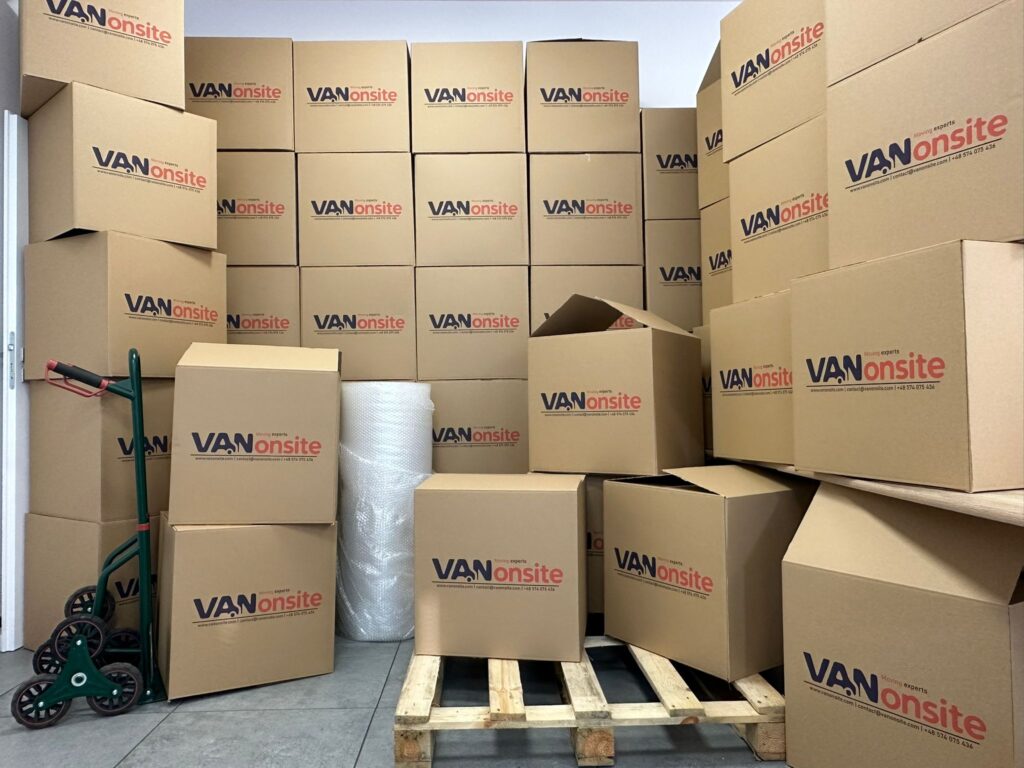
Choosing the right size matters. Too small and the move becomes stressful. Too large and you may pay for unused space. VANonsite helps customers match volume, weight and service level to the real shipment.
If you are moving back to Switzerland with a few boxes, man and van may be the smart option. If you are returning with furniture, appliances and family belongings, a dedicated removals service gives more protection and predictability.
Best services for moving back to Switzerland
Different moves need different support. A successful relocation is not only about transport. It is about choosing the right service for your situation.
Dedicated removals to Switzerland
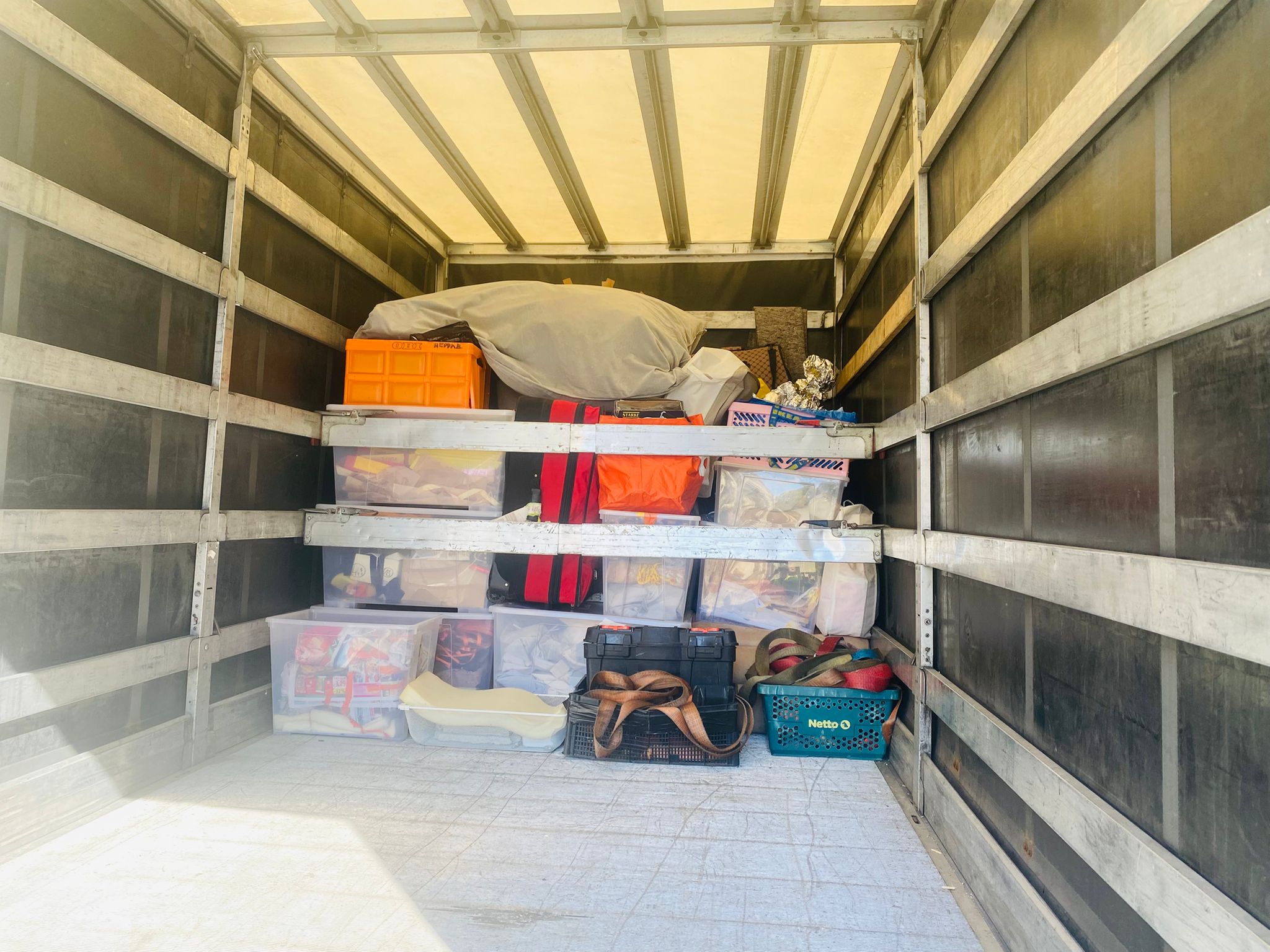
Dedicated removals are ideal when you want direct, secure transport with fewer handling points. This is especially useful for full homes, fragile furniture, valuable items or time sensitive deliveries.
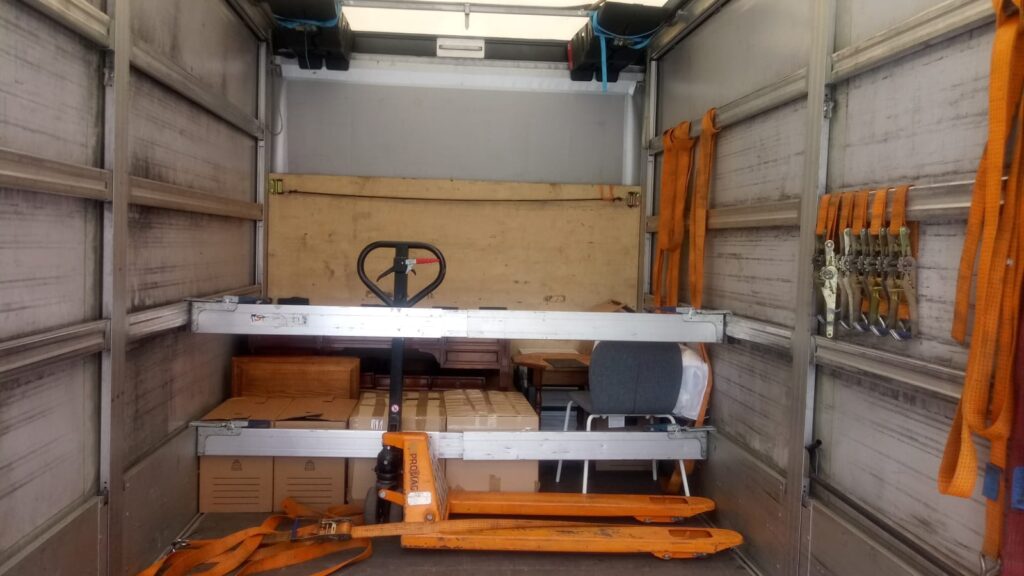
VANonsite offers professional removals to Switzerland with GPS tracking, door to door coordination and flexible vehicle capacities. This gives you clear visibility from collection to delivery.
Man and van for smaller moves
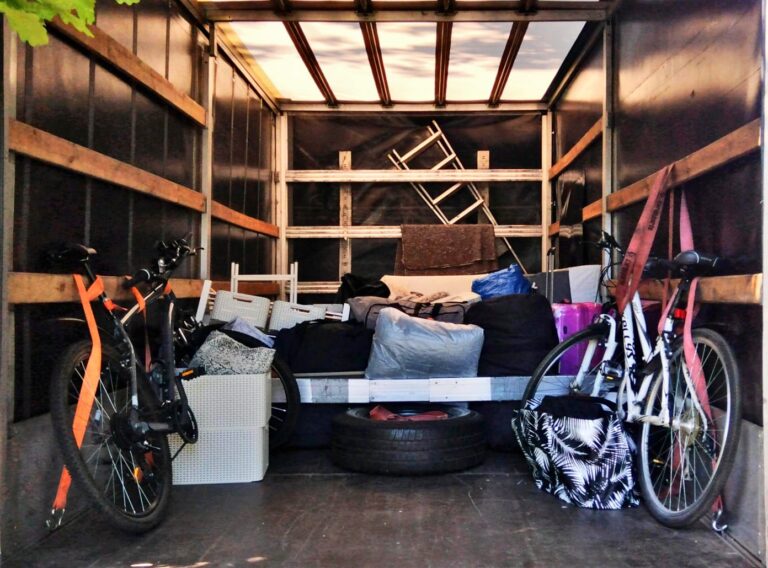
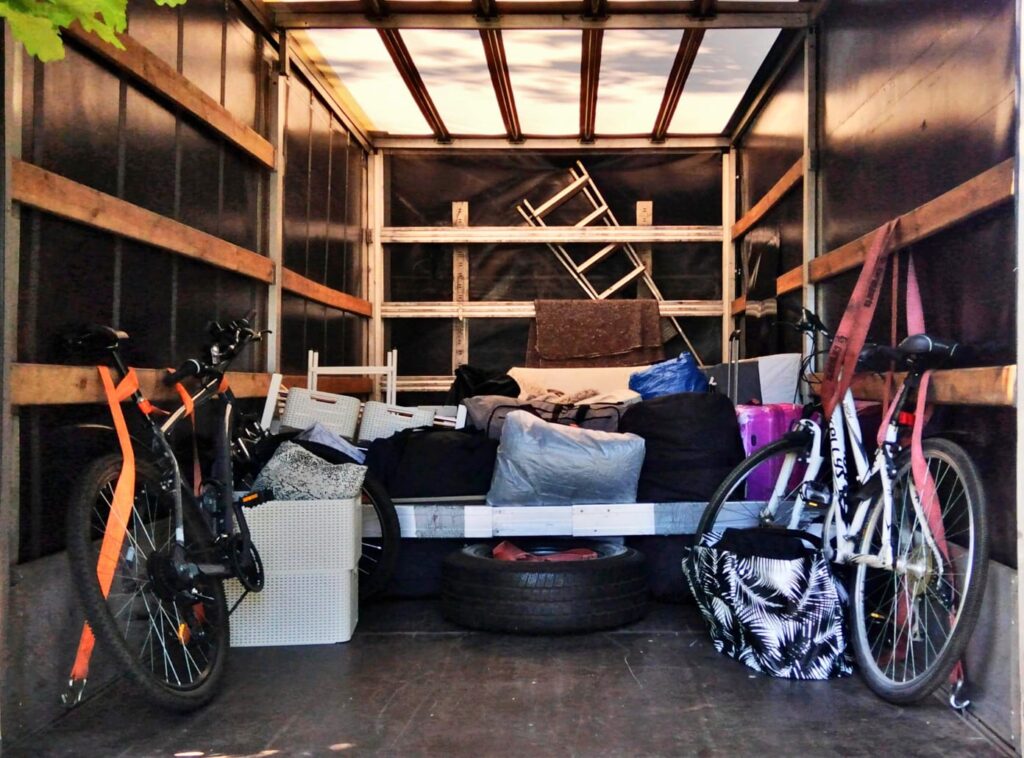
Man and van is a strong choice for students, single professionals, compact apartments and urgent returns. It works well for 1 m³, 5 m³ or 10 m³ shipments, especially when the load includes boxes, suitcases, small furniture, bikes or office equipment.
For many people moving back to Switzerland, man and van offers the right balance between speed, flexibility and price.
Furniture removals
Furniture removals require more than muscle. Heavy wardrobes, sofas, tables, beds and fragile cabinets need careful loading, protection and sometimes dismantling.
VANonsite can help move furniture safely across Europe, reducing the risk of scratches, broken corners and crushed upholstery.
Home removals
For families, moving back to Switzerland often means moving everything: children’s beds, kitchenware, books, appliances, wardrobes, toys, tools and sentimental items. Home removals need structure, not panic.
A room by room plan helps loading and unpacking. It also makes the inventory clearer for customs.
Packing service
Professional packing is valuable when you have fragile items, glass, electronics, artwork, mirrors or premium furniture. Strong boxes, protective wrap and clear labels can save hours during unloading.
Storage
Storage is useful when your Swiss apartment is not ready, your lease dates do not match, or you need time before final delivery. It can also help during renovation or temporary accommodation.
Last Minute Moving
Sometimes moving back to Switzerland happens quickly. A job offer arrives. A rental contract ends. Another mover cancels. Family plans change.
Last Minute Moving can help when time is tight and you need fast action without losing control.
White Glove Delivery
White Glove Delivery is best for designer furniture, antiques, delicate items, premium interiors and high value pieces. It gives your most important belongings a higher level of care.
Moving back to Switzerland from the UK
Moving back to Switzerland from the UK requires careful planning because both customs and residence rules can affect the journey. After Brexit, UK related moves need sharper document preparation than many people expect.
You should check:
- Passport validity
- Residence or work status in Switzerland
- Customs paperwork
- Household goods inventory
- Health insurance timeline
- Driving licence requirements
- UK deregistration, tax or address changes
- Delivery access in Switzerland
Transport routes from the UK to Switzerland often pass through France, Belgium, the Netherlands or Germany. A GPS tracked service is valuable because it gives you visibility across a long route, ferry or tunnel connections and border processes.
For smaller UK to Switzerland moves, man and van can be enough. For full households, a larger dedicated van is usually safer and more efficient.
Moving back to Switzerland from EU countries
Many people assume moving back to Switzerland from the EU is simple because the countries are close. In practice, it can still involve customs forms, proof of residence transfer, parking restrictions, building access issues and tight delivery windows.
Popular routes include Germany to Switzerland, France to Switzerland, Italy to Switzerland, Spain to Switzerland, Poland to Switzerland, the Netherlands to Switzerland and Ireland to Switzerland. Each route has its own distance, timing and loading challenge.
A move from Milan to Lugano may be short but still needs careful border handling. A move from Warsaw to Zurich may involve a longer route, more planning and a larger risk of delays. A move from Dublin to Basel adds ferry timing and cross border coordination.
This is why moving back to Switzerland with an experienced European removals company can be calmer than trying to combine vans, storage, packing and border paperwork alone.

Registering after arrival in Switzerland
Once you arrive, registration is one of your first tasks. ch.ch explains that when you move, you should notify your commune of departure and register with your new commune of residence. In general, you are expected to register with the new commune within 14 days of your move.
You may need:
- Passport or identity card
- Rental contract or proof of address
- Employment contract, if applicable
- Residence permit documents, if required
- Family documents for spouse or children
- Health insurance details
- Previous commune or foreign deregistration papers, where applicable
Rules can vary between cantons and communes, so always check the local authority responsible for your new address.
Work, permits and job search
If you are a Swiss citizen, returning to work in Switzerland is usually straightforward from an immigration perspective. If you are a foreign national, your right to work depends on nationality, residence status and employment situation.
ch.ch explains that citizens of EU and EFTA member states can enter, live and work in Switzerland thanks to freedom of movement. It also notes that you do not need a residence permit if you work for an employer in Switzerland for up to 3 months or provide a service for a maximum of 90 days per calendar year.
Use this table as a quick guide:
| Situation | What to check before moving |
|---|---|
| Swiss citizen | Commune registration, tax, health insurance, job documents |
| EU or EFTA worker | Employment contract, registration, permit rules |
| Non EU worker | Visa, work authorisation, employer process |
| Student | University confirmation, insurance, financial means |
| Retiree | Residence rules, pension, insurance, financial proof |
| Self employed person | Registration, business documents, social security |
Because Swiss administration is canton based in many areas, do not rely only on general advice. Check the exact commune, canton and official federal sources before making final decisions.
Healthcare, insurance and pensions
Healthcare is one of the first serious topics to handle after moving back to Switzerland. Returning residents usually need to organise Swiss health insurance within the required timeline. If you are coming from abroad, check when your previous insurance ends and when Swiss coverage must start.
You should also review:
- Pension transfers or contribution history
- Tax status in the country you are leaving
- Swiss social security registration
- Family allowance rules
- Accident insurance through employment
- Private liability insurance
- Household insurance for your new home
This part may feel dull, but it protects your return. A beautiful apartment and a perfectly delivered sofa will not help if your insurance paperwork is unfinished.
Housing and delivery access in Switzerland
Housing can be one of the toughest parts of moving back to Switzerland. Rental demand is high in cities such as Zurich, Geneva, Basel, Zug and Lausanne. Applications can be competitive, and move in dates may not match your transport schedule.
Before delivery day, check:
- Is there a lift?
- Can the van park near the entrance?
- Are there time limits for loading or unloading?
- Does the building require protection for floors or walls?
- Are staircases narrow?
- Do large sofas or wardrobes need dismantling?
- Is temporary storage needed?
Swiss streets can be precise but unforgiving. A large van, a narrow street and a strict delivery window can become expensive if nobody planned access. VANonsite helps customers think about these details before moving day, not after the van arrives.
Packing checklist for moving back to Switzerland
Good packing can reduce damage, speed up customs checks and make your first week in Switzerland easier.
Use this checklist:
- Sort items into keep, sell, donate, store and move.
- Measure large furniture before booking transport.
- Photograph fragile or valuable items.
- Create a room by room inventory.
- Label every box with room, contents and priority.
- Keep passports, contracts and customs papers separate.
- Use small boxes for books and heavy items.
- Protect mirrors, screens, glass and artwork.
- Wrap furniture corners and polished surfaces.
- Pack a 72 hour essentials bag.
- Confirm pickup, delivery and parking details.
- Track the shipment during transport.
The 72 hour bag should include clothes, chargers, medication, toiletries, basic kitchen items, bedding, documents and anything needed for children or pets. It sounds simple, but it can save your first nights from frustration.
Timeline for moving back to Switzerland
A clear timeline helps you avoid rushing the most important decisions.
| Time before move | What to do |
|---|---|
| 8 to 12 weeks | Check residence rules, housing, schools, work documents and moving volume |
| 6 to 8 weeks | Request removals quote, start inventory, prepare customs documents |
| 4 weeks | Confirm van size, packing needs, parking and storage |
| 2 weeks | Finalise paperwork, cancel utilities abroad, pack non essential items |
| 1 week | Label boxes, separate documents, confirm access details |
| Moving day | Supervise loading, check inventory, follow GPS tracking |
| First 14 days | Register locally where required and set up essential services |
For many people moving back to Switzerland, the biggest mistake is waiting too long. The physical transport may take only days, but paperwork, housing and customs preparation often need weeks.
Common mistakes when moving back to Switzerland
Avoid these expensive and stressful errors:
- Assuming Switzerland follows EU customs rules
- Forgetting Form 18.44 for household effects
- Mixing new purchases with used household goods without checking customs impact
- Booking a van before estimating real volume
- Underestimating stairs, lifts and parking restrictions
- Choosing a mover without Swiss border experience
- Leaving registration and insurance too late
- Packing fragile furniture without proper protection
- Not creating a detailed inventory
- Waiting until the final week to organise transport
Moving back to Switzerland should not feel like a race through fog. A clear plan, clean documents and reliable transport make the difference between a tense move and a confident return.
Why choose VANonsite for moving back to Switzerland?
VANonsite is built for European removals where speed, safety and trust matter. The company supports customers moving back to Switzerland with secure transport, flexible capacity and practical services that can be matched to the size and complexity of the move.
Key advantages include:
- GPS tracking for every load
- Door to door European removals
- Man and van options for smaller shipments
- Moving capacity from 1 m³ to 90 m³
- Furniture removals and home removals
- Packing service with protective materials
- Storage for delayed move ins
- Last Minute Moving support
- White Glove Delivery for high value items
- Office removals and office furniture installation
- Cross border experience for Swiss relocations
What makes VANonsite valuable is the mix of control and care. You know where your belongings are. You can choose the right size vehicle. You can add packing or storage if needed. And you can move with a team that understands that a relocation is not only a delivery. It is your life in motion.
FAQ: moving back to Switzerland
Is moving back to Switzerland difficult?
Moving back to Switzerland is manageable if you prepare early. The main challenges are documents, registration, customs paperwork, housing, insurance and transport planning. Swiss citizens can return, but they still need to follow local registration rules.
Do I need customs documents when moving back to Switzerland?
Yes. If you bring household goods, you usually need customs paperwork. Swiss customs uses Form 18.44 for household effects during the import process.
Can I bring furniture to Switzerland duty free?
Used household effects may qualify for duty free import if they meet Swiss customs conditions. Items should generally have been personally used for at least 6 months and should continue to be used after import.
How soon do I need to register after arriving in Switzerland?
In general, people are expected to register with the new commune of residence within 14 days of moving. Local rules can vary, so check your commune.
Is man and van good for moving back to Switzerland?
Yes. Man and van is ideal for small moves, students, single professionals, compact apartments and urgent shipments. It can be a smart option for 1 m³ to 10 m³ loads.
Can VANonsite move my furniture back to Switzerland?
Yes. VANonsite offers furniture removals, home removals, packing service, storage, dedicated vans and White Glove Delivery for customers moving back to Switzerland.
What is the best way to move back to Switzerland?
The best way is to prepare documents early, create a detailed inventory, check customs rules, choose the right van size and work with a removals company experienced in Swiss cross border moves.
Final thoughts: return home with confidence
Moving back to Switzerland is more than a change of address. It is a return to structure, mountain air, clean streets, punctual systems and a new chapter that deserves a calm beginning.
The move itself should not steal that feeling.
With the right documents, a clear inventory, smart packing and professional transport, moving back to Switzerland can be smooth, secure and surprisingly simple. VANonsite helps make that happen with GPS tracked removals, man and van services, flexible vehicle sizes, packing, storage and dedicated European transport.
Whether you are moving one room, a family home or valuable furniture, your return deserves careful hands and a reliable plan.
Ready to move back home? Request your VANonsite quote for removals to Switzerland and start your return with confidence.