
Belgium vs Netherlands looks like a comparison between neighbours, but everyday life can feel surprisingly different. Belgium offers three language communities, a strong Brussels-based international sector and more variation between regions. The Netherlands is more compact, cycling is built into many daily journeys, and English can make the first months easier in international cities. Neither country is automatically cheaper, better for work or better for families: the result changes with the city, contract, housing and language you choose.
The most useful decision is based on real offers, not national averages. Compare the take-home pay from a confirmed job, three homes you could actually rent, the commute, health-insurance obligations and the documents required for every household member. Then price the relocation from the same inventory and collection address. This guide shows what to verify and how Belgium and the Netherlands differ in practice.

Belgium vs Netherlands: the quick verdict
| Your priority | Belgium may fit better | The Netherlands may fit better |
|---|---|---|
| Language and location | You want French-, Dutch- or German-speaking options and can match the region to your work | You want a predominantly Dutch-speaking country and an English-friendly start in an international city |
| Career environment | Your work connects to EU institutions, international organisations, pharmaceuticals, logistics, manufacturing or regional employers | Your work connects to technology, logistics, engineering, trade, food, energy or multinational services |
| Daily transport | You will choose a home around a specific rail, tram or driving commute | You want cycling to handle many local journeys and rail to connect compact cities |
| Housing search | You can compare Brussels, Flanders and Wallonia instead of treating Belgium as one market | You can secure a suitable home despite strong demand in popular Dutch cities |
| Lifestyle | You prefer regional variety, multilingual culture and easy access to France, Luxembourg and Germany | You prefer dense urban networks, coastal access and highly developed cycling infrastructure |
Short answer: Belgium can be the more flexible choice when region, language and job location line up. The Netherlands can be the easier operational choice for people who value compact distances, cycling and an international English-speaking environment. The better country is the one where your after-cost income, housing and commute work together.
Cost of living: do not compare national averages
A national cost table hides the variables that matter most. An apartment in central Amsterdam cannot sensibly be compared with a house in a smaller Walloon town. Brussels, Antwerp, Ghent, Rotterdam, Utrecht and Eindhoven each have different housing pressure, commuting options and salary patterns. Even energy performance can materially change the monthly budget.
Build both budgets from current evidence:
- net income from the actual employment contract;
- rent, deposit and any agency or service costs for a real property;
- utilities based on the building and energy label;
- health insurance, social-security deductions and employer benefits;
- childcare, school transport and partner commuting where relevant;
- the cost of maintaining a car versus using rail, tram or bicycle;
- temporary accommodation if the job and tenancy do not begin together.
Official Belgian statistics demonstrate why regional comparison matters: property prices differ substantially between Brussels, Flanders and Wallonia. Dutch official data also describes a continuing housing shortage. These are useful warning signals, not substitutes for current rental listings. The safest approach is to collect comparable offers in the exact areas that make your commute realistic.
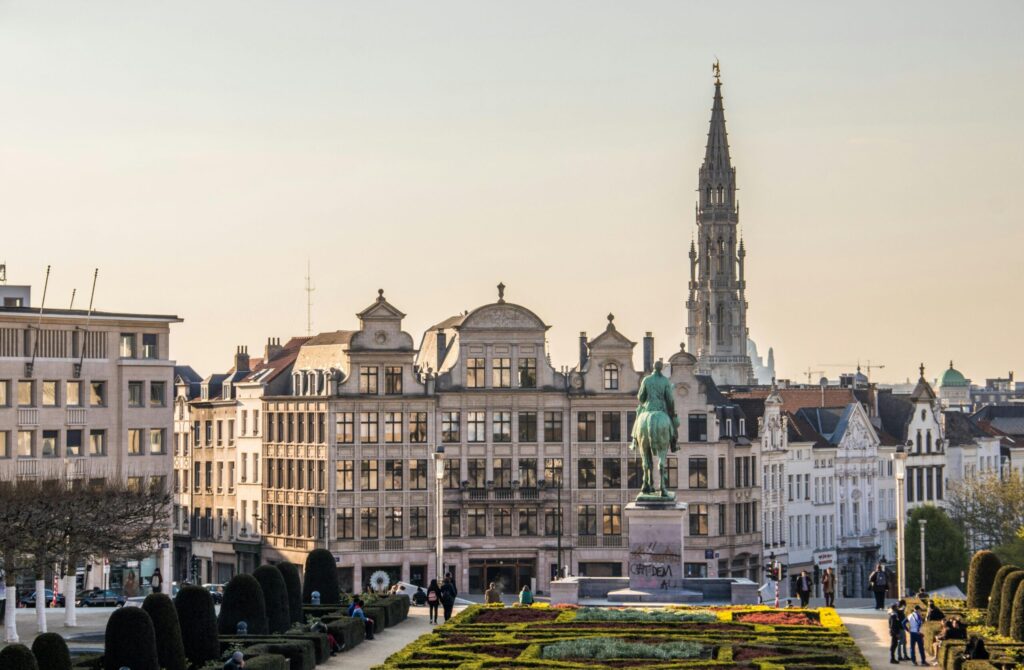
Housing: regional choice in Belgium, shortage pressure in the Netherlands
Belgium gives movers a wider regional decision. Brussels is international and bilingual in daily administration, Flanders is Dutch-speaking, Wallonia is mainly French-speaking, and a German-speaking community sits in the east. A job in Brussels does not automatically mean living in central Brussels: rail access may make another municipality practical. But the language used for local documents, schools and services should be part of the decision.
The Netherlands is geographically compact, yet the housing search can be demanding. Amsterdam is not the only option; Rotterdam, The Hague, Utrecht, Eindhoven and surrounding towns can offer different job and commute combinations. Keep identification, employment evidence and references ready, verify the landlord and contract, and never send money merely to reserve an unseen property.
For both countries, ask about the handover protocol, lift reservations, stair access, loading restrictions and the distance from the vehicle to the entrance. Those details determine crew time and protection requirements. VANonsite bases the transport plan on the actual inventory and access rather than a generic flat-size estimate.
Useful official reference: Statbel housing prices and the Statistics Netherlands housing monitor.
Jobs and salaries: compare the contract, region and language
Belgium’s employment landscape is strongly regional. Brussels concentrates EU institutions, international organisations and business services; Antwerp has a major port and logistics base; Leuven and parts of Flanders connect to technology and research; pharmaceutical, industrial and healthcare employers operate across several regions. Language requirements can change between employers and customer-facing roles.
The Netherlands has major clusters in logistics, technology, engineering, energy, food, finance and international trade. English is common in selected multinational teams, especially in larger cities, but Dutch opens more roles and makes long-term integration easier. Neither job market should be described as universally easier.
EU, EEA and Swiss citizens have broad labour-market access in both countries. Other nationals may need residence and work authorisation, and Belgium’s system includes regional responsibilities. Confirm the route before accepting a start date. Compare salary only after tax, social contributions, pension, commuting, insurance and employer benefits; seek qualified advice where cross-border or remote work is involved.
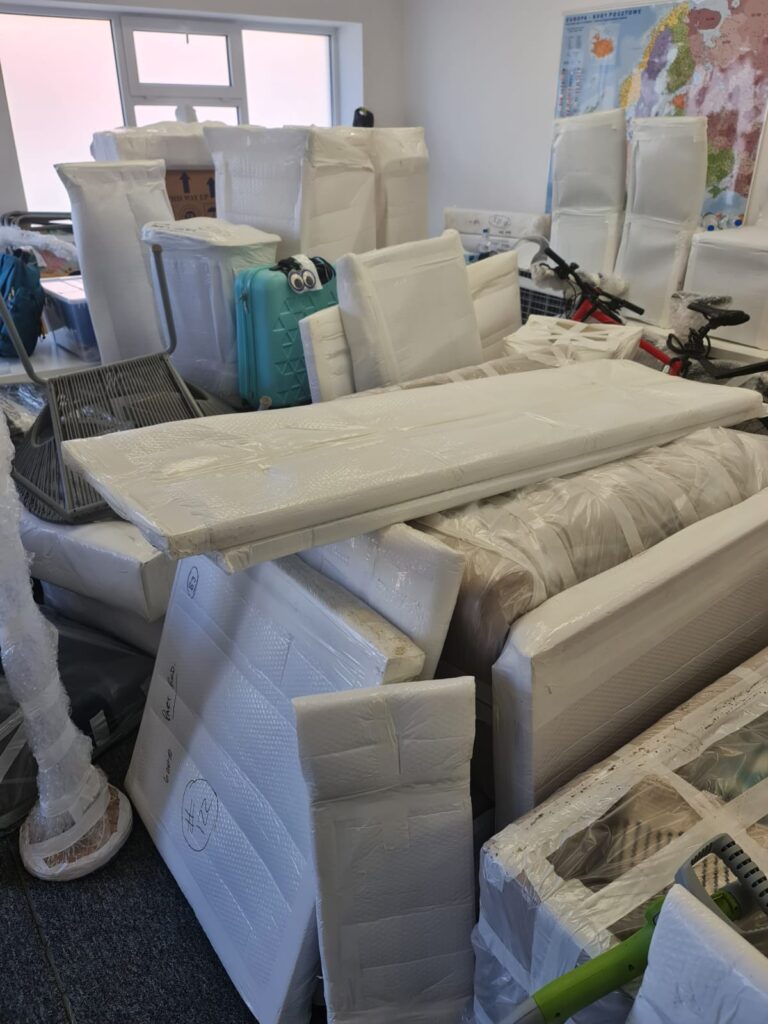
Registration after arrival
Registering in Belgium
Residence procedure depends on nationality, purpose and duration. Belgium’s official portal says that a foreign national intending to stay longer than three months must report to the municipality of residence within eight days of arrival and have an actual residence there. EU free-movement rules make the route more flexible for EU citizens, but registration is still a real step, not an automatic consequence of crossing the border.
Check the current official process at Belgium.be: moving to Belgium.
Registering in the Netherlands
If you will stay for more than four months, Dutch government guidance says to register with the municipality within five days of arrival. Registration in the Personal Records Database provides a BSN used in dealings with government and healthcare. Shorter stays use a different non-resident registration route. Residence permission may need to be arranged first depending on nationality.
Use the official checklist: moving to the Netherlands.
Healthcare and insurance: two different models
Belgium has compulsory healthcare and benefits insurance. Eligibility and reimbursement operate through affiliation with a recognised health-insurance fund, often called a mutuality or ziekenfonds. The fund is part of how eligible medical costs are reimbursed, so newcomers should confirm the registration route connected to their work and residence status.
In the Netherlands, people who live or work in the country generally need a policy with a Dutch insurer. Official guidance says to arrange it as quickly as possible and no later than four months after arrival; when the obligation applies, cover starts from the arrival date. Do not assume that a travel policy or insurance from the previous country automatically meets the Dutch requirement.
Languages and integration
Belgium’s three official languages are not interchangeable everywhere. Dutch is central in Flanders, French in Wallonia, German in the eastern German-speaking community, while Brussels has French and Dutch as official languages. An English-speaking office does not remove the practical value of the regional language when dealing with schools, tradespeople, neighbours and local administration.
The Netherlands is linguistically more consistent, and English can cover many first interactions in international areas. Dutch still matters for a wider job market, community life and public information. For either destination, choose language learning around the municipality where you will actually live rather than the company language alone.
Transport and everyday geography
Dutch cycling infrastructure can make a short commute predictable without a car, while rail connects a dense network of cities. That advantage depends on the exact home-to-work route: a bicycle-friendly national image does not guarantee that every industrial estate or rural address is convenient.
Belgium’s position is exceptional for international road and rail access, but commuting patterns differ between Brussels, Flanders and Wallonia. Congestion and transfers should be tested at the hours you will actually travel. A lower rent can lose its advantage if the commute consumes time and money five days a week.
Families, students and cross-border workers
Families should compare school language, childcare availability, housing space and both adults’ commutes. Belgium may offer more regional choice, while the Netherlands can simplify local journeys where cycling routes and schools align. The decisive evidence is a real place at a school or childcare provider, not a broad country ranking.
Students need to verify tuition status, room availability, registration, insurance and work conditions. A compact move containing boxes, a desk, books and a bicycle may cost less than replacing everything after arrival, but the inventory and access still determine the transport solution.
Cross-border and remote workers should get individual tax and social-security advice. Living in Belgium while working for a Dutch employer, or the reverse, can be practical, but days worked in each jurisdiction and the employer arrangement matter. This article cannot replace a calculation based on your contract.
Moving between Belgium and the Netherlands
Both countries are in the EU customs territory, so an ordinary household-goods move between them is different from a route crossing the UK or Swiss customs boundary. You still need an accurate inventory, confirmed access and clear handling instructions. Vehicles, alcohol, restricted items or goods that are not normal personal effects may require separate checks.
For the country-level service, see removals to Belgium and removals to the Netherlands. For direction-specific examples, use moving from the Netherlands to Belgium or moving from Belgium to the Netherlands.
What makes a removal quotation accurate?
- collection and delivery postcodes plus flexible or fixed date windows;
- a room-by-room inventory with dimensions for bulky items;
- photos of stairs, lifts, doorways and vehicle access;
- items needing dismantling, special wrapping or two-person handling;
- parking restrictions or building booking requirements;
- any storage gap between collection and the new tenancy.
VANonsite can then match the move to a part-load or dedicated transport plan and add packing support where needed. If availability, route, access, documentation and the agreed collection slot allow, the Last-Minute Moving service can offer a 1–3 day transit option. This is conditional and confirmed individually, not a guarantee for every booking.
Decision checklist: Belgium or the Netherlands?
- Compare net income from the exact jobs available to you.
- Shortlist three realistic homes in each target region.
- Test the commute at normal working hours.
- Confirm the residence and work route for each household member.
- Price health insurance and childcare using current offers.
- Check the language required by the municipality, school and employer.
- Create a removal inventory and photograph difficult access.
- Request comparable quotations using the same inventory and dates.
If the result is still close, spend an ordinary working week in the shortlisted areas. Travel the commute, shop locally, view homes and speak with the municipality. Belgium versus the Netherlands is ultimately a choice between specific places and routines, not two flags on a spreadsheet.
Frequently asked questions
Is Belgium cheaper than the Netherlands?
It can be, particularly when a Belgian region outside the most expensive areas is compared with a high-demand Dutch city. But the result depends on the home, commute, salary and household. Use current listings and written offers rather than one national percentage.
Which country is easier for English speakers?
The Netherlands often gives English-speaking newcomers an easier start in international cities. Belgium also has many international employers, especially in Brussels, but the language of the region becomes important in administration and daily life.
Can I live in Belgium and work in the Netherlands?
Cross-border work can be possible, but tax, social-security and remote-work treatment depend on the contract and working pattern. Obtain advice for your circumstances before choosing a residence or signing a tenancy.
Can VANonsite move a small load between Belgium and the Netherlands?
Yes. The appropriate option depends on volume, access, route and dates. The same planning process can cover a few boxes and a bicycle or a furnished home; the quote form collects the details required for an initial estimate.