
Furniture removals to Slovakia need more than a list of rooms. A sofa that fits in the van can still be impossible to carry around a landing; a wardrobe that looks straightforward may not survive another dismantling. Start with the actual pieces, their packed dimensions and the route between each room and the vehicle. This guide helps you prepare a furniture move from the UK and give VANonsite the details needed to assess it.
Whether you are moving a dining set to Bratislava, a few pieces to Košice or furniture for a whole home elsewhere in Slovakia, separate what needs transport from what needs specialist handling. Show us the awkward items and access restrictions before agreeing the service. Packing, dismantling, carrying assistance and any storage requirement should be specified in the quotation, not assumed on collection day.
Start your furniture quote on our Removals to Slovakia service page. Use the guide below to prepare the inventory and access details that make the assessment useful.
Furniture Moving Checklist
Before requesting a quote, answer these questions. They are more useful than estimating the load from the number of bedrooms alone.
- Inventory: name each piece, not just the room it comes from.
- Dimensions: measure the largest pieces and explain what can be removed safely.
- Dates: distinguish preferred dates from deadlines you cannot change.
- Protection: identify glass, polished finishes, loose parts and fragile joints.
- Paperwork: distinguish existing household possessions from purchases or goods for sale.
- Access: show stairs, lifts, doorways and the vehicle stopping point at both ends.
- Scope: agree packing, carrying, dismantling and reassembly instead of assuming them.
Measure Furniture Before Requesting a Quote
Record length, width and height in metres for each large item, then note whether those measurements include packaging. For example, a rectangular item measuring 2.0 × 0.9 × 0.8 m has a geometric volume of 1.44 m³. That is a calculation example, not a vehicle allocation: irregular shapes, protection, stacking limits and weight still affect the space needed.
- Measure the furniture itself and allow for the protection it needs. A bedroom count is not a furniture inventory.
- Check the narrowest point and the tightest turn along the carrying route, including landings.
- Separate items you will pack from items needing a packing assessment; state who does each task.
- Flag any gap between moving out and getting access to the receiving property.
- Give the actual destination address, whether in Bratislava, Košice, Žilina or elsewhere, with access information.
Measurements that prevent collection day surprises
| Item | Measure | Also check |
|---|---|---|
| Sofa | Body and feet | Door turns and landings |
| Bed | Frame, base, mattress | Fixings and loose parts |
| Glass cabinet | Wrapped outer size | Shelves and fragile edges |
Have an unusual piece or a difficult staircase? Start with Removals to Slovakia and flag it in the information you provide. The agreed scope should identify who prepares, carries and reassembles each relevant item.
How to Plan Furniture Removals to Slovakia
Work through the furniture inventory before choosing a date or transport option. The sequence below helps avoid paying for a service that does not address the hardest part of the move.
- Prepare the inventory. List each piece with dimensions, material and assembly status.
- Photograph the largest pieces and any damaged or fragile areas. Include a scale or measurement where useful.
- Explain what is staying assembled and what can be taken apart. Flag especially heavy items for assessment.
- Explain access and dates. The work at each property matters as much as the drive.
- Show stairs, lift dimensions, doorway openings and the path from the vehicle to the room.
- Identify fixed deadlines, building rules and who will provide keys or accept delivery.
- Agree preparation. Decide who empties, dismantles and protects the pieces.
- Bag and label fittings by item. Record removed legs, shelves and doors so they are not mistaken for spare parts.
- Pack books and other contents separately in manageable cartons; do not move them hidden inside furniture.
- Confirm the paperwork. Treat the goods and the purpose of the move accurately.
- Keep the inventory consistent with ownership, residence and purchase information where relevant.
- Declare new purchases and extras separately instead of describing the entire load as used furniture.
- Choose transport. Compare a dedicated vehicle and a suitable shared-load arrangement.
- Ask how your date flexibility and protected load affect suitability; a small load does not automatically settle the choice.
- Confirm collection, delivery communication and the person who can receive the furniture.
- Agree delivery work. Identify the intended room and any handling tasks before arrival.
- Check that the receiving route works for the wrapped pieces. Confirm any unpacking or reassembly in the scope.
- Keep the condition record. Photographs and an itemised list help with handover.
- Check what arrives and report any discrepancy promptly under the actual service terms.
Moving the rest of your household too? Our house removals from the UK to Slovakia guide covers the wider relocation. Keep the furniture measurements and handling requirements as a separate part of that plan.
Choosing Transport and Packing Options
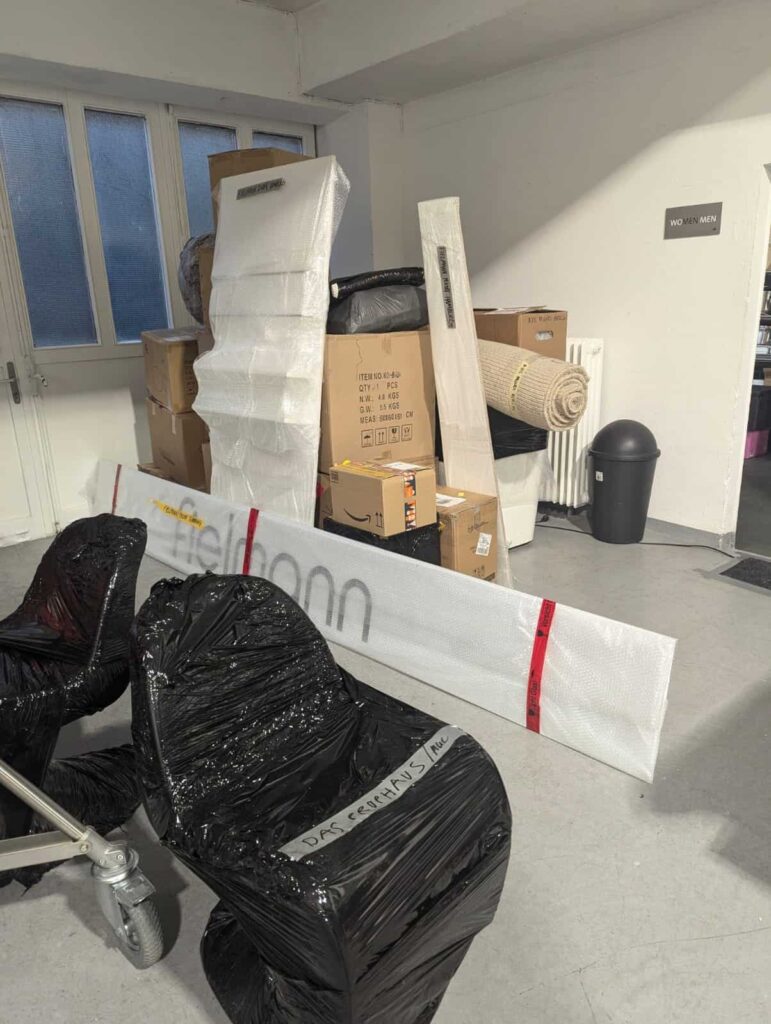
A dedicated vehicle and a shared load solve different problems. First establish whether your collection and delivery dates are flexible, then ask which transport is suitable for the load. Packing and storage are separate decisions, not substitutes for the vehicle choice. Our part load removals to Slovakia guide explains the shared-load considerations in more detail.
| Type | Load | Date | Pack | Ask | Check |
|---|---|---|---|---|---|
| Van | Own | Ask | Extra | Scope | Doors |
| Shared | Mixed | Flex | Extra | Dates | Lift |
| Fragile | Glass | Ask | Some | Items | Wrap |
| Full | All | Ask | More | Scope | Prep |
| Store | Held | Ask | Check | Terms | Site |
Match the Option to Your Furniture
- Firm dates: ask which arrangement can meet your constraints; do not assume a guaranteed arrival from a vehicle label alone.
- A few pieces: compare shared-load suitability with a dedicated vehicle after providing dimensions and dates.
- Delicate furniture: decide the packing and handling plan separately from transport speed.
Decisions to confirm before selecting an option
| Need | Van | Shared | Packing | Access |
|---|---|---|---|---|
| Firm date | Discuss | Check | Separate | Arrange |
| Few items | Compare | Consider | Protect | Check |
| Glass | Assess | Assess | Specify | Measure |
What Determines the Furniture Removal Quote
Furniture quotes depend on the actual inventory and the work at both addresses. A dismantled bed frame and an assembled wardrobe of similar outer size can require very different preparation and carrying time. The tables below show what information to supply; they are not a price list or a promise of vehicle capacity.
Provide the collection and delivery addresses, furniture list, packed dimensions, dates and access details together. Mention purchases, fragile pieces and any service you want beyond transport. A useful written quotation explains its scope and assumptions, so you can compare like with like.
| Item | Size | Parts | Access | Quote |
|---|---|---|---|---|
| Sofa | Packed | Feet | Turns | Handling |
| Wardrobe | Panels | Fixings | Stairs | Assembly |
| Table | Top | Legs | Doors | Protect |
| Cabinet | Packed | Shelves | Lift | Glass |
Item by item quote preparation
| Furniture | Measure | Loose parts | Flag |
|---|---|---|---|
| Sofa | Body and feet | Feet, cushions | Recliner or modules |
| Bed | Frame and base | Slats, fittings | Joint condition |
| Wardrobe | Panels or assembled | Doors, fixings | Safe dismantling |
| Cabinet | Wrapped size | Shelves, keys | Glass and veneer |
| Desk | Top and drawers | Legs, fixings | Weight and stairs |
| Mattress | Protected size | Separate base | Clean fabric cover |
Reduce avoidable work rather than necessary protection
- Remove pieces you no longer want before obtaining the final inventory assessment.
- Dismantle only where it is safe and practical. Record the reduced dimensions and the loose parts.
- Pack straightforward contents yourself only if that matches the booked service and preparation requirements.
- Arrange lawful access and disclose long carries or stairs before the quote is finalised.
The main cost questions: how much protected space is needed, how heavy or difficult the pieces are, where the vehicle can stop, and what preparation or carrying is required. A lift does not remove the need to check its door opening and internal size.
Start your assessment on Removals to Slovakia; flag details that the initial online estimate may not capture.
Agreeing Collection and Delivery Dates
Agree a collection window and delivery arrangement for your specific route. Do not plan a furniture move around a generic number of transit days: shared-load scheduling, customs where applicable, driving arrangements and access can all affect the plan. Make key handover and building bookings compatible with the confirmed arrangement.
| Stage | Supply | Agree | Check |
|---|---|---|---|
| Inventory | Pieces | Load | Size |
| Access | Photos | Carry | Turns |
| Packing | Materials | Tasks | Glass |
| Collection | Dates | Window | Keys |
| Delivery | Address | Access | Receiver |
| Handover | Item list | Scope | Condition |
Discuss date constraints early. Tell VANonsite if your furniture must leave before a tenancy ends, if the receiving property is not ready, or if someone can accept delivery only on certain days. These are planning constraints, not details to leave until the vehicle is loaded.
- Confirm when collection can take place and when the receiving property becomes accessible.
- Explain any urgent requirement and ask about route-specific availability rather than assuming an express deadline.
- For a shared load, ask how collection and delivery windows fit your availability.
What can change the schedule? An incomplete inventory, an item that cannot pass through the exit, unavailable parking, missing paperwork or a receiver who cannot provide access can disrupt even a small load. Resolve those issues before collection wherever possible.
For urgent moves, ask about the last minute moving option and availability for your route. It is a service to discuss, not a guaranteed transit time for every furniture move. If a delivery date is essential, obtain the agreed arrangement before committing to cleaners, fitters or other appointments.
Packing Furniture for an International Move
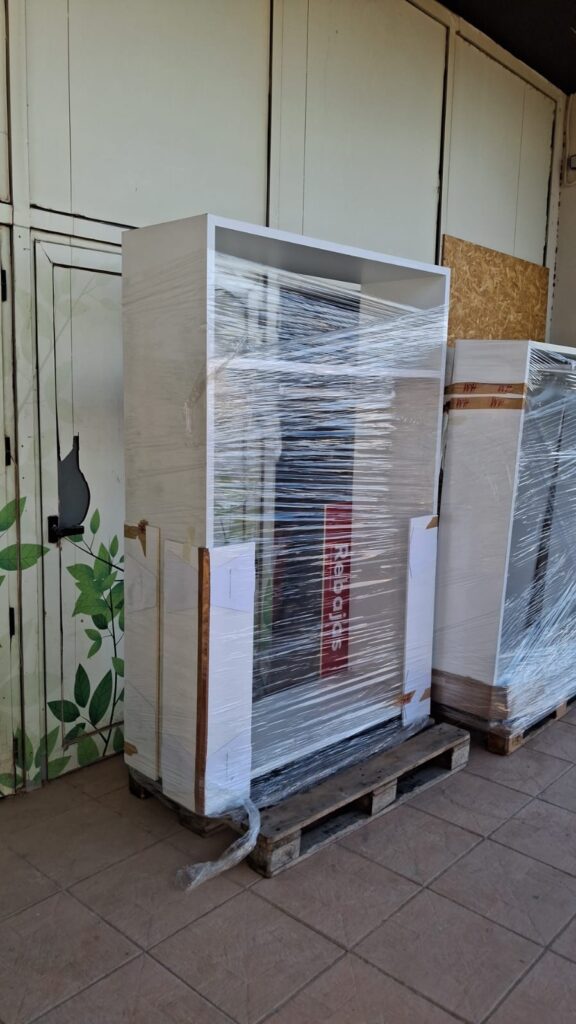
Protection has two jobs: prevent surface damage and keep the item stable during handling. Blankets alone do not solve loose doors, exposed glass or a weak flat-pack joint. Match the preparation to the material, finish and construction, and confirm which packing tasks are included in the service you book.
- Sofas: measure the body and detachable feet separately; check whether a turn is possible with the piece protected.
- Tables: check how legs attach. Protect the top and label fittings if dismantling is safe.
- Wardrobes and beds: inspect fixings and joints before taking them apart. Number matching panels without marking finished surfaces.
- Glass and mirrors: remove loose shelves where appropriate and discuss rigid protection, edges and handling before packing.
- TVs: follow the manufacturer’s transport instructions. Include the screen and stand on the inventory rather than treating them as ordinary furniture.
Packing materials and what they protect
| Material | Use and limitations |
|---|---|
| Cartons | Separate contents into manageable boxes; do not leave heavy contents in drawers. |
| Rigid glass protection | Assess exposed edges and faces; confirm the method for the actual piece. |
| Fabric protection | Keep mattresses and upholstery clean; make sure items are dry before covering. |
| Corner protection | Protect vulnerable edges without attaching adhesive to delicate finishes. |
| Furniture blankets and wrapping | Protect surfaces and secure loose parts; wrapping alone does not stabilise a weak joint. |
Practical packing checks
- Label the wrapping with an item number and destination room, and keep a matching inventory.
- Keep contents in separate, manageable cartons. A drawer full of books adds weight and can strain its runners.
- Do not let glass bear the load of other items or rely on a thin layer of bubble wrap for an exposed edge.
- Empty drawers and check how doors and drawers should be secured without damaging their finish.
Before the packing starts: empty drawers and cabinets, remove loose internal parts where appropriate, and photograph existing marks. Keep fittings in labelled bags associated with the correct item. Avoid taping labels directly to a delicate finish; attach them to the protective wrapping instead.
- Photograph corners, veneer, glass edges and existing repairs before protection hides them.
- Remove loose shelves and internal parts where safe. Bag fittings and keep the bag associated with the item.
- Measure tight turns as well as openings. Send photographs if an item barely fitted when it was brought in.
Furniture Categories and Handling Decisions
List furniture by individual piece rather than writing only ‘bedroom furniture’. Say which pieces remain assembled and which can be dismantled safely. For older flat-pack furniture, damaged fixings or glued joints can make dismantling and reassembly a risk rather than an automatic improvement.
- Sofas and sectionals: identify separable modules and any reclining mechanism that affects weight or handling.
- Dining furniture: state whether the tabletop is wood, glass or stone and whether legs are removable.
- Wardrobes and chests: flag unstable joints, glass doors and components that cannot be detached safely.
- Beds and mattresses: list frames, bases and mattresses separately; protect fabrics from dirt and moisture.
- Sideboards and display cabinets: identify removable glass shelves, door fittings and delicate surface finishes.
- Outdoor furniture: clean and dry it before packing. List folded and loose parts separately.
For an antique, large glass cabinet or other difficult piece, supply photographs, dimensions and condition information before booking. Ask how it will be prepared and handled. Do not assume specialist crating, restoration, hoisting or reassembly is included simply because the item appears on the inventory.
Plan Your Furniture Move with VANonsite
A good furniture move starts with the details that are easy to overlook: the sofa feet, the stair turn, the glass shelves and the parking distance. Give VANonsite a clear inventory and access information so we can assess the work before collection. Start on Removals to Slovakia, or use the UK to Slovakia house removals guide if furniture is part of a wider household relocation.


Documents and Customs for a Move from the UK
For furniture arriving from Great Britain, customs treatment depends on the move and the goods. The Slovak Financial Administration guidance explains conditional duty and VAT relief when transferring normal residence from outside the EU, including normally 12 months of residence outside the EU and at least six months of prior possession and use for relevant goods. Used furniture is not automatically exempt; check all conditions for your circumstances.
Prepare an inventory identifying the pieces and distinguish your existing possessions from new purchases or goods for sale. Keep supporting residence, ownership and purchase documents where relevant. Confirm the paperwork needed for your route and circumstances before collection; the list can differ for a relocation, a second home or a commercial delivery.
Existing possessions and new purchases are different cases
| Furniture | Evidence | Check |
|---|---|---|
| Existing possessions | Ownership and use | Relief is conditional |
| New purchases | Purchase documents | Declare separately |
| Antiques | Identification and value | Confirm applicable requirements |
Keep paperwork consistent with the load
- New purchases: identify them on the inventory and retain the purchase information.
- Purpose: explain whether the furniture is for your household, a second property or another purpose.
- Inventory: do not label everything ‘personal effects’ when the list includes purchases or unrelated extras.
Do not assume that a private furniture consignment qualifies for relief simply because the pieces are second-hand. Establish the applicable procedure before transport.
Check What Is Inside the Furniture
A cabinet is not just a cabinet if its drawers contain liquids, batteries, plants or valuables. Empty furniture before preparing the inventory and declare additional items separately. Confirm acceptance and any preparation requirements before packing them into the load; do not use drawers to conceal items that need their own assessment.
| Extra items | Why flag them | Next step |
|---|---|---|
| Batteries or liquids | They are not furniture | Declare and confirm acceptance |
| Plants and outdoor contents | Separate requirements may apply | List separately before packing |
| Valuables | Special handling or terms | Ask before including |
| New goods | Different purpose and documents | Identify on the inventory |
Access and Parking at Both Addresses
Photograph the full carrying route at both addresses, not only the front door. Include steps, the tightest turn, lift doors, corridors and the distance from a legal stopping place. A lift that carries people may not take a tall cabinet or a wrapped sofa, and a wide pavement is not permission to park a removal vehicle there.
- Show the route: photograph entrances, landings, lift openings and the narrowest corridor.
- Check permissions: ask the relevant authority or property manager about parking and building requirements early.
- Disclose the carry: give the realistic distance from a legal stopping place to the property entrance.
- Raise restrictions: mention narrow streets, height limits and unsuitable vehicle access before booking.
Furniture Condition and Transport Cover
Record the furniture’s condition before wrapping, particularly glass edges, corners, veneers and previously repaired joints. Keep purchase or valuation information for valuable pieces. Then check the terms of the transport service and any cover rather than treating the word ‘insured’ as proof that every kind of loss is covered.
- Scope: check the actual cover terms and how the furniture’s value is established.
- Exclusions: ask about owner packing, fragile items, mechanical faults and pre-existing damage.
- Procedure: retain the delivery record and follow the reporting method and deadlines in your terms.
Questions to ask about protection and claims
| Question | Ask about | Keep |
|---|---|---|
| Cover | Scope, valuation and exclusions | Actual terms |
| Packing | Owner packing and fragile items | Preparation record |
| Damage | Reporting procedure and deadlines | Photos and delivery record |
A Six Week Furniture Preparation Plan
The schedule below is an example of how to spread preparation over six weeks. It is not a minimum booking period and does not imply that urgent moves are unavailable. If you have less time, start with the inventory, access and date constraints, then ask what can be arranged for your route.
Week 6 to 5: decide what is actually moving. Photograph large or delicate pieces and take measurements before comparing service options. Replacing an unsuitable item can sometimes be more practical than transporting it, but make that decision before it becomes part of the quoted load.
- Write the furniture shortlist with an item number for every piece.
- Photograph valuable pieces and existing marks; retain relevant ownership or valuation information.
- Check the receiving building’s furniture delivery rules, not only its opening hours.
Week 4: identify the packing and access tasks that need arranging. Speak to the building manager about lift use and delivery rules; check parking with the relevant authority or property manager rather than assuming the carrier can obtain every permission.
- List loose components and separately packed contents as well as large assembled items.
- Measure lift doors, the lift interior and the route from the lift to the room.
- Agree who prepares delicate items and whether additional protection needs assessment.
Week 3: review dismantling. Find assembly instructions and establish which pieces can be taken apart safely. Keep the right tools and fittings with the inventory, and discuss work that you cannot carry out yourself.
- Check the exit route before dismantling; removing legs may help, but it does not solve every turn.
- Empty drawers and label fittings by furniture item, not in one unmarked bag.
Week 2: check the route-specific paperwork and the final inventory. New purchases or a change in what is being moved can affect the assessment. Send updates before collection rather than leaving the driver to discover them.
- Check which documents apply and keep the inventory up to date if purchases are added.
- Label the protective wrapping with the item number and destination room.
- Confirm the legal stopping point and inform both properties about the planned access.
Week 1: empty and clean furniture, protect loose parts and confirm access at the receiving address. If appliances are included, follow their manufacturer’s transport instructions and declare them separately from the furniture.
- For appliances, follow manufacturer instructions and declare preparation needs separately.
- Keep essential personal items with you rather than inside the furniture load.
Delivery day: have someone available with keys and a room plan. Confirm where each piece should go before carrying begins, and check the inventory against what arrives. Any assembly or unpacking should follow the agreed service scope.
- Make the carrying route clear and identify the intended room before unloading.
- Check item numbers against the inventory and record any issue at handover.
After delivery: inspect the pieces and retain the inventory, photographs and delivery record. If something is wrong, report it promptly using the procedure and deadlines in your actual service terms. Do not rely on a generic claims deadline from an online guide.
- Report concerns promptly under your agreed terms and retain photographs and records.
- Keep packaging until any relevant inspection is complete, then arrange appropriate disposal.
Furniture Removals to Slovakia FAQs
How quickly can you deliver furniture to Slovakia?
There is no single delivery time for every furniture load. The route, transport option, dates, access and any applicable customs procedure matter. Ask for the collection and delivery arrangement for your specific move before making time-sensitive commitments.
Do you dismantle/reassemble furniture?
Some furniture can be dismantled safely; some cannot. Provide photographs and construction details, and confirm whether dismantling or reassembly is included. Old flat-pack joints, glued parts and damaged fittings deserve particular attention.
Can you move antiques and glass cabinets?
Supply dimensions, photographs and condition details before requesting transport. Ask for a suitable handling and packing assessment. Do not assume a crate or a specialist handling method is included without written agreement.
Is storage available?
If the delivery property is not ready, raise this before booking. Ask whether a suitable storage arrangement can be offered and what its location, access, handling and charges would be. Do not assume storage is included in the transport quote.
What areas of Slovakia do you cover?
Give the exact delivery address, including the postcode, floor and access details. Mention rural access, narrow streets or vehicle restrictions. Suitability and the service arrangement need checking for your address rather than relying on a list of city names.
What paperwork do I need for customs?
The documents depend on the route, the goods and whether this is a qualifying transfer of residence. Review the official guidance linked above and confirm the applicable requirements before collection.
Are there items you won’t carry?
Empty the furniture and declare extras separately. Ask about acceptance before including batteries, liquids, plants, valuables or new goods. A household inventory is not a substitute for checking requirements for a particular item.
Do you supply packing materials?
Clarify who supplies materials and who packs each category of item. If packing yourself, ask what preparation is acceptable for the booked service, especially for glass, delicate finishes and valuable pieces. Do not assume materials will arrive in advance unless agreed.
Is my move insured?
Read the actual terms for scope, exclusions, valuation, owner-packed items and the claims process. Confirm anything you need before booking. Protective wrapping and a condition record are important, but they do not replace the terms of the cover.
How do I get a quote?
Use the Removals to Slovakia service page to start your quote. Prepare an itemised furniture list, dimensions, dates and access information. Flag fragile pieces and any packing, dismantling or carrying assistance you want assessed.