
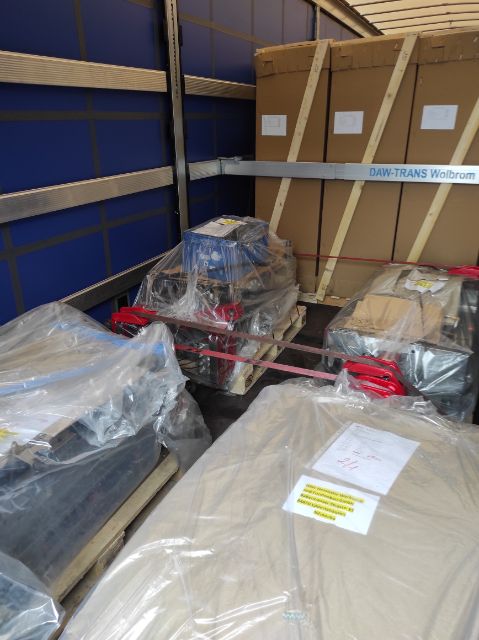
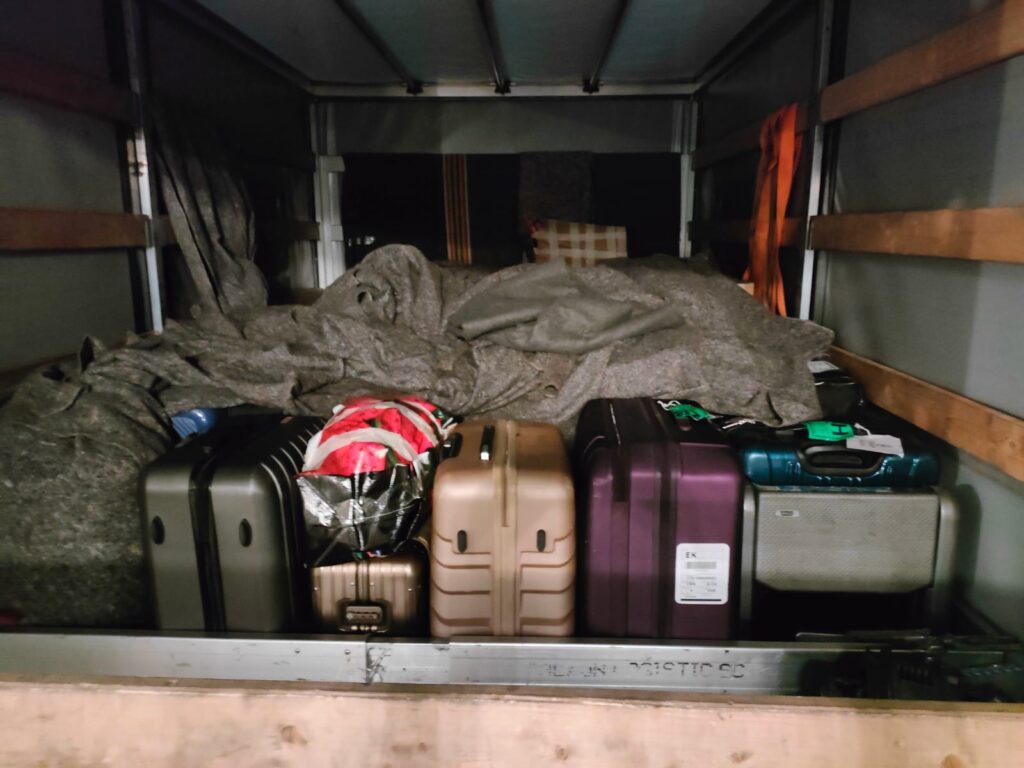
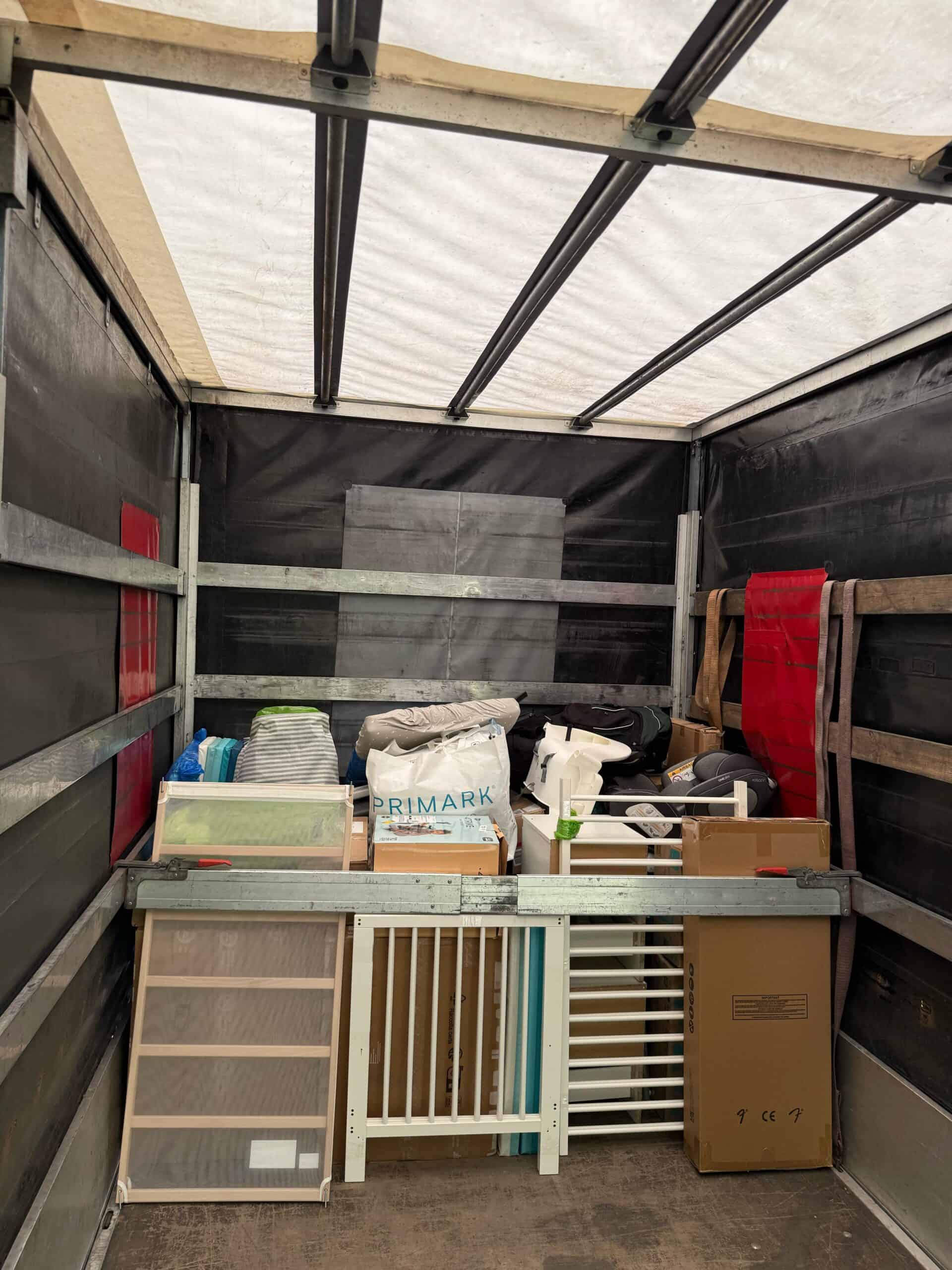
Removals to Slovakia part load means sharing vehicle space with other consignments rather than booking the whole vehicle for your belongings. It can suit a student returning with boxes, a few pieces of furniture going to family, or a smaller household move with flexible dates. The important question is not simply whether shared transport costs less. It is whether the collection and delivery arrangements work for your addresses, your goods and the day you can receive them. This guide focuses on moves from Great Britain to Slovakia; confirm other starting countries separately when requesting a quote.
Have your inventory and both postcodes ready? Use the VANonsite removals to Slovakia page to request a quote and compare the available transport options for your move.
TL;DR
The short version: part-load is worth considering when your shipment does not need exclusive vehicle space and you can accommodate an agreed delivery range. Decide from the written scope of the quote, not a generic price per cubic metre.
- Shared vehicle space: compare its quoted total with a dedicated option for the same job.
- Dates matter: confirm collection and delivery arrangements separately.
- Keep consignments identifiable: use an itemised inventory and clear box labels.
- Start with the actual goods: list furniture and cartons, not just a bedroom count.
- Check the scope: clarify packing, handling, customs responsibilities and any cover.
- A hard deadline? compare dedicated transport before committing to a shared load.
A small consignment is not automatically a simple job. A sofa that will not fit the lift, an unreserved loading bay or an arrival after the building’s delivery hours can matter more than the number of boxes. Put these constraints in the enquiry from the start.
Who Part-Load Suits (and When It Does Not)
Choose the service around three things: what is moving, the access at each property and the dates you can actually accept. An inventory is the starting point; photographs and measurements help resolve the awkward items before a vehicle is planned.
Good candidates for a shared load
Shared transport is a useful option when the belongings can be packed and labelled as a separate consignment, and someone can receive them within the agreed window. Do not estimate a shipment from the bedroom count alone: a furnished studio and a room of boxes are different loads.
- A smaller inventory that does not require exclusive vehicle space.
- Flexible receiving arrangements within the delivery range offered.
- Packable, identifiable goods with access conditions described in advance.
- Boxes and selected furniture rather than an entire move tied to one appointment.
When to compare dedicated transport
A fixed handover, a short building-access slot or a particularly delicate collection may justify comparing dedicated transport. Tell VANonsite which constraints are non-negotiable; do not assume that changing service automatically guarantees a particular arrival time.
- Fixed handover or building slots: ask which service can meet the stated requirement.
- Fragile or unusual pieces: agree packing and handling before choosing the vehicle plan.
- Restricted access: check the proposed vehicle against the actual entrance and loading area.
The useful comparison is the complete job: the same inventory, the same addresses and the same handling requirements, quoted with different transport and scheduling arrangements.
How a Part-Load Move Is Planned
The sequence below shows what to resolve before collection. The precise service, packing arrangements and communication plan should be confirmed in your own booking, not inferred from a general guide.
- Inventory and access: list the goods, large-item dimensions and both property details.
- Include photographs of tight turns, stairs, lifts and the proposed parking position.
- Quote and scheduling: compare the included work, collection plan and delivery range.
- Make any fixed deadline clear and ask what happens if your dates or inventory change.
- Packing responsibilities: agree who prepares each type of item and how it is labelled.
- Use item numbers that match the inventory; label dismantled parts against the relevant furniture.
- Shared-load planning: confirm how your consignment will travel and be kept identifiable.
- Ask whether the plan involves storage or additional handling, and whether these are included.
- Transport and documents: complete the required paperwork and retain the booking reference.
- Agree who provides progress updates and who should be contacted if access changes.
- Delivery arrangements: ensure someone can receive the goods and the building is accessible.
- Confirm the handover point and any agreed placement, unpacking or reassembly work.
- Handover check: compare the delivered items with the inventory and record any concern.
- Keep the delivery record and follow the notification process in the applicable terms.
Moving the contents of a home rather than a few items? The house removals UK to Slovakia guide covers the wider relocation decisions. Use this page for the shared-load comparison and preparation.
Part-Load vs Dedicated: What to Compare
Part-load and dedicated transport are different ways of planning vehicle space. Compare the table against your priorities, then ask for a written quote. Neither an estimated transit time nor a small volume, on its own, tells you which service is the better fit.
| Factor | Shared load | Own van |
|---|---|---|
| Price | Shared space and agreed work | Whole van and agreed work |
| Timing | Date range to confirm | Dates to confirm |
| Fixed day | Check the offered range | Check the agreed day |
| Handling | Check any extra handling | Check the handling plan |
| Slots | Check dates for both sites | Check van and dates |
| Access | State access limits | Check van size |
| Included work | Confirm all included work | Compare the same work |
| Load size | Item list and sizes | Same item list |
Decision checklist: separate preferences from requirements. A delivery ‘around the end of the month’ is very different from a property that only permits unloading on one specific morning.
- Cost is the priority? compare complete quotes and explain your genuine date flexibility.
- A deadline is the priority? ask which proposed plan can meet it, in writing.
- Fragile pieces? compare the protection and handling arrangements, not just the vehicle space.
- Restricted parking? describe the restriction and agree an access solution before booking.
Illustrative situations, not customer case studies or quoted prices:
- Boxes going to Bratislava: shared transport is worth comparing if the recipient can accept the offered delivery range.
- Household goods going to Žilina: a move tied to key handover needs the dates and vehicle plan agreed together.
- A wardrobe going to Nitra: check its dismantled size, stair turns and receiving arrangements before deciding on transport.

Part-Load Costs: What Your Quote Needs
There is no reliable universal part-load price for a move to Slovakia. Vehicle space is only one input. Collection and delivery postcodes, handling, packing, building access and scheduling all change the job. The table shows what to include so that a quote covers the work you need.
| Quote input | Details to provide | Why it matters |
|---|---|---|
| Goods | Items, boxes and sizes | Space and handling needs |
| Route | Both postcodes | Actual route |
| Access | Stairs, lifts and parking | Handling at both sites |
| Packing | Packing; item prep | Who packs; who carries |
| Dates | Date range; fixed day | Choice of service |
Do not convert ‘one bedroom’ into a fixed number of cubic metres. List the actual furniture and packed boxes, including anything being dismantled. Ask VANonsite to check the load estimate, and compare dedicated transport when the available shared-load arrangement does not meet your dates or handling needs.
How to compare two quotes: use the same inventory and access details for both. These examples show questions to ask, not service prices or promised availability.
| Move | Details | Shared | Own van |
|---|---|---|---|
| Boxes | Box list; dates | Date range | Van space |
| Large items | Size; stairs | Packing plan | Agreed dates |
| Home items | Key date | Range fits? | Date fits? |
Confirm the included work
Check who packs and protects the goods, whether collection and delivery include stairs and placement inside the property, and what documents or customs work the quotation covers. ‘Door-to-door’ should not leave the actual handover point unclear.
Identify possible additional work
Declare dismantling, reassembly, difficult carries, parking restrictions, storage or a vehicle-access problem before booking. Ask whether a proposed solution is included and what would trigger an additional charge.
Reduce avoidable work
Remove items you no longer need before the inventory is assessed. Pack only the goods agreed for self-packing, use appropriately sized boxes and give your real date flexibility. Do not sacrifice protection merely to make the estimate look smaller.
Ready to price the actual shipment? Request a Slovakia removals quote from VANonsite with both addresses, your inventory and the dates you can accept.
Collection and Delivery: Plan Both Windows
A shared load has two scheduling questions: when the goods leave your property and when they can be received in Slovakia. Ask whether any quoted duration is driving time, an estimate after collection or a delivery window that includes consolidation. The route examples below identify details to clarify, not published transit schedules.
| From | To | Agree | Check |
|---|---|---|---|
| London area | Bratislava | Date range | Parking |
| Midlands / North | Žilina / Nitra | Both dates | Access |
| Scotland / Wales | Košice | Route plan | Both sites |
| South UK | Bratislava | Van plan | Key dates |
| London area | Košice / Prešov | Handover | Who is there? |
| N. Ireland | Slovakia | New route check | Not a GB move |
Keep collection and delivery separate: record the agreed dates or ranges for each end. Allow for property handover, travel arrangements and building opening hours rather than assuming you will arrive at the same time as the goods.
- Collection: identify when the goods must leave the property and who can provide access.
- Delivery: identify the dates the recipient can attend and any hours imposed by the building.
Agree how updates will work:
Confirm the contact for collection and the contact in Slovakia. Ask when the delivery estimate will be updated and what to do if either property becomes unavailable. Keep the booking reference and inventory accessible during the move.
Working to a hard deadline?
State the latest acceptable arrival and any restricted unloading hours before comparing services. Ask whether a dedicated option can meet those conditions. Do not book travel, a lift slot or an onward contractor from an unconfirmed estimate.
A useful buffer: keep essential documents, medicines, chargers and enough clothes with you rather than inside the shipment. Plan access for the delivery window you have agreed, not the best-case journey time.
Planning Your Slovakia Move with VANonsite
Use VANonsite to turn the inventory into a practical transport plan: identify the items that need extra protection, describe the entrances at both ends and explain your date constraints before choosing an option. Start with Removals to Slovakia for the service and quote route. If most of the load is sofas, wardrobes or other large pieces, the Furniture Removals to Slovakia guide helps you prepare dimensions, dismantling and access details. Keep those details consistent across your enquiry so that the comparison reflects the same job.


Packing and Labelling for a Shared Vehicle
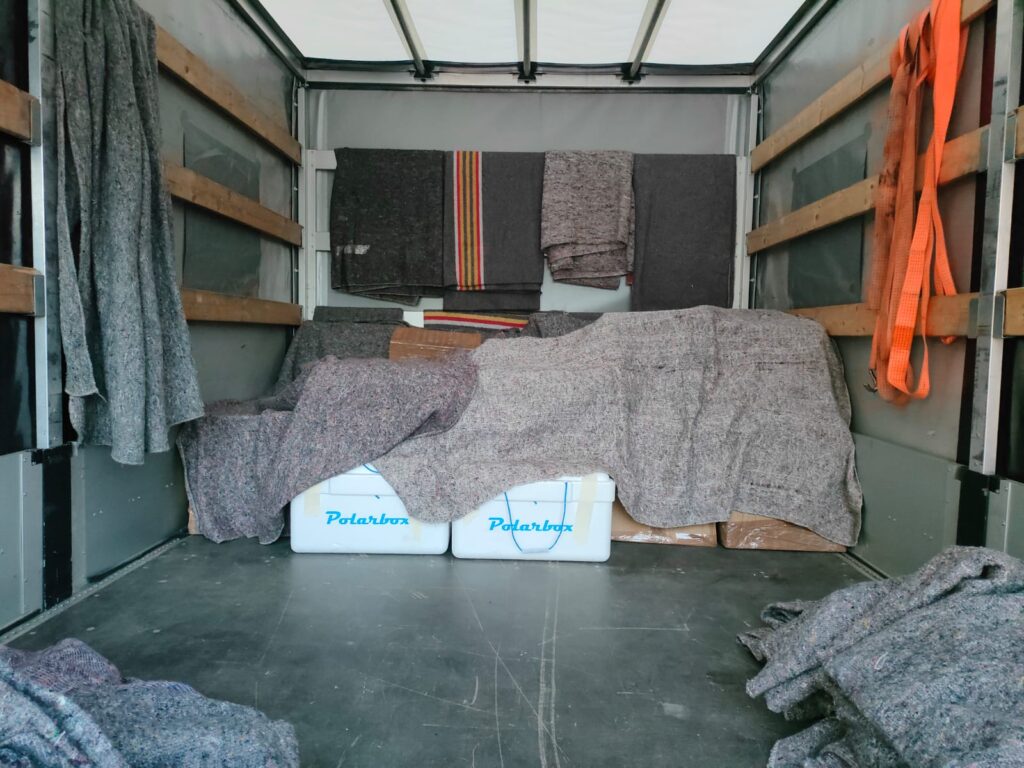
In a shared vehicle, each customer’s goods need to remain identifiable. Good protection is only half the preparation: a clear label and inventory entry help distinguish similar cartons and show which room each item belongs in at delivery.
- Furniture: protect vulnerable edges and finishes; agree dismantling and keep labelled hardware together.
- Glass and mirrors: discuss rigid protection and the handling position appropriate to the item.
- Mattresses and sofas: protect fabric from dirt and avoid tape directly on upholstery.
- Cartons: use sound boxes, distribute heavy contents into smaller boxes and confirm handling limits.
- Labels: put the destination room, contents and inventory number on each carton.
Materials to discuss when agreeing packing: the right choice depends on the item. The table is a preparation guide, not a statement that every material or packing service is included in every quote.
| Material | Purpose to discuss |
|---|---|
| Furniture blankets and suitable cushioning | Protect vulnerable surfaces during handling |
| Strong cartons suited to their contents | Contain and support packed items |
| Picture or screen protection | Protect glass and fragile panels appropriately |
| Corner and edge protection | Protect exposed furniture edges |
Before furniture is packed, empty it where appropriate, photograph existing marks and label any removed hardware against the matching item. Do not tape directly onto upholstery or delicate finishes. Tell the team about stone tops, loose glass panels and pieces that cannot safely be dismantled.
Great Britain to Slovakia: Customs Preparation
Transporting household goods from Great Britain to Slovakia crosses a customs border. An ordinary description such as ‘used furniture’ does not settle the customs treatment. Discuss the shipment and your circumstances before collection, especially if it combines a household move with new purchases or goods intended for someone else.
Slovakia’s Financial Administration explains that personal property transferred with a change of normal residence may qualify for relief. Conditions generally include at least 12 months of residence outside the EU and at least six months of prior possession and use for non-consumable goods; these are not the only conditions. Check the official Slovak customs FAQ on personal property and confirm eligibility and evidence with the customs representative. Do not treat relief as automatic.
Prepare the documents before the vehicle is scheduled: ask who will handle the declaration, what evidence is needed for your circumstances and when it must be supplied. This sequence is a planning checklist, not a customs processing timetable.
- At enquiry: describe whether this is a change of residence, selected belongings or a purchase shipment.
- Before booking: confirm the required evidence and identify new purchases separately.
- Before collection: provide the final inventory and documents by the deadline agreed for your shipment.
Separate belongings with different histories: keep new purchases identifiable in the inventory. A receipt, previous ownership and an intention not to resell are different facts; the customs representative needs the actual circumstances rather than a blanket ‘used goods’ label.
| Item | Inventory detail | What to clarify |
|---|---|---|
| Sofa or dining set | Ownership, use and condition | Applicable treatment for your circumstances |
| Recently purchased wardrobe | Purchase date, receipt and packed condition | Identify the purchase separately |
| Artwork or antiques | Individual description and value where required | Protection and any additional document checks |
Keep the inventory consistent: use the same item numbers on boxes, photographs and paperwork. Flag purchases and anything needing a separate check before collection. This is preparation guidance, not a complete customs determination; follow the instructions for your shipment and verify current requirements with the relevant authority or representative.
Access, Parking and Building Rules
Access planning starts at the road and ends at the room where the goods will go. A vehicle being able to reach the postcode does not mean it can park by the entrance or that a wardrobe will turn on the staircase.
Before requesting a quote:
- Share access photographs and measurements, including stairs, lift doors and tight turns.
- Check parking permissions and building rules with the relevant authority or management, including their lead times.
- State the real carrying distance from a legal parking position to the entrance.
- Declare height, weight or vehicle restrictions and ask whether the proposed plan can accommodate them.
Vehicle access: ask for the dimensions of the vehicle actually proposed. Do not rely on a generic van length or height when a barrier, covered entrance or narrow turn could prevent access.
| Issue | Measure | Ask for | Check |
|---|---|---|---|
| Barrier | Height; width | Van size | Fits? |
| Tight road | Width; turns | Van plan | Safe access |
At collection and delivery: keep the agreed route through the building clear, identify the goods and explain any changed restrictions before work starts. Arrange building access privately with the team; do not leave access codes on public instructions or unsecured labels.
Check Protection and Insurance Before Booking
Before booking, distinguish physical protection from insurance. Wrapping helps prevent damage, but it does not by itself describe who is liable, what is covered or how an owner-packed box will be treated.
Ask for the terms
Confirm any insurance or liability cover that applies to your quote, its limits, exclusions and requirements for declaring values.
Check unusual items
Describe antiques, fragile assemblies and high-value pieces before accepting the service.
Keep a record
Photograph their condition and retain the agreed inventory and written scope. Do not assume that additional cover is available or that every item is automatically covered.
If something is missing or damaged: follow the booking and insurance terms. These practical steps help preserve the information needed to assess the issue; they do not replace contractual notification requirements.
- Note visible concerns on the handover paperwork and keep a copy.
- Take clear photographs of the item and its packaging; retain packaging if inspection may be needed.
- Contact the named provider promptly and follow the notification requirements in your terms.
Reduce handling risks: use sound boxes without overloading them, protect vulnerable edges and keep small loose parts with the correct furniture reference. Carry important documents, jewellery and essential personal items with you rather than packing them into an unmarked carton.
Tell VANonsite which goods you plan to pack yourself and which need specialist preparation. Agree the packing responsibilities and any cover implications before collection, not after the goods have been loaded.
A Four-Week Planning Checklist
The four-week checklist below is an example for a planned move, not a minimum booking period or a promise of availability. If you have less time, start with the inventory, both addresses, the real deadline and the documents. Ask which tasks can be completed within the available schedule.
Four weeks before: define the shipment. List the goods that are definitely moving, note dimensions for awkward pieces and identify what can be dismantled. Decide which dates are preferences and which are fixed requirements.
- List antiques, fragile pieces and items needing unusual handling in the initial enquiry.
- Describe access at both properties and identify parking or building permissions that need arranging.
- Decide what you will pack yourself and confirm the document requirements for the shipment.
Three weeks before: agree the scope. Check the quotation against your inventory, confirm packing responsibilities and contact the buildings or parking authority about unloading arrangements.
- Reserve a lift or unloading slot where required, after checking it against the proposed schedule.
- Draft an itemised inventory, adding values where required and identifying new purchases.
- Resolve narrow-street or vehicle restrictions before accepting the transport plan.
Two weeks before: prepare the records. Start packing the agreed self-packed items and keep box numbers consistent with the inventory. Confirm the document requirements with whoever will handle customs.
- Keep receipts for new purchases and condition photographs for fragile or valuable items.
- Read the protection and cover terms, including any declaration requirements.
- Check that collection and delivery contacts understand the agreed dates or ranges.
One week before: check changes. Update the team if the inventory, dates or access have changed. Make sure the person receiving the goods in Slovakia has the booking details and can provide access.
- Prepare appliances according to the manufacturer’s transport instructions, including any required transit bolts.
- Dismantle only the furniture agreed for dismantling, and label its fittings against the inventory.
- Tell the team about final access changes and arrange secure building entry privately.
Delivery day: check against the inventory. Identify where each item belongs, count cartons and note visible concerns at handover. Keep the delivery record and photographs together with the booking.
- Keep the unloading route clear and identify priority or fragile pieces to the team.
- Record visible concerns, retain photographs and keep packaging where inspection may be needed.
- Check that all consignment items are accounted for before signing the handover record.
After delivery: unpack methodically. Keep protective packaging while checking fragile items, follow appliance instructions and raise any concern promptly under the applicable terms. The checklist is not a separate claims deadline.
- Unpack essentials first and follow the manufacturer’s instructions before reconnecting appliances.
- Raise missing-item or damage concerns promptly using the process in the booking and cover terms.
- Recycle suitable packaging only after checking the goods and retaining anything needed for inspection.
Part-Load Removals to Slovakia: FAQs
Is part-load suitable for furniture?
It can be, provided the dimensions, protection and handling arrangements are appropriate. A flat-pack bed, a large sofa and a glass cabinet need different preparation. Ask what packing is required, whether items will be handled more than once and how they will be identified as your consignment.
Can I have a fixed delivery day with part-load?
Ask about the specific option offered for your route. Shared transport may be organised around a range rather than one fixed appointment. If your building only permits delivery on one day, state that before booking and compare a dedicated option; neither service label is a substitute for written confirmation.
How small does a part-load need to be?
There is no useful bedroom-count rule that fits every shipment. Provide an inventory, packed-box count and dimensions for large items so vehicle space can be assessed. For a load dominated by furniture, use the furniture removals to Slovakia checklist to prepare the details before comparing services.
What about customs from Great Britain?
Confirm who handles the declaration and which documents your circumstances require before collection. A relocation with personal belongings is not automatically treated the same as a new furniture purchase. The customs section above links to Slovakia’s official guidance on personal-property relief.
Can I request delivery outside Bratislava?
Give the exact destination address or postcode, whether it is in Bratislava, Košice, Žilina, Nitra, Trnava, Banská Bystrica or elsewhere in Slovakia. The quote needs the actual route and property access, not just the nearest large city. Confirm available arrangements for that address.
What determines the cost?
The inventory, collection and delivery locations, handling, packing and scheduling all matter. Give the same details when comparing shared and dedicated transport. Ask what is included and which changes to the agreed job could affect the final price.
Should I buy packing materials first?
Confirm the packing plan before buying supplies. Ask which materials, if any, are included, what you are responsible for and how furniture or fragile items should be prepared. A useful box is one that protects the contents and can be handled safely, not merely the largest box available.
Is insurance included?
Check the terms attached to your particular quotation. Ask about cover limits, exclusions, owner-packed goods and any required value declaration. Keep condition photographs and report concerns promptly using the stated process. Do not infer a policy or notification deadline from a general article.
What should I send to request a quote?
Start with both postcodes, your inventory, packed-box count, dimensions of awkward items, access at each property and your acceptable dates. Add the packing or dismantling help you need. Submit those details through VANonsite removals to Slovakia, then check the written scope and booking terms before accepting an option.