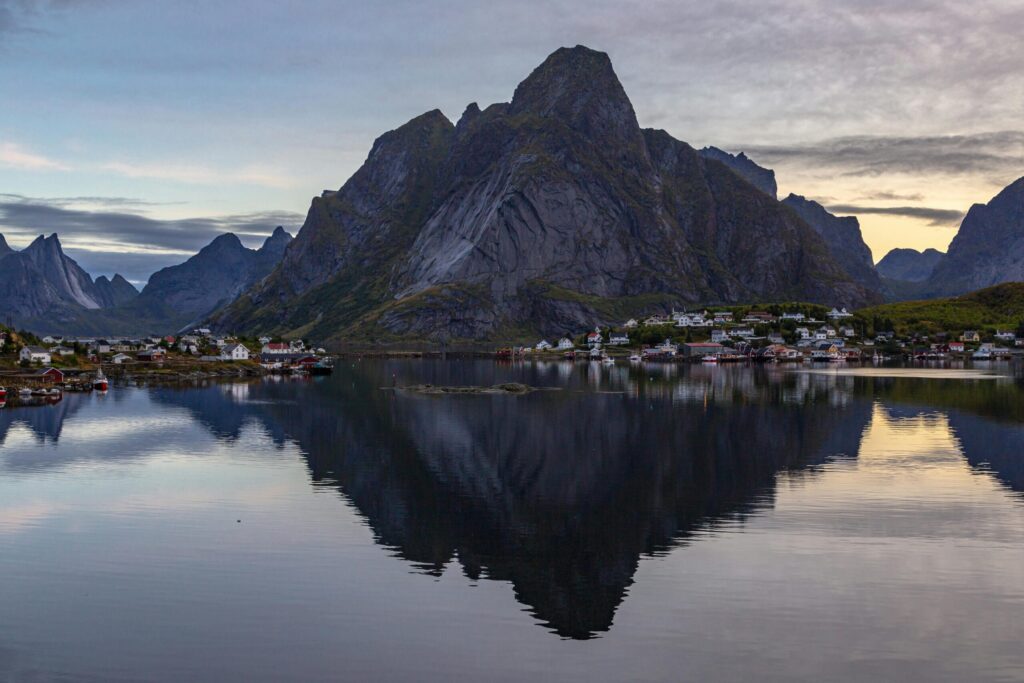
Moving to Norway starts with eligibility and everyday life, not transport. Before comparing moving services, check the residence route that applies to you, where you can realistically live, how the local housing market works and which registrations are needed after arrival.
This guide is for people at the decision and preparation stage. It covers residence checkpoints, documents, household-goods customs, living costs, work, healthcare, transport and the first practical steps after reaching Norway. Requirements vary by nationality and purpose of stay, so confirm current rules with the relevant Norwegian authority before committing money.
Starting the move in the UK?
Use the dedicated UK → Norway guide for post‑Brexit customs, route planning and removal options. The broader page you are reading remains focused on the decision to live in Norway.




TL;DR
- Book a quick video survey to size your shipment in m³ and secure realistic dates and a clear quote.
- Confirm post‑Brexit rules and apply for the right residence permit via UDI when staying over 90 days.
- Claim duty and VAT free import of used household goods when eligible; prepare an itemised inventory and proofs.
- Choose part load for value and greener miles, or a dedicated van for a fixed delivery day; both include live GPS.
- Match your volume to the right van tier: 5, 10, 15, 30, 90 m³ to avoid overflows and second runs.
- Protect fragile items with Packing Service or White Glove Delivery; crate art, marble, and instruments.
- Budget smartly: the cost of removals to Norway depends on distance, m³, access, ferries or tunnel, season, and service level.
- Plan week one: D‑number, BankID, GP (fastlege), AutoPASS, recycling so daily life starts fast.
- Winter matters: allow ferry and weather buffers; when needed route via Denmark and Sweden for steadier roads.
- Sustainability wins: leaner packing, part load options, and fewer trips reduce cost and footprint.
Secondary keywords to weave naturally: things to know before moving to Norway, cost of removals to Norway.
1) Introduction: Why Norway, Why Now
The pull of Norway is simple to feel and hard to ignore. Clean air on a bright morning in Oslo. The hush of a Bergen street after rain. Long summer evenings that stretch like ribbon. Moving here should match that calm. No noise. No guesswork. Just a clear plan that respects your time and your belongings.
With VANonsite you get a single coordinator, transparent pricing, and precise timelines. We measure your real volume in cubic meters, choose the right van tier, and book crossings that match your window. You decide between part load for value or a dedicated van for total control. Every mile is traceable with live GPS. Your only job is to open the door.
In this guide you will learn what permits you may need, how duty‑free import works when you qualify, what to pack, and how first‑week admin fits together. By the end you will know the exact steps to land smoothly in Norway.
2) Things To Know Before Moving To Norway
Residency basics and who needs a permit
Stays beyond 90 days usually require a residence permit. Start at UDI to choose the right route such as work, study, or family. Check document lists early so your application is complete the first time.
National Registry and identification numbers
Most newcomers receive a D‑number first. After address registration you may be issued a national identity number. Appointments and guidance live with Skatteetaten. Bring passport, tenancy or ownership proof, and any UDI letters.
Banking and BankID
Open a bank account once you have your D‑number and address proof. Banks use these to verify identity and then enable BankID, which unlocks digital life in Norway from contracts to tax.
Healthcare access and choosing your fastlege
Register with a GP through Helsenorge after you arrive. Keep interim cover until your registration is confirmed. You can change your fastlege later if the location is not convenient.
Driving rules, winter tyres, and tolls
Winter tyre rules, studded tyre periods, and vehicle standards are set by Statens vegvesen. For tolls, set up AutoPASS so your number plate is recognised and discounts apply. If you plan to import a vehicle, read the official guidance before you ship.
Pets and restricted breeds
Travel on approved routes with microchip and valid rabies vaccination. Rules and documents are outlined by Mattilsynet. Check carriers and ferries for their own pet booking policies.
Before you go vs after arrival
| Moment | Do this now | Why it matters |
|---|---|---|
| Before departure | Choose permit path on UDI, build inventory list | Faster decisions and smoother customs |
| The packing week | Label by room, bag hardware, photo valuables | Quicker unloading and clean records |
| First 72 hours | Register address, request D‑number | Unlocks banking and healthcare steps |
| First 7 days | Bank account, BankID, GP choice, AutoPASS | Daily life clicks into place |
Callouts
- UDI links for permit types
- Skatteetaten for address and D‑number
- Helsenorge for GP selection
- Statens vegvesen for winter tyre rules
- AutoPASS for tolls
- Mattilsynet for pets
3) Documents & Customs — Duty Free When You Qualify
A clean customs file keeps your delivery moving. Most households can bring used personal belongings into Norway without paying customs duty or VAT when eligibility rules are met. Here is how to prepare a bulletproof dossier and avoid delays.
3.1 Who qualifies for relief
- You are moving your normal residence to Norway and the goods are for personal use.
- You have lived outside Norway for a qualifying period and the goods have been owned and used by you for a qualifying time.
- You will not sell, lend, or give away the items for a period after import.
- You import goods within a reasonable time of your move.
Read the official rules on Norwegian Customs.
3.2 What you must prepare
- Itemised inventory list in English or Norwegian, grouped by room. Mark fragile and high‑value items.
- Proof of identity and move: passport copy, proof of previous residence abroad, proof of new residence in Norway, employment or study letter where applicable.
- Transport documents: CMR/waybill and booking references.
- Authorisation for a customs broker to act on your behalf (power of attorney).
- Valuation notes for antiques, art and instruments (photos, serial numbers).
- Any permits for restricted items (see below).
3.3 How the process works
- Pre‑check your eligibility and inventory with your coordinator.
- Submit details and authorisation so our broker can pre‑register your file.
- On arrival, customs clears the shipment against your documents. If customs wants to see specific boxes, we present them.
- Keep your clearance letter and inventory with you after delivery.
Helpful pages: Norwegian Customs and the digital services portal Altinn.
3.4 Items treated differently
- New goods and items bought shortly before shipping can be taxed. Keep receipts and expect assessment where items look unused.
- Alcohol, tobacco, food and plants have strict allowances and restrictions. Check toll.no before packing.
- Weapons, drones, medicines and chemicals may require documents or are prohibited.
- Vehicles follow separate rules for temporary use, permanent import, and taxes via Statens vegvesen and Customs.
- Pets are outside household goods and follow Mattilsynet rules.
3.5 Common pitfalls to avoid
- Shipping brand new purchases expecting duty free.
- Missing proof of residence abroad or in Norway.
- Vague or duplicate inventory lines that slow inspections.
- Forgetting authorisation for the broker, which can stall release.
- Packing restricted items without permits.
Core Documents at a Glance
| Document | Purpose | Who provides |
|---|---|---|
| Passport copy | Identity verification | You |
| Proof of previous residence abroad | Confirms relocation status | You |
| Proof of new Norwegian address | Links shipment to your move | You |
| Employment or study confirmation | Supports permit and intent | You |
| Itemised inventory list | Customs valuation and control | You + VANonsite |
| Transport documents (CMR/waybill) | Shows route and carrier | VANonsite |
| Broker authorisation | Allows customs agent to clear on your behalf | You |
| Photos/serials for valuables | Evidence for valuation and insurance | You |
Need help fast? We share a pre‑filled inventory template and broker authorisation so you only add details. We double‑check everything before your van moves.
4) Costs — The Real Cost of Removals to Norway
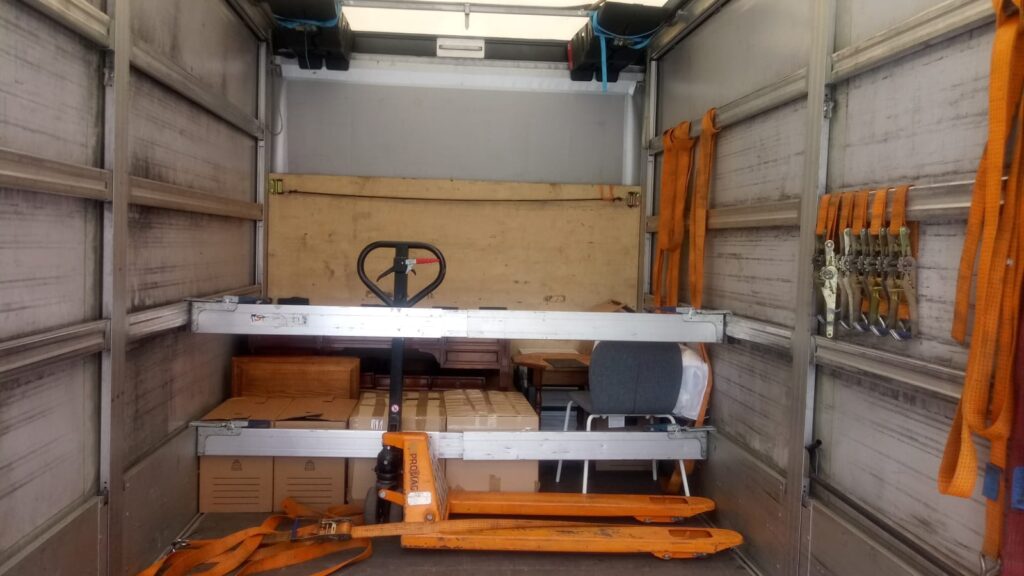
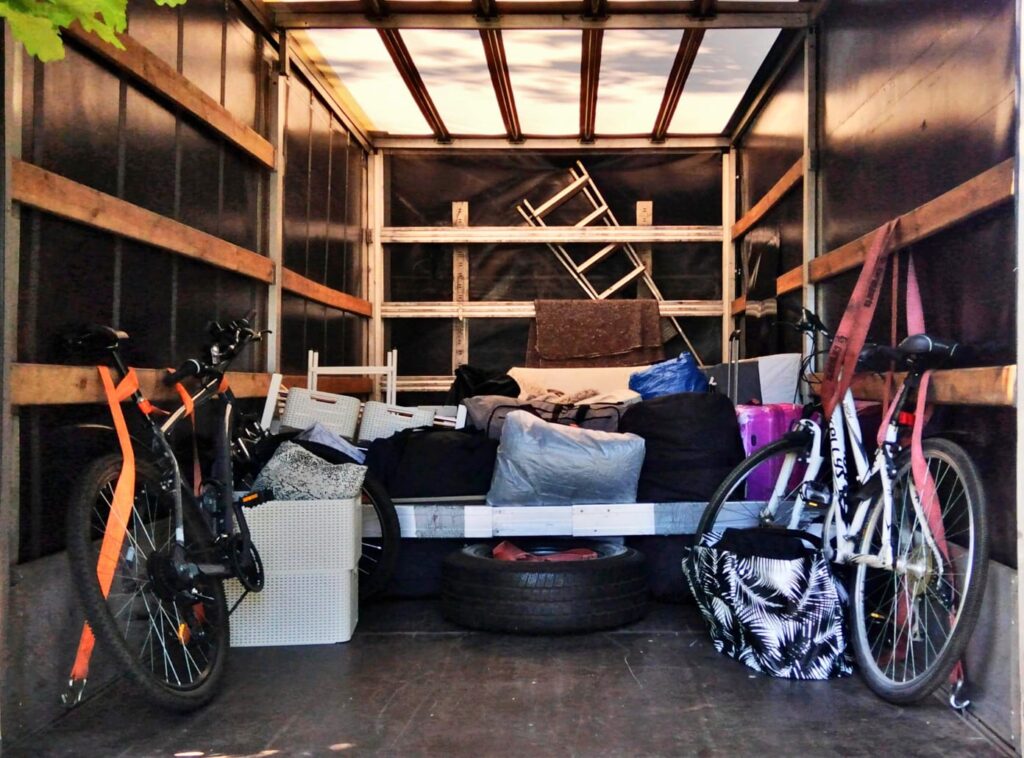
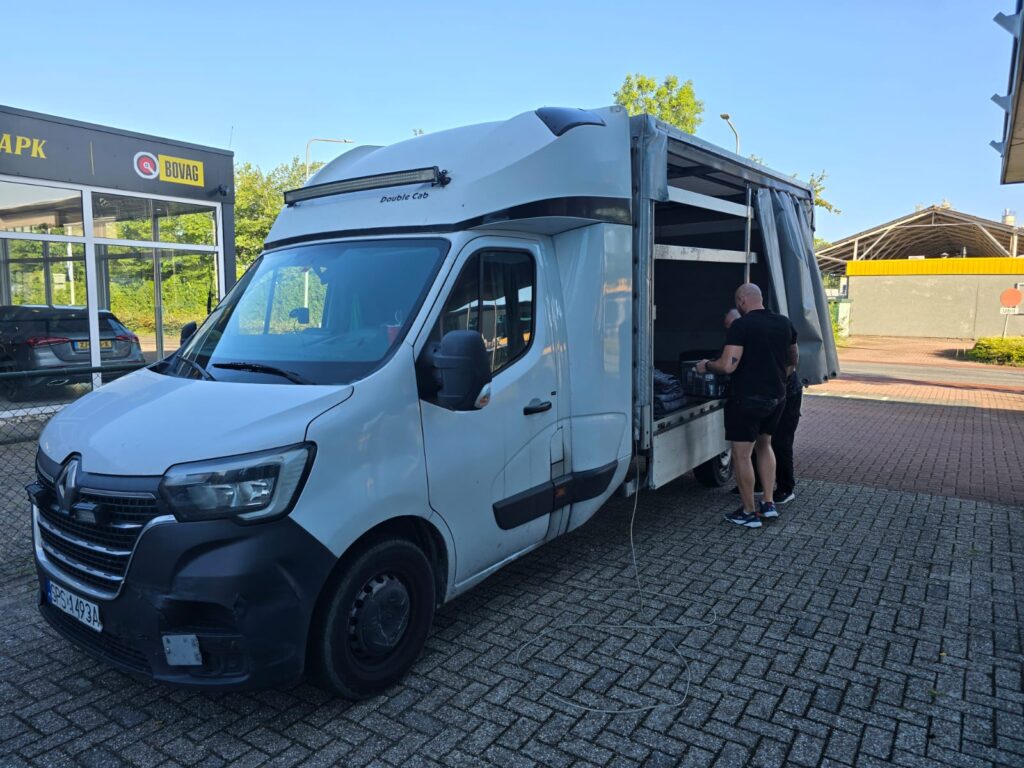
We keep pricing transparent from survey to delivery. Your quote reflects the route you choose, the cubic meters you ship, and the care your items deserve.
4.1 How quotes are built
Price framework
Base corridor rate + m³ component + crossings and tolls + access time + service level + seasonality + optional services.
- Route and crossings: ferry or tunnel selection and schedules.
- True m³ and weight: honest sizing prevents second runs.
- Access factors: stairs, lift bookings, long carries, parking permits.
- Service level: self pack, Packing Service, or White Glove Delivery.
- Timing: peak weeks, school holidays, and winter buffers.
- Optional services: crating, storage between keys, evening slots.
4.2 What is included vs optional
| Item | Included | Optional | Notes |
|---|---|---|---|
| Vehicle, driver, fuel | ✓ | Planned to your route and window | |
| Standard blankets and straps | ✓ | Clean materials every run | |
| Goods in transit cover | ✓ | ↑ value | Declared high value items |
| Live GPS tracking | ✓ | Link on dispatch | |
| Packing materials | ✓ | Full kit or selective | |
| Pro packing | ✓ | Room by room service | |
| Crating for art and marble | ✓ | Custom timber crates | |
| White Glove placement | ✓ | Premium placement and debris removal | |
| Storage between keys | ✓ | Short or medium term |
4.3 Part load vs dedicated
| Model | Best for | What you get | Considerations |
|---|---|---|---|
| Part load | Small to medium shipments, flexible dates | Lower cost, greener miles, GPS tracking | Windowed ETA |
| Dedicated van | Tight timelines, premium pieces, full homes | Fixed delivery day, direct routing, total control | Higher price |
Tip: If your dates are flexible, part load is the sweet spot for value. If you need keys‑to‑keys precision, book a dedicated van and lock the day.
4.4 Van tiers and typical volumes
| Van tier | Typical volume | Best for |
|---|---|---|
| Moving Basic (5 m³) | Up to 5 m³ | Small removals, students |
| Moving Medium (10 m³) | Up to 10 m³ | Studio or tight one bed |
| Moving Premium (15 m³) | Up to 15 m³ | Standard one bed |
| Moving Premium Plus (30 m³) | Up to 30 m³ | Family setups |
| Full House XXL (90 m³) | Up to 90 m³ | Whole house projects |
4.5 Real world scenarios
| Scenario | Volume | Model | Transit guide | Relative budget |
|---|---|---|---|---|
| Student essentials | 5 m³ | Part load | 3 to 7 days | Low |
| One bed upgrade | 15 m³ | Dedicated | 2 to 5 days | Mid |
| Family set | 30 m³ | Part/Ded | 3 to 6 days | Mid to high |
4.6 How to keep costs lean
- Share a flexible delivery window and use part load where it fits.
- Declutter before packing. Do not ship what you will replace.
- Self pack standard items and book pro packing for fragile pieces only.
- Pre‑book street bays and lifts to avoid waiting time.
- Send a clear video survey so we size your m³ right the first time.
Ready to compare options? Tell us your from and to, your target week, and a rough m³. We will outline part load and dedicated side by side so you can choose with confidence.
5) Packing That Protects — From Flat Pack to Fine Art
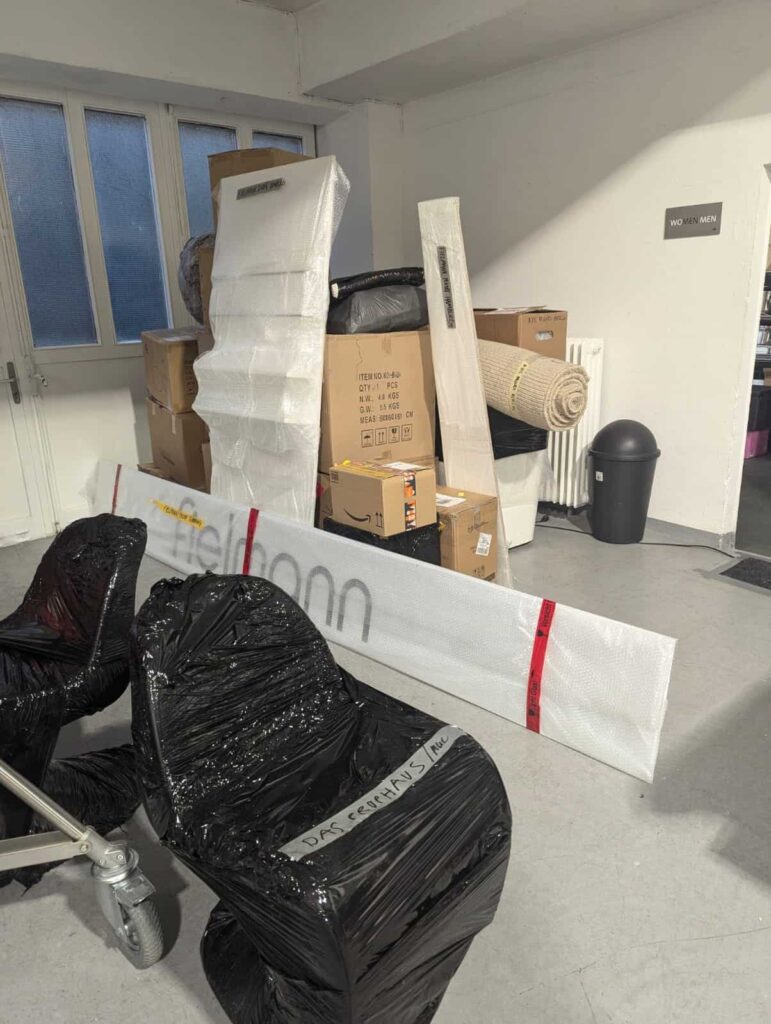
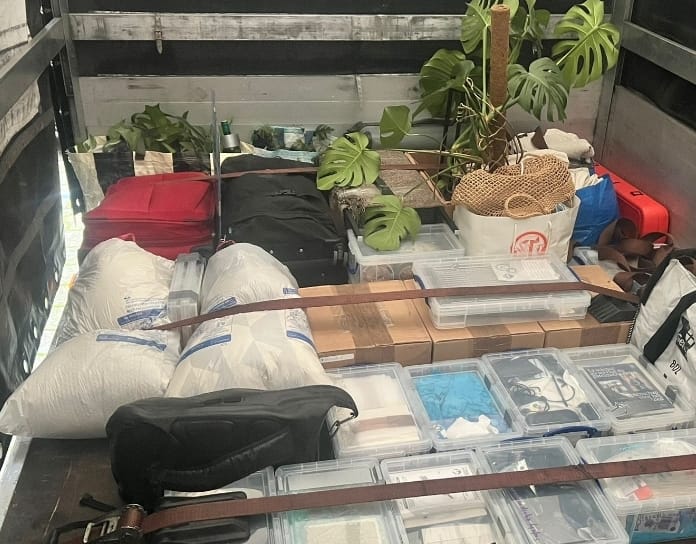
Protecting furniture for a cross‑border journey is a craft. We pair the right materials with disciplined loading so pieces arrive ready to live.
5.1 Packing levels
| Level | What it includes | Best for |
|---|---|---|
| Standard | Double‑wall boxes, blankets, shrink wrap, corner guards, labels by room | Most households with self‑pack boxes |
| Pro Packing | Everything in Standard plus room‑by‑room packing, fragile wrapping, TV/monitor boxes | Busy schedules, delicate glass and ceramics |
| White Glove | Everything in Pro plus placement, basic assembly, debris removal, shoe covers | Designer pieces, art, marble, premium finishes |
Service pages: Packing Service, White Glove Delivery, Furniture Removals.
5.2 Our packing playbook
- Walkthrough and condition notes before any wrap goes on. Photos where helpful.
- Disassembly of beds, tables and wardrobes as needed. Hardware bagged and taped to the item.
- Layered protection: corners first, then full wrap, then straps. Mattresses and sofas get fitted covers.
- Smart labels with room codes and priority so unloading flows in the right order.
- No‑movement load plans with balanced weight, floor runners, and door guards at both ends.
Tip: Stage boxes near the exit, keep a small “open first” box for day one, and place remotes or cables in zip bags taped to their items.
5.3 Self‑pack starter kit
Use the Self‑pack starter kit table at the end of this guide to size materials for your home. We can deliver materials in advance or bring them on packing day. If you prefer a hybrid approach, self‑pack books and linens while we crate art, glass and oversized mirrors.
5.4 What not to pack in boxes
- Passports, cash, essential documents and medications.
- Pressurised cans, flammables, or hazardous chemicals.
- Open liquids or anything damp that could damage other goods.
- Perishables and plants. Check pet food rules if moving with animals.
Unsure about an item? Ask your coordinator for the restricted and prohibited list before packing day.

6) Route & City Mini Guides
Norway rewards planning. Each route has quirks that, if handled early, make delivery day feel effortless.
6.1 Oslo
- Lifts and street permits: book building lifts and short‑term street bays in advance; central zones have limited loading windows.
- Toll rings and access: plan routes that respect toll boundaries to avoid detours and delays.
- Parking and timing: early‑morning unloads help beat traffic and secure bays near entrances.
- Buildings: many stairwells are narrow; compact trolleys and extra hands speed things up.
6.2 Bergen
- Rainproofing: expect showers; we use covered staging and extra wrap for wood and fabrics.
- Heritage streets: tight turns around Bryggen call for compact vehicles and patient routing.
- Access checks: older stairwells can limit item size; measure wardrobes and sofas.
- Floor protection: door mats and runners keep heritage floors safe from wet gear.
6.3 Sommarøy and northern corridors
- Ferries and daylight: align pickups with ferry schedules; in winter, daylight is short, so plan unloads accordingly.
- Weather buffers: add contingency days for sudden snow or wind; compact vehicles help on bridges and island roads.
- Connectivity: phone signal can be patchy near some crossings; confirm last‑mile directions in advance.
6.4 Alternative corridors for winter
- Via Denmark and Sweden: favour steadier motorways when mountain passes are risky. Slightly longer on paper, often faster in real life.
- Flexible windows: if you choose part load, a broader window helps us outrun weather systems and keep ETAs honest.
Typical routes at a glance
| Corridor | When we use it | Notes |
|---|---|---|
| UK → Oslo direct ferries | When schedules line up with your window | Minimal road time; limited seasonal slots |
| UK → Denmark → Sweden → NO | Winter‑friendly, predictable driving | Stable highways, fewer mountain passes |
| Continental Europe → Bergen | Western Norway deliveries | Rain planning and heritage access checks |
| Tromsø/Sommarøy routes | Northern moves with ferries | Build in weather and daylight buffers |
7) Small Removals & Part Loads
Lean cost, careful handling. Part load means your shipment shares space on a planned corridor. You pay only for the cubic meters you use, keep full care and live GPS, and cut empty miles for a greener move.
When it shines
- Student moves, minimalist homes, or interim relocations.
- Flexible dates with a delivery window instead of a fixed day.
- One pickup and one drop‑off. Extra stops available on request.
Curbside vs door to door
- Curbside: best value if you can carry items inside yourself.
- Door to door: crew places items in rooms; add basic assembly if needed.
- Storage between semesters or keys available short or medium term.
What fits where
| Tier | Typical contents | Max weight | Best for | Access notes |
|---|---|---|---|---|
| 5 m³ | Bed frame, chair, 10–15 boxes, monitor | 300 kg | Students, light moves | Ideal where parking is tight |
| 10 m³ | Sofa, table, bike, 20–25 boxes, small wardrobe | 600 kg | Studio or tight 1‑bed | Works in one lift run |
| 15 m³ | Two‑seater sofa, wardrobe, 30 boxes, TV unit | 1000 kg | Standard 1‑bed | Check stair widths and long carries |
Scheduling flow
- Quick video survey to confirm m³ and access.
- We place your load on the best corridor and share a delivery window.
- On dispatch you receive a GPS link and milestone updates at pickup, customs, ferry/border, and final approach.
Pro tips
- Label boxes by room in English and Norwegian where helpful.
- Bag screws and small hardware; tape to their furniture.
- Stage boxes near the exit; keep an open‑first box handy.
- If dates are tight or value is premium, consider a dedicated van.
See also: Student Removals and Furniture Removals.
8) Insurance, Safety & Live Tracking
Peace of mind, documented. Standard goods‑in‑transit cover is included, with options to increase valuation for art, antiques, instruments, and designer pieces.
Condition and protection
- Condition notes and reference photos at pickup for key items.
- Floor runners, door and corner guards, and lift wraps where required.
- No‑movement loading patterns with balanced weight and secure strapping.
Live GPS milestones
- Pickup confirmed and route started.
- Customs file submitted and cleared.
- Ferry or border crossed.
- Out for delivery with ETA window.
- Arrival slot and unloading underway.
Clear claims path
- Report the issue quickly and keep original packaging where relevant.
- Share photos and a short description; we log crew notes and transport data.
- We coordinate resolution with insurance while keeping you updated.
Premium care
- Custom crating for art, marble, and glass.
- Shock and tilt indicators on crates on request.
- White Glove placement, basic assembly, and debris removal.
Need help choosing cover? Ask for our short valuation checklist before loading.


9) Arrival in Norway — First‑Week To‑Dos
Your first week sets the tone. Tackle these steps in order and daily life starts to click.
9.1 Address registration & D‑number
- Book an appointment with Skatteetaten.
- Bring passport, rental or purchase contract, and any UDI letters.
- Register your address. You will be issued a D‑number first. A national ID may follow after full registration.
Why it matters: A D‑number unlocks banking, tax and many public services.
9.2 Skattekort (tax deduction card)
- Apply online with Skatteetaten once you have an employment contract.
- Attend ID check if requested. Your employer uses skattekort to deduct the right tax from pay.
9.3 Bank account + BankID
- Book a bank appointment after receiving your D‑number.
- Bring ID, proof of address, and job or study confirmation.
- Once verified, the bank enables BankID for secure logins and signatures.
9.4 GP registration on Helsenorge
- Create a profile on Helsenorge.
- Choose your fastlege (GP). You can change later if needed.
- Keep interim health cover until registration is confirmed.
Useful numbers: Emergency 113 (medical), 112 (police), 110 (fire). Non‑emergency medical advice: 116 117.
9.5 AutoPASS and winter tyres
- Register your number plate and payment method at AutoPASS to get toll discounts.
- Review winter tyre and studded tyre rules with Statens vegvesen. Rules vary by region and season.
9.6 Recycling basics
- Sort paper, plastic, glass and metal, food waste and residual waste. Municipalities provide bin guides.
- Keep boxes flat for pickup and save bottle pant labels for refunds at stores.
9.7 Pets follow‑up
- Complete any post‑arrival steps and book a vet check with guidance from Mattilsynet.
- Keep microchip, vaccination and travel records handy.
Quick timeline
| Day | Task | Where | Tip |
|---|---|---|---|
| 1–2 | Address registration, D‑number | Skatteetaten | Book early; bring originals |
| 2–3 | Skattekort application | Skatteetaten | Have your job contract ready |
| 3–5 | Bank account + BankID | Your bank | Ask about BankID timing |
| 4–6 | GP selection | Helsenorge | Choose a clinic near home |
| 1–7 | AutoPASS + winter tyre rules | autopass.no, vegvesen.no | Add a payment card for discounts |
| 1–7 | Recycling setup | Municipality | Order missing bins if needed |
| 1–7 | Pets check | Vet + Mattilsynet | Keep travel docs together |
Mini‑checklist table
| Task | Where | Proof needed | Tip |
|---|---|---|---|
| Address registration | Skatteetaten | Passport, tenancy | Book appointment if prompted |
| D‑number / ID | Skatteetaten | Passport | Needed for bank & tax |
| Bank + BankID | Your bank | ID, address, D‑number | Ask about BankID timing |
| GP selection | Helsenorge | ID, address | You can change GP later |
| AutoPASS | autopass.no | Vehicle/plate | Add payment card for discounts |
| Winter rules | vegvesen.no | — | Check studded tyre dates |
| Recycling | Municipality | Address | Flatten boxes for pickup |
| Pets | Mattilsynet | Pet passport/docs | Confirm breed restrictions |
FAQs
How long does EU/UK → Norway delivery take?
For most lanes, small to mid shipments arrive in 2 to 7 days after pickup. Dedicated vans are quickest. Part loads run on planned corridors with delivery windows.
Do I qualify for duty‑free import?
Usually yes for used household goods when you are relocating residence and meet eligibility rules. Prepare an inventory, proof of residence abroad and in Norway, and authorise a broker. See Norwegian Customs.
What are typical removals to Norway costs by volume?
Costs scale with m³, route, access and service level. Part load is the best value for smaller moves; dedicated vans lock a fixed delivery day. Ask for a side‑by‑side quote.
Can I choose removals to Norway part load?
Yes. You pay only for the space you use, keep full care and live GPS, and get a delivery window instead of a fixed day.
Do you handle small removals to Norway?
Absolutely. Our 5–10 m³ tiers suit student and minimalist moves. Add storage between keys if needed.
Can you crate antiques and art?
Yes. We build custom timber crates, add shock/tilt indicators, and place items with White Glove service on request.
Is it hard to move into Norway?
With the right permit or registration, it is manageable. EU/EEA citizens use the registration scheme. Non‑EU citizens apply for the correct residence route via UDI. Good paperwork makes it smooth.
Can an EU citizen move to Norway?
Yes. EU/EEA citizens have the right to live, work and study in Norway. Register with the police within 3 months of arrival to obtain a registration certificate. Start at UDI: EU/EEA regulations.
What is the 22‑year rule in Norway?
If you were born with Norwegian citizenship and have lived mostly abroad, you may lose Norwegian citizenship at 22 unless you have lived 2 years in Norway or 7 years in the Nordics, or you apply to retain it. See UDI: retention of citizenship.
Is Norway immigrant friendly?
Broadly yes: strong rule of law, integration programmes, and high English proficiency. Challenges include high living costs, housing competition in big cities, and Norwegian language requirements for many roles.
How many Polish people live in Norway?
Poles are the largest immigrant group. At the start of 2024, there were over 109,000 Polish immigrants in Norway. See IMDi/SSB for current figures.
Is it easy to get a job in Norway?
It depends on sector and language. Demand is steady in healthcare, construction, engineering, IT and some trades. Norwegian helps, though many workplaces are bilingual in cities.
Is healthcare free in Norway?
Healthcare is publicly funded with user fees. After you reach the annual cap, you get an exemption card (frikort) and most services become free for the rest of the year. Details: Helsenorge.
Do they speak English in Norway?
Yes, widely and well. Norway ranks among the top countries globally for English proficiency. See EF EPI.
What are the disadvantages of living in Norway?
High cost of living, long dark winters in the north, competitive housing in Oslo and Bergen, and language needs outside international environments.
Can I move to Norway for free?
No. Even with duty‑free relief on used household goods, you will have moving, travel, deposits and setup costs. Part load and smart packing help contain the budget.
What country is easiest to immigrate to?
There is no one‑size‑fits‑all. For UK citizens, Ireland is generally simplest due to the Common Travel Area. For EU citizens, moving within the EU/EEA is often easiest. Always check official rules for your passport.
What is the average salary in Norway?
It varies by sector and hours. Official SSB statistics show average monthly earnings in 2024 in the high‑50,000 to low‑60,000 NOK range, with higher levels in oil, tech and engineering. See SSB earnings.
Summary: Your Norway Move, Simplified
Moving to Norway does not have to be stressful. You choose a permit route that fits, prepare a clean inventory, and qualify for duty and VAT relief when the rules allow. We size your load in honest cubic meters and match it to the right van tier from 5 to 90 m³. You pick part load for value or a dedicated van for a fixed delivery day. Fragile pieces travel under pro packing or White Glove care. Every mile is visible with live GPS. In your first week you finish the essentials: D‑number, skattekort, bank and BankID, GP, AutoPASS, recycling and any pet steps. With clear steps and one coordinator, your move lands on time and intact.
Key takeaways
- Paperwork first: UDI route, D‑number, and proofs make customs simple.
- Duty‑free is possible for used household goods when you meet the criteria.
- Costs follow m³, route, access, timing and service level. Part load saves when dates are flexible.
- Van tiers 5, 10, 15, 30 and 90 m³ stop overflows and second runs.
- Packing levels scale with your needs; crate art and marble for peace of mind.
- Winter adds buffers. Denmark and Sweden corridors keep driving predictable.
- Live GPS shows progress from pickup to placement.
Ready to plan your route? Start with a quick video survey and get a tailored quote: