
Living and working in Ireland can offer international career opportunities, English-speaking workplaces and a lifestyle shaped by welcoming communities, vibrant cities and dramatic coastlines. Ireland attracts professionals, families, students and remote workers from across Europe. It is also closely connected with the United Kingdom through trade, transport and the Common Travel Area.
A successful move, however, requires more than finding a job and booking transport. You need to understand your right to work, Irish tax residence, payroll rules, housing costs, healthcare and the practical process of relocating your belongings. The situation becomes more complex when you work for a British employer, commute to the UK or divide your working week between both countries.
British and Irish citizens benefit from Common Travel Area rights. EU, EEA and Swiss citizens can generally work in Ireland without an employment permit. Many non-EEA citizens need an employment permit and immigration permission before starting work.
This guide explains the essential steps for living and working in Ireland, including employment, cross-border taxation, accommodation and professional removals to Ireland with VANonsite.
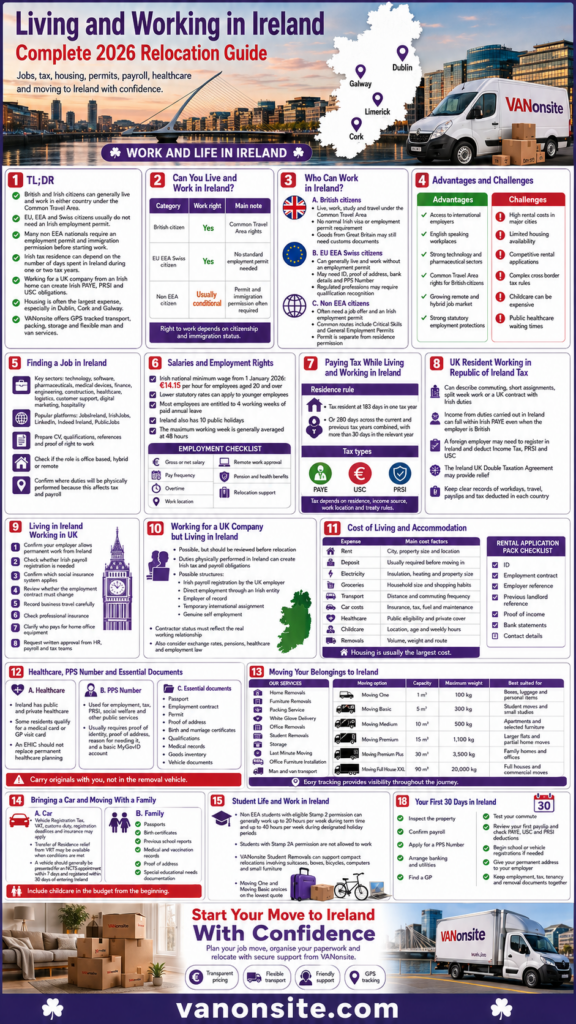
TL:DR: Living and Working in Ireland
- British and Irish citizens can generally live and work in either country under the Common Travel Area.
- EU, EEA and Swiss citizens usually do not need an Irish employment permit.
- Many non-EEA nationals require an employment permit and immigration permission before starting work.
- Irish tax residence can depend on the number of days spent in Ireland during one or two tax years.
- Working for a UK company from an Irish home can create Irish PAYE, PRSI and USC obligations.
- Housing is often the largest expense, especially in Dublin, Cork and Galway.
- VANonsite offers GPS-tracked transport, packing, storage and flexible man and van services for moves of every size.
Can You Live and Work in Ireland?
For many British and European citizens, the answer is yes. Your rights depend mainly on citizenship and immigration status, not simply on where you currently live.
British Citizens Moving to Ireland
British citizens can live, work, study and travel in Ireland under the Common Travel Area. These arrangements continued after Brexit.
A British citizen does not normally need an Irish visa or employment permit to begin living and working in Ireland. Common Travel Area rights may also support access to healthcare, education, social protection and certain voting rights, subject to the rules of each service.
The Common Travel Area applies to people, not automatically to goods. Household belongings moved from Great Britain to Ireland may still require customs documentation. Non-British family members can also have different immigration requirements.
EU, EEA and Swiss Citizens
Citizens of EU countries, Iceland, Norway, Liechtenstein and Switzerland can generally live and work in Ireland without an employment permit. They may still need a passport or identity card, proof of employment, proof of address, bank details and a Personal Public Service Number.
Some regulated professions require formal recognition of qualifications before work begins. This may apply to healthcare professionals, teachers, architects and other specialists.
Non-EEA Citizens
Many people from outside the EEA, Switzerland and the UK need permission to live and work in Ireland. The process usually starts with a suitable job offer and an Irish employment permit.
The most common routes are the Critical Skills Employment Permit for highly skilled roles and the General Employment Permit for a broader range of eligible occupations. Salary thresholds, qualification requirements and minimum contract periods can apply.
An employment permit is not the same as residence permission. Depending on nationality, a worker may also need an entry visa and immigration registration after arriving.
Advantages and Challenges of Living and Working in Ireland
| Advantages | Potential challenges |
|---|---|
| Access to international employers | High rental costs in major cities |
| English-speaking workplaces | Limited housing availability |
| Strong technology and pharmaceutical sectors | Competitive rental applications |
| Common Travel Area rights for British citizens | Complex cross-border tax rules |
| Growing remote and hybrid job market | Childcare can be expensive |
| Strong statutory employment protections | Public healthcare waiting times |
Dublin offers the widest range of corporate jobs, but also high housing costs. Cork, Galway, Limerick and Waterford may provide better value, depending on the industry.
Finding a Job in Ireland
Securing employment before moving can make relocation easier. An employment contract can strengthen a rental application, provide financial certainty and help non-EEA applicants begin the permit process.
Major employment sectors include technology, software development, pharmaceuticals, medical devices, financial services, engineering, construction, healthcare, logistics, customer support, digital marketing and hospitality.
Ireland also maintains a Critical Skills Occupations List covering professional roles where qualifications, experience or specialist skills are in demand. The current list includes positions in fields such as medicine, ICT, science, finance and business.
Popular job platforms include JobsIreland, IrishJobs, LinkedIn, Indeed Ireland and PublicJobs.
Before applying, prepare a concise CV, qualification certificates, references and evidence of your right to work.
Do not focus only on gross salary. Check whether the role is office-based, hybrid or remote. Ask about pensions, health insurance, probation, paid leave, bonuses and relocation support. Most importantly, confirm where you will physically perform your duties, because this can affect tax, payroll and social insurance.
Salaries and Employment Rights in Ireland
From 1 January 2026, the Irish national minimum wage for employees aged 20 and over is €14.15 per hour. Lower statutory rates apply to younger employees.
Most employees are entitled to four working weeks of paid annual leave each year. Ireland also has 10 public holidays. The maximum working week is generally calculated as an average of 48 hours, although exceptions can apply.
Before accepting a job, confirm:
- Whether the salary is gross or net
- How often you will be paid
- Whether overtime is paid
- Where you will physically work
- Whether remote work from Ireland is approved
- What pension and health benefits are included
- Whether the employer provides relocation support
Paying Tax While Living and Working in Ireland
Irish tax liability depends on tax residence, ordinary residence, domicile, income source, the location of employment duties and relevant double taxation agreements.
You are normally considered tax resident in Ireland when you spend at least 183 days in the country during one tax year. You may also become resident when you spend at least 280 days in Ireland across the current and previous tax years combined, provided you spend more than 30 days in Ireland during the relevant year.
Employment income may be subject to:
- Pay As You Earn, known as PAYE
- Universal Social Charge, known as USC
- Pay Related Social Insurance, known as PRSI
Tax residence is not the only test. A non-resident may still pay Irish tax on income connected with duties physically performed in Ireland. An Irish resident working abroad may also have obligations in the country where the work takes place.
Current information is available from Revenue Ireland. Complex cross-border cases should be reviewed with a qualified adviser.
UK Resident Working in Republic of Ireland Tax
The phrase UK resident working in Republic of Ireland tax can describe several arrangements. A person may commute to Ireland, complete short assignments, divide the week between both countries or work for a British company with Irish clients.
The key questions are where the worker is tax resident and where the duties are physically performed.
Income connected with work carried out in Ireland can fall within the Irish PAYE system, even when the contract and employer are British. A foreign employer may need to register in Ireland and deduct Income Tax, PRSI and USC.
The Ireland and UK Double Taxation Agreement can provide relief when the same income is taxable in both countries. The result depends on residence, workdays and treaty rules. A credit may be available for non-refundable tax paid in the other country.
Keep clear records of workdays, travel, payslips and tax deducted in each country. These records can support payroll reviews and relief claims.
Living in Ireland Working in UK
The situation described as living in Ireland working in UK may involve regular commuting, remote work or a hybrid arrangement.
An Irish resident who travels regularly to work in another country may qualify for Transborder Workers’ Relief when the conditions are met. This relief can take account of tax paid in a country that has a double taxation agreement with Ireland.
Remote work is different from commuting. If you live in Ireland and work from a home office in Dublin, Cork or Galway, those duties are physically performed in Ireland, even when the employer and clients are in the UK.
Before moving, confirm:
- Whether your employer allows permanent work from Ireland
- Whether Irish payroll registration is needed
- Which social insurance system applies
- Whether your employment contract must change
- How business travel will be recorded
- Whether professional insurance remains valid
- Who pays for home office equipment
- Whether the arrangement creates corporate tax concerns
Do not rely only on a verbal agreement. Request written approval from HR, payroll and the employer’s tax or legal team.
Working for a UK Company but Living in Ireland
Working for a UK company but living in Ireland is possible, but the arrangement should be reviewed before relocation.
Duties physically performed in Ireland for a foreign employer can create Irish tax and payroll obligations. The employer may need to register in Ireland and deduct Income Tax, PRSI and USC.
Possible structures include:
- Irish payroll registration by the UK employer
- Direct employment through an Irish entity
- Employment through an employer of record
- A temporary international assignment
- Genuine self-employment
Contractor status must reflect the real working relationship. Simply changing the title of the agreement does not automatically remove employment or payroll obligations.
People searching for working in UK living in Ireland should also consider exchange rates, pensions, healthcare and employment law.
Cost of Living and Accommodation in Ireland
The cost of living varies by location and household size. Housing is normally the largest expense, especially for people starting living and working in Ireland in Dublin.
| Expense | Main cost factors |
|---|---|
| Rent | City, property size and location |
| Deposit | Usually required before moving in |
| Electricity | Insulation, heating and property size |
| Groceries | Household size and shopping habits |
| Transport | Distance and commuting frequency |
| Car costs | Insurance, tax, fuel and maintenance |
| Healthcare | Public eligibility and private cover |
| Childcare | Location, age and weekly hours |
| Removals | Volume, weight and route |
Budget for the deposit, first month’s rent, temporary accommodation, transport and several weeks of living expenses.
The rental market can move quickly. Prepare a digital application pack containing:
- Passport or identity document
- Employment contract
- Employer reference
- Previous landlord reference
- Proof of income
- Bank statements
- Contact details
Never transfer money only to secure a viewing. Verify the landlord or agent, inspect the property and request written terms. Official information about tenant rights, tenancy registration and dispute resolution is available through the Residential Tenancies Board.
Healthcare, PPS Number and Essential Documents
Ireland has public and private healthcare. Some residents qualify for a medical card or GP visit card, while others pay for appointments or use private insurance. An EHIC should not replace permanent healthcare planning.
A Personal Public Service Number is used for employment, tax, PRSI, social welfare and other public services.
A PPS Number application generally requires:
- Proof of identity
- Proof of address
- Evidence explaining why you need a PPS Number
- A basic MyGovID account for an online application
Official instructions are available through the Department of Social Protection.
Keep paper and secure digital copies of your passport, employment contract, permit, proof of address, birth and marriage certificates, qualifications, medical records, goods inventory and vehicle documents. Carry the originals with you instead of placing them in the removal vehicle.
People moving from outside the EU may qualify for Transfer of Residence relief from customs duty and VAT on eligible household goods. Revenue may request proof of previous residence and evidence that the goods were owned and used before importation.
Moving Your Belongings to Ireland
A well-organised relocation should match your employment start date, accommodation availability and customs requirements.
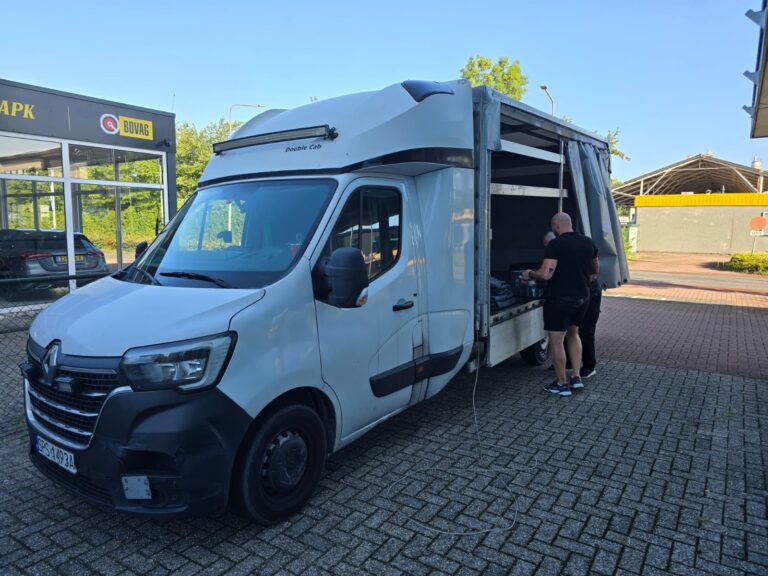
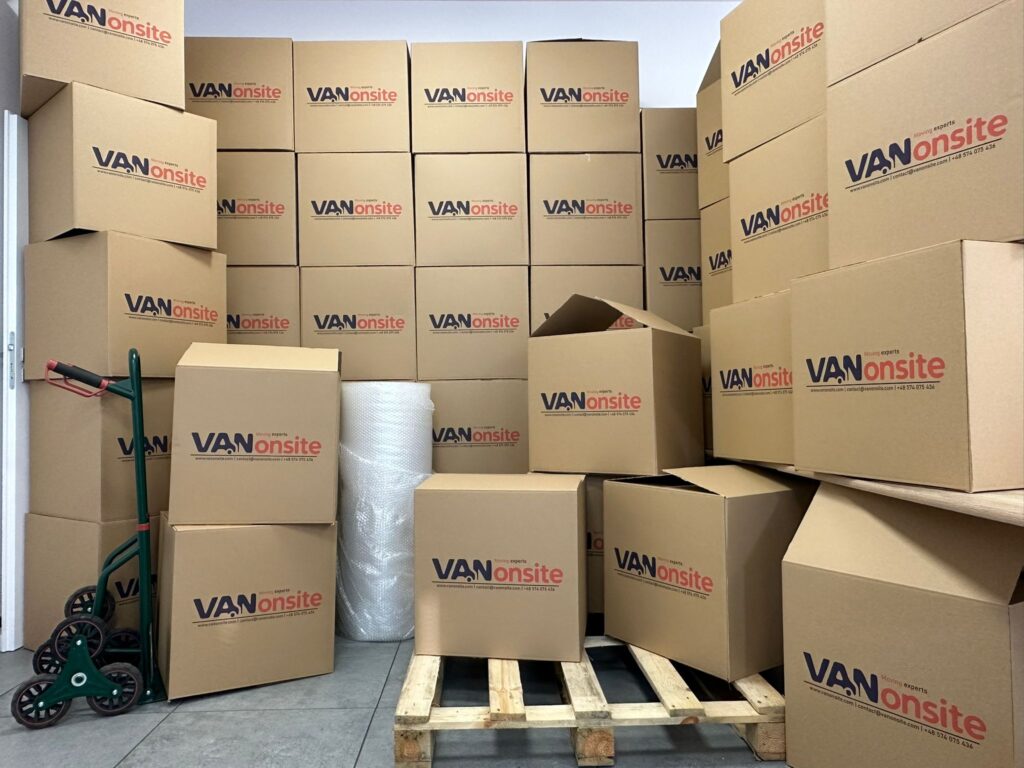
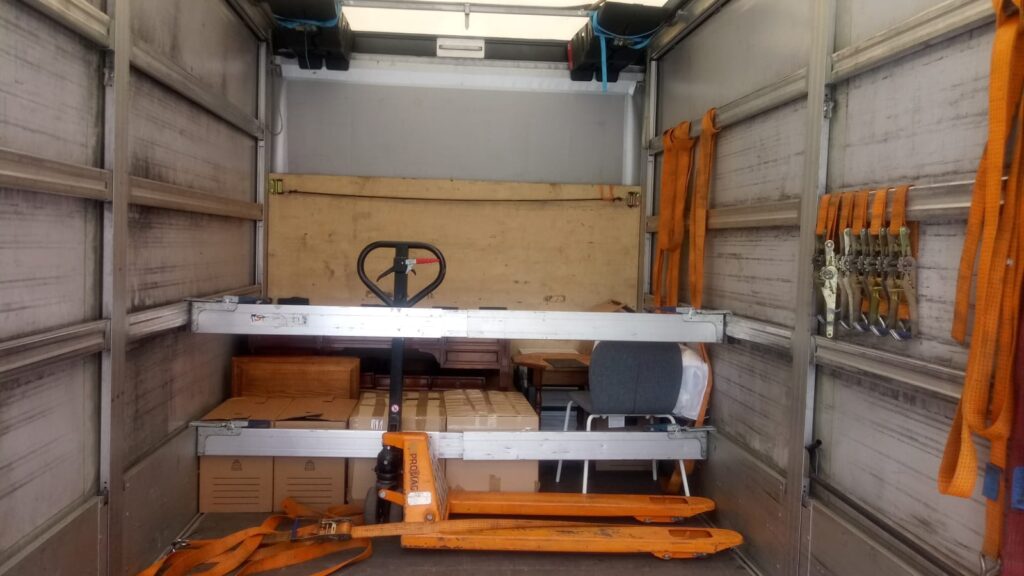
VANonsite provides secure removals to Ireland for individuals, students, families and businesses. GPS tracking provides visibility throughout the journey, while flexible vehicle sizes help avoid paying for unnecessary capacity.
| Moving option | Capacity | Maximum weight | Best suited for |
|---|---|---|---|
| Moving One | 1 m³ | 100 kg | Boxes, luggage and personal items |
| Moving Basic | 5 m³ | 300 kg | Student moves and small studios |
| Moving Medium | 10 m³ | 500 kg | Apartments and selected furniture |
| Moving Premium | 15 m³ | 1,100 kg | Larger flats and partial home moves |
| Moving Premium Plus | 30 m³ | 3,500 kg | Family homes and offices |
| Moving Full House XXL | 90 m³ | 20,000 kg | Full houses and commercial moves |
Available support includes:
- Home Removals
- Furniture Removals
- Packing Service
- White Glove Delivery
- Office Removals
- Student Removals
- Storage
- Last Minute Moving
- Office Furniture Installation
- Man and van transport
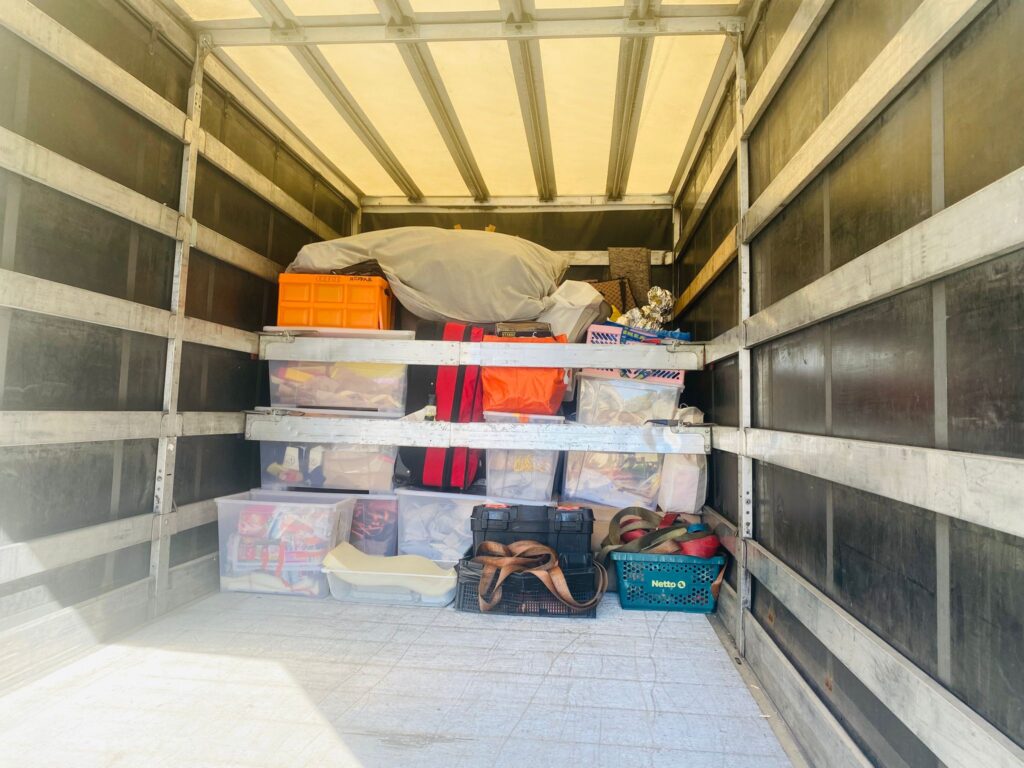
Professional packing is especially valuable for fragile or high-value items. Keep medication, passports, work documents and essential clothing in your personal luggage.


Bringing a Car and Moving With a Family
Importing a vehicle requires separate planning. Vehicle Registration Tax, VAT, customs duty, registration deadlines and insurance may apply.
People transferring their normal residence to Ireland may qualify for Transfer of Residence relief from VRT when all conditions are met. A vehicle should generally be presented for an NCTS appointment within seven days and registered within 30 days of entering Ireland.
Check the latest Revenue guidance before bringing a car. Long-term ownership alone does not guarantee relief.
Families should coordinate employment, housing, healthcare and education. Research schools before signing a long-term lease, and prepare:
- Passports
- Birth certificates
- Previous school reports
- Medical and vaccination records
- Proof of address
- Special educational needs documentation
Include childcare in the budget from the beginning, as availability and prices can differ considerably between locations.
Student Life and Work in Ireland
International students should check the conditions attached to their immigration permission.
Non-EEA students holding eligible Stamp 2 permission can generally work up to 20 hours per week during term time and up to 40 hours per week during designated holiday periods. Students with Stamp 2A permission are not allowed to work.
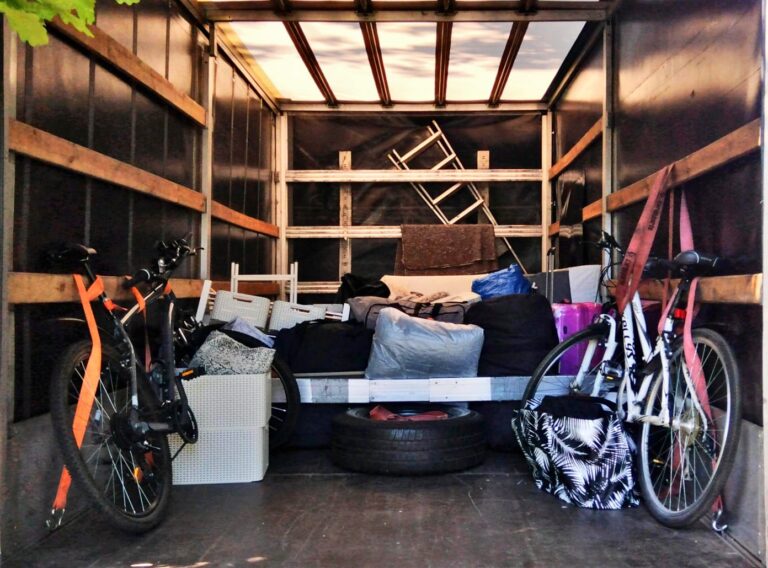
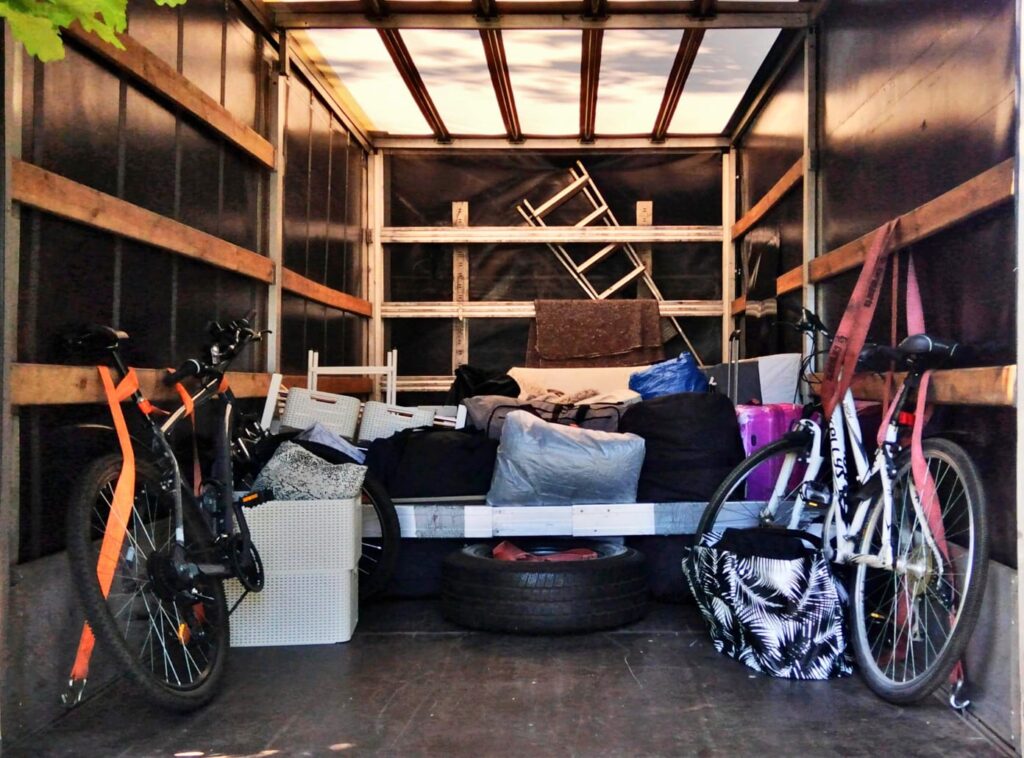
VANonsite Student Removals can support compact relocations involving suitcases, boxes, bicycles, computers and small furniture. Moving One and Moving Basic are practical choices for students who do not need a full-size removal vehicle.
Your First 30 Days in Ireland
In your first month, inspect the property, confirm payroll, apply for a PPS Number, arrange banking and utilities, find a GP and test your commute.
Review your first payslip carefully. Check that your tax credits, PAYE, USC and PRSI deductions are correct. You should also begin any school or vehicle registrations and provide your permanent address to your employer.
Keeping all employment, tax, tenancy and removal documents in one organised folder can make these first weeks considerably easier.
Common Mistakes to Avoid
Common mistakes include:
- Moving before confirming the right to work
- Assuming British payroll automatically resolves Irish tax
- Paying a rental deposit before verifying a property
- Failing to record cross-border workdays
- Packing passports inside the removal vehicle
- Ignoring customs rules for goods arriving from Great Britain
- Bringing a car without checking VRT requirements
- Booking transport too late
- Choosing a mover based only on the lowest quote
The lowest moving quote may exclude packing, customs support, unloading, insurance or protection for fragile furniture. Always check exactly what the price includes.
Why Choose VANonsite for Removals to Ireland?
VANonsite combines flexible capacity with careful European transport. Customers can choose a compact man and van solution, a dedicated vehicle or a large option for an entire home or office.
Every load is GPS tracked. Vehicle capacities range from 1 m³ to 90 m³, supporting everything from a few student boxes to 20,000 kg of household or commercial goods.
Services can include:
- Professional packing and unpacking
- Secure furniture transport
- Home and office removals
- Student relocations
- Storage
- Furniture installation
- White Glove Delivery
- Last Minute Moving
- Man and van transport
Whether you are relocating for a new job, moving your family or beginning university, the service can be adapted to your route, schedule, volume and handling requirements.
Plan your removals to Ireland with VANonsite and request a tailored quotation.
Frequently Asked Questions About Living and Working in Ireland
Can a British citizen live and work in Ireland?
Yes. British citizens can live and work in Ireland under the Common Travel Area. They do not normally need an Irish employment permit, although tax, PPS Number and public service registrations may still be required.
Can I work for a UK company while living in Ireland?
Yes, but the arrangement may create Irish payroll and tax obligations. Work physically performed in Ireland can fall within Irish PAYE, even when the employer and contract are based in the UK.
Where do I pay tax if I live in Ireland and work in the UK?
The answer depends on tax residence, the physical location of work and the Ireland and UK Double Taxation Agreement. Relief may be available for tax paid in the other country.
Do EU citizens need a work permit in Ireland?
EU, EEA and Swiss citizens generally do not need an employment permit. They may still need to complete tax, banking and public service registrations.
Is living and working in Ireland expensive?
It can be expensive, particularly in Dublin. Housing is usually the largest cost. Cork, Galway, Limerick, Waterford and smaller towns can offer a different balance between employment, rent and commuting.
Can VANonsite move only a few boxes?
Yes. Moving One offers 1 m³ and up to 100 kg, while Moving Basic offers 5 m³ and up to 300 kg. Both options suit boxes, luggage, student belongings and compact man and van moves.
Is Living and Working in Ireland Right for You?
Living and working in Ireland can offer valuable career opportunities and a refreshing lifestyle. British, Irish, EU, EEA and Swiss citizens have relatively straightforward labour market access, while skilled non-EEA professionals can explore employment permit routes.
The most important preparation involves confirming your right to work, understanding where your salary will be taxed, finding realistic accommodation and organising the physical relocation.
Cross-border workers and remote employees should obtain written approval from their employers and review Irish and UK tax obligations before moving. Families and students should plan healthcare, education, banking and transport in advance.
With professional packing, GPS-tracked transport and vehicles from 1 m³ to 90 m³, VANonsite can make your arrival in Ireland safer, clearer and considerably less stressful.