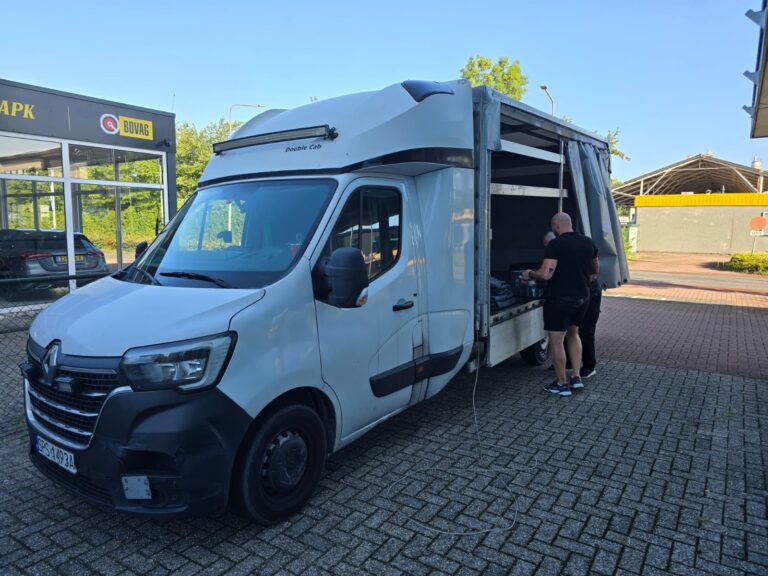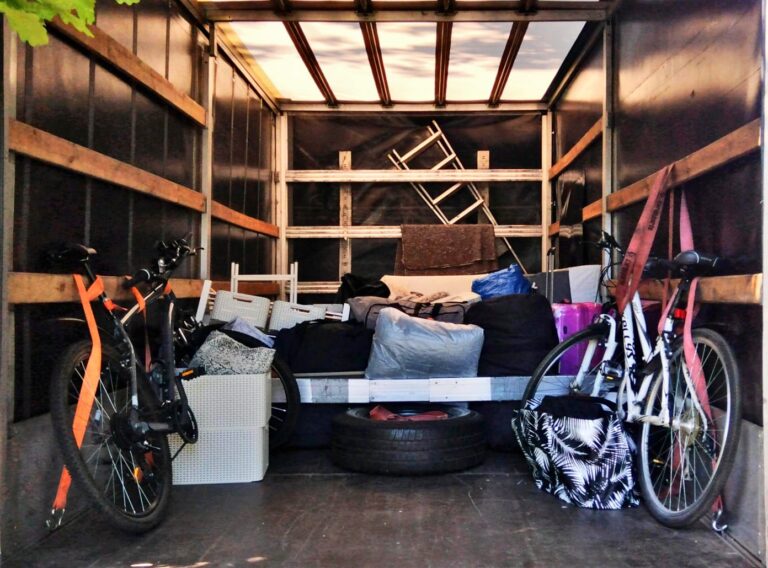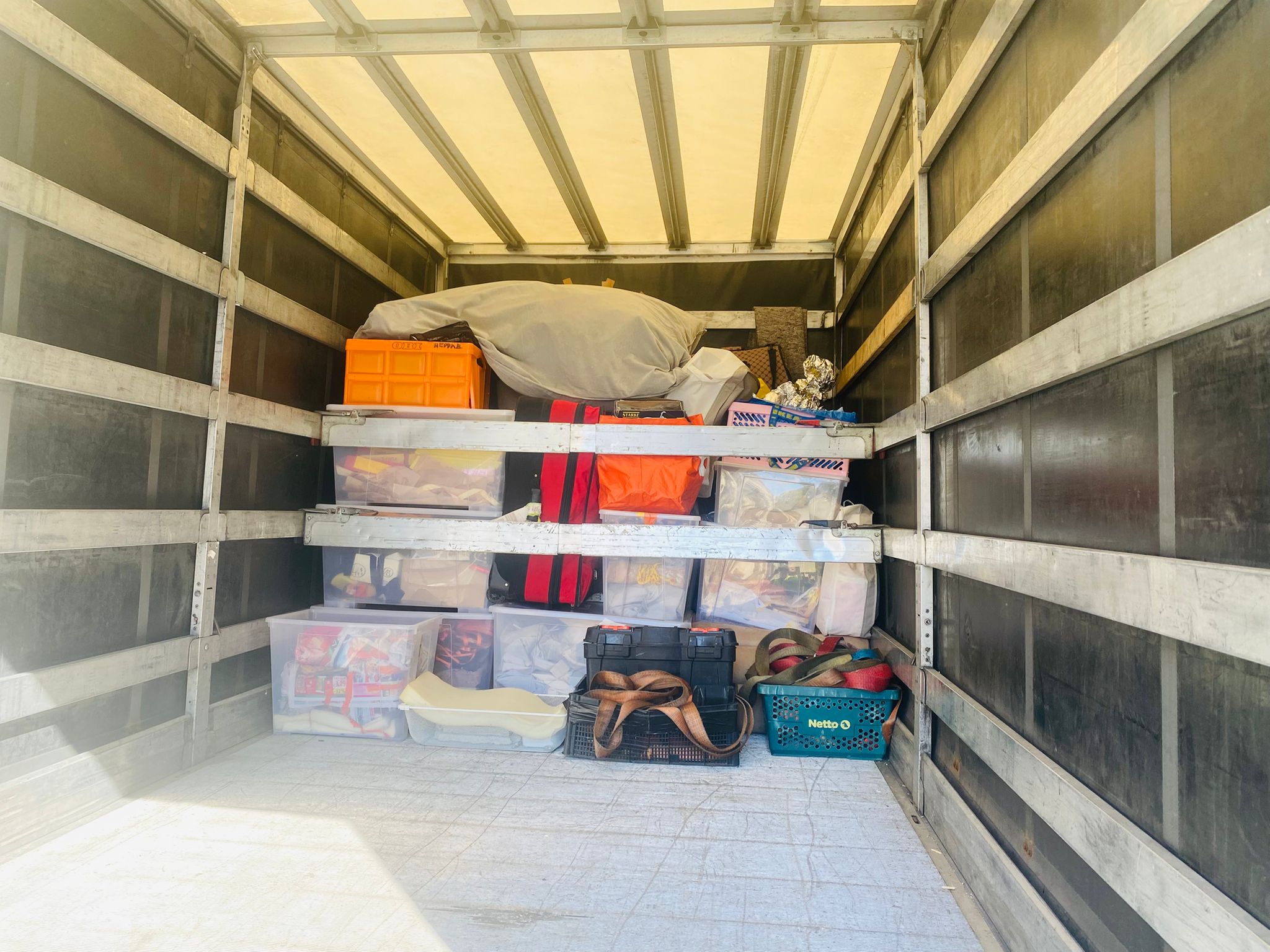

Moving from Denmark to the UK is a cross-border removal, not ordinary parcel shipping. The collection address, volume, access, ferry or Channel crossing, customs file and delivery slot all need to work together. VANonsite plans that chain as one job, with a choice of part-load or dedicated transport and an automatic quote you can start below.

Use the form for an initial price. For a more precise plan, add the Danish and UK postcodes, preferred dates, a room-by-room list or photographs, floor and lift details, and any unusually heavy or fragile items. That information lets the VANonsite team check the right vehicle, realistic loading time and suitable route before confirming the move.
Denmark to UK removals: what actually needs planning
A Copenhagen flat with a narrow courtyard is a different operation from a detached house near Aarhus. Delivery to central London creates different access questions from delivery to Manchester, Birmingham or rural Scotland. Good Denmark to UK removals therefore begin with four practical checks:
- Inventory: what is moving, approximate volume, dismantling needs and items that require special handling.
- Access: floors, lifts, stairs, parking distance, time restrictions and whether a smaller shuttle vehicle could be needed.
- Paperwork: the reason for the move, ownership and use of the goods, a clear inventory and any Transfer of Residence relief reference that applies.
- Timing: collection window, ferry or Channel crossing availability, legal driving hours, customs readiness and the receiving address.
These details are also why a useful quote cannot be reduced to kilometres alone. Two loads travelling between the same cities may need different vehicles, crew time and handling protection.
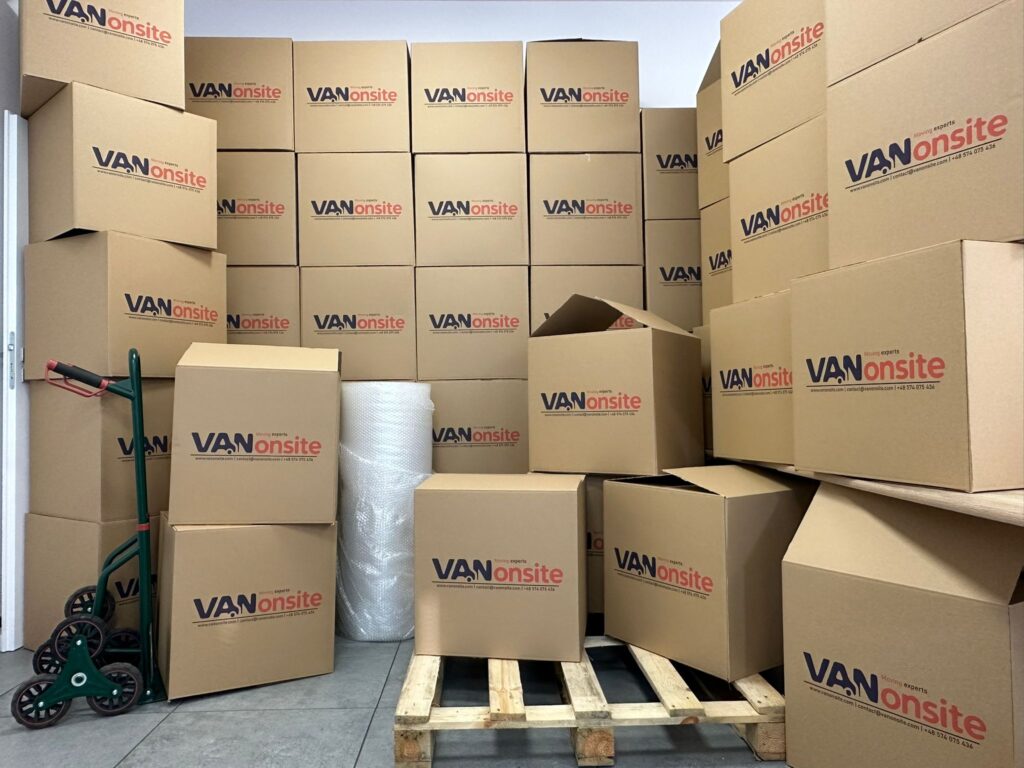
Part-load or dedicated transport from Denmark to the UK?
The best service depends on the size of the load and how fixed the dates are. VANonsite does not force every move into the same model.
Part-load removals
A part-load combines compatible consignments travelling in the same direction. It can be a sensible choice for boxes, selected furniture, a student move or the contents of a smaller flat. The main trade-off is scheduling: collection and delivery need enough flexibility for route consolidation. Every consignment should still be identified and protected separately.
Dedicated removals
A dedicated vehicle carries only your consignment. It provides tighter control over collection, routing and delivery and is usually the better fit for a full household, a date-critical relocation, delicate furniture or difficult access. Where availability, the collection slot, the route, the ferry or Channel crossing, documents and both addresses allow it, VANonsite can also assess a Last-Minute Moving option with transit in approximately 1–3 days. This is an express possibility, not a universal promise; the confirmed schedule belongs in the individual move plan.
If you are unsure, send the inventory first. VANonsite can compare the practical difference between the two solutions rather than asking you to choose blindly.
The route from Denmark to Great Britain
Most road plans leave Denmark through Jutland and Germany, then continue towards a North Sea ferry or a short-Channel crossing. The correct corridor depends on the origin and destination, sailing availability, vehicle dimensions and driving-time limits. A load from Zealand may start via the Great Belt, while a collection in Jutland begins much farther west. Harwich can suit some East of England destinations; Calais or Dunkirk may be more practical for London and parts of southern Britain. The shortest-looking map is not always the most reliable moving schedule.
VANonsite builds in time for loading, documents and access rather than advertising an unrealistic road-only estimate. Weather, port disruption and last-minute building restrictions can change the final sequence, so the confirmed collection and delivery window is agreed for each booking.
Why the collection and delivery postcodes matter
“Denmark to UK” can describe a short urban-to-urban move or a route with hundreds of additional kilometres. A collection in Copenhagen and delivery in Kent produces a different operational plan from Aalborg to Glasgow. The postcode pair affects the port choice, road sequence, likely overnight stops and whether city restrictions apply. It also tells the coordinator whether the same vehicle can reach both doors or whether a smaller local vehicle may be needed.
Share the full address as early as possible, including a flat or unit number. If the final UK address is not yet confirmed, give the likely area and explain what is uncertain. The initial estimate can then state its assumptions, and the team can update the plan once the address is fixed. This is more useful than presenting a deceptively precise price based on two country names.
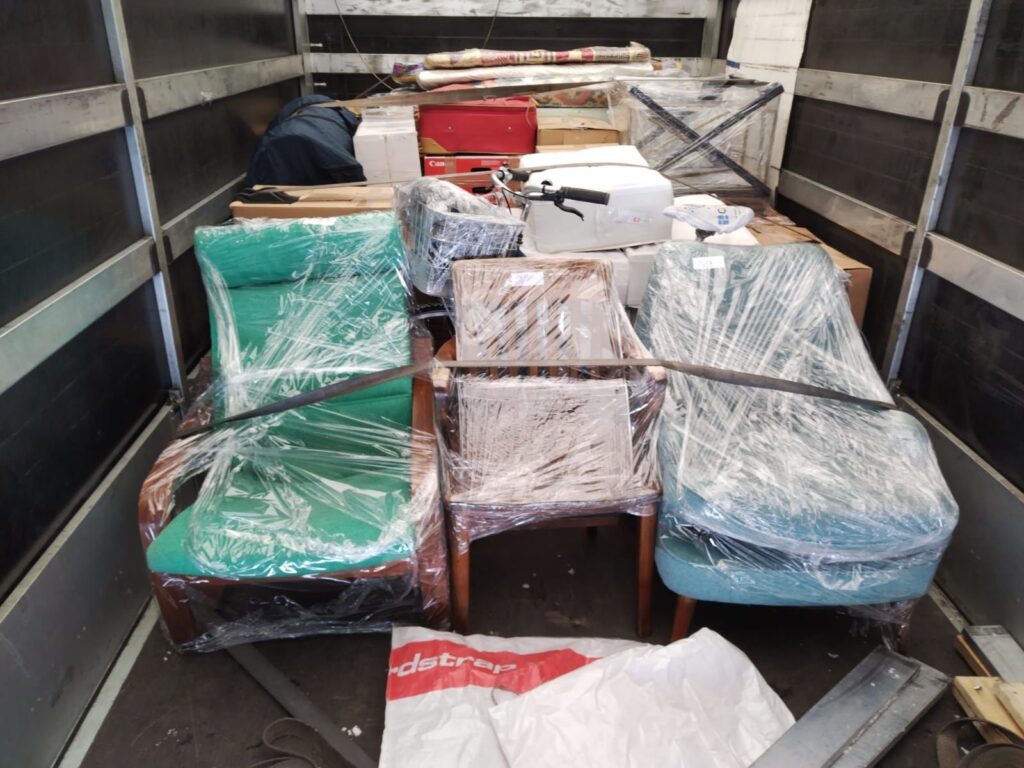
Customs and Transfer of Residence after Brexit
Goods moving from Denmark into Great Britain cross a customs border. If you are transferring your normal home, you may qualify for Transfer of Residence relief, commonly called ToR or ToR1. Eligibility and approval are decided by HMRC, not by the removals company. Read the current GOV.UK Transfer of Residence guidance and use the official ToR1 application guidance before the goods travel.
A practical customs file normally starts with:
- a clear, numbered inventory in English;
- identification and contact details;
- the Danish collection and UK delivery addresses;
- evidence connected with the change of residence where required;
- the ToR relief reference or other customs instructions that apply;
- separate disclosure of new purchases, alcohol, tobacco, vehicles or restricted goods.
Do not describe boxes only as “miscellaneous”. “Box 12 — used kitchen utensils” is more useful than an unclear label. Keep passports, medication, jewellery, cash, keys and original immigration documents with you. Rules can change and individual circumstances differ, so official guidance takes priority. The GOV.UK moving-to-the-UK hub is the right starting point for immigration and arrival requirements.
Packing for Denmark to UK shipping
Searches for Denmark to UK shipping often hide very different jobs: ten boxes, a sofa and dining set, a studio flat or a complete family home. A removals vehicle needs a stable load plan for each one. Boxes should be filled so they do not collapse, furniture edges protected, mattresses covered and loose components bagged and labelled. Screens, mirrors, stone, artwork and musical instruments need item-specific protection.
- Label at least two sides of every box with room and number.
- Put books and dense items in smaller boxes to keep individual weights manageable.
- Photograph furniture before dismantling and keep fittings with the item.
- Mark fragile pieces, but also tell the coordinator where they sit in the inventory.
- Prepare a separate first-night box that travels with you where possible.
Clients can self-pack or add professional packing services. For single pieces, antiques or higher-risk surfaces, ask whether White Glove handling is appropriate. A photo survey helps the team decide what protection is actually needed instead of selling unnecessary materials.
On moving day, the inventory should match what is ready at the property. Extra unlisted pieces can change the volume, loading time or vehicle requirement. Tell the coordinator about changes before collection; solving them during planning is far safer than discovering them when the van is at the door.
Copenhagen, Aarhus and UK city access
Access is one of the most common causes of avoidable delay. In Copenhagen, courtyards, cycle lanes, shared entrances and limited kerb space can affect the collection. In Aarhus or Odense, apartment floors and parking distance still matter even when the road approach is simpler. At the UK end, controlled parking, red routes, loading limits, narrow terraces and building booking systems need to be checked before arrival.
For a London delivery, the route plan may also need to account for the Congestion Charge and the Ultra Low Emission Zone. These are vehicle and route considerations, not charges that should be guessed from the postcode alone.
Before quotation, send photographs of the building frontage, entrance, stairs and lift. Mention a long carry, low arch, timed loading bay or fragile floor. This small step often prevents a wrong vehicle or an undersized crew.
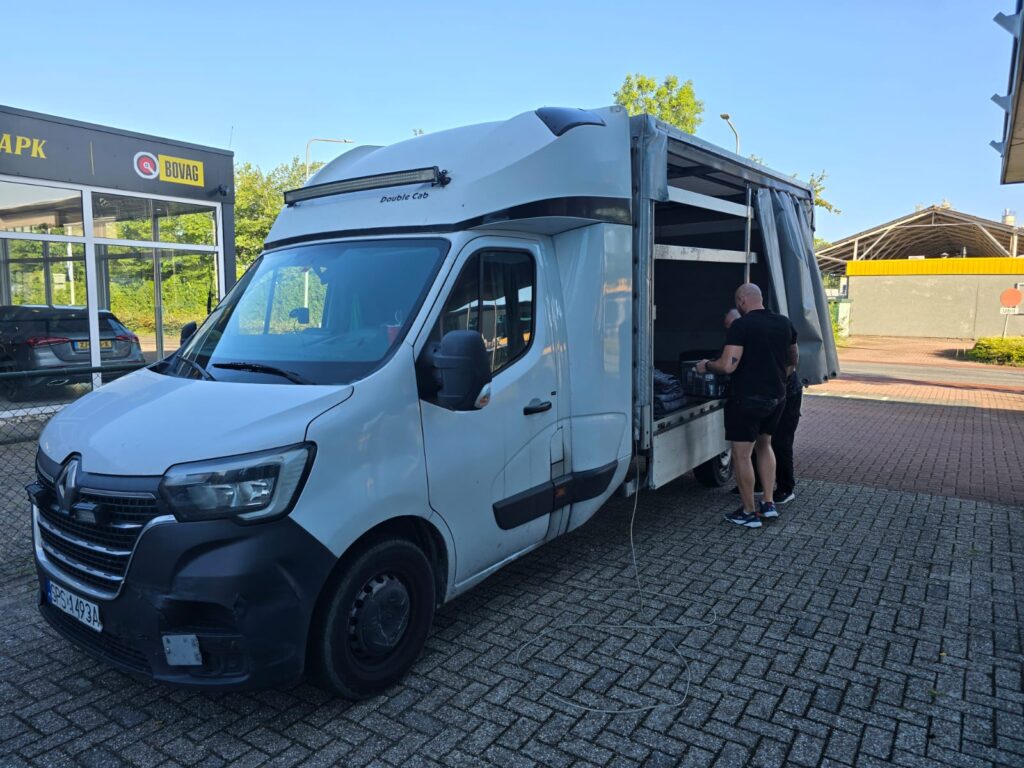
What determines the price of removals from Denmark to the UK?
A credible price is based on the work involved. The main variables are load volume and weight, collection and delivery postcodes, part-load versus dedicated service, date flexibility, stairs and carrying distance, crew time, vehicle access, crossing costs, customs requirements, packing and special items. This is why generic “per kilometre” figures can be misleading.
You can improve quote accuracy by supplying a complete inventory at the start. Photographs are particularly useful for wardrobes, sofas, appliances, bicycles, plants and awkward pieces. If the move date is flexible, say so: that can make part-load consolidation possible. If keys or tenancy dates are fixed, state the non-negotiable deadline so the team can assess a dedicated plan.
How VANonsite manages the move
VANonsite specialises in European removals and treats the Denmark–UK corridor as an end-to-end logistics job. The coordinator checks the inventory, both addresses, handling requirements and document readiness before the schedule is confirmed. The aim is simple: the agreed service should match the real load and the real access.
- Quote: enter the route and load details in the automatic form.
- Survey: add photos, measurements and access notes where needed.
- Plan: confirm part-load or dedicated transport, handling scope and dates.
- Documents: provide the inventory and applicable customs information before collection.
- Collection: the crew protects, checks and loads the agreed consignment.
- Delivery: goods are placed according to the booked service and checked at handover.
For the opposite direction, use the main removals to Denmark page. Keeping the two directions separate helps clients reach the correct customs and route information.
Frequently asked questions
How long does moving from Denmark to the UK take?
There is no responsible universal transit time. It depends on the origin and destination, load size, access, service type, ferry or Channel crossing, customs readiness and legal driving hours. A dedicated or Last-Minute Moving option may achieve approximately 1–3 days when availability and all route conditions permit it. Part-load transport normally needs a wider window because consignments are consolidated.
Do I need ToR1 for used household goods?
You may be able to claim Transfer of Residence relief if you meet HMRC’s conditions. It is not automatic and not every item qualifies. Check the current GOV.UK rules and obtain the relevant reference or instructions before transport.
Can VANonsite move only furniture or boxes?
Yes. A part-load can suit selected furniture, personal effects or boxes, while a dedicated vehicle can suit larger or time-sensitive consignments. For furniture-specific preparation, see furniture removals.
Can pets travel in the removals vehicle?
The removals service is for belongings, not pet transport. Owners should arrange an approved pet route and follow the latest rules for bringing a pet to Great Britain.
What should I send for the most accurate quote?
Send both postcodes, preferred and flexible dates, a full inventory or clear photos, floors and lift details, parking distance, dismantling needs and any fragile, oversized or heavy items. The automatic form gives the starting estimate; the extra detail turns it into an operational plan.
Get a Denmark to UK removals quote
If you are moving to the UK from Denmark, start with the automatic quote above. VANonsite will then review the inventory, access, dates and customs readiness and recommend the service that fits the job. You receive a route-specific plan rather than a generic promise — the practical difference between simply booking transport and organising a controlled international removal.