Expats in Switzerland often arrive with a clear dream: safer streets, better salaries, reliable public transport, clean cities and the kind of everyday order that makes life feel calmer. Switzerland can offer all of that. It is precise, prosperous and breathtakingly beautiful. Yet moving there is not something to improvise in the final week.
For expats in Switzerland, the first stage is usually full of practical decisions. You need the right permit route, a realistic budget, health insurance, a place to live, customs paperwork and a reliable way to transport your belongings. The country rewards preparation. It also makes mistakes expensive.
Switzerland has become deeply international. According to the Swiss Federal Statistical Office, the country passed 9 million permanent residents in 2024, with around 2.48 million permanent foreign residents. Italian, German, Portuguese and French nationals are among the largest foreign resident groups. This makes daily life in Swiss cities diverse, multilingual and globally connected.
A successful relocation starts before the van arrives. VANonsite helps expats in Switzerland move with GPS tracked transport, professional packing, careful handling, flexible vehicle sizes and practical man and van solutions. Whether you are moving a few boxes, a student room, a full apartment or a family house, planning the move properly can save time, money and stress. For full service details, visit removals to Switzerland.
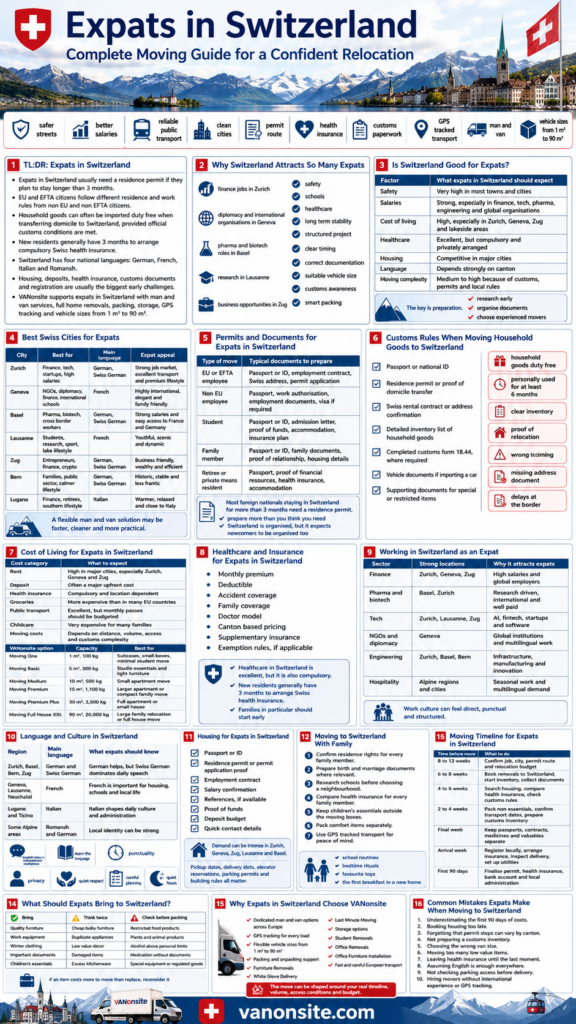
TL:DR: Expats in Switzerland
- Expats in Switzerland usually need a residence permit if they plan to stay longer than 3 months.
- EU and EFTA citizens follow different residence and work rules from non EU and non EFTA citizens.
- Household goods can often be imported duty free when transferring domicile to Switzerland, provided official customs conditions are met.
- New residents generally have 3 months to arrange compulsory Swiss health insurance.
- Switzerland has four national languages: German, French, Italian and Romansh.
- Housing, deposits, health insurance, customs documents and registration are usually the biggest early challenges.
- VANonsite supports expats in Switzerland with man and van services, full home removals, packing, storage, GPS tracking and vehicle sizes from 1 m³ to 90 m³.




Why Switzerland Attracts So Many Expats
Expats in Switzerland are rarely moving for one reason only. Some come for finance jobs in Zurich. Others arrive for diplomacy and international organisations in Geneva, pharma and biotech roles in Basel, research in Lausanne or business opportunities in Zug. Many families move for safety, schools, healthcare and long term stability.
Switzerland feels compact on the map, but it is surprisingly varied in real life. A move to Geneva is not the same as a move to Zurich. Basel has a different rhythm from Lugano. Bern feels calmer than Zug. Each canton may have its own administrative expectations, language habits and housing market pressure.
That is why expats in Switzerland should treat relocation as a structured project, not just a transport job. The right move includes clear timing, correct documentation, suitable vehicle size, customs awareness and smart packing. A reliable man and van service can make a huge difference, especially when access is limited, timelines are tight or the move involves several European countries.
Is Switzerland Good for Expats?
Switzerland is a strong choice for expats who value safety, high quality services, clean infrastructure and career growth. Salaries are among the most attractive in Europe, especially in sectors such as finance, technology, pharmaceuticals, engineering and international administration.
Still, expats in Switzerland need to be honest about costs. Rent can be high. Health insurance is compulsory. Dining out is expensive. Childcare can surprise families. The first 90 days are often the toughest because several major costs arrive together: deposit, temporary accommodation, moving costs, insurance, furniture and local registration.
| Factor | What expats in Switzerland should expect |
|---|---|
| Safety | Very high in most towns and cities |
| Salaries | Strong, especially in finance, tech, pharma, engineering and global organisations |
| Cost of living | High, especially in Zurich, Geneva, Zug and lakeside areas |
| Healthcare | Excellent, but compulsory and privately arranged |
| Housing | Competitive in major cities |
| Language | Depends strongly on canton |
| Moving complexity | Medium to high because of customs, permits and local rules |
For many people, the benefits outweigh the challenges. The key is preparation. Expats in Switzerland who research early, organise documents and choose experienced movers usually settle faster and avoid the most painful surprises.
Best Swiss Cities for Expats
Not every Swiss city has the same personality. Some feel corporate and polished. Others are elegant, academic, quiet or sun washed. For expats in Switzerland, the best place to live depends on salary, work sector, language, family needs, commute and housing budget.
| City | Best for | Main language | Expat appeal |
|---|---|---|---|
| Zurich | Finance, tech, startups, high salaries | German, Swiss German | Strong job market, excellent transport and premium lifestyle |
| Geneva | NGOs, diplomacy, finance, international schools | French | Highly international, elegant and family friendly |
| Basel | Pharma, biotech, cross border workers | German, Swiss German | Strong salaries and easy access to France and Germany |
| Lausanne | Students, research, sport, lake lifestyle | French | Youthful, scenic and dynamic |
| Zug | Entrepreneurs, finance, crypto | German, Swiss German | Business friendly, wealthy and efficient |
| Bern | Families, public sector, calmer lifestyle | German, Swiss German | Historic, stable and less frantic |
| Lugano | Finance, retirees, southern lifestyle | Italian | Warmer, relaxed and close to Italy |
City access also matters. Expats in Switzerland often move into apartments with narrow staircases, tight lifts, limited parking or restricted loading zones. In such cases, the biggest truck is not always the best choice. A flexible man and van solution may be faster, cleaner and more practical.
VANonsite can match the vehicle to the building, volume and route. That means a compact van for a small student move, a 15 m³ option for a larger apartment or a full house solution for families arriving with furniture, appliances and personal belongings.
Permits and Documents for Expats in Switzerland
Most foreign nationals staying in Switzerland for more than 3 months need a residence permit. The exact process depends on nationality, purpose of stay and canton. Official guidance is available through the Swiss government portal at ch.ch residence permits.
Work rules also depend on nationality. EU and EFTA citizens benefit from different conditions than citizens from outside the EU and EFTA. Anyone planning to work should check the official guidance on working in Switzerland as a foreign national and, where needed, the State Secretariat for Migration.
| Type of move | Typical documents to prepare |
|---|---|
| EU or EFTA employee | Passport or ID, employment contract, Swiss address, permit application |
| Non EU employee | Passport, work authorisation, employment documents, visa if required |
| Student | Passport or ID, admission letter, proof of funds, accommodation, insurance plan |
| Family member | Passport or ID, family documents, proof of relationship, housing details |
| Retiree or private means resident | Passport, proof of financial resources, health insurance, accommodation |
Expats in Switzerland should also check their cantonal migration office. Local steps can differ, and some cantons may require specific appointment systems, forms or supporting documents.
The practical rule is simple: prepare more than you think you need. Switzerland is organised, but it expects newcomers to be organised too.
Customs Rules When Moving Household Goods to Switzerland
Customs is one of the most important parts of an international move. Expats in Switzerland may often import household goods duty free when they transfer domicile to Switzerland and meet the relevant conditions. The official Swiss customs authority explains this under household effects and relocation procedures on the Federal Office for Customs and Border Security website.
In many standard relocation cases, household goods should have been personally used for at least 6 months and should continue to be used after importation. The household effects declaration commonly involves form 18.44, supported by a clear inventory and proof of relocation.
Expats in Switzerland should usually prepare:
- Passport or national ID
- Residence permit or proof of domicile transfer
- Swiss rental contract or address confirmation
- Detailed inventory list of household goods
- Completed customs form 18.44, where required
- Vehicle documents if importing a car
- Supporting documents for special or restricted items
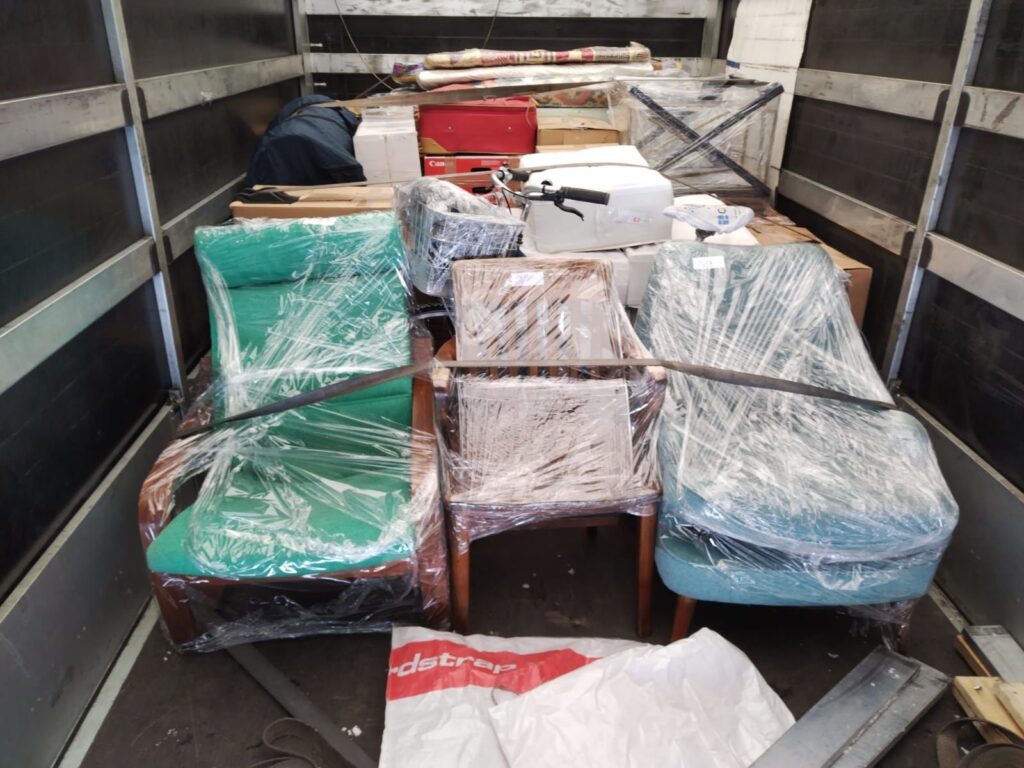
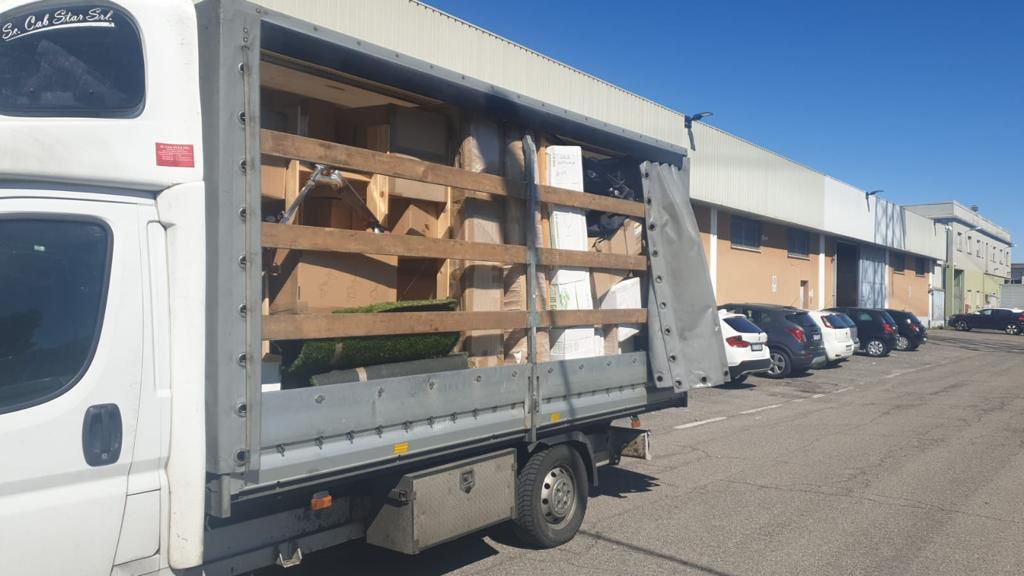
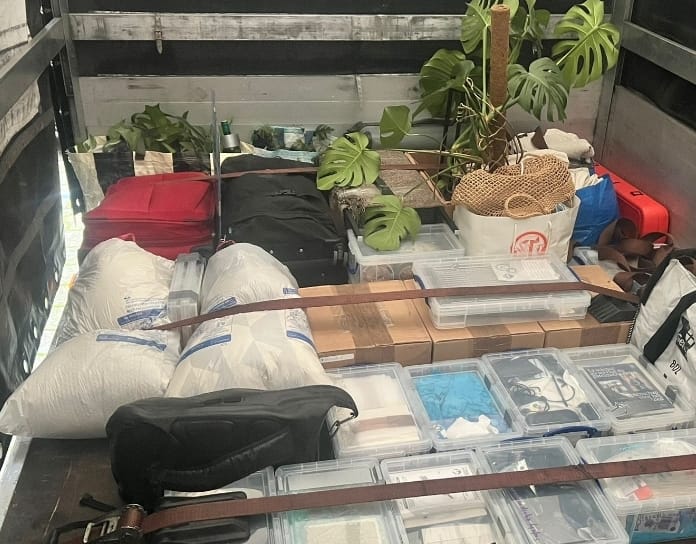
This is where poor planning can become costly. A vague inventory, wrong timing or missing address document can create delays at the border. VANonsite helps clients prepare moves in a structured way, with clear load planning, practical scheduling and GPS tracked transport from pickup to delivery.
Cost of Living for Expats in Switzerland
Switzerland is not a low cost country. Expats in Switzerland should expect high quality, but also high monthly commitments. Rent, health insurance, groceries, childcare and eating out can all feel expensive compared with many European countries.
The first months need special attention. A person might earn a strong salary, but still face intense upfront expenses. These can include a rental deposit, temporary accommodation, furniture, transport, insurance, administration fees and moving costs.
| Cost category | What to expect |
|---|---|
| Rent | High in major cities, especially Zurich, Geneva and Zug |
| Deposit | Often a major upfront cost |
| Health insurance | Compulsory and location dependent |
| Groceries | More expensive than in many EU countries |
| Public transport | Excellent, but monthly passes should be budgeted |
| Childcare | Very expensive for many families |
| Moving costs | Depends on distance, volume, access and customs complexity |
For expats in Switzerland, a precise moving quote is more than a convenience. It protects the relocation budget. VANonsite offers several vehicle sizes, so customers can choose the right capacity instead of paying for unnecessary space.
| VANonsite option | Capacity | Best for |
|---|---|---|
| Moving One | 1 m³, 100 kg | Suitcases, small boxes, minimal student move |
| Moving Basic | 5 m³, 300 kg | Studio essentials and light furniture |
| Moving Medium | 10 m³, 500 kg | Small apartment move |
| Moving Premium | 15 m³, 1,100 kg | Larger apartment or compact family move |
| Moving Premium Plus | 30 m³, 3,500 kg | Full apartment or small house |
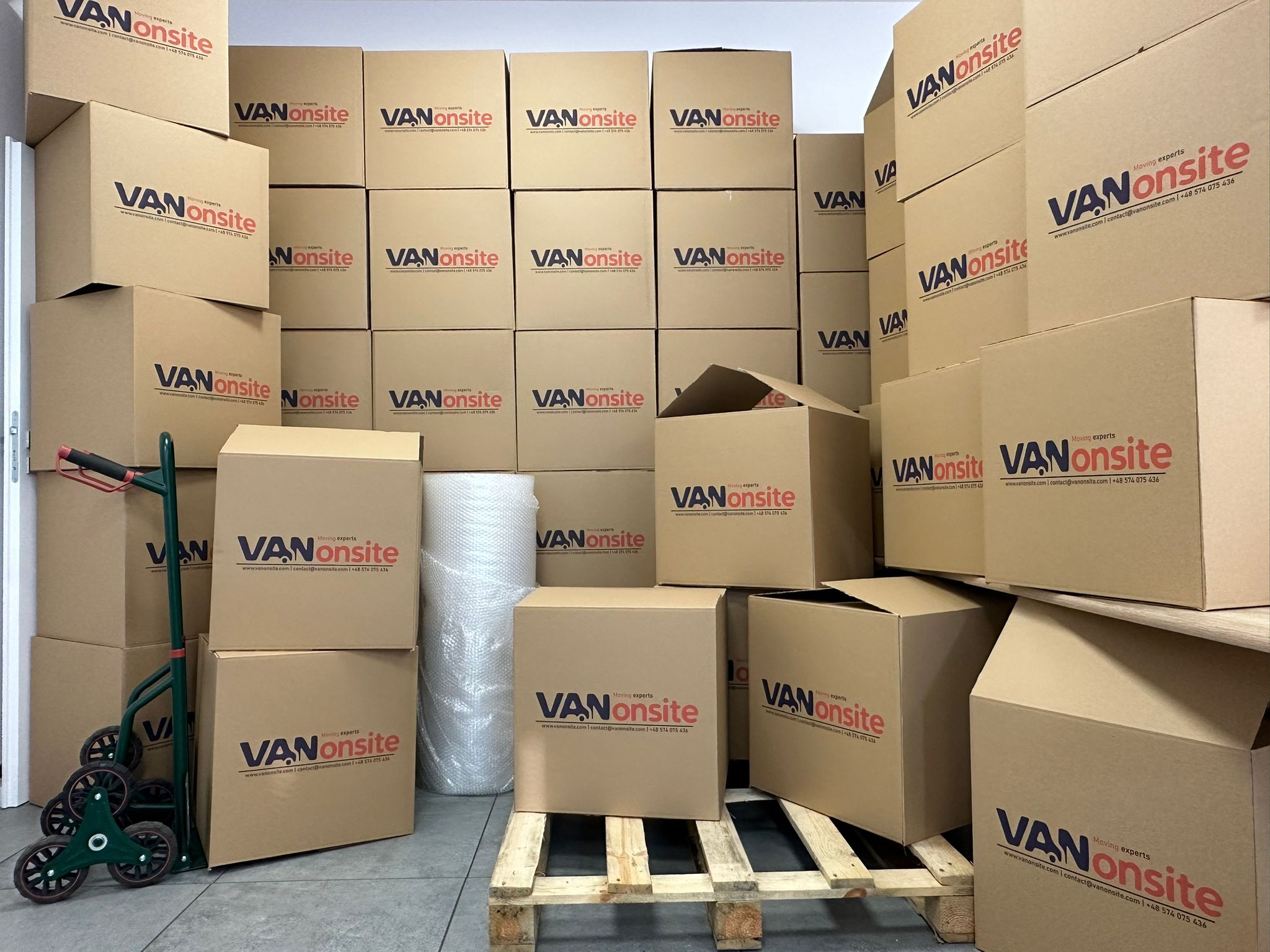
| Moving Full House XXL | 90 m³, 20,000 kg | Large family relocation or full house move |
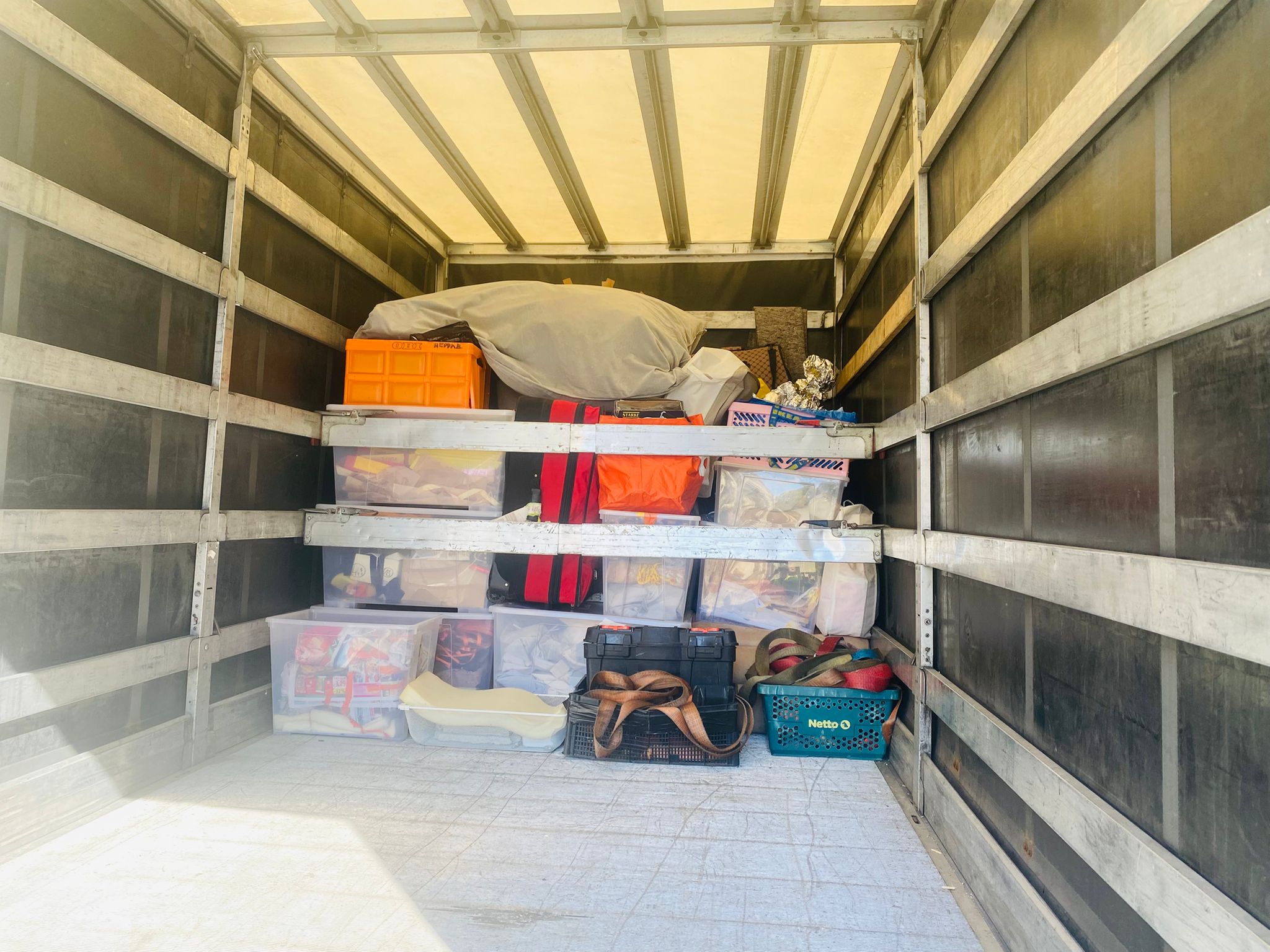
For a single professional, a compact man and van move may be enough. For a family, a larger dedicated vehicle can protect timing and reduce handling. For office furniture or fragile items, professional packing and careful loading become even more important.
Healthcare and Insurance for Expats in Switzerland
Healthcare in Switzerland is excellent, but it is also compulsory. New residents generally have 3 months to arrange Swiss health insurance. Official information is available through the Swiss government health insurance pages at ch.ch.
Health insurance costs vary by canton, provider, deductible and insurance model. Expats in Switzerland should compare several offers instead of accepting the first available option. The right choice depends on your age, family situation, health needs and appetite for deductible risk.
When comparing policies, check:
- Monthly premium
- Deductible
- Accident coverage
- Family coverage
- Doctor model
- Canton based pricing
- Supplementary insurance
- Exemption rules, if applicable
This should not be left until the last minute. Families in particular should start early, because every family member needs appropriate coverage.
Working in Switzerland as an Expat
Switzerland has a powerful labour market, but work authorisation matters. Most foreign nationals need permission to work, and the process depends on citizenship, employer, role and length of stay.
Expats in Switzerland are often attracted by strong sectors such as finance, pharma, technology, biotech, engineering, research, hospitality and international organisations.
| Sector | Strong locations | Why it attracts expats |
|---|---|---|
| Finance | Zurich, Geneva, Zug | High salaries and global employers |
| Pharma and biotech | Basel, Zurich | Research driven, international and well paid |
| Tech | Zurich, Lausanne, Zug | AI, fintech, startups and software |
| NGOs and diplomacy | Geneva | Global institutions and multilingual work |
| Engineering | Zurich, Basel, Bern | Infrastructure, manufacturing and innovation |
| Hospitality | Alpine regions and cities | Seasonal work and multilingual demand |
Work culture can feel direct, punctual and structured. Meetings start on time. Emails are concise. Rules matter. At first, that can feel formal. Later, many expats in Switzerland appreciate the clarity and reliability.
Language and Culture in Switzerland
Switzerland has four national languages: German, French, Italian and Romansh. This matters because language affects paperwork, housing, schools, shopping, work and friendships.
| Region | Main language | What expats should know |
|---|---|---|
| Zurich, Basel, Bern, Zug | German and Swiss German | German helps, but Swiss German dominates daily speech |
| Geneva, Lausanne, Neuchatel | French | French is important for housing, schools and local life |
| Lugano and Ticino | Italian | Italian shapes daily culture and administration |
| Some Alpine areas | Romansh and German | Local identity can be strong |
English helps in international workplaces, especially in finance, technology, NGOs and global companies. Still, English is not enough everywhere. Expats in Switzerland who learn the local language usually settle faster, build stronger networks and feel less isolated.
Swiss culture rewards punctuality, privacy, quiet respect and careful planning. Apartment rules, recycling systems and quiet hours may feel strict at first. Yet these habits are part of the calm and order that make Switzerland so attractive.
Housing for Expats in Switzerland
Housing is one of the biggest challenges for expats in Switzerland. Demand can be intense in Zurich, Geneva, Zug, Lausanne and Basel. Good apartments may receive many applications, and landlords often expect complete documents.
Before viewings, prepare:
- Passport or ID
- Residence permit or permit application proof
- Employment contract
- Salary confirmation
- References, if available
- Proof of funds
- Deposit budget
- Quick contact details
Once the lease is signed, timing becomes critical. Pickup dates, delivery slots, elevator reservations, parking permits and building rules all matter. VANonsite can support furniture removals, home removals, packing services and storage when dates do not match perfectly.
For example, one person may need to leave Germany on Friday but receive Swiss keys on Monday. A student may need a small man and van delivery into Lausanne. A family may need a 30 m³ vehicle for a full apartment. A professional may need White Glove Delivery for fragile furniture in Zurich. Different moves need different plans.
Moving to Switzerland With Family
A family relocation is not only about boxes. It is school routines, bedtime rituals, favourite toys, kitchen essentials and the first breakfast in a new home.
Expats in Switzerland moving with children should research schools early. International schools are common in Zurich, Geneva, Basel and Lausanne, but fees can be high. Local schools can support integration, especially when children are young enough to learn the language quickly.
Family moving checklist:
- Confirm residence rights for every family member.
- Prepare birth and marriage documents where relevant.
- Research schools before choosing a neighbourhood.
- Compare health insurance for every family member.
- Keep children’s essentials outside the moving boxes.
- Pack comfort items separately.
- Use GPS tracked transport for peace of mind.
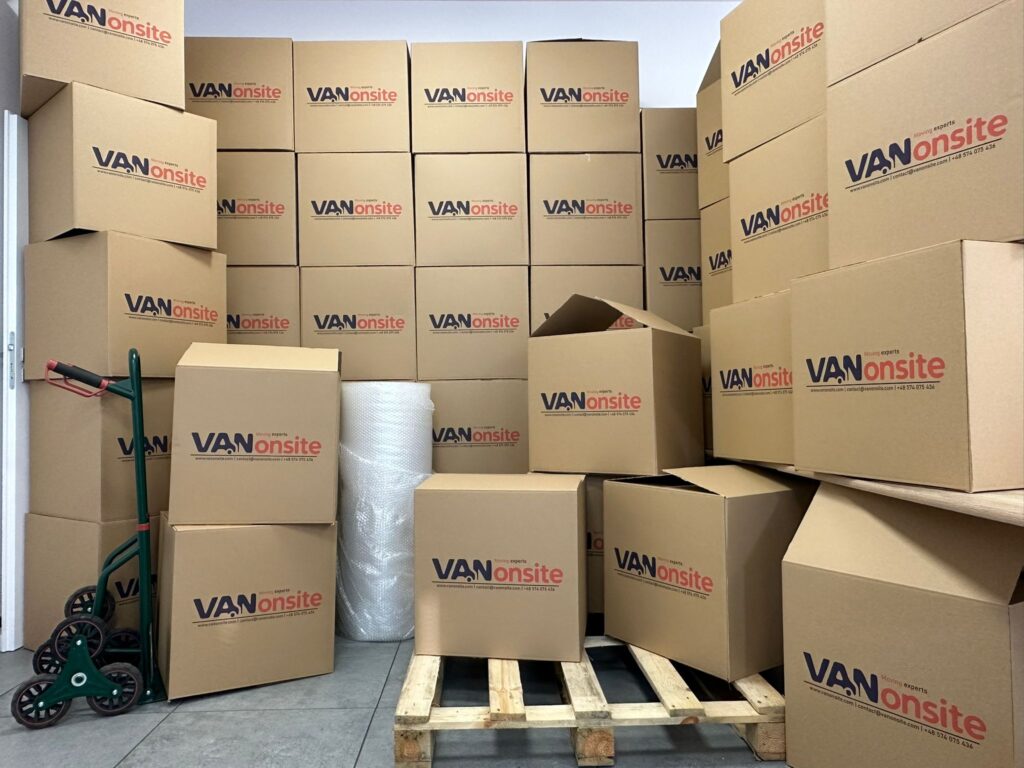
GPS tracking can be especially reassuring for families. Knowing where your belongings are during the journey makes it easier to plan arrival day, arrange help and reduce anxiety.

Moving Timeline for Expats in Switzerland
A smooth Swiss relocation is built in stages. Expats in Switzerland should avoid leaving logistics until the final week, because paperwork, customs documents, housing and delivery timing can overlap.
| Time before move | What to do |
|---|---|
| 8 to 12 weeks | Confirm job, city, permit route and relocation budget |
| 6 to 8 weeks | Book removals to Switzerland, start inventory, collect documents |
| 4 to 6 weeks | Search housing, compare health insurance, check customs rules |
| 2 to 4 weeks | Pack non essentials, confirm transport dates, prepare customs inventory |
| Final week | Keep passports, contracts, medicines and valuables separate |
| Arrival week | Register locally, arrange insurance, inspect delivery, set up utilities |
| First 90 days | Finalise permit, health insurance, bank account and local administration |
The earlier you book the move, the easier it is to choose the right vehicle size. Last Minute Moving is possible, but it needs clean information and fast decisions.
What Should Expats Bring to Switzerland?
Swiss apartments can be expensive, and storage space is not always generous. Expats in Switzerland should think carefully before moving low value bulky items. Bring what is useful, valuable, sentimental or difficult to replace.
| Bring | Think twice | Check before packing |
|---|---|---|
| Quality furniture | Cheap bulky furniture | Restricted food products |
| Work equipment | Duplicate appliances | Plants and animal products |
| Winter clothing | Low value decor | Alcohol above personal limits |
| Important documents | Damaged items | Medication without documents |
| Children’s essentials | Excess kitchenware | Special equipment or regulated goods |
A simple rule helps: if an item costs more to move than replace, reconsider it. However, quality furniture, office equipment, personal items and fragile belongings often deserve professional transport.
VANonsite offers Furniture Removals, Home Removals, Packing Service, White Glove Delivery, Storage, Student Removals, Office Removals and Office Furniture Installation. This flexibility helps expats in Switzerland move anything from a few boxes to an entire household.
Why Expats in Switzerland Choose VANonsite
Swiss relocation rewards precision. Every detail matters: loading time, route, customs inventory, parking access, van size and delivery window.
VANonsite helps expats in Switzerland move with less uncertainty and more control. The service is designed around safe transport, fast action and transparent planning. Every load can be GPS tracked, which gives customers a clear view of where their belongings are during the journey.
Key VANonsite advantages include:
- Dedicated man and van options across Europe
- GPS tracking for every load
- Flexible vehicle sizes from 1 m³ to 90 m³
- Packing and unpacking support
- Furniture Removals
- White Glove Delivery
- Last Minute Moving
- Storage options
- Student Removals
- Office Removals
- Office Furniture Installation
- Fast and careful European transport
For expats in Switzerland, the biggest benefit is confidence. You do not have to guess where your belongings are. You do not have to force a large truck into an impossible street. You do not have to pay for space you do not need. The move can be shaped around your real timeline, volume, access conditions and budget.
Common Mistakes Expats Make When Moving to Switzerland
Even well prepared people make avoidable mistakes. Switzerland is organised, but it can be unforgiving when details are missed.
The most common mistakes include:
- Underestimating the first 90 days of costs.
- Booking housing too late.
- Forgetting that permit steps can vary by canton.
- Not preparing a customs inventory.
- Choosing the wrong van size.
- Moving too many low value items.
- Leaving health insurance until the last moment.
- Assuming English is enough everywhere.
- Not checking parking access before delivery.
- Hiring movers without international experience or GPS tracking.
Expats in Switzerland should treat relocation like a serious project. The more accurate the plan, the smoother the arrival.
Final Checklist for Expats in Switzerland
Before moving, make sure the essentials are covered:
- Confirm your entry and residence requirements.
- Check the correct permit route for your nationality.
- Collect passport, ID, employment, family and housing documents.
- Prepare a customs inventory.
- Check duty free household goods rules.
- Compare Swiss health insurance.
- Research the right canton, city and neighbourhood.
- Book a reliable man and van or full removals service.
- Keep documents, medicines and valuables with you.
- Track your shipment during transport.
- Register locally after arrival.
A move to Switzerland should feel exciting, not chaotic. With careful planning and the right relocation partner, the process becomes clearer, faster and safer.
FAQ About Expats in Switzerland
Is Switzerland a good country for expats?
Yes. Switzerland is one of Europe’s strongest countries for expats who value safety, high salaries, excellent infrastructure and clean cities. The biggest challenges are high living costs, competitive housing and strict paperwork.
Do expats in Switzerland need a residence permit?
Usually yes, if they stay longer than 3 months. The exact process depends on nationality, purpose of stay and canton. Official guidance is available through the Swiss government portal at ch.ch residence permits.
Can expats bring furniture to Switzerland duty free?
Often yes, if they are transferring domicile to Switzerland and the household goods meet customs conditions. Goods are generally expected to have been personally used before import and to continue being used after arrival. Official guidance is available from the Swiss customs authority.
How soon do expats need health insurance in Switzerland?
New residents generally have 3 months to arrange Swiss compulsory health insurance. It is best to compare offers early, especially for families.
What is the best city for expats in Switzerland?
Zurich is excellent for finance and tech, Geneva for international organisations, Basel for pharma, Lausanne for students and research, Zug for entrepreneurs, and Bern for families who want a calmer pace.
Is English enough for expats in Switzerland?
English helps in international workplaces, but daily life is much easier with German, French or Italian, depending on the canton. Switzerland has four national languages: German, French, Italian and Romansh.
Does VANonsite offer man and van removals to Switzerland?
Yes. VANonsite offers man and van options, full home removals, furniture removals, packing services, storage and GPS tracked international transport for expats in Switzerland.
Move to Switzerland With Confidence
Expats in Switzerland need more than a van. They need timing, precision, customs awareness, safe handling and the reassurance that their belongings are moving under control.
VANonsite helps make that possible. Whether you are moving one room, a student load, a family apartment, office furniture or a full house, the team can build the relocation around your timeline, volume and destination.
Plan your move today with VANonsite and get a tailored quote for removals to Switzerland.