
Moving to Germany can feel thrilling one hour and overwhelming the next. A fresh start has a magnetic pull. Still, the logistics can hit hard once the real questions begin. What should you take? Which service do you actually need? How much will it cost? And how do you avoid the classic trap of paying too much for the wrong level of support?
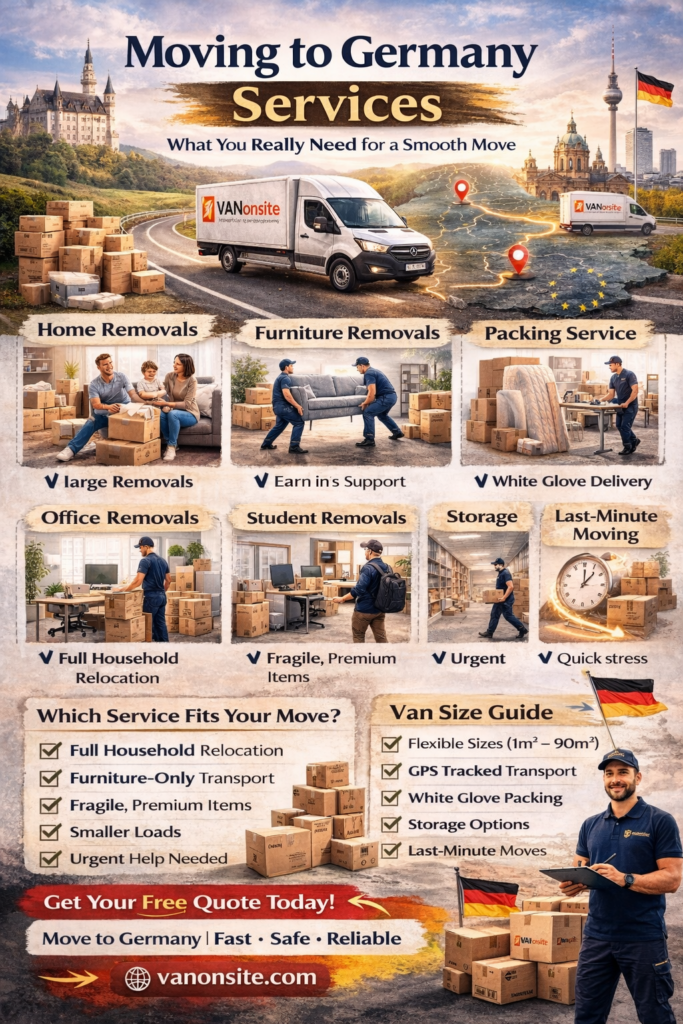
That is where moving to Germany services matter. The right service can do far more than transport boxes from one address to another. It can cover home removals, furniture delivery, packing, student moves, office relocations, storage, white glove delivery, and last-minute support. In other words, the move becomes dramatically easier when the service matches the real size, pace, and complexity of your relocation.
The smartest move is not always the biggest one. It is the best-matched one. If you are moving a few essentials, a flexible man and van option may be perfect. If you are moving a full household, valuable furniture, or fragile items, you may need a more structured service. Either way, choosing the right moving to Germany services early can cut stress, reduce damage risk, and help you avoid wasted spend.
TL:DR
- Moving to Germany services can include home removals, furniture transport, packing, student moves, office removals, storage, white glove delivery, and urgent last-minute support.
- The best service depends on your load size, timeline, furniture value, and how much support you want before, during, and after transport.
- A man and van service is often ideal for smaller, faster, or more flexible moves to Germany.
- Costs usually depend on distance, volume, furniture size, access conditions, packing needs, and urgency.
- Measuring furniture before booking can prevent one of the most expensive moving mistakes.
- Documents matter, especially when the move includes pets, vehicles, special items, or cross-border paperwork requirements.
- VANonsite offers secure transport, GPS tracking for every load, and vehicle sizes from 1 m3 to 90 m3, which makes it easier to match the service to the move.




What Are Moving to Germany Services?
Many people hear the phrase moving to Germany services and think only about transport. A van arrives, items are loaded, and the move happens. In reality, a professional move to Germany can be far more layered than that.
The best services are not just about motion. They are about protection, timing, organisation, and peace of mind. They help shape the move before the engine even starts.
More Than Just Transport
Strong moving to Germany services can include:
- planning and move coordination
- loading and unloading
- secure transport
- furniture protection
- packing and wrapping
- storage solutions
- premium delivery support
- urgent or last-minute moving
This matters because not every relocation follows the same script. Some moves are light and agile. Others are heavy, emotional, furniture-rich, and time-sensitive.
Why Service Choice Matters
Choosing the wrong service can quietly damage the whole relocation. It can lead to overpaying for space you do not need, underbooking the vehicle, poor handling of fragile items, or unnecessary stress on moving day.
A smarter service fit creates three powerful benefits:
- lower risk of damage
- better cost control
- smoother timing and communication
That is exactly why service choice should come before tape, boxes, and rushed assumptions.
When a Man and Van Service Is Enough
A man and van option is one of the most useful forms of moving to Germany services when the move is not enormous, but still needs proper care.
It often works brilliantly for:
- student relocations
- furniture-only delivery
- part-furnished flats
- urgent moves
- smaller cross-border loads
For leaner relocations, a man and van service can feel sharper, faster, and more cost-efficient than a full-scale removal plan.
Which Moving to Germany Services Do Most People Need?
Different people need different support. A student moving with boxes, books, and a desk does not need the same setup as a family relocating an entire home. That is why the most effective moving to Germany services are the ones that fit the actual move, not a generic template.
Home Removals
If you are moving a full household, home removals are usually the strongest option. This service is built for real household complexity, which means furniture, appliances, boxes, room-by-room planning, and a more structured flow from pickup to delivery.
Home removals are often ideal for:
- couples or families
- one-bedroom and multi-room homes
- customers taking both furniture and boxed belongings
- people who want a more organised door-to-door service
Furniture Removals
If your main concern is moving bulky, premium, or awkward furniture, furniture removals make more sense than a general transport approach.
This is especially valuable when the load includes:
- sofas
- wardrobes
- beds and mattresses
- dining tables
- large mirrors or cabinets
Furniture-focused moving to Germany services are often the smartest choice when shape, fragility, and safe positioning matter more than total box count.
Packing Service
A professional packing service can save time, reduce breakage risk, and make the entire move feel more controlled. Good packing is not only about wrapping items. It is about loading efficiency, damage prevention, and cleaner organisation at the destination.
This service becomes especially valuable when:
- you are short on time
- the move includes fragile items
- you want less chaos on arrival
- you are moving premium or sentimental belongings
White Glove Delivery
White Glove Delivery is one of the smartest moving to Germany services when the load includes fragile, premium, or high-value items that need more careful handling.
It is often ideal for:
- designer furniture
- expensive decor
- antiques
- glass items
- delicate indoor placement
For many people, this is not about luxury. It is about protecting what matters most.
Office Removals
If the move includes business equipment, desks, monitors, storage units, or office furniture, office removals bring a more methodical approach.
Office relocations benefit from structure because delays, poor packing, or misplaced equipment can interrupt work and create avoidable downtime.
Student Removals
Student removals are especially useful for smaller loads, tighter budgets, and more flexible timelines. This is one of the clearest cases where a man and van option can be a brilliant fit.
Student moves often involve:
- books and study equipment
- clothing and personal items
- a few furniture pieces
- limited space requirements
Storage and Last-Minute Moving
Sometimes the plan breaks apart. A tenancy ends early. Keys are delayed. A new job shifts everything. In those moments, storage and last-minute support become some of the most valuable moving to Germany services you can book.
Storage helps when dates do not line up cleanly. Last-minute moving matters when speed becomes more valuable than perfection.
How to Choose the Right Moving to Germany Services
The best service depends on four things: move type, urgency, item value, and peace of mind. Once those are clear, the best path usually becomes obvious. Still, that decision becomes far easier when you stop thinking in broad labels and start thinking in real-life scenarios.
A move to Germany is rarely just a transport task. It is a chain of choices. The wrong service can leave you paying for capacity you do not need, or worse, struggling with a move that feels underpowered from the start. The right service makes the relocation feel sharper, calmer, and much more controlled.
Choose Based on Move Type
Start by being brutally honest about the scale of the move. People often describe their relocation in emotional terms rather than practical ones. A “small move” can still include a sofa, a mattress, ten heavy boxes, kitchenware, and a desk. That is no longer tiny. It is simply smaller than a full household.
Typical move types include:
- student move
- furniture-only move
- small flat relocation
- full household move
- office move
A smaller load may only need a man and van service. A full family household needs much more structure, more capacity, and often more planning. If you are moving to Germany with only the essentials, a compact setup can save money and reduce complexity. If the move includes several rooms of furniture, appliances, or premium items, the smarter choice is usually a more structured removal service.
It also helps to think in terms of what would go wrong if you booked too small. Would items need a second trip? Would fragile furniture be packed too tightly? Would the move become more stressful than it needed to be? Those questions often reveal the right answer quickly.
Choose Based on Urgency
Urgent moves need fast communication, flexible scheduling, and a company that can adapt without creating confusion. Time pressure changes the whole character of a move. It reduces room for mistakes, lowers tolerance for vague communication, and makes service quality much more visible.
Last-minute moving to Germany services are especially important when:
- a lease ends suddenly
- a job start date changes
- family circumstances shift
- temporary housing plans collapse
When the timeline is tight, the best support is not always the biggest service. It is the most responsive one. A lean man and van option can be ideal if the load is manageable and speed matters more than layered extras. A larger move, however, still needs enough capacity and planning, even if the booking window is narrow.
Urgent moves also benefit from cleaner decision-making. If the situation changes fast, focus on three priorities first: what must move now, what can follow later, and what is not worth taking at all. That single filter can save both money and stress.
Choose Based on Item Value
The more fragile, premium, or sentimental the load, the more important careful packing and specialist handling become. A worn desk is one thing. A designer sofa, family antique, or glass cabinet is another.
That is where packing support or white glove delivery becomes a smart investment rather than an extra cost. High-value items deserve more than hope. They deserve a service level that reflects their real importance.
This matters especially when the move includes:
- designer furniture
- antiques or heirlooms
- fragile mirrors or glass pieces
- expensive electronics
- sentimental items that would be hard to replace
A lower-cost service can look attractive until one cracked corner or broken glass panel destroys the value of the saving. Sometimes the smarter budget decision is the one that protects the most important items properly the first time.
Choose Based on Peace of Mind
Some people can handle uncertainty. Most cannot, especially when their belongings are crossing borders. Secure handling and GPS tracking matter because they replace vague anxiety with real visibility.
That is one reason customers value VANonsite so strongly. Every load can be tracked, which makes the move feel more real, more organised, and less stressful. For many customers, the emotional side of relocation is not about lifting. It is about uncertainty. Not knowing where the load is. Not knowing whether fragile items were handled carefully. Not knowing if delivery timing will hold.
That is where good moving to Germany services quietly earn their value. They do not just move items. They remove mental noise.
Moving to Germany Services and Cost: What Affects the Price?
The cost of moving to Germany services depends on much more than distance. Distance matters, of course, but it is only one part of the price. Volume, weight, furniture, access, and urgency all have the power to reshape the final quote.
That is why a move that looks simple on paper can still cost more than expected if the furniture is bulky, access is poor, or packing is rushed. In practice, the quote reflects how much space the move needs, how much effort it takes, and how much flexibility the booking requires.
Main Price Drivers
The strongest cost factors are usually:
- total volume in cubic metres
- total weight
- furniture size and number of large items
- pickup and delivery access
- packing or white glove service
- storage
- urgency and last-minute booking
The cleaner your information is at the beginning, the more realistic the quote becomes. Vague estimates create vague prices. A customer who says “a few things” often ends up moving much more than expected. A customer who lists furniture, counts boxes, and shares access details usually gets a far more accurate number from the start.
As a rough rule, volume is often the biggest driver in a European move. Once you start adding wardrobes, beds, sofas, appliances, and dozens of small boxed items, the difference between a compact service and a larger vehicle can become dramatic.
Why Furniture Changes the Price
Furniture is one of the biggest cost shapers in any move to Germany. It takes more space, more labour, and more planning. A wardrobe or sofa does not just occupy the van. It affects loading strategy, wrapping time, and safe positioning throughout the trip.
Large items such as:
- wardrobes
- sofas
- beds
- tables
- fragile cabinets
can shift both the labour intensity and the total service level required. Furniture also changes how tightly the load can be packed. Boxes can often be stacked efficiently. Premium furniture cannot always be treated that way, especially when scratching, pressure damage, or awkward angles become a risk.
This is one reason why moving to Germany services are rarely priced in a flat, one-size-fits-all way. The shape of the load matters almost as much as the weight.
Hidden Costs People Forget
Some of the most frustrating moving costs are not dramatic. They are the small details people forget to mention.
These often include:
- difficult parking
- stairs without lift access
- long carrying distance
- waiting time
- poor volume estimation
Each one may sound minor. Together, they can quietly reshape the whole move. A long carry from the building to the vehicle, for example, adds effort and time. A narrow staircase can slow everything down. Poor estimation can mean the wrong vehicle size, which is one of the most avoidable and costly mistakes in the whole process.
This is why honest details early on are not a burden. They are a saving.
How to Save Money Without Lowering Standards
There is a huge difference between cutting cost and cutting quality. The smartest moves do the first without doing the second.
- Declutter before booking
- Measure furniture early
- Choose the right service size
- Pack smartly
- Share full access details early
These steps can lower wasted spend while keeping the relocation safe and well organised. Decluttering alone can reduce the total load more than people expect. In many cases, moving 20% less volume can create a meaningful price difference.
It also helps to focus on service matching instead of chasing the lowest number. A cheap quote for the wrong setup is rarely a real saving. A realistic quote for the right fit usually is.
| Cost factor | Effect on price | How to control it |
|---|---|---|
| Load volume | More space raises transport cost | Move only what matters |
| Furniture size | Large items increase labour and space | Disassemble and measure |
| Access conditions | Stairs and distance increase effort | Share details early |
| Packing service | Adds cost but lowers damage risk | Use for fragile items |
| Urgency | Last-minute moves can cost more | Book earlier when possible |


What Documents May Be Needed for Moving to Germany?
Document needs vary depending on the route, nationality, household type, and what is being transported. Still, one thing is constant: paperwork becomes much less stressful when it is prepared early. That alone can turn a tense move into a much cleaner process.
People often underestimate how powerful good documentation is. It does not just help with formalities. It helps with timing, customs clarity, address confirmation, and smoother communication with movers, landlords, and local authorities. A well-prepared folder is not glamorous, but it can quietly save the whole move.
Basic Personal Documents
Most movers should prepare:
- passport or ID
- proof of address
- tenancy agreement or German address confirmation
- inventory list
This small folder can save huge amounts of stress during the move. It is wise to keep both printed copies and digital backups, especially for anything linked to identity, housing, or the goods being transported.
If you are moving with family, keep one place for everything instead of scattering documents across bags, drawers, and inboxes. That one decision can spare a surprising amount of last-minute panic.
Customs and Household Goods Paperwork
Personal belongings and furniture may require a clear inventory, especially on some routes or in situations involving customs. A detailed inventory helps with clarity, planning, and transport accuracy.
A smart inventory does more than list items. It helps explain what is being moved, reduces confusion around quantity and ownership, and makes it easier to confirm what has been loaded and delivered. In many cases, this simple document becomes one of the most useful tools in the whole relocation.
A strong inventory usually includes:
- item descriptions
- approximate quantities
- furniture type
- notable fragile or high-value items
- a simple room-by-room structure if the move is larger
For official Germany information, use:
If the route, nationality, or goods being transported create any uncertainty, checking official sources early is the safest move. It is much easier to solve paperwork questions before pickup than in the middle of a cross-border relocation.
Pet, Vehicle, and Special-Item Documents
If the move includes pets, cars, business equipment, antiques, or high-value goods, additional documentation may be needed.
These situations often bring extra complexity because they involve rules that go beyond a standard household move. A pet may need compliant health paperwork. A vehicle may need additional documentation. High-value or specialist items may benefit from clearer records for both transport and formal checks.
For official guidance, use:
When in doubt, official sources should always come before guesswork. Rules can differ depending on your route and personal situation, so precision matters.
| Document | Why it matters |
|---|---|
| Passport or ID | Identity verification |
| Inventory list | Helps with moving accuracy and customs clarity |
| Proof of German address | Useful for delivery and admin tasks |
| Vehicle papers | Needed if transporting certain items or vehicles |
| Pet documents | Important for compliant pet transport |
One practical tip matters here: keep your key documents with you, not buried inside the moving load. A passport, address confirmation, inventory, and any special papers should stay easy to reach from start to finish.
Moving Furniture to Germany: What Is Worth Taking?
This is one of the biggest money questions in the whole relocation. Some furniture deserves every mile. Some pieces quietly absorb space and money without giving enough back. The difference matters because furniture affects not only cost, but also vehicle size, labour, packing effort, and risk.
In simple terms, every large item should earn its place. If it is expensive to replace, built to last, or emotionally important, transport may be the right choice. If it is bulky, worn, or easy to buy again, the smarter move may be to leave it behind.
Furniture Worth Moving
These items are often worth taking:
- solid wood furniture
- premium sofas and beds
- antiques
- sentimental items
- custom office furniture
If replacing the item in Germany would cost far more than moving it, transport often makes excellent sense. This is especially true for durable, high-quality pieces that still have years of use ahead of them.
Furniture can also carry value that has nothing to do with price tags. A family cabinet, a carefully chosen designer chair, or a desk that has followed you through years of work can matter far more than its resale value suggests. In those cases, moving it is not just practical. It protects continuity.
Furniture That May Be Cheaper to Replace
Some pieces simply do not earn their place in the van:
- flat-pack units
- worn furniture
- damaged items
- bulky low-value pieces
Letting go of low-value bulk can lower both labour needs and total moving cost. This is one of the cleanest ways to reduce wasted spend without reducing quality.
If a piece is cheap, unstable, scratched, or unlikely to suit the new property, replacement in Germany may be the more elegant option. That is especially true for large low-cost wardrobes, tired shelving, or furniture that was only a temporary solution in the first place.
A Faster Way to Decide What Is Worth Moving
If you are unsure, use this quick filter before booking transport:
- Would it cost more to replace than to move?
- Is it still in strong enough condition to justify the journey?
- Does it fit your new property in size and style?
- Would you regret leaving it behind?
If the answer is mostly no, it is probably not worth moving.
| Furniture type | Usually worth moving? | Why |
|---|---|---|
| Solid wood dining table | Yes | Durable, high-value, expensive to replace |
| Designer sofa | Yes | Strong comfort value and high replacement cost |
| Flat-pack bookshelf | Often no | Easy to replace and low value |
| Worn mattress | Usually no | Hygiene and comfort often favour replacement |
| Antique cabinet | Yes | Sentimental and financial value |
| Damaged desk | Often no | Adds weight and volume without enough value |
How to Protect Furniture During Transport
A safer move starts with better preparation. Furniture damage rarely comes from one dramatic impact. More often, it comes from poor wrapping, weak stacking, loose corners, or rushed handling.
- disassemble where possible
- wrap corners and glass carefully
- label fragile items
- use professional packing for premium items
These steps reduce damage risk and improve the whole loading process. It also helps to place screws, fittings, and small assembly parts in labelled bags, then keep them attached to the right item or packed together in one marked box.
For upholstered pieces, protective covers can reduce dirt, rubbing, and wear during the journey. For mirrors, glass shelves, and polished surfaces, extra padding is not overkill. It is prevention.
When White Glove Delivery Makes Sense
If the move includes fragile, premium, or deeply sentimental items, White Glove Delivery can be one of the best moving to Germany services you choose.
It is especially useful when:
- the item is delicate
- the finish scratches easily
- careful indoor placement matters
- you want lower risk and less stress
For many people, white glove service is not about extravagance. It is about control. When the item matters deeply, more careful handling is often the smartest decision in the whole move.
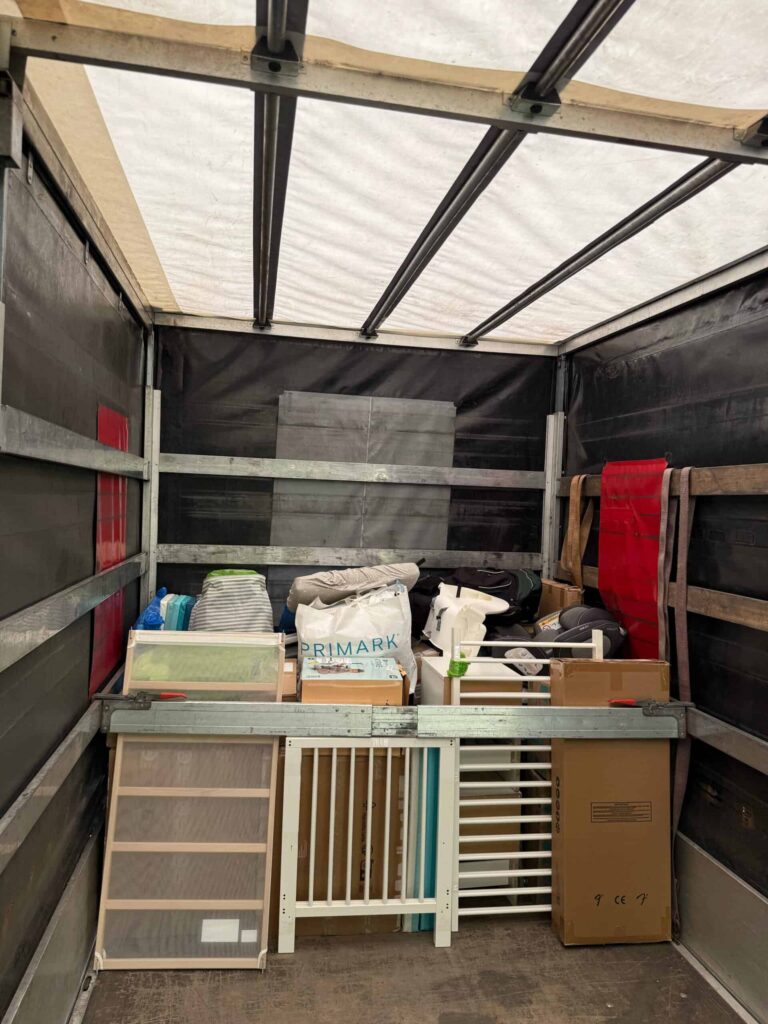
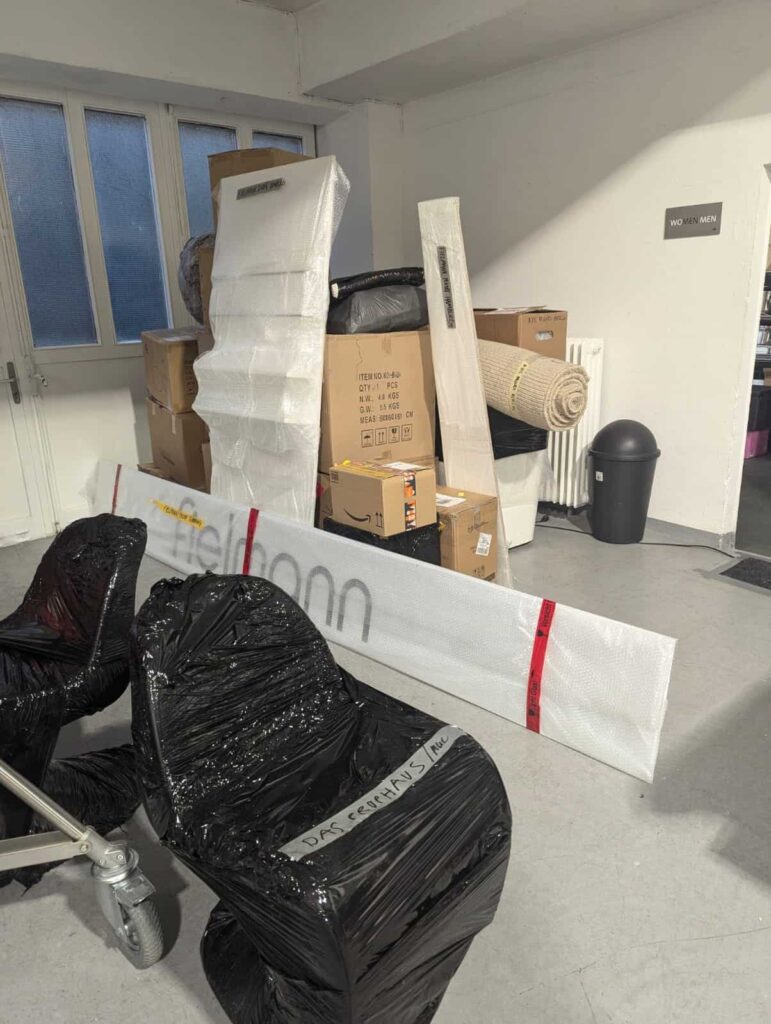
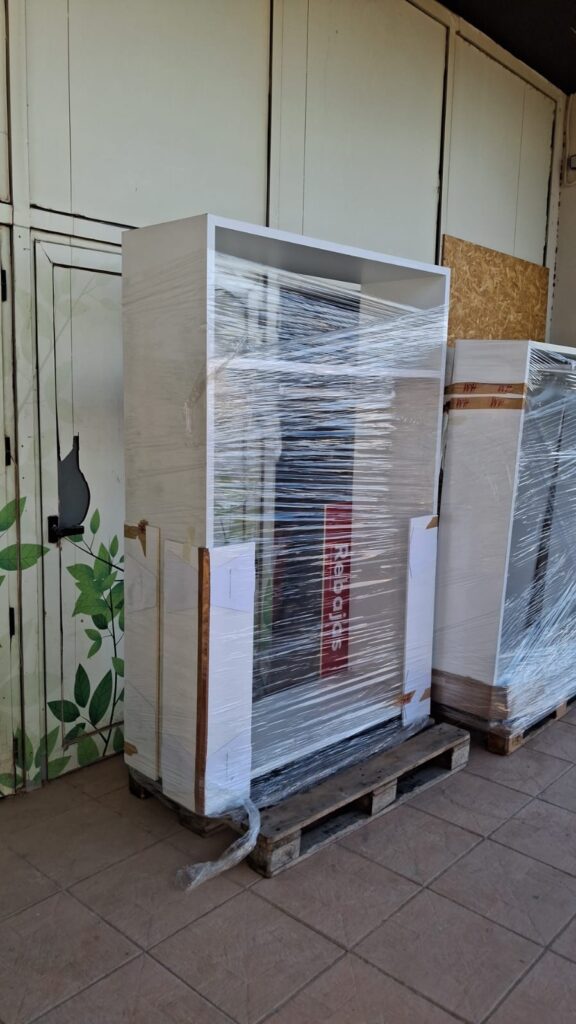
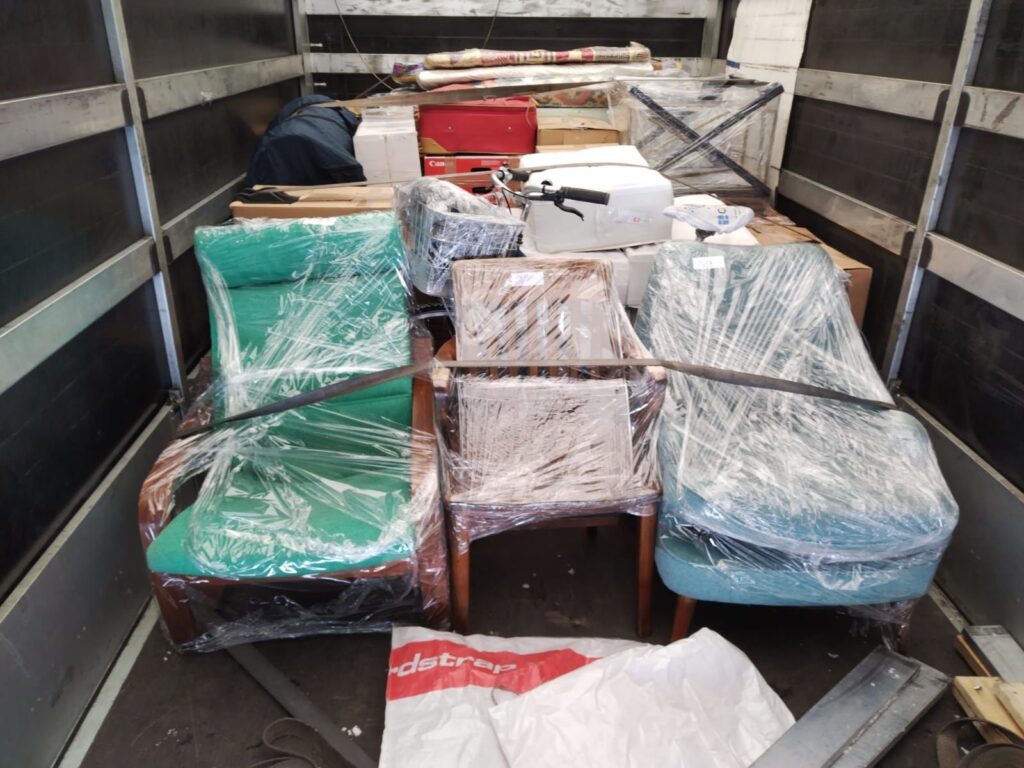
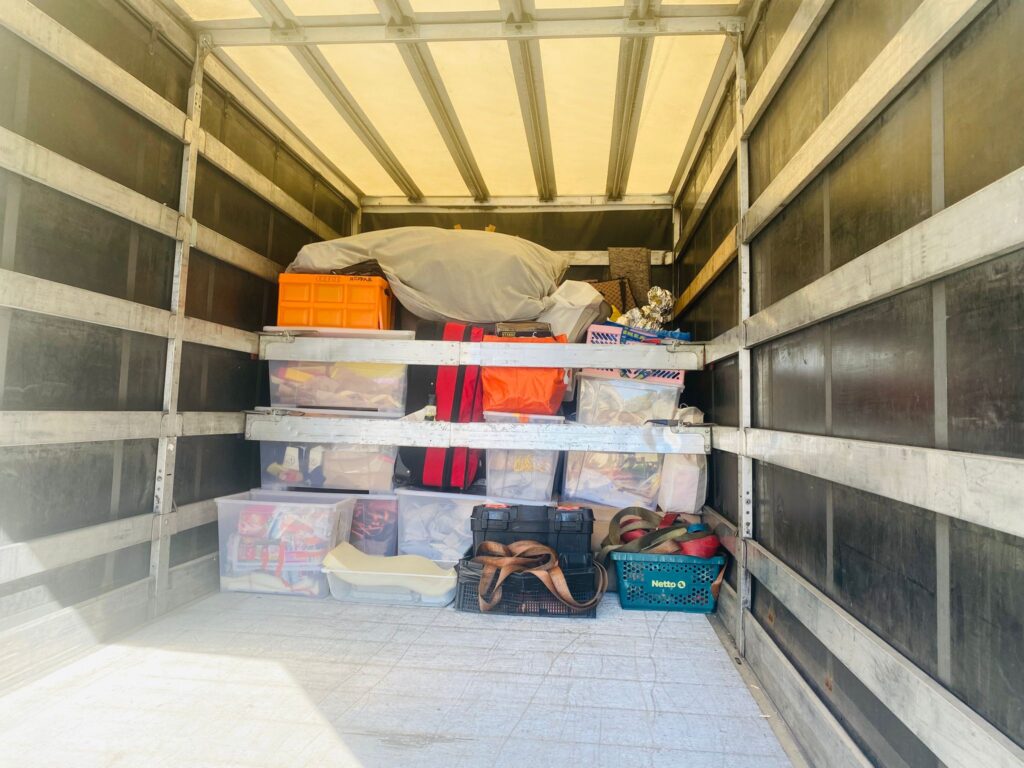
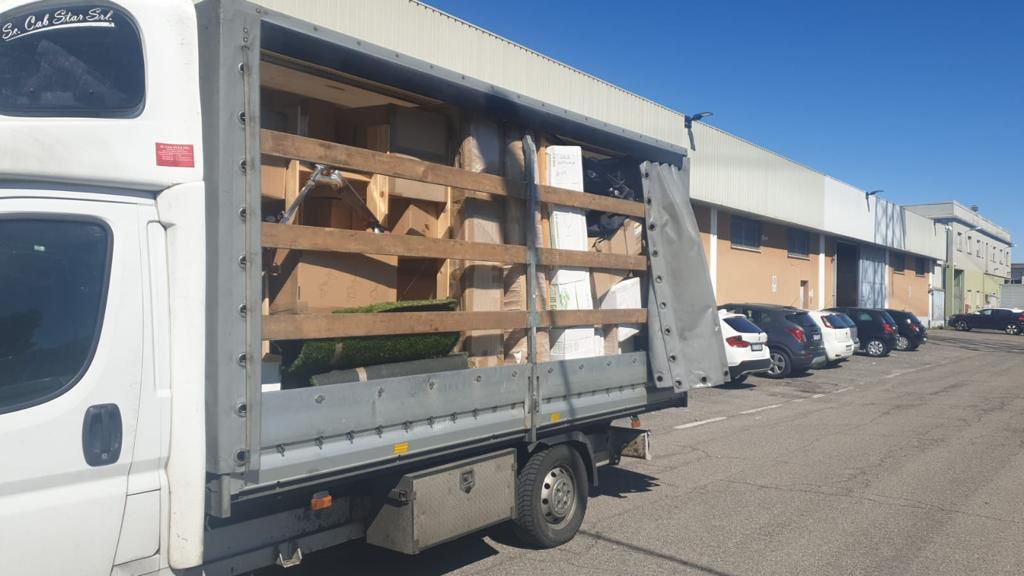

Which Vehicle Size Fits Your Move to Germany?
Wrong sizing is one of the most common and expensive mistakes in any move. Too small, and the move becomes cramped, delayed, and frustrating. Too large, and you may overpay for unused capacity.
That is exactly why vehicle choice should never be treated as a small technical detail. It affects the price, the pace of loading, the safety of your items, and the overall comfort of the move. A good size match makes the whole relocation feel smoother. A poor one creates avoidable tension from the first box onward.
VANonsite offers vehicle sizes that match very different move types.
| Service Option | Capacity | Max Weight | Best for |
|---|---|---|---|
| Moving One | 1 m3 | 100 kg | A few boxes or urgent essentials |
| Moving Basic | 5 m3 | 300 kg | Student move or compact load |
| Moving Medium | 10 m3 | 500 kg | Studio or part-furnished flat |
| Moving Premium | 15 m3 | 1100 kg | One-bedroom relocation |
| Moving Premium Plus | 30 m3 | 3500 kg | Family move or large furniture load |
| Moving Full House XXL | 90 m3 | 20000 kg | Full house removal |
What Those Sizes Mean in Real Life
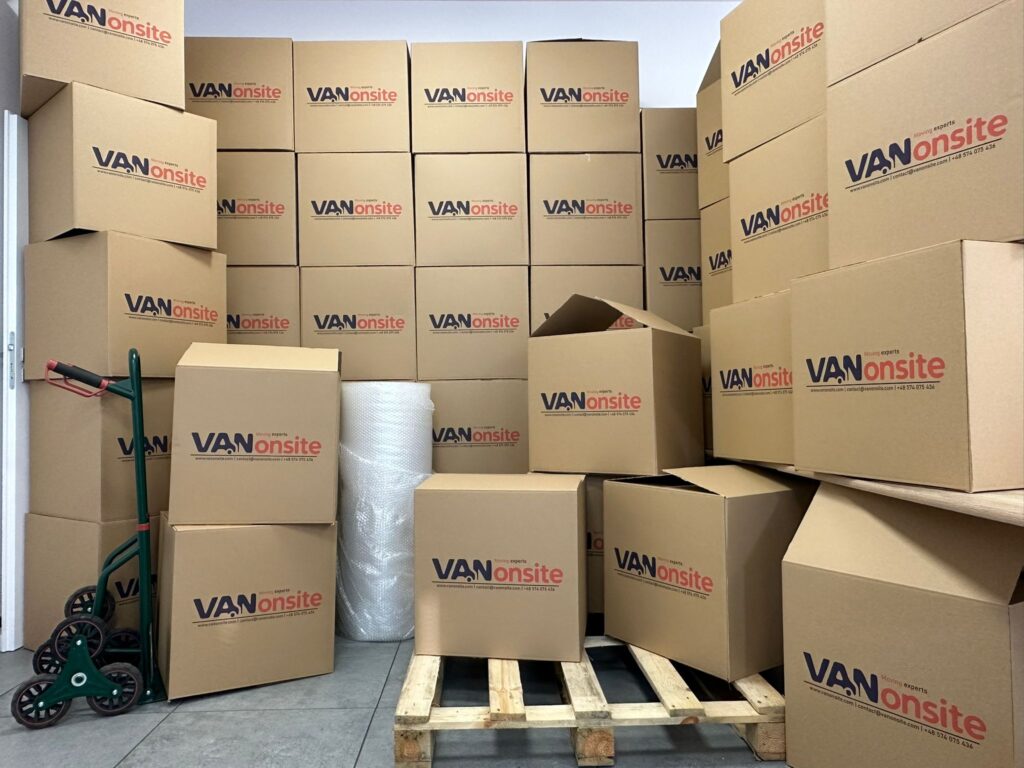
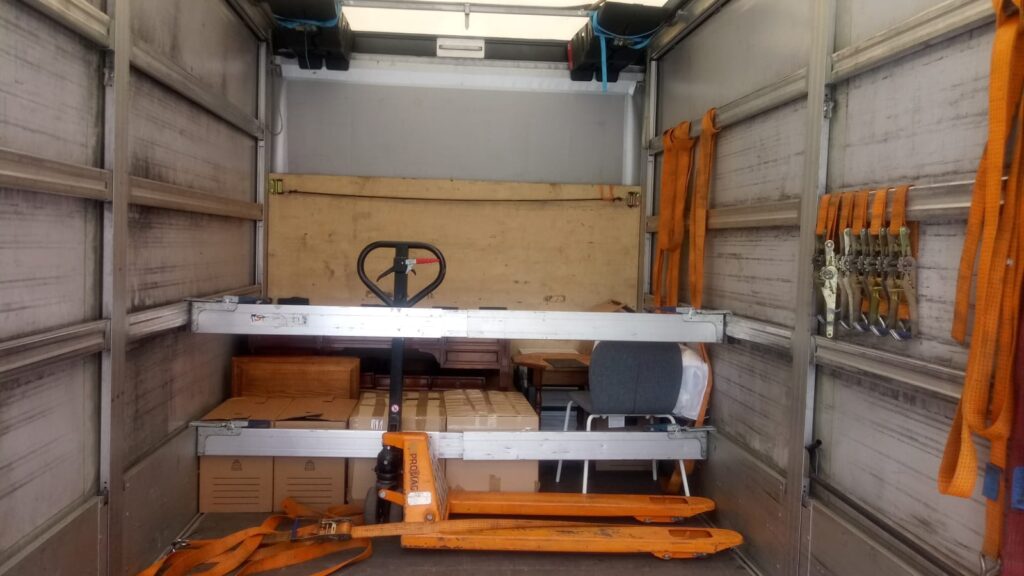
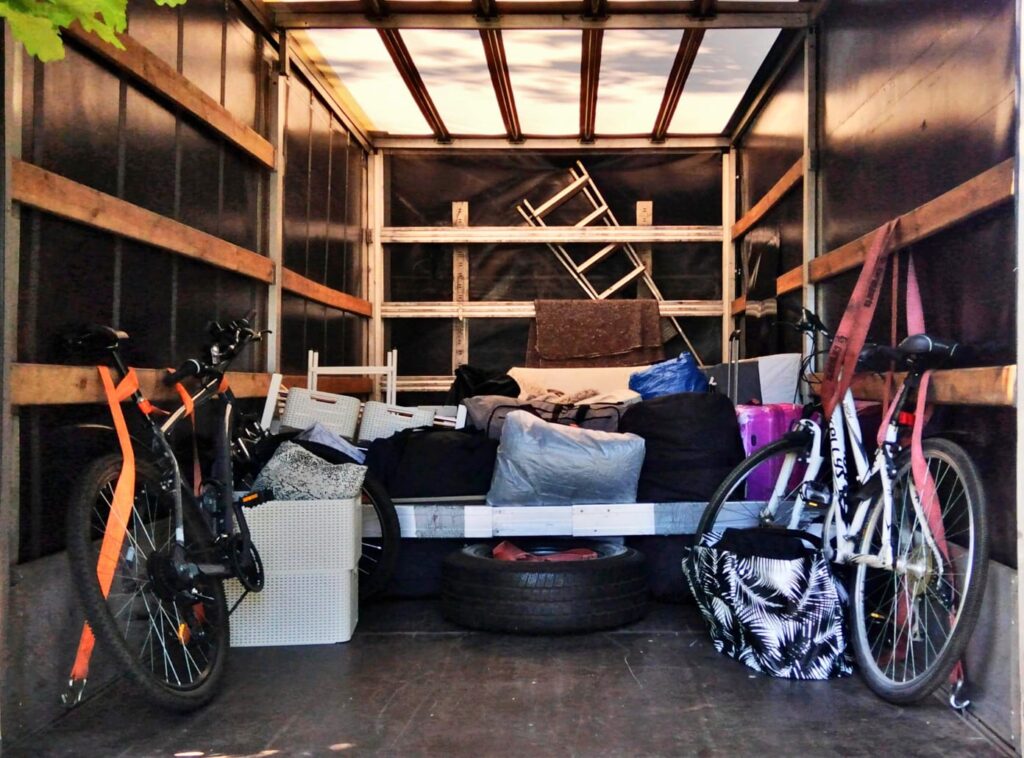
On paper, vehicle sizes can feel abstract. In real life, they decide whether the move feels effortless or frustrating. A 1 m3 option may suit only a few urgent essentials, a couple of suitcases, or a very small number of boxes. A 5 m3 option is much more realistic for student moves, small room relocations, or a compact man and van booking.
Once you move into the 10 m3 to 15 m3 range, you are typically dealing with a studio, a small flat, or a part-furnished home. Add a sofa, mattress, dining chairs, kitchen boxes, lamps, and a few awkward items, and the space disappears quickly.
For larger family relocations, premium furniture-heavy moves, or home offices combined with household goods, 30 m3 and above often becomes the more realistic range. A full-house move is a different world entirely, which is why the 90 m3 option exists.
Quick Guide by Move Type
- student move
- furniture-only move
- flat move
- family relocation
- office move
As a rule, people underestimate volume fast. Boxes, lamps, bedding, kitchenware, and odd-shaped items add up more quickly than expected. A move that feels “not too big” in conversation can look very different once everything is stacked near the door.
A Better Way to Estimate the Right Size
If you want a more realistic picture, think in layers instead of random items. Start with the large furniture. Then count the boxes. Then add the awkward pieces people forget, such as floor lamps, mirrors, chairs, side tables, laundry baskets, vacuum cleaners, or folded bikes.
A useful self-check is this:
- count every large furniture piece
- estimate your number of boxes honestly
- include loose household items that do not stack neatly
- leave room for protective wrapping around fragile items
That final point matters. Wrapped furniture and protected glass take up more space than bare items, which is another reason people often underbook.
A More Practical Match by Move Scenario
To make the choice easier, use this guide:
| Move scenario | Usually the best fit |
|---|---|
| A few essentials and urgent boxes | Moving One |
| Student room or compact temporary move | Moving Basic |
| Small furniture plus boxes | Moving Medium |
| Studio or one-bedroom move | Moving Premium |
| Family relocation with large furniture | Moving Premium Plus |
| Full household removal | Moving Full House XXL |
This kind of matching is much more useful than guessing based on feeling alone.
When Man and Van Is the Smart Choice
A man and van option is ideal when the move is:
- smaller
- flexible in timing
- urgent
- centred around furniture delivery
For many compact relocations, man and van is one of the sharpest and most efficient moving to Germany services available. It works especially well when the load is moderate, the timeline is tight, and you want a leaner service that still feels professional and secure.
It is also a strong option for people who do not want to pay for oversized capacity. If the move can fit safely into a smaller booking, a man and van setup often delivers the best balance of speed, value, and flexibility.
Signs You May Need More Space Than Expected
You should seriously consider sizing up if:
- you have more than 15 to 20 boxes
- you are moving a bed, sofa, wardrobe, or dining set
- the move includes appliances
- several items are fragile and cannot be stacked tightly
- you want to avoid overpacking and rushed loading
In many cases, choosing a slightly safer size is cheaper than dealing with repacking, delays, or a second trip.
Common Mistakes People Make When Booking Moving to Germany Services
Most moving mistakes do not look dangerous at first. They creep in quietly, then grow into stress, delay, and wasted money. A bad decision rarely arrives dramatically. It often starts with a vague estimate, an overlooked detail, or an attempt to save money in the wrong place.
The most common problems include:
- choosing by price alone
- underestimating volume
- moving low-value furniture
- leaving documents too late
- packing fragile items badly
- not sharing access details
- choosing a service without tracking
A smarter move comes from seeing these problems early and shutting them down before they grow.
Choosing by Price Alone
A cheap quote can look irresistible. Still, the lowest number is not always the best value. Weak communication, unclear service scope, poor packing standards, or a vehicle that does not truly fit the move can create hidden costs that erase the apparent saving.
A better question is not “What is the cheapest option?” but “What is the best-fit option for this move?” That is where real value usually lives.
Underestimating Volume
This is one of the most common moving mistakes in Europe. People count the obvious furniture and forget the rest. Then the boxes, side tables, lamps, kitchen items, folded clothes, and loose essentials suddenly reveal the true size of the move.
Underestimating volume can lead to:
- the wrong vehicle size
- slower loading
- tighter packing around fragile items
- extra stress on moving day
- in some cases, another trip entirely
That is why honest counting and accurate measuring are so powerful. They protect both the budget and the rhythm of the move.
Moving Low-Value Furniture
Not every item deserves space in the vehicle. Low-cost, damaged, or temporary furniture can quietly inflate the move without adding much value to your new home.
This is where emotional clarity matters. If the item is cheap to replace, awkward to carry, and not especially important, letting it go may be the cleaner choice.
Leaving Documents Too Late
A move becomes much more fragile when paperwork is left until the final days. Missing address confirmation, incomplete inventories, or uncertainty around customs-related documents can create stress exactly when you need clarity.
Document work is rarely exciting, but it is one of the clearest ways to make the move feel calm instead of chaotic.
Packing Fragile Items Badly
Fragile belongings do not forgive rushed packing. Weak wrapping, overloaded boxes, or unlabeled glass can quickly turn a normal journey into an expensive disappointment.
This matters even more on longer European routes, where the move involves repeated handling, stacking, and transport pressure over distance.
Not Sharing Access Details
A narrow staircase, awkward parking, restricted building hours, missing lift, or long carry distance can all affect the move more than customers expect. If the company does not know about these details in advance, the quote and plan may become less accurate.
Full information leads to better preparation. Even inconvenient details are valuable when shared early.
Choosing a Service Without Tracking
Silence creates stress. When customers cannot see where their belongings are, uncertainty fills the gap fast.
That is why GPS tracking matters so much. It changes the emotional experience of the move. Instead of guessing, you know. Instead of waiting blindly, you stay connected to the process.
Why VANonsite Stands Out for Moving to Germany Services
People do not just want a van. They want clarity, control, and confidence. That is exactly why VANonsite stands out.
The company combines secure and fast European transport with GPS tracking on every load, flexible vehicle sizes, and support across furniture, homes, students, offices, and urgent moves. That mix of flexibility and reassurance matters because real relocations rarely unfold in a neat, predictable way.
Customers moving to Germany often need more than transport alone. They need practical service with a human touch. They need secure handling, clear communication, and the confidence that their belongings are being moved with care.
That combination matters far more than it first appears. A relocation to Germany is rarely just a physical journey. It is often tied to a new job, a family change, a university start, a fresh home, or a personal reset. In moments like that, people do not want uncertainty piled on top of the move itself. They want a company that feels steady.
Why Customers Trust VANonsite
Trust is rarely built by one big promise. It is built by a series of smaller signals that all point in the same direction: reliability. Clear answers. Realistic timelines. Secure transport. Careful handling. Fast updates.
VANonsite earns trust because the service feels practical rather than theatrical. Customers can match the booking to the true scale of the move, from a compact man and van setup to a full household relocation. That flexibility lowers wasted spend and reduces the risk of booking the wrong level of support.
GPS tracking adds another powerful layer. It turns the move from a guess into something visible. When your belongings are travelling across Europe, that kind of clarity changes the emotional experience completely.
Why This Matters During a Move to Germany
Moving to Germany services should do more than carry belongings. They should remove friction. They should reduce uncertainty. They should make the customer feel that the move is being handled by people who understand how much is riding on the process.
This matters especially when the relocation includes:
- valuable furniture
- a full household load
- urgent timing
- fragile items
- a route with multiple moving parts
In these situations, strong communication and secure handling are not nice extras. They are central to the success of the move.
A Strong Fit for Different Types of Movers
VANonsite is especially well suited to customers who need:
- a flexible man and van service for a smaller move
- furniture transport with more careful handling
- home removals with realistic vehicle sizing
- office or student support with leaner planning
- storage or last-minute help when plans shift suddenly
That range matters because very few relocations fit neatly into one box. Some are simple. Some are messy. Some change shape halfway through. A moving company that can adapt to that reality is usually the company people remember for the right reasons.
If you want a trusted starting point, explore VANonsite’s removals to Germany service.
Final Checklist Before You Move to Germany
Before moving day arrives, use one last structured check. This is the quiet step that catches the details people tend to miss when everything feels urgent. A calm final review can save hours of unnecessary stress later, especially when the move already feels emotionally full.
- confirm move date
- sort what to take
- measure furniture
- prepare documents
- confirm service type and vehicle size
- pack essentials separately
- share access details
- confirm delivery address in Germany
A Smarter Last 24-Hour Check
The day before the move, run one final sweep with a clear head:
- keep passports and key documents easy to reach
- separate chargers, medication, and daily essentials
- confirm building access details at both ends
- make sure furniture for disassembly is ready
- double-check contact details for pickup and delivery
This last quiet check often prevents the most irritating moving-day problems.
FAQ About Moving to Germany Services
What Do Moving to Germany Services Include?
They can include home removals, furniture transport, packing, white glove delivery, office removals, student moves, storage, and urgent last-minute transport. The exact mix depends on the type of move, how much is being transported, and how much support you want around the journey itself.
Is a Man and Van Enough for a Move to Germany?
Yes, often. A man and van service can be ideal for smaller moves, furniture-only transport, student relocations, and urgent cross-border bookings. Larger household relocations may need a bigger service. The key is matching the service to the real size of the load, not just the cheapest starting option.
How Much Do Moving to Germany Services Cost?
Costs usually depend on distance, volume, furniture, access conditions, service type, and urgency. Moves with larger furniture or more difficult access often cost more. Packing, storage, and premium delivery handling can also affect the final quote.
Do I Need Documents for Moving to Germany?
In many cases, yes. It depends on the route, nationality, and what is being transported. Official Germany sources such as verwaltung.bund.de, auswaertiges-amt.de, and zoll.de are the best places to check the latest requirements. A clear inventory and easy access to core paperwork can make the whole process feel much smoother.
Is Professional Packing Worth It for an International Move?
Yes, especially for fragile, premium, or sentimental items. It reduces breakage risk, improves organisation, and makes the whole move feel more secure. On a longer European route, that added protection often pays for itself in lower risk and less stress.
What Is the Best Service for Moving Furniture to Germany?
That depends on how much furniture you are taking and how valuable it is. For smaller loads, a man and van service may be enough. For bulkier or more delicate items, furniture removals or white glove delivery are often better choices. The right answer depends on both volume and value.
Conclusion
The best moving to Germany services are the ones that match the real move. Not the biggest. Not the cheapest. The best-matched.
When the service fits your belongings, your timeline, and your stress level, the whole relocation becomes lighter. That is why planning early, measuring properly, preparing documents, and choosing trusted support makes such a difference.
VANonsite helps bring that clarity to the move with secure transport, GPS tracking, flexible options, and practical support across Europe. Whether you need a lean man and van booking or a more structured household relocation, the goal stays the same: a safer, smoother, and more confident move to Germany.
A good move should not feel like guesswork. It should feel organised, visible, and under control. That is exactly where the right moving partner makes all the difference.