Moving from Belgium to London needs more than a van and a Channel booking. The useful plan joins four things: a measured load, workable access at the Belgian address, the correct Great Britain customs file and a London delivery slot that the vehicle can actually use. VANonsite prices the job from those facts and gives you an automatic estimate before the detailed route is confirmed.
This page covers collection in Belgium and delivery to London or another address in Great Britain. If your move goes in the opposite direction, use the removals to Belgium hub. Keeping the directions separate prevents the customs and access advice for one journey from being applied to the other.
Estimate your Belgium-to-London removal
Enter both full addresses, the preferred collection date and a realistic description of the shipment. In the notes, add the floor, lift dimensions, walking distance from legal parking and any restricted access at either property. This is the existing automatic calculator; its fields and calculation flow have not been changed.

Quick answer: how the route is planned
| Decision | What changes the plan | What to provide |
|---|---|---|
| Part load or dedicated | Volume, urgency and flexibility | Inventory, dimensions and preferred window |
| Ferry or Channel Tunnel | Vehicle, booking availability, route and timing | Confirmed addresses and service date |
| Customs route | Great Britain destination and eligibility for relief | ToR reference where applicable and an English inventory |
| London delivery | Borough rules, loading space, lift and building access | Postcode, building contact and photographs of access |
A Brussels flat with a service lift and a reserved bay is a different job from a fourth-floor apartment in Antwerp followed by a central London street with timed access. The route may use a ferry or the Channel Tunnel, but crossing time alone does not determine delivery. Loading, customs readiness, traffic, parking and the agreed service type all matter.
What changes the Belgium-to-London removal cost?
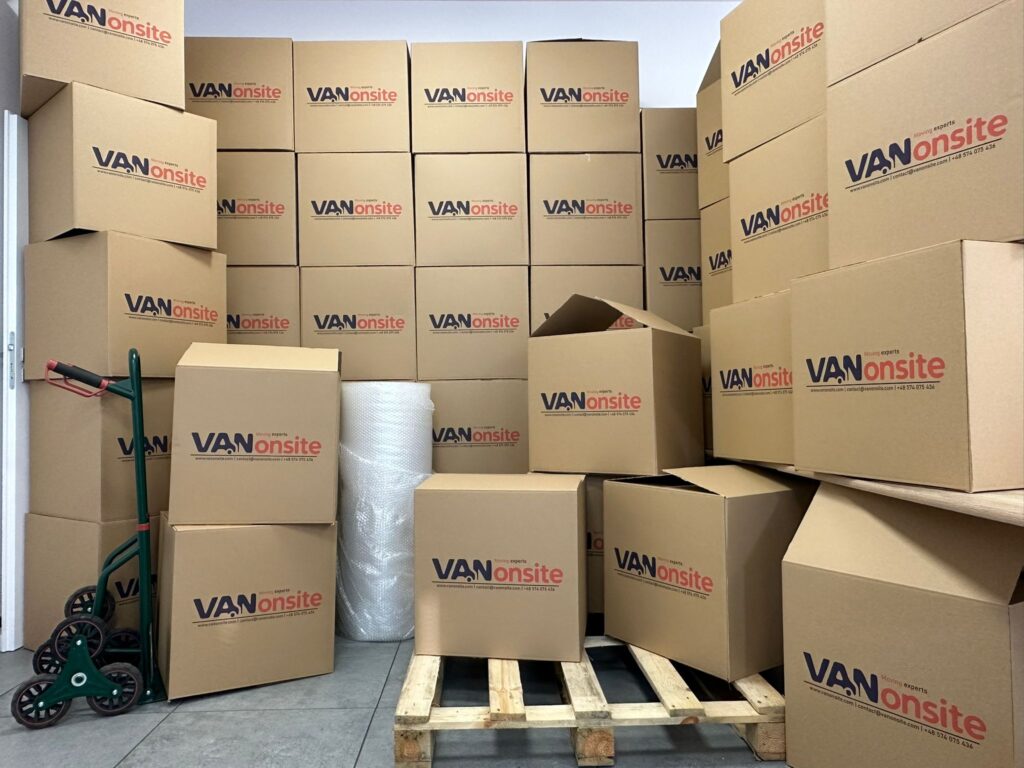
The main price inputs are occupied volume and weight, the collection and delivery postcodes, the chosen crossing, time on site, part-load or dedicated capacity, packing, dismantling, customs work and any storage or shuttle stage. A country-to-country price without the load and access details is only a guess.
Inventory and capacity
List cartons, furniture, appliances, bicycles, outdoor items and unusually heavy pieces. Add dimensions for sofas, wardrobes, tables, mirrors and anything that may not pass through a lift or stair turn. Photographs show the planner dismantling points and unused gaps that a list often misses. A label such as “one-bedroom flat” is not enough to allocate capacity safely.
Access and handling
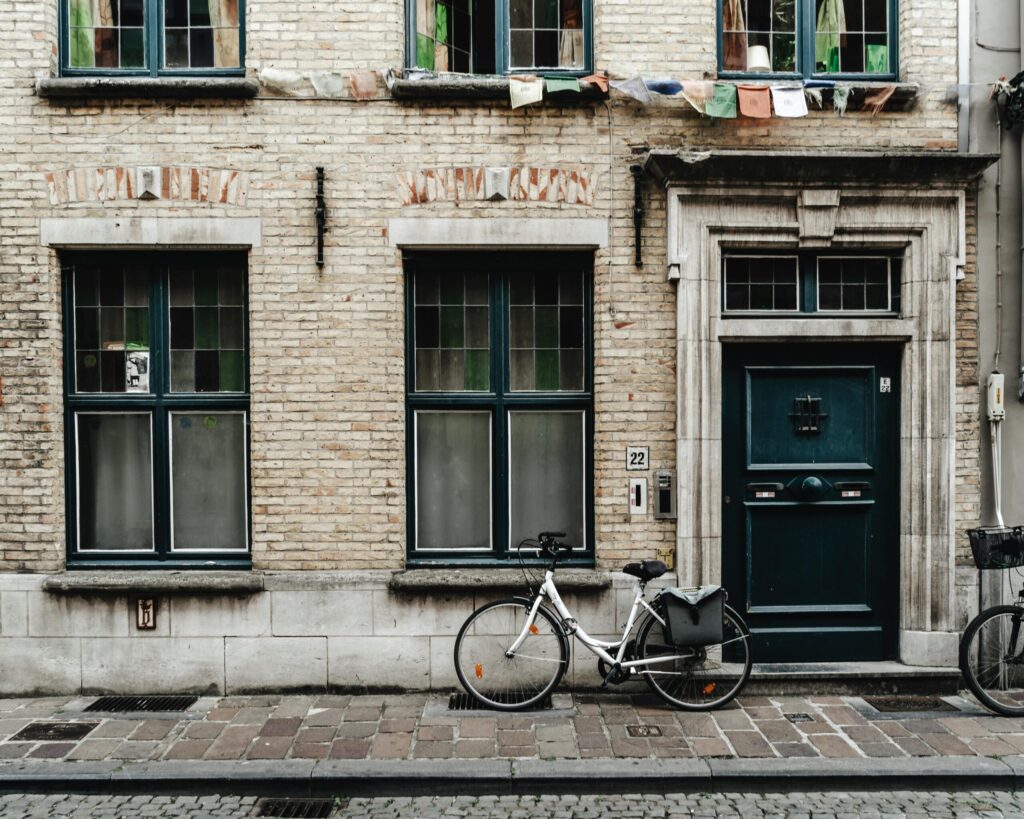
Belgian apartment blocks, historic streets, underground entrances and pedestrian areas can change the collection method. London adds borough-specific parking, busy loading restrictions, concierge windows and building rules. Tell VANonsite the floor, lift size, stair shape, walking distance and nearest legal stopping point at both ends. If a smaller shuttle vehicle or additional carry is foreseeable, it should be included before the crew arrives.
Packing, storage and service type
Owner-packed cartons, fragile-only packing and a full packing service create different labour and material requirements. Storage adds handling and a second delivery stage. Part load can reduce unused capacity when dates are flexible; dedicated transport reserves the planned space and normally supports a tighter collection-to-delivery sequence. The quotation should identify each included stage.
Customs when moving belongings from Belgium to Great Britain
Belgium is in the EU, while Great Britain is outside the EU customs union. Household belongings entering England, Scotland or Wales therefore need the correct import treatment. GOV.UK explains that tax and duty can apply, although people transferring their normal residence may qualify for Transfer of Residence relief.
Start with the official moving personal belongings to the UK overview. Check the current Transfer of Residence conditions and, when the relief route applies, complete the official ToR1 application before the goods are shipped. HMRC, not a removal company, decides eligibility.
Normal ToR conditions to check
- You normally need to have lived outside the UK for at least 12 consecutive months before moving.
- The goods normally need to enter within 12 months of your move.
- You must intend to use them for the same purpose after arrival.
- You normally need to have possessed the goods for at least six months.
- Goods granted relief cannot normally be lent, hired out, used as security or transferred during the first 12 months after moving.
- Alcohol, tobacco and certain commercial or restricted goods do not fall within the standard household-goods relief.
Different rules can apply to students, marriage or civil-partnership moves, exceptional circumstances and goods entering Northern Ireland. Read the current official guidance for the actual destination and circumstances instead of treating ToR as automatic.
Build a customs-ready inventory
The ToR1 guidance allows a typed document, spreadsheet or clear photograph of a handwritten list. Group ordinary items and add approximate quantities. For example, “books — approximately 45”, “kitchen plates — 24” and “clothing — 6 boxes” give customs a usable picture. Original prices, current values and brands are not required for the ToR1 goods list, although the transport quote may need additional detail about valuable, fragile, heavy or regulated items.
| Before collection | Why it matters |
|---|---|
| Confirm the final inventory | The declared list should agree with the load placed in the vehicle |
| Send the ToR approval reference where relief is claimed | The reference is used on the import declaration |
| Separate restricted or uncertain items | Food, plants, alcohol, tobacco, fuels, paint and some batteries may need other treatment |
| Keep passports, medicines, keys and valuables with you | These should not be inaccessible inside the shipment |
Plan the London delivery before the vehicle leaves Belgium
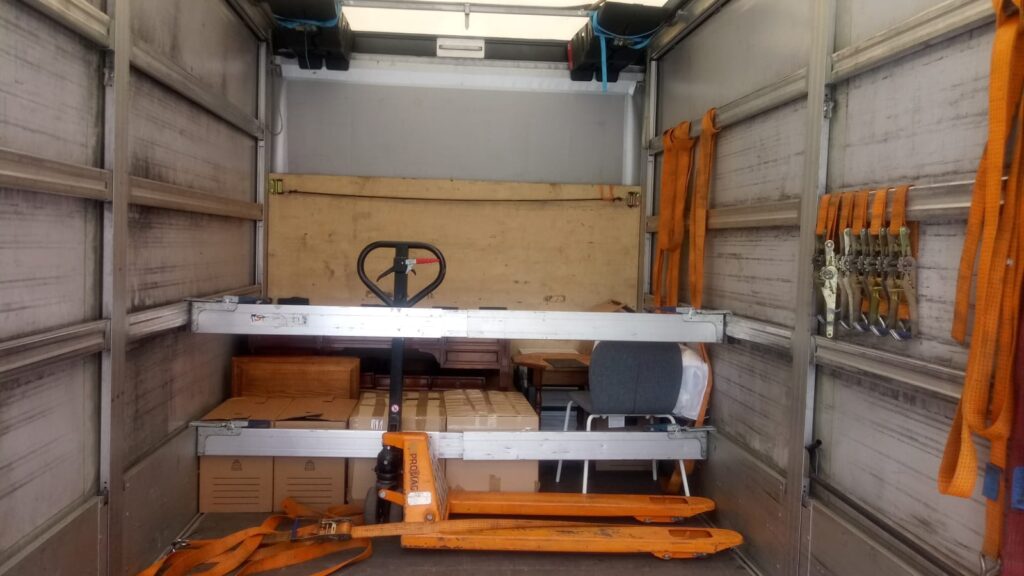
London access is often the point most likely to disrupt an otherwise straightforward move. Check whether the address sits inside the Congestion Charge zone and use Transport for London’s ULEZ guidance and vehicle checker. These schemes are separate, and a compliant vehicle can still need a loading place or borough permission.
- Ask the building manager for permitted move hours and lift-booking rules.
- Check the local borough’s parking suspension or loading-bay procedure.
- Send photographs of the kerb, entrance, lift and tight internal turns.
- Confirm height, weight or gate restrictions for the final approach.
- Arrange a responsible person to meet the crew and direct room placement.
Do not assume that hazard lights create a legal loading space. If the main vehicle cannot stop close enough to the entrance, the workable solution may be a smaller shuttle, additional crew or a different delivery slot. The effect on price and handling should be agreed in advance.
Collection planning in Brussels, Antwerp, Ghent and Leuven
Belgian cities do not share one universal parking or access process. A Brussels apartment may involve underground parking or a concierge; Antwerp and Ghent can involve regulated traffic areas and historic streets; Leuven collections often need coordination around dense residential or university districts. The exact address, not the city name alone, determines the operational plan.
- Check local parking or temporary street-occupation requirements with the relevant commune or city.
- Confirm whether the removal vehicle can enter the street legally at the planned time.
- Measure lifts and stair turns rather than estimating them.
- Tell the coordinator about bollards, gates, underground ramps and long carries.
- Reserve any building lift and protect shared floors or walls as required.
Part load or dedicated transport?
| Option | Usually suits | Trade-off to confirm |
|---|---|---|
| Part load | Measured shipments with flexible collection and delivery windows | Dates depend on compatible vehicle capacity and route planning |
| Dedicated transport | Households needing reserved capacity or a tighter sequence | The price reflects capacity reserved for the move |
| Storage and redelivery | Customers whose London keys or access slot are not ready | Adds handling, storage time and a separate delivery stage |
| Small-item or furniture move | Selected pieces rather than a complete household | Dimensions, weight and access remain essential |
For a complete household, review home removals. For selected sofas, wardrobes or other bulky pieces, use furniture removals. If customs representation is included, confirm its exact scope through the customs clearance service.
Packing for the Channel crossing and London delivery
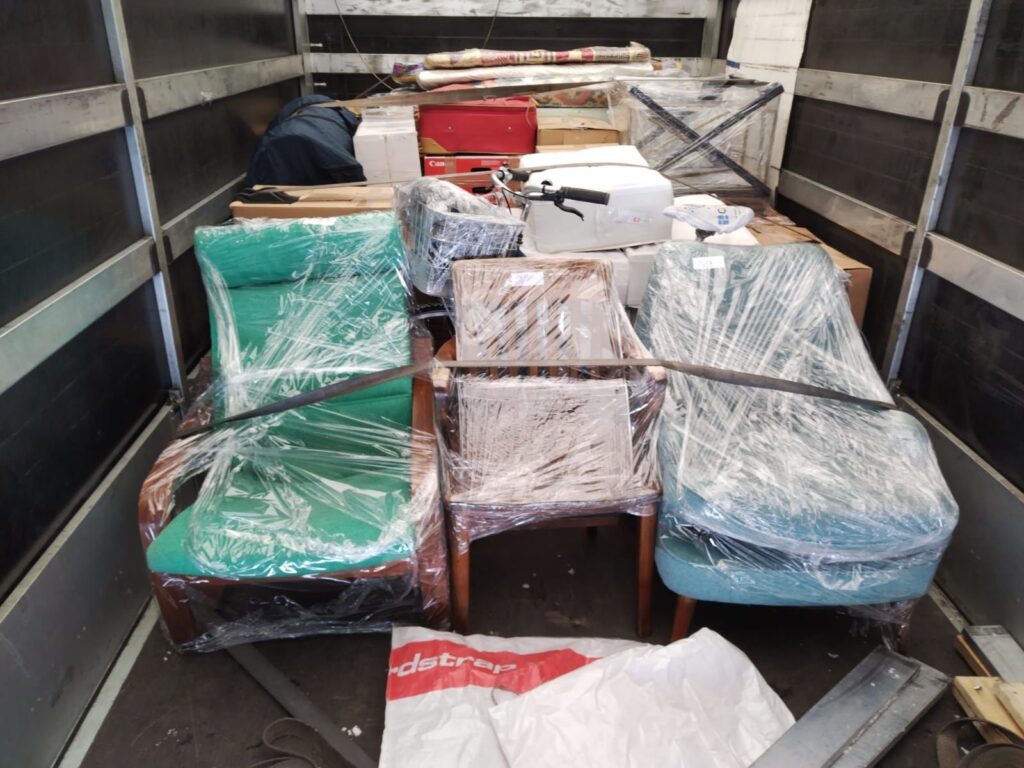
The distance is shorter than many European routes, but the load still faces carrying, road vibration, a crossing and an urban unload. Use strong cartons, seal every seam and keep boxes at a manageable weight. Wrap delicate finishes before stretch film is applied, fill empty space around breakables and label at least two sides of every carton with the destination room.
- Use smaller reinforced boxes for books, records and dense kitchenware.
- Remove or secure shelves, drawers and loose fittings.
- Bag and label screws from dismantled furniture.
- Photograph valuable or fragile pieces before packing.
- Protect mattresses, upholstery, corners and polished surfaces appropriately.
- Ask before packing food, plants, liquids, aerosols, fuels, paint or loose batteries.
If safe preparation cannot be completed before collection, add professional packing to the requested scope. This is more useful than promising that every flat can be packed and moved on the same day.
A practical collection-to-delivery sequence
| Stage | Customer action | VANonsite planning check |
|---|---|---|
| Survey | Share addresses, inventory, dimensions, photographs and access | Confirm capacity, labour and any shuttle requirement |
| Quote | Choose part load or dedicated service and packing scope | State crossing, customs and access inclusions |
| Customs | Complete ToR1 and provide the reference where applicable | Align the import declaration with the final inventory |
| Collection | Keep essential documents with you and approve the load record | Count, protect and secure the shipment |
| London delivery | Confirm the bay, building contact and room plan | Unload against the inventory and complete the handover |
Where availability, the confirmed ferry or Channel route, London access, documentation and the agreed collection slot permit it, the Last-Minute Moving service may support a 1–3 day transit option. This is conditional on the actual plan and is not a universal delivery promise.
How to compare quotes for this route
Ask each company to price the same inventory and service. Compare whether the quote includes packing materials, dismantling, collection labour, the Channel crossing, customs representation, London charges, parking or shuttle work, waiting time, storage and final placement. Check the stated liability or insurance terms and the procedure for declaring high-value items.
A low headline price is not comparable if required route or access work is excluded. VANonsite can plan the physical transport and explain which documents are needed for the booked service, but it cannot approve ToR relief, immigration status or a local parking application.
Frequently asked questions
How much does moving from Belgium to London cost?
The price depends on the measured load, Belgian collection postcode, London delivery address, access, vehicle capacity, part-load or dedicated service, crossing, packing, customs scope and any storage or shuttle. Use the calculator with the real details instead of relying on a generic online range.
Do I need a ToR approval reference?
If you are transferring your normal residence and claiming relief for belongings entering Great Britain, complete the official ToR1 process before the goods are shipped. Eligibility depends on HMRC’s conditions and your circumstances.
Can I move only furniture or a small load?
Yes, subject to the item dimensions, weight, access and route availability. A part load can suit flexible dates, while dedicated transport can suit a tighter sequence. List every item and add photographs so capacity is not estimated from a vague description.
How long does a Belgium-to-London move take?
Timing depends on collection access, load, crossing booking, customs readiness, traffic, London access and service type. VANonsite confirms a route-specific collection and delivery window after these details are known.
Does a London delivery need a parking suspension?
It depends on the borough, street and vehicle. Check the local rules and building requirements before booking. A parking suspension, loading bay, visitor arrangement, smaller shuttle or different time slot may be necessary.
Next step: complete the calculator above with both addresses, an itemised load and access notes. That gives VANonsite the information needed to convert the enquiry into a route-specific quotation.