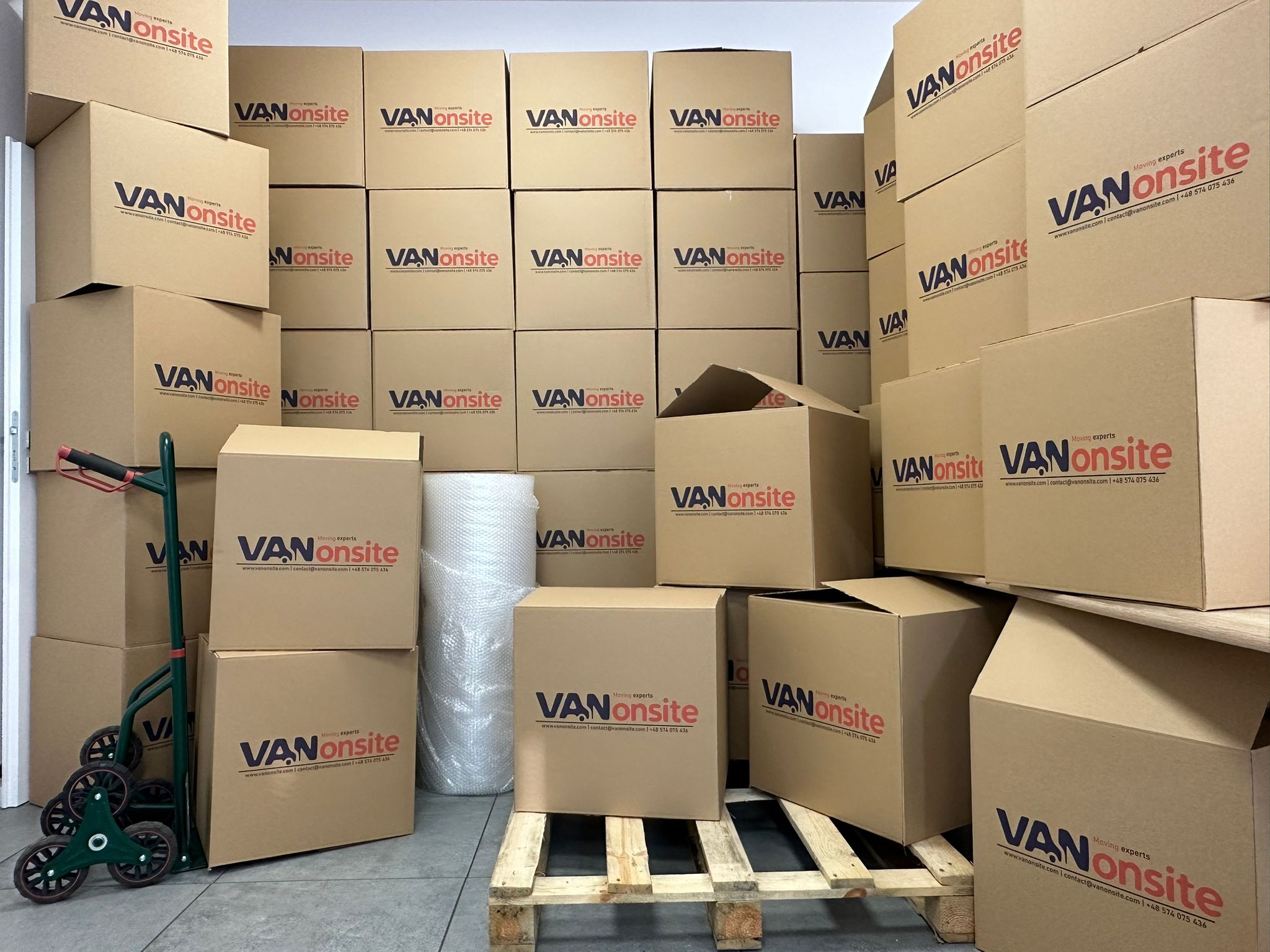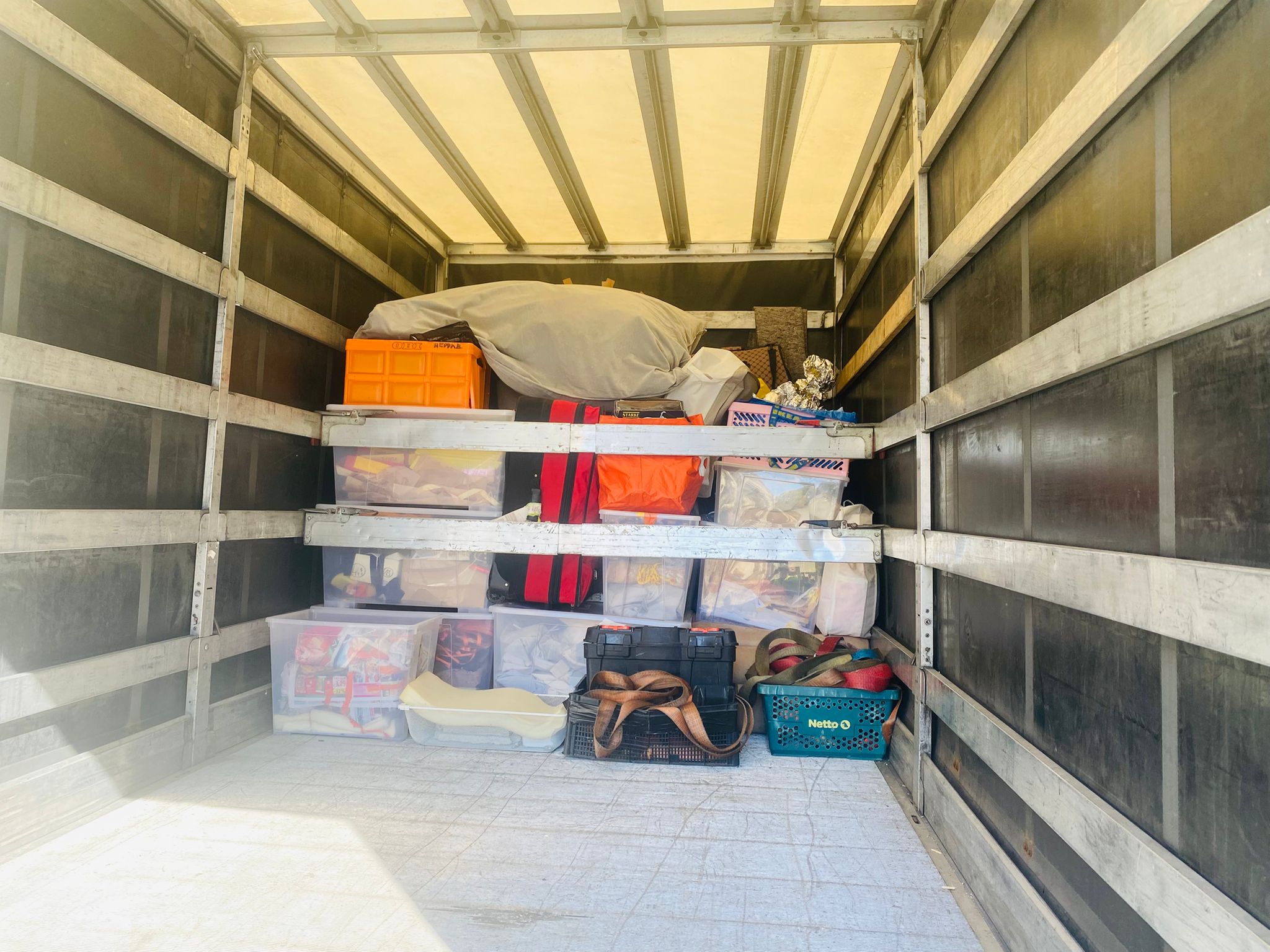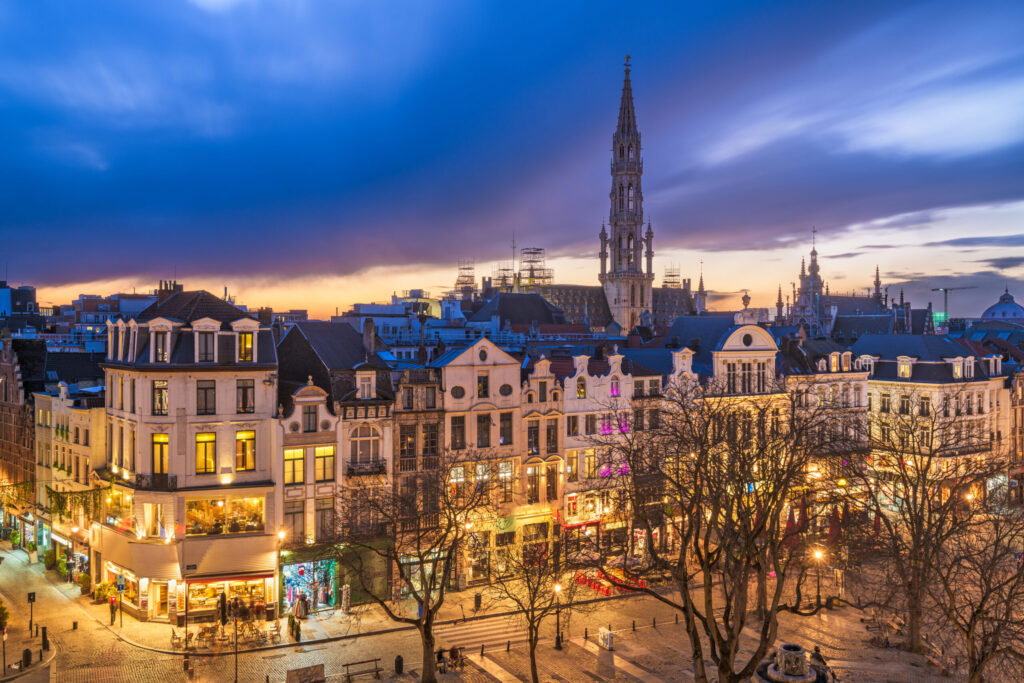
Moving to Belgium from Ireland combines an Irish collection, a ferry leg and a continental delivery plan. VANonsite can collect in Dublin, Cork, Galway, Limerick or elsewhere in Ireland and deliver to Brussels, Antwerp, Ghent, Leuven, Liège, Bruges and other Belgian destinations. Start with both addresses, an inventory or clear photographs, preferred dates, floor and lift details, parking distance, and any packing or dismantling needed. A route specialist can then match the vehicle, ferry plan and handling scope to the actual move.
With VANonsite, you get punctual teams, meticulous packing, and live GPS tracking from pickup to delivery. We move students, families, and offices across Europe with speed, safety, and zero drama. One coordinator, clear communication, and careful handling at every step.
Get a fast quote: Removals to Belgium
Choose the right Ireland-to-Belgium removal
A few boxes with flexible dates need a different plan from a full Dublin home with a fixed Brussels handover. Use the table to choose the right starting point; VANonsite confirms the final service after checking the load, access and route.
| Your move | Best starting point | What VANonsite needs |
|---|---|---|
| Boxes, selected furniture or flexible dates | Check a shared or part-load option | Item list, photographs, collection area and acceptable date range |
| Apartment, full home or fixed collection and delivery dates | Plan a dedicated Belgium removal | Both addresses, complete inventory, access notes and preferred dates |
| Urgent move with suitable route capacity | Check Last Minute Moving | Exact dates and a complete load list; a 1-3 day option is subject to route, ferry and vehicle availability |
| Fragile, high-value or awkward items | Add specialist handling | Dimensions, photographs, material and placement instructions |
Price the real route: enter collection, destination, date and load details in the automatic removal estimate. The calculator provides the first planning figure; VANonsite then checks the inventory, access and handling scope before confirming the move.




How Dublin-to-Brussels removals are planned
The Dublin-to-Brussels route is more than a mileage calculation. The vehicle first leaves Ireland by ferry, then continues by road and, depending on the booked sailing, may include a route through Great Britain and a Channel crossing or a direct Irish sailing to continental Europe. VANonsite selects the transport plan for the actual collection address, Belgian destination, vehicle, sailing availability and agreed delivery window.
Collection across Ireland
Dublin-to-Brussels is the most visible route in Search Console, but the same planning method applies to collections in Cork, Galway, Limerick and regional locations. The collection postcode affects port positioning, driving time, access and the best service type, so a complete address is more useful than a city name alone.
Delivery in Brussels and across Belgium
Brussels, Antwerp, Ghent, Leuven, Liège and Bruges have different street access, parking and building constraints. The plan should record the delivery floor, lift dimensions, walking distance from the vehicle and any restricted loading window before collection. This avoids treating the final urban handover as an afterthought.
What determines the delivery window
- the full Irish collection and Belgian delivery addresses;
- the chosen ferry and road plan for the booked date;
- shared-load consolidation or a vehicle dedicated to one customer;
- the complete inventory, vehicle size and specialist handling;
- legal driving and rest hours, weather, port conditions and property access.
For an urgent relocation, Last Minute Moving can sometimes support a 1-3 day collection-to-delivery option when the route, ferry, vehicle availability, access and confirmed load allow it. This is an available service, not the standard promised time for every Ireland-to-Belgium move.
Why VANonsite fits the Ireland-Belgium route
VANonsite plans the ferry leg, road transport and property handovers as one job. The team starts with evidence about the load and access, then gives the customer and operations crew a written scope they can use on collection and delivery day.
- Route-specific planning: the sailing and road plan are matched to the addresses, dates and vehicle.
- Right-sized transport: inventory and photographs are used to check usable load space.
- Optional packing and specialist handling: protection, dismantling, reassembly or placement can be included where agreed.
- Live GPS tracking: the customer can follow the vehicle during the transport stage.
- One coordinated handover: parking, lifts, contacts and delivery instructions are checked before collection.
Start with the actual details: use the automatic estimate for Ireland-to-Belgium removals, or review the wider Belgium removals service.
Match the vehicle to the actual load
Bedroom count alone is not a safe vehicle-sizing method. A lightly furnished two-bedroom apartment may use less space than a one-bedroom home with books, bikes and dismantled wardrobes. VANonsite checks usable volume, weight, awkward shapes and access together before confirming the vehicle.
| Load evidence | What it reveals | Why it improves the quote |
|---|---|---|
| Room-by-room inventory | Quantity and type of furniture, appliances and boxes | Reduces missing items and vehicle-size guesswork |
| Clear photographs or video | Awkward shapes, fragility and how items are grouped | Helps assess usable space and protection needs |
| Dimensions of large items | Whether sofas, wardrobes, art or equipment fit safely | Supports dismantling and loading decisions |
| Floor, lift and parking details | Carry distance and likely loading time | Helps match crew time and equipment to access |
| Packing scope | What is customer-packed and what needs professional protection | Separates transport space from labour and materials |
For a small or flexible load, VANonsite can compare a shared or part-load opportunity with a dedicated vehicle. For a full home, fixed handover or complex access, a dedicated plan may be more suitable. The automatic estimate is the fastest starting point, and no existing form fields or calculations are changed by this page update.
Your 7‑step timeline from Ireland to Belgium
6–8 weeks before
- Choose your move window and reserve your slot.
- Shortlist Belgian communes and neighborhoods; note resident parking and LEZ rules.
- Start a document folder for IDs, contracts, registration, and passport‑style photos.
- Decide on storage if handover dates do not align.
- Measure large items and check access: lifts, stairwells, door widths.
4 weeks before
- Book Packing Service or gather double‑wall boxes, wrap, and labels.
- Notify your landlord or building manager, and reserve lift time where required.
- Declutter and sell or donate heavy items you can easily replace.
- Set up Belgian utilities; schedule cancellations in Ireland.
2 weeks before
- Confirm parking and loading permissions at both addresses; arrange temporary no‑parking zones if needed.
- Photograph valuables and record serial numbers.
- Pack non‑essentials; label boxes on two sides and the top.
- Share a simple floor plan for room‑by‑room placement on arrival.
Move week
- Empty, defrost, and drain appliances 24–48 hours before loading.
- Dismantle large furniture and bag the fittings.
- Protect floors with blankets or cardboard; hold the lift if possible.
Arrival day
- Direct boxes to rooms by label.
- Reassemble beds first; test appliances.
- Take meter readings and photos for your records.
Within 10 working days if short stay
- Report your presence to the local commune when required.
Within first weeks if long stay
- Register residence and arrange health insurance with a mutuality.


Documents and official links
Always check current requirements. These links point to official sources.
What to bring for commune registration
- Valid passport or national ID card for each family member
- Proof of address in Belgium such as a signed lease or property deed
- Passport‑style photos if your commune requests them
- Proof of health insurance or a plan to join a Belgian mutuality
- Evidence of status when relevant such as employment contract, student enrolment, or proof of sufficient resources
- Civil status documents when applicable such as marriage or birth certificates. Multilingual extracts speed things up
- You may receive a home visit to confirm residence. Keep your name on the bell and mailbox
Belgium: residence for EU citizens
- Right of entry and residence for EU citizens and family: EU citizen – entry and residence
- Stays longer than three months: Residence over three months
- Short stay reporting within 10 working days: Reporting presence
Health insurance in Belgium
- Join a mutual health insurance fund after registering residence: Mutual health insurance overview
- Travelling before you register. Carry a valid European Health Insurance Card for emergencies: EHIC
Driving and vehicles
- Recognition and possible exchange of EU licences: Foreign driving licences
- Vehicle registration and Belgian plates handled with your insurer and DIV: Registration and deregistration
Customs inside the EU
- Household goods moving within the EU usually do not need a customs declaration: Belgian Customs
Pets
- EU Pet Passport, microchip, rabies vaccination, and transport rules: Travelling with pets in the EU
Students, workers, jobseekers
- Bring enrolment or employment evidence if applicable, plus proof of funds for jobseekers. Your commune’s checklist may vary. Use the Immigration Office guidance above for exact conditions
What an Ireland-to-Belgium removal quote depends on
A useful quote is built from the job itself, not a headline price or distance alone. VANonsite reviews the route, load, access, handling and timing together so the proposed vehicle and crew reflect the move being made.
| Quote input | Why it matters | What to provide |
|---|---|---|
| Route | Irish port positioning, ferry plan and Belgian destination affect the operating plan | Full collection and delivery postcodes |
| Load | Volume, weight and awkward shapes determine usable vehicle space | Inventory, dimensions and clear photographs |
| Access | Stairs, lifts, parking distance and restricted hours change loading time | Floor, lift, doorway and parking notes at both addresses |
| Handling | Packing, dismantling, fragile items and placement may need more time or equipment | Identify items needing protection, assembly or special handling |
| Timing | Flexible dates may allow load sharing; fixed or urgent dates can require a dedicated plan | Preferred date plus any acceptable collection and delivery range |
The automatic estimate gives an initial route-based figure from the existing form. A VANonsite specialist then checks details the calculator cannot see, such as a narrow staircase, long carry, fragile surface or restricted loading window.
To reduce avoidable cost, remove items you do not want to transport, provide accurate photographs, confirm access early and give a realistic date range where possible. Add professional packing or White Glove Delivery when the load needs more than standard handling.
Special items: cars, pets, art
- Vehicle registration in Belgium: insurer initiated DIV registration, potential technical inspection, Belgian plates. Guidance: Registration and deregistration
- Licence recognition: EU licences are generally valid. Some categories may require exchange. Info: Foreign driving licences
- Pets: EU Pet Passport, microchip, and valid rabies vaccine. EU overview: Travelling with pets in the EU
- Art and designer pieces: choose White Glove Delivery for custom crating and climate aware routing.
- Pianos and large instruments: extra crew, stair protection, turn planning, and hoist options after a site check. Tell us early so we can arrange permits and padding.
- Aquariums and terrariums: empty completely and dry for 24 hours. Pack glass with edge protectors and transport fish or reptiles separately under animal transport rules.
- Bikes and e bikes: remove accessories and pedals where useful. Follow manufacturer guidance for lithium batteries and keep them separate from soft goods when requested.
- Prohibited items: no hazardous materials, gas cylinders, open paint cans, explosives, perishable food, or illegal items.
- CITES controlled materials: art, instruments, or antiques containing protected species may require permits. See EU guidance: CITES trade in the EU.
Quick prep guide
| Item | Preparation checklist | On the day |
|---|---|---|
| Car or motorbike | Insurance details, registration papers, spare key, clean VIN visible | Hand over keys, note mileage, remove loose accessories |
| Piano | Measure stairs and turns, clear path, confirm floor strength | Team lead coordinates pads, straps, and skid boards |
| Large art | Share dimensions and photos, request crate if needed | Keep orientation labels visible, allow acclimatisation |
| Aquarium | Rehome livestock short term, dry tank 24 hours, pack cabinet | Load upright, avoid pressure points on glass |
| E bike | Charge to safe level, remove battery and charger | Carry battery as advised, secure frame and wheels |
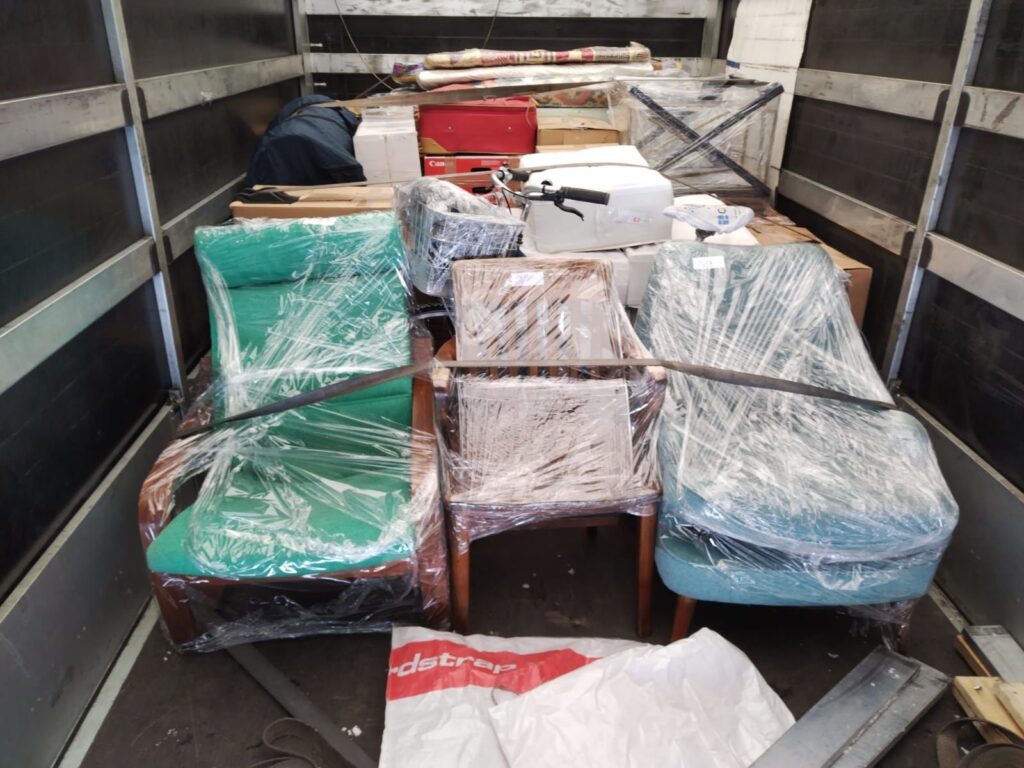
Packing like a pro
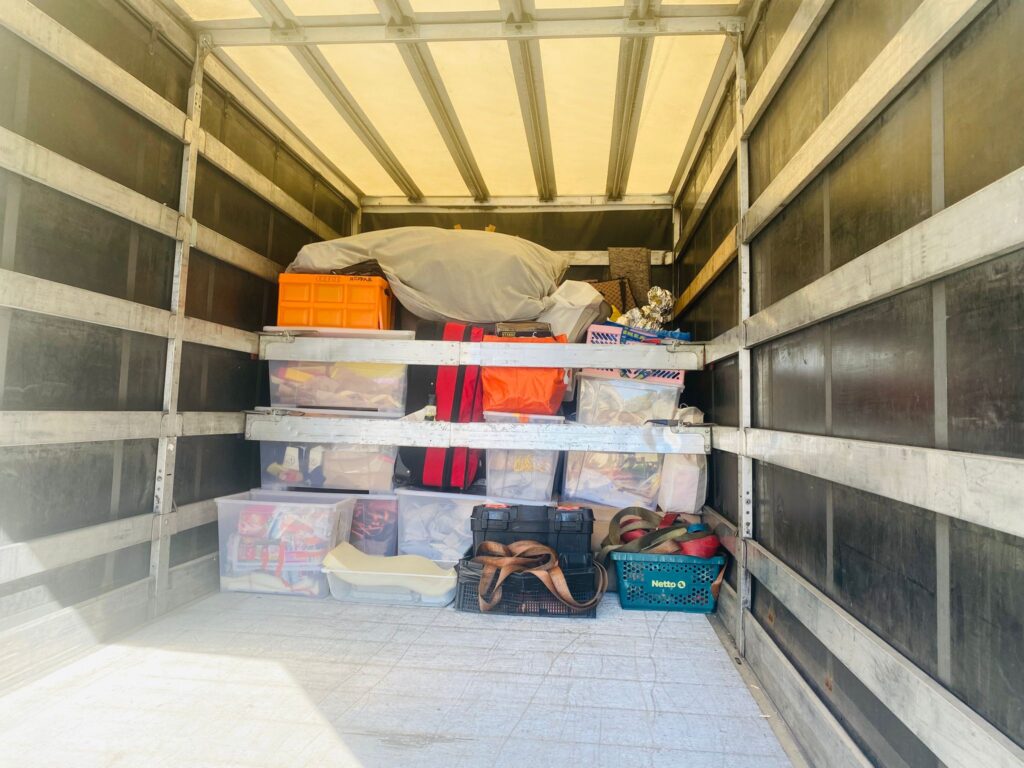
- Use double wall boxes and keep each under a comfortable lifting weight, ideally under 20 kg.
- Seal bottoms with an H tape pattern and add a cushion layer on top before closing.
- Wrap plates vertically and separate stacks with card. Never place heavy items over glassware.
- Pack TVs and monitors only in original cartons or dedicated TV boxes. Do not lay screens flat.
- Slide mattresses into protective bags and cover sofas and chairs to keep fabric clean.
- Guard corners and glass with foam or edge protectors. Bubble wrap frames and mirrors.
- Label two sides and the top with Room code plus 2 or 3 keywords. Mark essentials as Open First.
- Colour code by room with stickers and keep a simple number inventory on your phone.
- Bag hardware for beds and shelves and tape the bag to the item or keep a single hardware box.
- Photograph cable layouts behind the TV or desk before packing for easy reassembly.
- Keep liquids and cleaners in a sealed crate with lids upright and separate from linens.
- Use wardrobe cartons for crease free clothes. Stuff shoes with paper and bag in pairs.
- Do not overfill boxes. Keep tops flush for safe stacking and place lighter items at the top.
- Keep a personal essentials bag with chargers, meds, documents, keys, and a small toolkit.
- Do not pack passports, cash, or jewellery. Carry valuables with you.
Moving day checklist
Before the crew arrives
- Confirm parking, loading bay or temporary no parking permits. Hold the lift where allowed and protect lift walls if the building requires it.
- Protect floors and corners with blankets or cardboard. Photograph both homes and take initial meter readings.
- Empty, defrost, and drain appliances. Tape doors and loose shelves. Check the washing machine filter and secure the drum if you have transit bolts.
- Set aside a clearly marked Do Not Move bag with IDs, keys, contracts, chargers, meds, and basic tools. Keep valuables with you.
- Clear hallways and stairwells of trip hazards. Keep pets and children safely in one room or with a sitter. Notify neighbours of the time window.
During loading
- Walk the inventory with the team leader and flag fragile or high value pieces. Confirm stair protection and lift rules.
- Label the last box from each room and count total boxes by room for faster checks.
- Confirm route, GPS tracking link, contact numbers, and ETA. Stay reachable by phone.
- Take quick photos of any pre existing marks in communal areas for your records.
On the road
- Monitor the GPS link and keep your phone charged. If you are driving, plan fuel and rest stops and carry IDs plus contracts.
- Have cash or card ready for building deposits or parking meters at destination if required.
At delivery
- Place a simple room map near the entrance and direct boxes by label and colour code. Use doorstops and floor protection.
- Assemble beds first and connect major appliances safely. Place felt pads under furniture feet.
- Keep packing materials in one spot for a quick end of day cleanup. Photograph final meter readings.
- Walk through each room with the team leader and note any issues on the job sheet before sign off.
Within 72 hours
- Report any issues promptly with photos so we can resolve them quickly.
- Register presence or complete commune steps if applicable. Update address with bank, employer, and insurer.
- Flatten cartons for recycling or reuse. Book a collection if you prefer us to take materials away.
Ireland to Belgium removals FAQ
How is a Dublin-to-Brussels removal routed?
The move includes a ferry from Ireland followed by road transport to Belgium. Depending on the booked sailing and the load, the vehicle may travel via Great Britain and a Channel crossing or take a direct Irish sailing to continental Europe. The route is confirmed for the actual date and addresses.
Can VANonsite collect outside Dublin?
Yes. Collections can be planned in Cork, Galway, Limerick and other Irish locations, with delivery to Brussels, Antwerp, Ghent, Leuven, Liège, Bruges and elsewhere in Belgium. The full postcodes are needed to price the real route.
Do ordinary household goods need customs clearance between Ireland and Belgium?
Ordinary Union goods moving within the EU generally do not attract internal customs duties. Restricted goods, excise items or goods with a different customs status can require separate checks, so share a complete inventory before collection.
Can VANonsite move a few boxes or selected furniture?
Yes. Share an item list and photographs so the team can compare a shared or part-load opportunity with a dedicated vehicle. Availability and the final recommendation depend on the load, route and dates.
How quickly can VANonsite deliver from Ireland to Belgium?
The confirmed window depends on the addresses, ferry, vehicle, load and access. Last Minute Moving can sometimes support a 1-3 day option when route, ferry and vehicle availability allow it, but this is not the standard promised time for every move.
What information makes the automatic estimate more accurate?
Provide both postcodes, preferred dates, a complete inventory or photographs, floors and lift details, parking distance, and any packing, dismantling or fragile-item requirements.
Summary
For a useful Ireland-to-Belgium plan, provide the real addresses, inventory, access and dates rather than choosing from a generic van table. VANonsite can compare shared and dedicated transport, add packing or specialist handling, coordinate the ferry and road route, and provide live GPS tracking during transport. Start with the automatic estimate, then let the route specialist verify the details that affect the final scope.