
Austria or the Netherlands? Both can offer a high standard of living, but they suit different priorities. Austria is often the stronger fit if you want mountain access, compact cities, a more traditional working culture and German-speaking life. The Netherlands is usually the better match if you value an international job market, English-friendly daily life, cycling infrastructure and fast connections between cities.
This comparison looks beyond postcard impressions. It focuses on the decisions that matter before a relocation: housing pressure, work, language, healthcare, family life, transport and the practical shape of the move. VANonsite plans moves to both countries and sees how destination choice changes access checks, loading plans, vehicle allocation and delivery arrangements.
Quick answer: which country is better?
- Choose Austria for Alpine access, German-speaking career paths, elegant medium-sized cities and a quieter pace outside Vienna.
- Choose the Netherlands for an international business environment, widespread professional use of English, dense public transport and city-to-city mobility.
- For families, compare the exact neighbourhood, school route and childcare availability rather than choosing on national averages alone.
- For remote workers, housing availability and the daily environment may matter more than proximity to a single employer.
Austria vs Netherlands at a glance
| Decision factor | Austria | Netherlands |
|---|---|---|
| Best suited to | Mountain access, German-speaking life, engineering and tourism | International careers, logistics, technology and urban mobility |
| Language | German becomes important quickly outside international settings | English can help at first, but Dutch supports long-term integration |
| Housing challenge | Strong local variation between Vienna, Alpine regions and smaller cities | Competition can be intense in major employment centres |
| Daily mobility | Reliable urban transit, driving useful in many regional areas | Cycling and public transport shape everyday routines |
| Lifestyle | Alpine sports, lakes, classical culture, seasonal rhythm | Canal cities, coast, cultural venues, compact urban networks |
Cost of living: compare the city, not only the country
A national average can hide the real decision. A central apartment in Amsterdam and a home in a smaller Dutch city are different markets. The same applies to Vienna, Salzburg, Innsbruck, Graz and Austria’s regional towns. Start with the location of your job or school, then compare realistic commuting areas and the full monthly cost of living there.
Housing is normally the first constraint to solve. Check whether a property is furnished, what is included in the service charge, how heating is billed, whether parking or bicycle storage is available and what deposit conditions apply. In Austria, the age and heating system of a building can materially affect comfort and running costs. In the Netherlands, availability and competition may determine how widely you need to search.
Do not plan from an old rent figure found in a blog post. Create a current shortlist from live listings, compare several neighbourhoods and allow for temporary accommodation if your permanent tenancy will not begin immediately. For a move, confirm key collection, lift access, parking restrictions and the distance from the vehicle to the entrance. Those details can matter as much as the distance between countries.
Jobs and salaries: where does your career fit?
Working in Austria
Austria can be attractive for engineering, manufacturing, life sciences, tourism, finance and specialist technical roles. Vienna has the broadest international market, while regional opportunities often connect to local industry or tourism. German can be essential for customer-facing work, regulated roles and long-term progression, even when an initial position uses English.
Workplace communication may feel more formal than in the Netherlands. Qualifications, job titles and clear responsibilities can carry weight. Before accepting an offer, compare the net package, commuting time, language expectations and whether the employer supports registration or relocation.
Working in the Netherlands
The Netherlands has a dense international business network, with opportunities in logistics, technology, engineering, finance, food, energy and creative industries. English is commonly used by multinational teams, particularly in the Randstad and major technology centres. That can make the first professional step easier, but Dutch remains valuable for local networks, management roles and life outside an international workplace.
Dutch communication is often direct and decision-focused. Many newcomers appreciate the clarity, while others need time to adjust. Compare the entire employment offer and verify current tax or immigration conditions through official channels, as eligibility rules can change.
Language and integration
The language difference is one of the clearest separators in the Austria vs Netherlands decision. In Austria, daily administration, local services and many workplaces operate in German. A newcomer who invests early in German usually gains a wider housing search, more career options and easier contact with neighbours.
In the Netherlands, strong English skills can make the first months feel easier, especially in larger cities. That convenience should not become a reason to postpone Dutch indefinitely. Learning the local language helps with community life, schools, local employers and situations where documents or services are not designed around expatriates.
In both countries, integration is local. A central international district, a university city, an Alpine town and a Dutch commuter municipality can create very different experiences. Visit the neighbourhood at the time you would normally commute, shop or collect children from school.
Healthcare, education and family life
Both countries have established healthcare and education systems, but the way residents access and pay for services differs. Your employment status, residence position and household circumstances can affect registration. Check the current official requirements before arrival and keep essential medical documentation accessible during the move.
Families should shortlist actual schools and childcare providers before choosing a home. Consider teaching language, admission area, waiting lists, travel time and the support available for a child who is new to the language. An international school may ease transition, while a local school may support deeper integration. The right answer depends on the child’s age, the expected length of stay and the family’s language plan.
For healthcare, identify how primary care is accessed, how insurance or social contributions apply to you and which documents must be presented. Pack prescriptions and essential records separately from household goods so they remain available throughout collection and delivery.
Transport and everyday mobility
Austria’s larger cities offer strong public transport, while a car can be more useful in smaller towns, mountain regions and for weekend travel. Winter conditions, parking rules and building access can influence both daily life and moving-day planning. In older urban buildings, staircases, courtyards and restricted loading areas need checking in advance.
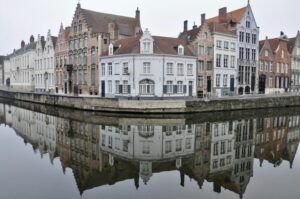
The Netherlands is built around short urban distances, bicycles and connected public transport. This can reduce dependence on a car, but it also changes what good housing access looks like. Narrow streets, canals, controlled parking zones and steep staircases are common practical considerations. A photograph of the entrance rarely tells the whole story, so VANonsite asks about floor level, lift dimensions, doorway width and the legal place for a vehicle to stop.
Climate, scenery and free time
Austria offers a more continental and regionally varied climate, with Alpine winters, warm summers and direct access to hiking, skiing and lakes. It suits people who want nature to shape their weekends and do not mind clearer seasonal changes.
The Netherlands is flatter, windier and strongly influenced by the North Sea. Cycling, watersports, coastal trips and compact cultural cities are easier to build into everyday life. The landscape is less dramatic, but movement between places is often simple.
If outdoor life is decisive, compare what you can realistically reach after work, not only what appears in national tourism images. A home in central Vienna creates a different routine from one in Tyrol, just as Amsterdam differs from a coastal town or an eastern Dutch city.
Austria or Netherlands: practical pros and cons
Austria may be better if you want:
- mountains, lakes and winter sports close to home;
- a German-speaking environment and career path;
- compact historic cities and a more traditional social rhythm;
- access to Central European destinations by road and rail.
Potential tradeoffs: German becomes important, regional differences are significant and mountain or historic properties can require more detailed access planning.
The Netherlands may be better if you want:
- an international labour market where English can support the first stage;
- cycling and public transport as everyday transport;
- fast connections between multiple employment centres;
- a direct, internationally connected business culture.
Potential tradeoffs: housing competition can narrow your options, major cities can feel crowded and Dutch is still important for full integration.
Planning the move to Austria or the Netherlands
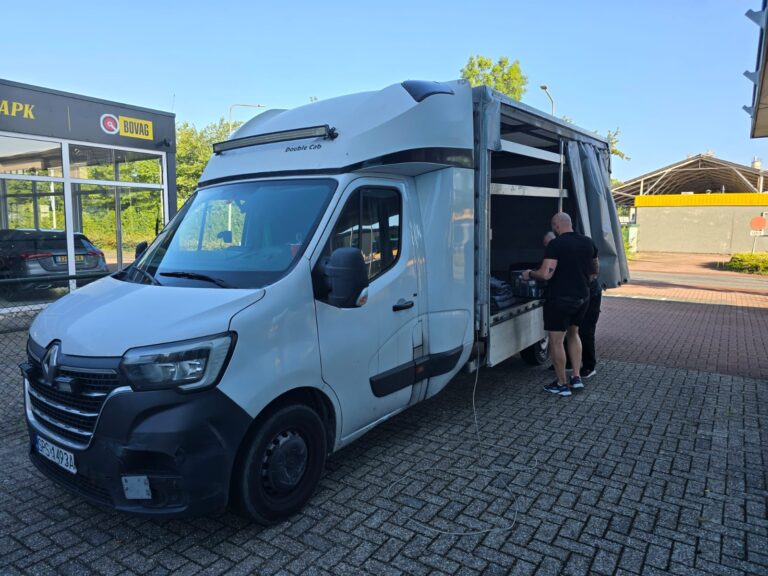
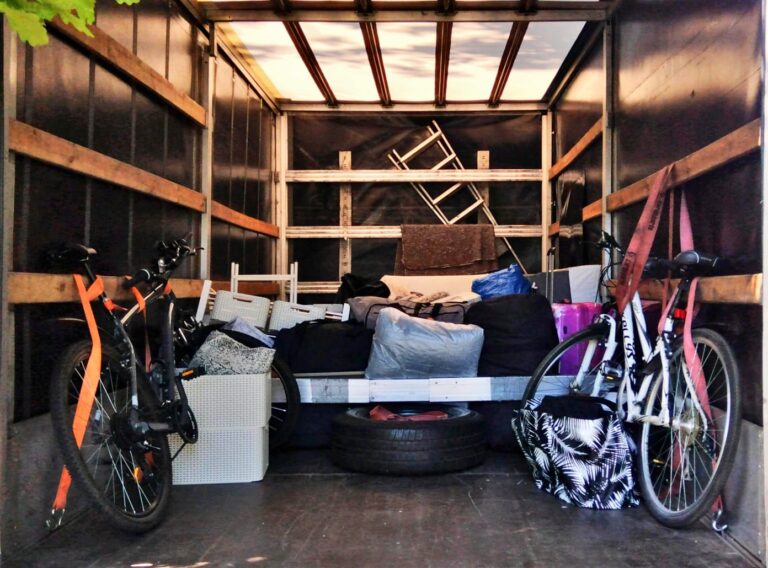
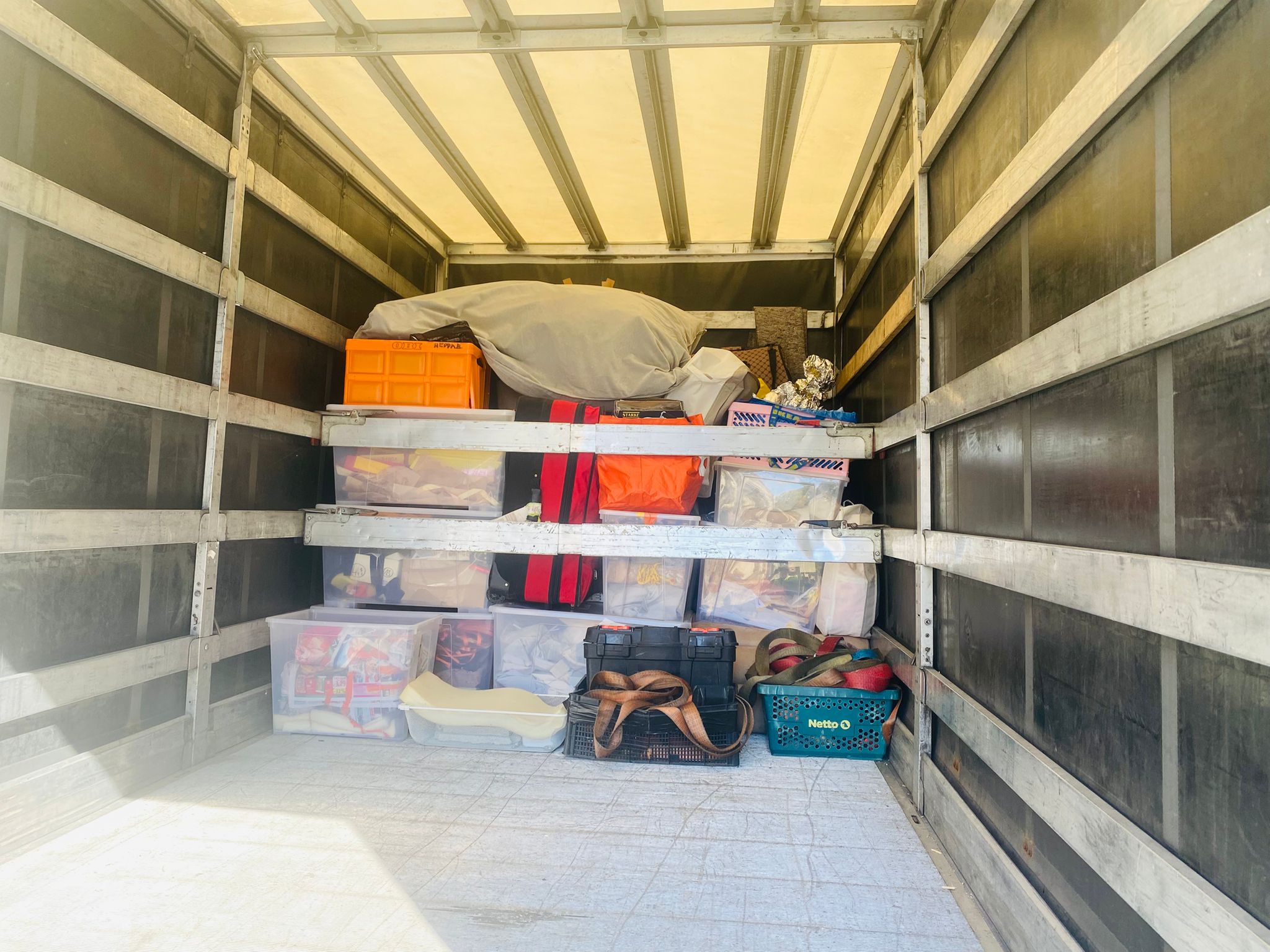
Once the destination is chosen, build the move around property access and the actual inventory. Measure large furniture, identify fragile or unusually heavy items and separate anything that requires dismantling. Share photographs of staircases, lifts, gates and parking conditions at both addresses. Accurate information allows the correct crew, vehicle and protection plan to be arranged.
For a dedicated destination service, see removals to Austria or removals to the Netherlands. If dates are flexible, VANonsite can assess whether a shared or dedicated transport arrangement suits the volume and route. If timing is urgent, 1 to 3 day collection may be possible through the Last-Minute Moving service, subject to vehicle, route and crew availability.
Turn your shortlist into a real moving plan
Tell VANonsite what is moving, the collection and delivery postcodes, preferred dates and access conditions. The automatic quote form gives you an immediate starting point without changing how the service works.
Frequently asked questions
Is Austria or the Netherlands better to live in?
Austria is often better for mountain access, German-speaking life and a quieter regional lifestyle. The Netherlands is often better for international careers, English-friendly first steps and cycling-based urban living. The better choice depends on the exact city, job, housing and family needs.
Is Austria cheaper than the Netherlands?
Costs vary too much by city and property type for a reliable country-wide answer. Housing in the most competitive Dutch cities can be difficult to secure, while Austrian costs differ markedly between Vienna, Alpine destinations and regional centres. Compare current listings and the full monthly budget for your target neighbourhood.
Can I live in Austria or the Netherlands using only English?
English may be enough for some international roles and initial daily tasks, particularly in the Netherlands. For administration, broader employment options and long-term integration, German in Austria and Dutch in the Netherlands remain valuable.
Which country is better for families?
Both can work well for families. The decisive factors are usually the actual school or childcare place, teaching language, commute, housing space and local support network rather than a national ranking.
How far in advance should I arrange removals?
Book as early as practical once both addresses and dates are reasonably clear. If plans change suddenly, VANonsite can check last-minute availability, but no urgent collection window is guaranteed until the route, vehicle and crew are confirmed.