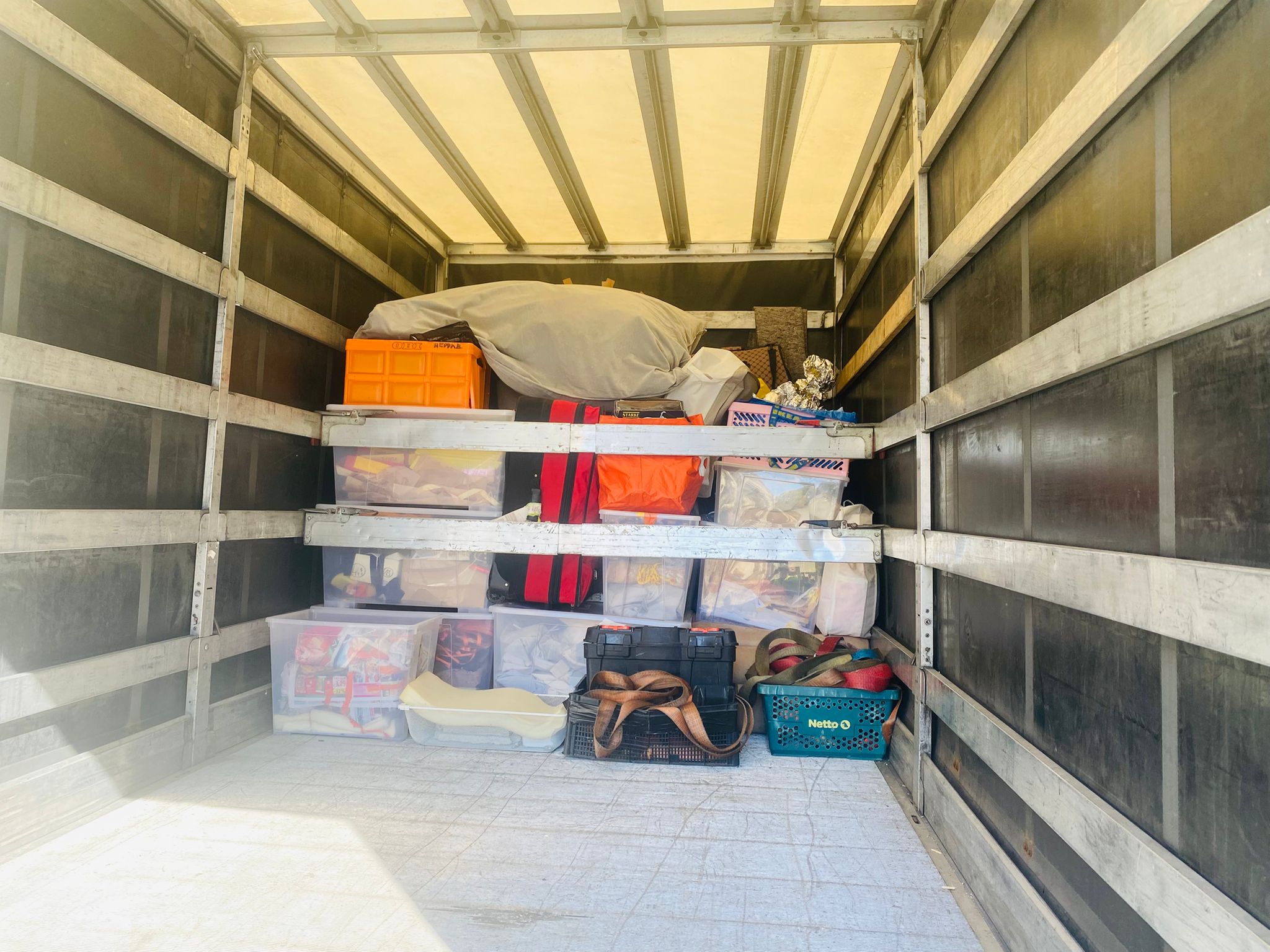

Part-load removals to France are designed for moves that need professional handling but do not require a whole vehicle. Your boxes, furniture or studio-flat contents travel as a clearly identified allocation on a planned UK-France route, so you pay for the capacity and handling your move actually needs.
VANonsite plans each shared route around real inventory volume, weight, collection and delivery access, customs readiness and compatible dates. That matters: a six-cubic-metre load from a ground-floor house in Kent is a different operation from the same volume collected from a fourth-floor London flat and delivered inside central Paris. Give us the real details and the quote can reflect the real job.
Get an automatic UK-France removal estimate
Enter both addresses, your preferred date and the load details below. The calculator gives an automatic estimate; photos, stairs, lifts, parking distance and unusually heavy items help us confirm the right vehicle space.





What a part-load removal actually means
Part load is a routing model, not a lower standard of care. Several compatible consignments share a vehicle travelling in the same direction. Each load is inventoried, separated in the loading plan and secured for the journey. The saving comes from sharing vehicle and route capacity, not from skipping protection or treating the contents as parcels.
It works best when the collection or delivery date has some flexibility. The planner must align addresses, vehicle capacity and the order of stops without creating unnecessary handling. A precise inventory is therefore more valuable than a rough description such as “a few boxes and furniture”.
Moves that are usually a good fit
- a student room or studio-flat move;
- boxes plus several bulky pieces of furniture;
- a sofa, bed, dining set or other furniture-only delivery;
- a staged relocation while a French property is being renovated;
- personal effects sent before or after the main household move;
- non-urgent office equipment or display materials.
If you are moving an entire household, have a fixed key handover, need a booked building slot or cannot accept a routing window, ask for a dedicated vehicle instead. The best service is the one that matches the constraint that matters most.
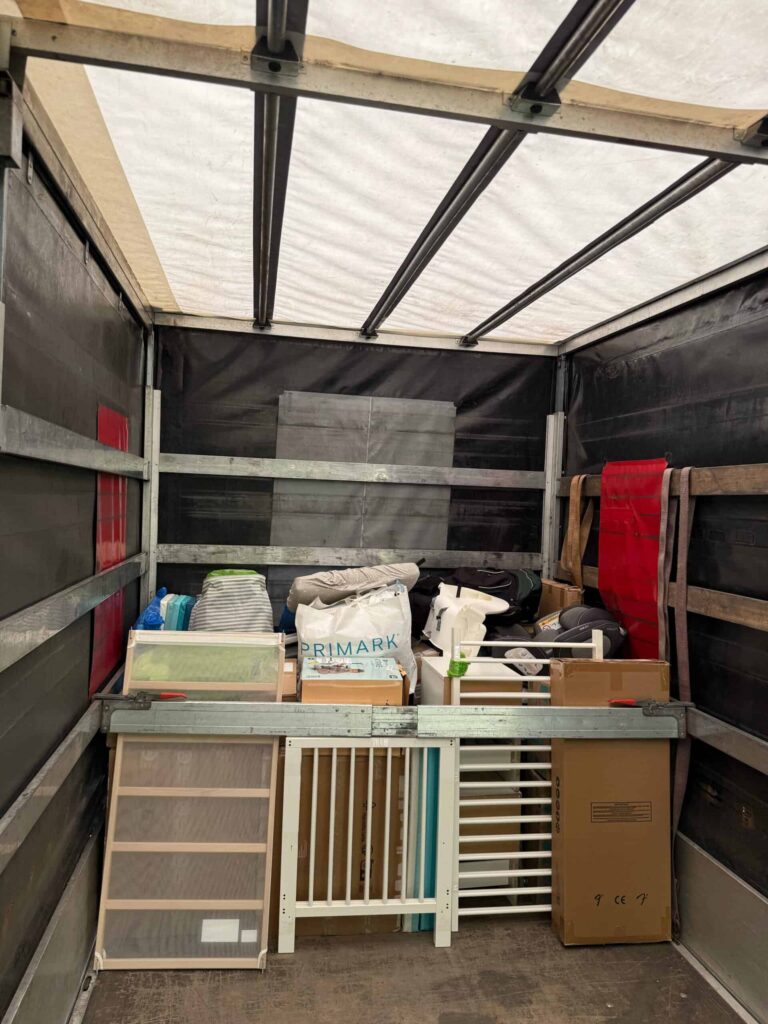
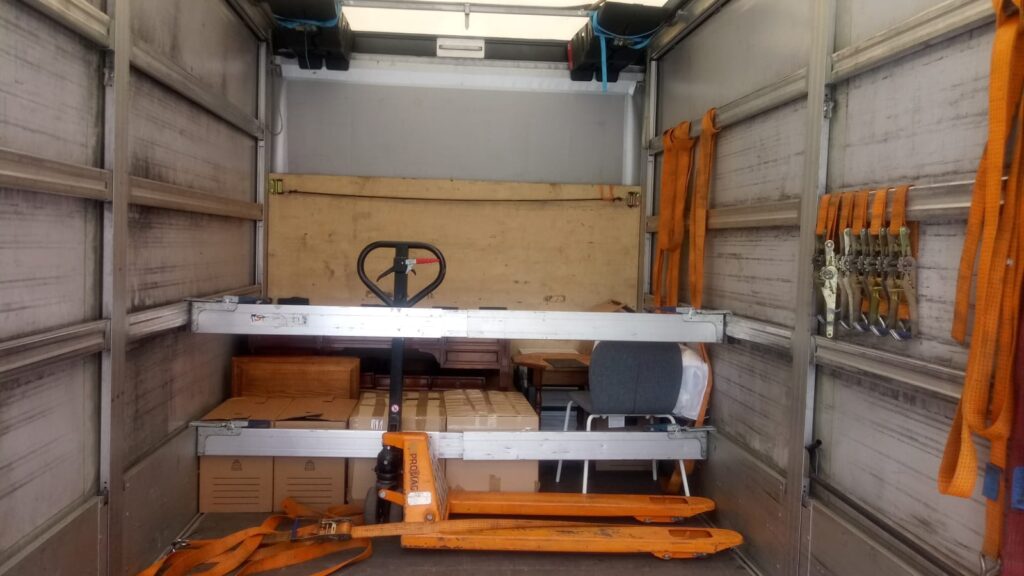
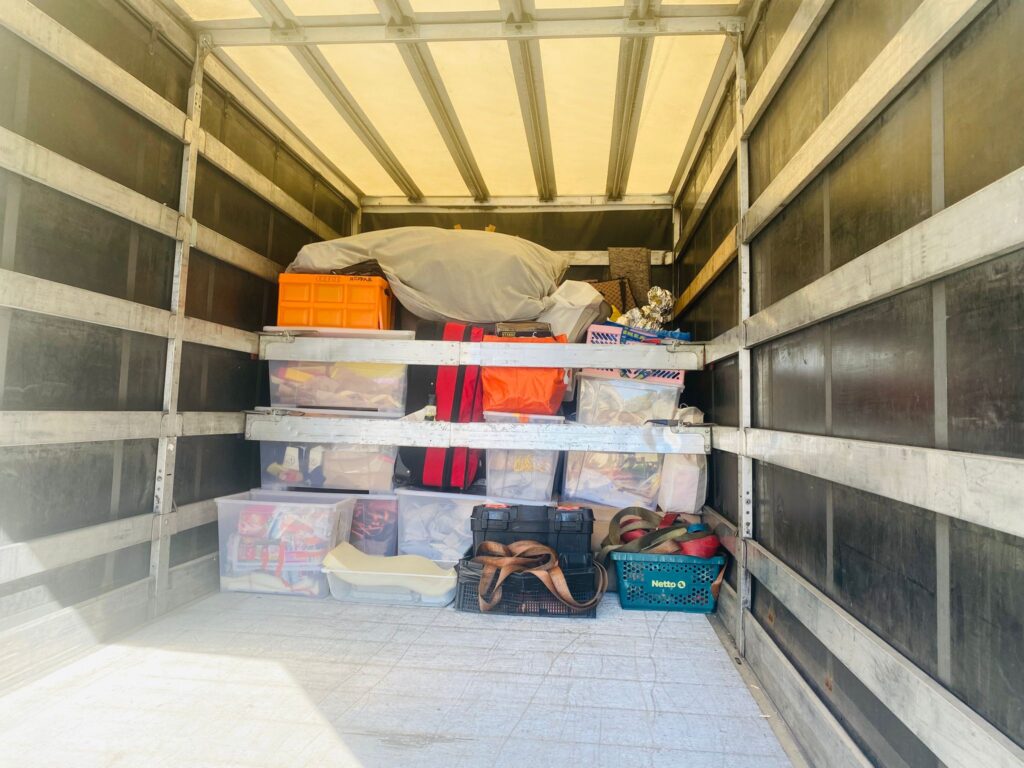
Part load or dedicated vehicle?
| Decision point | Part-load removal | Dedicated removal |
|---|---|---|
| Vehicle space | Reserved capacity on a shared route | The vehicle is planned for your move |
| Dates | A collection and delivery window is normally needed | Tighter timing can be planned |
| Best suited to | Small and medium loads, furniture and staged moves | Full homes, strict access slots and fixed handovers |
| Price structure | Space, weight, route and handling are shared efficiently | You fund the dedicated route and vehicle time |
| Handling plan | Items are labelled and separated within a multi-stop load plan | Fewer planned consignments and stops |
Part load is not automatically the cheapest answer in every case. A difficult collection, a large but light load, heavy books or tools, or a remote delivery far from the main route can change the calculation. VANonsite compares the space, payload, labour and route rather than choosing a service from box count alone.
What determines the cost of moving furniture to France?
A useful quote starts with capacity, but it does not end there. Furniture often occupies more usable space after protection is added, while books, tools and gym equipment can reach a payload limit before the van looks full. Long carries and stair work affect labour time; parking restrictions can affect the vehicle and schedule.
The details that make an estimate accurate
- collection and delivery postcodes or full addresses;
- an itemised list with the number and approximate size of boxes;
- photos and dimensions of sofas, wardrobes, tables and other bulky items;
- heavy items such as books, tools, stone furniture or gym equipment;
- floor level, lift size, stairs and distance from the legal parking place to the door;
- whether furniture must be dismantled or reassembled;
- preferred dates and the amount of flexibility available;
- packing, storage or specialist handling requirements.
Sending this information at the start reduces the risk of capacity changes on collection day. If you are still deciding what will travel, calculate the larger version first and update the inventory before the route is confirmed.
How VANonsite plans a shared UK-France route
A route is built from addresses, compatible time windows, vehicle capacity and handling sequence. Items for an earlier delivery cannot be buried behind a later consignment, and fragile or awkward pieces need positions where straps and blankets can protect them. This is why two loads with the same cubic volume may not be interchangeable.
- Inventory review: the team checks volume, weight clues, dimensions and special handling.
- Access review: stairs, lifts, parking distance and local restrictions are added to the plan.
- Route matching: compatible UK collections and French deliveries are grouped by geography and timing.
- Loading plan: consignments are labelled, protected, separated and positioned in delivery order.
- Customs check: the inventory and supporting information are reviewed for the direction of travel.
- Delivery confirmation: access and contact details are reconfirmed before arrival.
France-specific access can change the plan
The final kilometre can require more planning than the motorway. Central Paris and other dense city centres may involve controlled access, narrow streets, timed loading areas, underground car parks with height restrictions and apartments with small lifts. Historic town centres can have pedestrian zones or streets unsuitable for a larger vehicle. Rural properties may have gates, unmade tracks or turning space that looks generous on a map but is limited in practice.
Tell us if either address has a concierge, lift reservation, restricted loading hours, low bridge, narrow entrance or a carry longer than the distance from the kerb to the door. A short video from the street to the property can answer questions that photographs miss. When a large vehicle cannot safely reach the entrance, the team can assess whether a smaller vehicle or additional carrying plan is required.
Customs documents for removals from the UK to France
Moving personal belongings from Great Britain to France crosses a customs border. Requirements depend on your circumstances, the goods and the direction of travel, so use current official guidance rather than copying a checklist from an old forum post. VANonsite can explain the transport information needed for the move, while the customer remains responsible for providing accurate personal and goods information.
Prepare a clear, signed inventory with quantities and sensible descriptions. Number boxes so the physical load matches the list. Separate new goods, alcohol, tobacco, food, plants, vehicles, professional equipment and unusually valuable items for individual checking; they should not be hidden inside a generic “household effects” entry.
- GOV.UK guidance on declaring personal goods
- French customs portal for individuals
- French Customs information in English
Rules can change and individual reliefs have conditions. Confirm the current requirements for your move before collection, particularly when you are changing residence rather than sending a single item.
Packing for a shared vehicle
Part-load packing must protect the item and keep the consignment identifiable. Use strong, closed cartons that can be stacked safely. Put heavy contents in smaller boxes, fill empty space and mark fragile items on more than one side. Label each carton with your name or reference, room and box number that matches the inventory.
Furniture needs clean blankets or suitable covers, corner protection and secure wrapping that does not damage delicate finishes. Remove loose shelves and fittings; place screws in a labelled bag attached to the matching item. Tell the team about glass, marble, artwork, antiques, instruments and furniture that cannot be tilted before the route is finalised.
You can book professional packing services, furniture removals or White Glove handling where the contents or property require a higher level of care.
Delivery windows and urgent moves
A part-load delivery window depends on route availability, the other compatible stops, customs readiness and access at both ends. VANonsite confirms the realistic plan for the specific job rather than publishing one universal transit promise. More flexibility usually creates more opportunities to match a shared route.
If the move is urgent, say so before requesting part-load capacity. VANonsite’s Last Minute Moving service may be able to arrange a dedicated route with a 1-3 day transit for an appropriate route and ready-to-load consignment. This is a separate availability-based option, not the standard timing promised for every part-load move.
Three realistic planning scenarios
Boxes and a desk from Manchester to Lyon
A flexible student or professional move can suit part load well. The important details are the number and size of boxes, whether the desk dismantles, collection stairs and the earliest date the French address can receive delivery. Travelling with documents, medication and first-night essentials avoids relying on the vehicle for items needed immediately.
A sofa and dining set to an apartment in Paris
Measurements decide whether the furniture fits through the destination access, not just inside the van. The planner needs the lift dimensions, stair width, floor level and legal loading position. Removable legs, wrapped corners and a confirmed delivery contact prevent avoidable handling problems.
A staged household move to rural France
Sending essential furniture first can work while renovation or property dates remain uncertain. A photo or video of the gate, track and turning area helps assess vehicle access. If the property cannot receive the load yet, discuss storage before the route is booked rather than changing the destination during transit.
Frequently asked questions
Can I use part-load delivery for one item?
Yes, when the item’s dimensions, weight, access and dates fit an available route. A sofa, bed, wardrobe or dining set still needs accurate measurements and protection. Very small consignments are assessed against the route and handling required.
How is my load kept separate?
The inventory, labels and loading plan identify the consignment. Items are positioned and secured according to the delivery sequence and their handling needs. Clear box numbering makes the delivery check faster.
Do I need an exact cubic-metre figure?
No. Start with an item list, box sizes, furniture dimensions and photos. VANonsite uses them to assess usable space and the weight profile. Report changes before collection so the planned capacity remains suitable.
Can the collection and delivery dates be fixed?
A shared route normally needs a window. If a building, flight or key handover creates a fixed deadline, state it immediately. A dedicated vehicle may be the better service when timing cannot move.
What should not travel in the removal vehicle?
Keep passports, medicines, keys, jewellery, irreplaceable documents and devices needed on arrival with you. Do not include hazardous or prohibited goods. Ask before packing paints, aerosols, gas cylinders, batteries, plants, food, alcohol or other regulated items because the answer depends on the product and route.
Where can I compare the wider France service?
See the main removals to France page for the broader service, or use the automatic form above for this part-load route. VANonsite will assess whether shared or dedicated transport better matches the inventory, dates and access.
Plan the route around the real move
The strongest part-load quote is built from specifics: what is moving, how much space and payload it needs, where the vehicle can stop, which dates can flex and whether the customs information is ready. VANonsite specialises in European removals and uses those details to plan a practical UK–France route rather than forcing every customer into the same package.
Use the automatic calculator near the top of this page, then provide photos and access details when you want the route confirmed.