
Moving from the UK to Germany is a major life step. It brings excitement, pressure and dozens of practical questions at once: where to live, what documents to prepare, how customs work, what to pack and how to move your belongings safely across Europe.
The process becomes much easier once you know how to move to Germany from UK in the right order. You do not need to solve everything at once. You need a clear plan built around housing, documents, customs, transport, registration and daily life setup.
Since Brexit, moving from the UK to Germany usually needs more preparation than it once did. Personal belongings may require customs related paperwork. Your inventory matters. Proof of address may matter. Depending on your circumstances, work, study or residence documents may also become part of the process.
This guide explains how to move to Germany from UK without losing control of the move. You will learn what to prepare before moving day, how moving from UK to Germany customs can affect your belongings, what documents may be useful, how to choose the right van size and how to make transport safer for furniture, boxes, fragile goods and personal items.
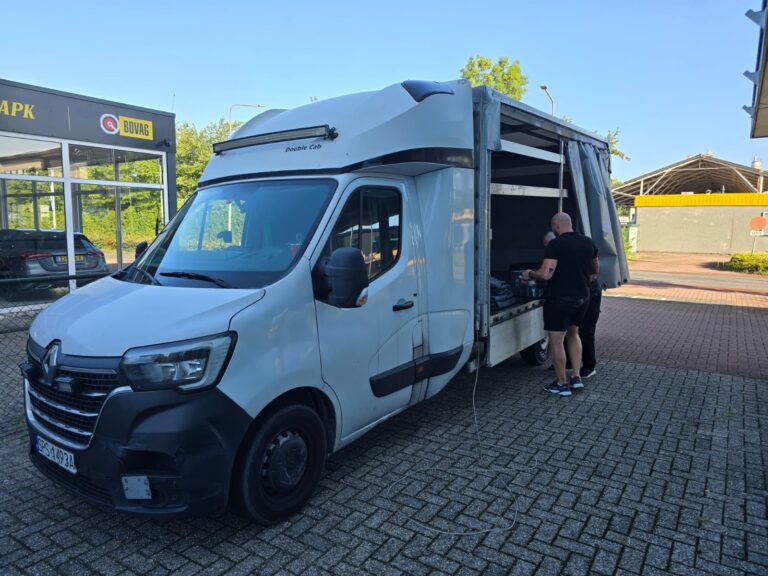
VANonsite helps make the transport side calmer and more predictable. The company offers professional European removals, door to door transport, GPS tracking for every load and flexible vehicle sizes for small, medium and full household moves. Whether you are moving a student room, office equipment, furniture, a full home or urgent last minute items, VANonsite can shape the move around your real inventory.
Planning your UK to Germany move? Ask VANonsite for a tailored removals quote and get a clearer route from your current address to your new start in Germany.
TL:DR
- To understand how to move to Germany from UK, start with six essentials: housing, documents, customs, transport, registration and daily life setup.
- Since Brexit, moving personal belongings from the UK to Germany may involve customs related preparation, so check official UK and German guidance before moving day.
- A clear inventory list is vital for moving from UK to Germany customs, removals planning and accurate quoting.
- VANonsite offers GPS tracked removals from the UK to Germany, with vehicle sizes for small boxes, student moves, furniture, offices and full homes.
- The right van size depends on volume, weight, access, route, timing and whether you are moving boxes, fragile items, office equipment or a full household.
- Packing, storage and white glove delivery can make the move safer, especially when dates do not align or your items include glass, antiques, artwork or designer furniture.
- The fastest way to get a reliable VANonsite quote is to send both addresses, preferred dates, inventory, photos, access details and notes about fragile or bulky items.




How to Move to Germany from UK Step by Step
If you are wondering how to move to Germany from UK without drowning in details, start by organising the move in stages. Germany is close enough to feel familiar, but far enough for documents, customs, transport, housing and registration to matter.
Follow this order:
- Decide where in Germany you are moving. Your destination affects rent, access, route length and removals cost.
- Check visa, residence and registration requirements. Requirements may depend on your nationality, reason for moving and length of stay.
- Secure housing or temporary accommodation. Even a short term address helps with delivery, registration and the first days after arrival.
- Create a full inventory. List boxes, furniture, appliances, bikes, electronics and fragile items.
- Check moving from UK to Germany customs requirements. Personal goods may need customs related documentation.
- Choose the right removals service. A professional European removals provider can make transport faster, safer and more predictable.
- Book your moving date. Secure collection and delivery windows early, especially in summer or near month end.
- Pack and label your belongings. Label boxes by room and content. Mark fragile items clearly.
- Prepare essential documents. Keep passports, tenancy documents, work or study confirmations, inventory lists and customs paperwork close.
- Arrange delivery access in Germany. Check stairs, lifts, parking, loading zones and building rules before the van arrives.
- Register locally after arrival where required. Local address registration is usually an important early step in Germany.
- Set up daily essentials. Arrange utilities, banking, insurance, mobile service and basic home needs.
This structure protects you from the common relocation trap of booking transport before understanding the load, documents and destination. A clear inventory, realistic dates and good access information can prevent delays, wrong vehicle choices and avoidable costs.
VANonsite can simplify the transport part with door to door European removals, GPS tracking and flexible vehicle sizes. Whether you need a compact man and van option for a small apartment or a larger vehicle for a full home, VANonsite can shape the move around your actual belongings.
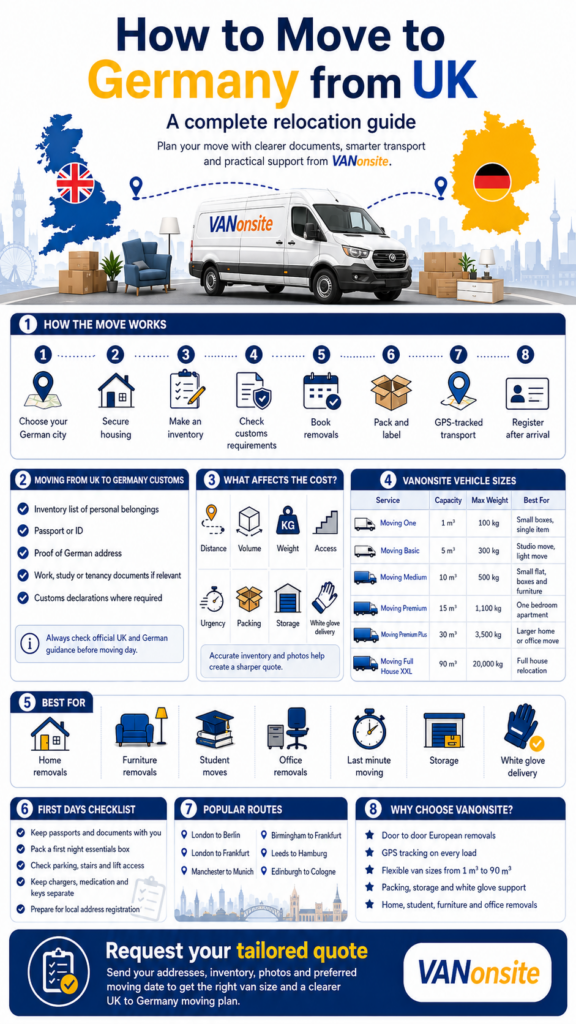
Moving from UK to Germany Customs: What You Need to Know
Moving from UK to Germany customs is one of the most important topics to understand before the van arrives. Since the UK is no longer part of the EU, moving personal belongings from the UK into Germany may involve customs related preparation. This does not mean the move has to be difficult, but you should prepare documents early.
Personal belongings are not the same as commercial stock. Used furniture, clothes, books and household items are different from new products, sale goods or business stock. Customs authorities may ask what is being moved, why it is being moved and whether the items are personal, used, new, high value or restricted.
Always check official sources before moving day. Rules can change, and your situation may depend on nationality, residency status, reason for moving and type of goods. For UK guidance, review taking personal goods out of the UK and customs procedures for moving goods between Great Britain and the EU. For German information, check the German customs website and the German Federal Foreign Office.
A clear inventory is the heart of good customs preparation. “32 boxes of clothes, books and kitchen items, 1 sofa, 1 bed frame, 1 mattress, 1 desk, 2 monitors and 1 bicycle” is much more useful than “household goods.” Good detail helps with removals planning and customs related checks.
You may need:
- Inventory list of personal belongings
- Passport or ID
- Proof of German address
- Proof of UK address or previous residence where relevant
- Work contract, university confirmation or tenancy agreement where relevant
- Evidence that items are used personal goods where required
- Details of high value items
- Customs declarations where required
- Insurance details for valuable belongings
- Receipts or ownership proof for selected high value goods if requested
| Customs preparation task | Why it matters | Practical tip |
|---|---|---|
| Create an inventory | Shows what is being moved | Organise it by room or item type |
| Separate personal and business goods | Different rules may apply | Do not mix commercial stock with household items without checking requirements |
| Identify high value items | May need extra detail or insurance | Photograph condition before packing |
| Keep documents with you | Prevents stress if paperwork is needed | Do not load passports or key forms into the van |
| Check official guidance | Rules can change | Use UK and German government sources before moving |
Business goods, new purchases, vehicles, alcohol, tobacco, plants, regulated goods and commercial stock may involve additional rules. This section is practical guidance, not legal advice. Confirm the latest requirements with official UK and German sources before your move.
What Documents Do You Need to Move to Germany from the UK?
Documents can decide how smooth your relocation feels. If you are learning how to move to Germany from UK, treat paperwork as one of the first boxes to prepare.
The exact documents you need can vary depending on citizenship, residency status, reason for moving, work or study situation and what goods you are taking. Still, most UK to Germany moves benefit from the same core document groups.
| Document type | Examples | Why it matters |
|---|---|---|
| Personal ID | Passport, national ID where applicable | Travel, identity checks and official appointments |
| Housing | Tenancy agreement, property confirmation, temporary accommodation details | Delivery planning, address proof and local registration |
| Work or study | Employment contract, university letter, internship confirmation | Supports the reason for relocation |
| Removals | Inventory, quote, booking confirmation, insurance details | Helps organise transport and protect belongings |
| Customs | Declarations, goods list, proof of used belongings | May be needed for goods entering Germany |
| Practical documents | Bank details, insurance documents, tax records where relevant | Helps with settling in and daily setup |
Your inventory list deserves special attention. It should be clear enough for removals planning and useful enough for moving from UK to Germany customs preparation. Instead of writing “personal items,” list categories and quantities: clothes, kitchenware, books, electronics, furniture, bikes, tools and high value items.
Keep these documents close during the move:
- Passport or valid ID
- German address details or temporary accommodation confirmation
- Tenancy agreement or property documents where available
- Work contract, university letter or internship confirmation if relevant
- Full inventory of goods being moved
- VANonsite quote, booking confirmation and contact details
- Insurance details for valuable items
- Customs declarations or supporting documents where required
- Copies of receipts or ownership proof for selected high value items
- Medication information, pet documents or vehicle papers if relevant
It is smart to photograph important documents and save secure digital copies. Your personal, residence and customs documents should stay with you, not inside the removals load.
Registering in Germany After Moving from the UK
After arriving in Germany, one of the most important early steps is local address registration, often called Anmeldung. In simple terms, it means registering your new address with the local registration office, usually known as the Bürgeramt or Einwohnermeldeamt, depending on the city.
If you are researching how to move to Germany from UK, do not treat registration as an afterthought. It can affect opening a bank account, setting up contracts, arranging insurance, receiving official letters and proving where you live. The exact process and appointment availability can vary by city, so check the official website of your local Bürgeramt before or soon after arrival.
Registration usually becomes easier when your housing documents are ready. You may need your passport or ID, address documents and a landlord confirmation form, often called Wohnungsgeberbestätigung. Requirements vary, so follow your local authority’s instructions.
Prepare by checking:
- Which registration office covers your new address
- Whether you need to book an appointment online
- What documents your city requires
- Whether landlord confirmation is needed
- Whether your tenancy or temporary accommodation is accepted
- Whether copies or original documents are required
A practical registration folder may include passport or ID, tenancy agreement, landlord confirmation if required, work or study documents and copies for your records. Try to check appointment availability early, especially in Berlin, Munich, Hamburg, Frankfurt or Cologne.
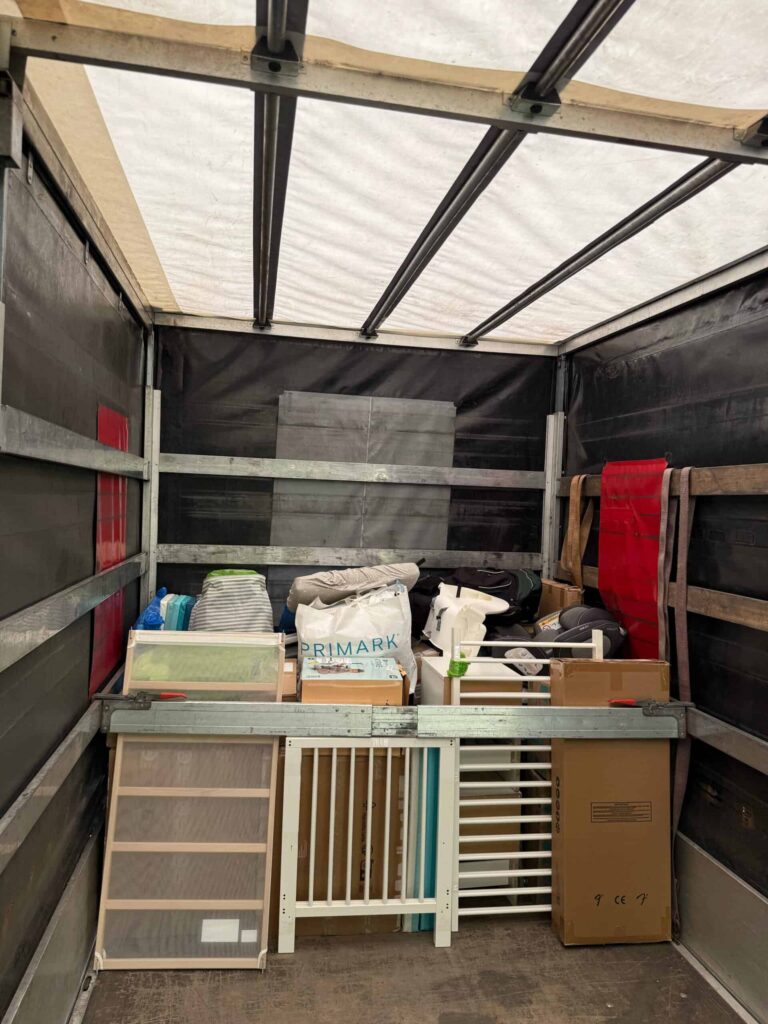
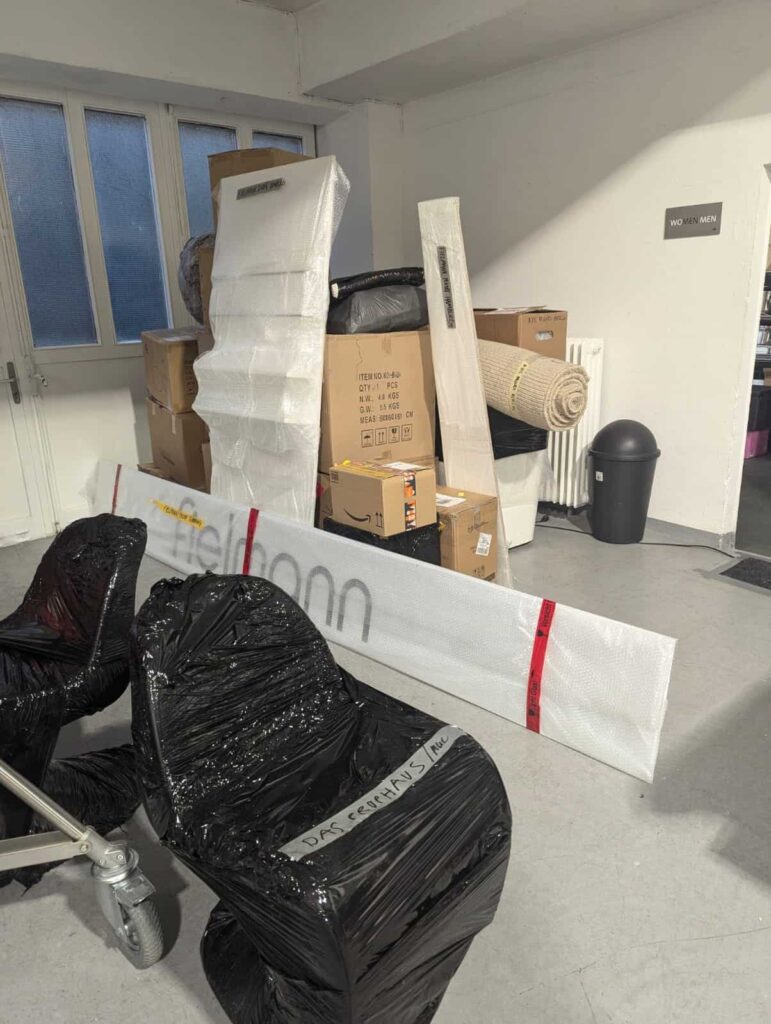
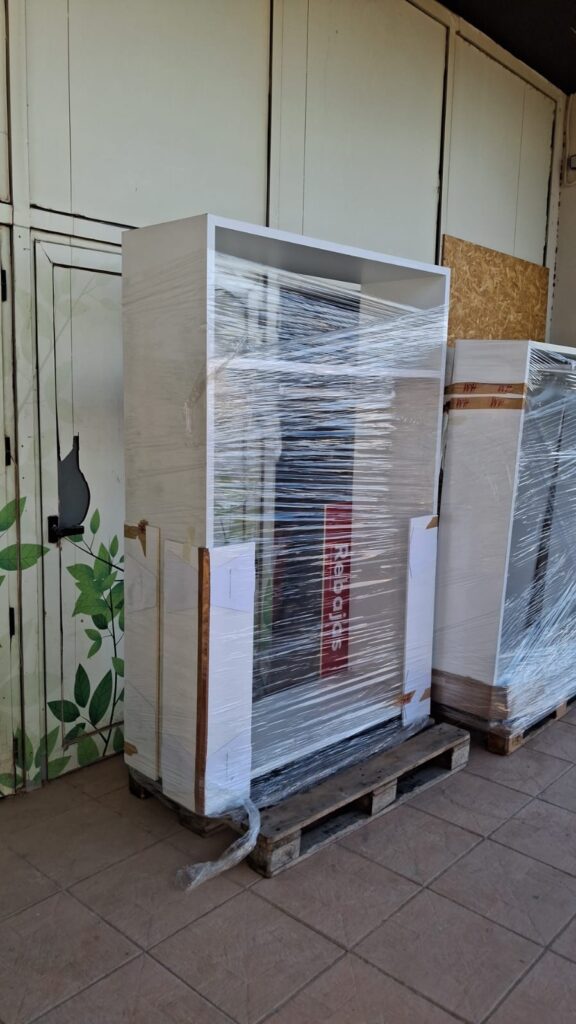
Choosing Where to Live in Germany
Choosing where to live is one of the biggest decisions in the relocation. If you are working out how to move to Germany from UK, your destination affects rent, lifestyle, schools, job opportunities, public transport, registration appointments and the removals route.
Germany is not one single rhythm. Berlin feels creative and international. Munich feels polished and prosperous. Hamburg has water, trade and northern calm. Frankfurt moves fast and businesslike. Cologne is social and central. Stuttgart is strong for engineering. Düsseldorf is commercial. Leipzig is often attractive for people who want a lower cost base with a growing creative scene.
| German city | Best for | Moving note |
|---|---|---|
| Berlin | Startups, students, creative industries | Apartment access and parking can be challenging |
| Munich | Tech, engineering, finance, families | Longer route from many UK cities and higher living costs |
| Hamburg | Logistics, media, northern lifestyle | Good for northern Germany moves |
| Frankfurt | Finance and international business | Strong office removals demand |
| Cologne | Media, culture, central location | Practical for western Germany moves |
| Stuttgart | Automotive and engineering | Good for professional relocations |
| Düsseldorf | Trade fairs, business, international companies | Useful for commercial and apartment moves |
| Leipzig | Students, creatives, lower costs | Attractive for budget conscious moves |
Before choosing a city, ask whether your job or university is tied to one region, whether you need English friendly services, whether you are moving alone or with family, whether you need short term housing first and whether the delivery address has parking, lift access or stairs.
For removals, access can matter almost as much as distance. A fourth floor apartment without a lift may take longer to deliver to than a house with a driveway. VANonsite can plan transport around the real destination, not just the city name.
How Much Does It Cost to Move to Germany from UK?
The cost of moving to Germany from the UK depends on the shape of your move. A student moving 12 boxes to Berlin is not the same as a family moving a 3 bedroom home to Munich or a company relocating office equipment to Frankfurt.
If you want to understand how to move to Germany from UK without overspending, focus on the cost factors you can control: inventory accuracy, van size, access, packing choices, timing and extra services.
| Cost factor | Why it affects price | How to control it |
|---|---|---|
| Distance | Longer routes require more time, fuel and planning | Share exact addresses early |
| Volume | More items need more van space | Declutter and send photos |
| Weight | Heavy items require suitable capacity | Separate essential from non essential items |
| Access | Stairs, lifts and parking affect loading time | Reserve parking and share access details |
| Packing | Adds materials and labour | Pack simple items yourself |
| Urgency | Last minute moves need rapid planning | Book early where possible |
| Storage | Adds handling and holding time | Use it when dates do not align |
| White glove delivery | Requires extra care | Use it for premium or fragile items |
Many people underestimate volume by 15% to 30%. The obvious items are easy to count: beds, sofas, wardrobes and desks. The hidden volume sits in cupboards, lofts, garages, sheds, under bed drawers and balcony storage.
A cheaper quote is not always better. If it is based on incomplete information, it may not include the right vehicle, realistic loading time, packing needs, access problems or special handling. VANonsite gives tailored quotes based on inventory, route and service needs.
To get a more accurate quote, send VANonsite both addresses, preferred dates, number of boxes and bags, photos, large furniture list, floor level, lift access, parking details and notes about fragile, high value or heavy items.
Choosing the Right VANonsite Vehicle Size
Choosing the right van size is one of the most important parts of planning how to move to Germany from UK. If the vehicle is too small, loading becomes stressful. If it is too large, you may pay for space you do not need. The best option gives enough capacity for safe loading, realistic weight limits and awkward items.
| VANonsite option | Capacity | Weight limit | Best for |
|---|---|---|---|
| Moving One | 1 m3 | 100 kg | Small boxes, single item, micro student move |
| Moving Basic | 5 m3 | 300 kg | Studio move, light man and van relocation |
| Moving Medium | 10 m3 | 500 kg | Small flat, furniture and boxes |
| Moving Premium | 15 m3 | 1,100 kg | One bedroom apartment or larger partial move |
| Moving Premium Plus | 30 m3 | 3,500 kg | Larger home, office move or bulky furniture |
| Moving Full House XXL | 90 m3 | 20,000 kg | Full house, family relocation or complex move |
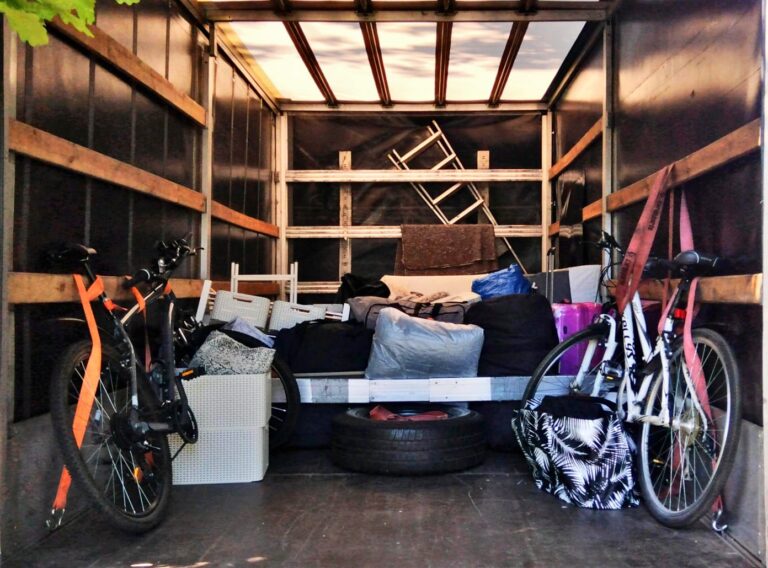
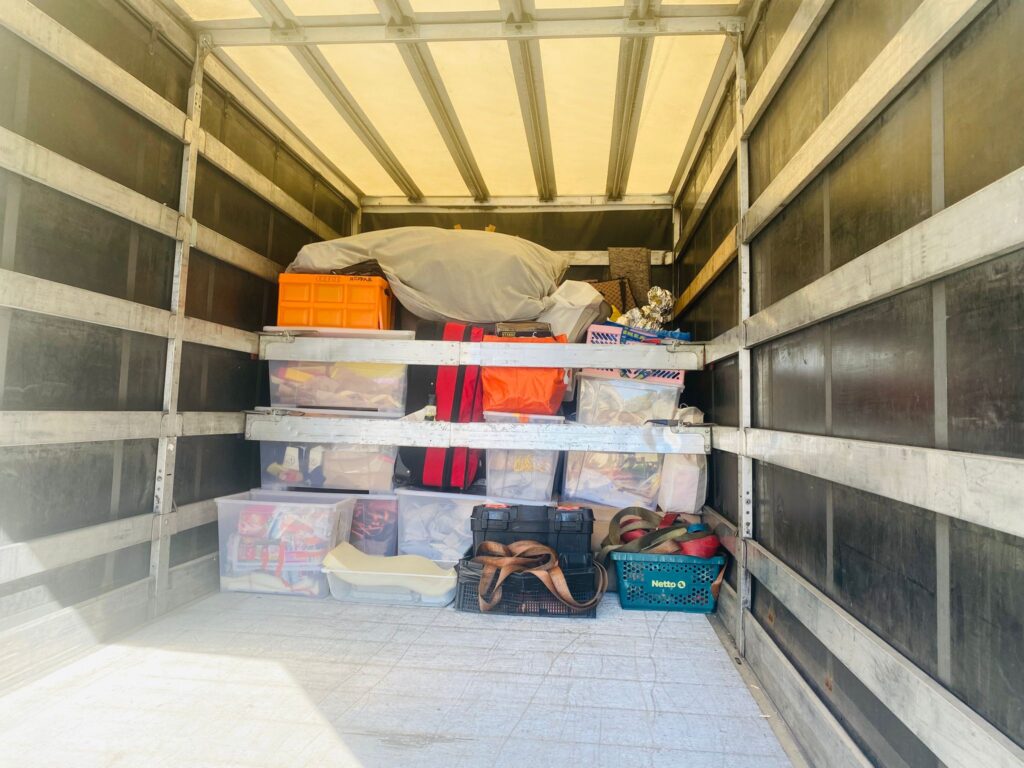
Think room by room rather than box by box. Walk through bedrooms, living room, kitchen, office, hallway, loft, garage, garden and storage areas. Count boxes and suitcases honestly, list large items, measure awkward furniture, mention heavy items and send photos of bulky or fragile pieces.
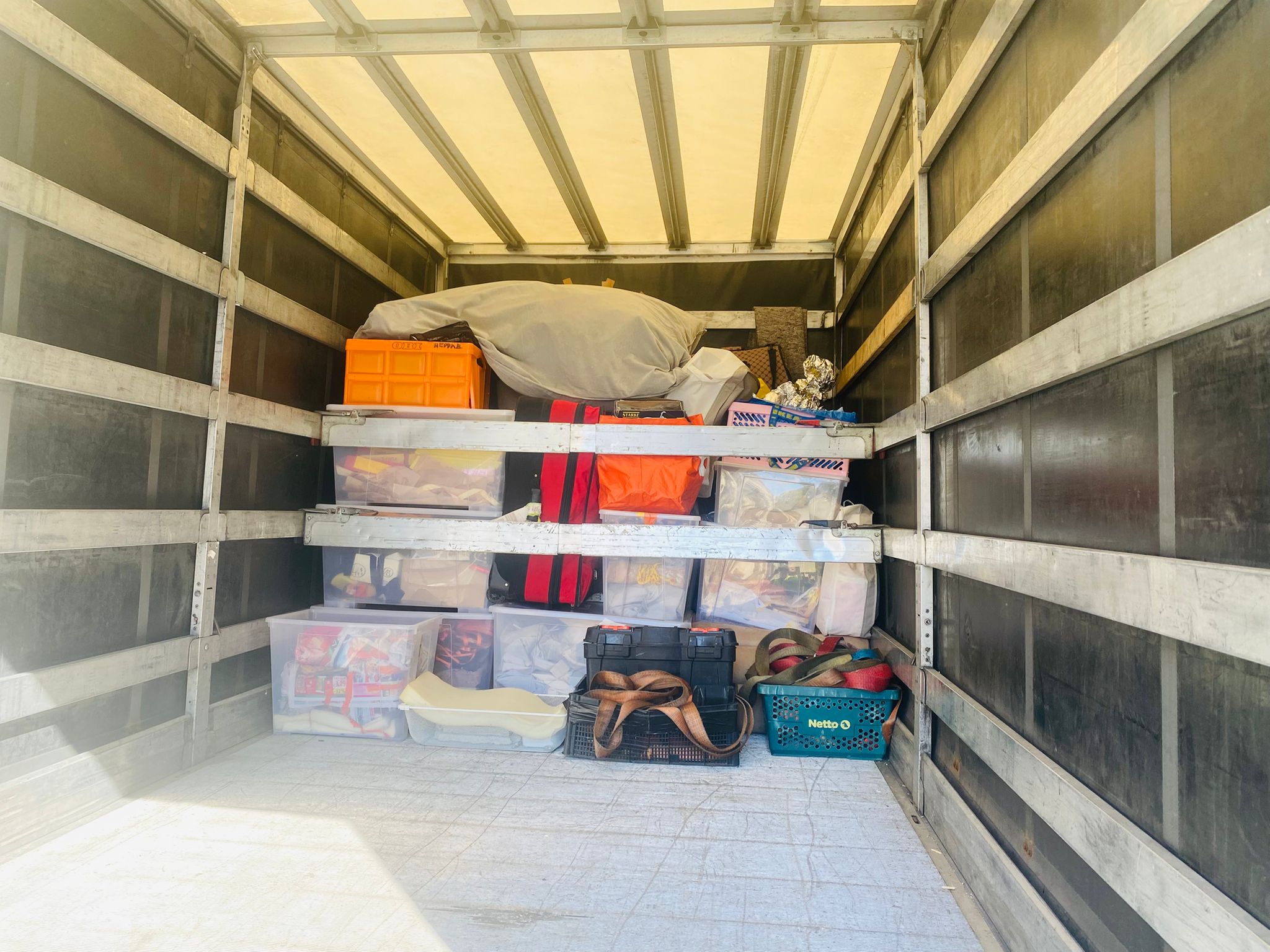
A correct vehicle choice protects more than the budget. It protects the load. When items are packed into a suitable van, there is more room for safe positioning, better weight distribution and stronger protection for fragile pieces.
Packing for a Move from UK to Germany
Packing can decide whether your relocation feels controlled or chaotic. Good packing protects your furniture, speeds up loading and makes the first days in Germany much easier.
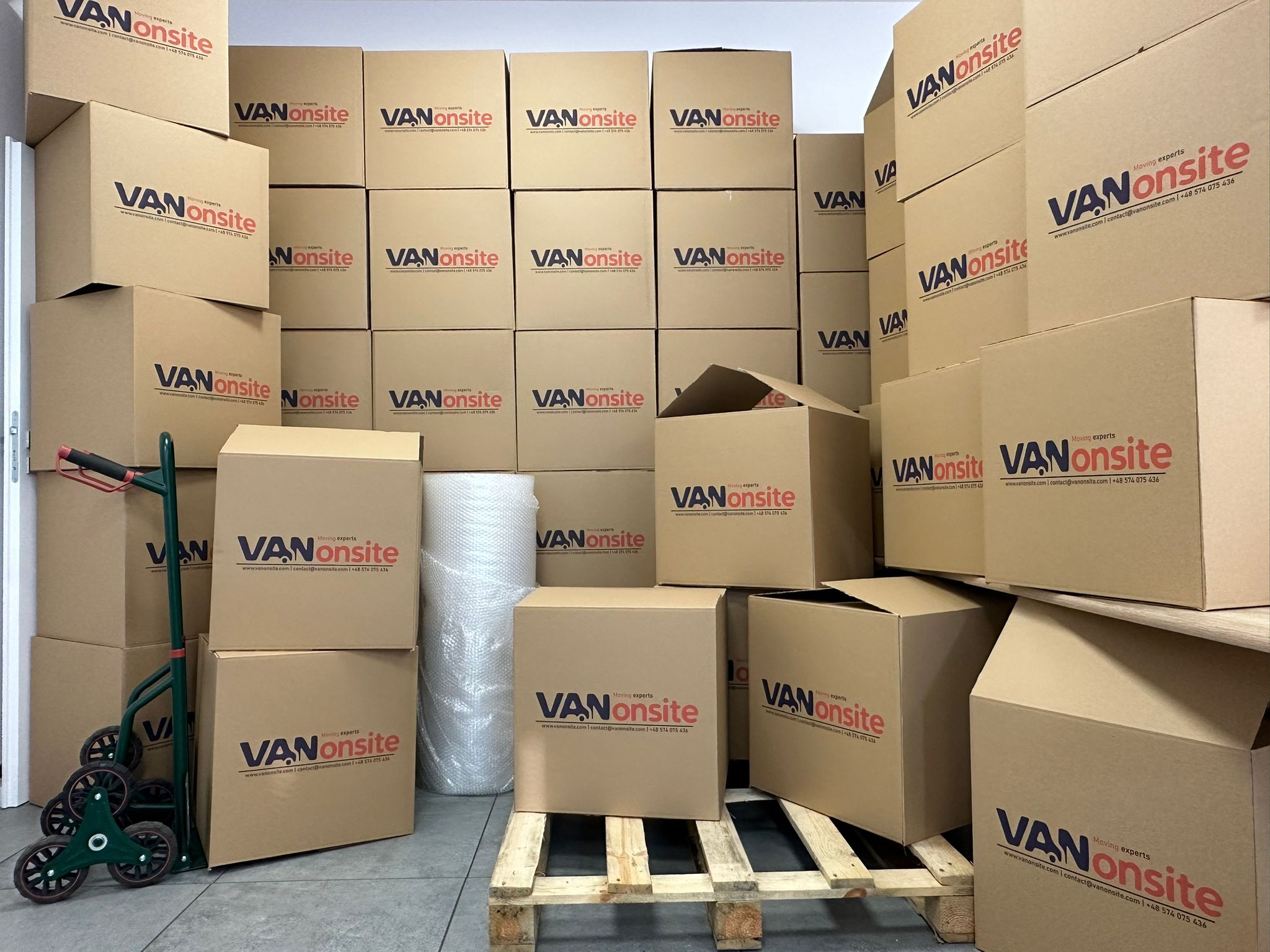
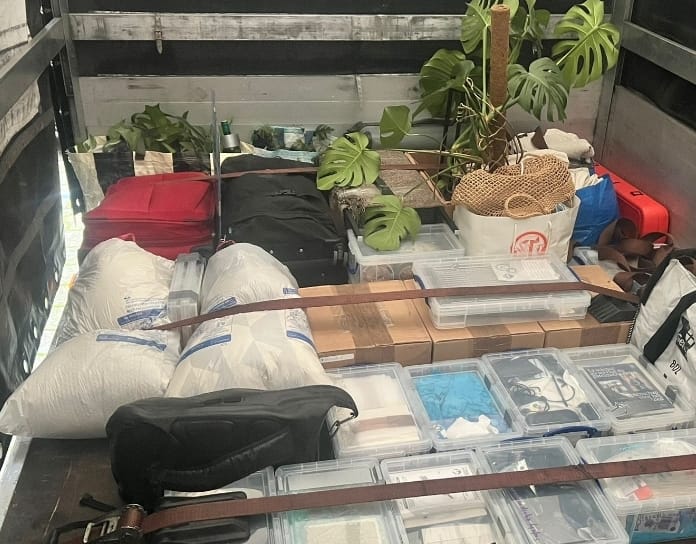
Start early and pack room by room. Label every box on at least 2 sides with the room name and a short description, such as “Kitchen, plates, fragile” or “Bedroom, winter clothes.” If a box contains fragile items, mark it clearly. If it contains first night essentials, make it impossible to miss.
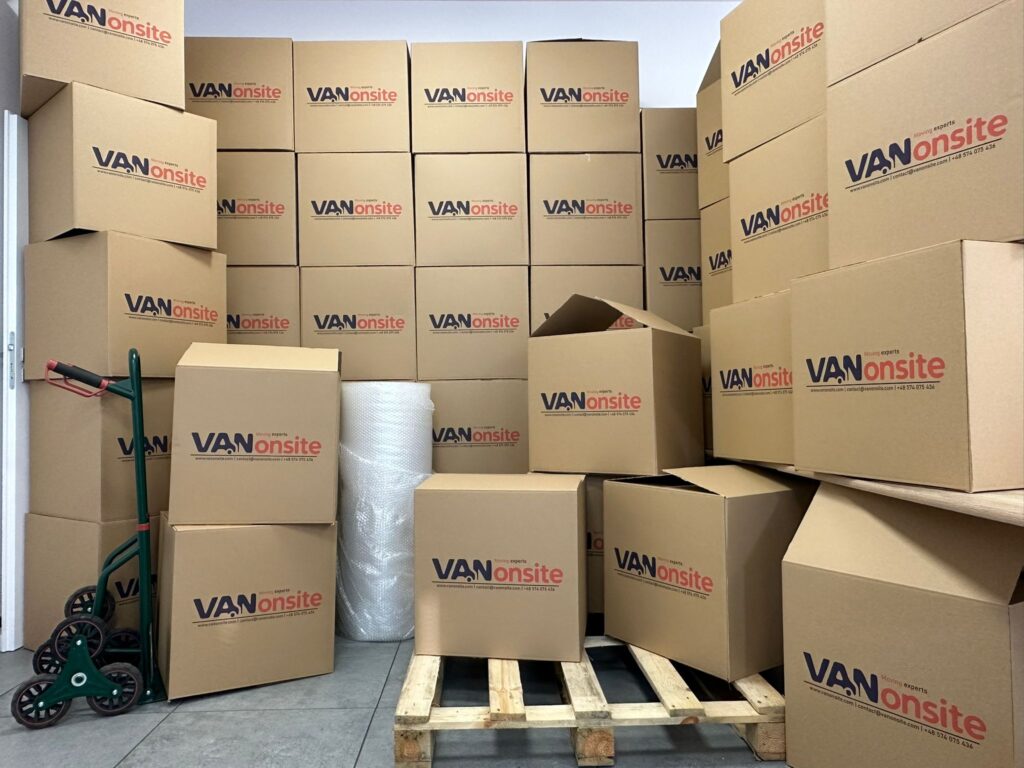
For fragile goods, use double wall boxes, padding, paper, bubble wrap and corner protection. Do not leave empty space inside boxes because movement can cause damage. Heavy items, especially books and tools, should go into smaller boxes.
Before moving day:
- Label every box on 2 sides
- Use double wall boxes for fragile items
- Keep passports, documents, medication and keys with you
- Photograph electronics before unplugging cables
- Dismantle large furniture where needed
- Pack heavy items in smaller boxes
- Prepare a first night essentials box
- Separate items that may need customs notes
- Use mattress covers and furniture protection where needed
- Keep screws and fittings in labelled bags attached to the matching item
| Item type | Best packing method | Extra tip |
|---|---|---|
| Clothes | Suitcases, wardrobe boxes or strong cartons | Keep seasonal items separate |
| Books | Small strong boxes | Avoid heavy oversized boxes |
| Glassware | Individual wrapping and double wall boxes | Fill gaps so items cannot move |
| Electronics | Original boxes or padded cartons | Label cables and photograph setups |
| Mirrors and artwork | Corner protectors and flat protection | Avoid pressure on glass surfaces |
| Documents | Folder kept with you | Do not load key paperwork into the van |
| Furniture | Blankets, covers and dismantling where useful | Protect corners and polished surfaces |
VANonsite Packing Service can help with fragile, valuable or time sensitive moves. It is especially useful for glassware, artwork, antiques, mirrors, designer furniture, electronics and office equipment.
Furniture Removals from the UK to Germany
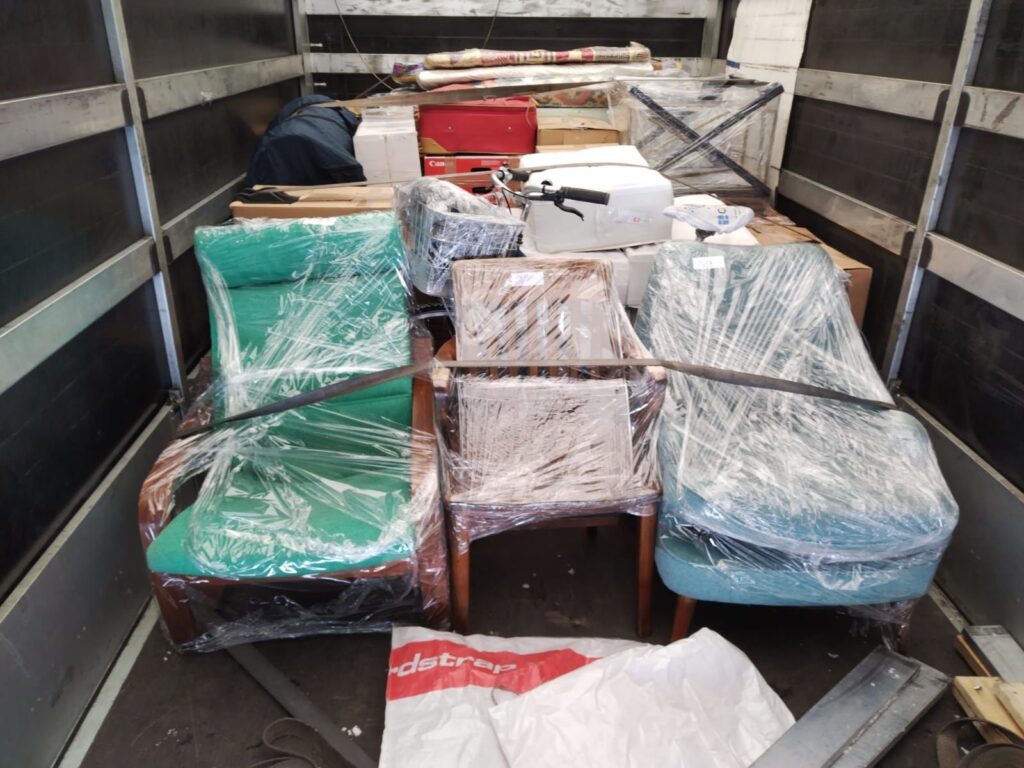
Furniture is often the hardest part of a UK to Germany move. Sofas, beds, wardrobes, mirrors, dining tables, antiques and appliances have corners, weight, fragile surfaces and awkward shapes.
If you are planning how to move to Germany from UK with furniture, start with measurement. Measure large items before moving day and check doorways, staircases, lifts, corridors and tight corners at both addresses.
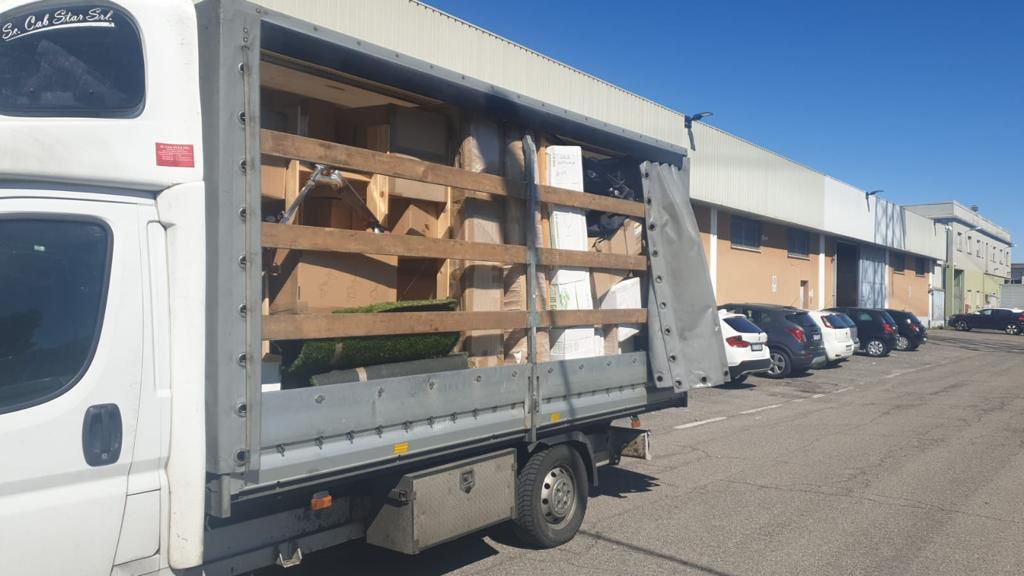
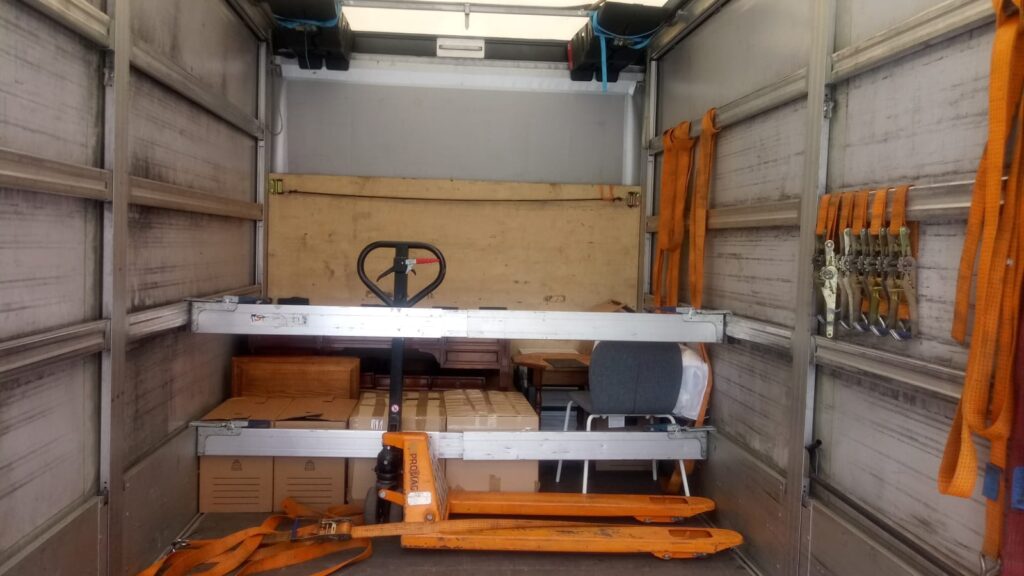
VANonsite offers dedicated furniture removals for customers moving individual pieces, partial loads or full home contents from the UK to Germany. A dedicated man and van service reduces unnecessary handling because furniture does not need to pass through multiple depots or be mixed with several other loads without reason.
Common furniture items include:
- Sofas, armchairs and sofa beds
- Beds, mattresses and headboards
- Wardrobes, drawers and cabinets
- Dining tables, coffee tables and side tables
- Desks, office chairs and shelving units
- Mirrors, artwork and fragile decor
- Antiques, heirlooms and designer pieces
- Kitchen appliances and white goods
- Garden furniture, bikes and storage units
Before requesting a quote, prepare photos, dimensions, dismantling notes, access details, information about fragile or high value items and any placement requirements at the German address. Accurate photos and honest item lists help VANonsite recommend the right vehicle and loading plan.


Home Removals from the UK to Germany
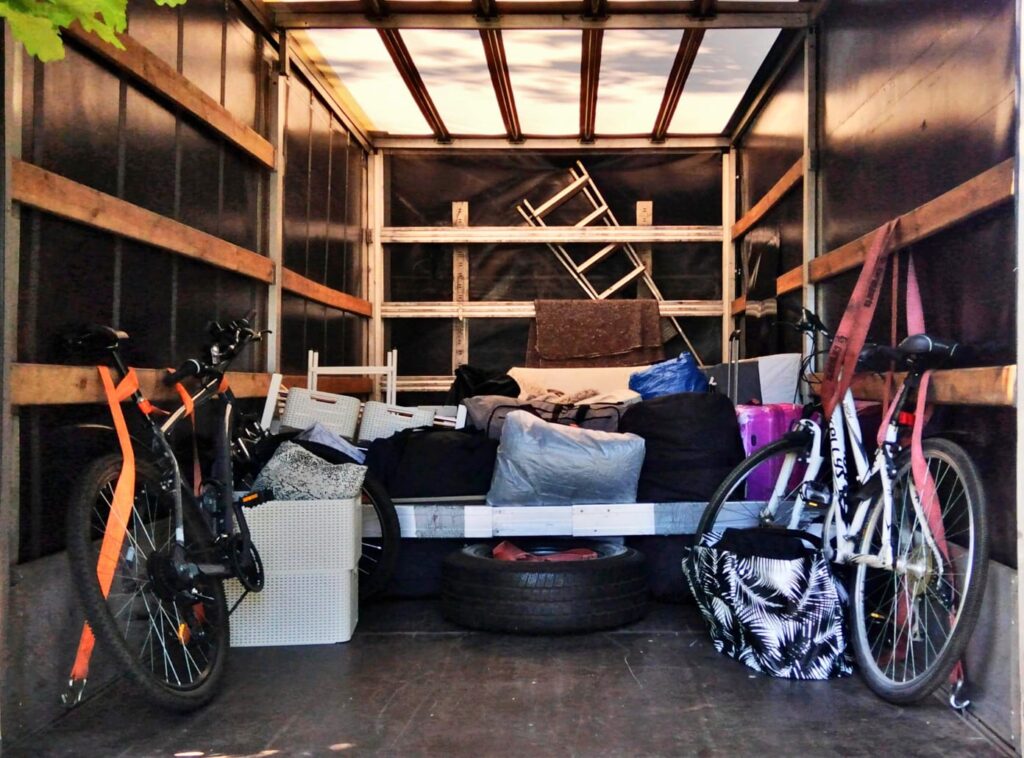
A full home move is your daily life packed into cartons, blankets and labelled bags. The kitchen becomes 12 boxes. The bedroom becomes 8 more. Then the loft, garage and hallway cupboards reveal the hidden volume you forgot about.
That is why home removals from the UK to Germany need a room by room plan. If you want to know how to move to Germany from UK with less stress, do not start by guessing the van size. Start by walking through your home and listing what needs to go.
A proper inventory should include bedrooms, living room, kitchen, home office, hallway, garage, loft, garden and balcony items. Many households underestimate moving volume by 15% to 30% because they count obvious furniture but forget bedding, books, lamps, tools, shoes, cables and stored boxes.
For a smoother home removal:
- Create a room by room inventory.
- Photograph each room before and after packing.
- List large furniture and appliances separately.
- Measure awkward items before collection day.
- Check parking, stairs and lift access at both addresses.
- Keep documents, medication, keys and first night essentials with you.
- Tell VANonsite about fragile, heavy or high value items.
VANonsite supports home removals with flexible vehicle sizes, door to door removals, GPS tracking and European route experience. The move can be planned around your inventory, photos, route and access details.
Student Moves from the UK to Germany
Student moves often look small at first. A few bags, books, bedding, clothes and a laptop can quickly grow into kitchen items, shoes, a desk chair, a bike, a printer and course materials.
If you are a student working out how to move to Germany from UK, the goal is usually speed, simplicity and cost control. A dedicated man and van option can be more practical than sending many separate parcels and hoping they all arrive at your German accommodation on time.
VANonsite offers student removals for smaller, flexible relocations from the UK to Germany. This can suit students moving for university, Erasmus, an exchange semester, an internship, a language course or a graduate role.
Common student moving items include clothes, books, bedding, kitchen basics, monitors, printers, electronics, small furniture, sports equipment, university documents and personal paperwork.
Before requesting a quote, prepare the number of boxes, bags and suitcases, any small furniture, electronics that need careful packing, both addresses, accommodation access details, move in deadline and photos of the packed load if available.
Office Removals from the UK to Germany
An office move from the UK to Germany is business continuity on wheels. Desks, chairs, monitors, laptops, cables, printers, files, archive boxes, stock, samples and meeting room equipment all need to arrive safely, in the right order and with as little disruption as possible.
VANonsite offers office removals for businesses moving equipment, furniture and operational items from the UK to Germany. This can support companies relocating to Frankfurt, Berlin, Hamburg, Munich, Düsseldorf, Stuttgart or another German business hub.
A professional office removal can include desks, office chairs, meeting tables, IT equipment, printers, filing cabinets, archive boxes, confidential documents, reception furniture, retail stock, samples, event materials and shelving.
Before collection:
- Create a full inventory of furniture, IT equipment and boxes.
- Label items by department, room or workstation.
- Identify priority equipment needed immediately after delivery.
- Photograph cable setups before disconnecting hardware.
- Pack monitors, laptops and electronics with proper protection.
- Confirm loading bay, parking and lift access at both addresses.
- Assign a contact person for collection and delivery.
- Prepare customs details if moving business goods or commercial equipment.
Office removals can also affect moving from UK to Germany customs preparation. Business equipment, stock or samples may need different details from used personal belongings. For companies, the cheapest quote is not always the best value because downtime, damage and confusion all have a cost.
Last Minute Moving to Germany from the UK
Sometimes relocation does not arrive neatly on the calendar. A job starts sooner than expected, a tenancy ends abruptly, student accommodation becomes available at the last moment or another mover cancels.
If you need to know how to move to Germany from UK quickly, the priority is fast clarity. Urgent moves work best when addresses, dates, inventory, access and documents are confirmed early.
Last minute moving to Germany may help when:
- Your new job starts earlier than planned
- Your UK tenancy ends sooner than expected
- You have delayed keys or a sudden accommodation change
- You are a student facing a fixed move in date
- A previous removals provider has cancelled
- You need urgent furniture delivery to Germany
- Your business equipment must arrive quickly
- You cannot wait for a shared load schedule
Prepare both addresses, preferred dates, number of boxes and bags, furniture list, photos, access details, notes about fragile or urgent items, customs details where relevant and contact people for collection and delivery.
VANonsite is well suited to urgent UK to Germany removals because the company combines European route experience, flexible vehicle sizes, GPS tracking and responsive planning.
White Glove Delivery for High Value Items
Some belongings need more than ordinary transport. Art, antiques, designer furniture, showroom pieces, fragile decor, mirrors, glass tables, luxury lighting and premium purchases need careful handling from the first lift to final placement.
VANonsite offers white glove delivery for customers who need premium handling during a UK to Germany move. This service is useful when you are planning how to move to Germany from UK with items that cannot be treated like standard boxes or everyday furniture.
White glove delivery is suitable for artwork, antiques, designer sofas, cabinets, showroom furniture, glass tables, mirrors, marble pieces, luxury lighting, sculptures and high value office furniture.
Before booking, prepare photos, dimensions, approximate weight, material details, existing marks, access details, floor levels, lift access, staircase width and placement requirements. White glove delivery can affect cost because premium items often require extra time, materials and handling, but proper care is usually far cheaper than damage after a long European journey.
Storage During a UK to Germany Move
Not every relocation lines up perfectly. Your UK tenancy may end before your German flat is ready. Renovation work might run late. Keys may be delayed. You may need temporary accommodation first. In these moments, storage can turn a stressful gap into a manageable pause.
Storage can help when:
- Your UK move out date is earlier than your German move in date
- Your German property is not ready for delivery
- Renovation, cleaning or painting is delayed
- You are moving into temporary accommodation first
- You are waiting for keys, contracts or registration documents
- You need time to decide what fits in the new home
- Office equipment needs to be held before the new workspace opens
- A student room or shared flat is not available immediately
| Storage situation | Common problem | How storage helps |
|---|---|---|
| Tenancy gap | You must leave the UK property before the German home is ready | Goods can be collected first and delivered later |
| Renovation delay | Furniture cannot be placed safely yet | Items stay protected until the property is ready |
| Temporary accommodation | There is no room for the full load | Essentials can stay with you while larger items wait |
| Office relocation | The new workspace is not open yet | Equipment can be stored and delivered later |
| Downsizing | Not everything fits immediately | Storage gives time to decide what to keep |
Storage may affect cost because it adds handling, space and time. However, it can prevent failed deliveries, rushed decisions and emergency costs. VANonsite can help build a more flexible UK to Germany removals plan with transport, storage options, vehicle selection and GPS tracked delivery.
Moving Pets, Cars and Special Items to Germany
Some belongings are not ordinary boxes. Pets, vehicles, alcohol, tobacco, plants, firearms, high value goods and commercial stock can involve special rules when moving from the UK to Germany. These items need extra attention because they may be restricted, regulated or subject to additional customs requirements.
If you are researching how to move to Germany from UK and your move includes anything unusual, check official UK and German sources before packing or booking transport. Rules can change, and requirements may depend on the item, quantity, value, ownership status and purpose of transport.
| Special item | Why it needs attention | Practical action |
|---|---|---|
| Pets | Health, vaccination and travel rules may apply | Check official pet travel guidance before moving |
| Vehicles | Import, registration and insurance rules may apply | Research vehicle requirements separately |
| Alcohol or tobacco | Quantity limits and customs rules may apply | Check official customs guidance |
| Plants or seeds | Biosecurity and import rules may apply | Confirm rules before packing |
| High value goods | May need insurance, proof of ownership or extra detail | Photograph items and list them clearly |
| Commercial stock | Different rules from personal belongings may apply | Separate business goods from household items |
Moving from UK to Germany customs preparation becomes more important when special items are involved. This section is not legal advice. Before transporting pets, vehicles, alcohol, tobacco, plants, firearms, high value goods or commercial stock, review official UK and German government sources.
Common Mistakes When Moving to Germany from UK
Even a well planned relocation can become stressful if small details are ignored. The most common mistakes often start with a forgotten loft, an unclear inventory, a missing document or a van booked before anyone knows the true load size.
Avoid these mistakes:
- Leaving customs preparation until the last minute
- Booking a van before making an inventory
- Underestimating volume by 15% to 30%
- Forgetting loft, garage, balcony, garden and shed items
- Choosing the cheapest quote without checking service details
- Not checking stairs, lifts, parking or access at the German address
- Packing passports, documents or medication inside the removals load
- Ignoring registration and housing requirements after arrival
- Not preparing a first night box
- Forgetting to ask about GPS tracking
- Not photographing fragile or high value items
- Assuming furniture will fit through every doorway or staircase
- Mixing personal belongings with business goods without checking customs rules
| Mistake | Why it causes problems | Better approach |
|---|---|---|
| No inventory | Van size and quote may be inaccurate | List items room by room and send photos |
| Late customs preparation | Missing paperwork can create stress | Check official guidance early |
| Choosing only by price | Cheap quotes may exclude key support | Compare service quality, not just cost |
| Poor access planning | Stairs, parking or lifts can delay delivery | Share access details for both addresses |
| Weak packing | Fragile items may be damaged | Use strong boxes, padding and labels |
| No essentials bag | First days in Germany feel chaotic | Pack documents, chargers, toiletries and clothes separately |
VANonsite helps reduce these risks by building the move around the real load, not rough guesses. With GPS tracking, flexible vehicle sizes, door to door removals and European route experience, customers get a clearer way to move from the UK to Germany.
Why Choose VANonsite for Moving from UK to Germany?
Knowing how to move to Germany from UK is one thing. Choosing the right removals partner is another. Your belongings may travel hundreds of miles, cross borders and arrive at a new home, office or student address where timing and access matter.
VANonsite is built for European removals that need structure, speed and trust. The company supports customers moving from the UK to Germany with door to door transport, GPS tracking for every load and vehicle sizes suitable for everything from small student moves to full household relocations.
VANonsite offers:
- Door to door European removals
- GPS tracking for every load
- Vehicle sizes from 1 m3 to 90 m3
- Flexible man and van options
- Home, furniture, student and office removals
- Packing, storage and white glove delivery options
- Last minute moving support
- Careful handling and professional planning
- Support for small, medium and large removals
- Transport planning based on inventory, route and access
| VANonsite strength | What it means for your move |
|---|---|
| GPS tracking | You get stronger visibility while your belongings travel |
| Vehicle size range | The van can be matched to your real load |
| Door to door service | Fewer unnecessary handling stages |
| Packing support | Fragile and valuable items can be protected better |
| Storage options | Date gaps become easier to manage |
| White glove delivery | High value items receive premium handling |
| Last minute moving | Urgent relocations can be planned faster |
| European removals experience | Routes, access and timing are handled with more confidence |
The real advantage is flexibility. A student moving 10 boxes to Leipzig does not need the same plan as a family moving a full home to Munich. A company relocating office equipment to Frankfurt has different pressure points from someone moving antiques to Hamburg. VANonsite can shape the service around the move.
GPS tracking is another powerful reassurance. When your furniture, boxes, documents and personal items are crossing borders, silence can feel uncomfortable. Tracking gives the move a clearer pulse while you focus on housing, registration and settling in.
Frequently Asked Questions
How do I move to Germany from UK?
Organise the process in stages: choose where you will live, check visa or residence requirements, arrange housing, prepare an inventory, check customs guidance, book removals, pack carefully and register locally after arrival where required. VANonsite can support the transport stage with door to door European removals, GPS tracking and flexible vehicle sizes.
What customs documents do I need when moving from UK to Germany?
For moving from UK to Germany customs preparation, you may need an inventory list, passport or ID, proof of German address, proof of previous residence, evidence that items are used personal belongings and customs declarations where required. Requirements vary, so check official UK and German sources before moving day.
How much does it cost to move to Germany from the UK?
The cost depends on distance, volume, van size, weight, access, packing, urgency and extra services. The most accurate way to get a price is to send VANonsite your addresses, inventory, photos, access details and preferred dates.
Can VANonsite move my furniture to Germany?
Yes. VANonsite handles furniture removals from the UK to Germany, including sofas, beds, wardrobes, tables, desks, mirrors, cabinets, appliances, antiques and fragile household items.
Can I use man and van for moving to Germany?
Yes. A man and van service can be ideal for small to medium UK to Germany moves, student relocations, furniture transport, partial apartment moves and urgent removals.
How do I choose the right van size?
Prepare a clear inventory and send photos of boxes, furniture and bulky items. VANonsite offers vehicle sizes from 1 m3 to 90 m3, so the move can be matched to your actual load.
Can I track my belongings during the move?
Yes. VANonsite offers GPS tracking for every load, giving you stronger visibility while your belongings travel from the UK to Germany.
Do I need storage when moving to Germany?
Storage can help if your UK move out date and German move in date do not align, your new home is not ready, renovation is delayed or you are moving into temporary accommodation first.
What should I pack separately for the first night in Germany?
Pack passports, documents, medication, chargers, toiletries, towels, basic clothes, bedding, snacks, keys and essential work or study items separately.
Does VANonsite help with urgent moves to Germany?
Yes. VANonsite can support last minute moving from the UK to Germany when availability allows. Urgent moves work best when you provide full addresses, dates, inventory, photos, access details and customs related notes quickly.
Ready to Move to Germany from the UK?
Moving to Germany is a new chapter, but it does not have to feel chaotic. With the right plan, clear documents, a realistic inventory and a removals partner that understands European transport, the journey becomes much easier to manage.
VANonsite helps customers move from the UK to Germany with GPS tracked transport, flexible vehicle sizes, door to door removals and support for homes, students, offices, furniture, storage, packing, white glove delivery and urgent moves.
Ready to move to Germany from the UK? Send VANonsite your addresses, inventory, photos and preferred moving date. Get a tailored quote, the right vehicle size and GPS tracked European transport from door to door.
A safer, calmer move starts with one clear step: share your moving details and let VANonsite build the route from your UK address to your new life in Germany.