
Galway combines Atlantic scenery, a vibrant cultural scene, respected universities and access to some of Ireland’s most spectacular landscapes. However, before relocating, you need a realistic understanding of the cost of living in Galway Ireland, especially because accommodation can consume a substantial share of your monthly income.
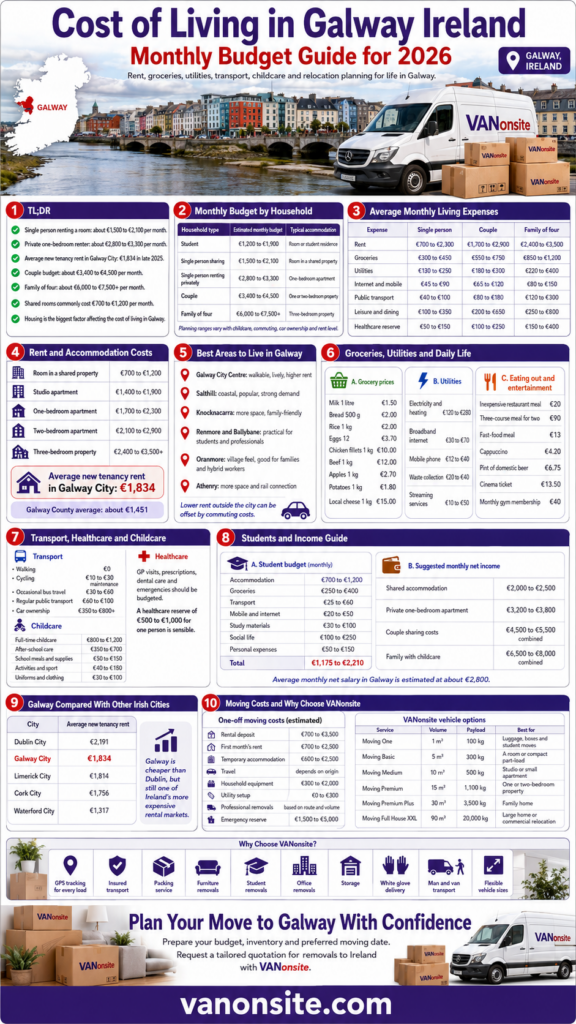
In 2026, a single person renting a room in shared accommodation should usually prepare a monthly budget of around €1,500 to €2,100. Renting a private one-bedroom apartment can increase the required budget to approximately €2,800 to €3,300. A couple may spend between €3,400 and €4,500, while a family of four could need €6,000 to €7,500 or more once rent, food, utilities, transport and childcare are included.
Housing remains the largest expense. The Residential Tenancies Board recorded a standardised average rent of €1,834 for a new tenancy in Galway City in the fourth quarter of 2025. Existing tenancies averaged €1,409, while new tenancy rents were 6.8% higher than one year earlier.
Planning early gives you more control and reduces the risk of paying for expensive temporary accommodation while searching for a permanent home. Anyone organising an international relocation can explore professional removals to Ireland with VANonsite.
Already comparing a Galway address with your current home? Keep the recurring household budget separate from the one-off relocation cost. Use the automatic removals quote calculator for the transport estimate, then compare the result with the rent, bills, childcare and commute described below.
TL:DR: Cost of Living in Galway Ireland
- A single person renting a room may need approximately €1,500 to €2,100 per month.
- Renting a private one-bedroom apartment can raise the monthly budget to €2,800 to €3,300.
- The average rent for a new tenancy in Galway City reached €1,834 in late 2025.
- A couple should consider a combined monthly budget of around €3,400 to €4,500.
- A family of four may require €6,000 to €7,500 or more, particularly when childcare is needed.
- Rooms in shared accommodation commonly cost around €700 to €1,200 per month.
- Housing is the most influential factor affecting the cost of living in Galway Ireland.




How Much Does It Cost to Live in Galway in 2026?
The cost of living in Galway Ireland depends on your household size, accommodation type, commuting needs and lifestyle. Someone sharing a home and cycling to work will have significantly lower expenses than a private renter who owns a car.
Estimated non-rent expenses are approximately €1,000 per month for one person and around €3,500 for a family of four. These figures cover food, transport, utilities, clothing, entertainment and other everyday costs.
A practical monthly budget may look like this:
| Household type | Estimated monthly budget | Typical accommodation |
|---|---|---|
| Student | €1,200 to €1,900 | Room or student residence |
| Single person sharing | €1,500 to €2,100 | Room in a shared property |
| Single person renting privately | €2,800 to €3,300 | One-bedroom apartment |
| Couple | €3,400 to €4,500 | One or two-bedroom property |
| Family of four | €6,000 to €7,500+ | Three-bedroom property |
These are planning ranges rather than guaranteed costs. The final living cost in Galway Ireland may be lower if you share bills, cook at home and live close to work. It may rise considerably if you need childcare, own a car or rent in a premium area.
Average Monthly Living Expenses in Galway Ireland
Understanding individual spending categories makes it easier to create a reliable budget. Rent is the largest expense, but recurring bills can also absorb hundreds of euros each month.
| Expense | Single person | Couple | Family of four |
|---|---|---|---|
| Rent | €700 to €2,300 | €1,700 to €2,900 | €2,400 to €3,500 |
| Groceries | €300 to €450 | €550 to €750 | €850 to €1,200 |
| Utilities | €130 to €250 | €180 to €300 | €220 to €400 |
| Internet and mobile | €45 to €90 | €65 to €120 | €80 to €150 |
| Public transport | €40 to €100 | €80 to €180 | €120 to €300 |
| Leisure and dining | €100 to €350 | €200 to €650 | €250 to €800 |
| Healthcare reserve | €50 to €150 | €100 to €250 | €150 to €400 |
For a person renting alone, housing can absorb more than 60% of net income. Sharing a property may reduce monthly spending by €700 to €1,200, leaving more money for savings, emergencies and leisure.
Rent and Accommodation Costs in Galway
Accommodation is the most challenging component of the living expenses in Galway Ireland. Demand comes from professionals, students, healthcare workers, families and employees in Galway’s medical technology and software sectors.
The average standardised rent for a new tenancy in Galway City was €1,834 in late 2025. In Galway County, excluding the city, the average was approximately €1,451. This difference shows why commuter towns can be worth considering.
Typical monthly rent in Galway
| Accommodation type | Estimated monthly rent |
|---|---|
| Room in a shared property | €700 to €1,200 |
| Studio apartment | €1,400 to €1,900 |
| One-bedroom apartment | €1,700 to €2,300 |
| Two-bedroom apartment | €2,100 to €2,900 |
| Three-bedroom property | €2,400 to €3,500+ |
A new tenant should also prepare for a security deposit, first month’s rent, temporary accommodation, basic furniture and utility setup costs. Renting a private apartment may therefore require €4,000 to €6,000 in available funds before the first full month is complete.
Before transferring money, verify the landlord, property and rental agreement. Visit the accommodation where possible and retain copies of advertisements, messages, contracts and payment confirmations.
Best Areas to Live in Galway
Your neighbourhood affects both rent and transport costs. A cheaper home outside the city may reduce accommodation expenses, but commuting can offset part of the saving.
Galway City Centre
The centre is ideal for people who want to walk to work, university buildings, restaurants and entertainment venues. Living centrally may eliminate the need for a car.
The main disadvantages are higher rent, limited space and expensive parking.
Salthill
Salthill offers coastal living and good access to central Galway. It is popular with professionals and families who value the promenade, restaurants and sea views.
Demand is strong, so rents can be higher than in less central residential areas.
Knocknacarra
Knocknacarra is a large residential district with schools, shops and family-sized homes. It suits households seeking more space while remaining connected to Galway City.
Depending on the exact location, a car may still be useful.
Renmore and Ballybane
Renmore provides access to the city, schools and Atlantic Technological University. Ballybane may offer more varied options for students and younger professionals.
Always check the real journey time to work or university before signing a tenancy.
Oranmore
Oranmore is attractive to families and hybrid workers. It offers shops, transport connections and a village atmosphere.
Rent may be lower than in central Galway, although increased demand has pushed prices upward.
Athenry
Athenry can provide more space for the same budget and has a rail connection to Galway. It is often suitable for remote and hybrid workers.
However, daily transport costs should be included when calculating the total cost of living in Galway Ireland.
Grocery Prices and Food Costs
A single person may spend around €300 to €450 per month on groceries. Couples should budget approximately €550 to €750, while a family may spend €850 to €1,200.
| Grocery item | Approximate price |
|---|---|
| Milk, 1 litre | €1.50 |
| Bread, 500 g | €2.00 |
| Rice, 1 kg | €2.00 |
| Eggs, 12 | €3.70 |
| Chicken fillets, 1 kg | €10.00 |
| Beef, 1 kg | €12.00 |
| Apples, 1 kg | €2.70 |
| Potatoes, 1 kg | €1.80 |
| Local cheese, 1 kg | €15.00 |
Shopping habits can have a powerful impact on the living cost in Galway Ireland. Aldi and Lidl are popular with cost-conscious households, while Tesco and Dunnes Stores offer loyalty schemes and regular promotions.
To reduce food expenses:
- Prepare a weekly meal plan.
- Compare prices per kilogram.
- Choose supermarket own-brand products.
- Cook larger portions and freeze meals.
- Avoid frequent convenience store purchases.
- Use loyalty vouchers before they expire.
- Limit takeaway orders to planned occasions.
Saving €25 per week creates an annual saving of €1,300.
Eating Out and Entertainment
Galway has a lively social atmosphere. Restaurants, cafés, festivals and traditional pubs are central to the city’s character, but regular evenings out can quickly increase monthly spending.
| Item or activity | Approximate price |
|---|---|
| Inexpensive restaurant meal | €20 |
| Three-course meal for two | €90 |
| Fast-food meal | €13 |
| Cappuccino | €4.20 |
| Pint of domestic beer | €6.75 |
| Cinema ticket | €13.50 |
| Monthly gym membership | €40 |
One restaurant meal, several drinks and transport home can easily exceed €60. Repeating this every week may add more than €3,000 to annual expenses.
A fixed leisure allowance allows you to enjoy Galway without losing control of your budget.

Utility Bills in Galway
Utilities vary depending on property size, heating type, insulation and energy usage. Galway’s damp and windy winters can make heating a significant expense.
| Service | Estimated monthly cost |
|---|---|
| Electricity and heating | €120 to €280 |
| Broadband internet | €30 to €70 |
| Mobile phone | €12 to €40 |
| Waste collection | €20 to €40 |
| Streaming services | €10 to €50 |
Basic utilities for a medium-sized apartment may cost around €200 to €250 per month. Larger or poorly insulated properties can cost significantly more during winter.
Before renting, ask for the Building Energy Rating and confirm whether the property uses electricity, gas or oil for heating. A cheaper home with weak insulation may generate higher long-term costs.
Public Transport and Driving Costs
Galway is compact enough for many residents to walk or cycle. This can make transport one of the easiest areas in which to reduce the cost of living in Galway Ireland.
Adult city bus fares paid with a TFI Leap Card are approximately €1.35, while discounted student and young adult fares are lower. A regular monthly public transport budget is usually between €60 and €100.
| Transport option | Estimated monthly cost |
|---|---|
| Walking | €0 |
| Cycling | €10 to €30 for maintenance |
| Occasional bus travel | €30 to €60 |
| Regular public transport | €60 to €100 |
| Car ownership | €350 to €800+ |
Car ownership includes insurance, tax, fuel, parking, maintenance, tyres and depreciation. A financed vehicle will increase the monthly total further.
Paying slightly more for accommodation close to work may be worthwhile if it eliminates car expenses and saves several hours each week.
Healthcare Costs
Ireland provides public healthcare services, but not every appointment or treatment is free. Eligibility depends on residency, income, age and personal circumstances.
People without a Medical Card or GP Visit Card usually pay privately for GP appointments. Families may qualify for support depending on income and age.
When calculating living expenses in Galway Ireland, include money for:
- GP consultations
- Prescription medicines
- Dental care
- Eye examinations
- Private health insurance
- Specialist appointments
A single person should consider maintaining a healthcare reserve of €500 to €1,000. Families may need a larger emergency fund.
Official information about eligibility and healthcare schemes is available from the Health Service Executive.
Childcare and Education Costs
Childcare can become the second-largest household expense after rent. Full-time private childcare may cost approximately €800 to €1,200 per child each month before financial support.
| Child-related expense | Estimated monthly cost |
|---|---|
| Full-time childcare | €800 to €1,200 |
| After-school care | €350 to €700 |
| School meals and supplies | €50 to €150 |
| Activities and sport | €40 to €180 |
| Uniforms and clothing | €30 to €100 |
Eligible families may receive support through the National Childcare Scheme.
When comparing job offers, calculate childcare and commuting expenses before focusing on gross salary. A higher salary does not always create a better standard of living if these costs absorb most of the increase.
Cost of Living in Galway for Students
Galway is one of Ireland’s most popular student cities. Demand for rooms rises sharply before the academic year, so accommodation should be arranged several months in advance.
A room in a shared property commonly costs €700 to €1,200 per month.
| Student expense | Estimated monthly amount |
|---|---|
| Accommodation | €700 to €1,200 |
| Groceries | €250 to €400 |
| Transport | €25 to €60 |
| Mobile and internet | €20 to €50 |
| Study materials | €30 to €100 |
| Social life | €100 to €250 |
| Personal expenses | €50 to €150 |
| Total | €1,175 to €2,210 |
Students can lower the living cost in Galway Ireland by walking, cycling, sharing food expenses and using discounted transport fares.
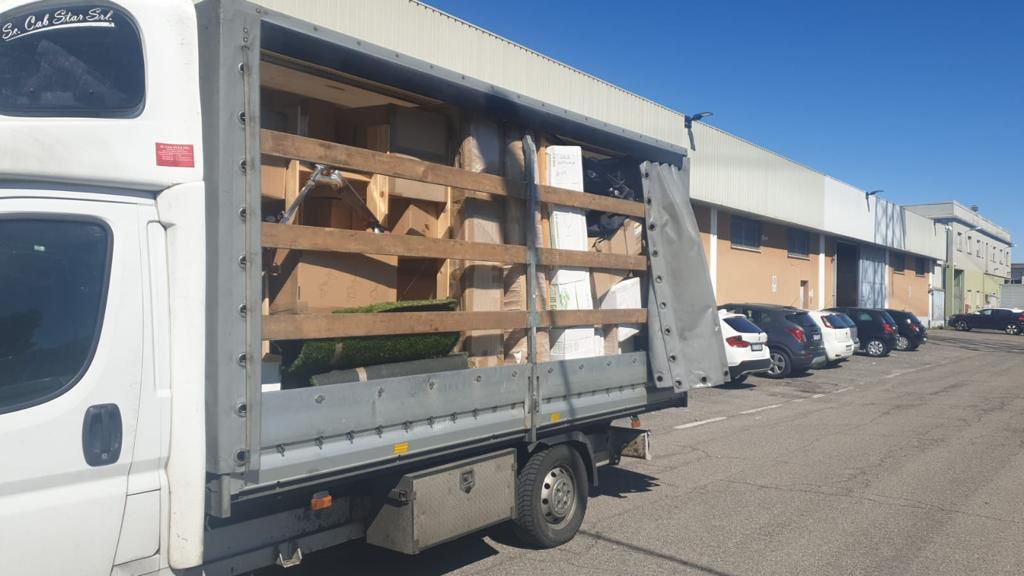
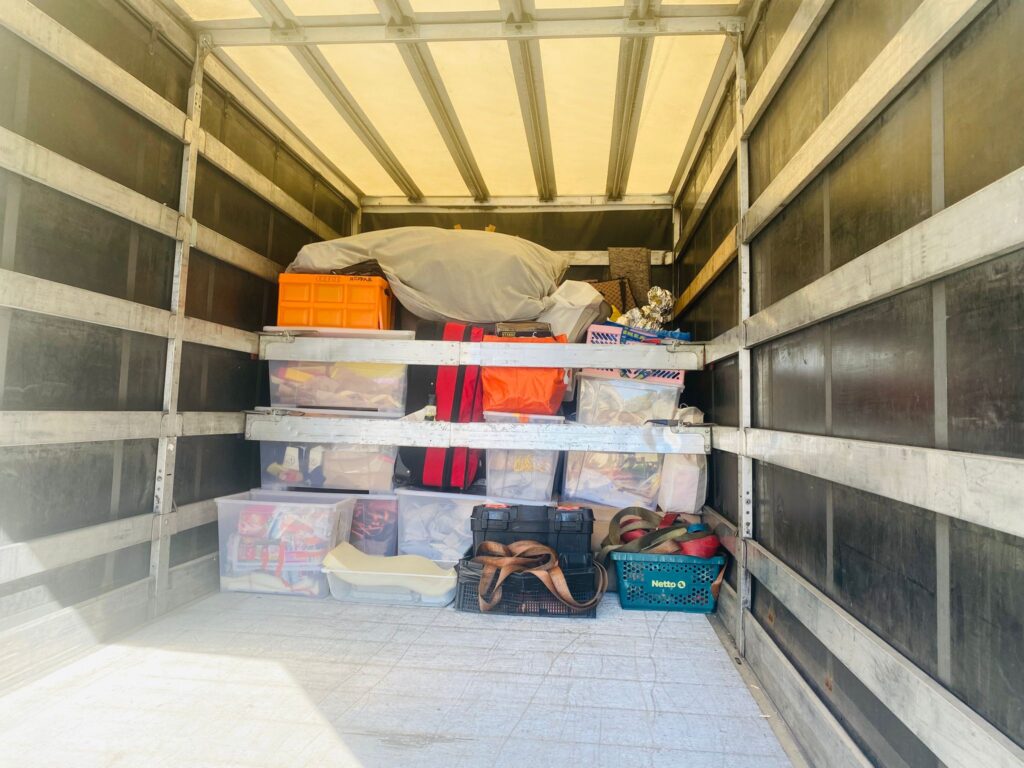
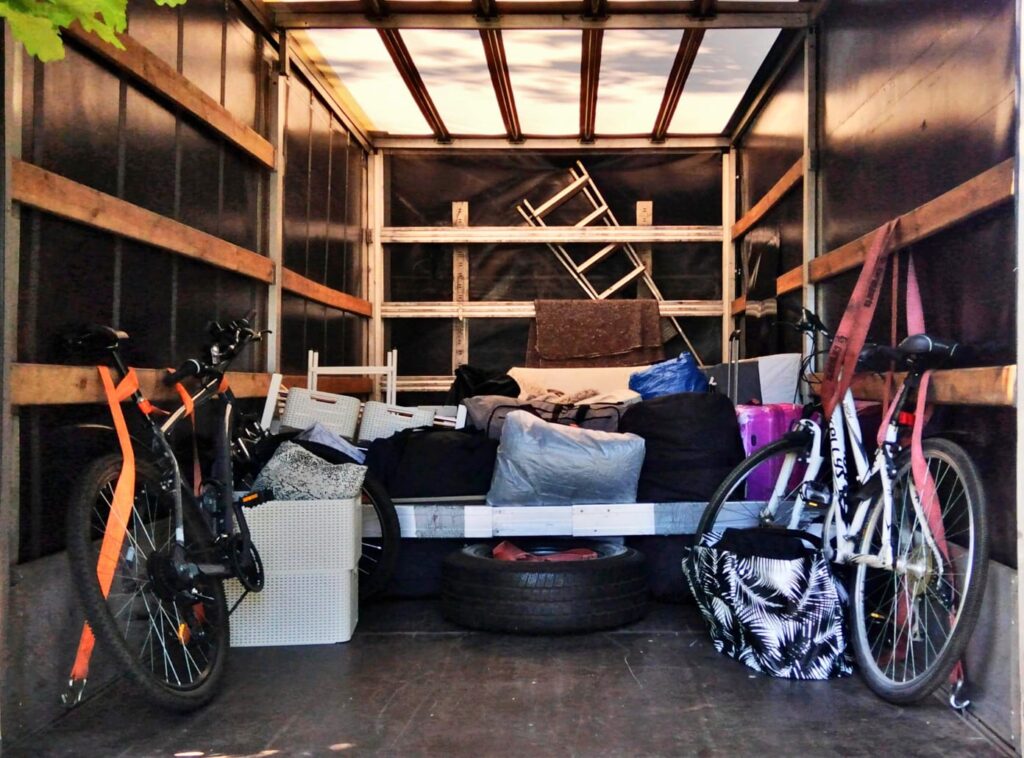
International students may also need to transport books, clothes, computers, bicycles and small furniture. A professional student removal service can be more convenient than carrying essential possessions on several flights.
Salaries and Take-Home Pay
The affordability of Galway depends on net income rather than gross salary. Income Tax, Universal Social Charge, Pay Related Social Insurance and pension contributions reduce the amount received each month.
The average monthly net salary in Galway is estimated at approximately €2,800. A person renting a one-bedroom apartment alone could therefore spend more than 60% of their income on accommodation.
| Living arrangement | Suggested monthly net income |
|---|---|
| Shared accommodation | €2,000 to €2,500 |
| Private one-bedroom apartment | €3,200 to €3,800 |
| Couple sharing costs | €4,500 to €5,500 combined |
| Family with childcare | €6,500 to €8,000 combined |
Galway’s main employment sectors include medical technology, healthcare, software, education, tourism, hospitality and professional services.
New employees should register their first Irish job with Revenue promptly. Failure to do so may result in Emergency Tax. Official information is available through Revenue’s guidance for starting your first job.
Galway Compared With Other Irish Cities
Galway is generally cheaper than Dublin, but it remains one of Ireland’s more expensive rental markets.
| City | Average new tenancy rent |
|---|---|
| Dublin City | €2,191 |
| Galway City | €1,834 |
| Limerick City | €1,814 |
| Cork City | €1,756 |
| Waterford City | €1,317 |
Galway may still offer strong lifestyle value. Residents benefit from a compact centre, access to the coast, a rich cultural calendar and proximity to Connemara.



Documents Needed When Moving to Galway
Required documents depend on citizenship, employment and the length of stay.
EU, EEA and Swiss citizens should prepare:
- A valid passport or identity card
- Employment contract
- Proof of accommodation
- Evidence of funds
- European Health Insurance Card
- Academic documents where relevant
- Birth and marriage certificates when relocating with family
British and Irish citizens benefit from rights provided by the Common Travel Area. However, British citizens should still bring proof of identity, employment and accommodation.
Non-EEA citizens may require:
- A valid passport
- Entry visa where applicable
- Employment permit
- Proof of funds
- Health insurance
- Proof of accommodation
- Immigration registration documents
People from outside the EU, UK or Switzerland who plan to stay for more than 90 days should check the current requirements with Immigration Service Delivery.
Employment permit information is available from the official Department of Enterprise service.
Getting a PPS Number
A Personal Public Service Number is used for employment, taxation and access to public services.
Adults can apply online through MyWelfare. Applicants need a MyGovID account and must provide proof of identity, proof of address and evidence explaining why the PPS Number is required.
Proof of address may include:
- Utility bill
- Bank statement
- Tenancy agreement
- Official government letter
- Confirmation from the person providing accommodation
Apply through the official PPS Number service.
One-Off Moving Costs
A monthly Galway budget does not include the international move itself. Collection and delivery addresses, final inventory, access, packing, route and date flexibility determine that separate figure. Add those details to the automatic moving quote calculator; VANonsite can then check whether part load or dedicated transport is the better operational fit. For the wider service and route options, see removals to Ireland.
Monthly expenses are only part of the relocation budget. New residents should also prepare for substantial initial costs.
| Relocation expense | Planning range |
|---|---|
| Rental deposit | €700 to €3,500 |
| First month’s rent | €700 to €3,500 |
| Temporary accommodation | €600 to €2,500 |
| Travel | Depends on origin |
| Household equipment | €300 to €2,000 |
| Utility setup | €0 to €300 |
| Professional removals | Based on route and volume |
| Emergency reserve | €1,500 to €5,000 |
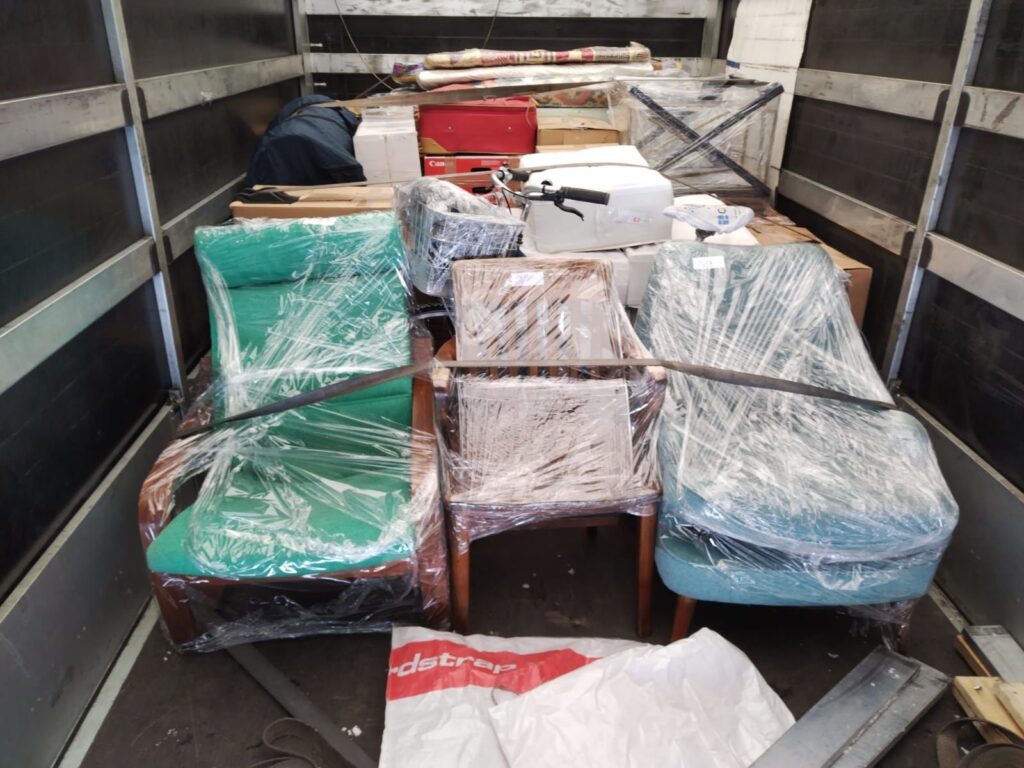
Transporting furniture may be more economical than replacing beds, desks, wardrobes and appliances after arrival.
Moving to Galway With VANonsite
A professionally organised relocation can protect your belongings, budget and schedule. VANonsite supports European moves to Ireland with secure transport, experienced crews and shipment updates agreed for the route.
Available services include:
- Home Removals
- Furniture Removals
- Student Removals
- Office Removals
- Packing Service
- White Glove Delivery
- Storage
- Last Minute Moving
- Office Furniture Installation
- Man and van transport
VANonsite vehicle options
| Package | Capacity | Maximum weight | Suitable for |
|---|---|---|---|
| Moving One | 1 m³ | 100 kg | Luggage, boxes and student moves |
| Moving Basic | 5 m³ | 300 kg | A room or compact part-load |
| Moving Medium | 10 m³ | 500 kg | Studio or small apartment |
| Moving Premium | 15 m³ | 1,100 kg | One or two-bedroom property |
| Moving Premium Plus | 30 m³ | 3,500 kg | Family home |
| Moving Full House XXL | 90 m³ | 20,000 kg | Large home or commercial relocation |
Professional packing can reduce the risk of damage to furniture, electronics, artwork and fragile personal possessions. Transport updates can be agreed for the route and selected service type.
Explore VANonsite removals to Ireland and request a personalised quotation based on your route, volume and moving date.
How to Reduce the Cost of Living in Galway Ireland
The largest savings usually come from major lifestyle decisions.
- Share accommodation during the first months.
- Consider Oranmore, Athenry and other commuter areas.
- Live close enough to work to walk or cycle.
- Check the property’s energy rating before renting.
- Cook most weekday meals at home.
- Use a TFI Leap Card for discounted fares.
- Transport useful furniture instead of replacing it.
- Build an emergency reserve covering three months of essential expenses.
- Review subscriptions and memberships regularly.
- Track actual spending during the first 90 days.
Is Galway a Good Place to Live?
Galway can offer an exceptional lifestyle. It is creative, sociable and surrounded by striking Atlantic landscapes. The city centre is compact, the cultural calendar is rich and the local community is highly international.
Its greatest challenge is accommodation. The cost of living in Galway Ireland becomes difficult when one person tries to rent an entire apartment on an average salary. Traffic and childcare costs can also create pressure for families.
Galway may be a strong choice if you have secured housing, your net income comfortably covers rent and you value culture, coastal access and a walkable city centre.
Frequently Asked Questions
What is the average cost of living in Galway Ireland?
A single person sharing accommodation may spend approximately €1,500 to €2,100 per month. Renting a private one-bedroom apartment can increase the total to €2,800 to €3,300.
How much does a family need to live in Galway?
A family of four may require between €6,000 and €7,500 per month. The total depends on rent, childcare, transport and lifestyle.
How much is rent in Galway?
A room commonly costs €700 to €1,200. A one-bedroom apartment may cost €1,700 to €2,300, while a three-bedroom property can exceed €3,000.
Is Galway cheaper than Dublin?
Yes. Average rent is lower in Galway than in Dublin, although Galway remains one of Ireland’s more expensive cities.
Can you live in Galway without a car?
Yes. Residents living near the centre, universities or major employment areas can often walk, cycle or use buses.
Is Galway expensive for students?
Accommodation makes Galway expensive for many students. A realistic student budget ranges from approximately €1,175 to €2,210 per month.
What salary is needed to live comfortably in Galway?
A single person sharing accommodation may need a net monthly income of €2,000 to €2,500. Renting privately may require €3,200 to €3,800.
How much should I save before moving to Galway?
Prepare enough for the deposit, first month’s rent, moving costs and at least one to three months of essential expenses. A private renter may need savings of €6,000 to €10,000.
Summary
The cost of living in Galway Ireland is high, primarily because of accommodation. Renting a room offers the most manageable option for students and single professionals. Private renting provides greater independence but requires a stronger income and a larger initial budget.
A single person sharing accommodation should plan for approximately €1,500 to €2,100 per month. Private renters may need €2,800 to €3,300. Couples should consider €3,400 to €4,500, while families may require €6,000 to €7,500 or more.
The best strategy is to secure accommodation early, calculate take-home pay accurately and maintain a financial reserve. VANonsite can support the relocation with planned European transport, flexible vehicle sizes, professional packing and dependable man and van services, helping you begin your new life in Galway with confidence.