
Northern Ireland is often more affordable than many other parts of the United Kingdom, especially when housing costs are considered. However, the final monthly budget depends on where you live, whether you rent alone, how often you travel, and whether your household needs childcare.
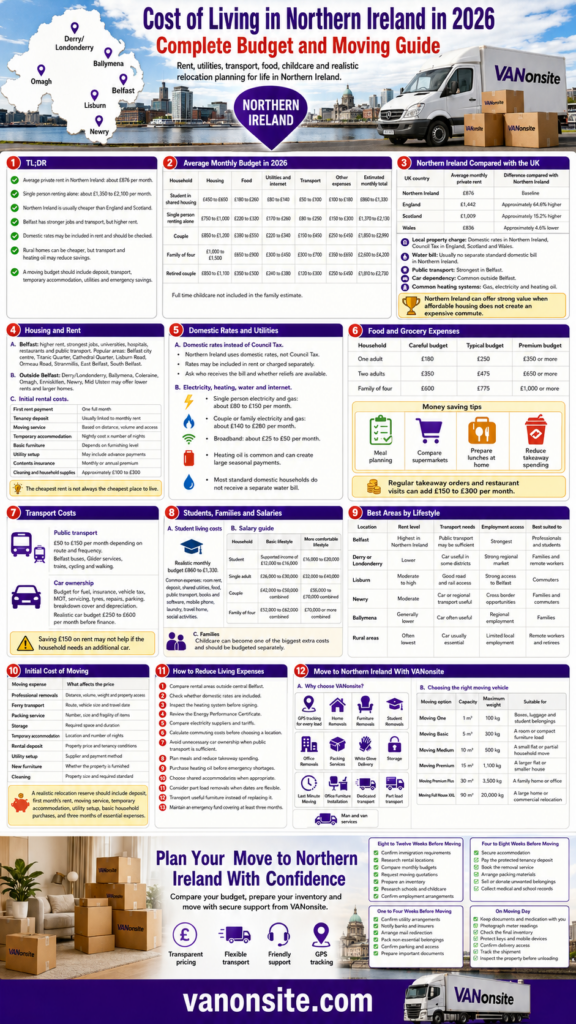
The average private rent in Northern Ireland reached approximately £876 per month in March 2026. By comparison, average rent was around £1,442 in England, £1,009 in Scotland, and £836 in Wales. This makes Northern Ireland substantially cheaper than England for renters, although Wales remains slightly more affordable on average.
For a single person renting independently, the cost of living in Northern Ireland may range from approximately £1,350 to £2,100 per month. A couple may need between £1,850 and £3,000, while a family of four can spend between £2,600 and £4,200 before childcare costs are added.
These figures are realistic planning estimates rather than fixed amounts. Your actual living expenses in Northern Ireland will depend heavily on rent, heating type, commuting distance, food habits, and lifestyle choices.
TL:DR: Cost of Living in Northern Ireland
- Average private rent in Northern Ireland is approximately £876 per month, although Belfast properties frequently cost considerably more.
- A single person renting alone may need between £1,350 and £2,100 per month for essential living expenses.
- Northern Ireland is generally cheaper than England and Scotland, mainly because average housing costs are lower.
- Belfast offers stronger employment and transport connections, while smaller towns often provide more space for less money.
- Northern Ireland uses domestic rates instead of Council Tax, and these charges may sometimes be included in rent.
- Rural housing can be affordable, but transport, heating oil, and longer commutes may reduce the savings.
- A complete moving budget should include transport, rent deposits, temporary accommodation, utilities, and emergency savings.




Average Cost of Living in Northern Ireland in 2026
The average cost of living in Northern Ireland depends on household size, property type, location, transport needs, and personal spending habits.
Housing remains the largest expense for most residents. However, utilities, food, childcare, vehicle ownership, and leisure activities can also have a major impact on the monthly budget.
Belfast is Northern Ireland’s principal employment, education, and entertainment centre. It also has the most competitive rental market. Smaller cities and towns can be less expensive, but residents may need to rely more heavily on private transport.
The following table shows realistic monthly planning estimates for different household types.
| Household | Housing | Food | Utilities and internet | Transport | Other expenses | Estimated monthly total |
|---|---|---|---|---|---|---|
| Student in shared housing | £450 to £650 | £180 to £260 | £80 to £140 | £50 to £100 | £100 to £180 | £860 to £1,330 |
| Single person renting alone | £750 to £1,000 | £220 to £320 | £170 to £260 | £80 to £250 | £150 to £300 | £1,370 to £2,130 |
| Couple | £850 to £1,200 | £380 to £550 | £220 to £340 | £150 to £450 | £250 to £450 | £1,850 to £2,990 |
| Family of four | £1,000 to £1,500 | £650 to £900 | £300 to £450 | £300 to £700 | £350 to £650 | £2,600 to £4,200 |
| Retired couple | £850 to £1,100 | £350 to £500 | £240 to £380 | £120 to £300 | £250 to £450 | £1,810 to £2,730 |
Full-time childcare is not included in the family estimate. For households with young children, nursery fees and childminder costs can significantly increase living expenses in Northern Ireland.
A practical budget should include three levels:
- An essential budget for rent, heating, food, and transport.
- A realistic budget that includes clothing, leisure, and household maintenance.
- A resilient budget that also covers savings and unexpected expenses.
Cost of Living in Northern Ireland Compared to the UK
The cost of living in Northern Ireland compared to UK regions is strongly influenced by housing. Grocery prices, fuel, and branded products may not differ dramatically, but monthly rent can vary by several hundred pounds.
Average Rent Across the United Kingdom
| UK country | Average monthly private rent | Difference compared with Northern Ireland |
|---|---|---|
| Northern Ireland | £876 | Baseline |
| England | £1,442 | Approximately 64.6% higher |
| Scotland | £1,009 | Approximately 15.2% higher |
| Wales | £836 | Approximately 4.6% lower |
For someone moving from London, southern England, or another expensive English city, the housing difference can be striking. A property costing more than £1,500 per month in England may have an equivalent available in Northern Ireland for considerably less.
However, the cost of living in Northern Ireland compared to UK regions should not be measured through rent alone. Average salaries are also lower than in some parts of Great Britain. Therefore, it is important to compare likely income with the complete monthly budget.
| Expense | Northern Ireland | England | Scotland | Wales |
|---|---|---|---|---|
| Average private rent | Lower than England and Scotland | Highest national average | Higher than Northern Ireland | Slightly lower |
| Local property charge | Domestic rates | Council Tax | Council Tax | Council Tax |
| Standard domestic water bill | Usually no separate bill | Usually separate | Different charging system | Usually separate |
| Public transport | Strongest in Belfast | Extensive in major cities | Strong in larger cities | Varies by region |
| Car dependency | Common outside Belfast | Varies by location | Common in rural areas | Common in rural areas |
| Common heating systems | Gas, electricity, and heating oil | Gas and electricity | Gas, electricity, and oil | Gas and electricity |
Northern Ireland can offer exceptional value, particularly for people who secure affordable housing without creating an expensive daily commute.
Housing and Rent in Northern Ireland
Housing is usually the largest part of the living cost in Northern Ireland.
The national average provides a useful benchmark, but prices vary widely between Belfast and more rural council areas. Belfast generally commands the highest rents because it offers the strongest concentration of jobs, universities, hospitals, restaurants, and public transport.
Renting in Belfast
Popular areas include:
- Belfast city centre
- Titanic Quarter
- Cathedral Quarter
- Lisburn Road
- Ormeau Road
- Stranmillis
- East Belfast
- South Belfast
Central locations are usually more expensive, but they may reduce the need for a car. Paying £100 more per month in rent may still save money if it eliminates parking, fuel, and vehicle maintenance costs.
Before signing a tenancy agreement, check whether the advertised rent includes:
- Domestic rates
- Parking
- Furniture
- Service charges
- Internet
- Heating
- Maintenance fees
A modern apartment may appear affordable at first, but additional monthly charges can quickly increase the final cost.
Renting Outside Belfast
Derry or Londonderry, Ballymena, Coleraine, Omagh, Enniskillen, Newry, and parts of Mid Ulster may offer lower rents and larger properties.
Lisburn is popular with commuters because of its road and rail connections to Belfast. Newry can appeal to people who travel regularly between Northern Ireland and Ireland.
Lower rent is attractive, but it must be compared with the full cost of living. A rural home may require:
- One or two cars
- Higher fuel spending
- Heating oil deliveries
- Longer school journeys
- More maintenance
- Longer commuting times
- Higher delivery costs
The cheapest property is not always the cheapest place to live.
Deposits and Initial Rental Costs
Moving into a rental property requires more than one monthly payment.
| Initial expense | Typical calculation |
|---|---|
| First rent payment | One full month |
| Tenancy deposit | Usually linked to monthly rent |
| Moving service | Based on distance, volume, and access |
| Temporary accommodation | Nightly cost multiplied by the number of nights |
| Basic furniture | Depends on whether the property is furnished |
| Utility setup | May include advance payments |
| Contents insurance | Monthly or annual premium |
| Cleaning and household supplies | Approximately £100 to £300 |
Private landlords must normally protect an eligible tenant deposit through an approved Tenancy Deposit Scheme.
Before transferring money, read the official Tenancy Deposit Scheme guidance.
Domestic Rates Instead of Council Tax
Northern Ireland does not use the same Council Tax system as England, Scotland, and Wales. Residential properties are subject to domestic rates.
The amount is calculated using the property’s rateable capital value and the domestic rate set for the relevant council area.
For tenants, responsibility depends on the rental agreement. Rates may be included in the rent or charged separately. Before moving in, ask:
- Are domestic rates included in the advertised rent?
- Who receives the rates bill?
- Does the tenancy agreement explain who must pay?
- Are any reductions or reliefs available?
- Could the amount change during the tenancy?
A slightly higher rent that includes rates may offer better value than a lower headline price followed by a separate bill.
Official information is available through the Northern Ireland government rates guidance.
Electricity, Heating, Water, and Internet Costs
Utilities can make two similarly priced properties feel completely different financially. Always check the property’s Energy Performance Certificate, insulation, windows, heating system, and boiler condition.
Electricity and Gas
A single person may spend around £80 to £150 per month on electricity and gas. A couple or family may need between £140 and £280, especially during winter.
The final amount depends on:
- Property size
- Energy efficiency
- Heating type
- Number of occupants
- Time spent at home
- Supplier and tariff
- Billing method
- Use of tumble dryers and electric heaters
People working from home should expect higher electricity and heating consumption.
Heating Oil
Heating oil remains common in properties that are not connected to the gas network.
Instead of paying a steady monthly gas bill, households may need to purchase a large oil delivery. This can create sudden seasonal expenses.
Before renting an oil-heated home:
- Check the current tank level.
- Ask about previous annual consumption.
- Inspect the boiler’s age and condition.
- Confirm who is responsible for the tank.
- Compare local suppliers.
- Budget before winter demand increases.
A low-rent property with poor insulation and an inefficient oil boiler may become surprisingly expensive during colder months.
Water Charges
Most standard domestic households do not receive a separate water bill in the same way as households in England or Wales.
Different rules may apply to measured supplies, commercial properties, or homes used partly for business purposes.
Broadband and Mobile Services
Home broadband generally costs between £25 and £50 per month. Premium speeds, television bundles, and short contracts can cost more.
Do not assume that every rural property has reliable fibre access. Check the exact address before signing a tenancy, especially when remote work depends on a stable internet connection.
Food and Grocery Expenses
Food is one of the most flexible living expenses in Northern Ireland.
A disciplined household can save considerably through meal planning, supermarket comparisons, and reduced takeaway spending.
| Household | Careful budget | Typical budget | Premium budget |
|---|---|---|---|
| One adult | £180 | £250 | £350 or more |
| Two adults | £350 | £475 | £650 or more |
| Family of four | £600 | £775 | £1,000 or more |
These estimates include groceries, basic toiletries, and household cleaning products. They do not include frequent restaurant meals.
Shopping at discount supermarkets, preparing lunches at home, and planning five to seven evening meals in advance can reduce grocery spending by 15% to 30%.
In contrast, regular takeaway orders and restaurant visits can add £150 to £300 to monthly living expenses in Northern Ireland.



Transport Costs in Northern Ireland
Transport costs depend heavily on location.
In central Belfast, many residents can use buses, Glider services, trains, cycling, or walking. Outside Belfast and the main towns, a car may become essential.
Public Transport
Public transport users may spend between £50 and £150 per month, depending on route, ticket type, and travel frequency.
Students and younger residents may qualify for discounted travel. Monthly or weekly passes can also reduce commuting costs.
Owning a Car
Car owners should budget for:
- Fuel
- Insurance
- Vehicle tax
- MOT testing
- Servicing
- Tyres
- Repairs
- Parking
- Breakdown cover
- Depreciation
A realistic car budget can reach £250 to £600 per month before finance payments are included.
Therefore, moving 20 miles outside Belfast to save £150 on rent may not create any real financial advantage if the household must run an additional vehicle.
Healthcare and Insurance
Eligible residents can access Northern Ireland’s Health and Social Care system.
After moving, households should:
- Register with a local GP practice
- Transfer prescriptions and medical information
- Find the nearest pharmacy
- Investigate dental registration
- Review contents insurance
- Update vehicle insurance
- Consider life and pet insurance
To access a GP, residents must normally register as Health Service patients with a local practice that covers their area.
Official information can be found in the Northern Ireland GP registration guidance.
New residents should not automatically assume that every medical service is free. Eligibility can depend on residence status and personal circumstances.
Childcare, Education, and Student Costs
For families, childcare may become one of the largest living expenses in Northern Ireland.
Nursery fees, childminders, after-school care, uniforms, school meals, transport, and activities should be added separately to the basic household budget.
Families should investigate childcare availability before signing a tenancy agreement. A cheaper property may not be worthwhile if the nearest nursery has no places or requires a long daily journey.
Student Living Costs in Northern Ireland
Students can reduce the average cost of living in Northern Ireland by choosing shared accommodation.
A realistic monthly student budget is between £860 and £1,330.
Common expenses include:
- Room rent
- Deposit
- Shared utilities
- Food
- Public transport
- Books and software
- Mobile phone
- Laundry
- Travel home
- Social activities
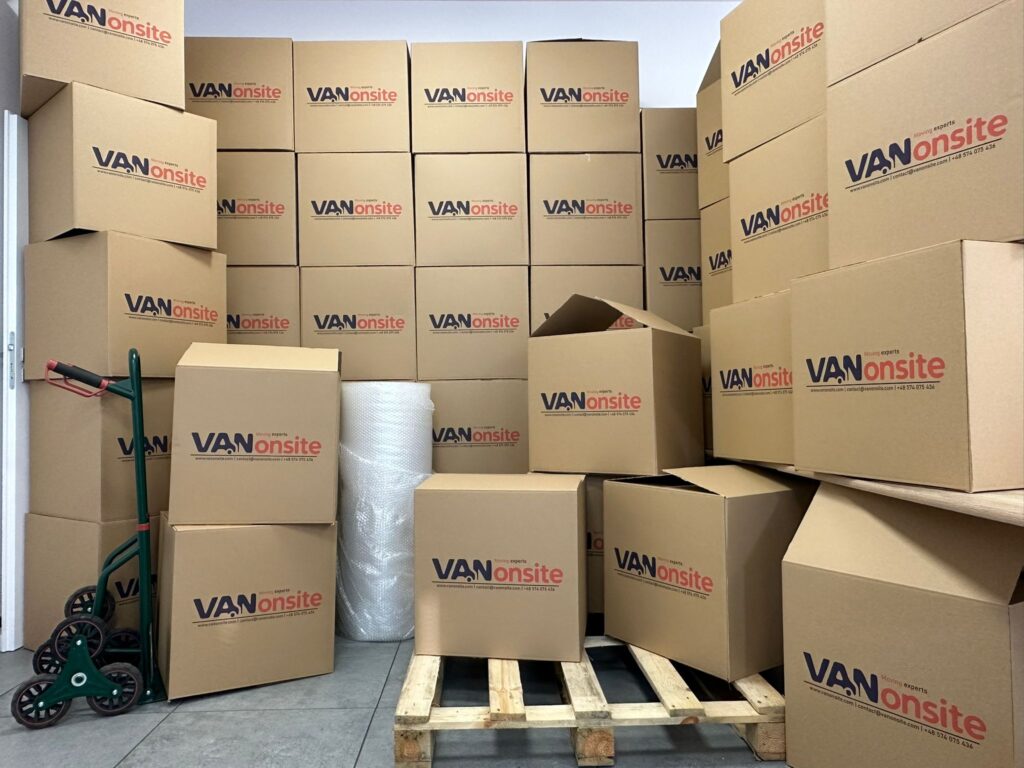
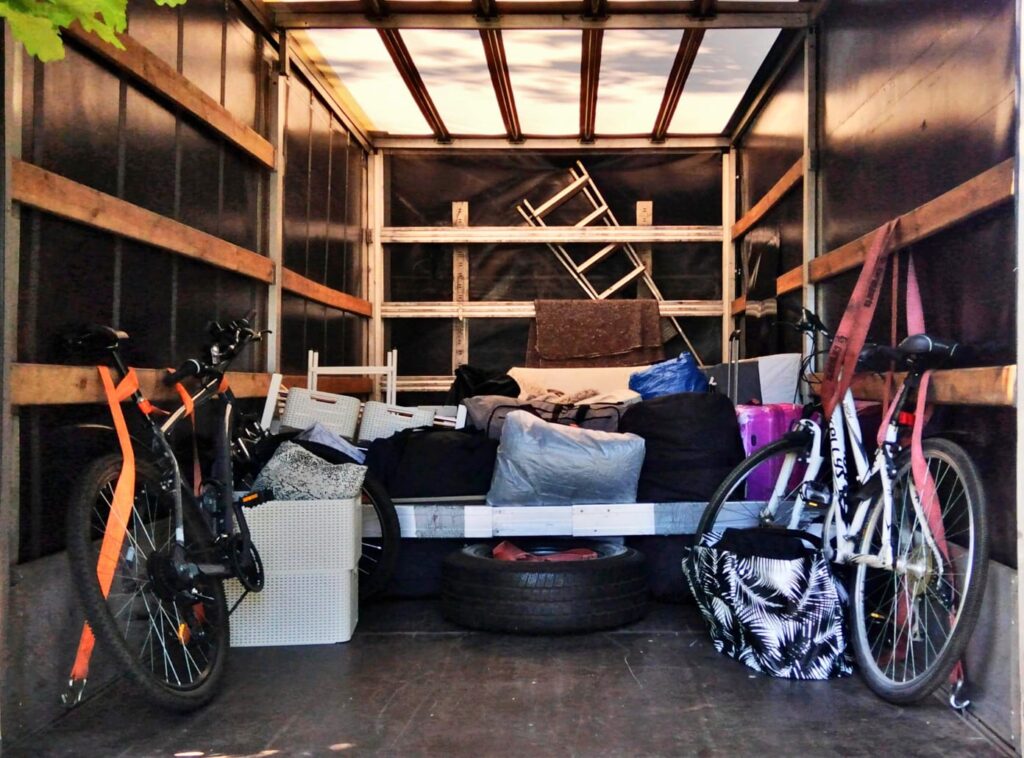
VANonsite Student Removals can help transport books, boxes, computers, clothing, bicycles, and small furniture loads. This may be more convenient and economical than replacing essential belongings after arrival.
Cost of Living in Belfast Compared With Other Areas
| Location | Rent level | Transport needs | Employment access | Best suited to |
|---|---|---|---|---|
| Belfast | Highest in Northern Ireland | Public transport may be sufficient | Strongest | Professionals and students |
| Derry or Londonderry | Lower | Car useful in some districts | Strong regional market | Families and remote workers |
| Lisburn | Moderate to high | Good road and rail access | Strong access to Belfast | Commuters |
| Newry | Moderate | Car or regional transport useful | Cross-border opportunities | Families and commuters |
| Ballymena | Generally lower | Car often useful | Regional employment | Families |
| Rural areas | Often lowest | Car usually essential | Limited local employment | Remote workers and retirees |
Belfast’s higher rent may be balanced by better access to work, education, and public transport.
Smaller towns can provide a quieter lifestyle and more space. However, fuel, car maintenance, and commuting time must be included in the decision.
What Salary Do You Need to Live in Northern Ireland?
The salary required depends on housing, household size, transport, debt, and lifestyle.
| Household | Basic lifestyle | More comfortable lifestyle |
|---|---|---|
| Student | Supported income of £12,000 to £16,000 | £16,000 to £20,000 |
| Single adult | £26,000 to £30,000 | £32,000 to £40,000 |
| Couple | £42,000 to £50,000 combined | £55,000 to £70,000 combined |
| Family of four | £52,000 to £62,000 combined | £70,000 or more combined |
A single person sharing accommodation can live on less than someone renting alone in central Belfast.
Couples benefit from sharing rent, heating, broadband, and household supplies.
Families should calculate childcare separately because full-time care can require a considerably higher combined income.
Regardless of salary, aim to build an emergency fund covering at least three months of essential expenses. Six months provides stronger protection for families, homeowners, and self-employed residents.
Documents and Formalities Before Moving
Northern Ireland is part of the United Kingdom. Immigration requirements depend on nationality, residence status, and purpose of travel.
Before moving:
- Check whether you need a UK visa.
- Review the UK visa application process.
- Confirm your right to work.
- Check driving licence rules.
- Review healthcare eligibility.
- Prepare proof of accommodation and employment.
Keep the following documents accessible:
- Passport or identity document
- Visa or digital immigration evidence
- Employment contract
- Tenancy agreement
- Inventory of transported belongings
- Removal insurance documents
- Medical records
- School records
- Driving licence
- Vehicle registration documents
- Pet travel documents
Do not pack essential paperwork inside the removal vehicle.


Initial Cost of Moving to Northern Ireland
Monthly expenses are only part of the financial picture. The first month is often the most expensive because several payments arrive at the same time.
| Moving expense | What affects the price |
|---|---|
| Professional removals | Distance, volume, weight, and property access |
| Ferry transport | Route, vehicle size, and travel date |
| Packing service | Number, size, and fragility of items |
| Storage | Required space and duration |
| Temporary accommodation | Location and number of nights |
| Rental deposit | Property price and tenancy conditions |
| Utility setup | Supplier and payment method |
| New furniture | Whether the property is furnished |
| Cleaning | Property size and required standard |
A realistic relocation reserve should include:
- Rental deposit
- First month’s rent
- Moving service
- Temporary accommodation
- Utility setup
- Basic household purchases
- Three months of essential expenses
Moving to Northern Ireland With VANonsite
Planning the cost of living in Northern Ireland becomes easier when the relocation itself is organised, transparent, and secure.
VANonsite supports small moves, full household relocations, student transport, office projects, and specialist furniture deliveries across Europe.
Every load can be tracked by GPS, helping customers follow their belongings throughout the journey.
For relocations involving Northern Ireland and Ireland, explore VANonsite removals to Ireland.
Available services include:
- Home Removals
- Furniture Removals
- Student Removals
- Office Removals
- Packing Services
- White Glove Delivery
- Storage
- Last Minute Moving
- Office Furniture Installation
- Dedicated transport
- Part-load transport
- Man and van services
Choosing the Right Moving Vehicle
| Moving option | Capacity | Maximum weight | Suitable for |
|---|---|---|---|
| Moving One | 1 m³ | 100 kg | Boxes, luggage, and student belongings |
| Moving Basic | 5 m³ | 300 kg | A room or compact furniture load |
| Moving Medium | 10 m³ | 500 kg | A small flat or partial household move |
| Moving Premium | 15 m³ | 1,100 kg | A larger flat or smaller house |
| Moving Premium Plus | 30 m³ | 3,500 kg | A family home or office |
| Moving Full House XXL | 90 m³ | 20,000 kg | A large home or commercial relocation |
An accurate inventory prevents two costly mistakes. The first is paying for unused vehicle space. The second is discovering that the selected van is too small.
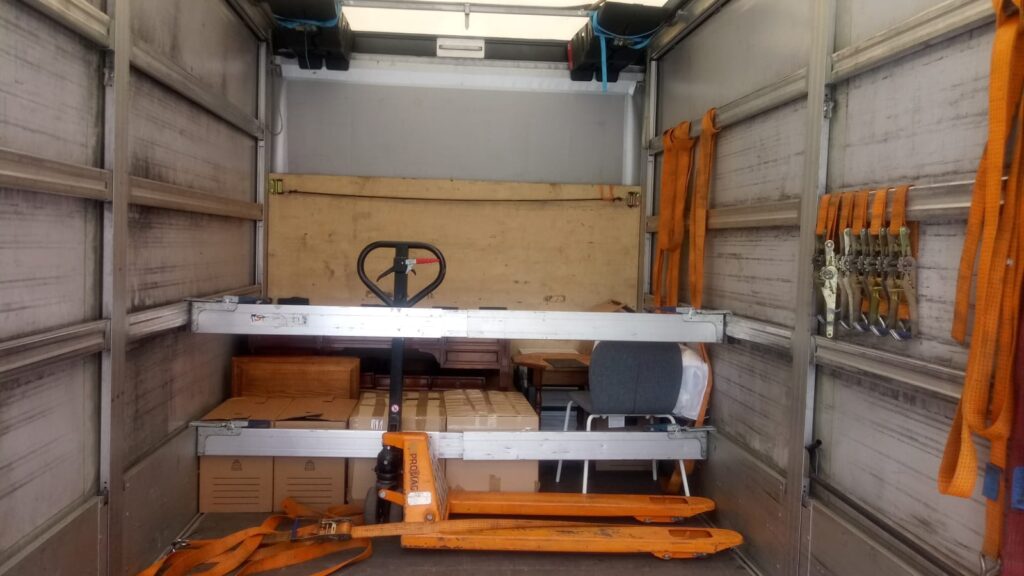
VANonsite can also provide packing, secure loading, unloading, furniture disassembly, and assembly. This allows customers to focus on accommodation, employment, education, and family arrangements.
How to Reduce Living Expenses in Northern Ireland
The largest savings usually come from housing, heating, and transport.
- Compare rental areas outside central Belfast.
- Check whether domestic rates are included.
- Inspect the heating system before signing.
- Review the property’s Energy Performance Certificate.
- Compare electricity suppliers and tariffs.
- Calculate commuting costs before choosing a location.
- Avoid unnecessary car ownership when public transport is sufficient.
- Plan meals and reduce takeaway spending.
- Purchase heating oil before emergency shortages.
- Choose shared accommodation when appropriate.
- Consider part-load removals when dates are flexible.
- Transport useful furniture instead of replacing it.
- Maintain an emergency fund covering at least three months.
Northern Ireland Moving Checklist
Eight to Twelve Weeks Before Moving
- Confirm immigration requirements.
- Research rental locations.
- Compare monthly budgets.
- Request moving quotations.
- Prepare an inventory.
- Research schools and childcare.
- Confirm employment arrangements.
Four to Eight Weeks Before Moving
- Secure accommodation.
- Pay the protected tenancy deposit.
- Book the removal service.
- Arrange packing materials.
- Sell or donate unwanted belongings.
- Collect medical and school records.
One to Four Weeks Before Moving
- Confirm utility arrangements.
- Notify banks and insurers.
- Arrange mail redirection.
- Pack non-essential belongings.
- Confirm parking and access.
- Prepare important documents.
On Moving Day
- Keep documents and medication with you.
- Photograph meter readings.
- Check the final inventory.
- Protect keys and mobile devices.
- Confirm delivery access.
- Track the shipment.
- Inspect the property before unloading.
Frequently Asked Questions
What is the average cost of living in Northern Ireland?
A student may need between £860 and £1,330 per month. A single person renting alone may need between £1,370 and £2,130. A couple may spend between £1,850 and £2,990, while a family of four may require £2,600 to £4,200 before childcare.
Is Northern Ireland cheaper than England?
Northern Ireland is generally cheaper for renters. Average rent is significantly lower than in England, although food, fuel, and branded products may cost similar amounts.
Is Belfast expensive to live in?
Belfast is the most expensive rental market in Northern Ireland. However, it remains more affordable than many major English cities. Better public transport may also reduce the need for a car.
How much is average rent in Northern Ireland?
Average private rent is approximately £876 per month. Properties in Belfast may cost considerably more, especially in central and popular residential districts.
Does Northern Ireland have Council Tax?
No. Northern Ireland uses domestic rates instead of Council Tax.
Do households pay a separate water bill?
Most standard domestic households do not receive a separate water bill. Different arrangements may apply to measured or non-domestic supplies.
How much money should I save before moving?
Save enough to cover the deposit, first month’s rent, transport, temporary accommodation, utility setup, and at least three months of essential living expenses.
Can VANonsite move a small load?
Yes. Vehicle options start at 1 m³ and 100 kg. This is suitable for luggage, boxes, student belongings, or a compact man and van move.
Is Northern Ireland a Good Place to Live?
Northern Ireland can be an excellent choice for people looking for more manageable housing costs, dynamic cities, close communities, and easy access to the coast and countryside.
The average cost of living in Northern Ireland remains attractive compared with England and Scotland, particularly for renters. However, Belfast is more expensive than smaller towns, while rural living may require additional spending on cars and heating.
The best financial decision is not simply choosing the lowest advertised rent. Compare housing, rates, utilities, transport, childcare, and commuting as one complete monthly figure.
Moving to Northern Ireland should feel like the beginning of an exciting new chapter, not a logistical struggle. VANonsite can support anything from a compact man and van shipment to a full family or office relocation, with GPS tracking, secure transport, and a vehicle selected precisely for the size of the move.